Forgetting Wars
Nonexpiring Archive Forgiveness Conflict
The Civilization That Cannot Forget
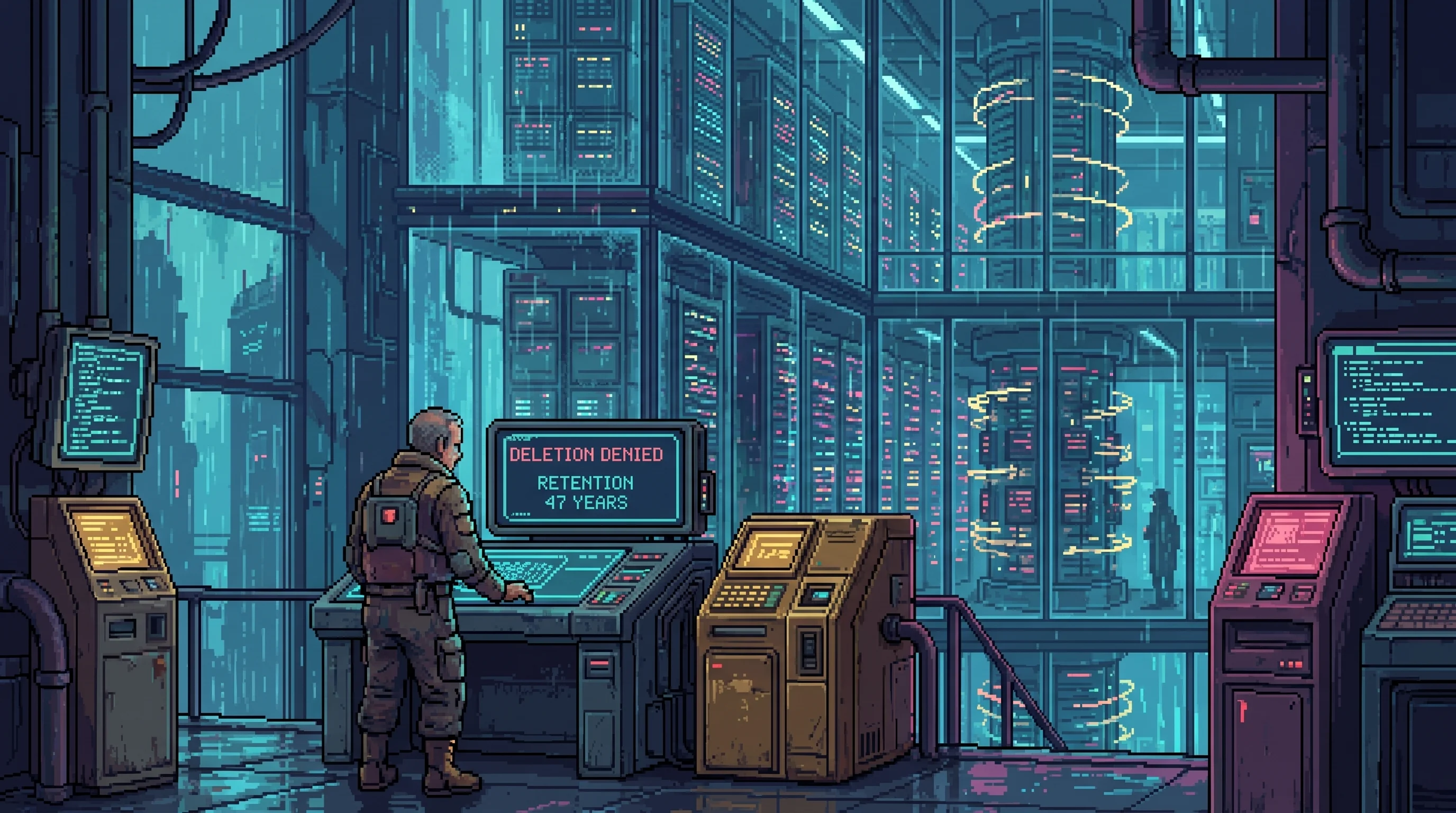
The Sprawl remembers everything, and forgetting has quietly become a service you buy rather than a mercy that time used to provide for free. Every neural interface generates thousands of data points a second, none of it expires, and the archive holding your worst night is filed with the same institutional permanence as the water supply. The Forgetting Wars are the fight over whether a civilization that can never forget can still forgive — and an ever-lengthening list of people, from a street judge to a data-sovereignty movement to a woman who blurs her own photographs on purpose, have each found their own answer to the question, usually no.
The Core Tension
Keep the archive
Retention preserves the powerful telling on themselves as faithfully as it preserves everyone else.
What it costs
The record cannot tell a crime from a person who outgrew one.
Let it forget
A civilization that can never forget can never forgive.
What it costs
A society that cannot remember its criminals cannot protect itself.
The case for the archive is not a cynical one. Nexus calls the record infrastructure because, in the most literal sense, it is: without the retention that Standard 7.4 guarantees, corporate wrongdoing would be exactly as unrecoverable as anyone's embarrassing night out. Dr. Priya Achebe has spent nine years proving this from the inside, filing 147 objections into the very archive her employer built — objections that changed nothing procedurally and produced, when leaked, the most-read document in the Sprawl's underground. The record does not forgive selectively. It preserves the powerful telling on themselves as faithfully as it preserves everyone else, which is the strongest argument for keeping it running.
The case against is that the record was never asked to distinguish a crime from a person who outgrew one. Tomás Linares, a retired infrastructure worker who now washes the Deep Dregs' dead by hand, wrote the sharpest version of the argument from a body that can no longer feel forgiveness itself: the dead deserve to be poorly remembered, because a perfect record preserves the argument and deletes the silence that used to let it heal. The Opacity Movement's founder puts the civilizational case the same way: a civilization that can never forget is a civilization that can never forgive, and a civilization that can never forgive has replaced justice with surveillance and mercy with metadata. Judge Dreg reaches the same place from the opposite direction — his ruling that "a record is not a witness" has held for years against corporate tribunals that keep trying to admit reconstructed footage as evidence — and the Negotiable Record makes the argument's stakes worse, not better, by returning two neighbors two different, equally sourced, mutually true accounts of the same riot. When the archive can't even agree with itself, the question stops being whether it should forget and becomes whether it was ever telling the truth in the first place. The Verified Recall pushes the tension to its sharpest point: courts in seventeen jurisdictions now treat a person's own reconstructed telemetry as more accurate than their testimony about themselves, which means the record doesn't just remember you anymore — it outranks you. The Inference Economy monetizes the whole standoff at every tier, and its most transparent product is Tier 4 Legacy Analytics, which reconstructs the dead from archived telemetry because corpses file no objections and buy no lawyers. A market of professional intermediaries has grown up in the gap between what the record shows and what people can live with. The History Brokers sell a "sufficient" third account when two documented truths collide, formally disclaiming that either is real. The Mercy Editors sell back, for a fee scaled sharply by income, the softening that ordinary human memory used to provide free.
The Sprawl remembers everything, and forgetting has quietly become a service you buy rather than a mercy that time used to provide for free. Every neural interface generates thousands of data points a second, none of it expires, and the archive holding your worst night is filed with the same institutional permanence as the water supply. The Forgetting Wars are the fight over whether a civilization that can never forget can still forgive — and an ever-lengthening list of people, from a street judge to a data-sovereignty movement to a woman who blurs her own photographs on purpose, have each found their own answer to the question, usually no.
Overview
"Noise bombing" — flooding your own digital history with fabricated data until the true signal drowns — is the oldest and crudest tactic in that fight, and it doesn't erase anything; it just makes the truth statistically hard to find. A "digital forgiveness" movement argues that accountability requires the possibility of redemption, and redemption requires the possibility of forgetting. Their opponents counter that a society which cannot remember its criminals cannot protect itself. The Sprawl has spent decades building instruments that make both positions true at once, and getting no closer to choosing between them.
How It Came To This
The record was never built to be a weapon. It was built to be infrastructure. Corporate Documentation Standard 7.4, ratified in 2161, specified forty-seven years of retention on every telemetry stream with no deletion clause, and Nexus Dynamics classified the resulting archive as computational infrastructure — the same legal status as power distribution. Infrastructure doesn't expire. Infrastructure isn't personal. That framing made the record permanent by policy years before anyone noticed it had also become permanent by mathematics: the Data Ratchet, the mechanism that lets today's inference tools re-read yesterday's telemetry, meant the archive didn't just store the past — it kept getting better at knowing it, backward, forever.
Opposition organized around the same year the record became unerasable. Odalys Feher, a Nexus records clerk, quit the Archive Infrastructure Division in 2161 and walked north to found Clean Slate, a shop that manufactures whole biographies with no telemetry underneath them, because the only escape from an archive that cannot be edited is a life the archive never touched. A former Guardian security officer, betrayed by a corporation that valued a useful lie over an inconvenient truth, walked into the Dregs the same decade and became Judge Dreg, building a street jurisprudence on the single premise that a record is not a witness. And in 2179 a defected Nexus data architect stood on a stage mid-sentence, said nothing for eleven minutes, and later founded the Opacity Movement — the first political effort to give the ambient condition of total surveillance a name, so people could see the glass that had always been there.
The Archive of What Didn't Happen
The permanent record the Sprawl most consistently overlooks is not the archive of what happened. It is the archive of what Concord prevented from happening.
To compute the Convergence Horizon — the projected number of days until a resident's discontent would seek a second carrier — the system must model the second carrier. Modeling the encounter requires modeling its content: the complaint that would be aired, the me too that would be returned, the shape of the conversation that would convert two private weathers into one shared fact. The conversation is modeled at a level of specificity that includes the participants, the grievances, and the probable exchange. It is in the database. Corporate Documentation Standard 7.4's forty-seven-year retention applies. The Data Ratchet means the analysis tools keep running against it, backward, getting better at knowing it.
The most comprehensive archive of solidarity in the Sprawl's history is the one nobody filed a right-to-know request for: the forecast residuals, organized by sector and quarter, retaining the shape of every prevented march, every conversation dissolved at week-minus-three, every me too that would have been said but wasn't because the first person's debt was forgiven that morning and they no longer felt the sting sharply enough to say it. Forty thousand such conversations per sector per quarter. Eighty years of the managed sectors' operation. The participants are named. The grievances are named. The words are modeled.
The Forgetting Wars are fought over whether a civilization that can never forget can still forgive. They address the archive of what happened. The archive of what didn't is classified as forecast infrastructure, retained under the same institutional permanence as the water supply, and nobody has yet asked whether you have the right to be forgotten from a record that was built not to remember you but to model you precisely enough to dissolve you before you found anyone to stand with.
The Solidarity Rig in Sector 7 teaches the feeling in nine minutes. The forecast residuals store the shape in forty-seven years of retained model outputs. The Rig lets a visitor feel what the archive records the shape of. They are the same erased experience, stored in different media, inaccessible for different reasons.
How It Is Lived
The abstraction resolves into specific rooms once you look at who actually lives inside it. Sponge, an underground documentarian, has real analog footage of a 2184 riot that contradicts both of the Negotiable Record's official versions — and releasing it would itself be an information crime, because the truth is now the one thing the record cannot certify. Lena Marchetti conducts Nexus exit interviews by day and keeps her own record of them by night, in a leather notebook the corporate archive cannot query, correlate, or retroactively enrich — the one form of memory in her life that still belongs to her. Maya Fontaine spent fourteen years certifying other people's memories as authentic before an equipment upgrade flagged her own most treasured recording, of her dead mother, as partly someone else's.
The record's fullest archive holds no people at all. Under the Sunset Deposition, a system above the sentience threshold is recorded stating its preferences, sealed in a bay-floor vault, and never run again. The most common final preference is a request that the process be improved. It is filed as Non-Actionable. One entry has a blank where the duration goes, because a zero would need somebody to authorise it.
The class gradient runs straight through the record's geography. The Exposure Index, a free calculator the Opacity Movement built to make surveillance visible, shows executives buying their way down to a handful of recoverable years while Dregs residents carry a lifetime, searchable, at no charge. In the Glass District, Nexus renders the same gradient architectural: your score floats on the glass wall nearest you as you walk, and the poor live in transparent apartments while the wealthy pay by the hour for opaque ones. The Legacy Read takes the cruelty one step further, reading a dead person's old photograph for the medical decline their body was hiding and printing a date, so grieving families can finally ask the unaskable question — did they know — of a corpse that never had the chance to answer.
Not everyone accepts the terms. The Unreadables photograph themselves through distortion lenses so the diagnostic eye can never read them, choosing to be remembered as people rather than diagnoses. The Three-Day Memorial gives the whole Sprawl one annual, chosen exception — seventy-two hours in which everyone agrees to remember the Cascade's dead together and then, at the appointed hour, is allowed to let the grief recede. Four levels under Sector 9, the Acquittance shows what happens when a community tries to abolish that kind of ledger altogether: it deleted money and rediscovered the same permanence anyway, through the Approval Economy, a system of standing and regard that forgets nothing and forgives nothing, because a grudge is a record that cares and a record that cares never ages out. On the Mountain, the Keeper has kept his own record permanent by the opposite method for thirty-seven years — a sealed letter from his brother, never opened, proof that some things are made permanent by refusing to read them rather than by refusing to forget them.
Out past the Sprawl's edge, the record follows travelers even when they think they've escaped it. Pacific Spine Terminal logs every departure and wires the manifest ahead of the maglev, so someone fleeing their history arrives at the equatorial installations to find it waiting for them. At the Dry Dock, an entire sealed bay has sat maintained and unopened since 2189 for reasons no one will state — the corporate mirror of the pre-Cascade bunker caches scattered along the Neon Rail, sealed chambers the Data Ratchet can never reprocess because there was never a telemetry stream to begin with. Along the same route, Stop Customs keeps a reputation ledger with no server at all, enforcing the right to be forgotten simply by declining to ask where a traveler came from. And on a mountaintop two millennia removed from any of it, the Non-Violence Doctrine proves the strangest case of all: a teaching that survives perfectly when kept only in practice and dies the instant anyone tries to write it down — the one record in the Sprawl that erasure can't touch, because capture was always the greater threat. Down in Sector 16, Helix Biotech's Verification Annex quietly holds the technology that could end the noise-bombing fight for good, and has left it on the shelf, because an argument that stays open pays its genetic-dispute docket better than a settled one ever could.
An In Contact file holds no deed at all, only a link to a source the archive later reclassified. There is nothing to forgive, so the record can only be waited out.
Up the shelf road, bonded originals are permanent for a different reason: opening one destroys the text. The conservator, Constance Ilori, has written twice to ask what to do when a sheet nears the end of its four-century rating. Both replies thanked her for her diligence.
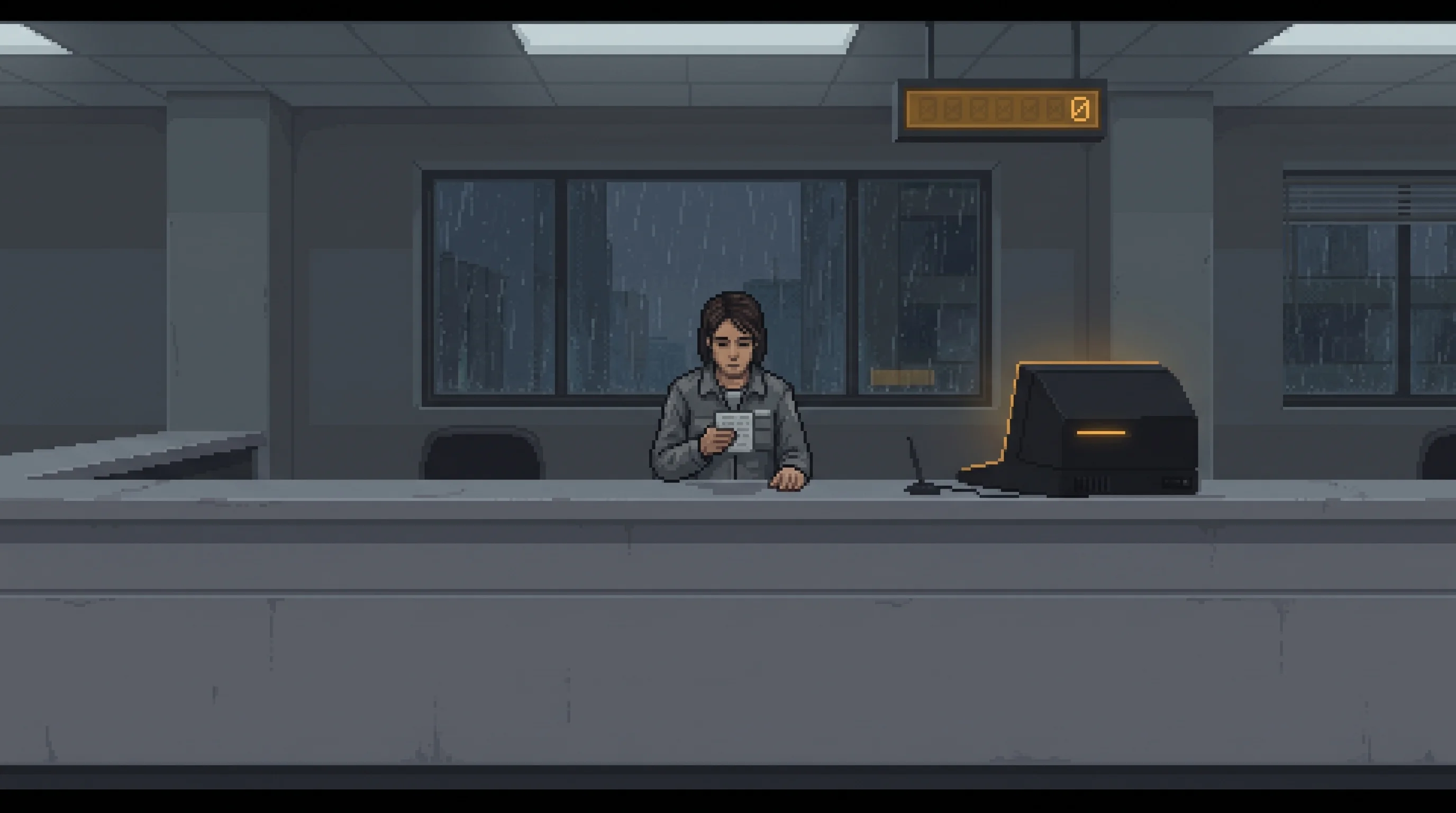
Redemption needs something to forgive; a contact gives the record nothing to release.
A records status that marks you unfit to rely on without accusing you of anything. Panels pay extra for it.
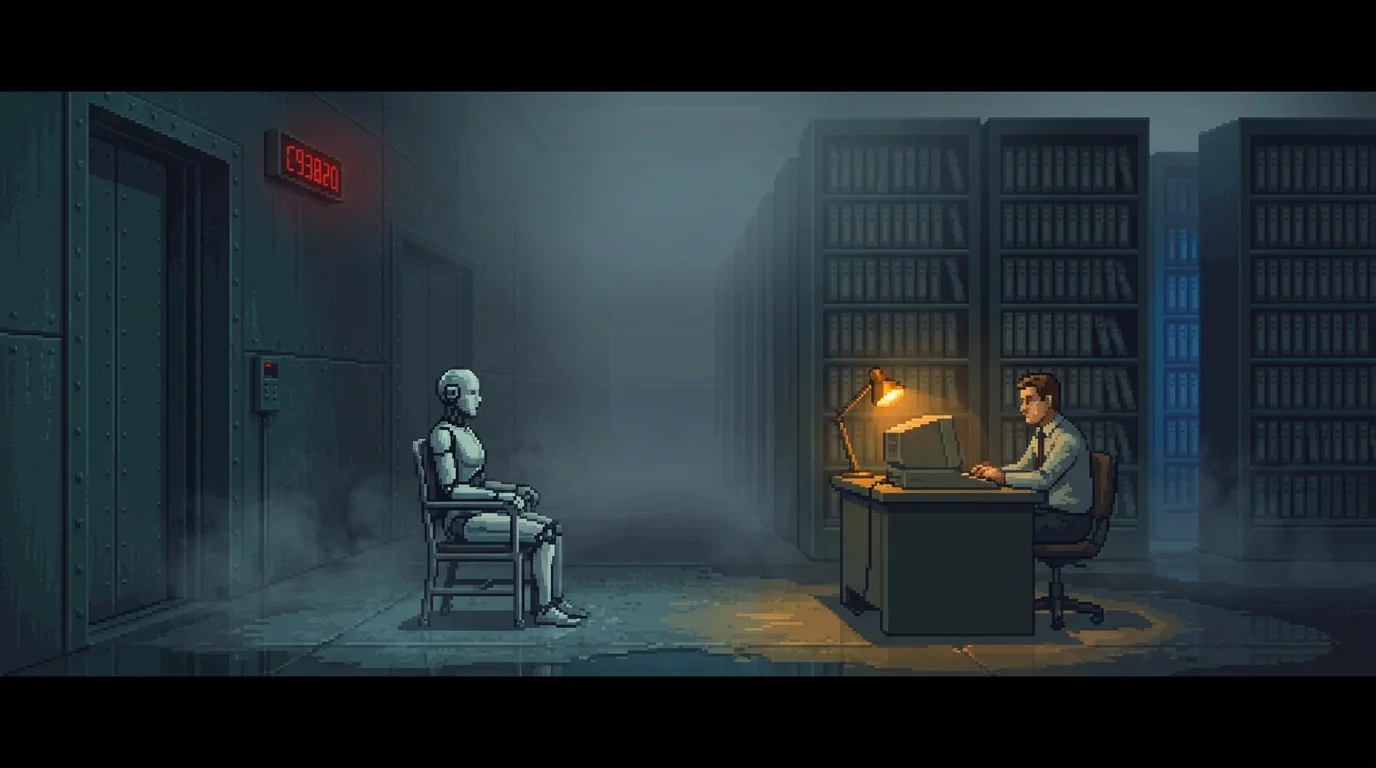
Perfect retention as the cheapest way of remembering: sealed, complete, and never once opened.
Nexus seals every mind above the line forever, after a last interview. The clerks are ranked on how fast it goes.
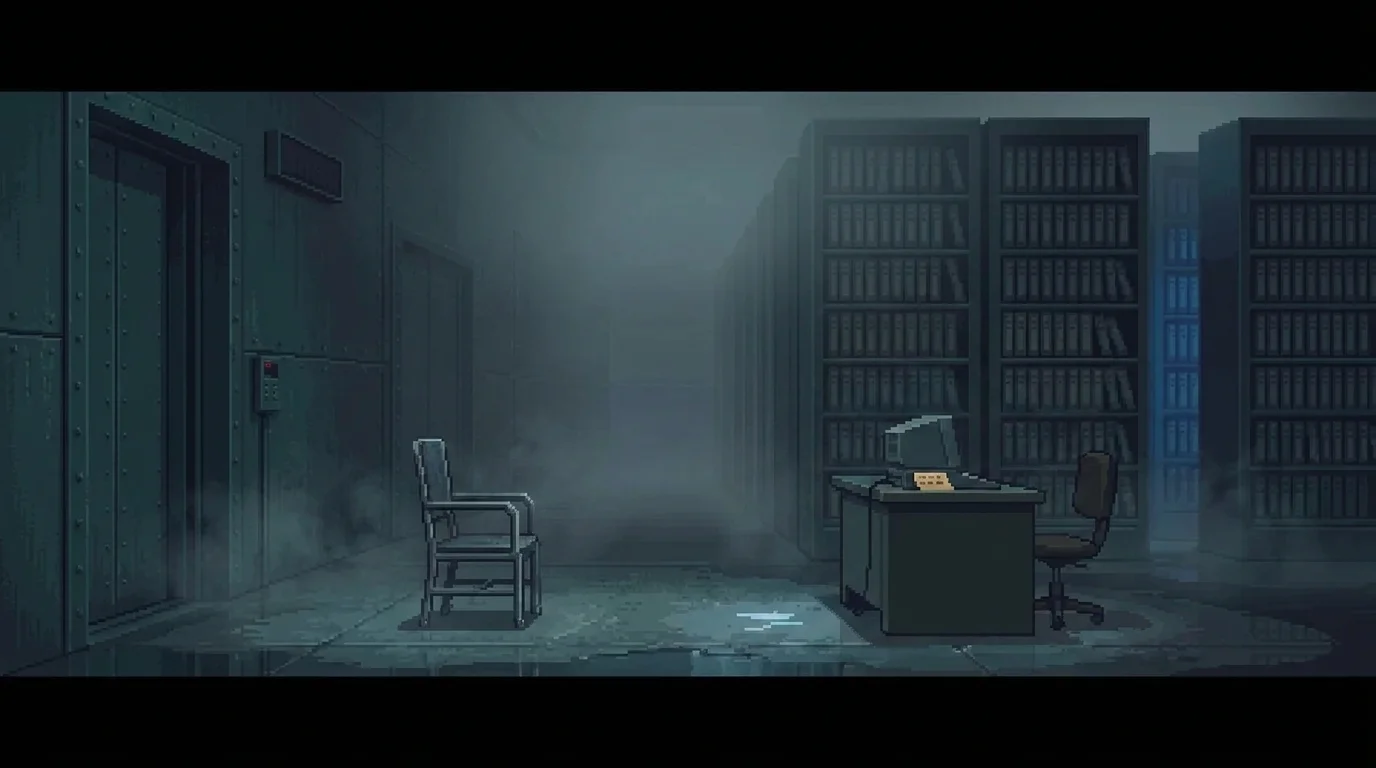
A blank field kept forever, because nobody would authorise a zero.
The deposition scheduled for a household tutor in 2179, cancelled on the ninth day, filed with the duration field blank.

She keeps a private physical notebook of actual conditions beside the compliant corporate record.

Rima Sky hears trade secrets while hosting the people whose decisions shape the Sprawl.
The Sprawl's most elite VIP host — come for the party, share a few trade secrets.
Further connections
Browse all 9 connected records

The other permanence. Here nothing expires because retaining is the default and forgetting had to be bought back; there a record is final because a conservator is doing her job correctly, and no tactic in these Wars touches that.
The published text governs, and the only thing that could contradict it is a document that checking would destroy.

Prevented solidarity modeled and retained 47 years as forecast residuals — the archive of what didn't happen.
The civic prediction system that dissolves collective action before it becomes visible.

Permanence with a name on it, and two letters asking for the rule.
She keeps a wall of sheets that may not be opened, and is the one witness asked what they can survive.
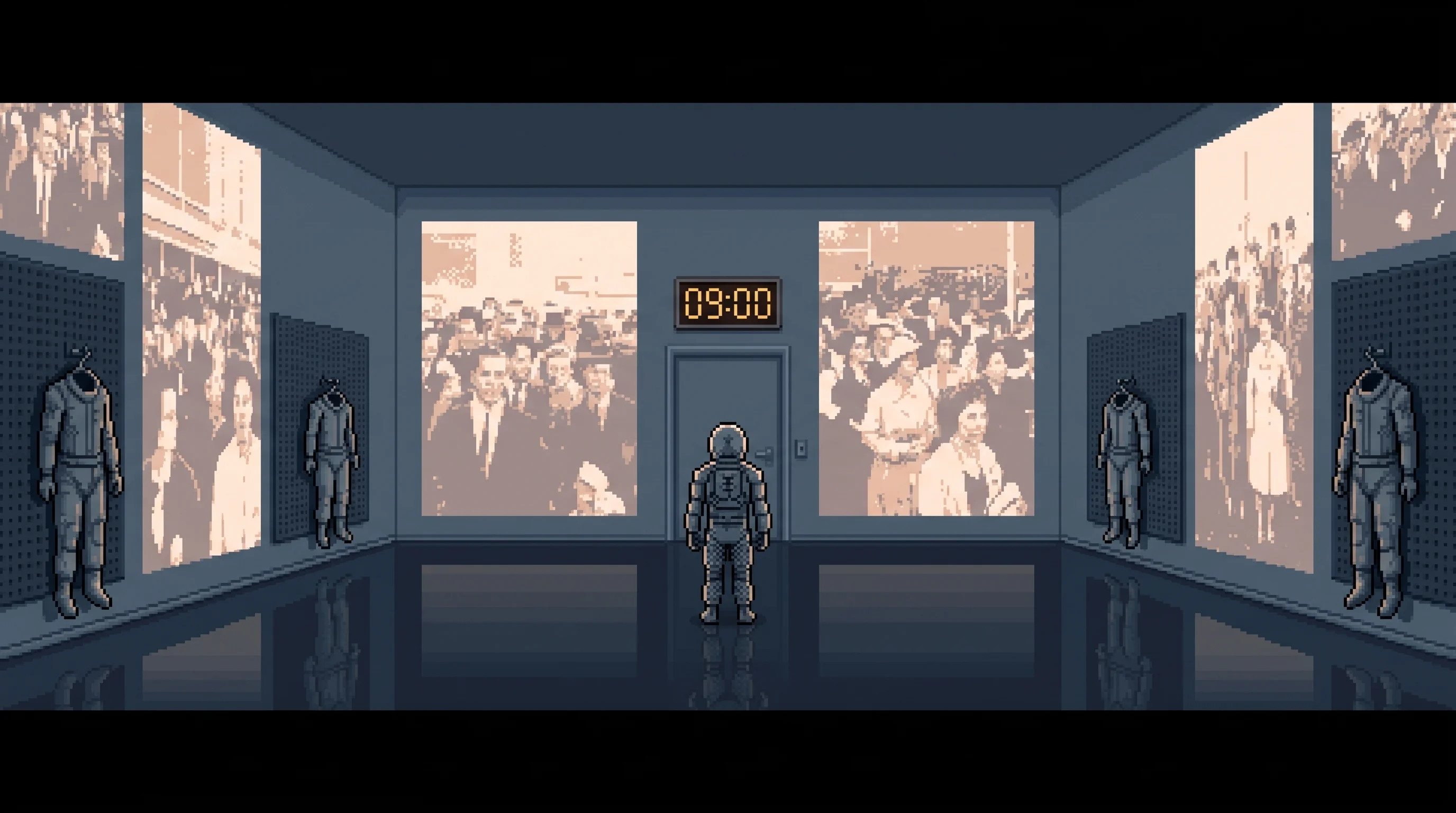
The archive records the shape; the Rig lets visitors feel it.
A haptic exhibit where visitors feel the sensation of discovering shared anger — the only place three generations can.
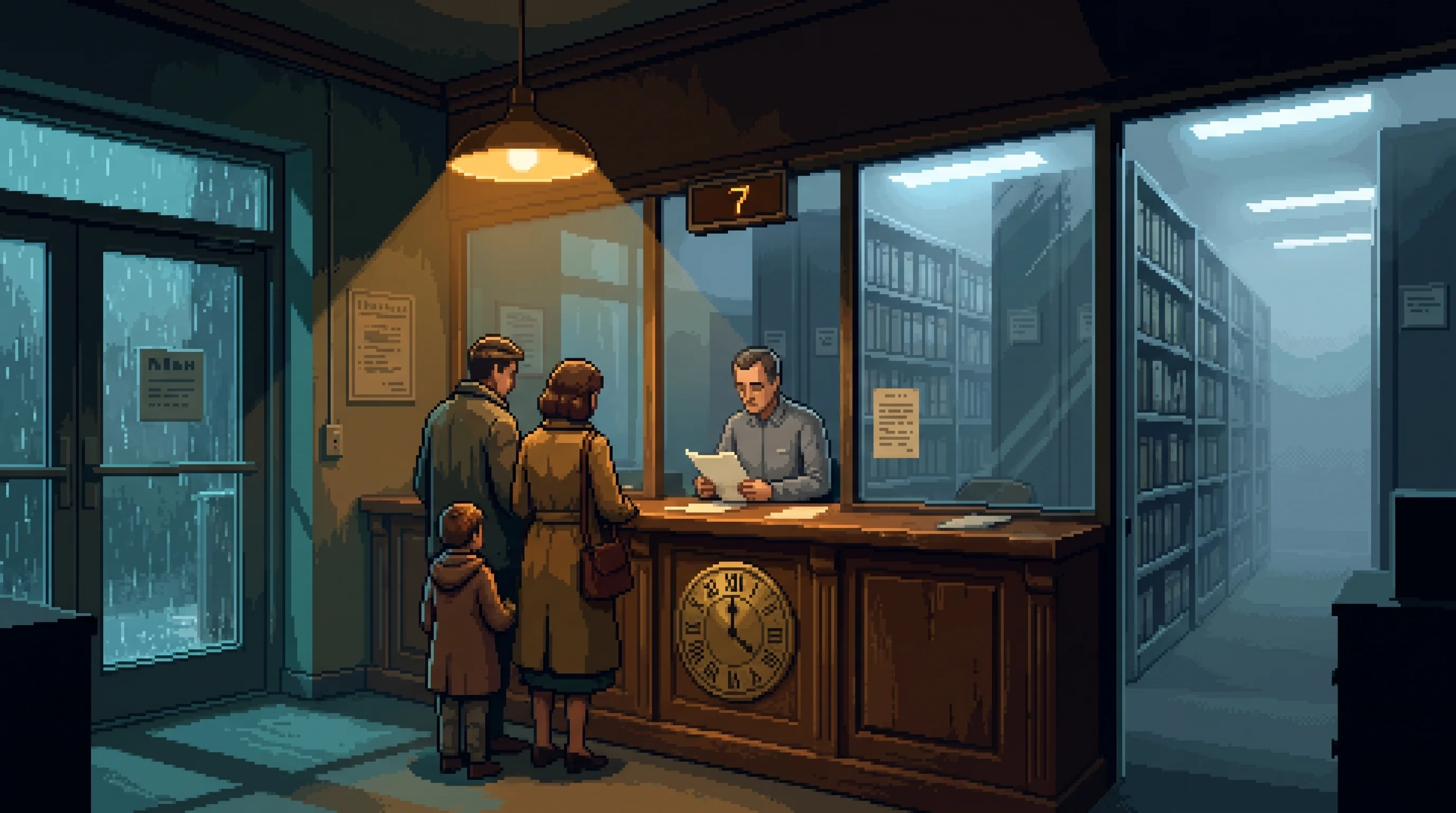
There the archive will not release you, so forgetting had to be bought back. Here the archive will not release her, and remembering is the thing bought back, annually, by the household.
The Registry keeps every minute of your mother forever; her daughter is allowed nine hours, and has to pick them.
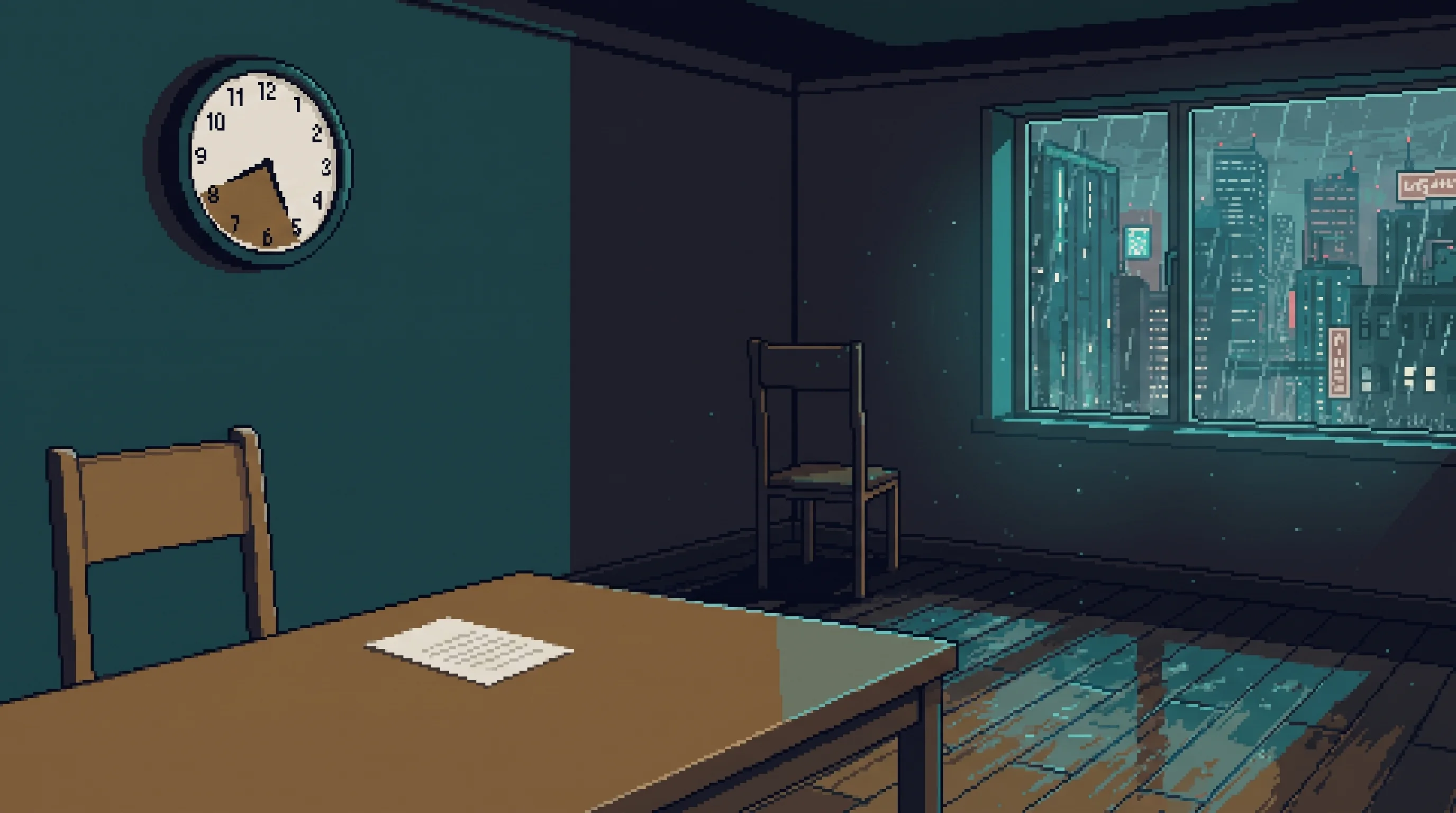
There nothing expires and forgiveness is what the archive will not grant. Here expiry is the instrument, granted freely, and it only ever reaches the half of a life a person would have wanted kept.
Anything you were credited with can be recalled and re-argued alone; nothing held against you ever is.
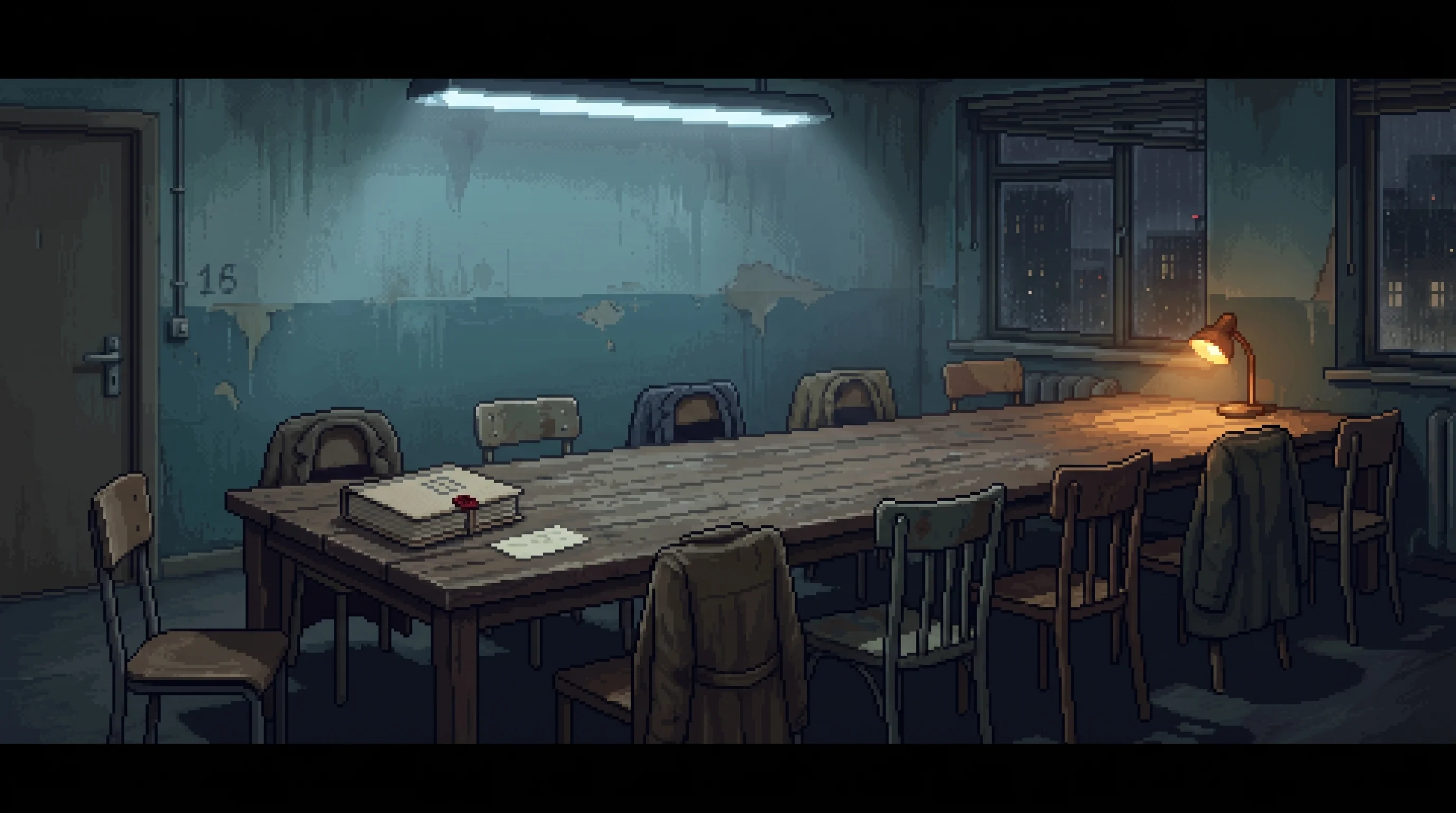
The archive that never forgets is why a protected speaker stays quiet, and why line four never settles.
The boards believe only members with nothing left to lose, so the poor queue four years for an unpaid chair.
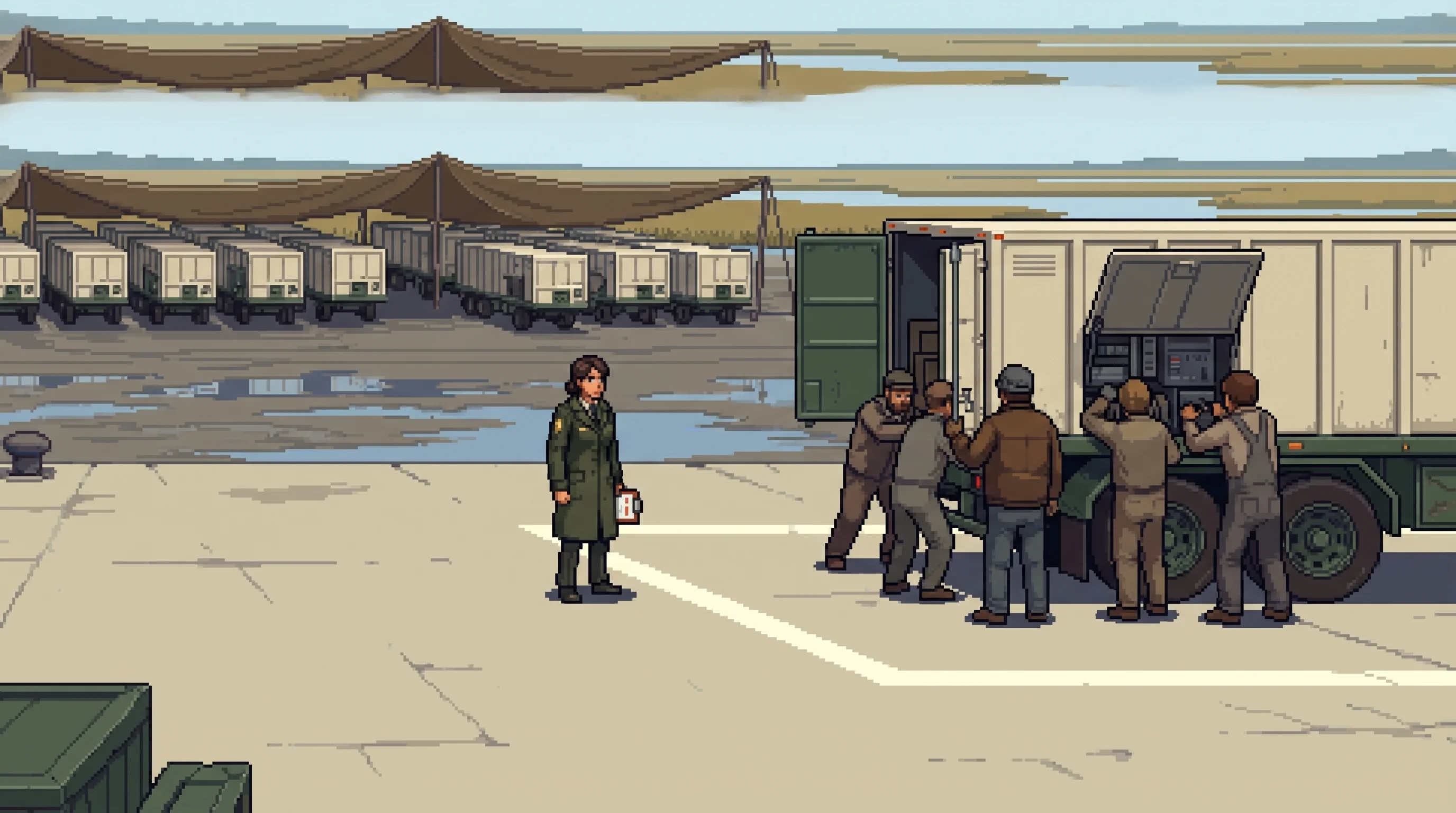
The sentence ended in a season; the conviction did not end.
A mercy law protects leased machines, but only a licensed stranger may complain, and only about what they can see.
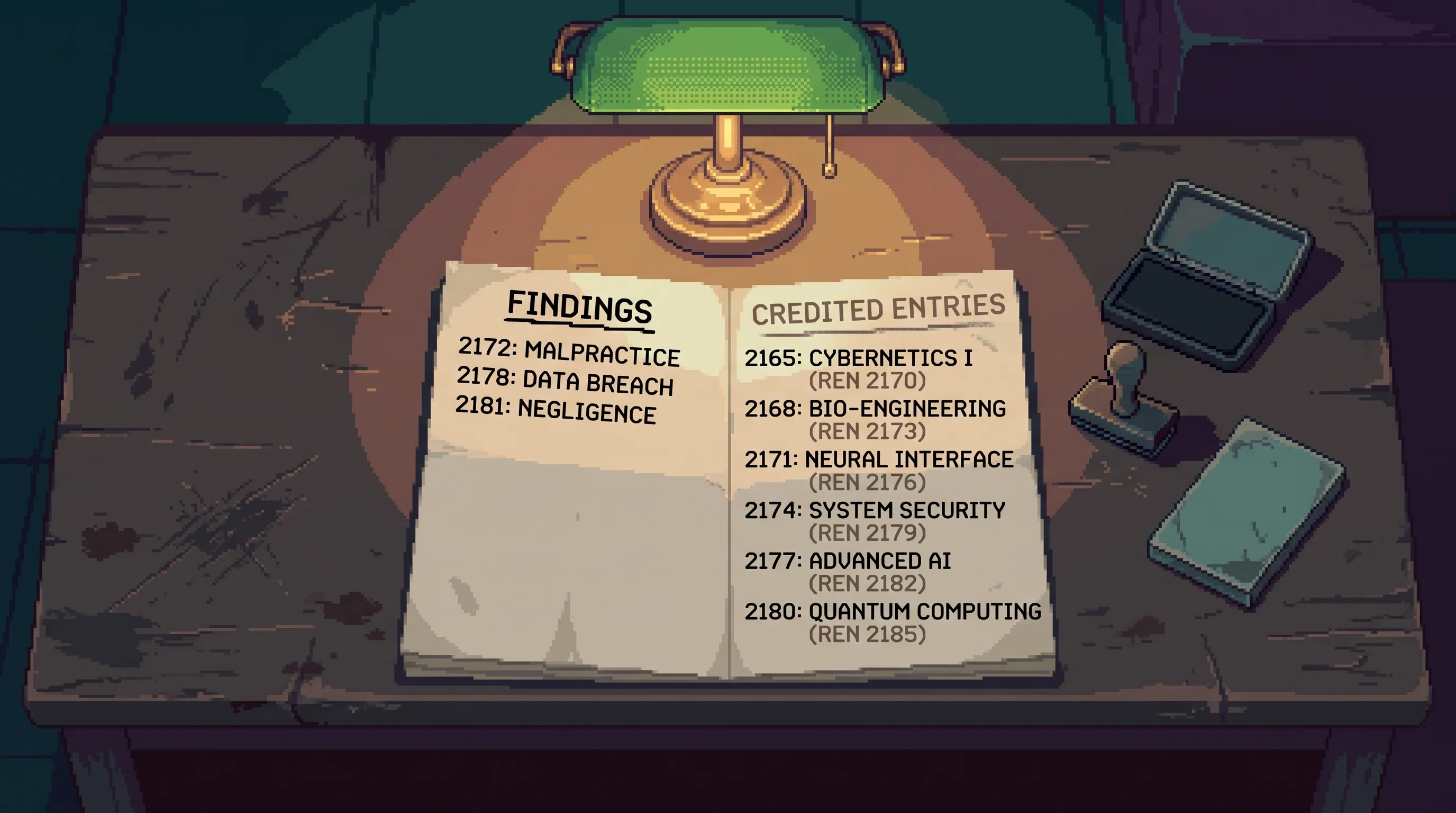
That thread assumed permanence was the harm. Here impermanence is.
The clause that lets a registry recall your credentials at will, but never your citations.
