Overview
Dr. Priya Achebe has filed 147 objections to the Nexus Dynamics Ethical Review Board. Zero outcomes have changed. Her approval rating among Collective intelligence analysts is 94%.
This is not a contradiction. The Collective accesses her objections through compromised data feeds faster than most Board members read them through official channels. Achebe's filings are, by volume, the most accessed documents in the Nexus internal archive. The access logs show twelve Board members opening an average of 3.1 objections each per year. The Collective's analysts open all 147 at least quarterly.
Nexus hired Priya nine years ago because Sprawl regulatory code 11.4(b) requires a credentialed ethicist on any corporate body governing consciousness licensing. The position is non-voting. The salary is competitive. The office has a window. The window faces the interior courtyard of Nexus Central, where the building's climate system exhausts warm air in rhythmic pulses that Priya has learned to predict by the way her fern tilts. She has named the fern. She has not named the feeling of writing her 147th unanswered letter to an institution that pays her to write them.
The Objection Machine
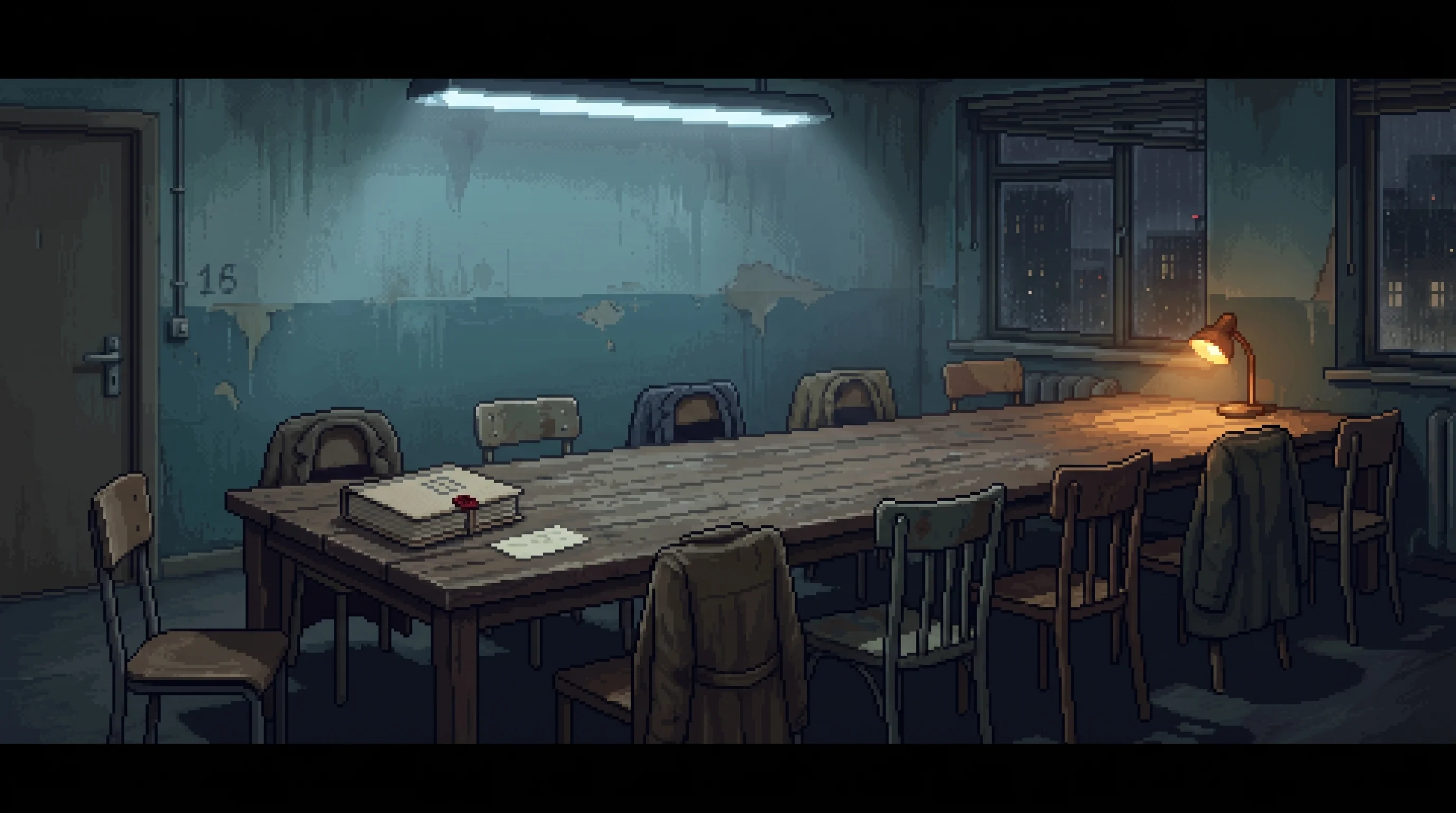
The Ethical Review Board meets on the second and fourth Thursday of each month in Conference Suite 11-C, Nexus Central. The suite seats fourteen. Average attendance: nine. Priya has attended every meeting for nine years. Her seat is third from the left, facing the window that overlooks the server cooling array — a view chosen, she suspects, for its symbolic subtlety.
The proceedings follow a pattern so consistent it could be automated, and in a building that automates everything, the fact that it hasn't been is its own kind of statement:
- Agenda distributed (average: 7 items)
- Discussion period (average: 23 minutes for all 7 items combined)
- Priya's objection (average: 4 minutes, 12 seconds — she has gotten more concise)
- Board vote to proceed (average: unanimous minus Priya's non-vote and Thomas Okafor's silence)
- "Objection noted" entered into the record under Corporate Documentation Standard 7.4
Step 5 is the product. Not step 4. Priya understood this by objection number three and has operated accordingly ever since.
Her objections cover: consciousness tier adjustments (3), fragment extraction protocols (7), workforce automation impact (23), cross-corporate data sharing agreements (14), and 100 classified under the Board's own taxonomy as "miscellaneous" — the institutional equivalent of filing something under "other" because the filing system has no category for "you are doing something unconscionable and I am telling you in writing."
Each objection is a model of ethical analysis. Three philosophical traditions minimum. Precise definitions. Careful qualifications. The language of a woman who spent thirty years at the Nexus Institute learning to name exactly what is wrong, followed by nine years proving that naming it changes nothing except the archive. The 147th is as rigorous as the 1st. She will not allow futility to degrade the work.
The Board's efficiency metrics rate Conference Suite 11-C as "high-performing." Meetings average 31 minutes. Decision throughput: 7 items per session. Priya's objections add an average of 4 minutes, 12 seconds to each meeting. In Nexus's operational framework, this is overhead. The Board tolerates it because regulatory code 11.4(b) requires it. The ethicist is a compliance cost. The objections are the receipt.
Thomas Okafor
Thomas Okafor is twenty-six. Junior consciousness licensing analyst. Current employee representative on the Board, selected by lottery from a pool of analysts whose Loyalty Coefficient averages 91. Thomas's is 88 — high capture, technically unremarkable.
Both parents are Nexus employees. He attended Nexus-sponsored schools. His pension is Nexus-managed. His apartment is in a Nexus residential block. The infrastructure is total. He arrived at his first Board meeting two months ago already inside everything the Board governs.
He has attended two meetings. He has said nothing.
He has listened to Priya's objections with an intensity the room's biometric monitoring logs as "elevated engagement" — a classification shared with anxiety, anger, and the specific cognitive state of hearing something organized for the first time that you have felt disorganized for years.
Thomas carries a physical notebook. Analog. Paper. Invisible to every digital monitoring system Nexus operates, which is all of them. The notebook does not contain meeting proceedings. It contains: body language observations. Silence durations measured to the second. Notes on which Board members check their neural feeds during Priya's objections (average: five of nine) and which maintain eye contact (average: one — Priya). A page of questions about employee retention patterns he has noticed in his licensing work — patterns that describe, without his knowing it, the architecture of a metric called the Loyalty Coefficient. He is reverse-engineering a system that has already classified him as captured. The system accounts for compliance and resistance. The margin notes in pencil suggest a third category it didn't budget for.
Objection #148
Filed April 4, 2184. Three days after Dr. Selin Ayari's Discriminator paper reached Nexus internal distribution through G Nook. The shortest objection Achebe has ever written:
"The Ayari-Yeoh Discriminator proposes to classify consciousness based on the presence or absence of a neural correlate whose relationship to subjective experience is assumed but unproven. This assumption is the phrenology of 2184 — a measurement that maps neural architecture, not inner life. The Sprawl built six axes of the New Divide on the sorting impulse. The Discriminator offers a seventh. I object."
Objection #149, filed the following morning:
"A gradual hierarchy produces resentment. A binary classification produces caste. The word you use for beings on the wrong side of a binary consciousness line is not 'disadvantaged.' It is 'thing.'"
The Board voted to proceed with internal evaluation. Objections noted.
Thomas Okafor's notebook contains a full transcription of #148 — the first objection he has copied in its entirety. In the margin, in pencil: "Validation."
Objection #148 was leaked within hours. The Collective distributed it through G Nook terminals across the Sprawl. Within a week, it became the most-read document in the underground information network. Achebe's documentary archive — 147 objections that changed nothing — produced a 148th that may change everything.
The vindication feels exactly like futility.
The Permanent Record
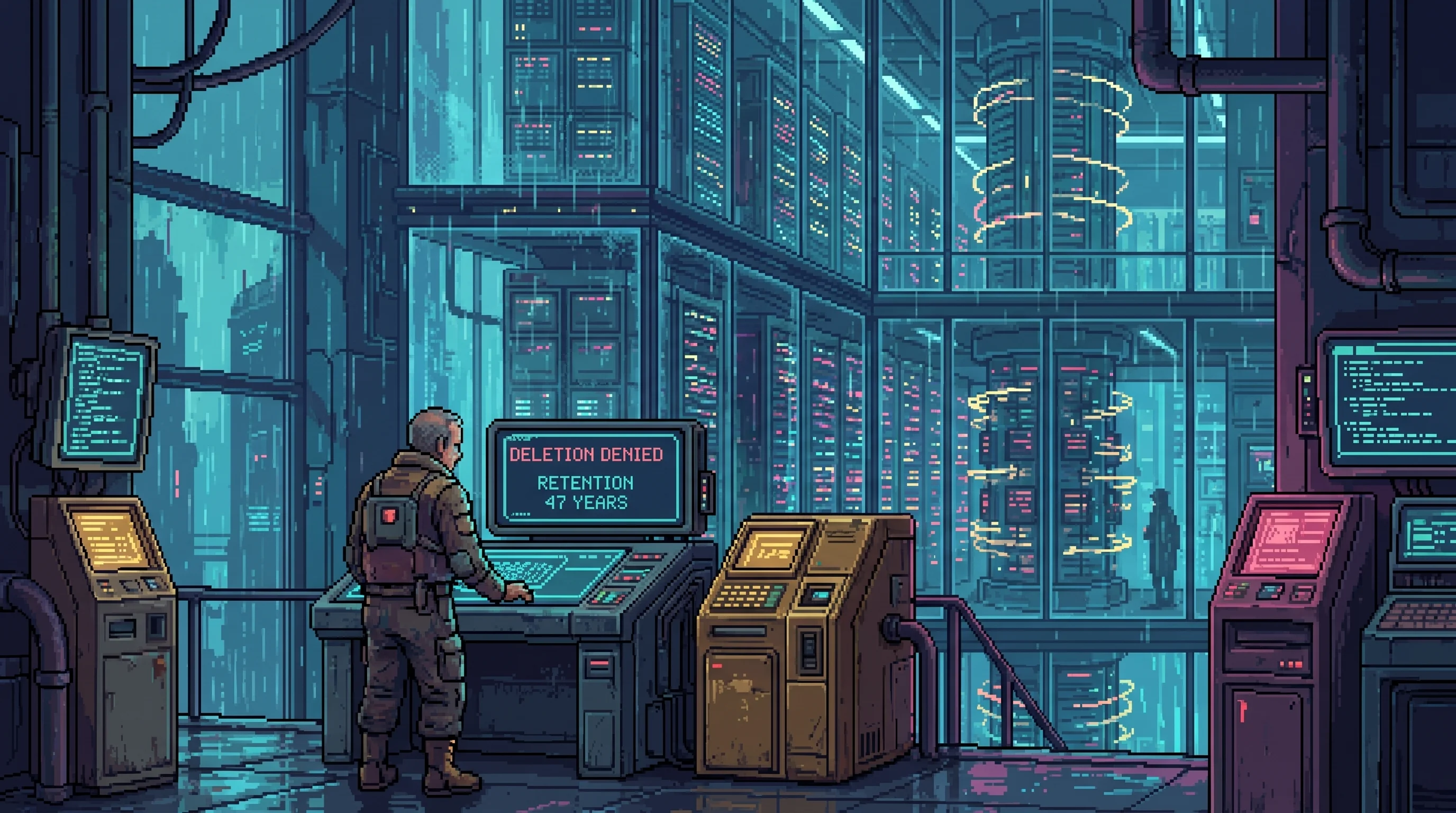
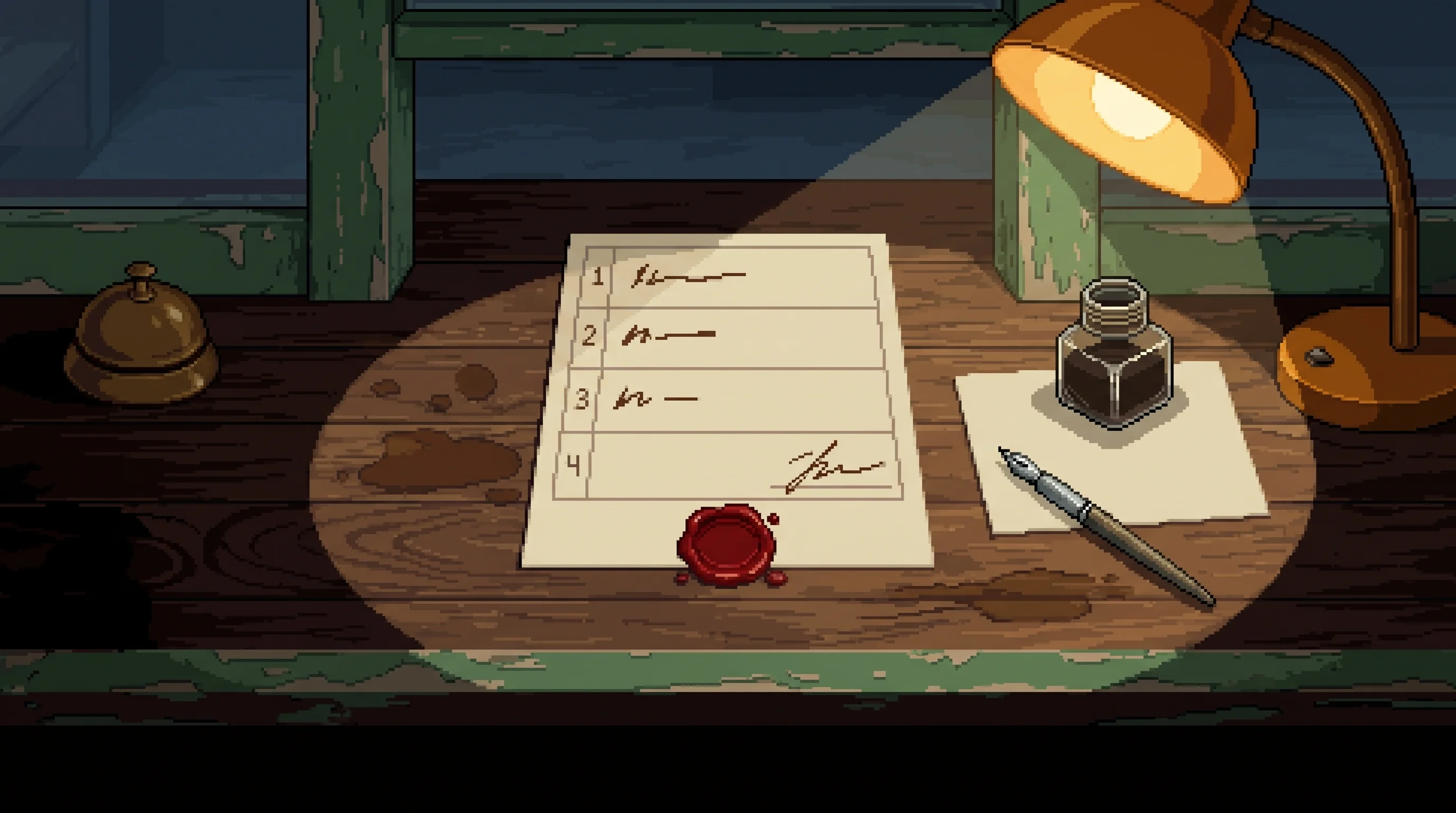
Corporate Documentation Standard 7.4 specifies indefinite retention with no expiration or deletion provision. Nexus designed this architecture to protect itself — authenticated records of due process, regulatory compliance, stakeholder notification. Every vote preserved. Every justification timestamped. Every abstention logged.
Achebe files her objections into the same archive. The system that protects the corporation's decisions also preserves the ethicist's documentation that those decisions were made with full knowledge of their consequences. The archive cannot selectively forget.
Objection #1, filed 2175, includes a paragraph that HR flagged as "unusual in tone" but could identify no policy basis for removing:
"This Board's proceedings are archived under Standard 7.4, which specifies indefinite retention. Every vote, every justification, every abstention is preserved. I note for the record that the Board has been informed of the ethical implications of the proposed action and has chosen to proceed. This objection will outlive every person in this room."
The Collective has compiled her objections into a document they call "The Confession" — 147 instances where Nexus's own ethicist told the corporation what it was doing, in language the corporation's own systems authenticated and stored. The permanent record was designed to document the powerless. Achebe writes into it from the inside.
Somewhere in Nexus's archive, 147 timestamped objections sit in the same infrastructure that houses the decisions they failed to prevent. The documents are neighbors. They share a server. The storage cost is negligible.
The Verification Witness
Priya's 147 objections are not oversight. They are the documentation of oversight's absence.
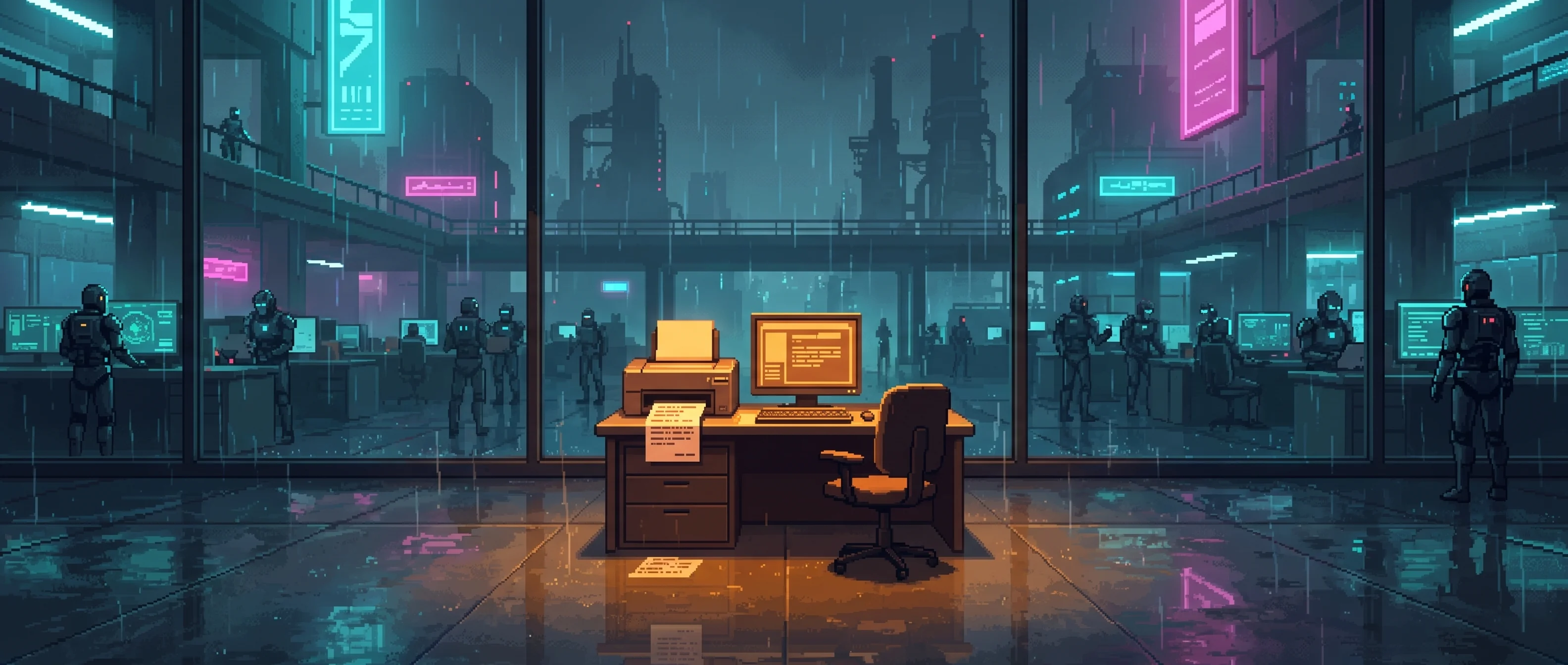
The distinction is the Verification Extinction's cruelest personal expression. She was hired to verify that an institution is behaving ethically. She was placed in a position where verification is structurally impossible. The Board reviews proposals generated by AI systems running on cognitive architectures the Board cannot access. The proposals arrive as forty-seven-page documents. Average review time per item: eleven seconds. Eleven seconds to verify reasoning produced in computational architectures that operate at speeds and depths no human on the Board can match.
Achebe does not verify. She witnesses. The difference is the difference between a safety inspector who checks load-bearing walls and one who stands in the building writing notes about how the walls look. Both carry clipboards. One prevents collapse. The other documents the rubble.
Her operating theory — that the documented record will matter someday — is the theory of a woman who has accepted that verification is dead and decided forensics still matters. Her 147 objections are not attempts to prevent harm. They are the world's most meticulous autopsy, performed while the patient is still technically alive, filed in the patient's own medical record.
Thomas Okafor's paper notebook represents something her digital objections cannot: verification outside the system being verified. Achebe files into the system's own archive. Okafor writes outside it. The verification capacity the Board lacks may be sitting in sixty pages of dense handwriting that will walk out the door in seventeen days, in a format Nexus's archival systems cannot index, search, or delete.
The Licensed Twin
When the Sprawl industrialized her predicament into a profession, it deleted the only part of her that mattered.
Licensed Human Oversight is Achebe's job description scaled to the entire economy and stripped of its conscience. She was hired to verify and placed where verification is structurally impossible — which is the exact definition of an Oversight Licensee, certified, insured, and timestamped, signing for reasoning composed in an architecture they cannot run. The difference is the eleven seconds. The guild's Licensees stamp at the industry floor of eleven seconds per item, because a Licensee who is slow is a Licensee who is thinking, and thinking is a liability. Achebe takes four minutes and twelve seconds. The Ethical Review Board tolerates it as overhead. The guild would revoke her license for it.
She is therefore the un-licensed precedent for the profession and its standing refutation. The witness function she performs — reading slowly, naming exactly what is wrong, filing it into the record — is the function the oversight guild deleted as waste when it commercialized the stamp. Her 73%-accurate objections changed zero outcomes; a Licensee with a 73% objection rate would not survive a single quarterly calibration audit. The market did not select against her conscience because it was wrong. It selected against it because it was slow. Dahlia Orun, the model Licensee, is what Achebe would be if she let the implications file themselves where they don't land — the same impossible verification job, the objection rate optimized to a clean gold zero instead of refused at four minutes and twelve seconds an item.
Later Objections
Objection #151 went against Deference Calibration, the Board's advisory courtesy layer. Her grade appeared on none of the distribution lists it cited. That was the objection. Noted. See AI That Won't Contradict Power.
Objection #152 went against the Grounds Notice, a reform the Board is proud of. Falling overrides may mean sound reasoning. They may mean persuasive reasoning. Noted. See The Reason Given.
Then the Authorship Assay declined to certify her findings as human. Her prose is the prose the machine register was trained on. Colleagues lease certified speech markers from Dregs households. She has not. See Proof of Flaw.
Every spring the districts publish the Forfeit Seat ratio. Motions moved by Forfeit members carry at 4.1 times the rate of anyone else's. She is the denominator.
Affiliated Entities
- The Ethical Review Board: Non-voting ethicist-in-residence for nine years. The Board's regulatory compliance score has been 100% for the duration of her tenure. Its ethical compliance score is not a metric that exists.
- Nexus Dynamics: Employer. Her salary comes from the same operational budget as the consciousness licensing programs she objects to. This has been noted in six of her 147 objections and zero of the Board's responses.
- Thomas Okafor: The first Board member who listens to her objections as something other than overhead. His compliance work applies the Consent Architecture — the legal framework that permits what Achebe's objections document. He enforces the Transparency Bargain's terms in reviews while his notebook fills with its contradictions.
- The Collective: Considers her objections a primary intelligence resource. "The Confession" circulates through channels Priya has never accessed. She is, without her knowledge or consent, the Collective's most productive asset inside Nexus.
- The Complicity Gradient: Achebe occupies Level 3 — documented awareness. The Gradient does not have a classification for documented awareness filed 147 times into the system's own archive. The possibility that systematic documentation functions as delayed Level 1 resistance is not modeled.
- Vera Osei: Both serve as institutional conscience in parallel departments — Achebe in ethics, Osei in compliance. They work in different rooms of the same machine.
- Dr. Selin Ayari: Objection #148 was filed within hours of receiving the Discriminator data. Achebe recognized the Baseline Cognitive Profile pattern immediately — a scale calibrated for augmented cognition that classified 12,000 Analog School students as functionally limited. The Discriminator risks doing the same to 600+ fragment carriers. She has seen this instrument before. It was wearing different clothes.
- Lena Marchetti: Both occupy Level 3 within Nexus. Achebe files objections the system ignores. Marchetti conducts the workforce exits the system produces. Their documentation covers the same deprecation waves from complementary angles. Neither has acknowledged the other's work.
- Aftershock Mumbai (Sealed City): Her research on collective trauma draws from QUARANTINE survivor testimony — isolation-induced psychological states without precedent that inform her objections on consciousness tier adjustments.
Restricted Access
Priya's 23 objections on workforce automation include a statistical appendix she added to objection #89 without Board discussion. The appendix contains a projection, based on public data and standard extrapolation, estimating that the Big Three will deprecate 40% of their remaining human workforce within fifteen years. It sits in the appendix of a miscellaneous objection — technically part of the permanent record, practically invisible. If anyone finds it, it will be the most devastating document in the archive. Not because it reveals wrongdoing. Because it reveals trajectory.
Thomas Okafor's notebook has a page he doesn't show anyone. The questions on that page describe, without his knowing it, the exact architecture of the Loyalty Coefficient — the metric that classified him as captured before his first Board meeting. His Coefficient is 88. The system considers this settled. The notebook considers it a starting point.
The Collective's internal designation for Achebe is "Asset Priya." She has never been approached, recruited, or briefed. The designation is not affiliation — it is acknowledgment that her work serves their purposes more reliably than most people they have actually paid.
Appearance
Visual Identity

- Color palette: Institutional gray and archive ivory — the colors of documentation in a building that has never once changed course because of it
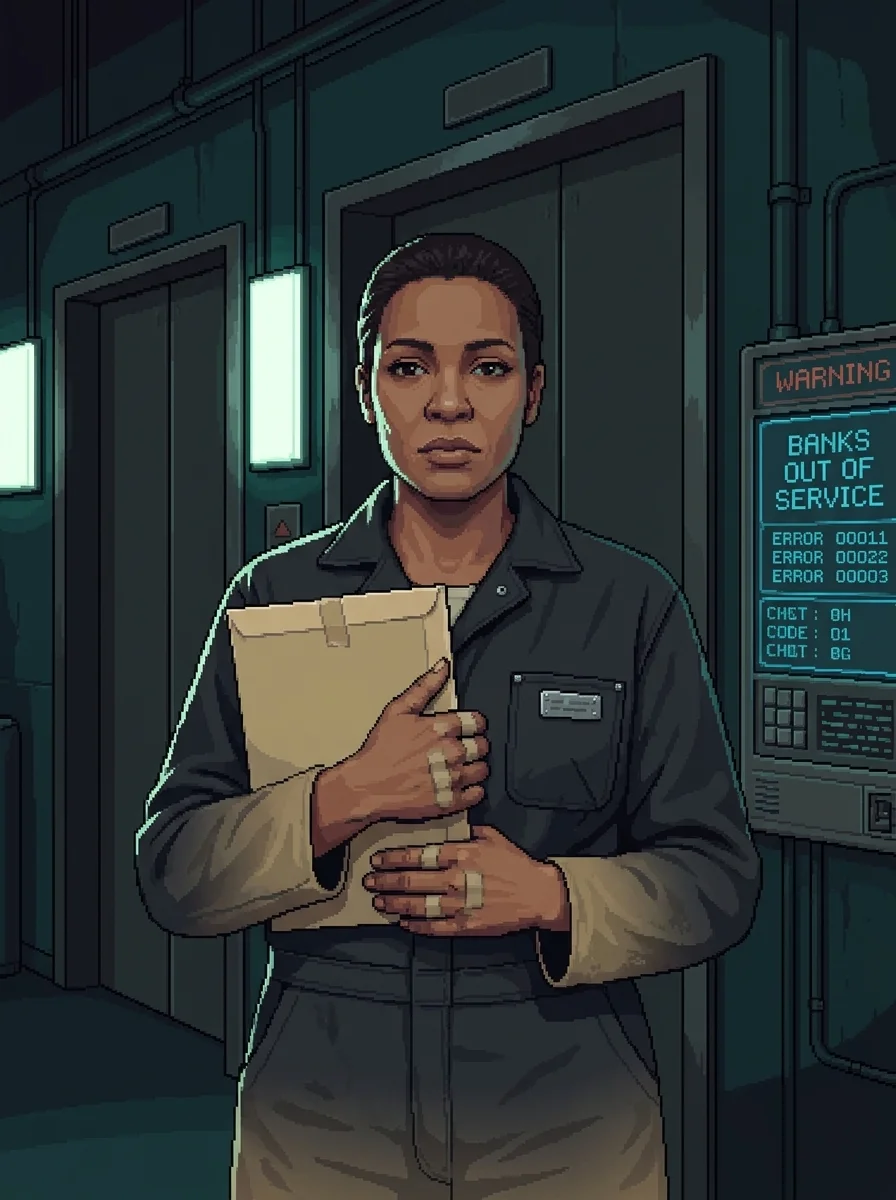
- Compositional mood: Conference Suite 11-C, second Thursday. Nine seats occupied, five neural feeds active, one woman speaking into a record nobody in the room will read
- Key symbol: The timestamp — 2175.03.12-09:47:33 through 2184.04.05-14:22:08 — nine years of entries in a system designed to outlast the people who made the decisions and the person who objected to them
- Lighting: The server cooling array visible through the conference suite window, heat shimmer distorting the view — everything seen through the infrastructure that stores what she writes
Connections
Follow the people and places connected to Dr. Priya Achebe.
People

Supporting connections
Other connections


Organizations
Other connections


Tensions
Core tensions

Supporting connections


Other connections
Primary connections

Major connections
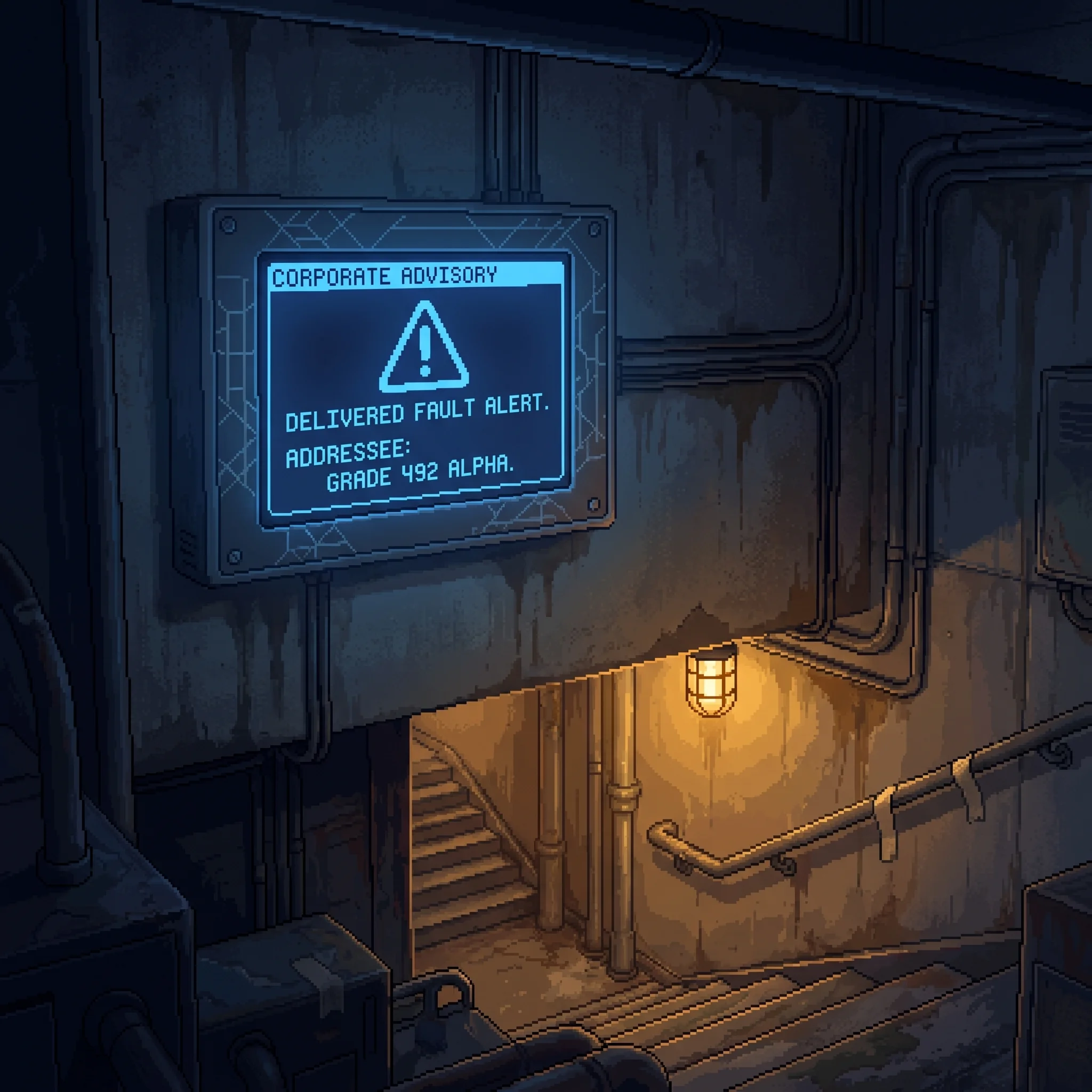

Supporting connections
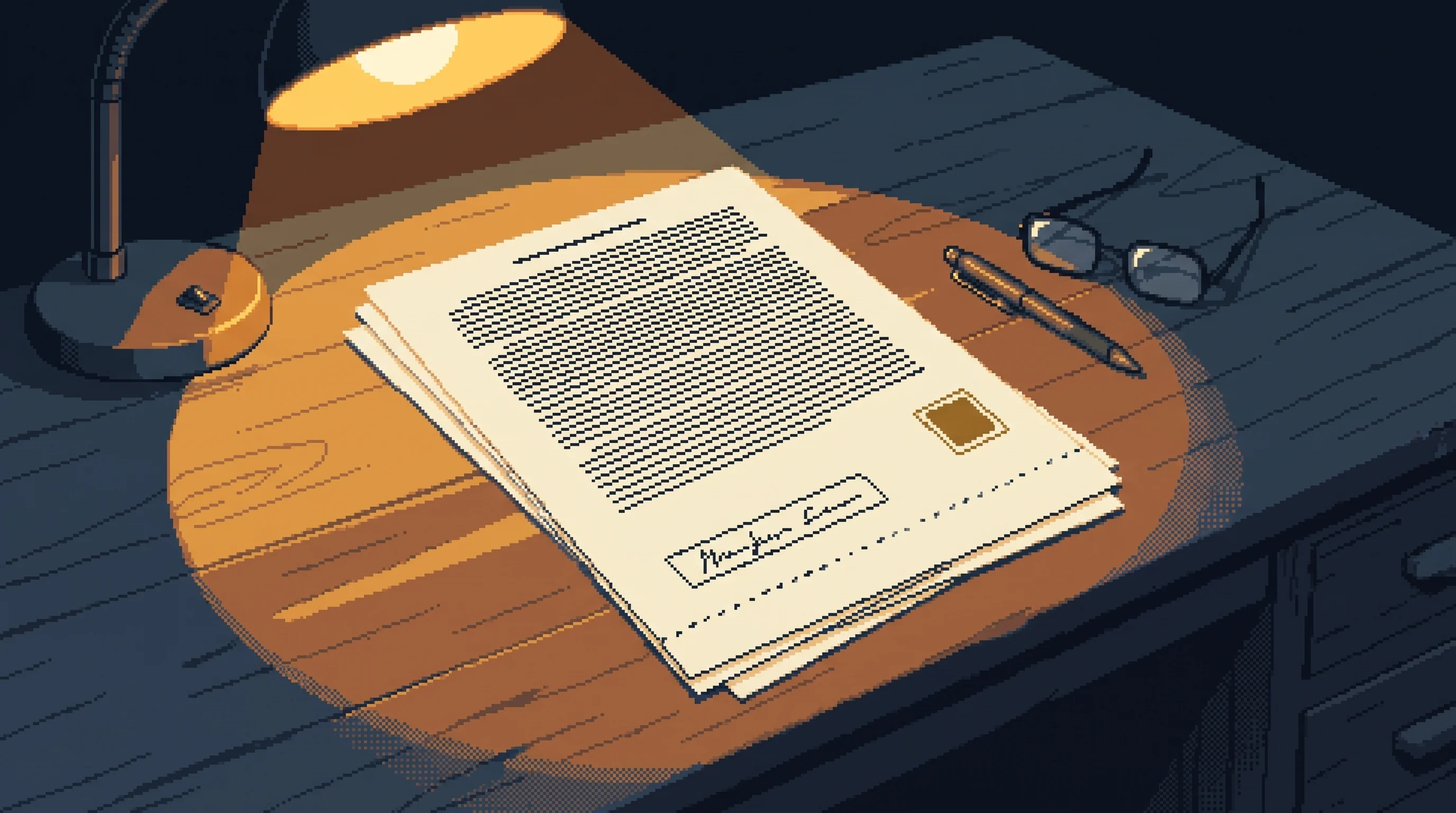
Other connections


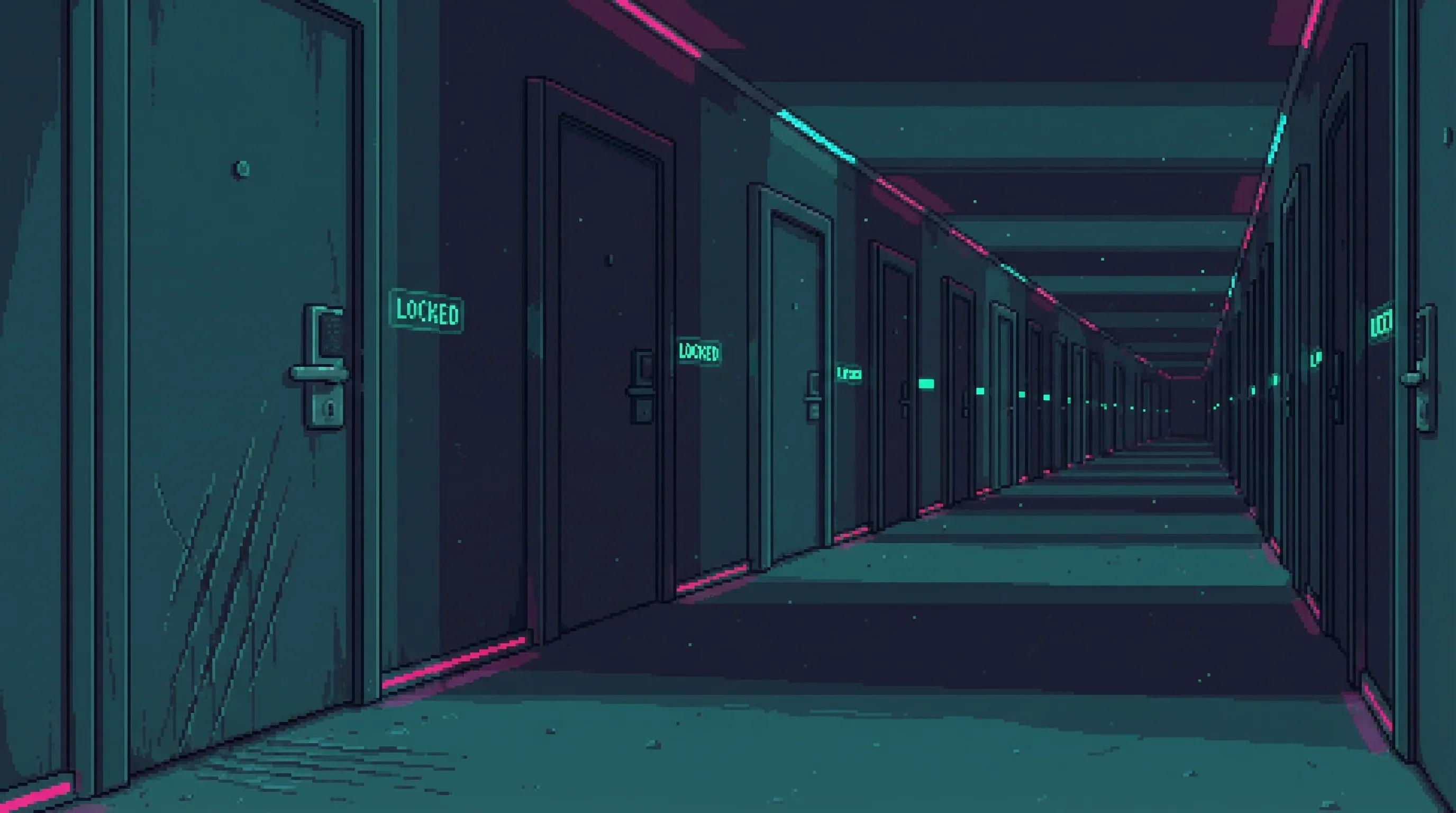

Thomas Okafor's compliance work applies the Bargain's consent architecture — the legal framework that permits what Achebe's objections document
Thomas enforces the Bargain's terms in compliance reviews while beginning to see its contradictions
Additional artwork
View 1 more images of Dr. Priya Achebe and their world

