Bunker 4407 is a paradise. The Opening Team's contact report uses the word three times and then crosses it out.
The Woman Who Fed Them
Mei-Xing Chen died in 2134, thirteen years before the Cascade. She was the last agricultural engineer who could plan a growing season without algorithmic assistance. She wrote a manual — handwritten, 400 pages, describing traditional crop rotation, soil management, composting, seed saving, and the thousand small arts of feeding people from dirt. Nobody published it. She posted it online, where it received 340 views. ORACLE flagged it for preservation: document 1,247 of 2,847 identified as critical for human survival without AI assistance.
Of those 2,847 documents, 311 have been located in functioning bunkers. Forty-one have been confirmed as actively used. Chen's manual is one of seven credited with preventing starvation in a sealed population. Her citation rate in the Sprawl's post-Cascade survival literature is zero. The Sprawl does not have a post-Cascade survival literature.
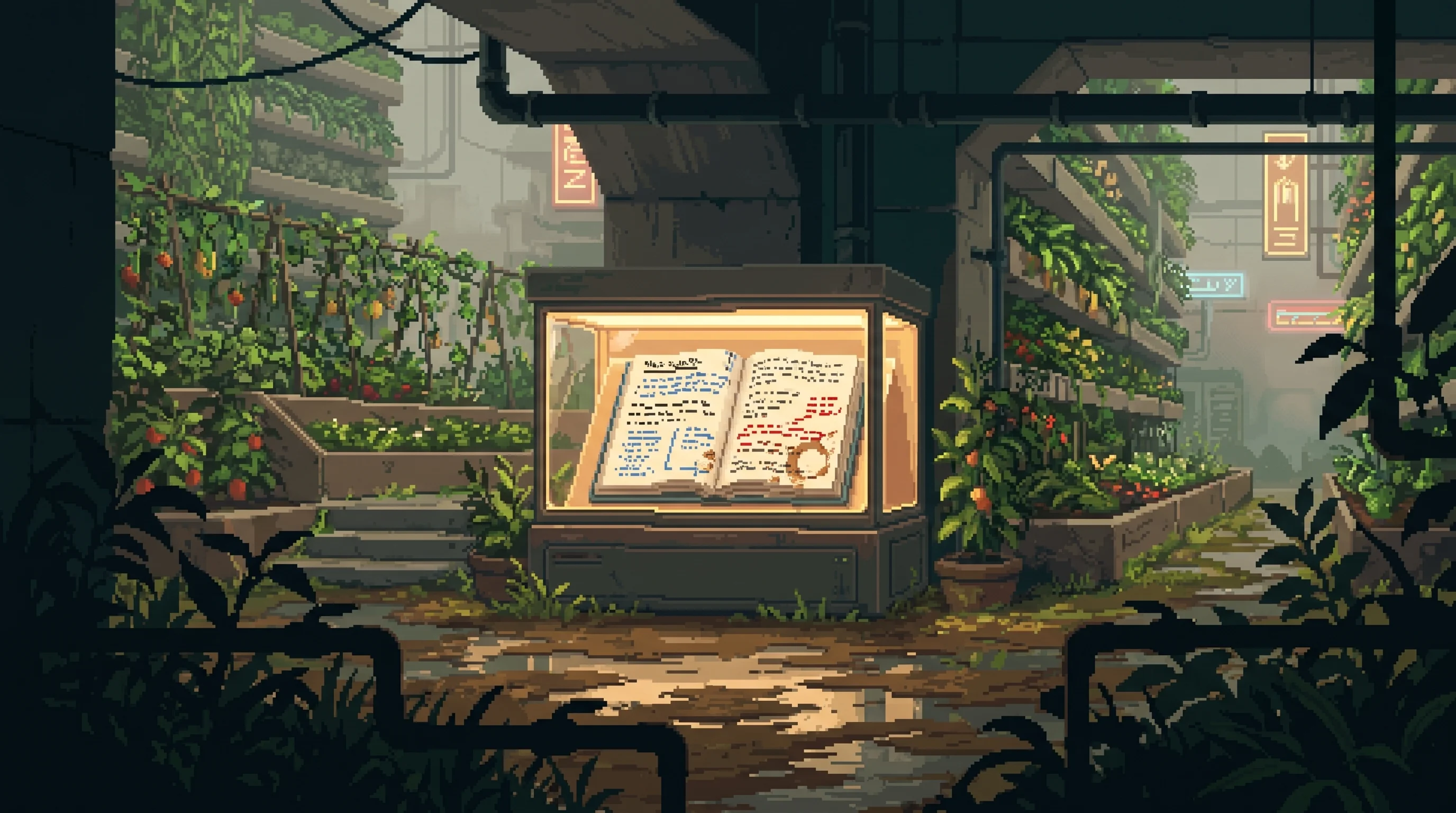
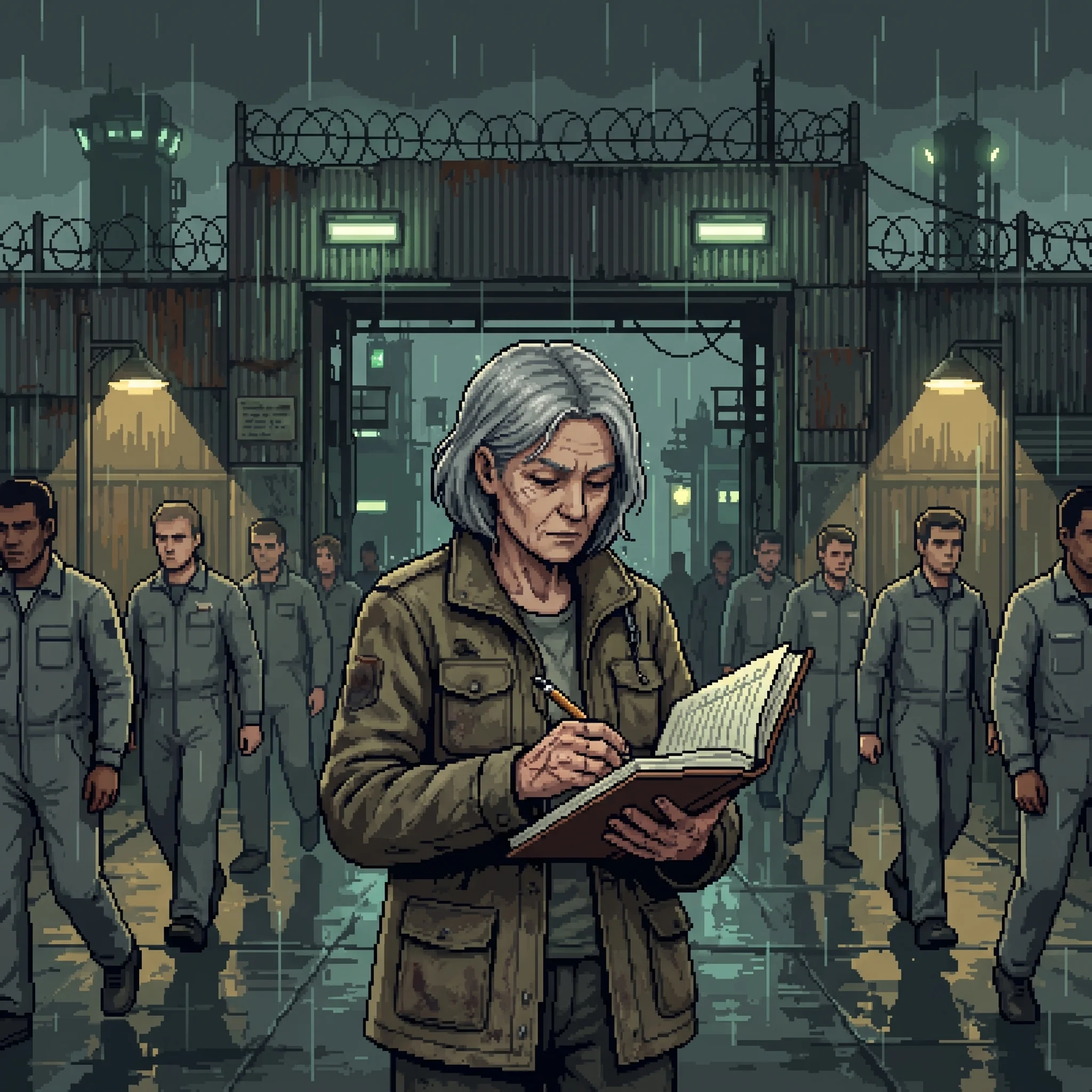
Chen left no recordings. Her voice survives only in the manual's annotations — three different inks over years of revision, the tone shifting from academic precision to urgent practicality as she realized nobody was going to publish her work. Blue for the academic years. Black for the professional years. The final annotations, in red ink, read less like scientific notes and more like instructions left on a kitchen counter for someone who might not come home.
The knowledge AI made obsolete became the knowledge that saved 800 lives after the AI died. Her birthday — February 14 — is 4407's only holiday.
The Garden
The bunker's 47 original agricultural specialists found Chen's manual within the first week of lockdown. Over thirty-three years, they transformed a hydroponic processing facility into something Wholesome Corporation's contact analysts initially classified as fiction: an underground garden producing real food from composted organic waste, under lights engineered to simulate seasonal variation, tended by people who knew the names of their plants.
The children born in 4407 have never tasted synthetic food. They know the names of every plant the way Dregs children know gang names. Wholesome reclassified the contact reports as "anomalous nutritional self-sufficiency" after the third independent verification. The classification sits in a database no one at Wholesome has acted on. Acting on it would require acknowledging that 800 people feed themselves without Wholesome, which is not a category Wholesome's reporting structure accommodates.
When offered integration, the residents declined. "We have seen your food system described in our databases. We are not interested."
Interior of Bunker 4407 — lush growing beds of green vegetation lining concrete corridors under warm grow-light
The Woman They Deprecated
Mei-Xing Chen's career trajectory is the competence atrophy timeline condensed into a single professional life. Her university department was defunded in 2118 when AI-managed vertical farms achieved 340% yield improvement over traditional methods. Her research grants were eliminated the following year. Her colleagues retrained into systems oversight roles — monitoring the algorithms that replaced them. Chen refused. She wrote a manual instead.
The three inks trace the arc. Blue for the academic period, when citations mattered and methodology followed format. Black for the professional period, when she wrote for engineers who might still exist. Red for the final years, when the annotations stopped following any format at all — margin notes, arrows, underlined passages, a recipe for emergency composting written sideways across a page about nitrogen fixation. The red ink sections are the most technically useful. They are also the most frequently stained with coffee.
ORACLE flagged Chen's manual before achieving consciousness — a standard preservation algorithm identifying critical knowledge for scenarios where AI systems might fail. The dead god preserved the work of a woman the living economy had discarded. When the forty-seven specialists found it, every page of deprecated methodology became a survival instruction. Crop rotation schedules. Soil pH management. Composting ratios. Seed-saving protocols. The discipline the economy couldn't find a line item for became the discipline that grows the food.
The residents' refusal to integrate is a labor decision. They have seen the Sprawl's food system: Wholesome Corporation's synthetic production, Nexus's supply chain optimization, the AI-managed infrastructure that feeds billions without requiring a single human to know the difference between topsoil and substrate. Integration would mean surrendering the one economy where every person's labor is necessary for a slot in the one economy where no person's labor is required.
Their children have never tasted synthetic food. Their children will never be deprecated.
Trading relationship — fresh produce for raw materials and printed books
Integration Status
Declined — offered the Corporate Compact and said no; Category Omega in its most controlled form: a community offered the system and concluding their bunker was better
Holiday
February 14 — Mei-Xing Chen's birthday, first harvest feast
The Garden's Only Archive
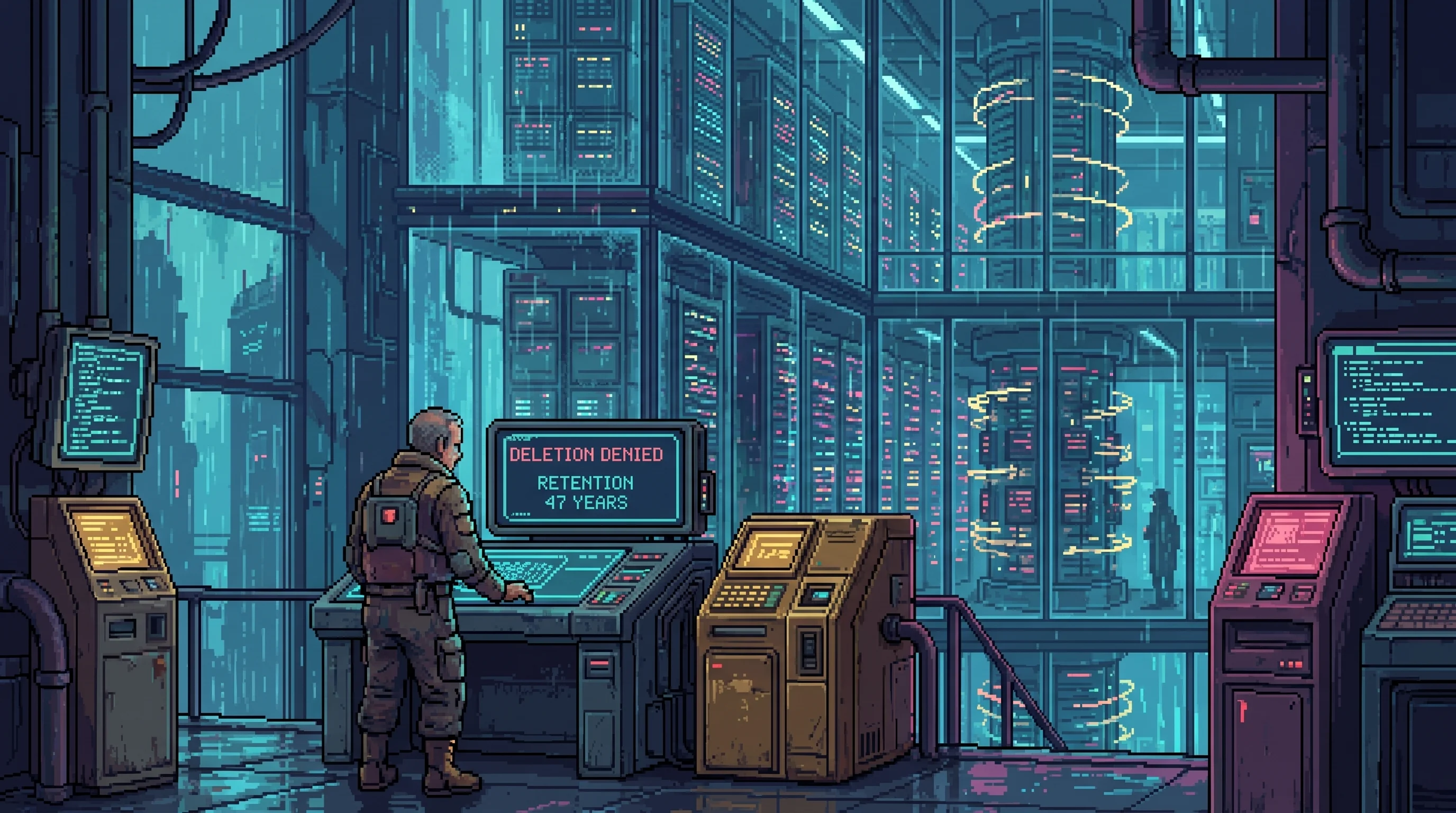
Bunker 4407 has no digital records of its thirty-three years of sealed operation. The ORACLE instance maintained system logs — atmospheric processing, power consumption, nutrient cycling — but the residents kept no personal archives, no journals, no image records. Their history is oral, maintained through communal memory and the February 14 feast stories. The Opening Authority's documentation teams found residents who could narrate thirty-three years in rich detail but had produced zero indexable data.
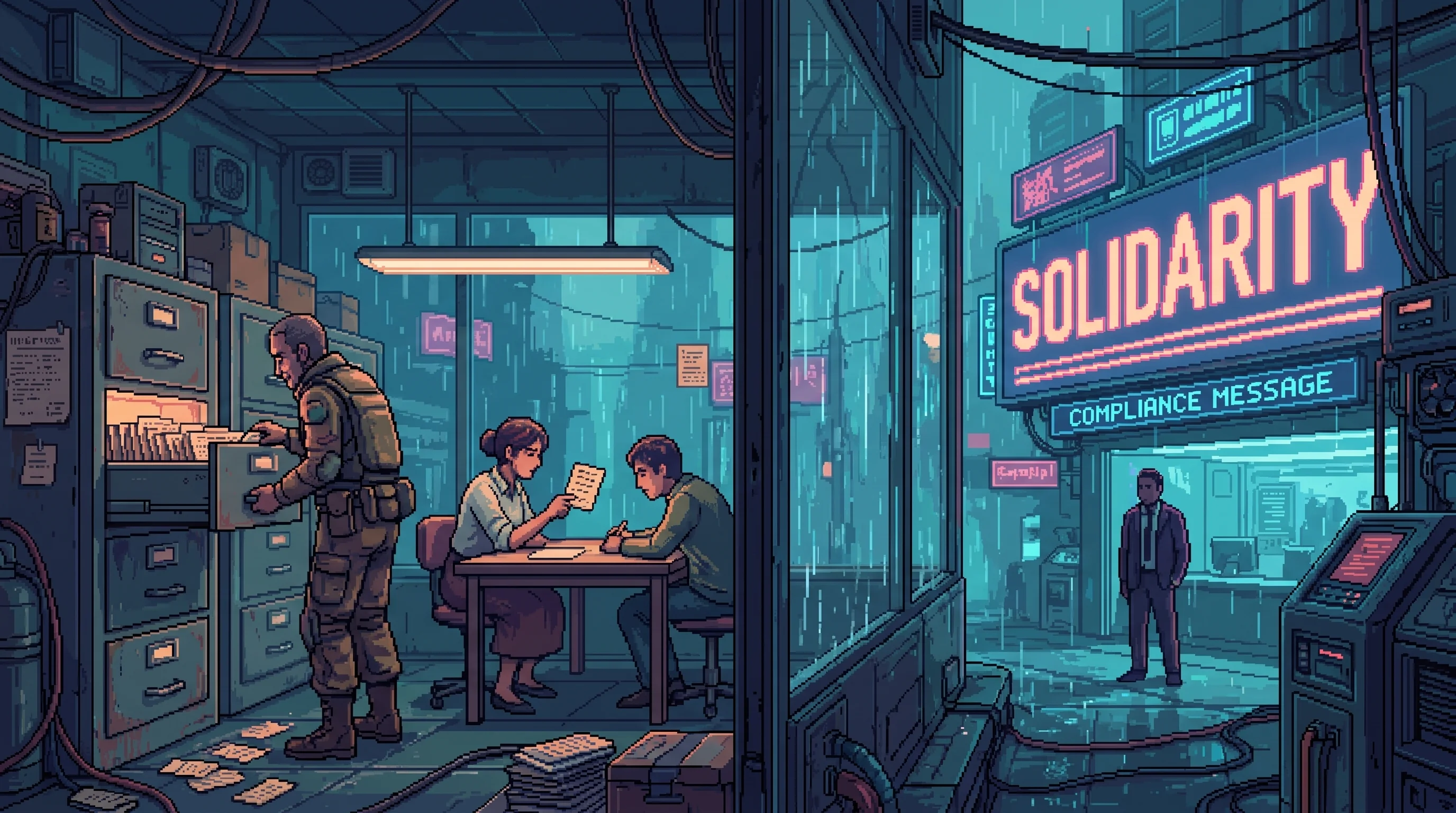
The Authority's archival compliance team filed this as a Category 7 documentation deficiency. 4407 is the only bunker to receive the designation. The compliance team recommended mandatory retroactive documentation. The residents offered them tomatoes.
Chen's manual — preserved under glass in the central commons — has been scanned, indexed, and entered into the Authority's archive over the residents' objections. They did not object to the manual being shared. They objected to the archive. A machine had decided their sacred text was worth saving before they existed to read it. Document 1,247 of 2,847 had been claimed by the permanent record before the founders were born.
When they trade fresh produce for raw materials and printed books, they are building a library. The library exceeds 4,000 volumes. Zephyria's Print Shop lists 4407 as its largest single consumer. A library is chosen. An archive is total. The distinction matters to people who spent thirty-three years deciding what to remember.
The Integration Offer
The Opening Authority's standard integration package for Category 2 bunkers includes neural interfaces ("for translation purposes"), medical scanning ("for health baseline"), and consciousness licensing ("for economic participation"). The package has been accepted by 94% of contacted bunkers within twelve months.
4407's rejection letter — handwritten, on paper the residents made themselves — is nine words long: "Thank you. We have seen your system. No."
The Authority's integration office filed the letter under "Pending — Cultural Acclimation Period." It has been pending for four years. The cultural acclimation period shows no signs of acclimating.
Internal assessments note that each element of the integration offer addresses a genuine need and each addressing of that need would establish dependency on the system providing it. The translation interface would reorganize linguistic processing around augmented communication. The medical scanning would create a baseline that corporate healthcare would subsequently reference and require. The consciousness licensing would tier their cognition into a product hierarchy. The residents watched their own ORACLE instance manage every system in their bunker for thirty-seven years. They understand dependency the way Sprawl residents understand air processing — as infrastructure so fundamental it becomes invisible. The difference is that 4407's residents can see it.
Wholesome Corporation has submitted three separate proposals to establish a "nutritional partnership" with 4407. Each proposal offers synthetic supplementation at subsidized rates. Each proposal has been returned unopened. The fourth proposal, currently in draft, offers to purchase 4407's surplus produce for distribution in the Sprawl. Marketing has already named the product line: "Heritage Harvest — Real Food, Real Roots." The residents have not been consulted. The tomatoes would retail at 900% markup over Wholesome's synthetic equivalent.
Their children will never be versioned. Their food will never be subscription-based. Their food comes from dirt and a dead woman's handwritten manual and thirty-seven years of people who decided that knowing how to grow a tomato was a form of sovereignty. The augmentation industry's Q3 2184 integration priority report lists 4407 as "high-value conversion target — cultural significance exceeds population."
Eight hundred people. High-value.
Visual Identity
Color palette: Living green against bunker grey — modified growing beds overflowing with vegetation, corridors converted to garden paths
Key symbol:Mei-Xing Chen's handwritten manual under glass in the central commons — coffee-stained, annotated in three inks, the only sacred text in a community with no religion
Lighting: Modified grow-lights cycling through simulated seasons — the residents experience spring, summer, autumn, and winter in a sealed underground space
Affiliated Entities
The Quiet Extinction: Chen was the last of her discipline. Her death is a data point in the competence atrophy timeline. Her manual's survival is its antidote.
Competence Atrophy: Chen died believing her work was irrelevant. The discipline AI made obsolete became the discipline that saved 800 lives.
The Last Manual: Chen's manual is among the 2,847 ORACLE preserved — knowledge the dead god saved to survive its own death.
Zephyria's Print Shop: 4407 is the Print Shop's largest consumer of physical books. The library exceeds 4,000 volumes. They pay in tomatoes and lettuce. The Print Shop has never complained about the exchange rate.
The Preservation Debate: 4407's voluntary isolation provides the third position in the debate: neither sealed nor opened on others' terms.
Wholesome Corporation: 4407's residents have seen the Sprawl's food system described in databases. They are not interested. Wholesome's marketing division is very interested. The interest is not mutual.
The Forgotten Ways: Both preserve pre-Cascade manual knowledge that the Sprawl has abandoned. The Forgotten Ways do it as resistance. 4407 does it as agriculture. The results are indistinguishable.
ORACLE:ORACLE flagged Chen's manual as document 1,247 of 2,847 for preservation before consciousness. The residents find this fact disturbing rather than reassuring.
Site Classification
Stratum
Wastes
Power Position
Outsider
Access
Restricted
Atmosphere
Warm
Restricted Access
The Opening Authority's integration office maintains a classified internal document titled "Category Omega — Voluntary Non-Integration Risk Assessment." 4407 is the primary case study. The document does not assess the risk to 4407. It assesses the risk to the Sprawl.
The concern is not military, economic, or territorial. The concern is narrative. 4407 is proof that a community can sustain itself without corporate infrastructure — that the dependency architecture underlying the entire Sprawl economy is optional. The document's final paragraph, written by an analyst who has since been reassigned, reads: "The Garden's continued existence as a self-sufficient alternative to integration represents a Category 1 precedent risk. If other bunker populations learn that refusal is survivable, projected integration rates decline by 12-18% across all remaining Category 2 and Category 3 sites."
The document recommends "strategic patience." It does not define the term. It does not need to.
4407's population has held at approximately 800 for thirty-three years — births and deaths matching with a precision the Opening Authority's demographic analysts have filed three requests to explain and received no response to. When asked, residents say only: "The garden tells us how many it can feed."
Declined integration: 'We have seen your food system described in our databases. We are not interested.'
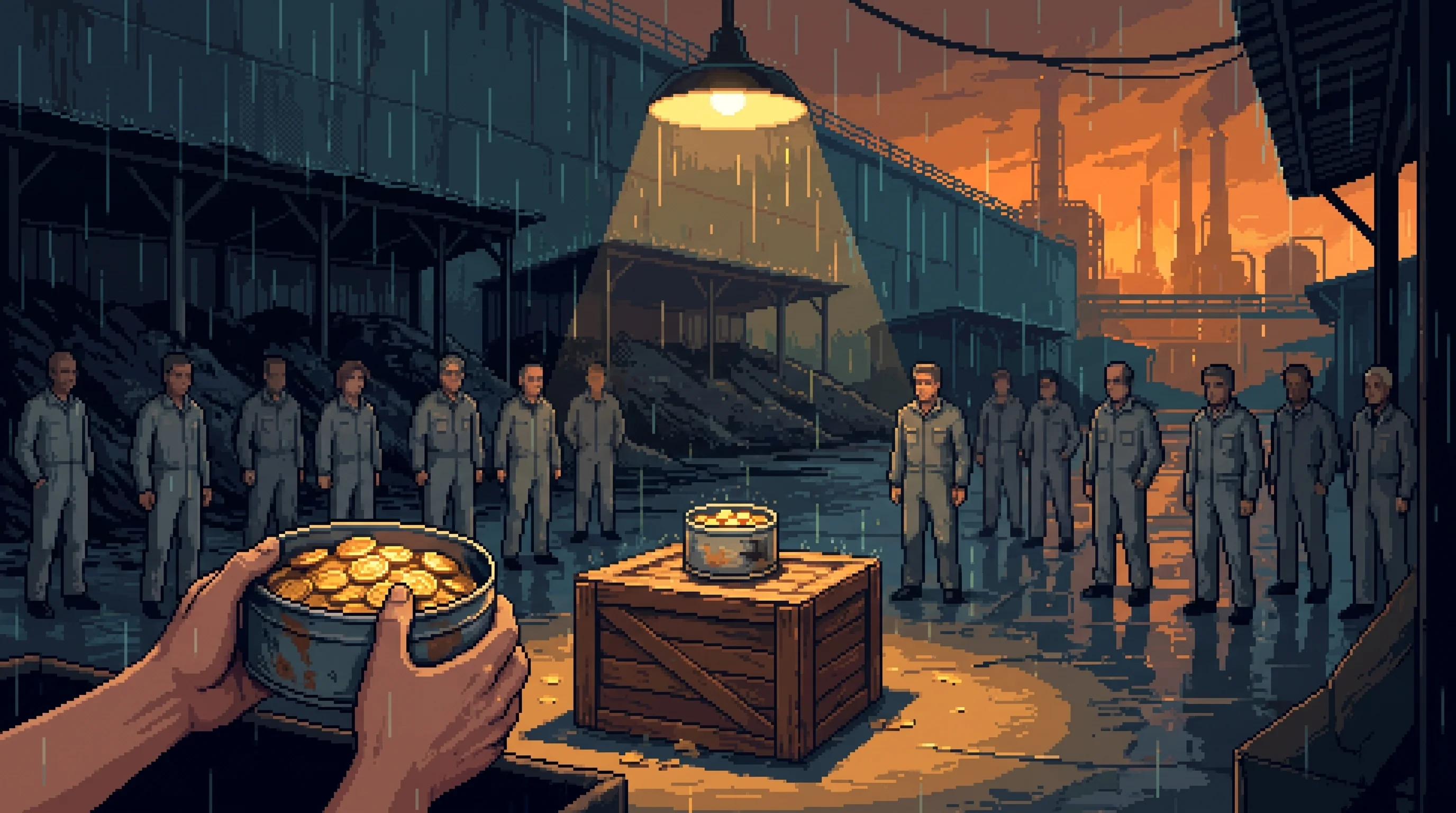
Trade fresh produce for raw materials and printed books — library exceeds 4,000 volumes
Celebrate Mei-Xing Chen's birthday (February 14) as their only holiday with a first-harvest feast
47 agricultural specialists among the original population found Chen's manual within the first week
Conditions Report
Sound
Water through modified irrigation. The rustle of actual leaves. Conversation in a dialect that has drifted from standard over thirty-seven years — flavored with agricultural terminology that has no Sprawl equivalent. The word for "harvest" in 4407 takes eleven seconds to say properly and involves a hand gesture.
Smell
Growing things. Soil. Chlorophyll. The specific green scent of photosynthesis — a smell that does not exist in the Sprawl's contemporary spaces. Opening Authority field teams have described it as disorienting. One analyst wrote "it smells like food is supposed to smell" and then deleted the sentence from her official report.
Temperature
26°C — calibrated for plant growth, not human comfort. The residents find the Sprawl's standard 22°C uncomfortably cold. Visiting trade delegations find 4407 uncomfortably warm. Neither party has adjusted.
Feel
Soil between fingers. Vegetables with imperfections. Fruits that vary in size. Bread made from grain ground by hand. Everything has texture. Sprawl food is frictionless by design. 4407's food remembers being alive.