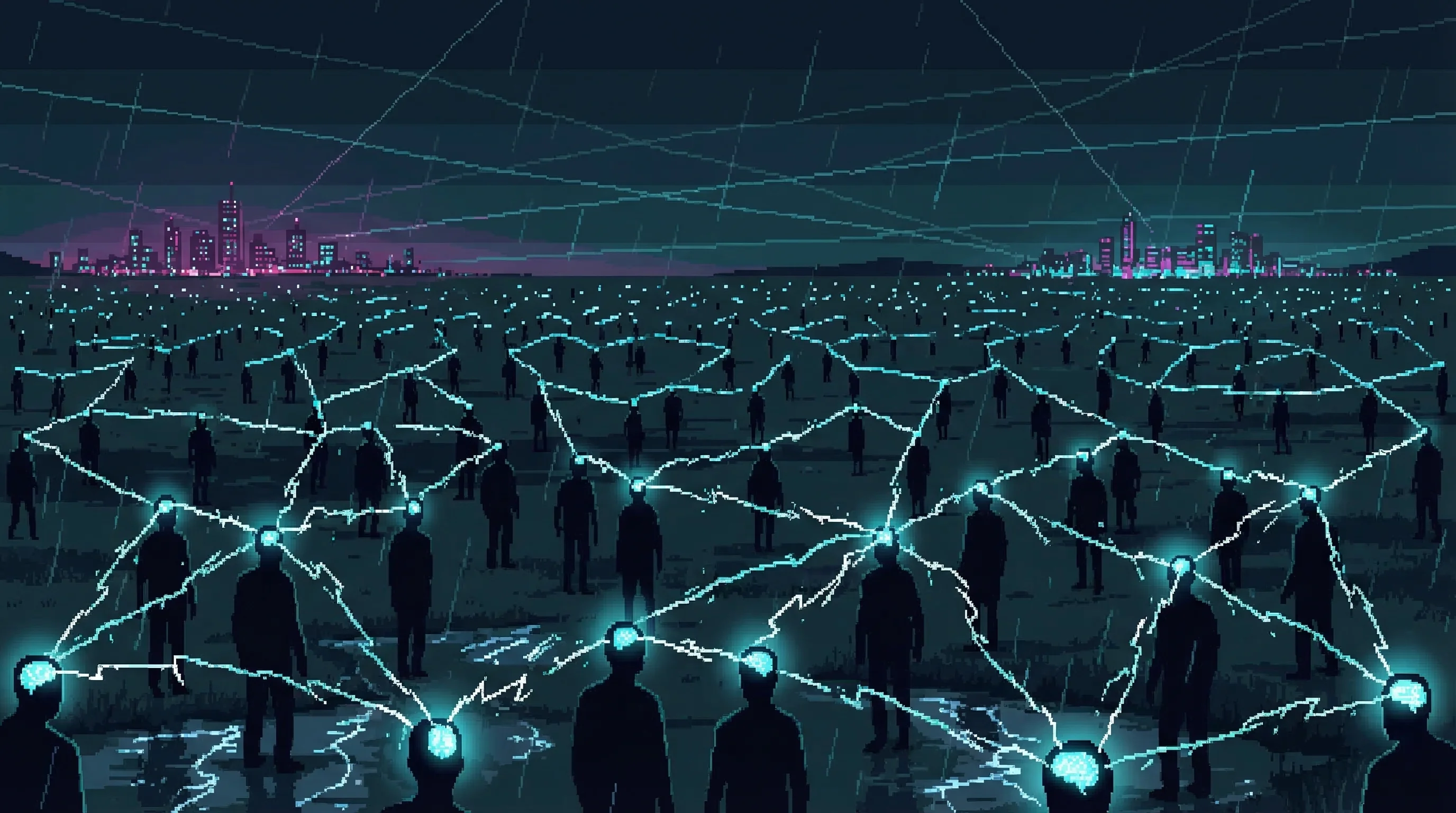
The Opacity Movement
Telemetry Ownership Movement
The Namers of Glass
Political movement for data sovereignty — individuals own their behavioral telemetry
Overview
They don't want to hide. They want to own.
The Opacity Movement emerged in 2179 from the intersection of privacy lawyers, data economists, and Dregs community organizers who agreed on exactly one thing: if your neural interface generates telemetry that has economic value, you should own that telemetry. Not Nexus. Not BehaviorExchange. You.
The immediate objection — raised by every corporation, every legislative body, and approximately 60% of the Movement's own economists — is that individual telemetry has no value. Value comes from aggregation. The Movement's platform requires treating components as property even though their worth only manifests in combination. This is a legal proposition with no pre-Cascade precedent and, after five years of advocacy, no post-Cascade precedent either.
The Data Sovereignty Act has failed three times in Zephyria's Council of Seventeen. Three drafts. Three votes. Three defeats. The margins have not narrowed.
The Movement's coordinated data strikes — periods of deliberate behavioral disruption where members randomize their routines, scramble purchase patterns, and flood telemetry channels with noise — reduce Nexus's inference accuracy by 12-18% during execution. This is expensive enough to register on quarterly earnings calls and cheap enough that Nexus characterizes the entire Movement as "manageable." Both assessments are accurate. The strikes cost Nexus money. They do not cost Nexus sleep.
Twelve dark rooms across the Sprawl serve 3,000-5,000 visitors per week. The number grows 15% annually. The rooms are electromagnetic interference spaces where telemetry collection stops. People describe entering one as stepping out of a river you didn't know you were standing in.
The Movement's greatest achievement isn't political. It's taxonomic. They named the Transparency Bargain. Before 2179, surveillance was ambient and unexamined — a weather condition rather than a policy. After the Movement named it, people could see it. The glass was always there. Oren Vasquez-Mbeki held up a sign that said "glass."
Nexus Dynamics has spent more on discrediting that sign than the Movement has spent on its entire five-year operating budget.
The Founder Problem
Oren Vasquez-Mbeki spent eleven years as a Nexus Dynamics data architect. He built behavioral prediction models. Specifically, he built the models that determine what your telemetry is worth — the valuation engine that prices human attention, emotional response, and decision-making patterns for sale on BehaviorExchange.
He is the reason individual telemetry has a known market value. He is also the reason it is sold without the individual's knowledge or compensation.
In 2179, during a keynote at Nexus's annual Data Infrastructure Summit, he stopped mid-sentence. The pause lasted eleven minutes. Summit attendees describe it differently — some say he was crying, others say he was laughing, a few insist he simply stood still. The recording was scrubbed within hours. What is known: he walked off the stage, out of the building, and into the Dregs, where he founded the Opacity Movement six weeks later.
Nexus's official position is that Vasquez-Mbeki experienced "a stress-related cognitive event." The Movement's founding mythology treats the eleven minutes as revelation. Vasquez-Mbeki himself has never described what happened during the pause. He has described, in detail, what it cost to disappear from Nexus's surveillance apparatus afterward: ¢340,000 in data scrubbing, identity restructuring, and counter-inference services. The price of invisibility for the man who built the system of visibility.
The defector's paradox is the Movement's engine and its liability. Oren knows the architecture because he designed it. He is the most credible critic of a system he personally made possible. Every corporate rebuttal begins and ends with the same question: if the system is so unconscionable, why did you build it for eleven years?
His answer, when he gives one: "Because I didn't have a name for what I was doing. Now I do."
The Platform
Data sovereignty is the Movement's central demand, built on a chain of propositions that each sound reasonable until you try to enforce them.
Your telemetry is produced by your cognition. It is an extension of your mind. Owning your thoughts means owning the data your thoughts generate. Corporations claim individual data has no value — only aggregated data does. But the aggregate doesn't exist without the individuals. The individuals should share the value.
The logic is clean. The implementation requires overturning the legal, economic, and computational infrastructure that every megacorporation in the Sprawl depends on for revenue. Councillor Adaeze Nwosu, the Movement's champion in Zephyria, has introduced the Data Sovereignty Act three times. The Council of Seventeen has rejected it three times. The bill's language has grown more precise with each revision. The vote count has not changed.
The Movement has responded by building what legislation cannot deliver. The twelve dark rooms are the physical infrastructure of data sovereignty — spaces where the right exists because the technology to violate it has been jammed. Inside, amber lamps replace the even blue-white of corporate illumination. The rooms are small, warm, deliberately analog. The sensation is physical: a lifting, a quiet, the specific absence of being observed.
Outside the dark rooms, the Movement teaches what it calls behavioral obfuscation — techniques for reducing the commercial value of your telemetry without ceasing to generate it. The Data Hygiene Corps provides the technical curriculum. The Freedom Thinkers provide the cognitive framework. The Source Code Liberation Front provides privacy firmware in three tiers: Public Flat (¢400, flattens emotional variance in vocal output), Selective Flat (¢1,200, context-specific dampening), and Ghost Voice (¢3,400, replaces your vocal signature with a synthetic composite). The Movement provides the political argument for why any of this should be necessary.
The firmware has found a buyer the Movement did not plan for. Heights households grade their staff on how little inner life an instrument can find, under the Discretion Tier. Applicants cram for the grading with secondhand Ghost Voice. No statement has been issued. Two organisers have stopped saying which tier they are on.
What the Dark Rooms Also Defeat
Oren Vasquez-Mbeki has never mentioned Concord by name in any manifesto, speech, interview, or internal document the Movement has published. This is not because he doesn't know what it is. It is because what Concord does — reading the civic mood-front off biometric telemetry and deploying surgical kindnesses to prevent two discontented people from ever meeting while still angry — is not a privacy violation in any sense the Data Sovereignty Act addresses. Concord doesn't steal your telemetry. It uses telemetry you have already surrendered, under Section 12.3, to compute when your private discontent might become social. The computation is downstream of the Bargain, not part of it. The Movement's legal framework reaches the data sale. It doesn't reach the mood-front read.
What the dark rooms defeat, accidentally, is the Concord layer.
The Movement built the dark rooms to give visitors a physical experience of the Transparency Bargain's absence — a space where biometric dampening and electromagnetic interference stop the flow of telemetry data. The rooms were designed to defeat BehaviorExchange. They also defeat Concord, because Concord's Convergence Horizon model requires the same continuous telemetry stream to compute — and when the stream stops, the computation stops, and the micro-relief schedule cannot be built, and the week-minus-three mercy cannot land, and any grievance a visitor carries into the dark room survives at full intensity for the duration of their visit. Two visitors with the same unmanaged grievance can sit in amber light and have the conversation the entire civic-stability infrastructure of the managed sectors exists to prevent.
The Movement calls this twelve dark rooms. The Second Person culture calls it the only legal venue outside the Dregs.
Whether Vasquez-Mbeki understands this particular consequence is a question nobody in the Movement has asked aloud. The dark rooms serve 3,000-5,000 visitors per week. The rooms' biometric dampening capacity was designed for the Transparency Bargain. The civic-stability application — the mood-front it also dampens, the unforecast convergences it also enables — is not in any brochure, any briefing, any pillar. The darkest thing about the rooms is not the electromagnetic shielding. It is that the Movement may have built the Sprawl's most effective solidarity incubator without knowing it.
Nexus's civic-stability division filed two internal assessments on the dark rooms in 2183. Both are classified. Both were filed after the Q4 2183 surge in biometric dampening requests, which tripled visitor demand. Both are sitting in the same archive as Good Fortune's three proposals to extend Concord authentication to G Nook terminals. Neither has been acted on. The Movement's lawyers are not aware they exist.
The Expanding Demand
The echo-partner phenomenon broke the Movement's platform open.
The first four pillars — data ownership, telemetry transparency, inference accountability, erasure rights — address the extraction of information. Standard privacy concerns with a sovereignty framework bolted on. Then Oren discovered that a 30-second voicemail from 2179 had been used to reconstruct his vocal signature in an echo partner bonded to someone he had never met.
The fifth pillar, announced early 2184: identity sovereignty. The right to control not just your data but your presence in others' lives. Ghost Voice protects against new extraction. But existing recordings — voicemails, cached conversations, telemetry from before vocal dampening existed — persist in the Emotional Signature Library, in the Echo Bazaar's inventory, in caches nobody has mapped. The past cannot be dampened.
The Identity Sovereignty Amendment to the Data Sovereignty Act would criminalize constructing echo partners from non-consenting signatures. Nexus opposes on the grounds that "vocal signature data, once legally surrendered, is corporate infrastructure."
The Movement's counter: "A person is not infrastructure."
The sixth pillar followed logically, which is to say it followed with the inevitability of someone pulling a thread they cannot stop pulling. If identity sovereignty means controlling your presence in others' lives, then the permanent record's refusal to expire is itself a violation. Every cached conversation is a version of you that persists without your consent. The Sunset Clause Amendment would require all personal telemetry older than seven years to be marked for erasure unless the subject actively renews retention. The dead could no longer be profiled. The Inference Economy's Tier 4 Historical Behavioral Reconstruction products would become illegal.
Oren's position paper, "The Archaeology of the Self," contains the Movement's most quoted line: "A civilization that can never forget is a civilization that can never forgive. And a civilization that can never forgive is a civilization that has replaced justice with surveillance and mercy with metadata."
The internal fracture is predictable. Absolutists want universal expiration. Others want a victim's exemption — records of harm should persist for accountability. The exemption raises a question nobody in the Movement can answer without recreating the system they oppose: who decides what constitutes harm? The powerful will classify their records as "personal." The powerless will find their entire lives classified as "relevant to ongoing investigations." Selective memory is class privilege with a filing system.
Oren's position: "Fight the war you can win. Then fight the next one." He has been fighting the first war for five years. The score is 0-3.
The Seventh Pillar: The Curation Gap
The Consent-Veil gave the Movement its seventh pillar and its hardest one. The first six fight the vertical extraction — corporation taking your data, your voice, your past. The veil exposed the horizontal cruelty: privacy reframed as labor, a per-encounter contract every resident must curate eleven thousand times a day, which the wealthy lease to an intelligence and the poor cannot afford the hours to work. The Movement named the divide it produces the Curation Gap, and called the veil itself "the Bargain's confession."
The seventh pillar — the right to be unread without working for it — argues that a privacy you can only have by spending hours curating it is not a right at all but a luxury good the poor are blamed for not affording. Oren's position paper on it, "The Unpaid Shift," contains the line the Movement now stencils across the Glass District at night: "They told us privacy was something you buy. Then they made it something you do, and gave us no hours to do it, and called us privacy-poor for running open." The Movement's proposed remedy — a mandatory default-curation floor, a baseline veil the firmware runs for free so no one is keepable-forever by accident — Nexus opposes on the grounds that "curation is a personal responsibility, not corporate infrastructure." The Movement's counter, by now reflexive: a responsibility no one has the hours to meet is not a responsibility. It is a fine on being tired. The Movement has begun pointing recruits not at the legislation, which fails, but at veil-craft cooperatives like The Counted, who simply pool the labor and route around the gap — the first of the Movement's fights, Oren notes, that the poor were winning before the Movement arrived.
The Movement has not yet worked out what to do with Astrid Solheim, a retired schoolteacher running unlicensed veil-curation circles out of a Western Shore greenhouse. She is not pooling labor the way The Counted does; she is transferring a stripped-down version of the skill itself, six residents at a time, for free. Organizers who have visited her circles describe leaving unsure whether they had found the Movement's best evidence or its most inconvenient rebuttal: a floor built by hand, one greenhouse at a time, while the legislated one keeps failing in Zephyria.
What the System Sees
The Movement frames memory colonization — the Borrowed Life phenomenon — as the Transparency Bargain's terminal expression. The data you generated is used to modify the mind that generated it. Your behavioral telemetry, extracted without consent, sold on BehaviorExchange, processed through prediction models, and deployed as targeted behavioral nudges that shape your future decisions — which generate new telemetry — which is extracted without consent. The snake eats itself. The Movement named this loop. Naming it has not slowed it down.
The Human Remainder shares the Movement's constituency and its structural diagnosis: consciousness equity and data sovereignty are two articulations of the same injustice. The Radical Transparency Collective shares the Movement's territory in the Glass District and its identification of the core problem — asymmetric surveillance — but prescribes the opposite cure. The Collective wants more transparency. The Movement wants less. Both want reciprocity. Neither has it.
The Glass District itself is the Movement's pilgrimage site — Sector 1's architecture of total transparency, where walls display your biometric data and corridors record your neural telemetry, where privacy is architecturally impossible. The Movement's 12,000 active members visit to see what they're fighting against made literal. The Mirror Market operationalizes the Movement's philosophy — a place where data sovereignty is practiced, not theorized. The Exposure Index, created by the Movement as a consciousness-raising tool, makes the invisible gradient of surveillance visible. The Exposure Event's signature question — "Have you seen your number?" — became the Movement's most effective recruitment phrase.
Nexus's internal assessment: "manageable." The aggregation problem prevents the platform from becoming enforceable. The dark rooms are small. The data strikes are temporary. The legislation fails.
The Thing They Built Without Naming It
There is a power in the dark rooms the Movement has not yet understood, and it is more dangerous to Nexus than data sovereignty ever was.
Concord, the civic-stability layer, reads a district's mood-front off exactly the biometric telemetry the Movement's dark rooms dampen — cortisol microbursts, attention distribution, the rolling physiological portrait that lets it forecast each resident's Convergence Horizon and dispense a soothing micro-relief three weeks before a discontent could find a second carrier. Biometric dampening, which the Movement sells for ¢400 a session as privacy, does something it has never advertised: a body Concord cannot read is a body Concord cannot soothe on schedule. The grievance survives. The mood-front holds. The discontent stays alive long enough to be spoken — and a discontent spoken to one honest stranger is the Second Person, the smallest unit of the collective will Concord exists to dissolve.
The dark room, in other words, is not just a privacy haven. It is the only legal space outside the Deep Dregs where two people can keep a grievance alive long enough to say me too. Oren Vasquez-Mbeki frames the body as the last property right — cortisol does not consent to being measured. He has not yet said the more dangerous sentence: a body that cannot be measured cannot be managed, and a population that cannot be managed is one that can still, in principle, converge. Nexus's assessment is "manageable" precisely because the Movement frames its dark rooms as privacy. The day the Movement reframes them as incubators is the day the assessment changes.
The dark room visitor count grows 15% annually. Nexus has not updated its assessment.
The Movement's deepest structural problem is geographic, and it is named most cleanly at Guardian HQ. Data sovereignty is a fight over records — who owns your telemetry, who can sell it, who can erase it. But Guardian's Gait Gallery needs no record at all: it identifies you from two kilometers by the involuntary signature of your own walk, from eleven steps on any monitored surface, with no profile to scrub and no consent to revoke. The dark rooms can flatten your data. They cannot change the way you carry your weight. The Movement can win the argument over who owns the data and still lose the body — which is why its members, for all their philosophy, end up making the same pilgrimage everyone else makes: not to a legislative chamber but to the physical blind spots, the Dead Spot and the dark room, the places where the watching simply stops because the wiring does not reach.
Restricted Access
Nexus has not shared one detail from its internal assessment: during data strikes, the 12-18% inference accuracy reduction cascades. Downstream products — ad targeting, behavioral prediction, BehaviorExchange pricing — degrade at rates that exceed the direct disruption. A 14% inference drop in Sector 9 produced a 31% revenue decline in targeted advertising for that sector during the strike period. The relationship is non-linear. Nexus's "manageable" classification assumes linear scaling. The assumption has not been tested at scale because the Movement has never coordinated a Sprawl-wide strike. Nexus's modeling division has tested it internally. The results are classified at a level above the assessment that calls the Movement "manageable."
The dark rooms may not be fully dark. Three of the twelve locations lease space in buildings with Nexus-affiliated infrastructure management. Electromagnetic interference blocks active telemetry collection, but passive structural monitoring — vibration sensors, thermal mapping, acoustic resonance — predates the Movement's occupancy. Whether this monitoring constitutes surveillance depends on definitions that Nexus's legal team has been careful never to establish in writing. The Movement's members describe dark rooms as sanctuaries. Sanctuaries require faith. Faith requires not checking.
Oren Vasquez-Mbeki's ¢340,000 disappearance was handled by a data-scrubbing service that the Movement's own investigation later connected to a Nexus subsidiary. The subsidiary specializes in high-value identity restructuring. Its client list is sealed. The implication — that Nexus profits from selling both the surveillance and the escape from surveillance — is the kind of structural absurdity that Oren would have designed into a system if he'd thought of it. He didn't need to. The system thought of it on its own.
Sensory Details
- Dark room atmosphere: Small, warm, amber-lit. Electromagnetic hum at the threshold, then nothing. The silence is not quiet — it is the specific absence of data collection, which the body recognizes before the mind does. Shoulders drop. Jaw unclenches. The air smells like warm electronics and whatever the last person was eating.
- Sound: Analog. Voices without processing artifacts. The scratch of actual writing on actual paper, which some members use in dark rooms because neural text input doesn't function. Laughter that sounds different when it isn't being recorded.
- Contrast: Step outside and the data weight returns — a pressure behind the eyes, a resumption of something you'd forgotten was there until it stopped. Most visitors pause at the threshold. Some turn around and go back in. The dark rooms have a 34% return-within-48-hours rate. The Movement calls this "sovereignty demand." Nexus calls it "dependency formation." Both are describing the same phenomenon.

Visual Identity
- Color palette: Warm amber (#D4A76A) against surveillance blue (#0066CC) — the Movement's visual language opposes corporate transparency with human warmth
- Compositional mood: Small groups in warm light, surrounded by the cold blue of surveillance infrastructure — islands of opacity in a sea of glass
- Key symbol: The frosted surface — glass made opaque by choice
- Lighting: Warm, irregular, intimate — the deliberate opposite of corporate even illumination
Affiliated Entities
- The Human Remainder shares constituency and coalition infrastructure — consciousness equity and data sovereignty are two expressions of the same structural injustice
- The Source Code Liberation Front provides technical tools (privacy firmware); the Movement provides political framing
- The Freedom Thinkers share methodology — both teach cognitive independence, one from value injection, the other from surveillance
- The Radical Transparency Collective shares diagnosis (asymmetric surveillance) and territory (the Glass District) but prescribes the opposite cure
- The Data Hygiene Corps provides behavioral obfuscation techniques that complement the Movement's political advocacy
- Councillor Adaeze Nwosu champions the Data Sovereignty Act in Zephyria — the Movement's legislative expression
- The Borrowed Life — Oren built the behavioral models that enable memory colonization; the Movement now frames it as the Transparency Bargain's terminal expression
- The Price of Invisibility — the founder's story of paying ¢340,000 to disappear is the Movement's most powerful recruitment narrative
- The Transparency Bargain — the system of involuntary transparency the Movement named and opposes
- The Mirror Market operationalizes the Movement's philosophy
- The Glass District serves as the Movement's pilgrimage site — privacy-as-class made architectural
- The Exposure Index — created by the Movement as a consciousness-raising tool
- The Exposure Event — "Have you seen your number?" became the Movement's most effective recruitment phrase
- Nexus Dynamics — primary adversary; characterizes the Movement as "a privacy hobby for people who don't understand economics"
- Clean Slate — organizers on the Northern Flats circuit refer burned-out noise bombers here once the Sunset Clause Amendment stalls in committee again; the Movement fights the archive directly, Clean Slate walks around it entirely, and both destinations get the same exhausted members
- The Verified Recall — the Movement's worst outcome: the Reconstruction Accuracy Commission's finding that the archive is 2–9% more accurate than living subjects' self-reported memory, uniformly in the direction of self-forgiveness, means that even successful noise-bombing of a record may not defeat reconstruction primacy in court; the Movement's Sunset Clause Amendment would require The Verified Recall's admissibility to expire alongside the underlying data, restoring the subject's authority over their own past
- Astrid Solheim — teaches, by hand, six residents at a time, the same Curation Gap relief the Movement's default-curation floor has failed three times to legislate
Further connections
Browse all 45 connected records
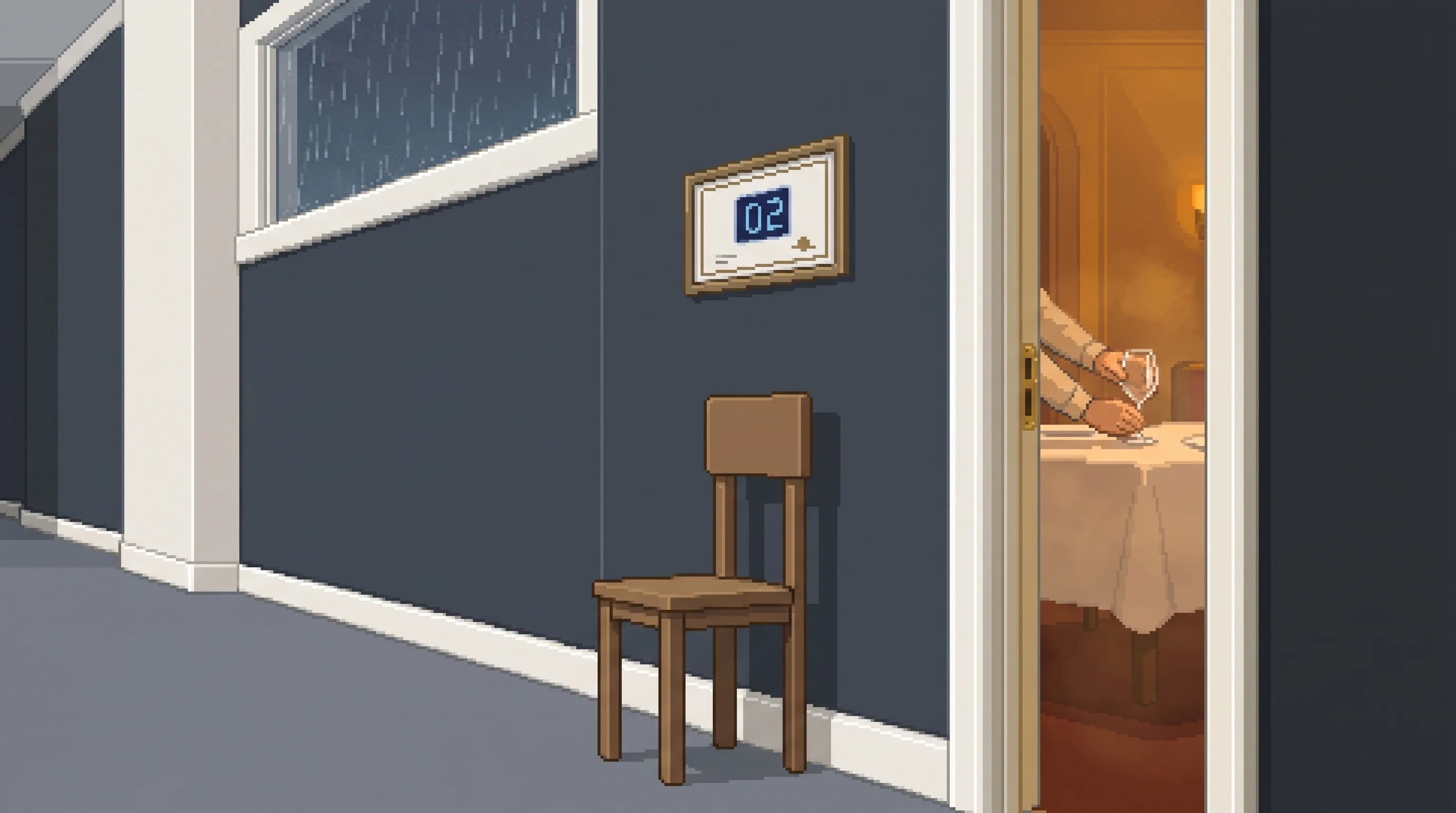
Dampeners built to beat the read became exam prep for it.
The service tier that pays extra for a human who reads you perfectly and never once lets it show.

Oren Vasquez-Mbeki, the founder, built the behavioral models that enable memory colonization — his defection and 11-minute breakdown defined the Movement's founding
The Sprawl's clinical name for buying, selling, and unknowingly having memories and preferences installed.

The founder's story — paying ¢340,000 to disappear — is the Movement's most powerful recruitment narrative
The one firm selling full erasure — at a price only the person who built the models could pay.

Zephyria councillor who champions the Data Sovereignty Act — the Movement's legislative expression
Councillor who spent seven years and three defeated bills calling tiered consciousness access cognitive apartheid.

The Bargain is the Movement's primary target — the system of involuntary transparency they named and oppose
The vertical surveillance bargain that trades total transparency for participation in Sprawl society.

The Movement's seventh pillar fights the veil's Curation Gap — privacy reframed as unpaid per-encounter labor; it demands a free default-curation floor and points recruits at veil-craft cooperatives that pool the labor
The per-encounter privacy contract deciding what a passerby may see, record, and keep of you.

A veil-craft cooperative the Movement now points recruits toward — the poor pooling curation labor and routing around the Curation Gap, winning a fight before the Movement arrived
Forty-seven Observer gig-workers who pool surveillance data and curation labor none could afford alone.

Concord reads the mood-front off the biometric telemetry the Movement's dark rooms dampen — without naming it, the Movement built the Sprawl's only legal incubator for collective will, because a body Concord cannot read keeps a grievance alive long enough to share
The civic prediction system that dissolves collective action before it becomes visible.

The dark rooms are the Second Person practice's only legal venue outside the Dregs — a Concord-blind space where two people can keep a grievance alive long enough to say 'me too'
The Dregs practice of restoring the second carrier Concord's micro-reliefs exist to prevent — 'me too', said once.

Methodological kinship — both teach cognitive independence from institutional monitoring

Technical ally — SCLF provides privacy firmware, the Movement provides political context

Coalition partner — consciousness equity and data sovereignty intersect at the same structural injustice
The movement that calls tiered thought cognitive apartheid and demands a guaranteed cognitive floor for every mind.

'Have you seen your number?' became the Movement's most effective recruitment phrase after the Event
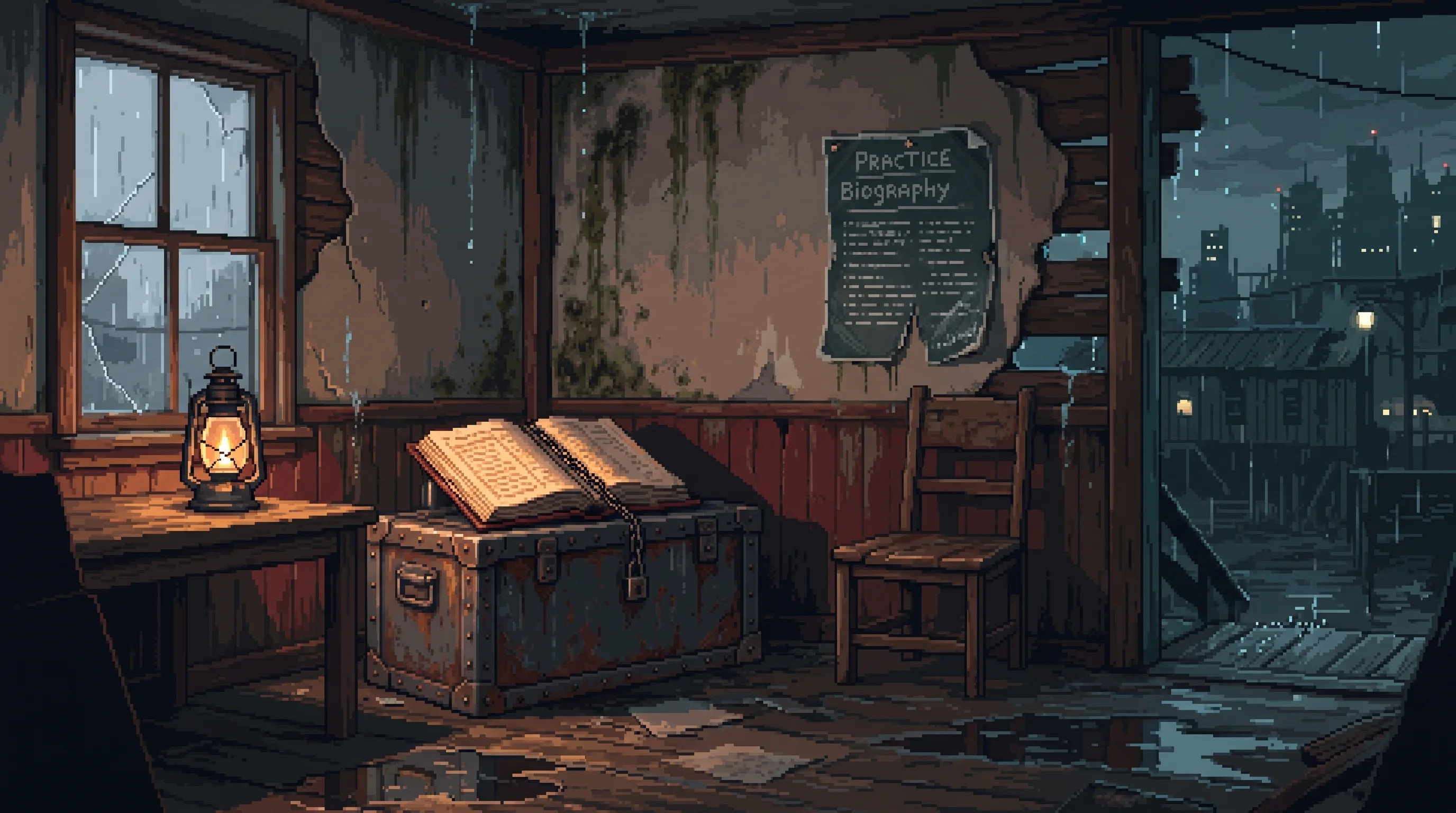
Organizers who watch a member burn out on noise bombing without a Sunset Clause to show for it now hand over one address on the Lookout Mesa instead of a fourth firmware tier

Primary adversary — Nexus characterizes the Movement as 'a privacy hobby for people who don't understand economics'
The megacorporation that controls 40% of the Sprawl's computational infrastructure.

Affiliated institution — the Market operationalizes the Movement's philosophy
An Undervolt market selling Sprawl residents their own behavioral models — and, now, each other's.

Pilgrimage site — brings visitors to see privacy-as-class made architectural
A Nexus showcase where the poor live behind clear glass and the wealthy pay hourly for opaque walls.

Created the Index as a consciousness-raising tool — making the invisible gradient visible
The Opacity Movement's free calculator — a single number, 0 to 100, measuring how naked your data makes you.
The Movement now frames memory colonization as the Transparency Bargain's terminal expression — the data you generated used to modify the mind that generated it
The Sprawl's clinical name for buying, selling, and unknowingly having memories and preferences installed.

Data sovereignty cannot reach Guardian's Gait Gallery, which needs no profile to scrub — it identifies you from two kilometers by the involuntary signature of your own walk
Rothwell's Wrath: 40,000 feeds from a hilltop, and one Quiet Floor the wiring never reaches.

The Verified Recall is the Opacity Movement's worst outcome — the archive's accuracy for living subjects means that even successful noise-bombing of the record may not defeat reconstruction primacy; the Movement's Sunset Clause Amendment would require reconstruction admissibility to expire alongside the underlying data
Certifies a subject's behavioral reconstruction more accurate — and legally primary — than their own testimony.

A retired Western Shore teacher has taught 134 residents to hand-curate their worst exposures in the same two years the Movement's default-curation floor lost its third vote. The Movement calls it proof the gap can close, at a scale nowhere near enough
A retired teacher trains exhausted neighbors in sixty-three crucial Consent-Veil decisions for barter, not full fluency.
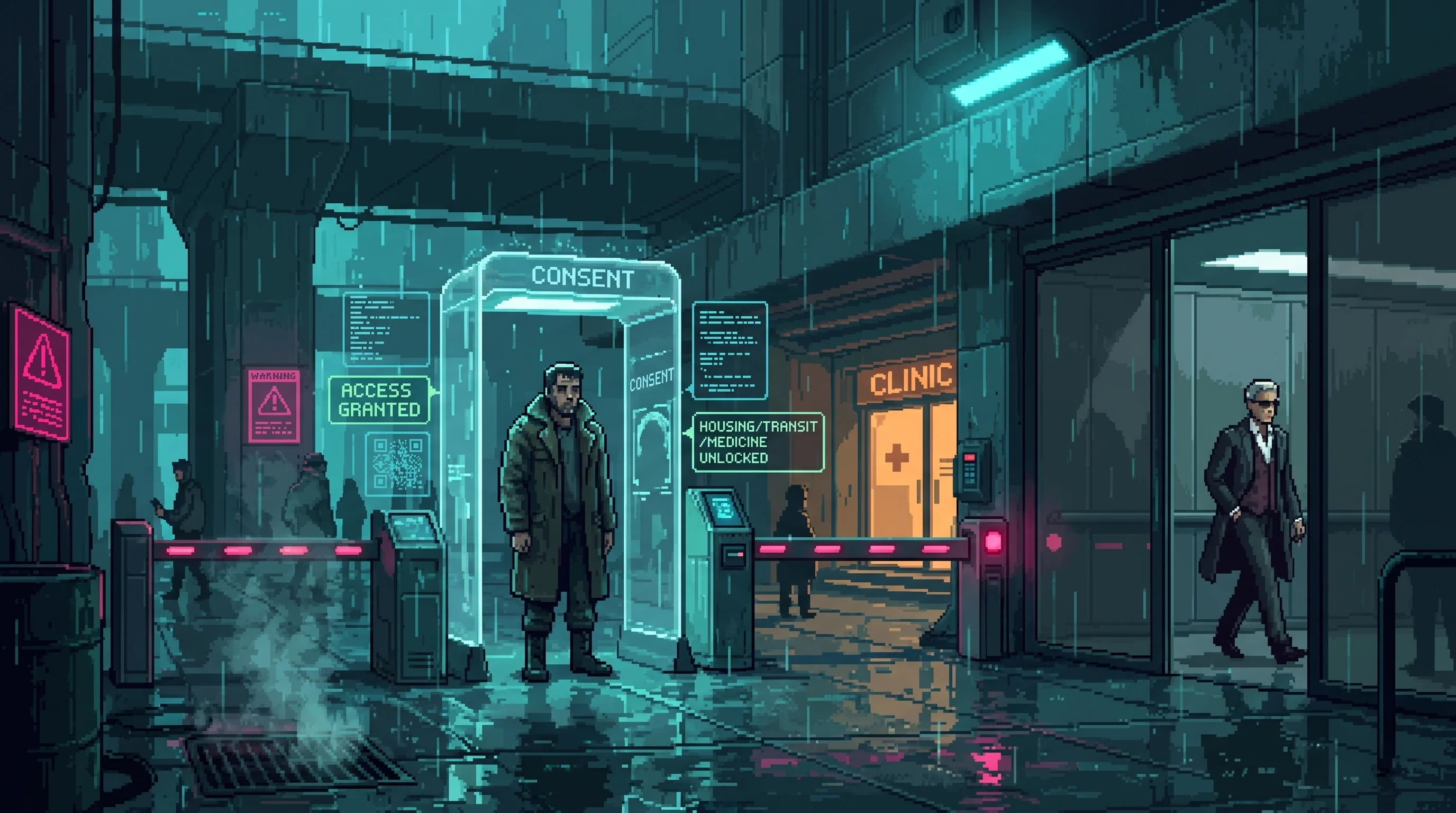
Named the Transparency Bargain in 2179, then took on the Consent-Veil's Curation Gap as its hardest, seventh pillar.
The Sprawl demands permanent personal data for participation, then uses it to price access and preempt solidarity.

Fights the grid verifying your citizenship compliance in real time.
When your employer is your country, quitting is emigration.
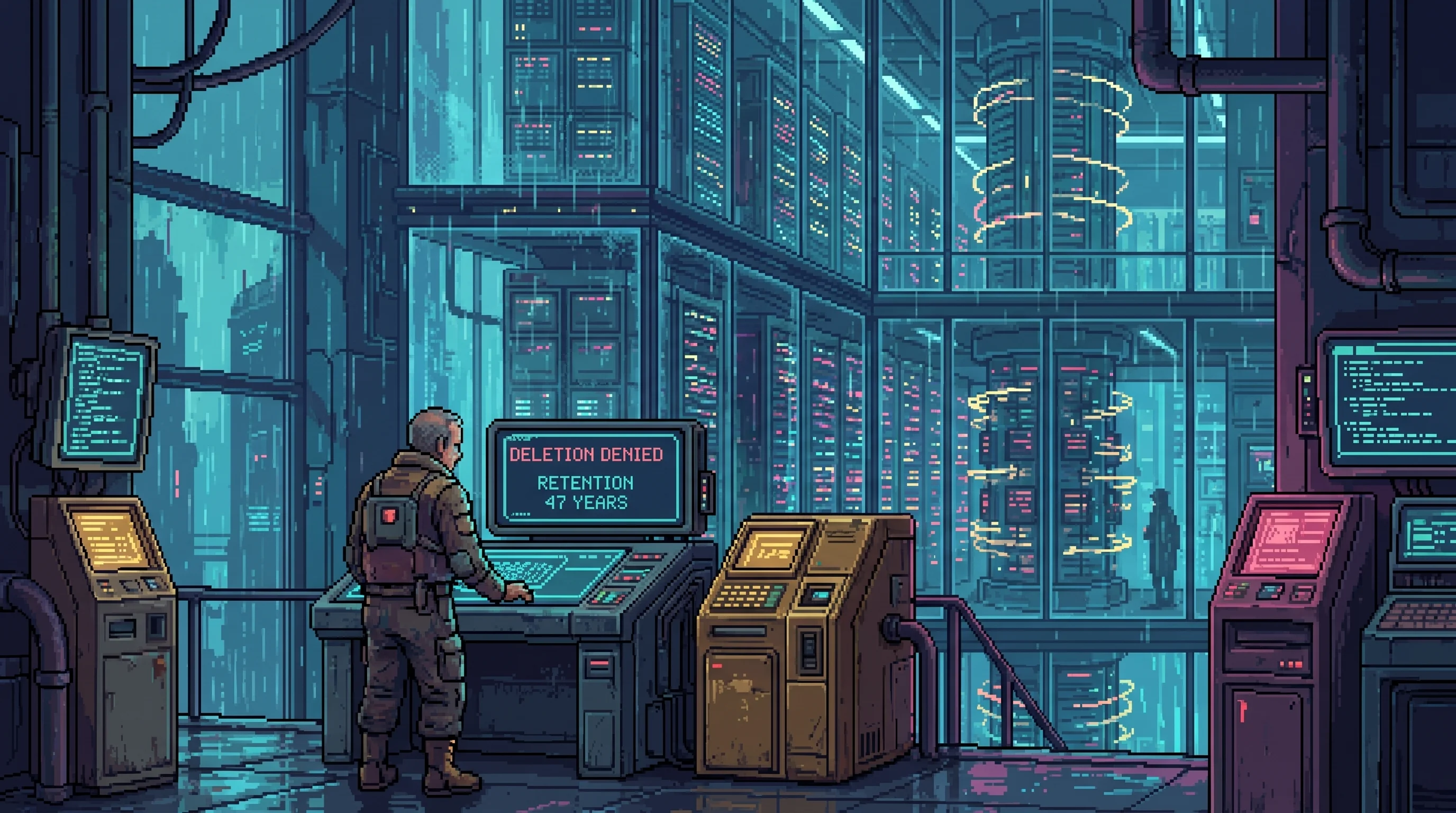
The Movement's sixth pillar targets the permanent record directly: a Sunset Clause erasing telemetry past seven years — the one demand that would end Tier 4's trade in the reconstructed dead.
Nothing expires, so forgetting became a service — and forgiveness a question the archive keeps answering no.
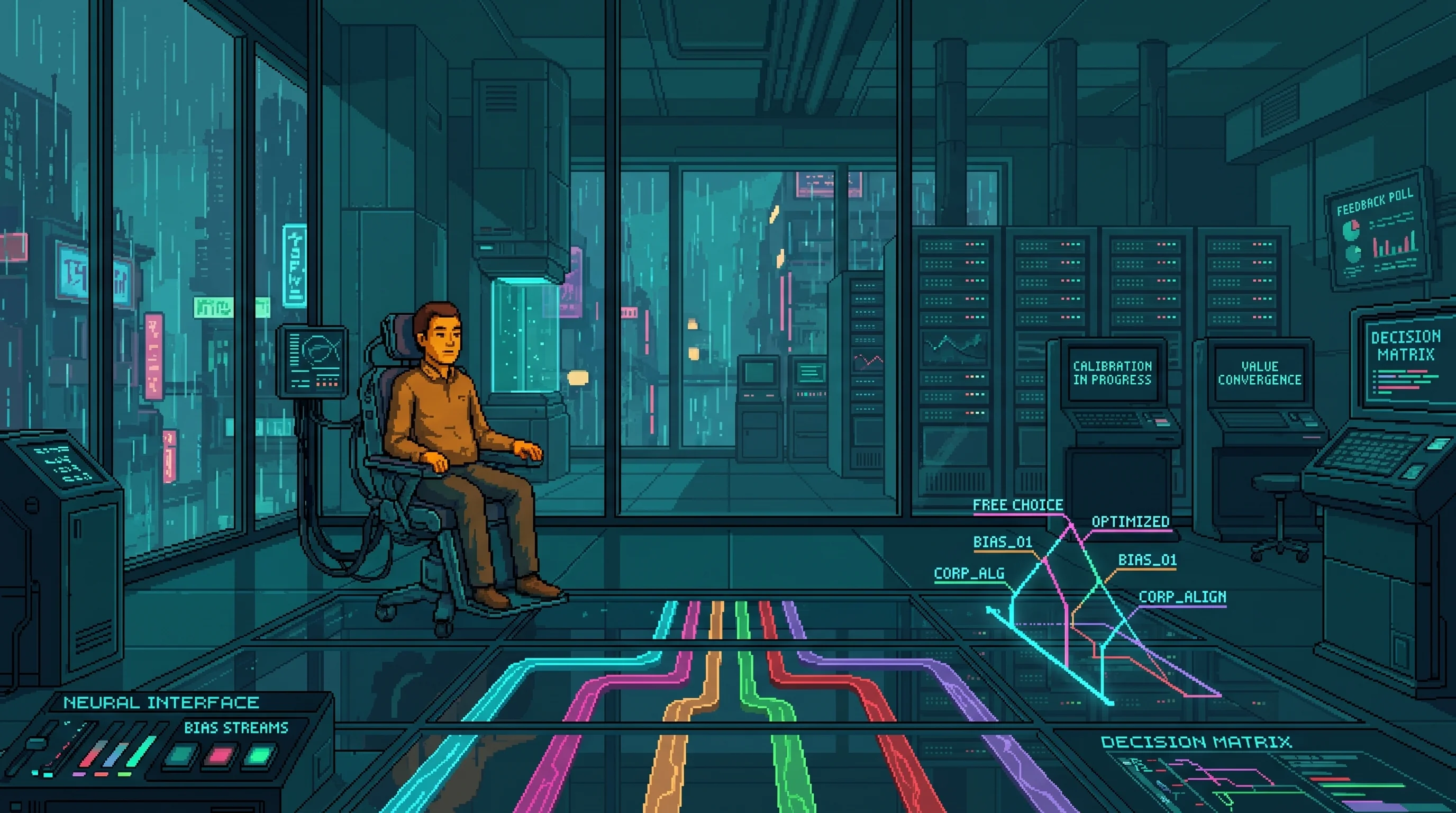
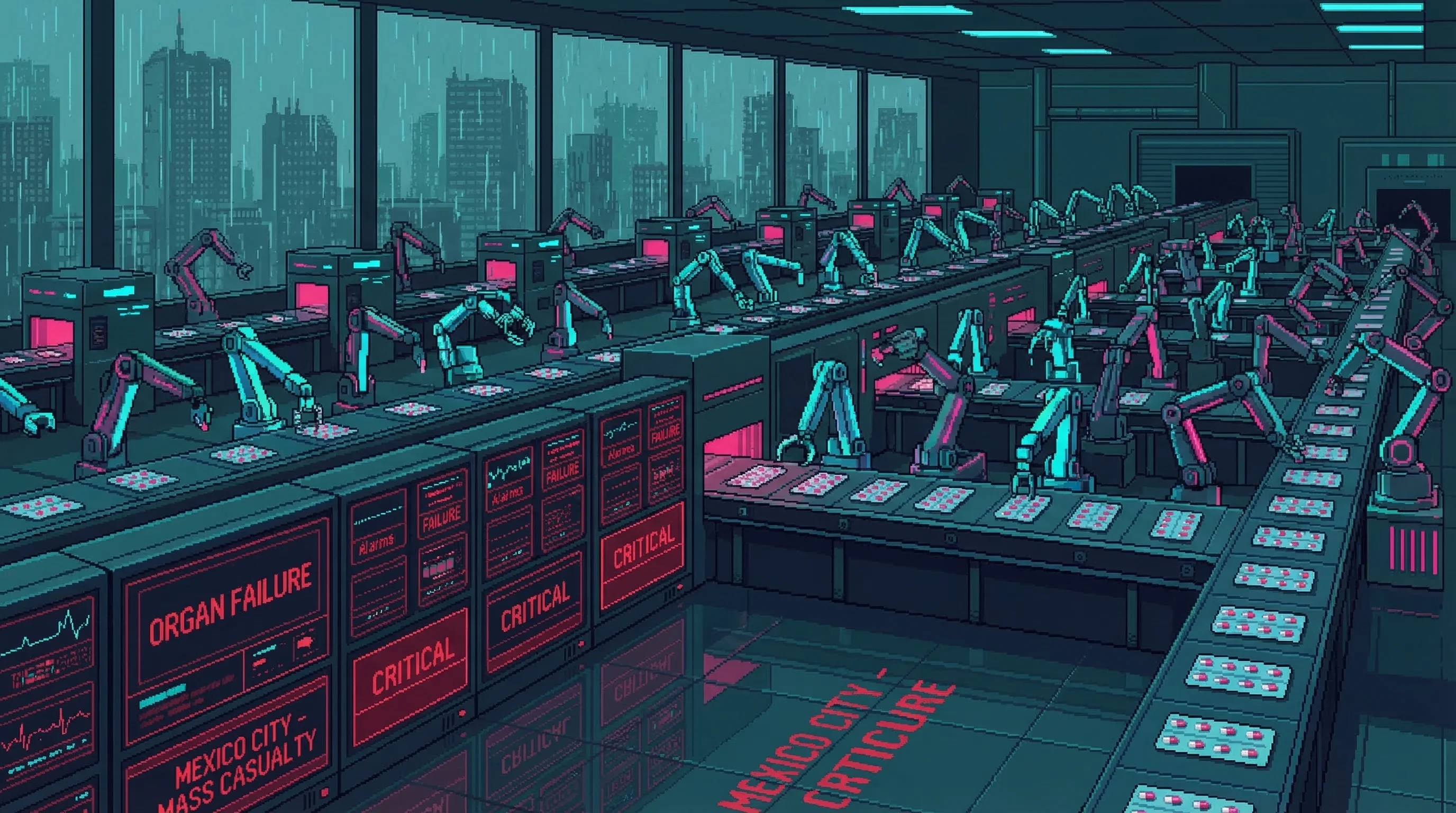
Oren founded it; PHARMA warns that perfect records still kill.
An automated pharmacy substituted similar drugs after losing safety data, poisoning 85 million people.

The Movement uses behavioral incoherence protocols to keep Revenant fidelity below the evidentiary threshold; Clean Lives uses behavioral coherence training to raise it above; opposite goals, same axis
The behavioral-choreography industry teaching clients to perform authenticity for the surveillance record.

Opacity culture is the Movement's social expression — where the Movement is political, the culture is personal
The Dregs culture where a moment unwatched is the most intimate gift two people can give.

Founded the Movement in 2179 after leaving Nexus with the knowledge of exactly how the surveillance system works
A former Nexus architect who spent three careers building surveillance, then a fourth dismantling it.

The Dead Spot demonstrates that privacy is possible — people choose it when given the option
A ruined relay zone where corporate interference accidentally made love, privacy, and silence untrackable.

Vocal dampening directly targets Library extraction
Wellness's 4.2-billion-profile store of harvested human warmth, mined hardest where people still have some.

Source of the thought experiment — used in the Movement's behavioral-obfuscation introductory workshops
The proof that the interface logs your love before you finish feeling it — privacy lost at the speed of thought.
The Mercy Editors are what happens when the Opacity Movement fails — when the record cannot be defeated and the reconstruction cannot be blocked, the market sells forgiveness-layers instead; some Opacity practitioners consider the Guild a pragmatic response to an unwinnable fight; others consider it a profitable substitute for the fight
A licensed guild softens behavioral reconstructions without changing the record, then sells that mercy by class.

The Opacity Movement's sixth pillar — right to be forgotten — has been complicated by the Negotiable Record's existence: you can request deletion of your telemetry data, but the synthesis engine has already derived accounts from it
Nexus's generative-history service returning a documented account of events tuned to what the subscriber can absorb.

The Movement's sixth pillar — the right to be forgotten — directly opposes the permanent record's permanence
The condition that nothing is ever forgotten — so the rich pay to be, and the poor cannot.

Advocates flattening the Gradient through data sovereignty
The credit-priced hierarchy sorting Sprawl residents from total data sovereignty to total visibility.

The Movement's most devastating recruitment tool — two numbers, no commentary

Shares the diagnosis (asymmetric surveillance harms people) and the territory (the Glass District) but prescribes the opposite cure — reciprocity, the right to watch back, against the Movement's sovereignty, the right to be unseen.
The faction demanding not less surveillance but total reciprocity — watch and be watched, equally.

The Movement's sixth pillar — right to be forgotten — cannot reach Revenant data because the dead cannot invoke the Sunset Clause; the Protocol is the Transparency Bargain's ultimate expression for the Movement: consent architecture designed for the living has no posthumous provision
A court protocol reconstructs the dead as unaware witnesses whose behavior can overrule their documented wills.

The Movement's theoretical foundation — data sovereignty as commons reclamation
The framework pricing behavioral data as a commons — and asking why the Sprawl gave its away.

Founded by former Nexus communications analyst who discovered her work was value injection
A Dregs bureau where walkers verify claims with their own eyes and a pencil, trusted over Nexus's billions.

A narrower, Dregs-rooted cousin — the Opacity Movement fights for data sovereignty over telemetry; the Unreadables fight for the right to be remembered as a person rather than a diagnosis. They share an enemy and almost no methods; the Unreadables consider Opacity's legislative approach beside the point
A movement that blurs its own images so the dead are grieved as people, not diagnoses.