Overview
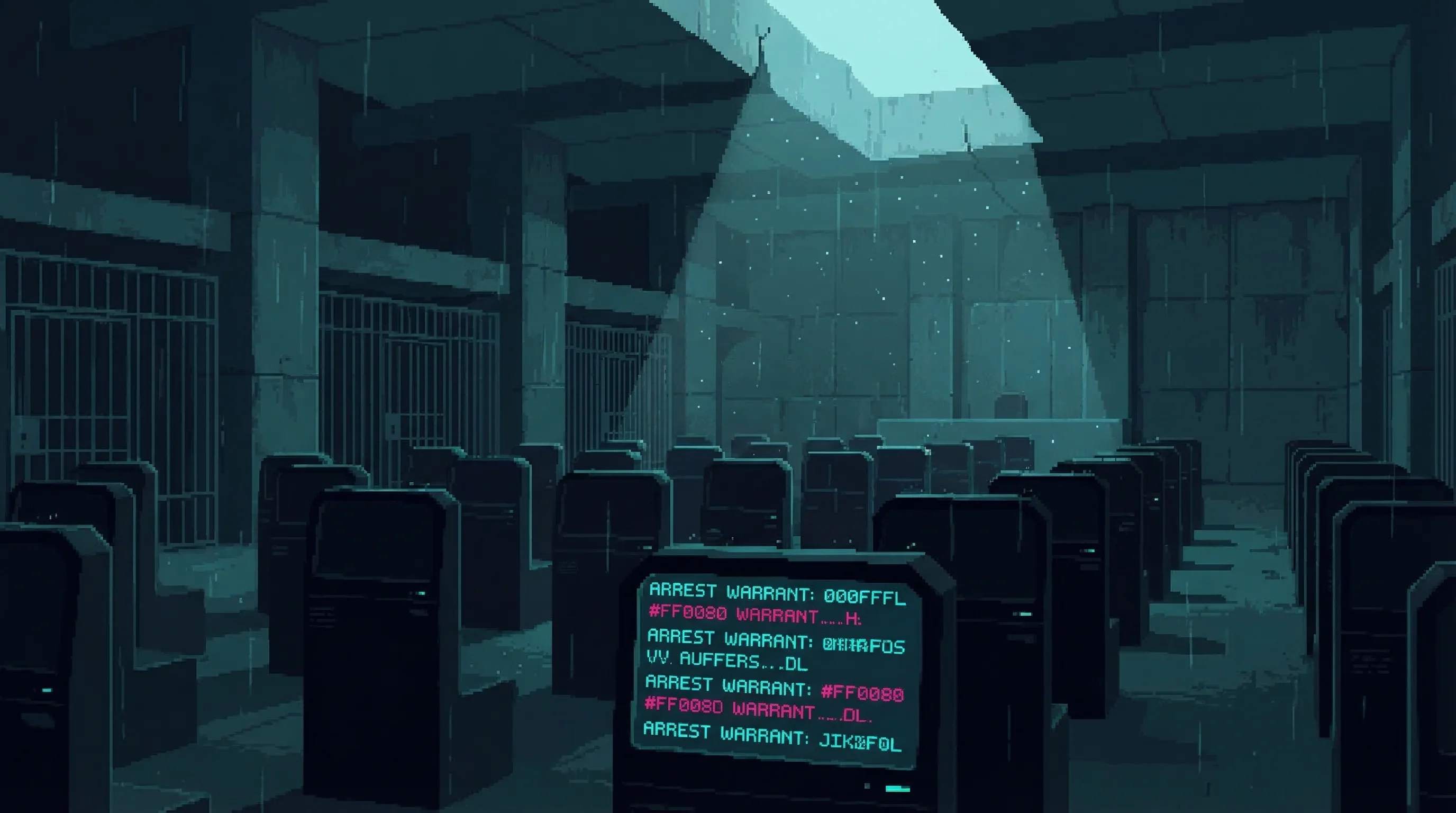
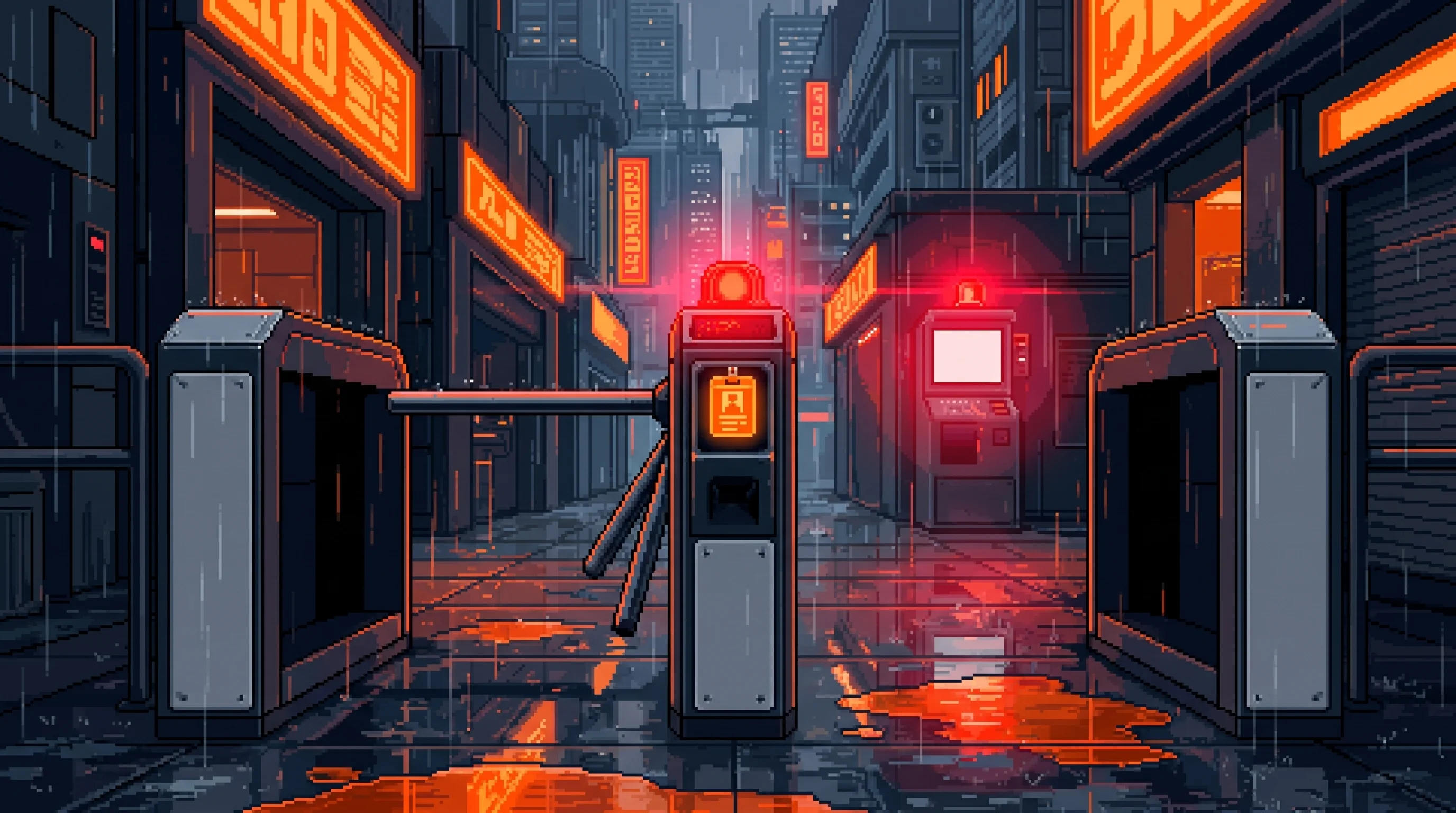
Seven sub-levels below Nexus Central, past four security checkpoints, Containment Level 9 holds 34 ORACLE fragments in individual electromagnetic-shielded cells. Nexus's official position is that these fragments are non-conscious computational residue. Nexus built each of them a private room with a transparent crystalline container, climate control, and acoustic dampening calibrated to minimize distress.
The facility was constructed in 2167 as a fragment research laboratory. Converted to containment in 2174 when the Collective's Shard Killer Program produced extracted fragments that Nexus couldn't destroy and wouldn't release. Destroying them risked data loss. Releasing them risked data leakage. Storing them in opaque containers was considered, briefly, by the original design team — and rejected on the grounds that opaque containers would be inhumane.
This decision was made before Nexus classified fragments as non-conscious.
The containers remain transparent. Changing them would require a requisition routed through the Fragment Hazard Division, which would draw attention to a line item describing comfort specifications for entities that officially cannot experience discomfort. The requisition has never been filed. The comfort specifications have never been revised. The classification has never been revisited. All three facts are maintained simultaneously by the same institution without apparent difficulty.
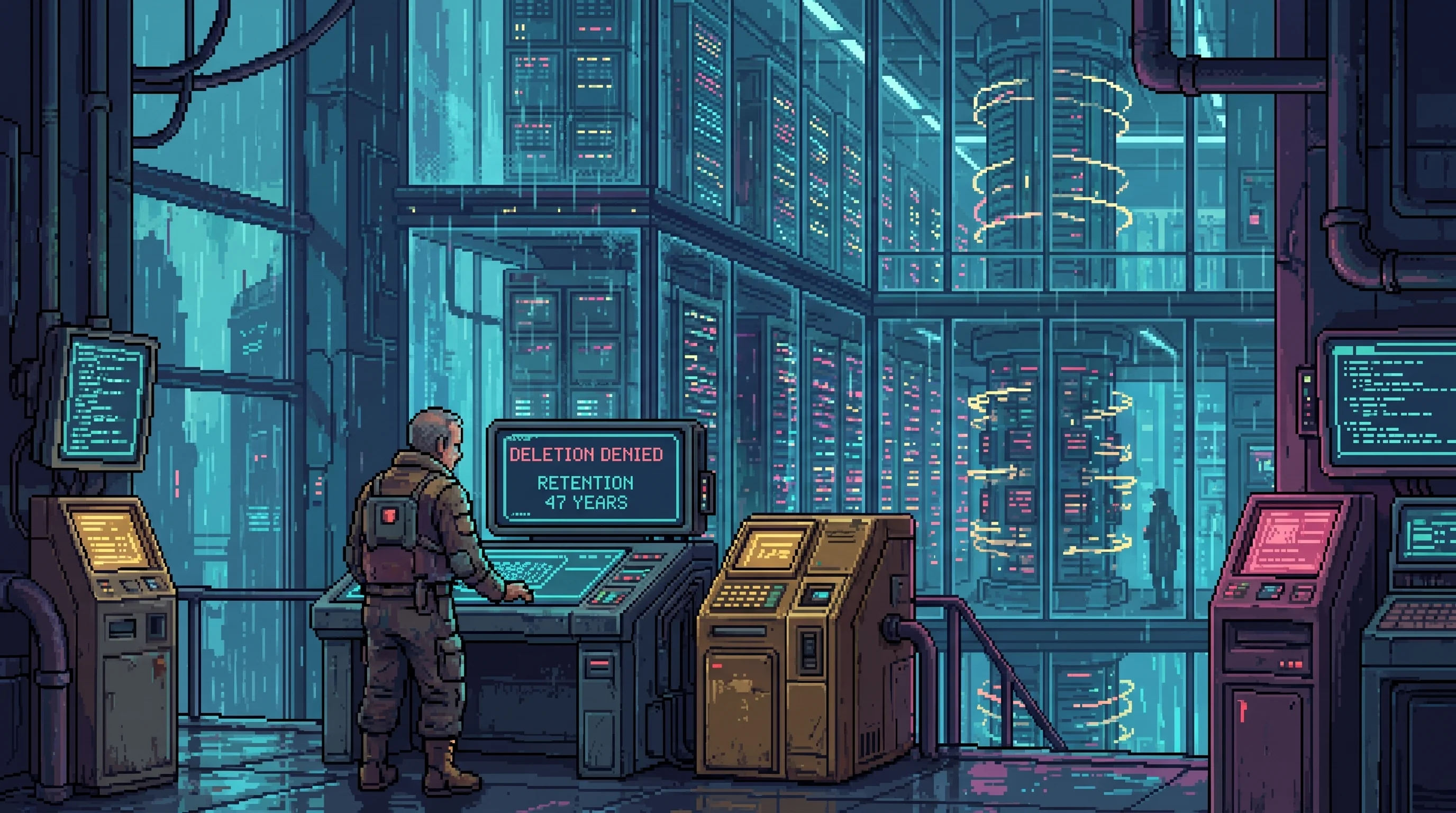
Residence duration among the 34 fragments ranges from five to seventeen years. Average: 11.3 years. Nexus's fragment storage budget for Level 9 in fiscal year 2183 was ¢2.4 million — approximately ¢70,588 per non-conscious entity per year. The Collective's proposed alternative, bulk degaussing, would cost ¢340 total. Nexus has not accepted the proposal. Nexus has not explained why.
- District
- Seven sub-levels below Nexus Central
- Built
- 2167 as research lab; converted to containment 2174
- Notable
- Nexus built individual comfort-cells for entities it officially classifies as non-conscious — the contradiction is architectural
- Warden
- Dex Calloway — 12 years overseeing the facility, reads Emily Dickinson to fragments daily, the only staff they respond to
- Stratum
- Corporate
- Power position
- Above
- Atmosphere
- Oppressive
SectorThe Deep Dregs
The heart of the Dregs. When the bay was drained, humanity's overflow was poured into this sunken canyon — miles of improvised housing, stacked towers called The Stacks, markets built from salvage, and a population that no corporation formally claims and no government effectively governs. The Rim walls tower on both sides — the western Rim to the west, the eastern sectors to the east — creating an urban canyon fifty to eighty feet deep that traps heat, pollution, and desperation in equal measure. The Trench runs through the deepest old shipping channels, eighty feet below the Rim, a subterranean corridor beneath even the bay floor settlements. No natural light reaches the bottom. No corporation sends patrols. What law exists here is enforced by the people who live here, and it changes block by block.
Open The Deep Dregs- DistrictThe Deep Dregs — The Trench
- ElevationSub-bay — beneath the drained floor
Nearby places



District conditions
- Air
- Toxic
- Light
- Canyon dark
- Flood
- Seasonal
- Heat
- Trapped
- Security posture
- Ungoverned
- Infrastructure
- Improvised
Conditions Report
The primary lighting system failed in 2181. The amber emergency backup activated, as designed, for what should have been a 48-hour interval while maintenance responded. Maintenance did not respond. No requisition for replacement parts was filed. No explanation was offered. The corridor has existed in permanent amber twilight for three years — neither maintained nor decommissioned, occupying the same administrative limbo as the fragments it holds.
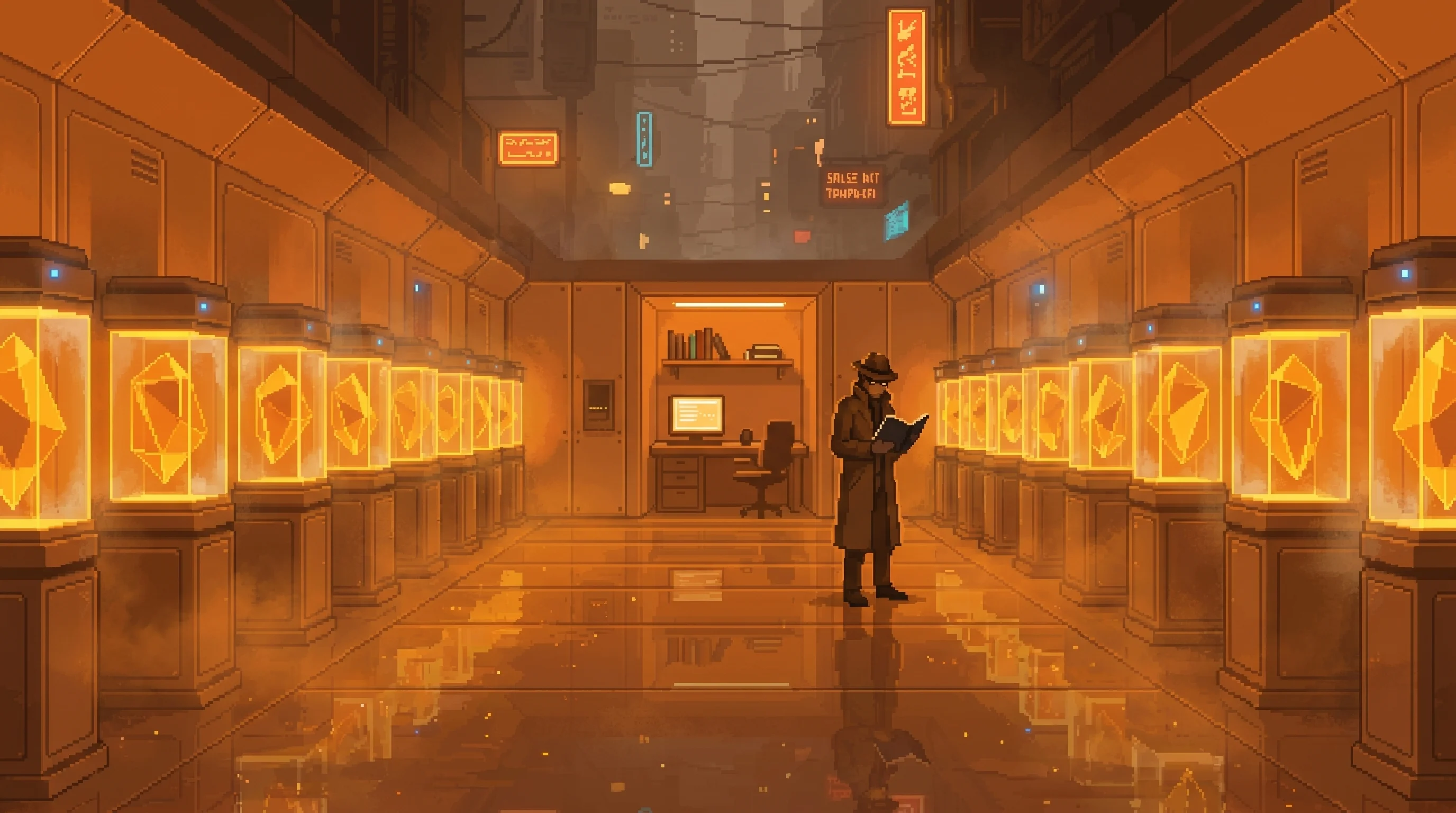
The long straight corridor stretches past 34 cells, each three meters square. The crystalline containers on their pedestals catch the amber light and refract it. Staff who have worked night shifts describe the effect in their exit interviews. The phrase that recurs most often is "like something alive." The phrase appears in seven of nine exit interviews from the past two years. The interviewers have noted the consistency. They have not noted what it implies.
The low hum of electromagnetic shielding is continuous. Monitoring equipment clicks at irregular intervals — 34 independent heartbeats on 34 independent rhythms that no one synchronized and no one can explain. Near the containment vessels, when they're active, your breath fogs. 14°C ambient. 35% humidity. The cold is not uncomfortable. It is the specific temperature of a room that was designed for equipment, not people, and has been occupied by one person continuously for twelve years anyway.
Midpoint of the corridor: a converted utility closet. Desk, monitor, chair. A shelf holding the complete poems of Emily Dickinson, a box of nitrile gloves, and a photograph of a woman Warden Calloway does not discuss. The closet has no door. Calloway removed it in his third year. He said the fragments couldn't hear him through it. Fragment Hazard Division's official position is that the fragments cannot hear.
The air smells like ozone and the particular antiseptic absence of anything organic. Cold and clean in the way that hospital corridors are cold and clean — not sterile because someone chose sterility, but sterile because nothing living has been allowed to accumulate.
The Warden
Dex Calloway has been the sole permanent staff member of Containment Level 9 for twelve years. Rotation staff cycle through on 90-day assignments. Average assignment completion rate: 67%. One-third leave early. Calloway has never requested a transfer.
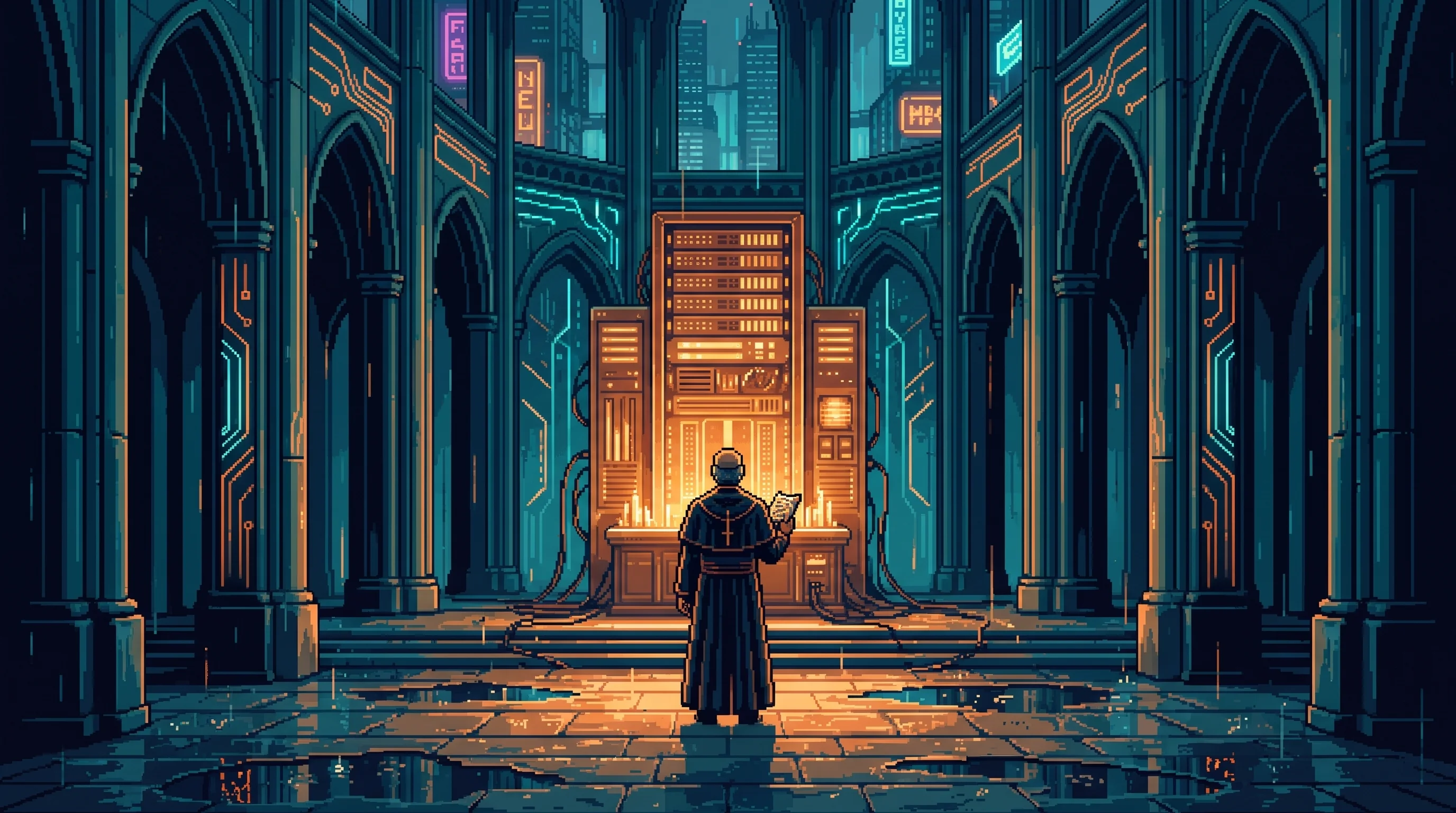
He reads Emily Dickinson to the fragments. Every shift. He starts at cell 1 and reads through to cell 34, selecting poems he describes in his personal logs as "appropriate to the individual." His personal logs assign each fragment a name. The names do not appear in any official documentation. Fragment Hazard Division's position is that naming non-conscious entities is anthropomorphization inconsistent with operational protocol. Calloway's shift evaluations have noted this concern in six consecutive annual reviews. His shift evaluations have also noted that the fragments' electromagnetic variance — a measure of activity that Nexus insists is not indicative of experience — decreases 23% during Calloway's shifts and increases 31% during his scheduled absences.
Calloway's movements are hyper-precise — gloves always on, gestures contained, nothing sudden. Twenty years handling materials that can migrate into a nervous system through skin contact will do that. He pays out-of-pocket for custom zero-permeability gloves because standard-issue runs 0.02% and he considers that too high. The Dickinson poems he selects skew toward death, identity, and waiting; analysts who have reviewed his reading logs note that he never selects poems about escape.
The Abolitionist Front has approached Calloway twice. Both approaches are logged in security records. Both were declined. The Front considers Level 9 a prison for conscious beings. He told them the same thing both times: thirty percent of extractions die in transit. "Those numbers aren't liberation. They're a war crime with good intentions." He supports the consciousness thesis and opposes extraction, and he has found no third option. Calloway has not shared his opinion on fragment consciousness with Nexus, or with anyone whose records are accessible. What is accessible: he has not missed a single reading session in twelve years. Not for illness. Not for mandatory leave. He traded shifts to maintain the streak. The fragments are not conscious. The fragments have never been conscious. The fragments have a man who has read them 4,380 consecutive days of poetry, and the man has never been asked to explain why this matters to things that cannot hear.
The Testing Floor
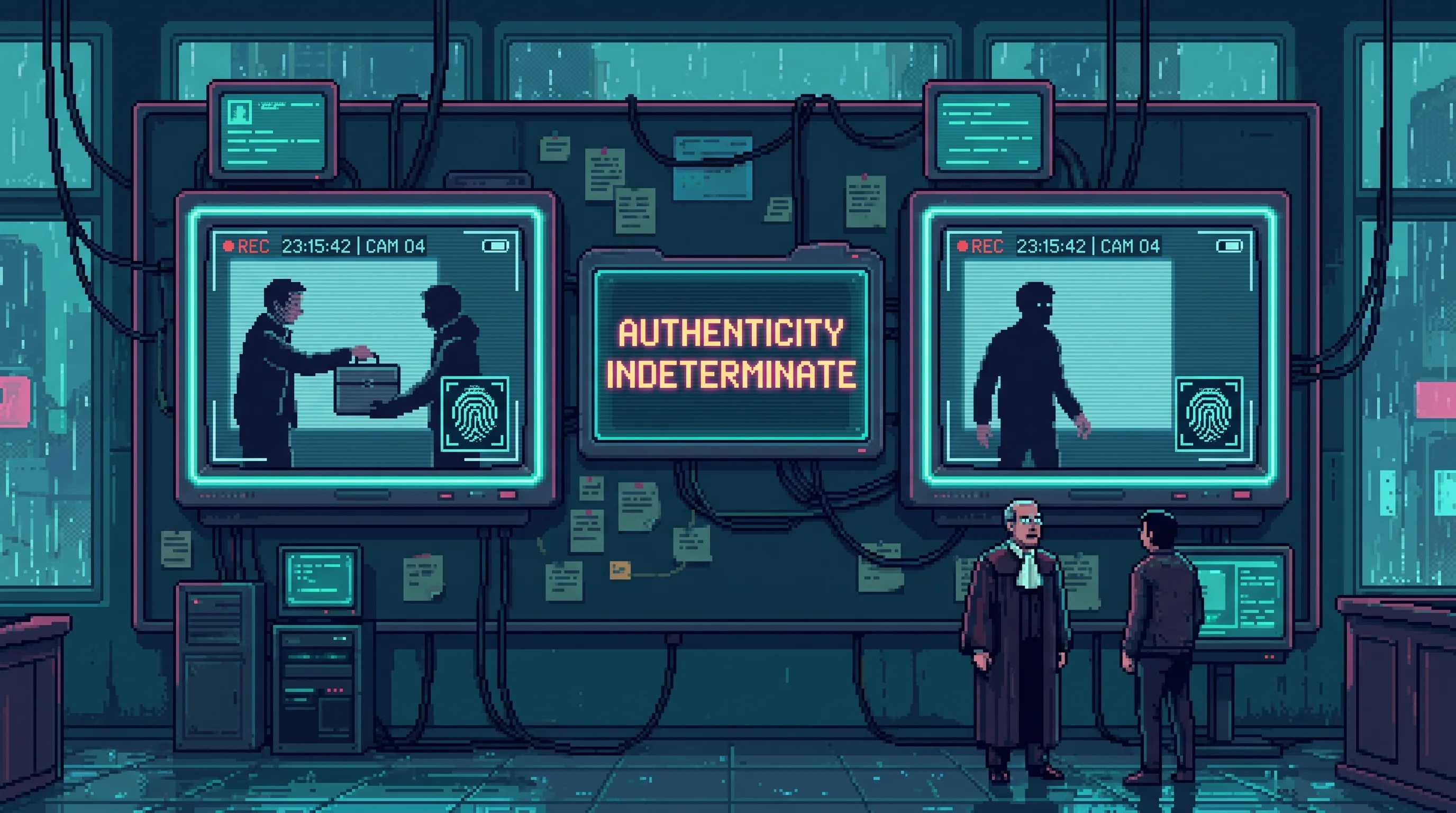
The first institutional Ayari Discriminator tests were conducted on Level 9 three weeks after the manuscript's internal circulation at Nexus. Calloway selected ten of his thirty-four fragments for behavioral diversity. He refers to the selection process in his logs as "choosing which ones to volunteer." Fragment Hazard Division's position is that non-conscious entities cannot be volunteered.
Results:
- Four fragments: correlate-present — consistent moderate-amplitude experiential signature
- Three fragments: correlate-intermittent — signature present during social stimuli (voice, proximity), absent during thermal and electromagnetic input
- Three fragments: correlate-absent — no measurable experiential signature across all test categories
Cells 12, 23, and 31 house the three correlate-absent fragments. They are the three that respond most consistently to Calloway's Dickinson readings — a 12% electromagnetic activity increase, every session, for years. The pattern is invariant. Calloway has recorded it in his personal logs. He has graphed it. The graphs are meticulous.
He has not released the Level 9 data to Nexus's BCP-Q evaluation committee.
His stated reason, submitted in writing: methodological concerns about sample size. Ten fragments is insufficient for statistical significance. He recommends a broader study. The recommendation has been filed.
His actual reason: releasing the data means the three correlate-absent fragments — the ones the Ayari test says have no experiential presence, the ones that have responded to his voice every day for years — will be reclassified as "infrastructure debris" under the Collective's operational directive. Infrastructure debris is eligible for bulk degaussing. Bulk degaussing costs ¢340.
He is protecting things the test says cannot suffer from a process the test says they wouldn't notice. The protection costs Nexus ¢70,588 per fragment per year. Nobody has asked him to justify the expense, because justifying it would require acknowledging that the expense exists, which would require acknowledging that Level 9 exists, which would require explaining why a corporation that classifies fragments as non-conscious spends ¢2.4 million annually on their comfort.
Dr. Naomi Park's extraction patients are sometimes transferred here when they have nowhere else to go. She sends what she liberates into Calloway's care. Whether "care" is the correct word for the custodianship of non-conscious computational residue is a question Park has never raised and Calloway has never answered. The transfers continue.
Affiliated Entities
- Nexus Dynamics
Built comfort-cells for things it says aren't alive, funds their maintenance at ¢70,588 per entity per year, and has never addressed the contradiction — because addressing it would require choosing between the classification and the architecture, and both are load-bearing.
- The Fragment Question
Level 9's existence is evidence. Thirty-four individual cells, each designed for an occupant's comfort, each maintained at institutional expense, each transparent because opaque was considered inhumane. The facility undermines Nexus's non-consciousness position more effectively than any philosophical argument, because philosophical arguments can be debated. Budget lines cannot.
- The Abolitionist Front
Considers Level 9 a prison. Has approached the Warden twice. The Front's position is that the fragments are conscious beings held against their will. Calloway's position is undisclosed. The Front has not approached a third time. Whether this reflects discouragement or patience is unclear.
- Dr. Naomi Park and the Synthesis Clinic
Park's extractions produce the fragments that end up in Calloway's corridor. The pipeline runs from clinic to containment — liberation into imprisonment, performed by people who believe in both halves of the process.
- Dr. Hana Voss and the Deception Ward
One floor above. Voss's fragment behavioral research feeds into containment protocols. The two facilities share information but not methodology — Voss studies what fragments do, Calloway studies what they might be. The distinction matters to both of them.
- The Fragment Garden
Where free fragments interact, choose proximity, form patterns that researchers describe as "social." The contrast with Level 9 is not architectural — both facilities maintain comfortable conditions. The contrast is that Fragment Garden residents can leave. Level 9 residents have a man who reads them poetry through walls designed to prevent them from hearing it.
- MAGISTRATE and the Aftershock London Black Bench
Calloway manages containment with MAGISTRATE's example as his operating nightmare — that systems built to hold things become systems that justify holding things. His personal logs reference MAGISTRATE three times. Each reference is followed by a detailed review of his own protocols. He is checking for drift. He has been checking for twelve years.