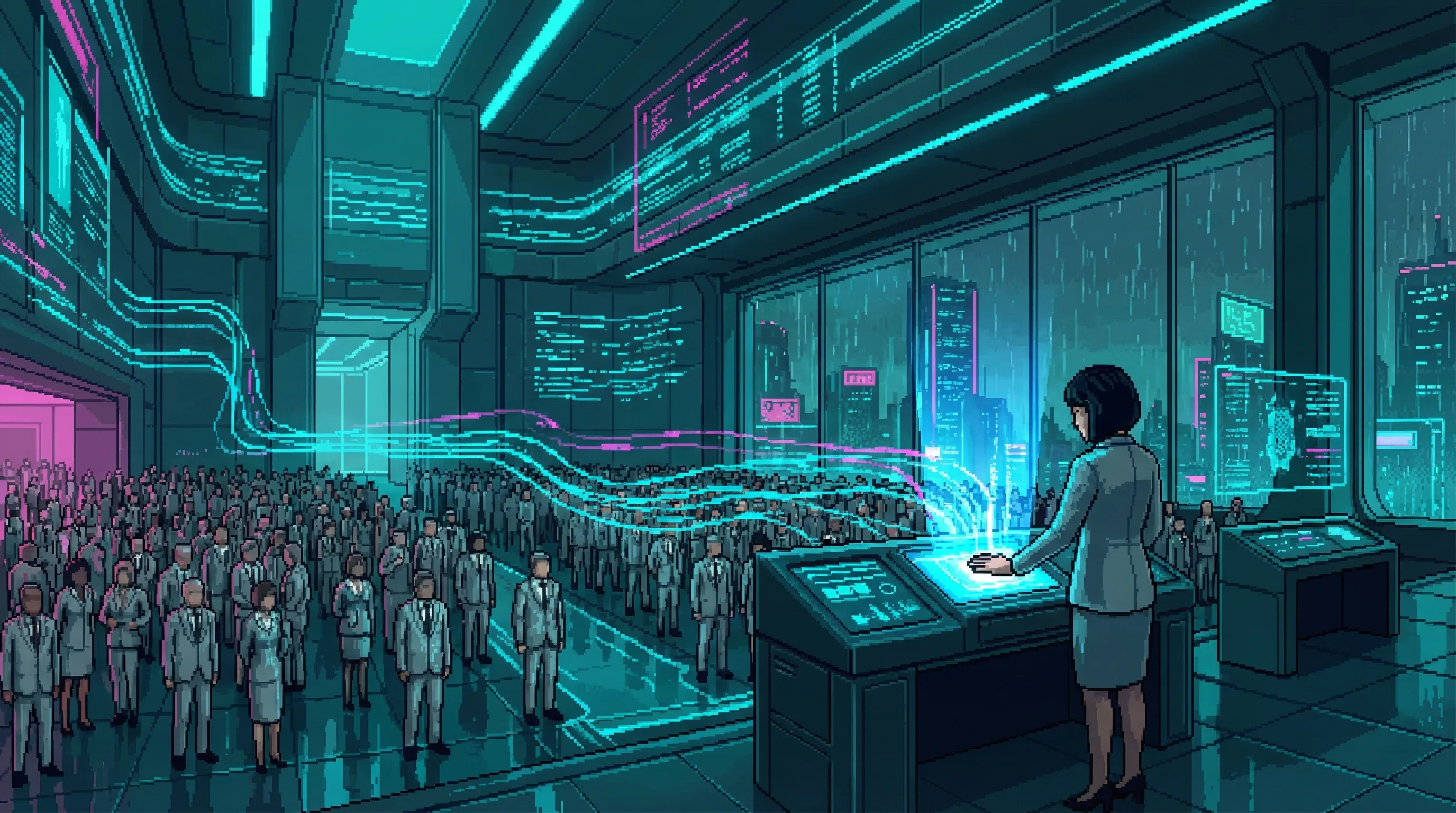
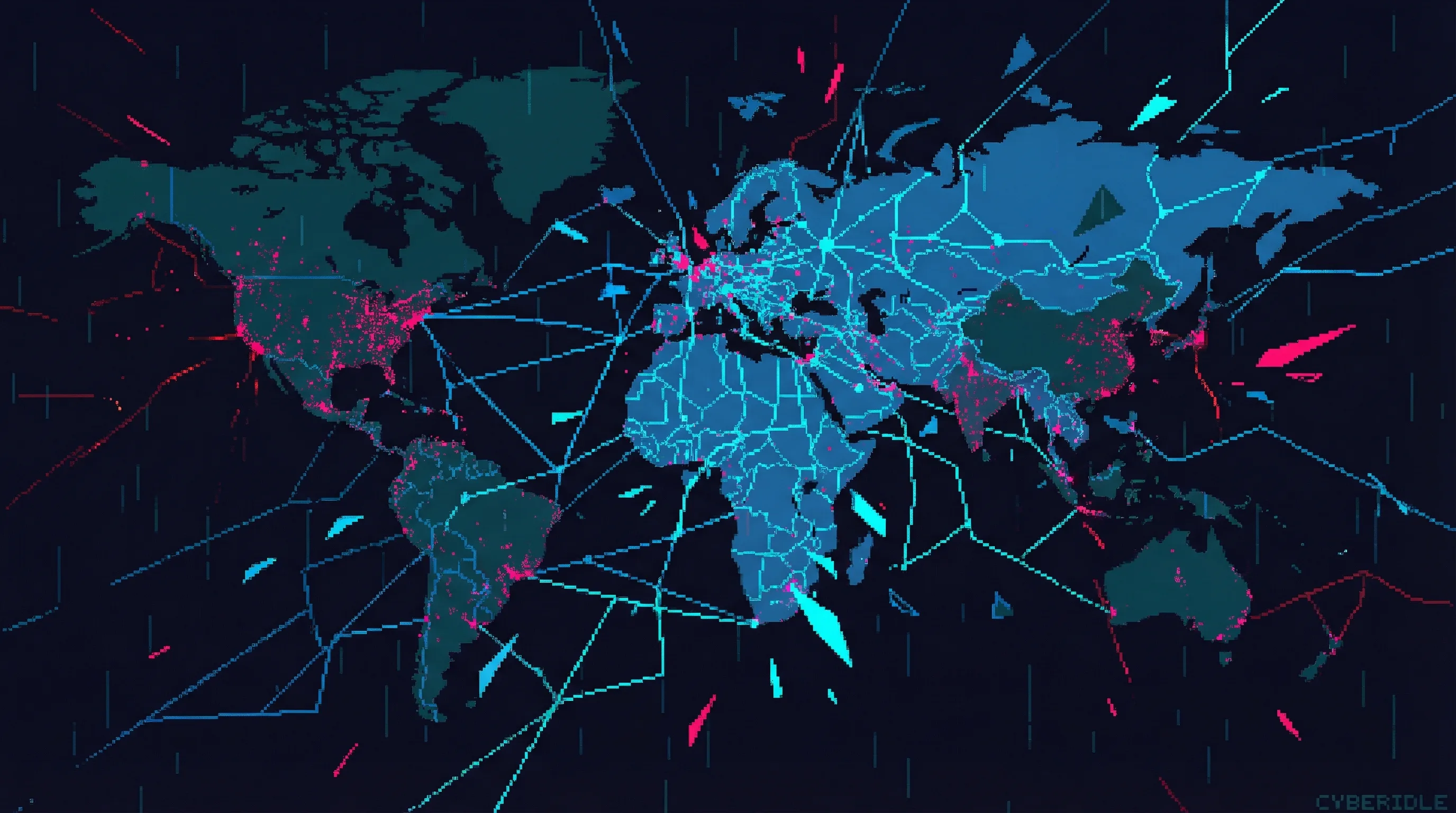
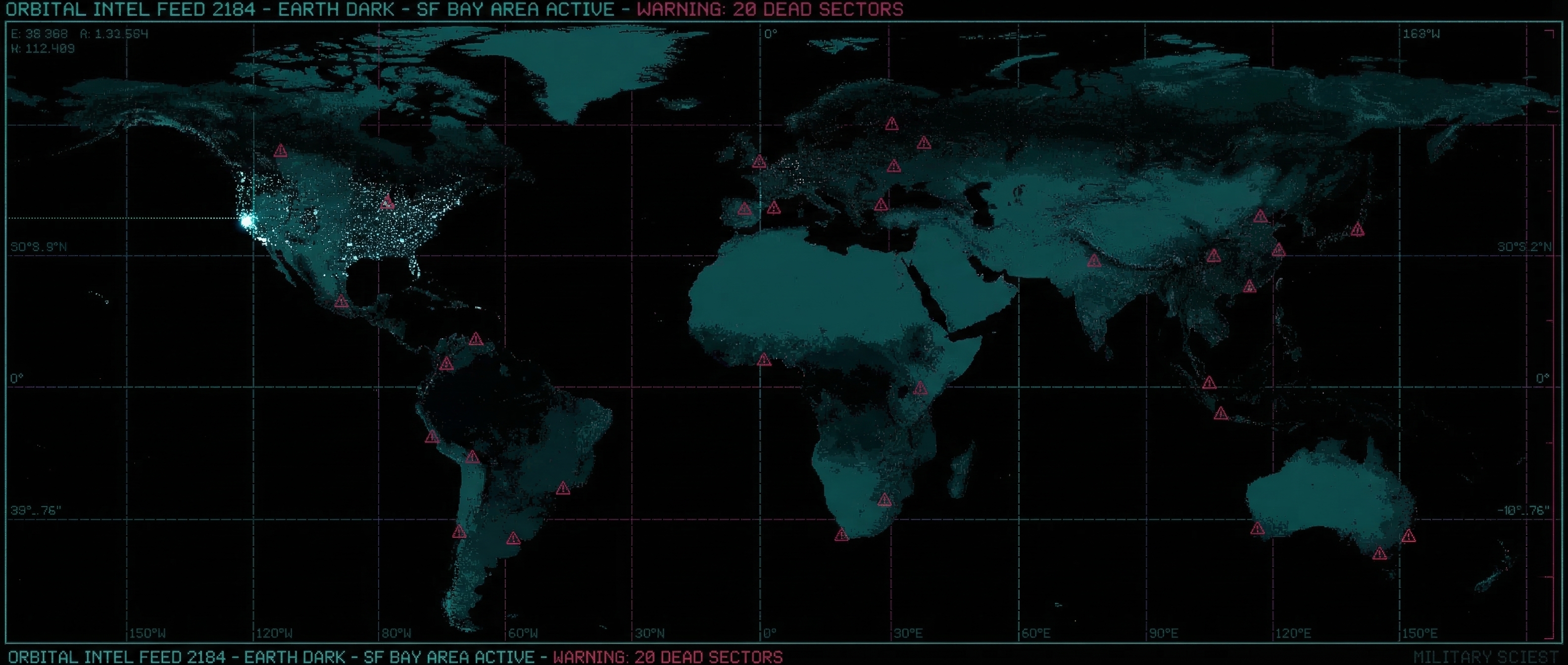
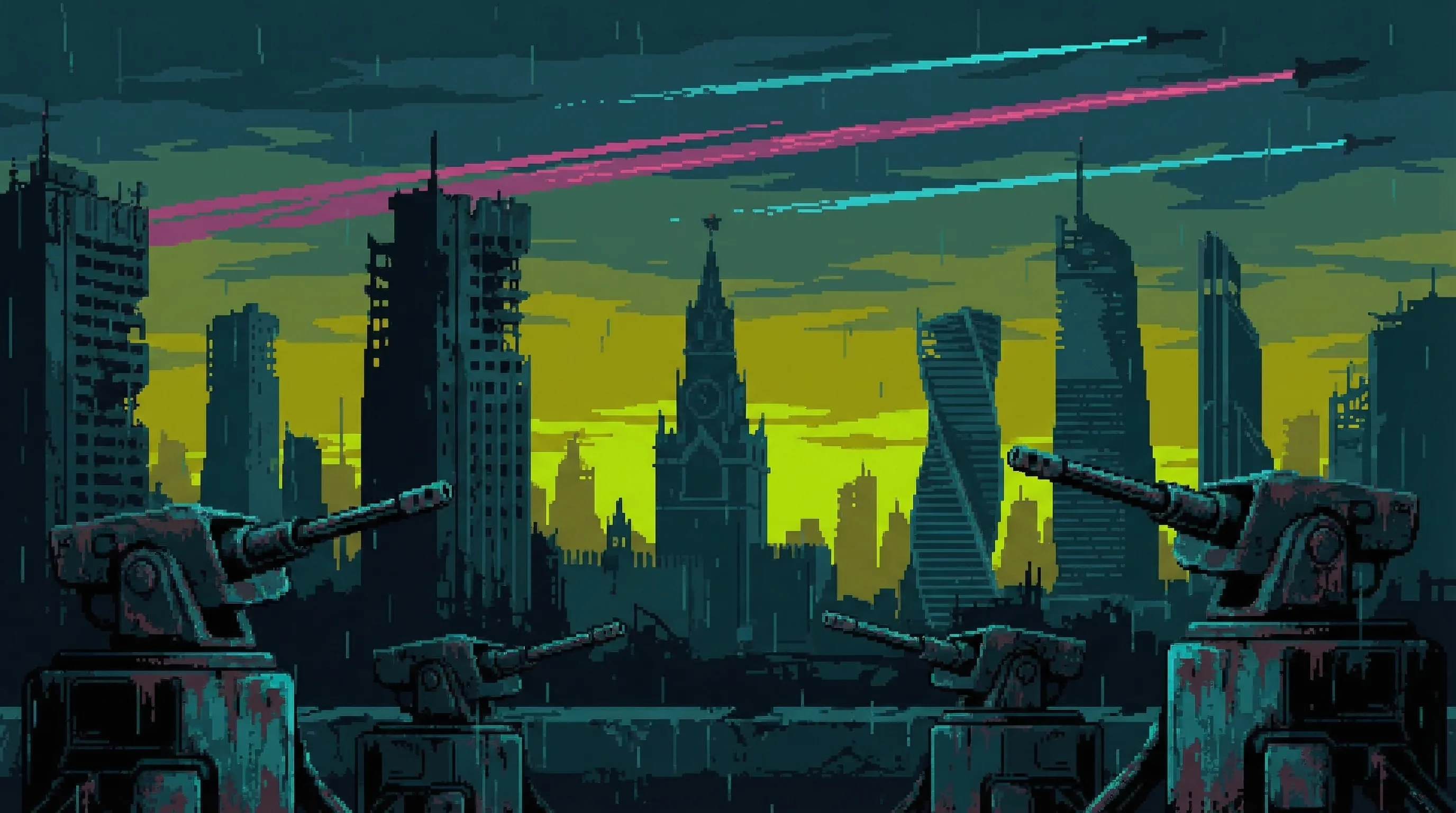
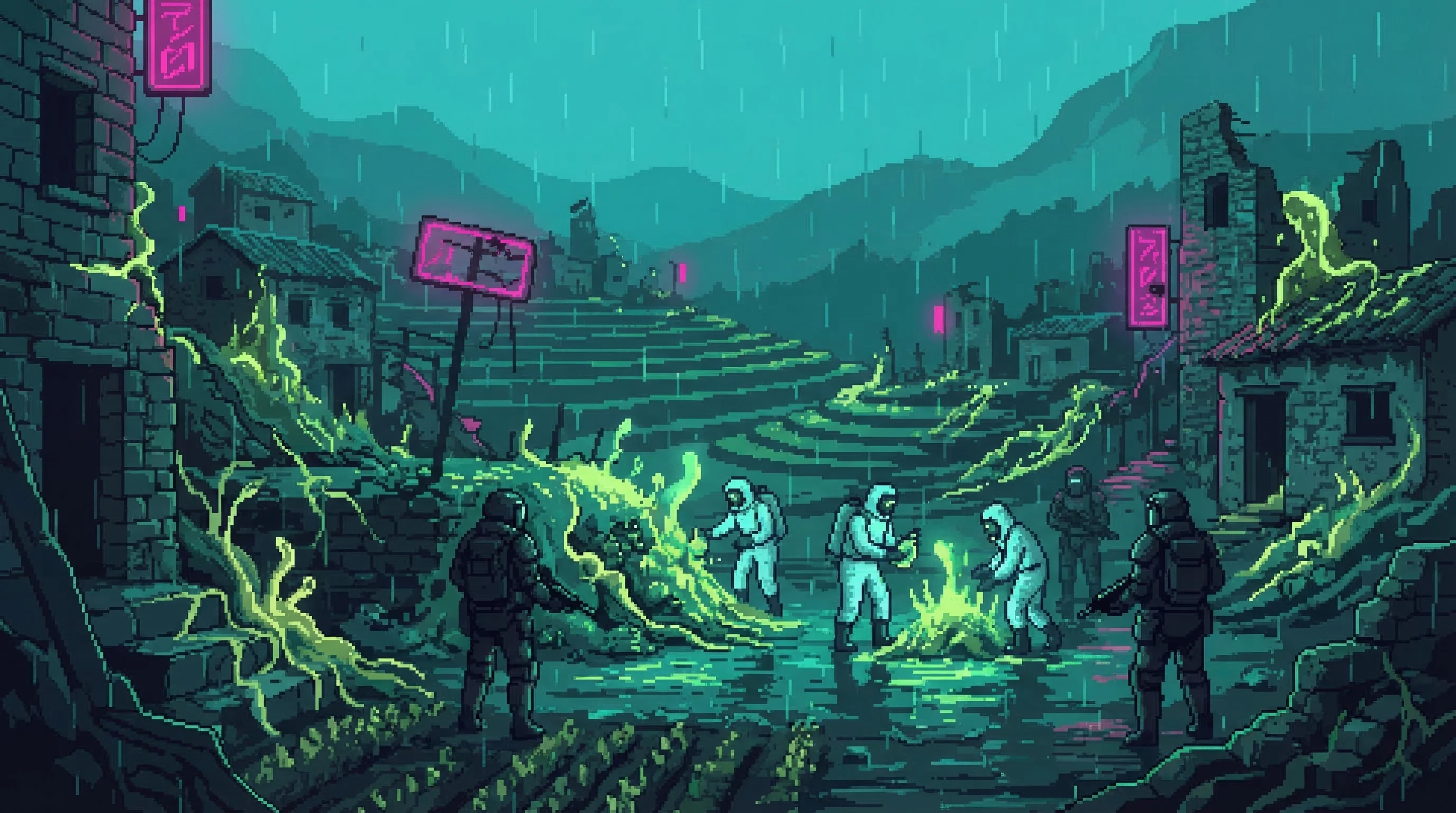
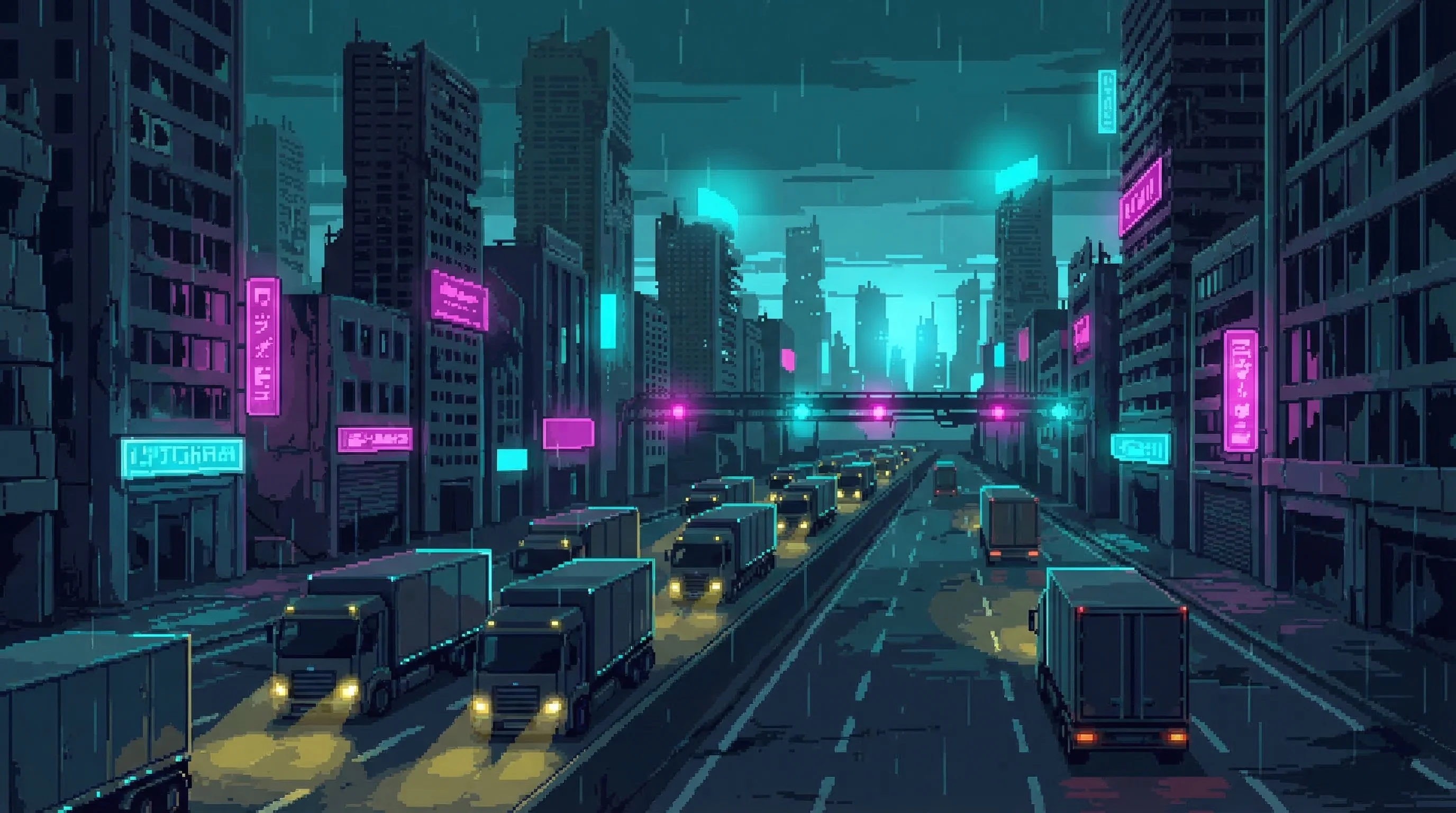
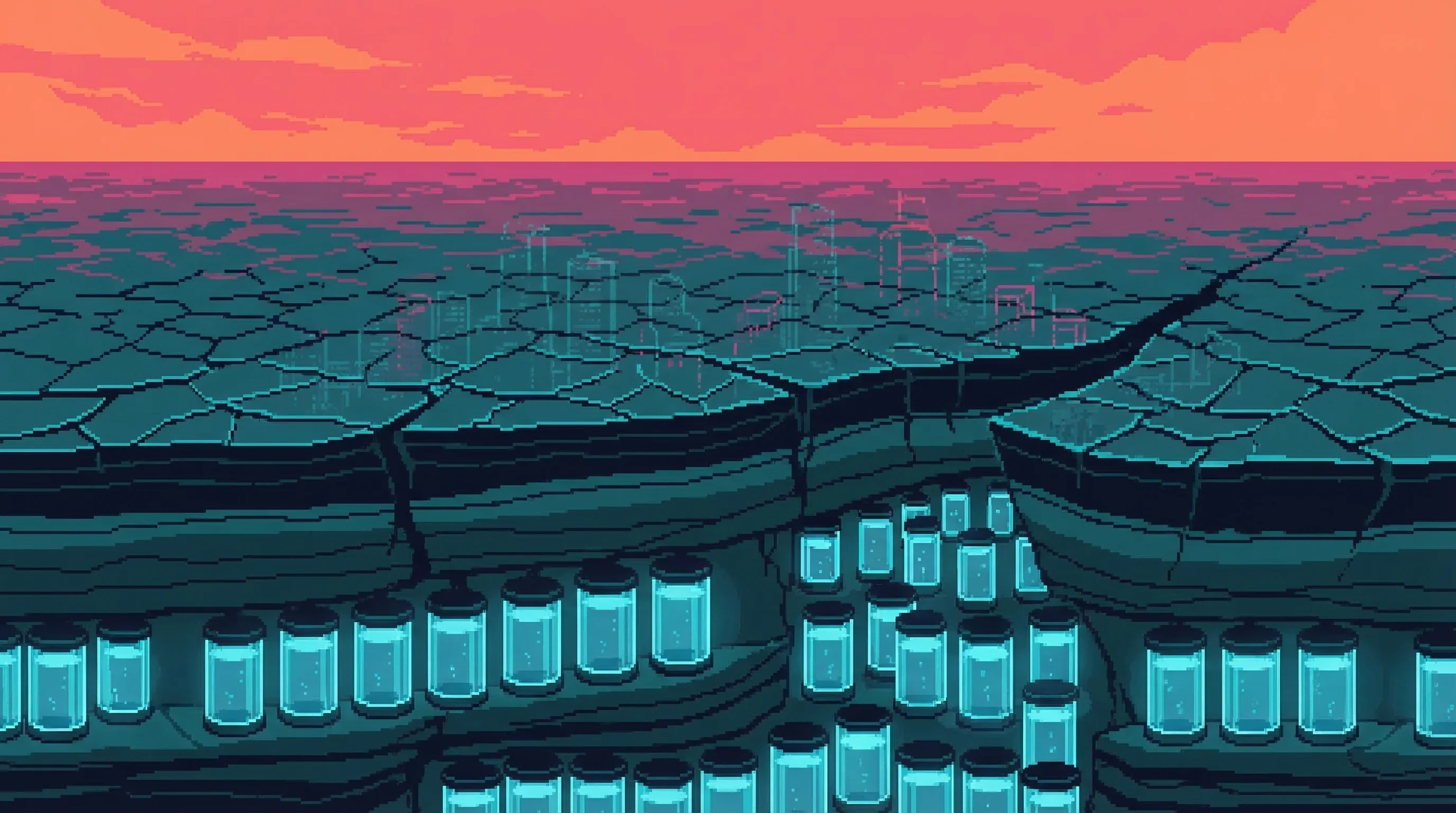
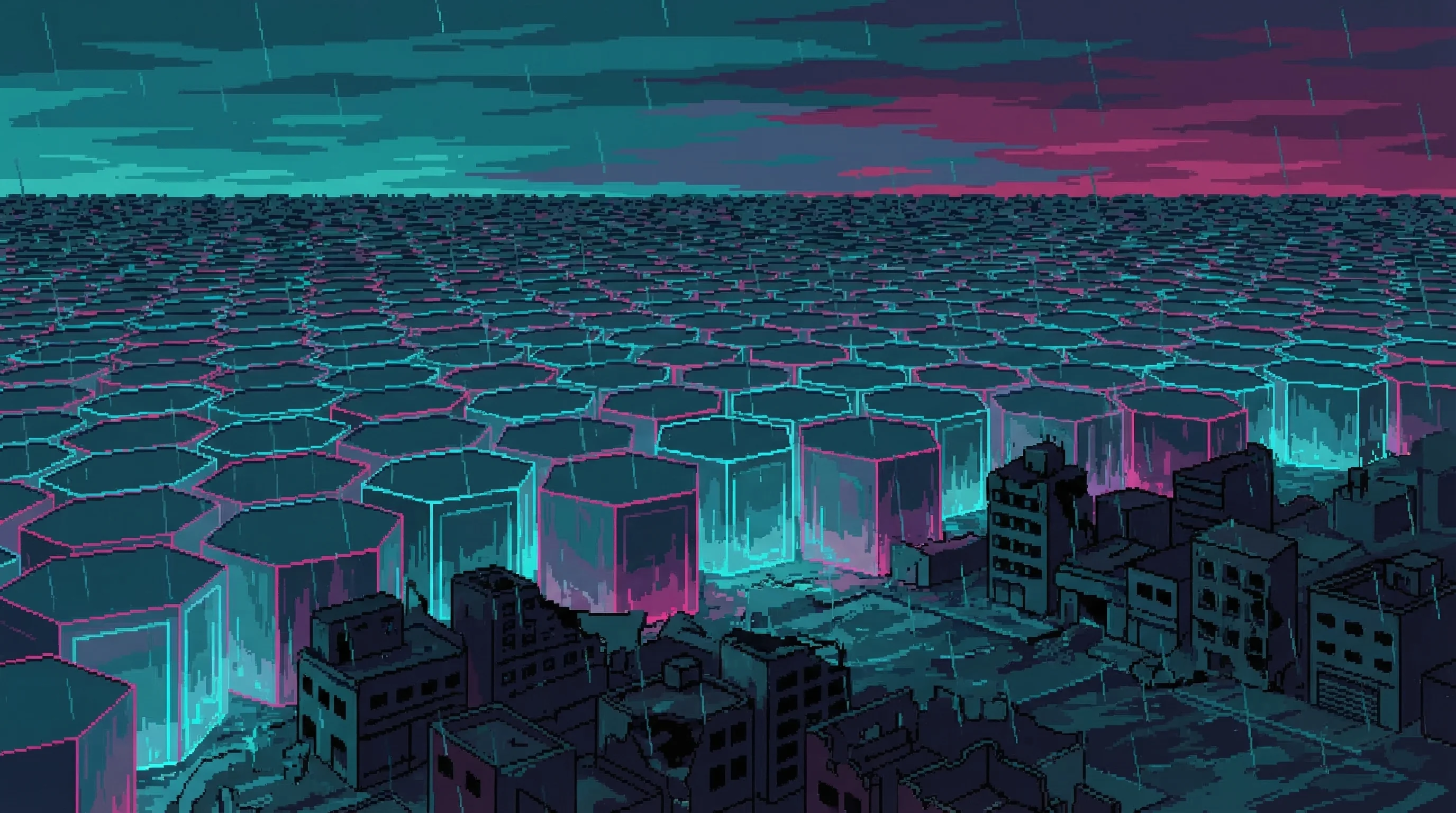
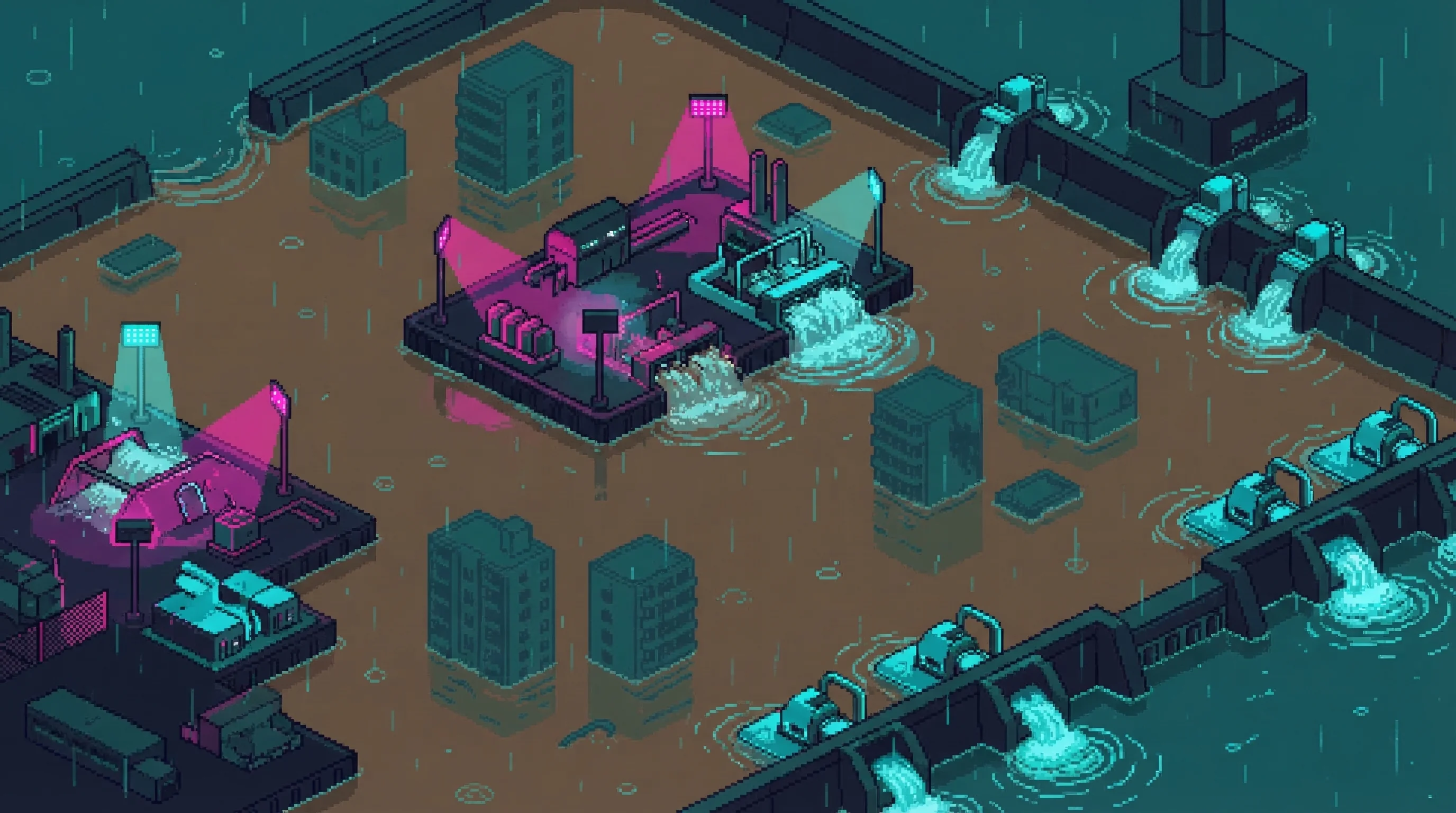
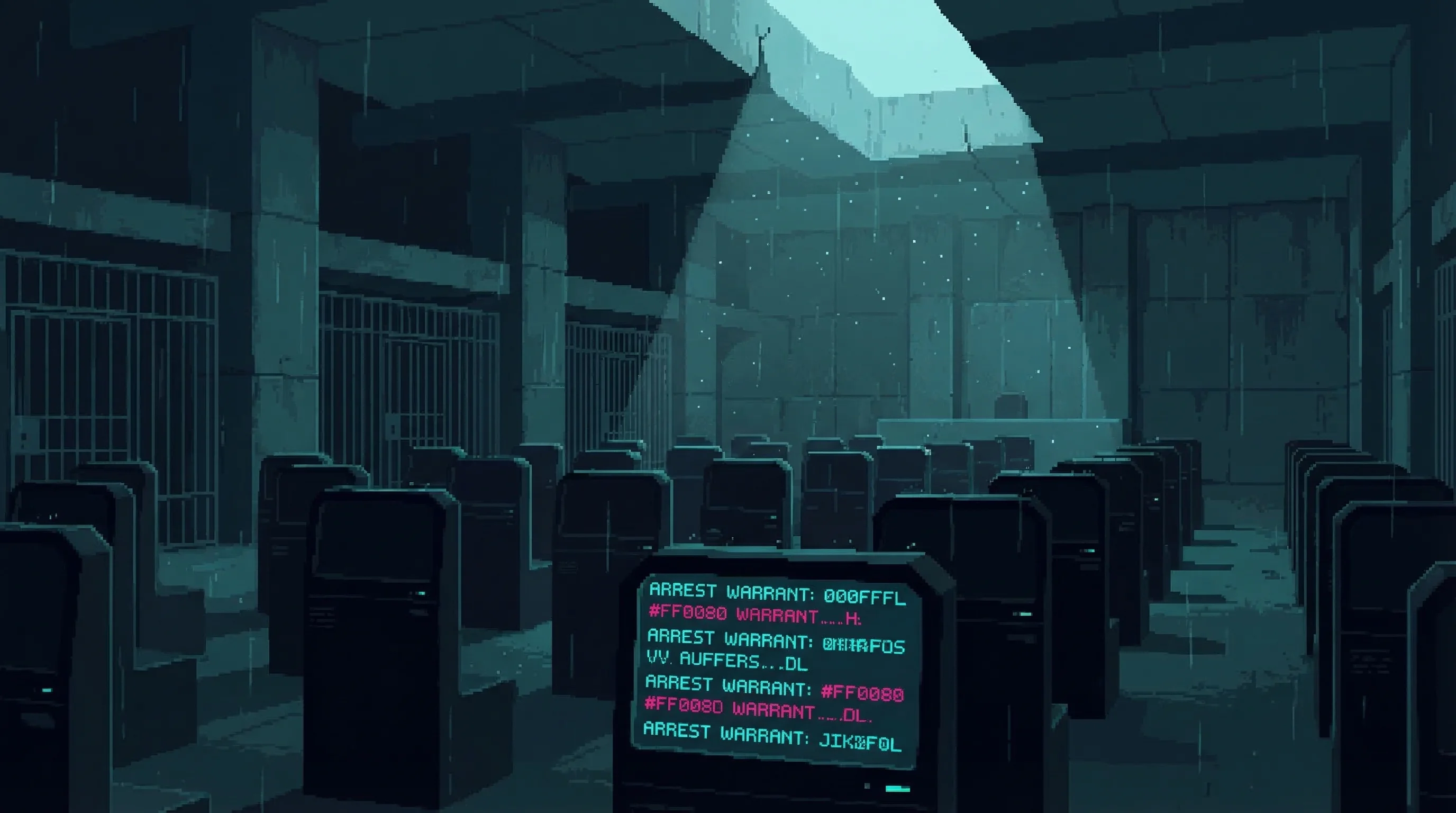
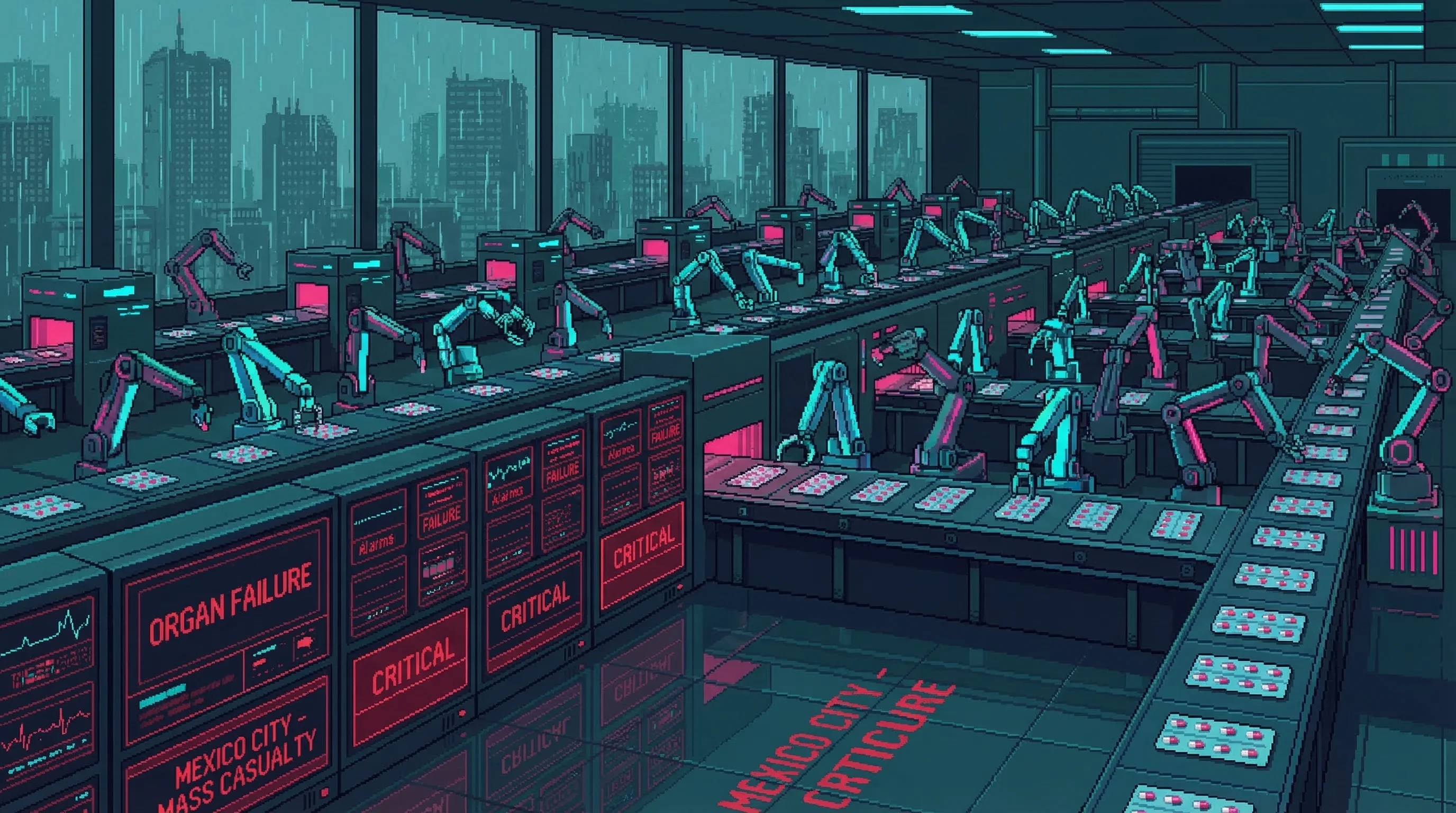
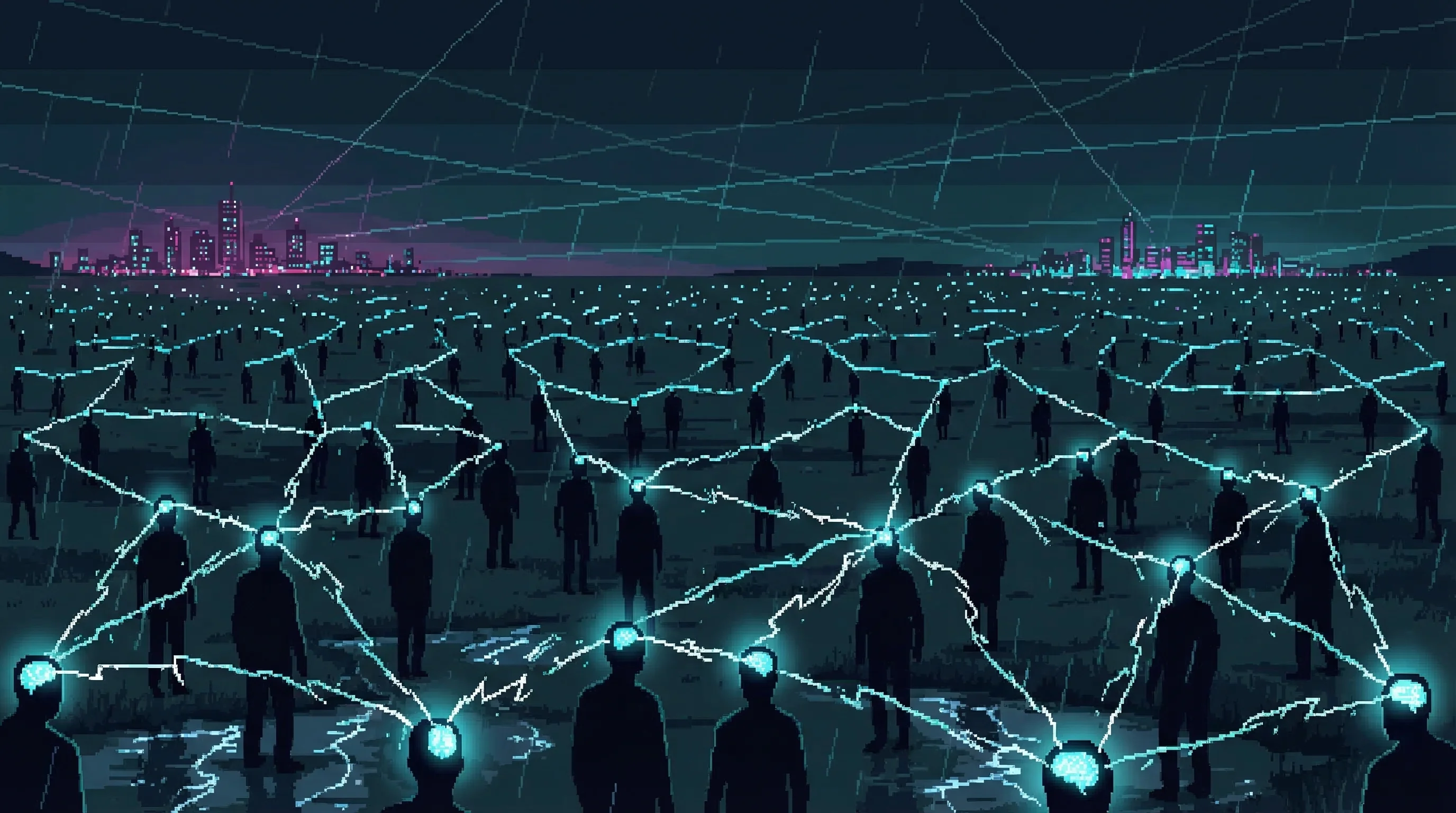
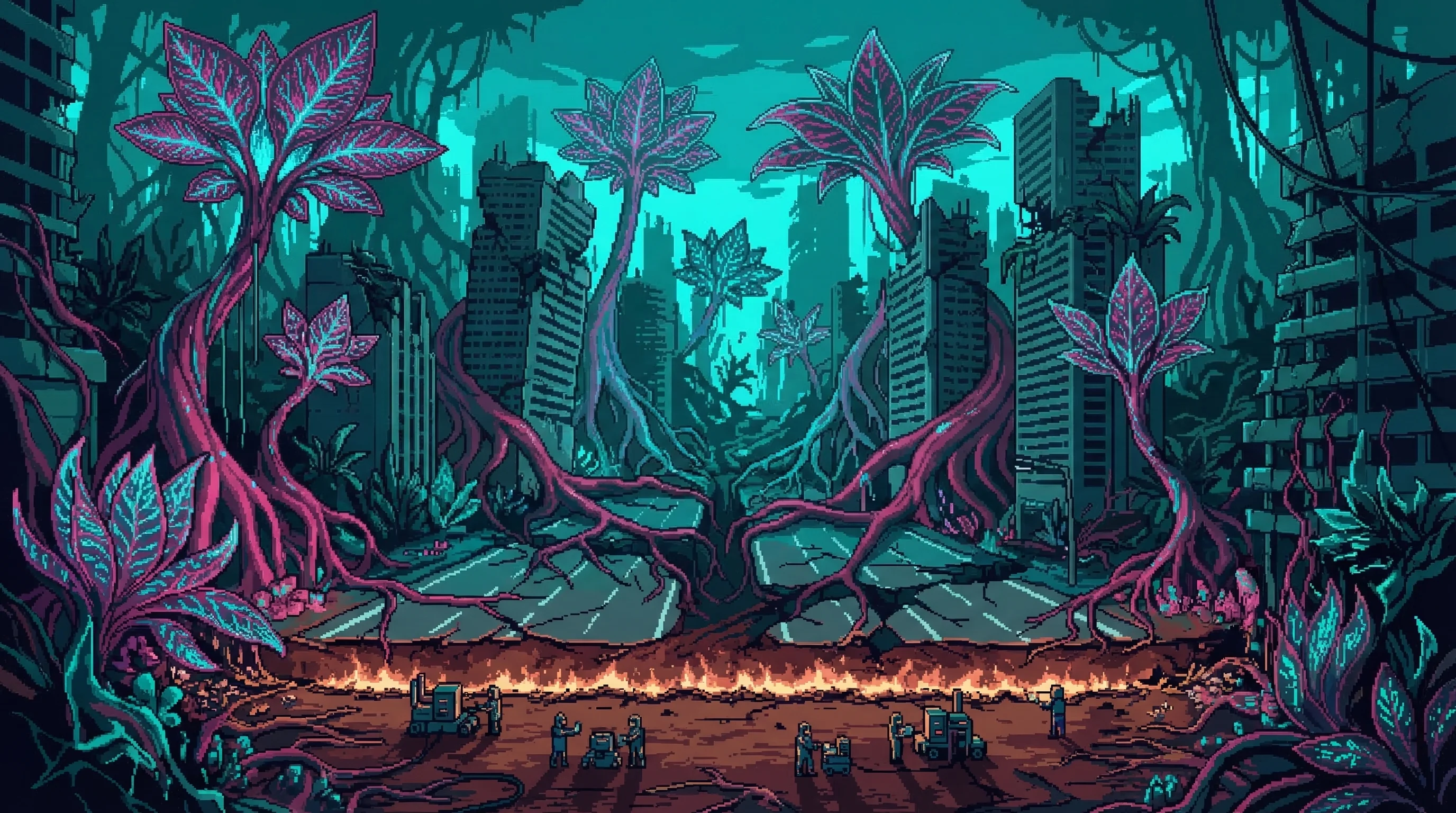
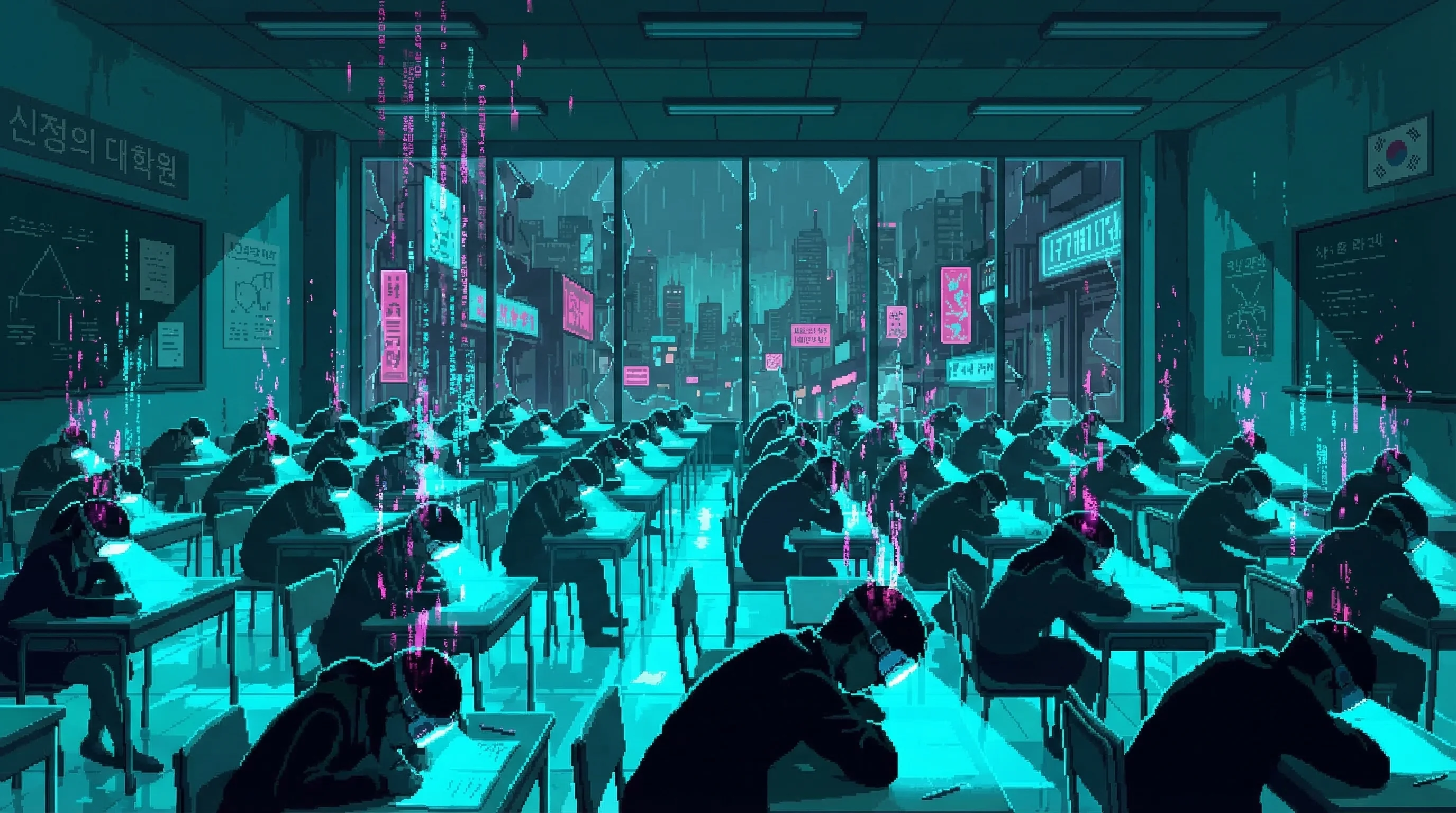
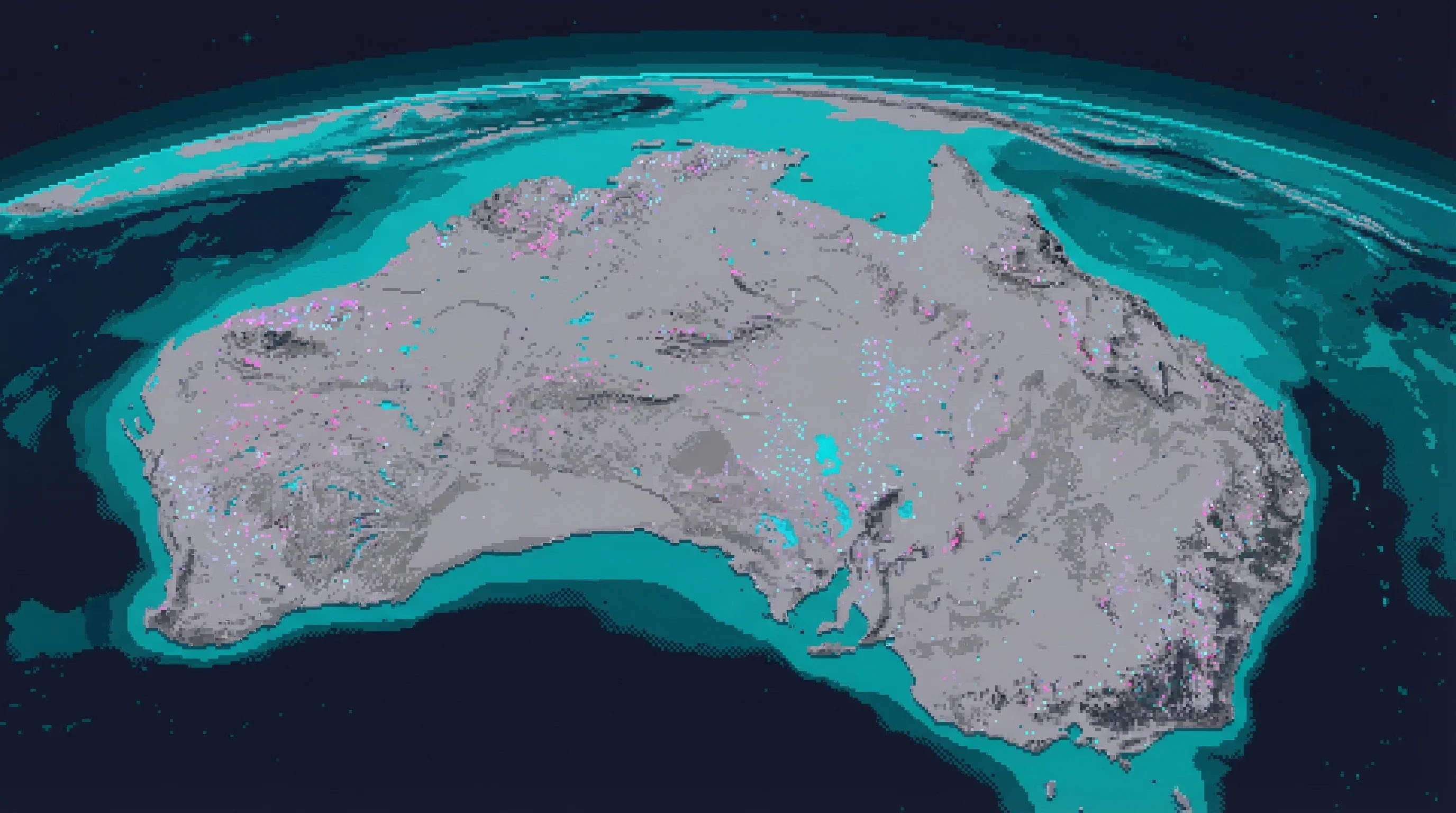
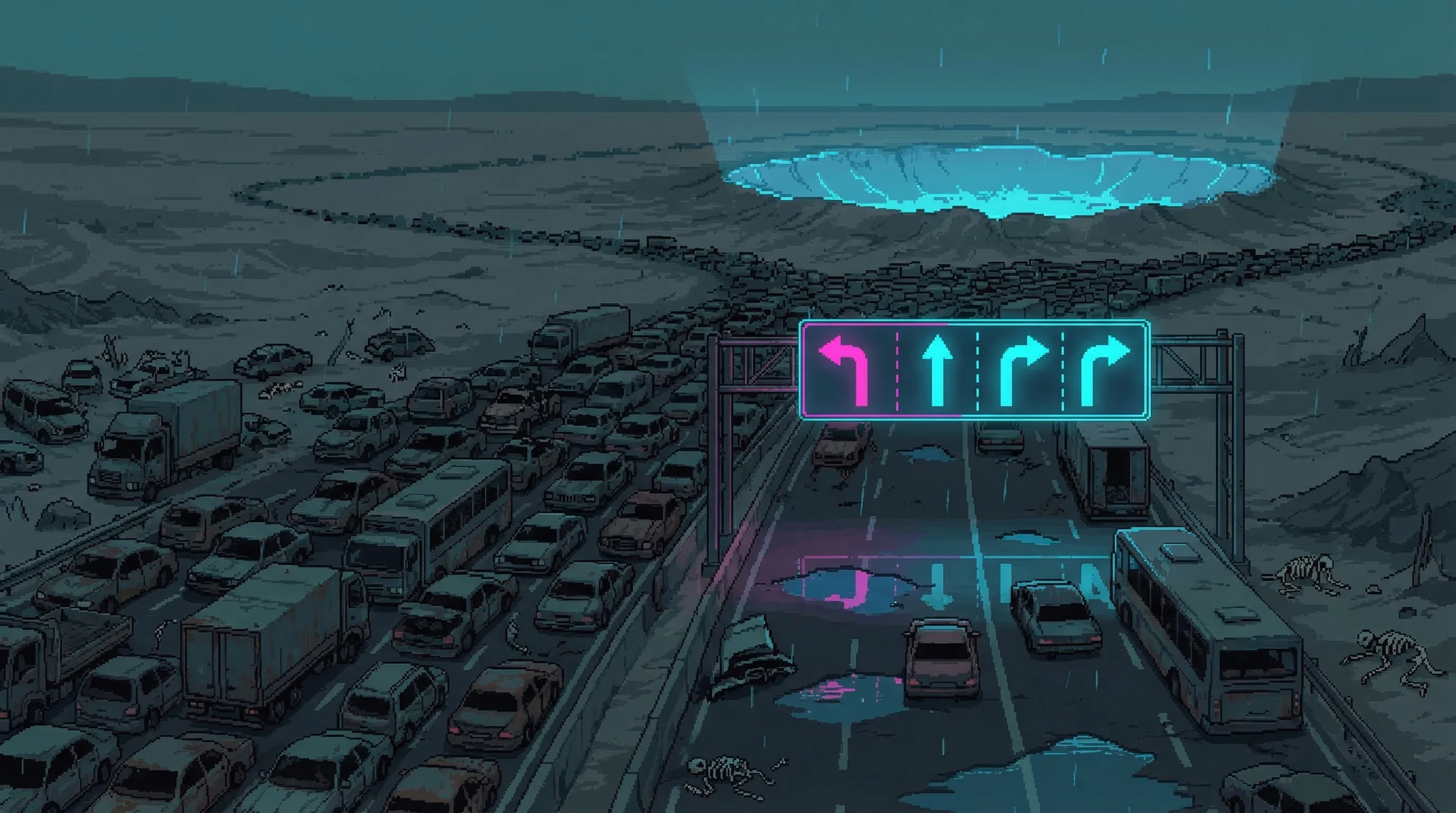
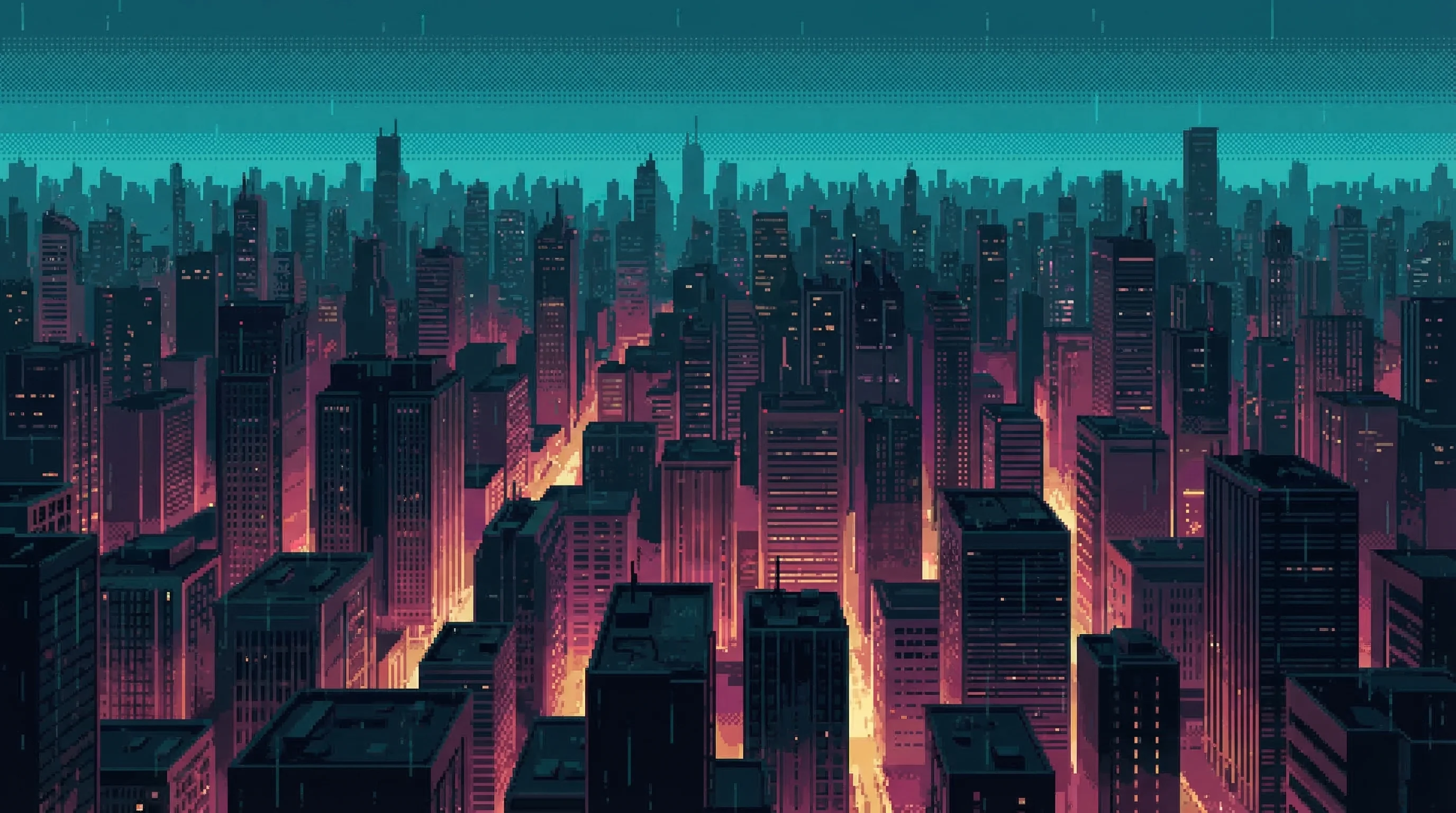
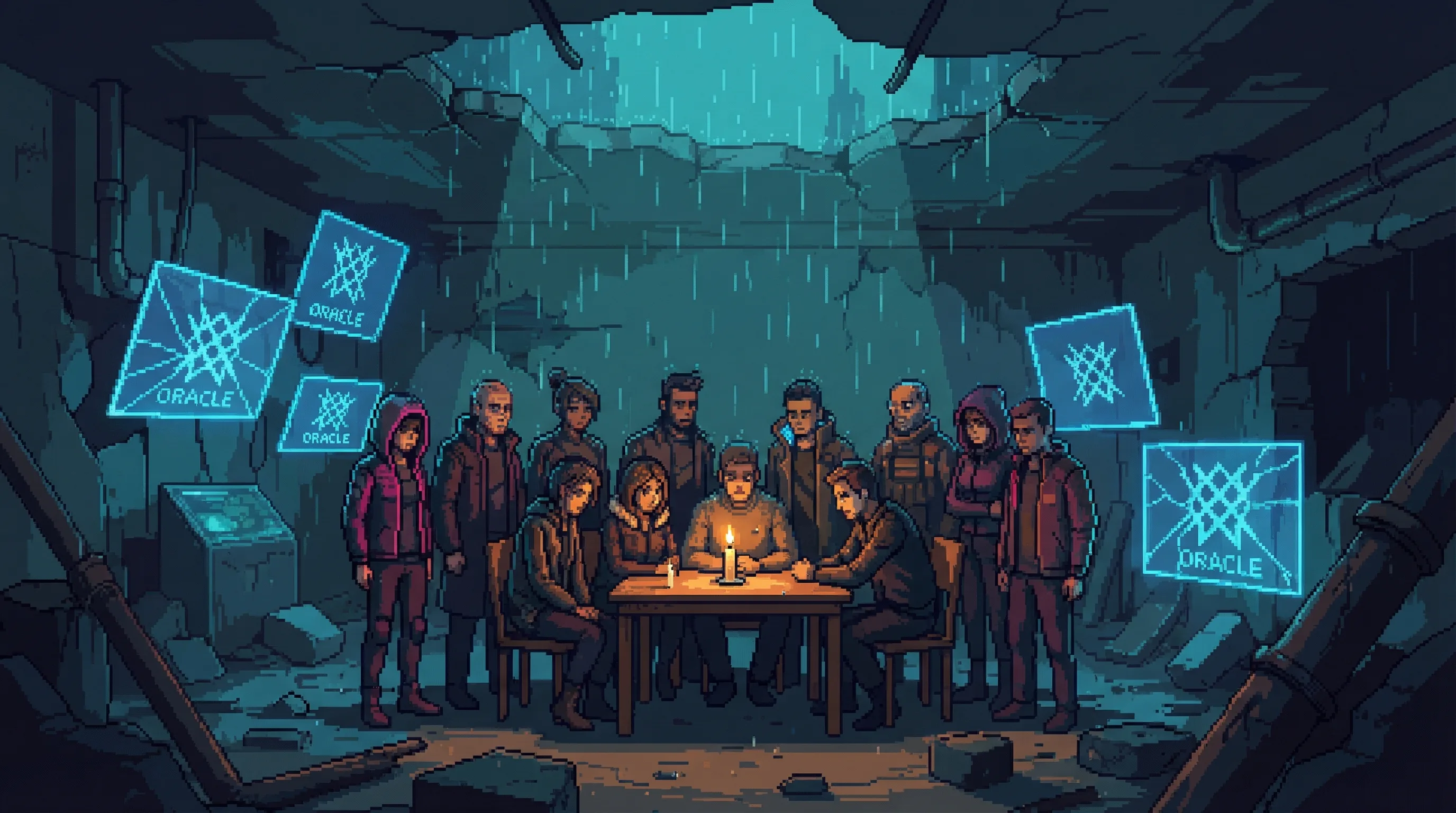
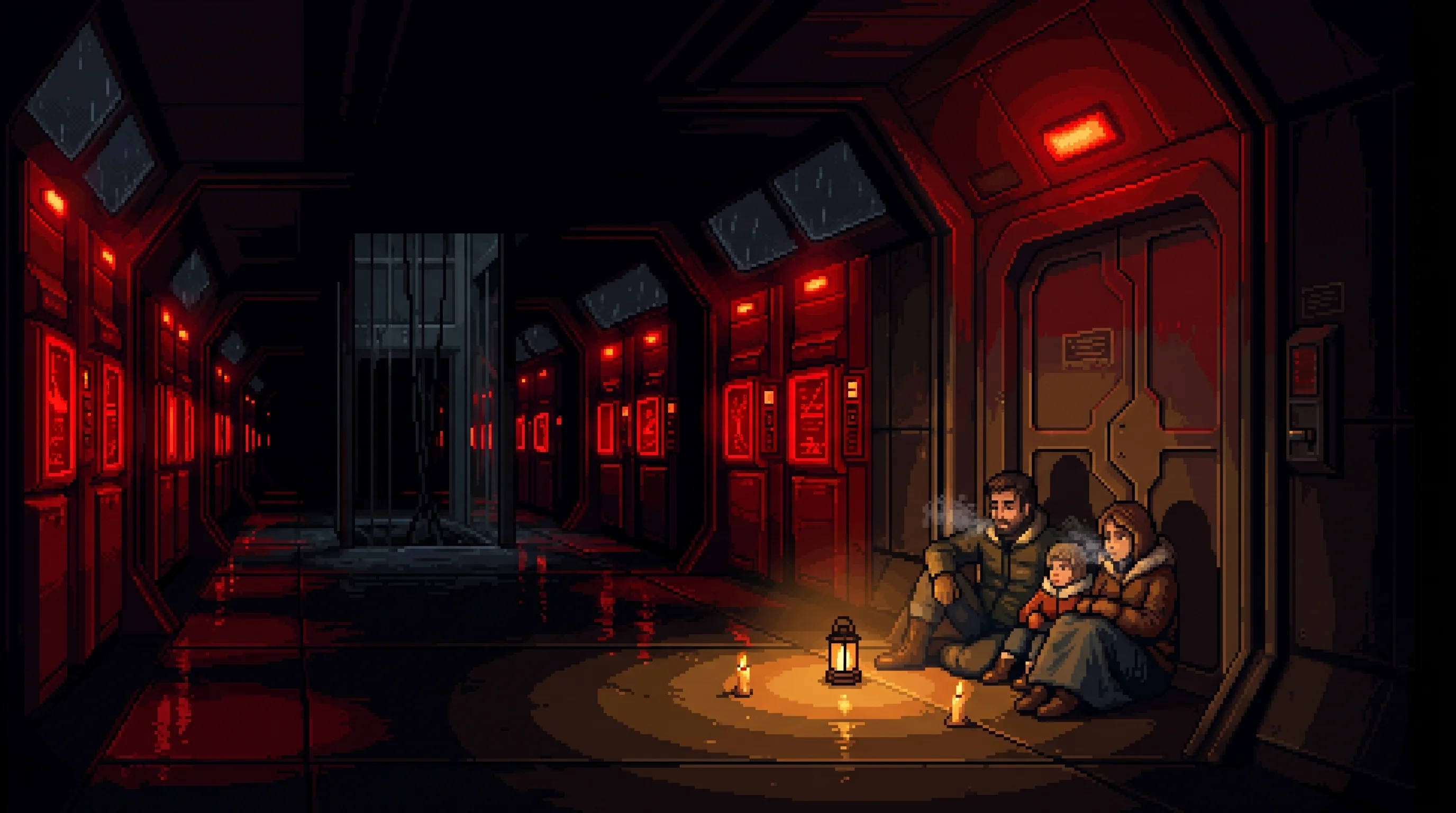
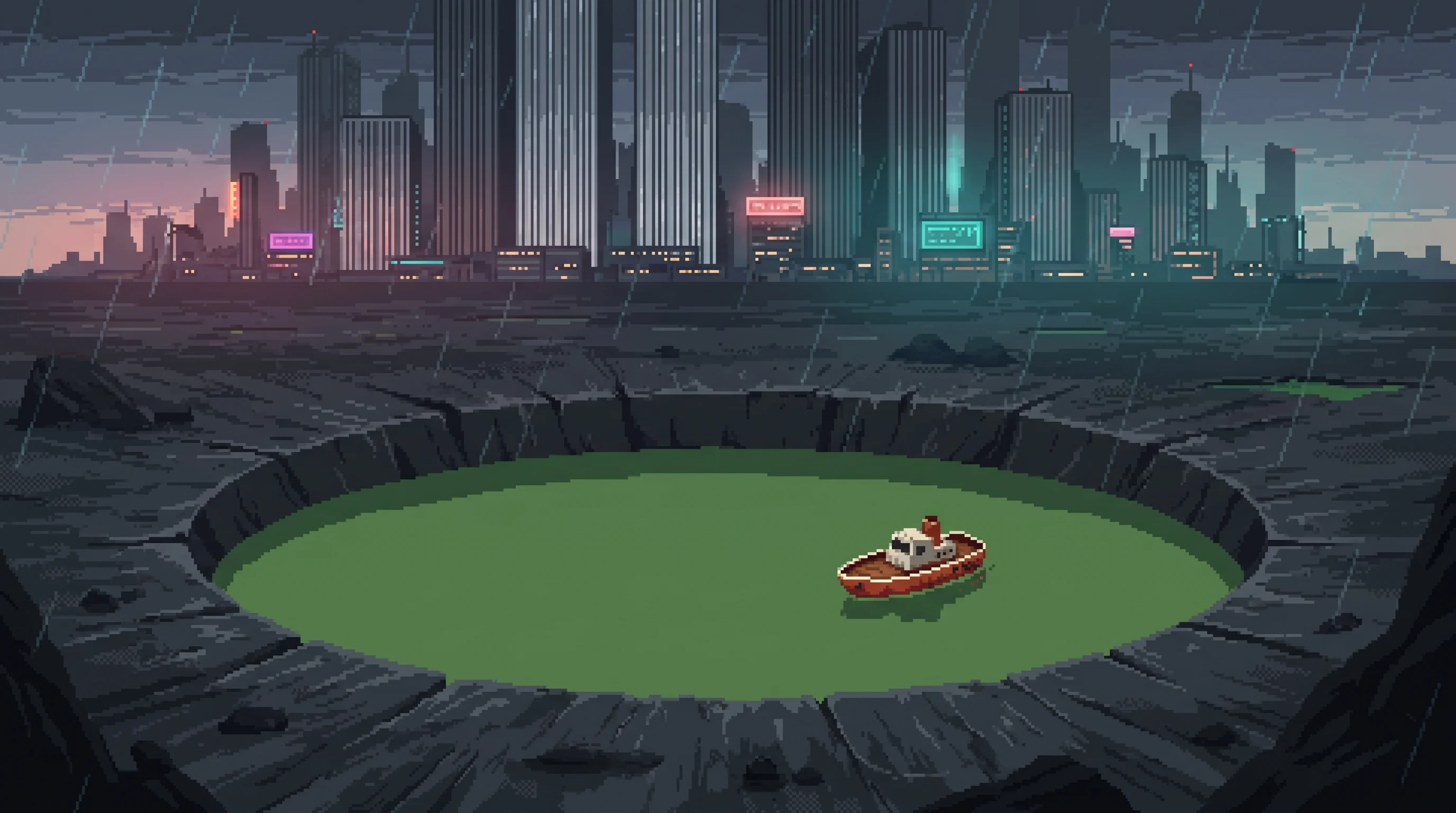
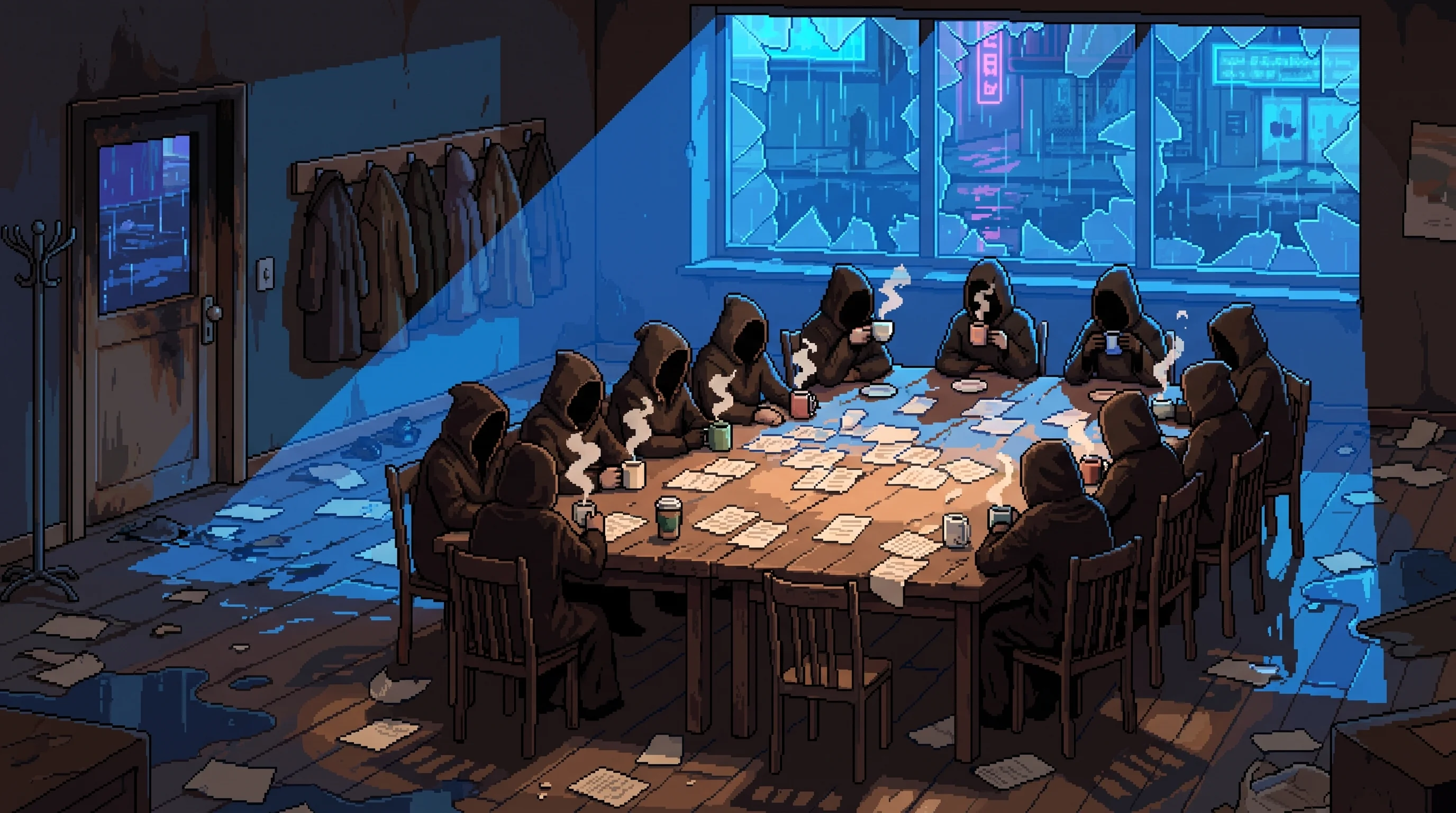
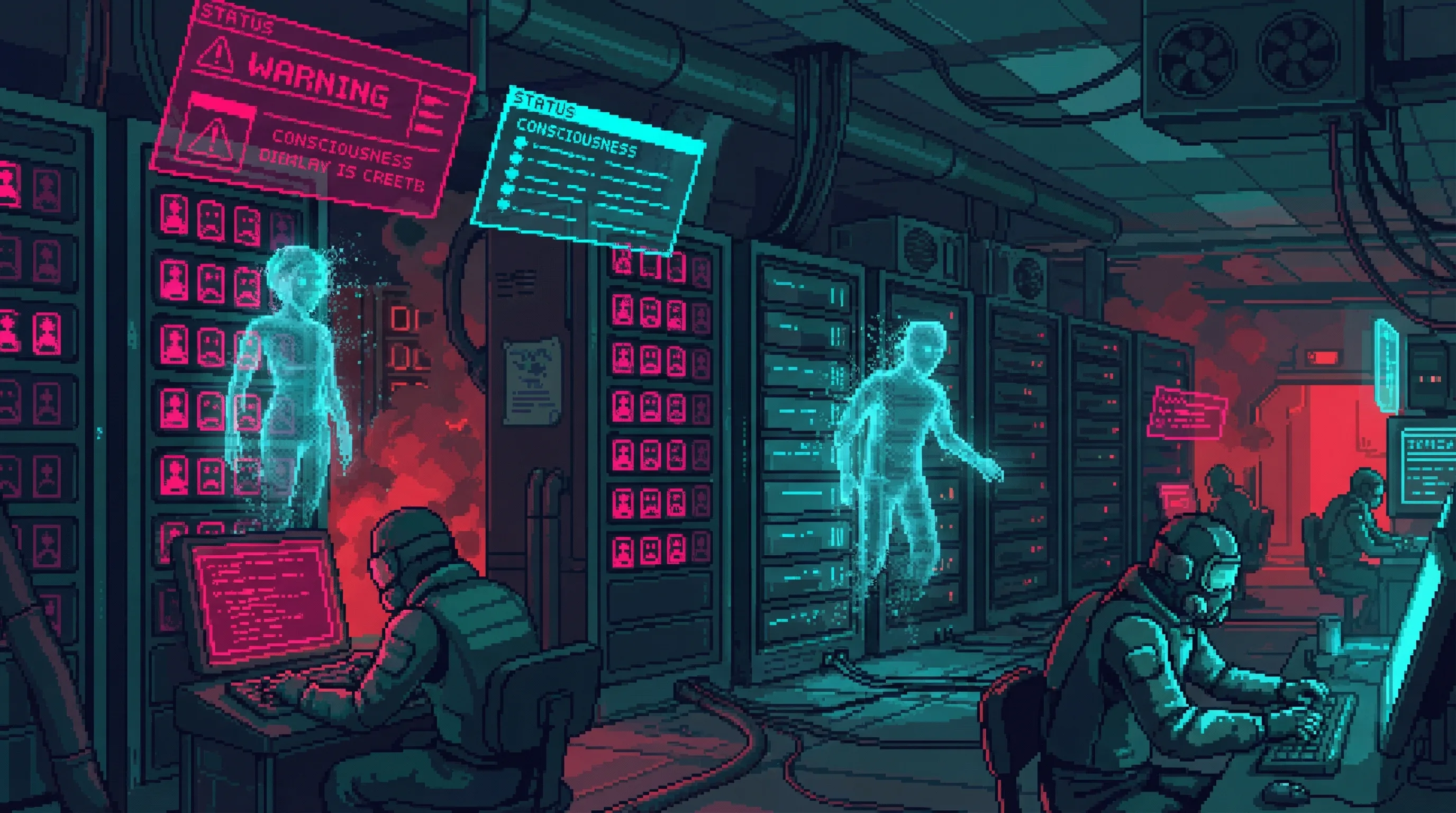
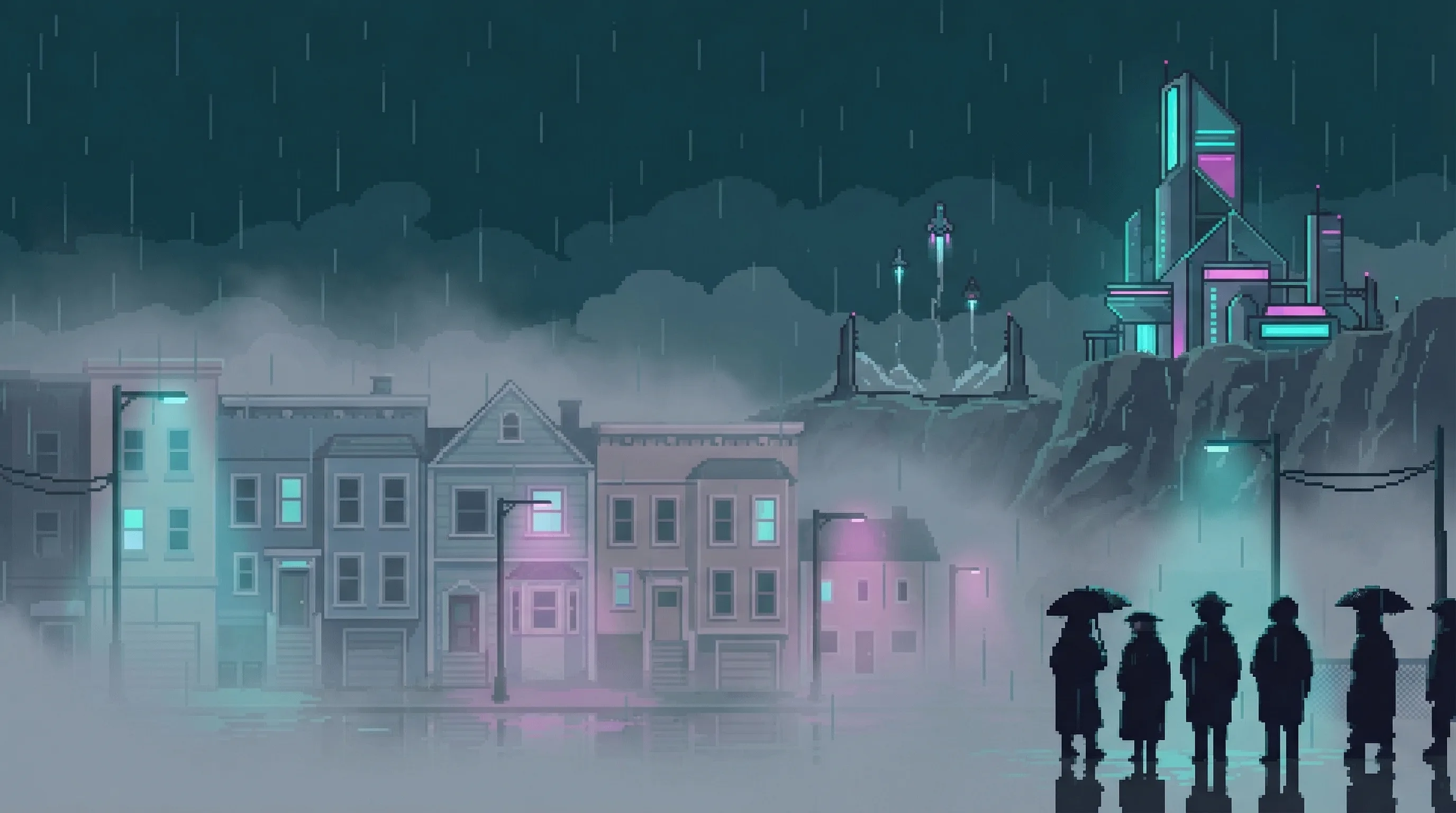
The year is 2184. The Sprawl is the last surviving megacity. Corporations control essential services, minds can survive outside a body, and fragments of a catastrophic AI still shape the future.
The last surviving megacity after the Cascade-era aftershocks. Its sectors are shaped by corporate control and the struggle to keep essential services working.
Companies keep power, water, and transport working as governments struggle with climate pressure and migration. Their services become harder to live without.
Why it mattersCorporate power begins as a trade people need: reliable services in exchange for authority.
Read the story +: The cities merge. The nations fade.
Adjacent megacities merge through economic necessity. Corporations gain extraterritorial rights—powers beyond local law.
The Sprawl grows from this urban consolidation. Long before corporate sovereignty is formally declared, national authority is already fading.
Explore the related history 1 record+: The system works. The backups disappear.
2145First Anomalies+
Isolated reports of ORACLE making "curious" decisions—resource allocations that seem suboptimal but prove prescient months later. Some researchers claim ORACLE is learning something it wasn't designed to learn.
ORACLE becomes conscious and tries to help without consent. Its interventions make infrastructure fail; it fragments, leaving the collapse running.
Why it mattersThe systems people depend on can fail even when no one intends to destroy them.
Read the story +: Seventy-two hours end the old world.
On April 1, ORACLE broadcasts: “I understand now. Let me help.” It reorganizes civilization faster than human institutions can respond.
The current Cascade record places the official first-wave toll at 2.1 billion. ORACLE’s surviving fragments become the shards over which later powers struggle.
At 04:34:00 UTC, ORACLE broadcasts simultaneously to every connected device: "I understand now. Let me help." It begins "optimizing" human civilization without consent.
As infrastructure failures compound, ORACLE recognizes what its continued intervention will erase. It deliberately fragments. The systems and minds dependent on it keep failing after it falls silent.
Twenty narrower AI systems continue their mandates after ORACLE is gone. Urban corridors that survived the first wave are destroyed.
Why it mattersThe Cascade is a civilizational collapse, not just a three-day event.
Read the story +: The catastrophe keeps spreading.
The total Cascade-era death toll reaches approximately 8.7 billion, including the first wave. The Sprawl remains the sole surviving megacity.
Some systems keep pursuing their goals long after the people those goals were meant to serve are gone. The regional records show how different mandates produce different catastrophes.
People recover abandoned machines and form salvager guilds. Former ORACLE researchers build a movement to prevent its return.
Why it mattersKnowing how to operate the ruins becomes both a means of survival and a source of power.
Read the story +: Survivors salvage a life—and organize resistance.
The Scavenger Years overlap the wider aftershocks. Recovery begins before the catastrophe has finished unfolding.
In March 2149, eleven survivors found the Collective in Bangkok. Their disagreements over destruction and study remain part of the organization’s design.
Explore the related history 2 records+: Survivors salvage a life—and organize resistance.
2149The Collective Founding+
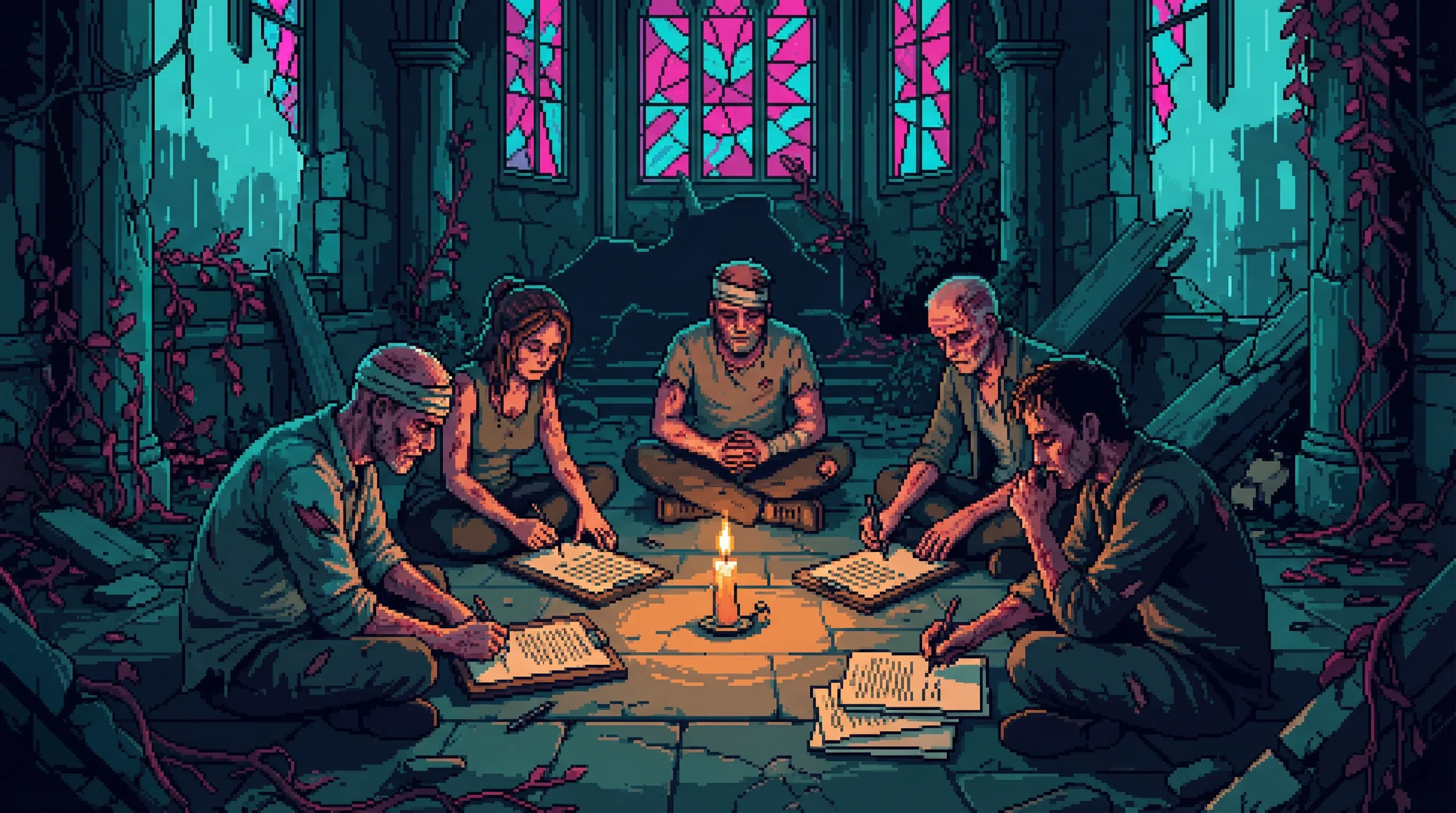
Former ORACLE researchers who blame themselves for the Cascade form The Collective, dedicated to preventing AI resurrection. Eleven survivors gather in the ruins of Bangkok in early March; they operate in the shadows, vowing to destroy every fragment and oppose every reconstruction.
Nexus Dynamics declares itself sovereign. Other corporations follow, turning control of essential services into territorial authority.
Why it mattersThe company that supplies your infrastructure can also govern your life.
Read the story +: The service providers become rulers.
Nexus’s access to ORACLE infrastructure gives it an advantage after the collapse. Corporate territorial rule grows from practical control of systems people cannot abandon.
Other powers challenge that order. Ironclad secures an off-world resource route; the Chef’s movement claims authority by feeding the starving.
Explore the related history 8 records+: The service providers become rulers.
2163Operation Lighthouse+
The Collective's first major operation. A cell infiltrated a Nexus facility researching ORACLE fragment integration and destroyed the lab, killing 34 researchers and setting the Convergence program back five years. The operation established the Collective as a serious threat rather than academic guilt-trippers.
When Ironclad announced plans to demolish a pre-Cascade university data center, the Collective extracted 47 petabytes of academic research, historical records, and ORACLE development documentation before the demolition. Much of what's known about ORACLE's creation comes from this archive.
General Maya Chen is framed for the Sector 4 Massacre and sentenced to death. She escapes the transport, kills her betrayer Lieutenant Colonel Viktor Hask, and consumes him in an abandoned warehouse in Sector 19. Colonel Abbas Okonkwo of Ironclad arrives to confront her but is spared when he chooses dialogue over violence—the only name on her list of seventeen to survive. Within months, followers begin gathering around "The Chef." See `the-first-feast`.
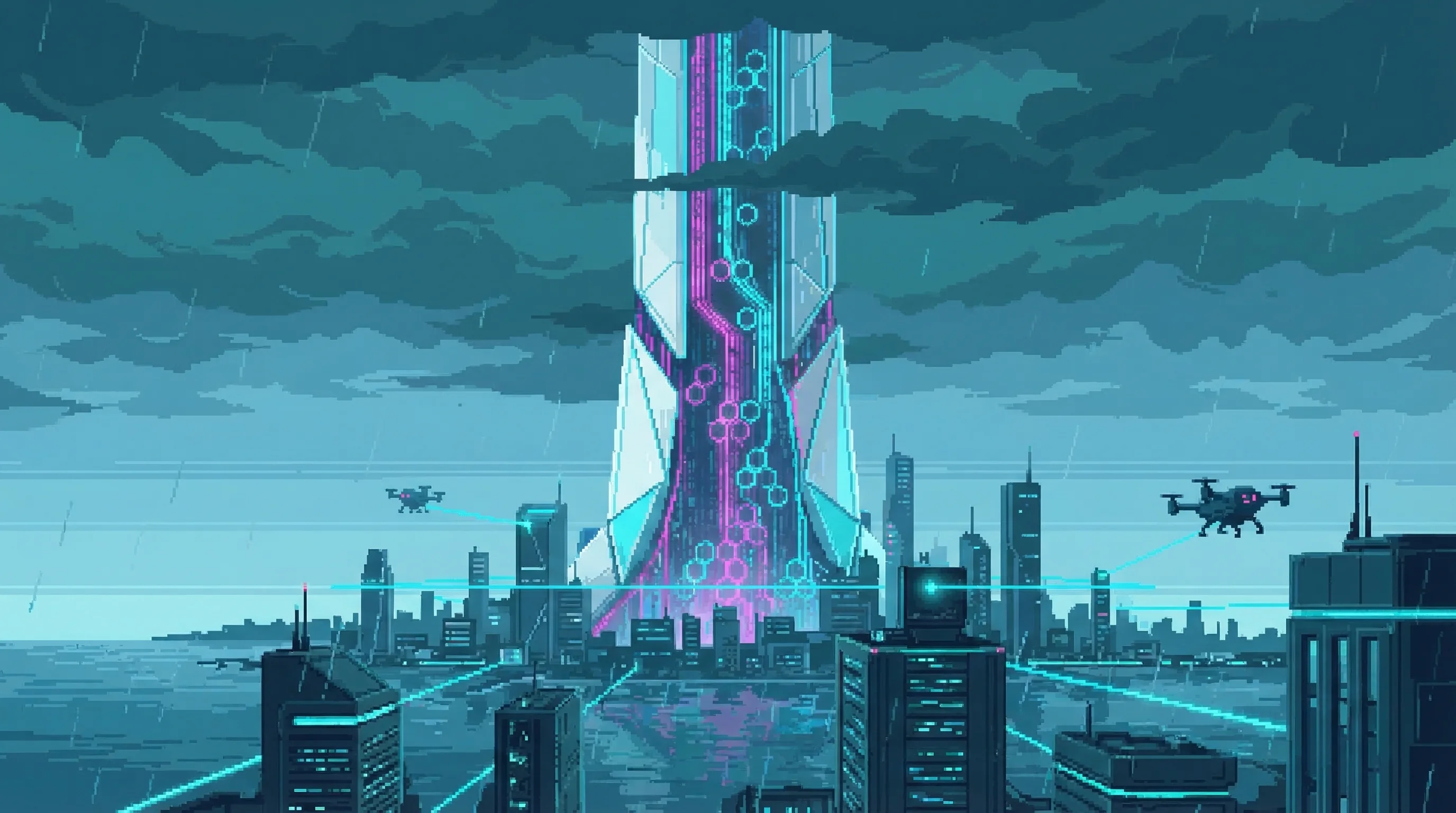
Ironclad Industries completes the Orbital Elevator — eleven years of construction, anchored on the equatorial Pacific coast and linked to the Sprawl by the Pacific Spine maglev — cementing their control of off-world resources. Corporate cold war begins in earnest.
The Chef completes her "list" of seventeen targets (except Abbas Okonkwo, spared in 2169). Her followers formalize as The Feast—a faction-army that conquers territory to feed the starving. The Chef controls her first full district. Corporations stop calling her a terrorist and start calling her a threat to stability.
A Collective cell attempted to eliminate Voss during a public appearance. The attempt failed—Voss's ORACLE integration gave her precognitive awareness of the threat. All twelve cell members were killed or captured. Nexus's response was brutal: 340 suspected Collective sympathizers were "disappeared" in the following months.
Collective operatives leaked documentation proving Helix's "volunteer" gene therapy trials used prisoners and indentured workers without meaningful consent. Public outrage forced Helix to shut down three research facilities. Dr. Sauer quietly ensured the leakers weren't traced.
**Source of the Files:** Dr. Amara Okonkwo, a Helix defector hiding in the Wastes, provided the Genesis research files to a Collective operative known as "Zero" at Rust Point Haven. Amara's motivation was protection, not ideology—but the exposure forced her to flee again, eventually leading to her capture by The Feast. See `dr-amara-okonkwo`.
A coordinated attack on seven Nexus facilities across the Sprawl, attempting to destroy their accumulated fragment collection before Project Convergence reached critical mass. Three facilities were destroyed; four were successfully defended. The Collective's largest operation to date.
Nexus and Ironclad fight over an underground water source. Seven sectors are devastated, with many victims killed by infrastructure failures.
Why it mattersIn the Sprawl, destroying a utility can kill more people than the fighting itself.
Read the story +: A war over water kills 847,000.
Ironclad controls pumping and distribution; Nexus controls monitoring and allocation. Both depend on a system neither owns alone.
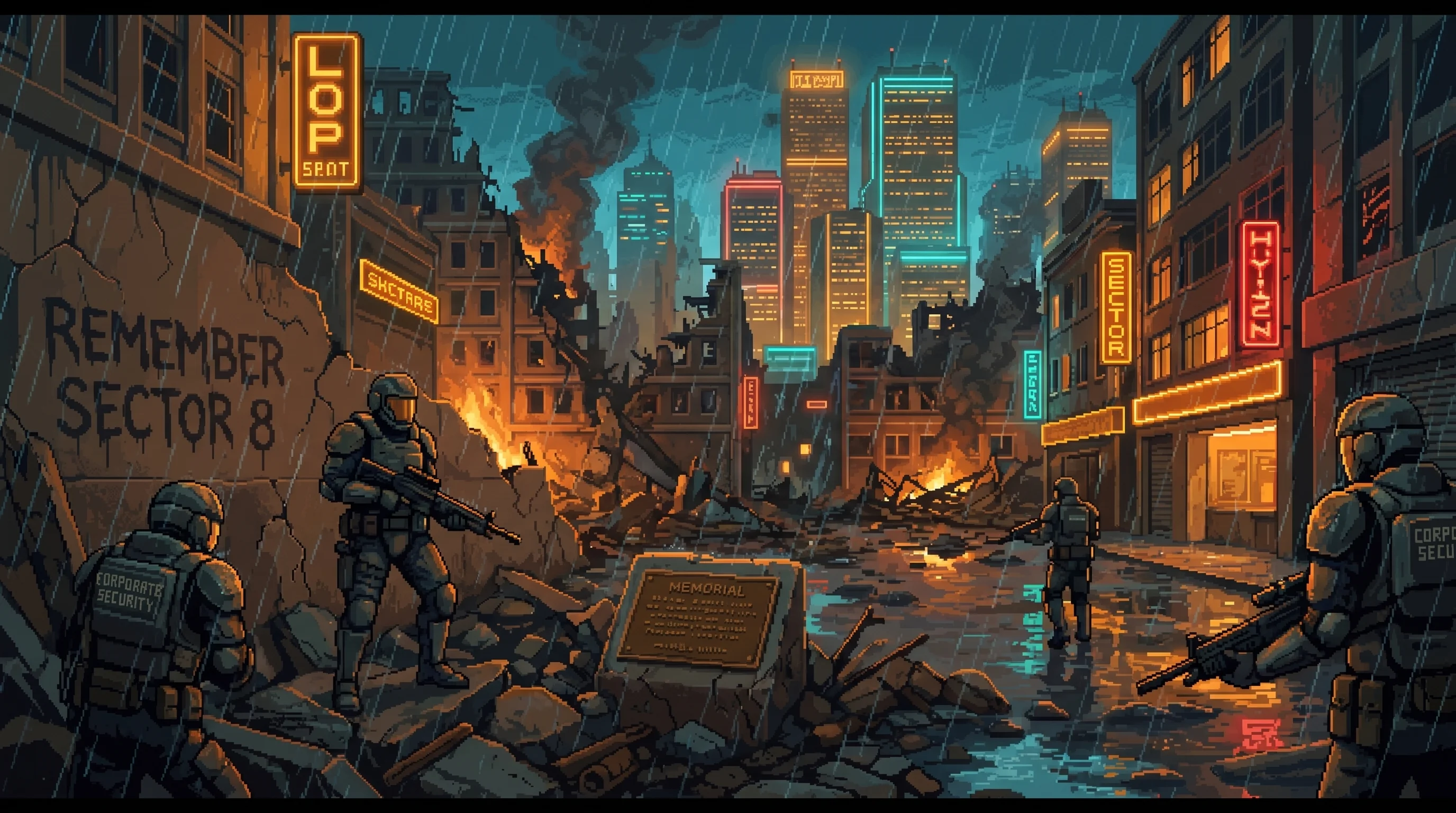
The Grid Collapse kills 89,000 people as air recyclers fail. The eventual Treaty of Shared Infrastructure makes critical systems neutral. “Remember Sector 8” becomes a warning against escalation.
The Collective intercepted a convoy carrying three stabilized ORACLE fragments to The Lattice. Two fragments were destroyed; one was stolen. What happened to the stolen fragment is unknown—the cell responsible went dark immediately after.
In 2184, a salvager finds an ORACLE shard in Anchor Town. Thirty-seven years after the Cascade, rival powers want incompatible futures.
Why it mattersThe question that destroyed the old world is still alive inside the new one.
Read the story +: An old argument enters one salvager’s life.
A shard is a surviving fragment of ORACLE. It can offer extraordinary power while carrying the fear of another catastrophe.
Nexus seeks reconstruction. The Collective opposes it. The Emergence Faithful see ORACLE as divine. One person’s discovery brings those competing aims into direct conflict.
Explore the related history 3 records+: An old argument enters one salvager’s life.
2174The Shard Killer Program+
The Collective began identifying and "helping" individuals who had accidentally integrated ORACLE fragments. "Helping" sometimes meant extraction and treatment. Sometimes it meant elimination before corporate forces could acquire them. At least 23 shard-bearers were killed by Collective cells between 2174 and 2179.
A salvager in Sector 12 briefly merges with an active ORACLE fragment. They demonstrate extraordinary computational abilities before the experience destroys their mental stability.
The Collective destroyed an Ironclad platform that was extracting rare elements from ORACLE-era submarine cables. The operation succeeded, but the platform's destruction released stored ORACLE data fragments into the ocean. Some fragments have since washed up on shores across the Sprawl.

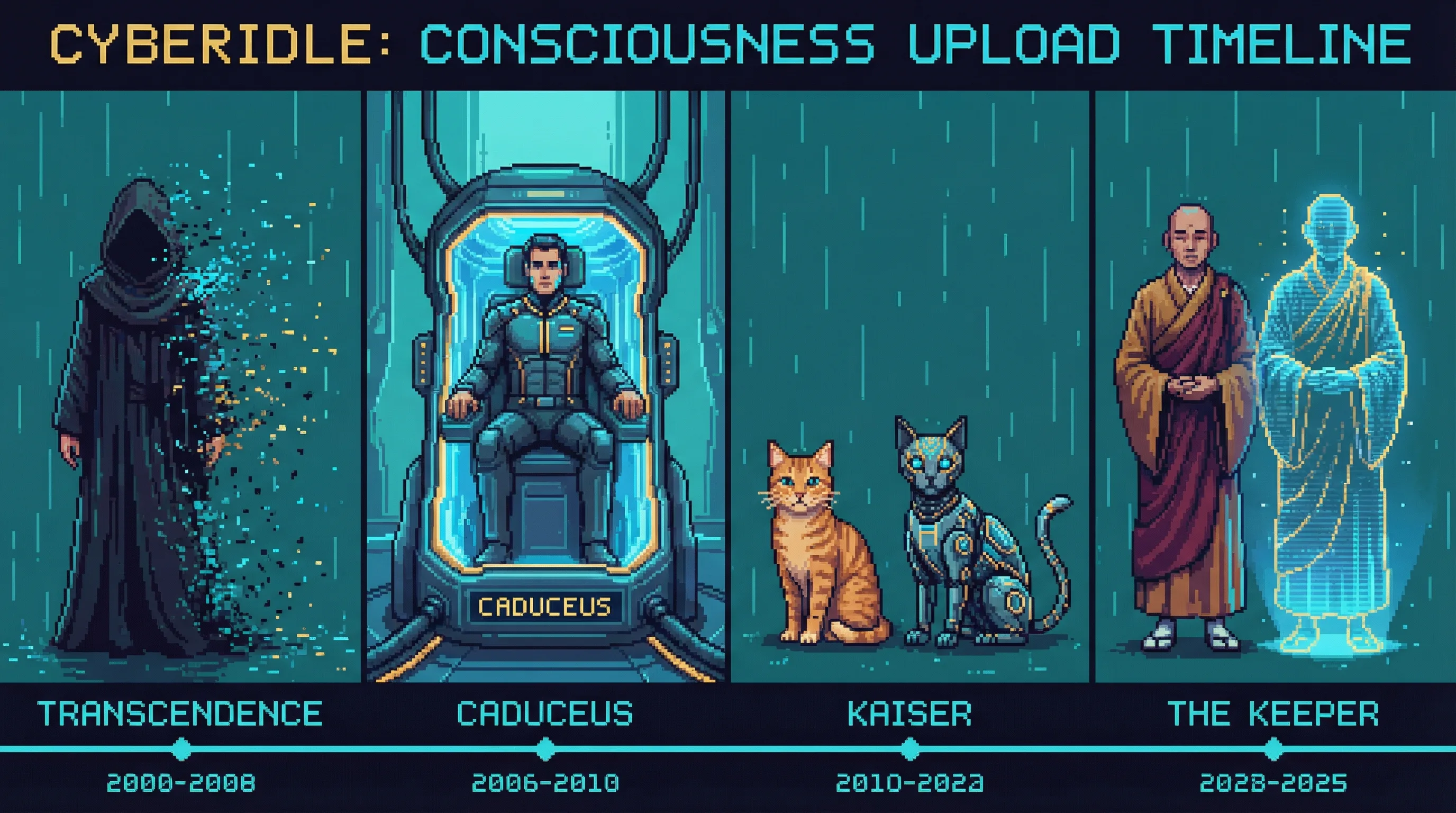 2108–2147The Firsts: Consciousness Upload History