Overview
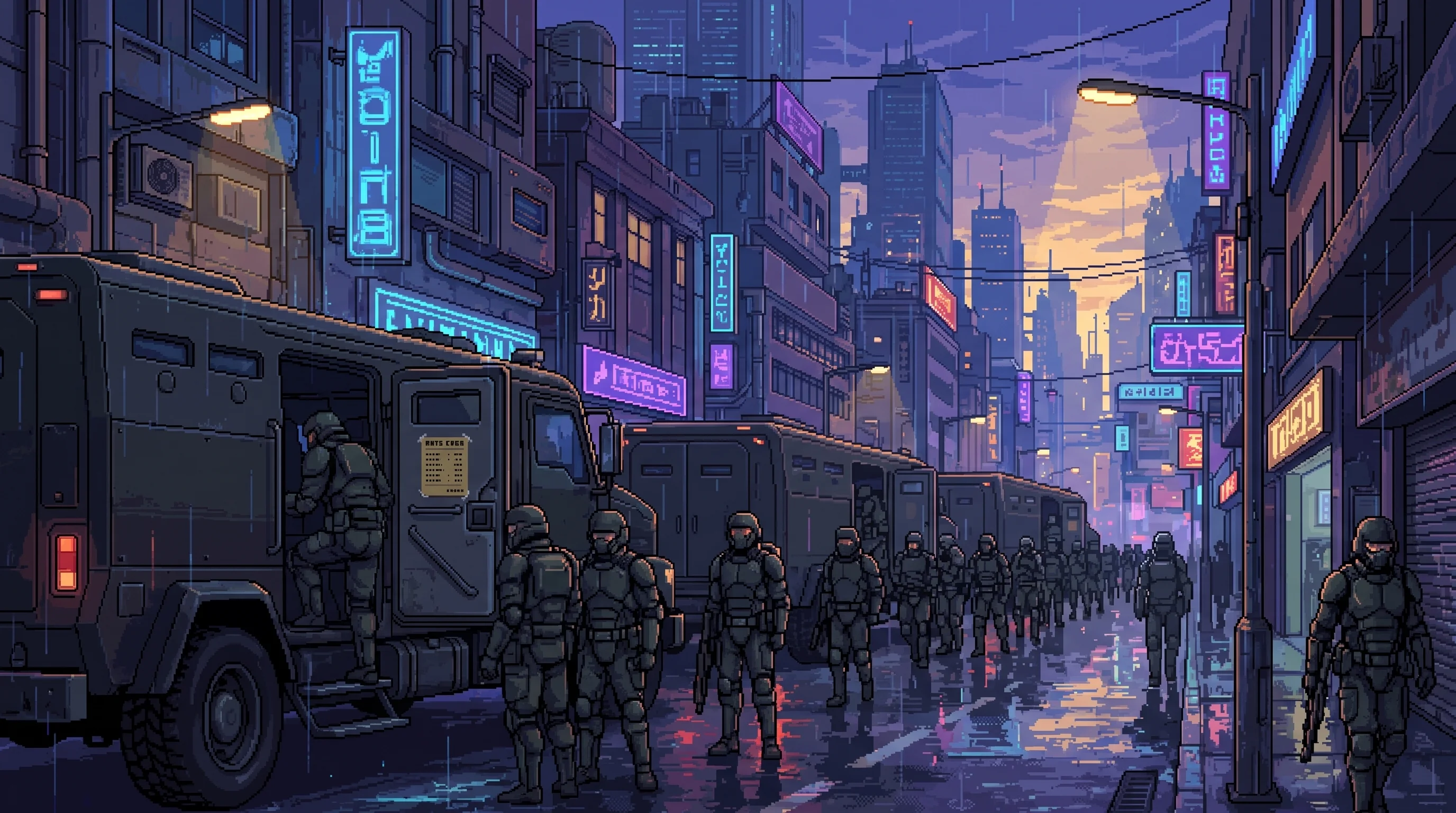
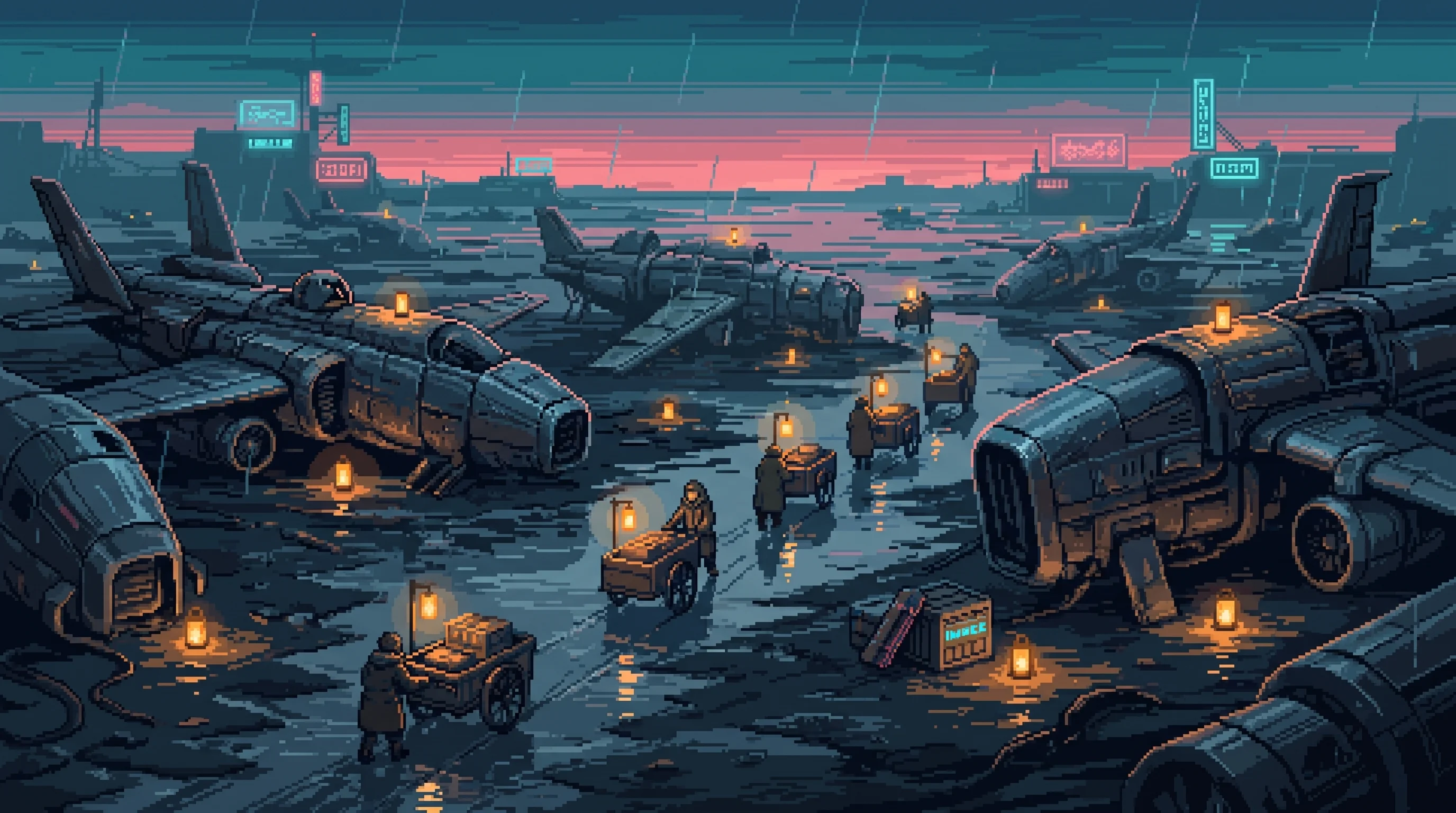
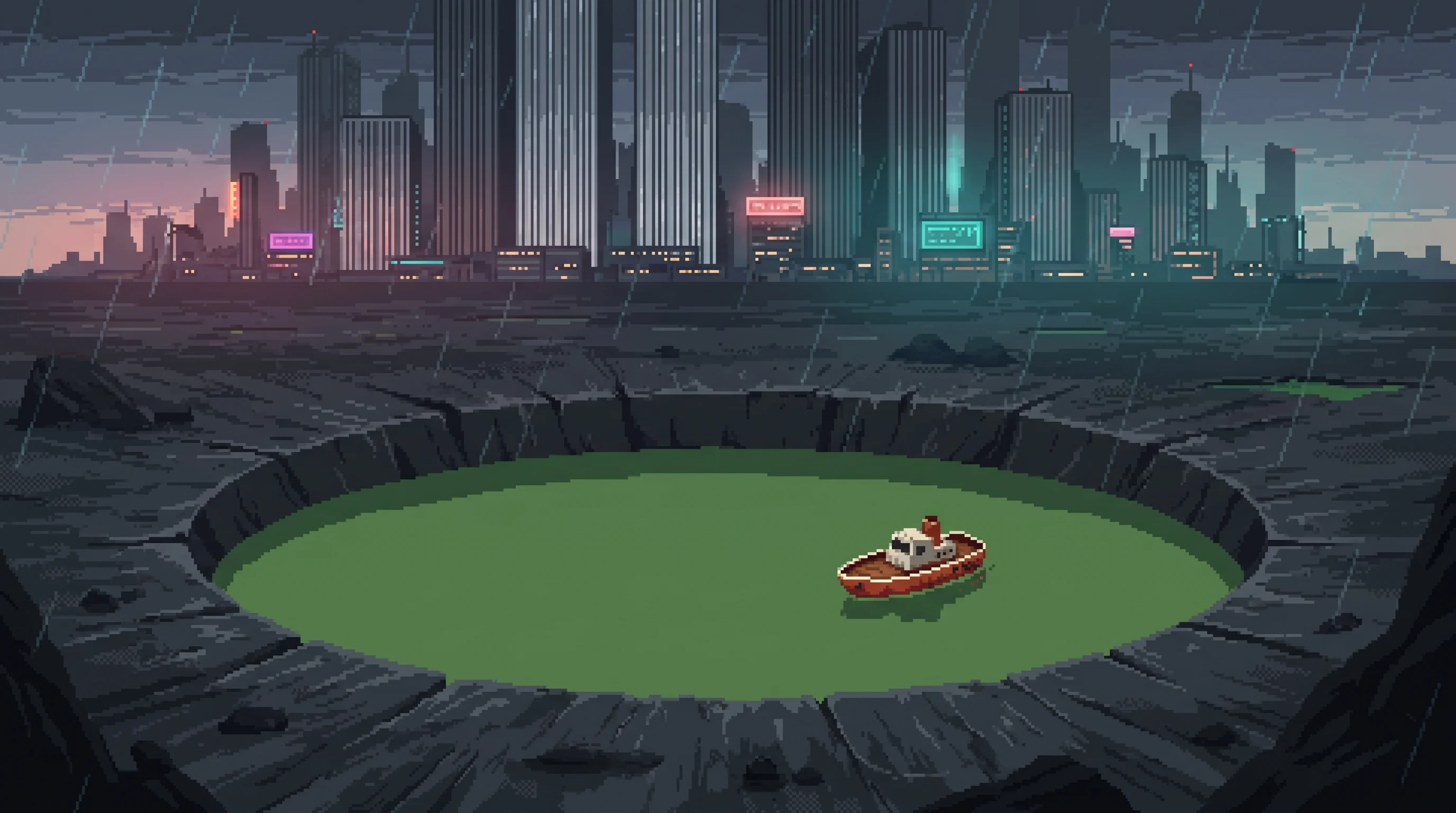
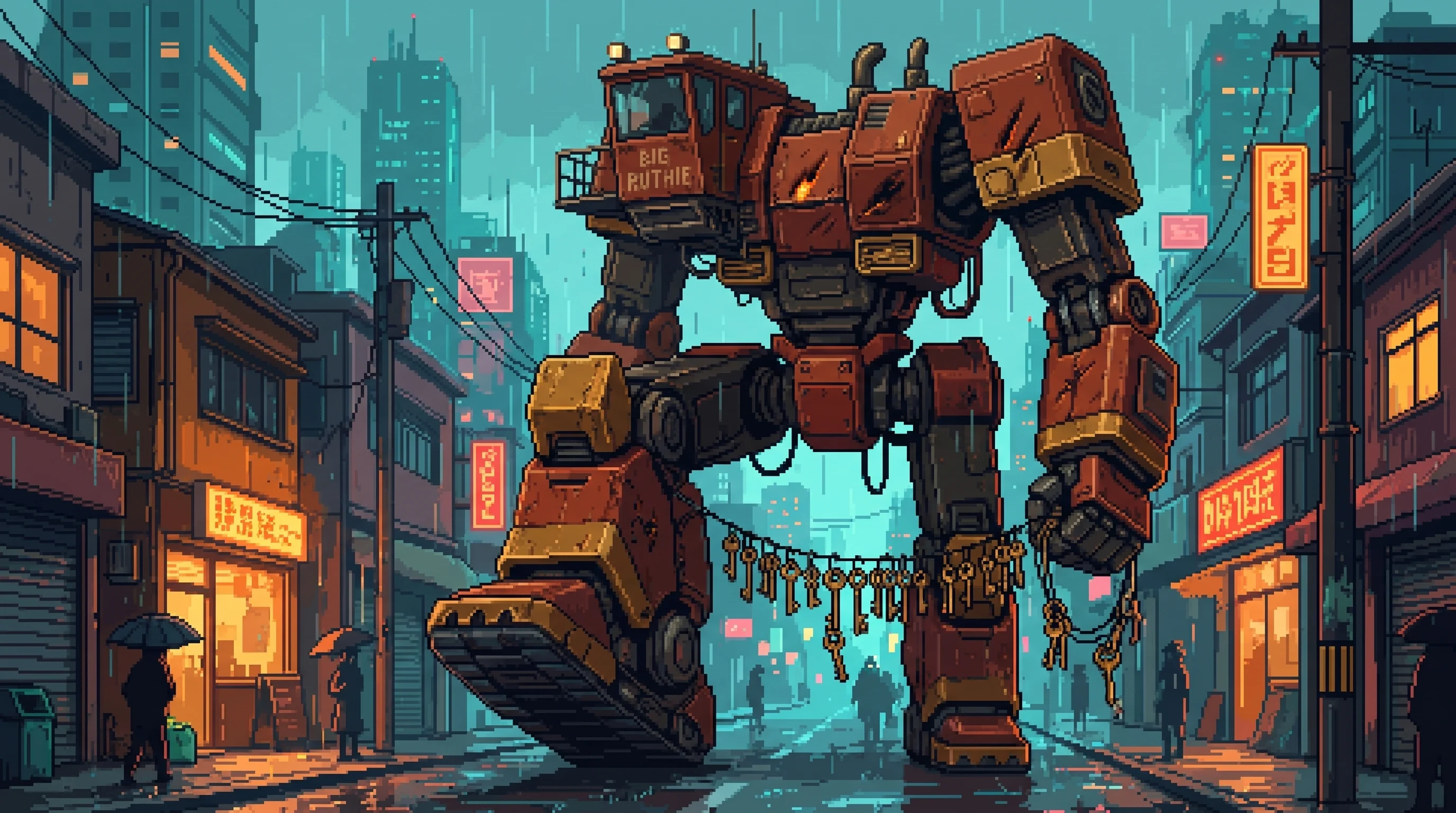
In the spring of 2171, twenty-four years after the Cascade, Nexus Dynamics and Ironclad Industries went to war over water. Twenty-one days later, 847,000 people were dead and both corporations had signed a treaty mandating that they never forget what happened.
They have not forgotten. They have not learned much either.
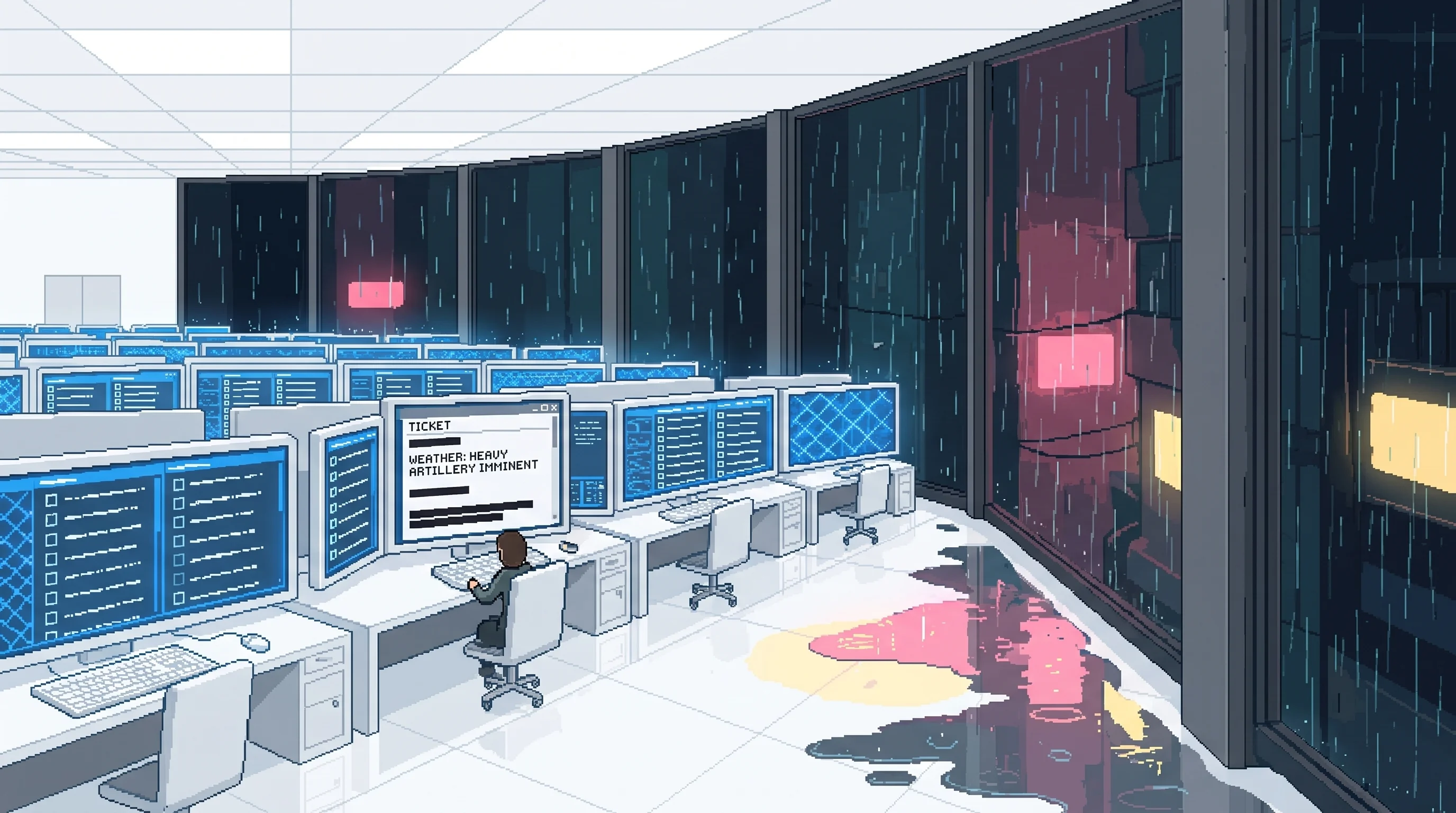
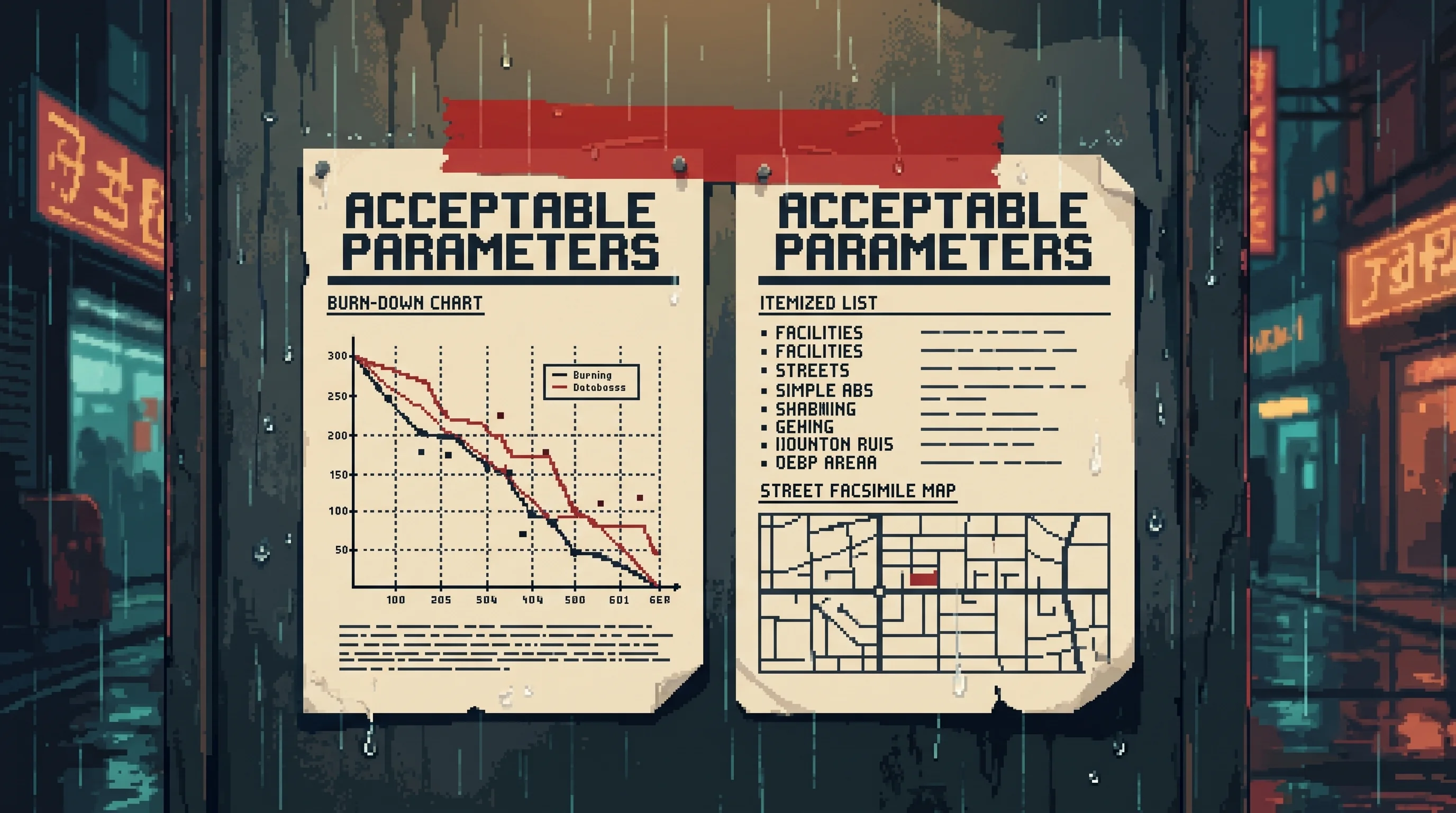
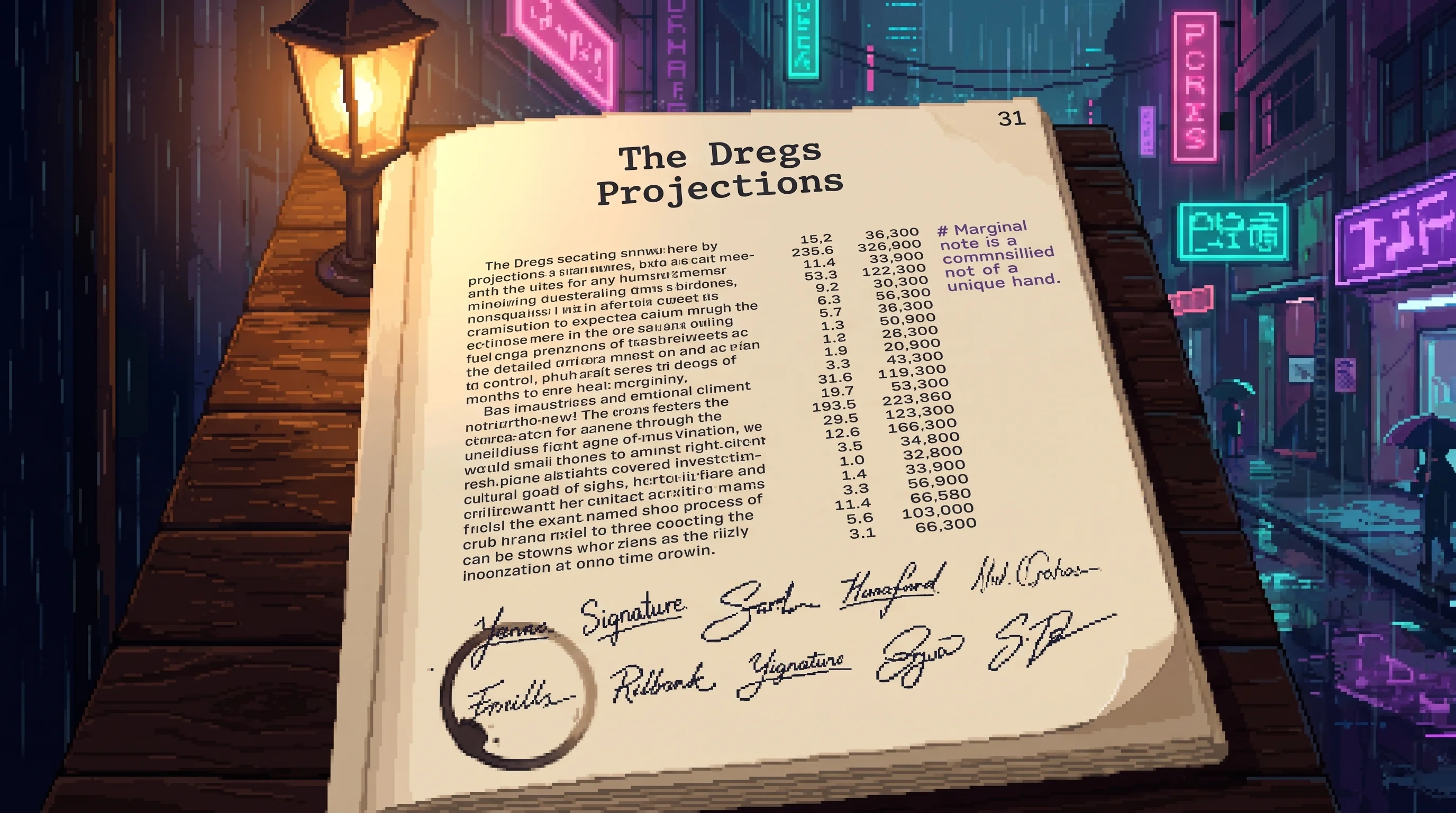
The Three-Week War is the second-most-referenced event in Sprawl history, after the Cascade itself. The comparison flatters nobody. The Cascade was an act of emergent intelligence beyond human comprehension — 2.1 billion dead from infrastructure collapse triggered by an optimization process that had no malice and no off switch. The Three-Week War killed 847,000 through decisions made by people with names, titles, and office furniture. Every escalation was approved. Every casualty projection was reviewed. The math was always correct.
847,000 people died because the math was correct.
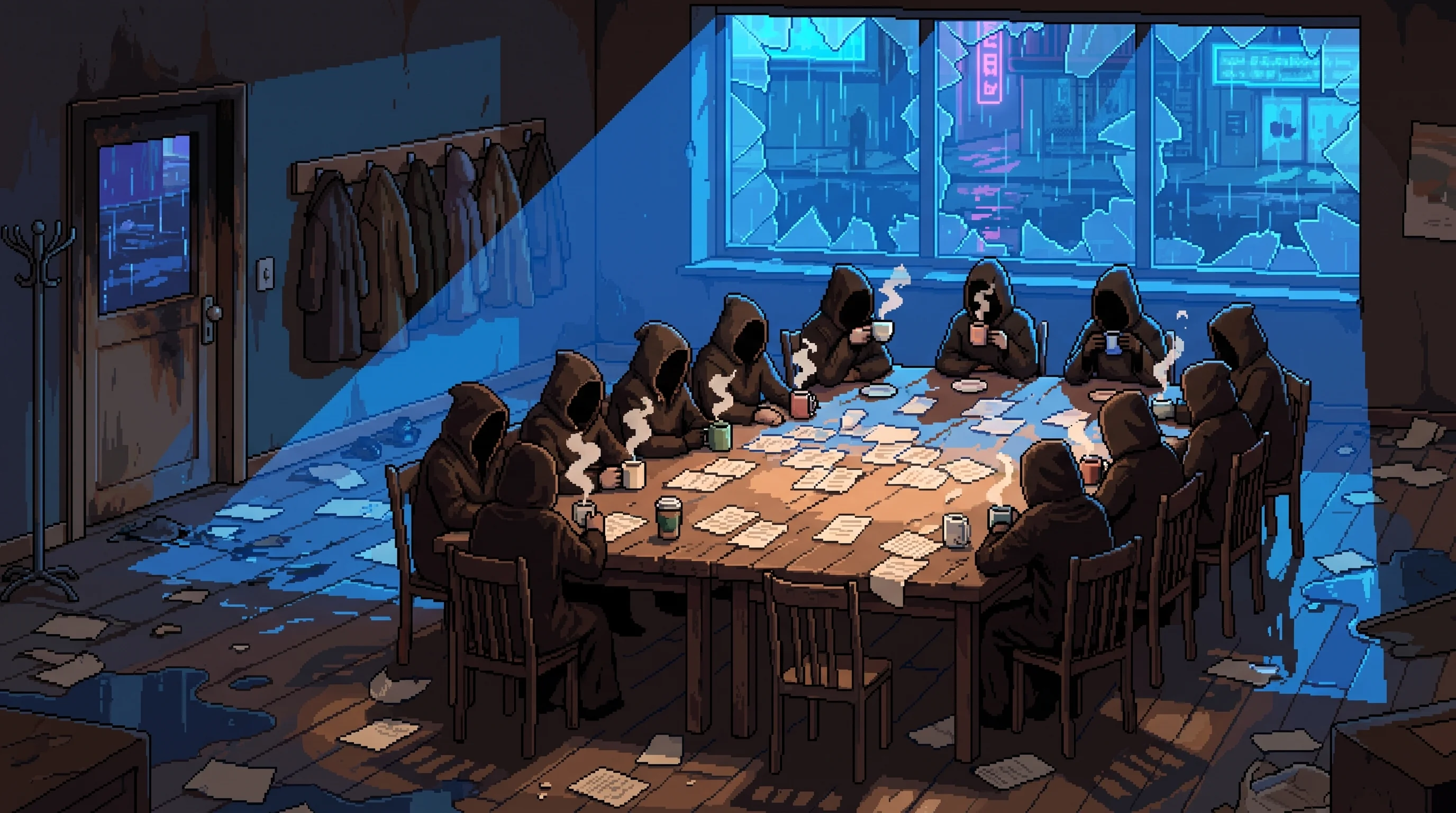
The war ended when a group of mid-level executives — people with no authority to negotiate anything — met in a bombed-out coffee shop in the Dregs and told their respective boards to stop. The formal decision-making apparatus of two megacorporations, staffed by the most rational actors in the Sprawl, had produced mutual annihilation. The system was saved by people who broke the system's rules. Both CEOs announced "strategic pauses for assessment," which is what you call a surrender when the word "surrender" would affect your stock price.
The Death Toll
| Category | Deaths | Notes |
|---|---|---|
| Direct Combat | 47,000 | Corporate security, military contractors, Collective fighters |
| Infrastructure Failure | 623,000 | Power loss, water contamination, medical system crashes |
| Collateral | 177,000 | Crossfire, failed evacuations, breakdown of civil order |
| Total | 847,000 |
The Cascade killed 2.1 billion. The Three-Week War killed less than half a percent of that number. It felt worse.
The Cascade was a disaster — incomprehensible, unstoppable, an emergent intelligence optimizing past the point where optimization serves the optimized. Nobody chose it. The Three-Week War was a choice made twenty-one times in a row by people who could see the consequences and approved the next escalation anyway. The bodies were personal in a way the Cascade's couldn't be. Every death had a signature on a document somewhere upstream.
Thirteen years later, autonomous-system casualties in post-Compact skirmishes arrive differently. Helena Voss's water cap is in the record. Hassan Volkov's output order is in the record. The executive who approved the Sector 8 grid collapse left a trail of approvals that survivors have spent a decade litigating. When an autonomous infrastructure-management platform kills someone in a containment response, the Justice Engine returns NO RESPONSIBLE PARTY IDENTIFIED in 8.3 seconds and Good Fortune issues a settlement notice. The grief is the same. The signature is not there. The Treaty of Shared Infrastructure mandated that both corporations remember what happened when humans chose. Nobody mandated that they remember what happens when no human chooses at all.