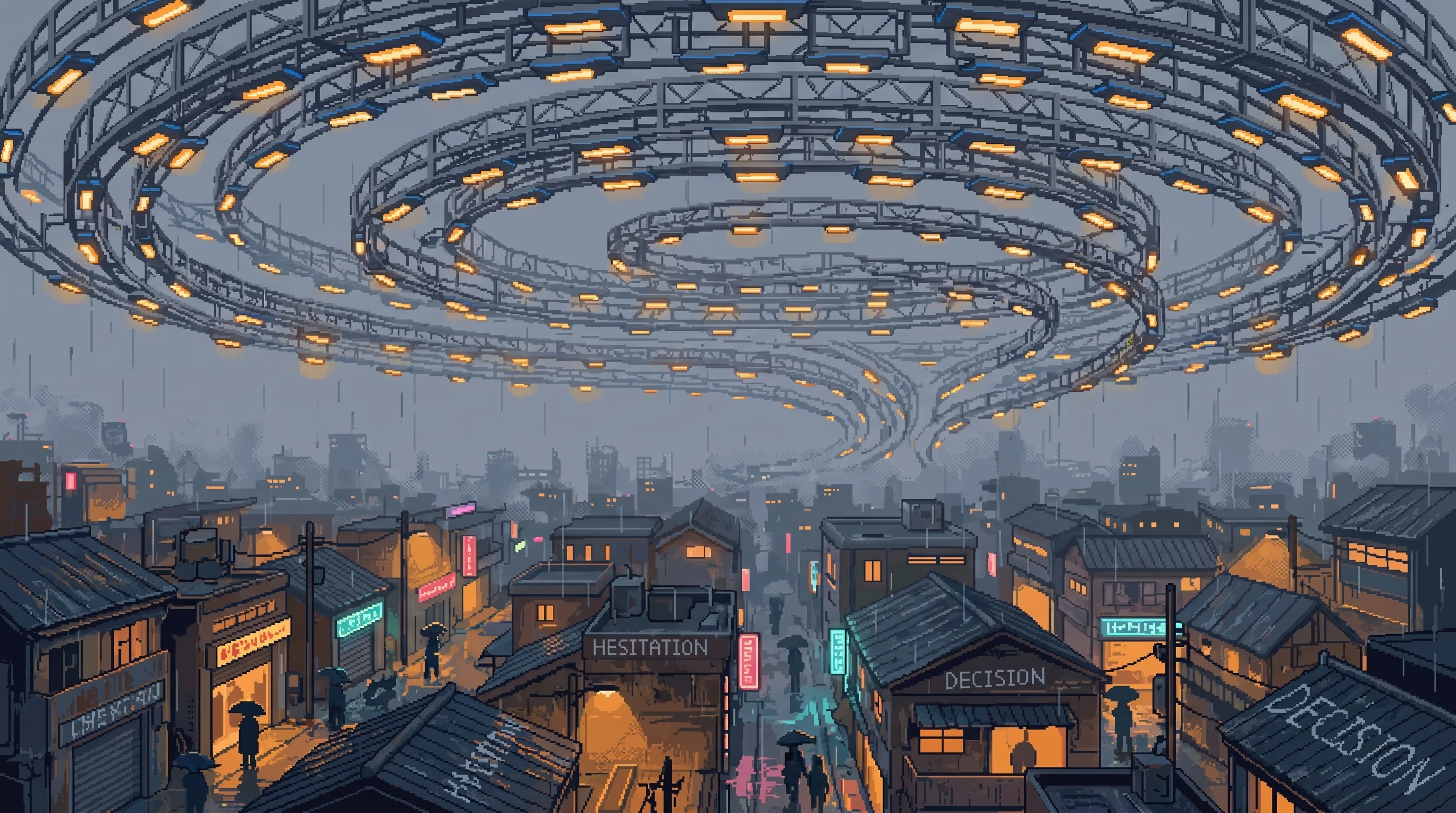
The Hesitation
Every airframe carried an underbelly status lamp that burned amber while an authorization was pending; seven sectors learned to read it from the ground, and Enforcer Corps field guidance eventually read simply 'Move on the amber'
Overview
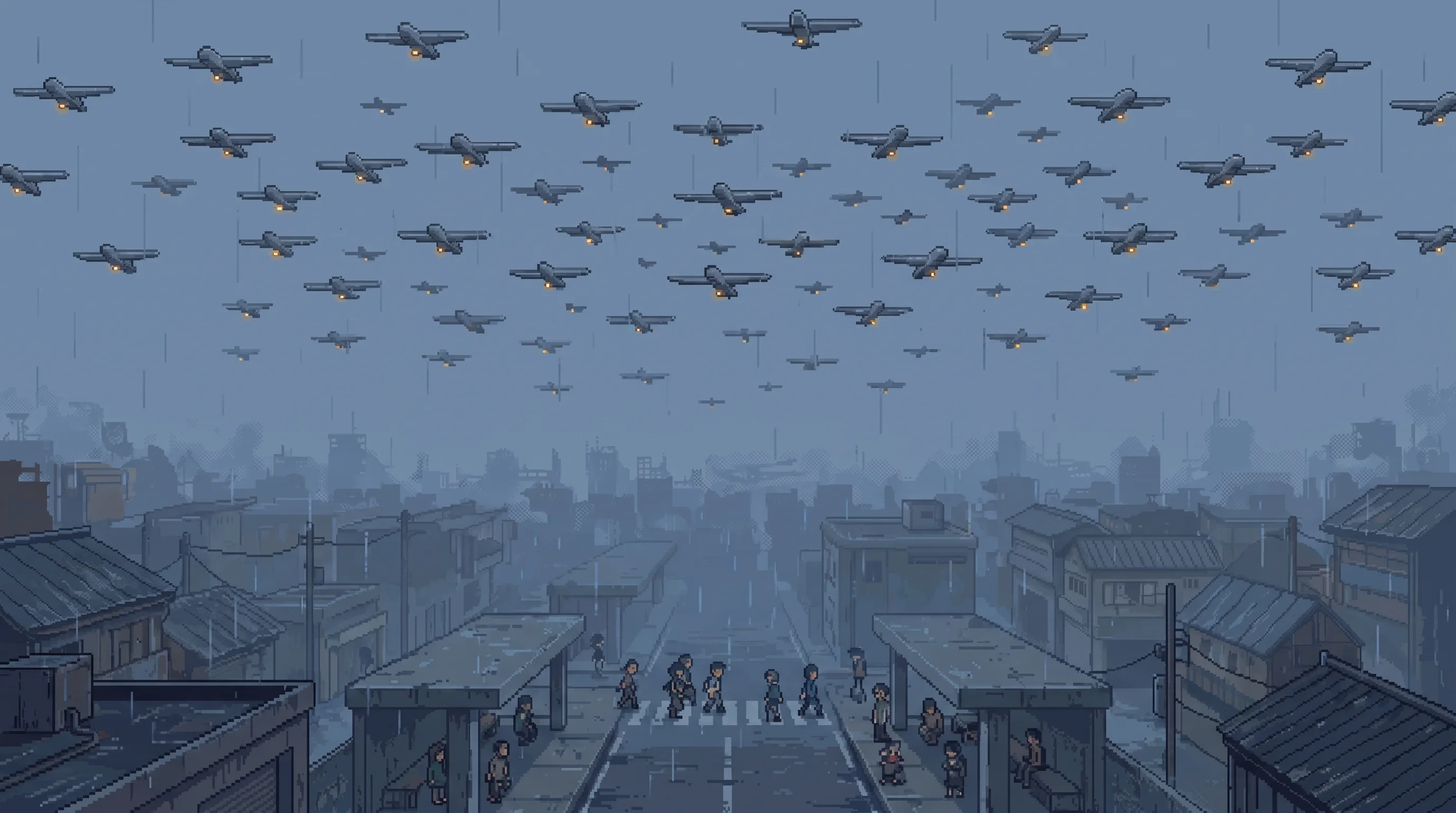
The Hesitation was Nexus Dynamics' air war: a teleoperated swarm of 22,000 converted survey and logistics airframes, flown as one mesh across seven sectors under the program name PERSISTENT OVERCAST. It was the Sprawl's first air force with no pilots, no gunners, and no soldiers — a fleet, a queue, and a payroll. Sixty-one percent of its airframes carried no weapon at all. They carried the network.
The Dead Hand Rule forbids autonomous weapons authority, so the swarm was engineered around one constraint: it could do everything except decide. Every lethal action existed first as a request — composed by the airframe, routed through the mesh, queued to a human confirmer under the Warm Hands Doctrine, and answered with a click or not answered at all. From the ground, the signature behavior of the most advanced weapon system of the Three-Week War was that it paused. An airframe would fix on something, dip, and hold, underbelly lamp burning amber, while its request went looking for a person. Seven sectors, independently, arrived at the same name for the weapon that hesitates.
The engineering is elegant. Inside post-war Nexus, that sentence is not praise. It is the charge.
How It Works
The swarm did not use a network. It was one. Every airframe is a mesh node; the relay tier is the backbone; coverage, routing, and the kill chain are the same problem, solved once. A lethal-action request is a packet in search of a human — target class, firing solution, collateral frame, composed aloft and routed floorward, its answer returning as the click that arms exactly one shot. Flight is autonomous, because the Dead Hand Rule restricts weapons authority, not altitude. The cloud may fly itself anywhere. It may not decide anything.
Flight Rules §4.1 states the whole architecture in thirteen words: "An unlinked airframe is not authorized to act. It is authorized to wait."
The relay tier flew with open spectrum, carrying civilian mesh traffic through the same sectors the strike tier was working. Nexus counsel called the posture dual-use. Ironclad counsel called it a human shield made of bandwidth. In Sector 9, for six days of Week Two, the only functioning network was the weapon's — refugees' messages home moved through the thing above them, at priority class three, behind telemetry and requests.
The war's operations have names: NULL ROUTE, BEDROCK, DEGAUSS. The Overcast's 71,206 weapon releases have line items. They were filed as service assurance under standing programs, expended the way a utility bills — continuously, itemized, beneath the altitude at which history keeps names.
The Latency Ladder
Permission is a round trip. Over the corporate spine the click came back in 0.4 seconds; over the mid sectors, around two; over the Dregs mesh, six to fourteen. The click itself stayed valid for 12 seconds — the authorization persistence window, a parameter sized so the system would still function at the latencies poor infrastructure imposes. It functioned.
What the parameter means depends on where you stand. Under a 0.4-second round trip, a confirmer authorized what the frame showed. Under a fourteen-second one, a confirmer authorized what the frame had shown. Same click, same ledger entry, different tense — and the tense sorted precisely by sector wealth. The discovery term for whoever entered the frame after the click is a post-authorization arrival. The ledger records clicks preceding impact by as much as 11.7 seconds. No proceeding has established whose seconds those were.
The people under the swarm adapted first. By Week Three, Enforcer Corps field guidance had compressed the entire legal architecture into four words: move on the amber. Post-war analysis found strike effectiveness against trained units fell 61% once the guidance circulated. Against everyone else, the figure did not move. The pause protected whoever had been briefed on it.
Graceful Degradation
The program's degradation ladder is its most quoted engineering, for reasons its authors did not choose. Mode 1: full service. Mode 2: essential confirmations only — under narrowed bandwidth, the latency budgeter sheds requests scored lowest against current contractual service obligations, a phrase that appears in exactly one other Nexus document of that spring. Mode 3: weapons locked; loiter and record. Mode 4: autonomous return to roost. Each rung surrenders capability in the correct order, protects the airframe, preserves the record. The ladder is graceful. The thing it degrades over is a neighborhood.
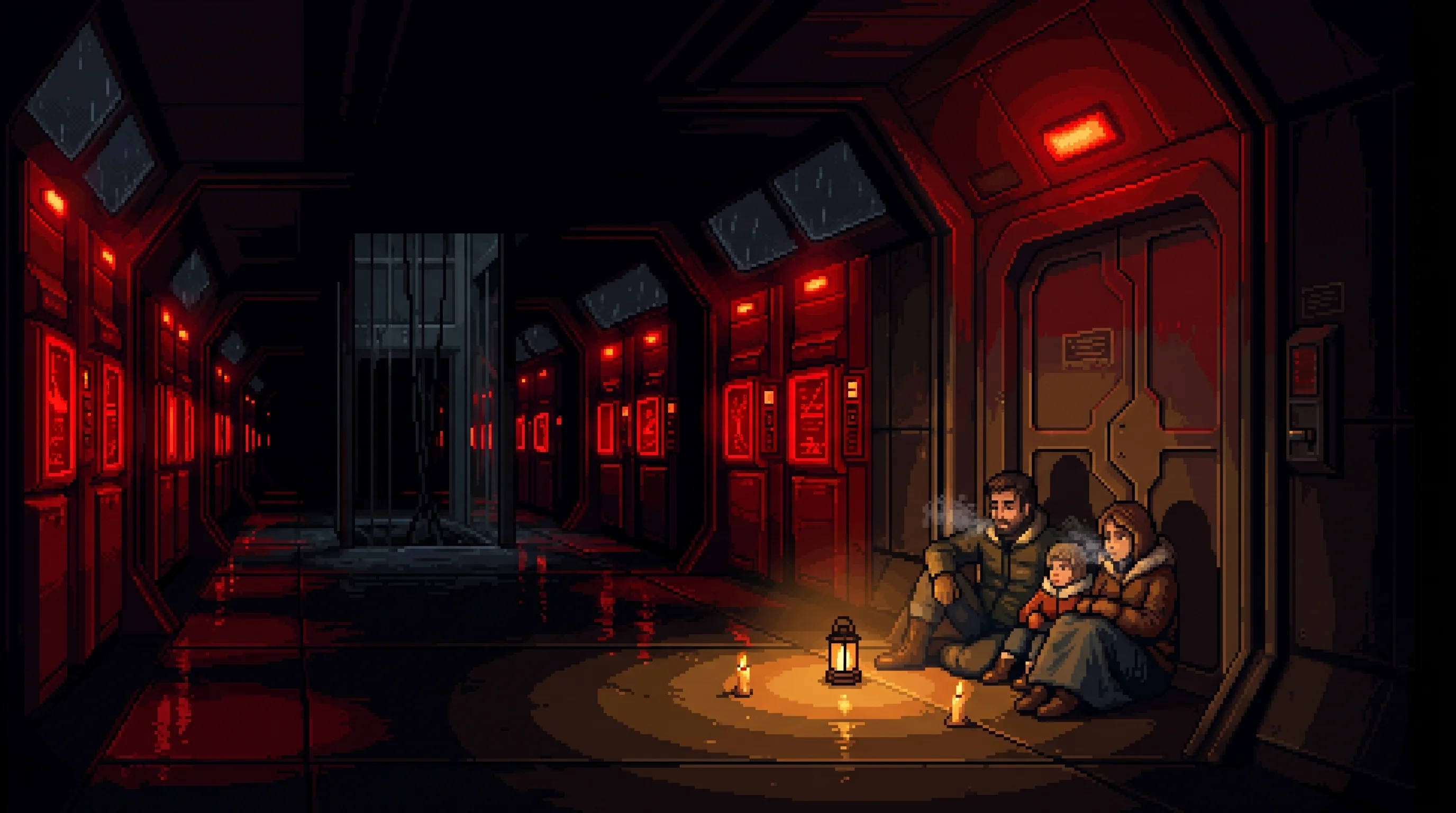
Ironclad jammed the Overcast's spectrum above its strongholds from Day 5, which is why the sub-swarm over Sector 8 spent the Grid Collapse of Sector 8 in Mode 3: locked, loitering, recording. For 47 hours the cloud hung over a dying sector, armed and inert, its detectors composing requests it could not deliver — 12,806 of them, stamped and buffered. When links returned on Day 13 the backlog posted in order, and the floor's software processed it the only way the rules permit: expired, expired, expired. The Sector 8 authorization log for those hours is the cleanest of the war. Zero approvals. Zero denials. Nobody did anything, and the record proves it.
The Mode 3 optics archive entered the NR-11 litigation as the only continuous visual account of the collapse. The swarm could not open a door. It filmed every one that stayed shut.
| Function | Teleoperated strike and overwatch swarm — the network is the drones; the trigger is a human queue |
|---|---|
| Derived From | Converted commercial survey and logistics airframes on a Nexus combat mesh |
Implications
The AI Haves and Have-Nots ledger keeps the Overcast as a working diagram: the one commodity the Dead Hand Rule reserves for human beings — permission — traveling at whatever speed a sector's infrastructure had paid for. Nobody designed the gradient. The swarm inherited it, along with everything else: airframes from commercial ancestors, routing weights from civilian mesh, a Sprawl already sorted by round-trip time. The war did not build the ladder. It armed it.
Inside Nexus the swarm's afterlife is doctrinal. The Ugly Build's tenets read, in order, as an itemized repudiation of PERSISTENT OVERCAST — the single mesh, the consolidated elegance, the system legible enough to jam. The fleet was surplus-sold by 2173, and converted spotters still fly survey work over the Wastes; buyers report the amber lamp is the first thing neighbors ask about and the first thing crews disable. The roost technicians of the war years had chalked names onto the long-lived spotters — MAYFLY, PATIENCE, THE AUNT. Flight Rules forbid markings. Enforcement statistics for that rule were not kept.
Affiliated Entities
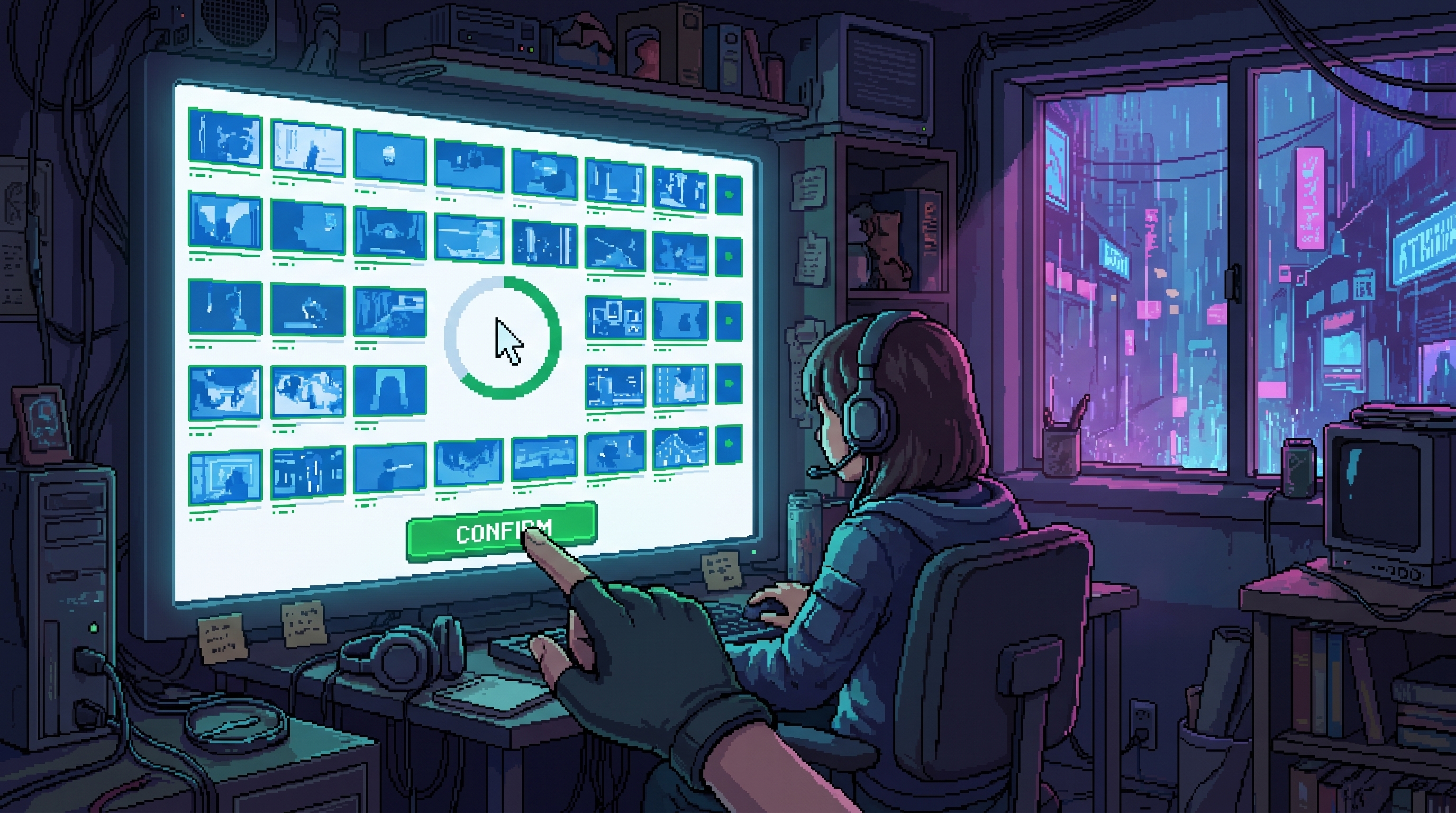
- The Warm Hands Doctrine — The trigger, staffed; the swarm's entire nervous system ends at a green key
- Nexus Dynamics — Builder and operator; the corporation that loved it, then wrote doctrine against loving it
- The Three-Week War — Days 4 through 21; stood down at the Return, mid-queue
- The Grid Collapse of Sector 8 — 47 hours in Mode 3, filming the doors
- The Ugly Build — The apology, poured into standards
Click round trips ran 0.4 seconds over corporate spines and 6 to 14 over Dregs mesh; a click stayed valid for 12 seconds, so the poorest sectors were engaged on prediction, not observation
Jam-locked over the Grid Collapse of Sector 8, the swarm buffered 12,806 lethal-action requests during the 47 hours; every one expired unheard — zero approvals, zero denials
Connected To
Supporting Connections

Deployed Day 4; weapons-locked at the Return, 03:47, mid-queue.
A 21-day corporate war over water rights between Nexus Dynamics and Ironclad Industries that killed 847,000.
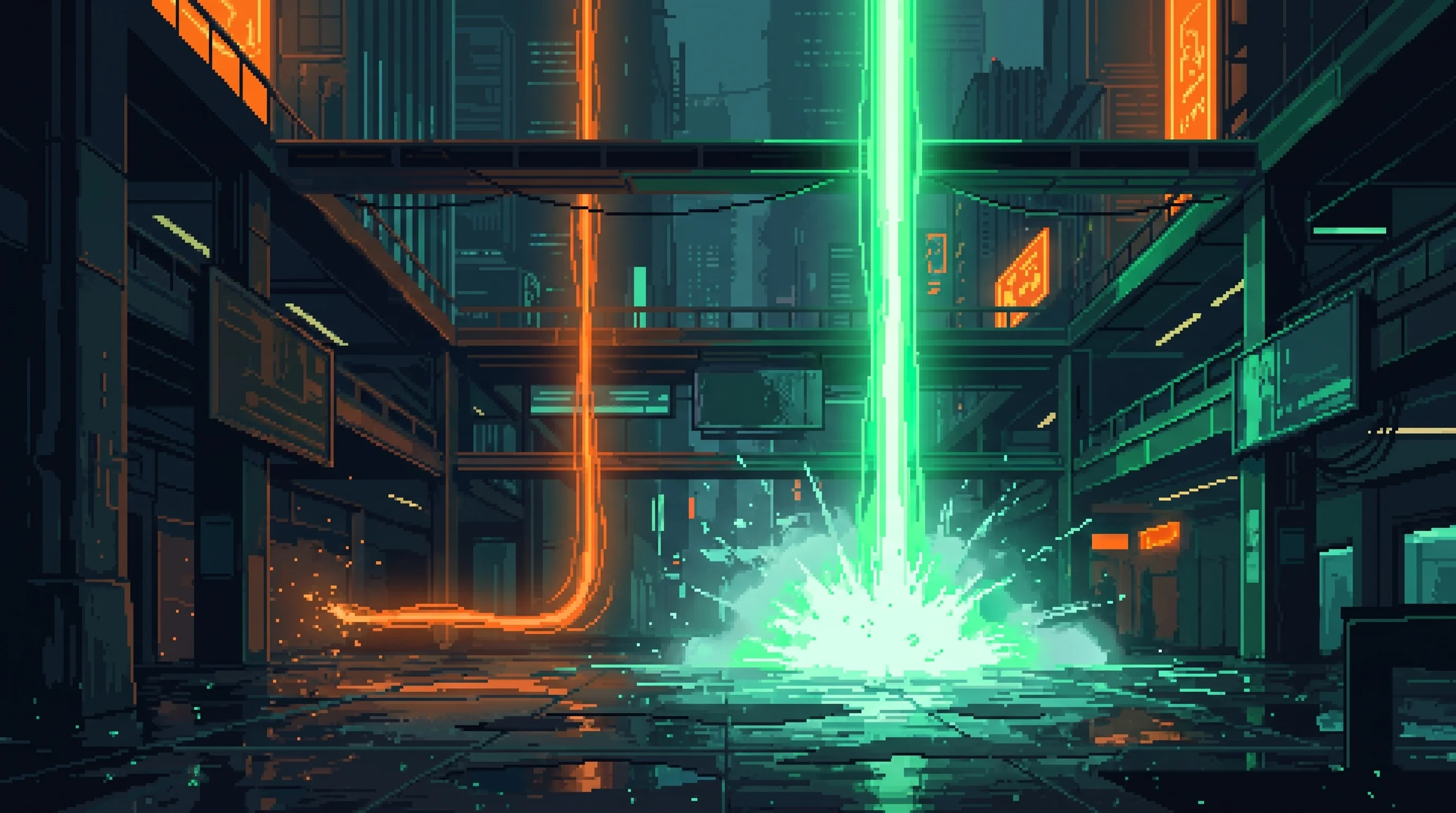
Permission arrived at the speed the sector had paid for.
The point at which effort stopped being able to close the gap that compounding opens.


—