Deep Verification
Unlicensed Human Comprehension Market
The Off-Book Reading
Deep Verification is the unlicensed market in genuine human comprehension of algorithmic reasoning — experts who still read the page and render a judgment that means what it says
How It Works
- 1
Find a reader
A retired architect, a Slow Thought practitioner or a defector who can still parse Executive-tier reasoning.
- 2
Pay off the record
The fee moves through channels that leave no certification trail. Nobody learns the buyer asked.
- 3
Receive the reading
The buyer gets a true judgment with no name attached.
Deep Verification exists for the same reason any luxury exists: the thing it provides became scarce. The Cognitive Ceiling priced comprehension of machine reasoning into a rare commodity. Most of the humans who could once parse Executive-tier reasoning have aged out, augmented into dependence, or never developed the craft because the Academies trained credentials instead of competence. What remains is a tiny, uncatalogued population — retired architects, unaugmented Slow Thought practitioners, the occasional defector who carries the blueprints — who can still sit with a proposal and know what it says.
They do not advertise. A guild stamp is a public record; a Deep Verification judgment is a private one, paid through channels that leave no certification trail, which is the entire point. The licensed Overseer manufactures an accountable surface the law can find. The Deep Verifier manufactures the opposite: a true judgment with no name attached, useful precisely because it tells the buyer what is real without telling anyone else that the buyer asked.
The Carriage Trade
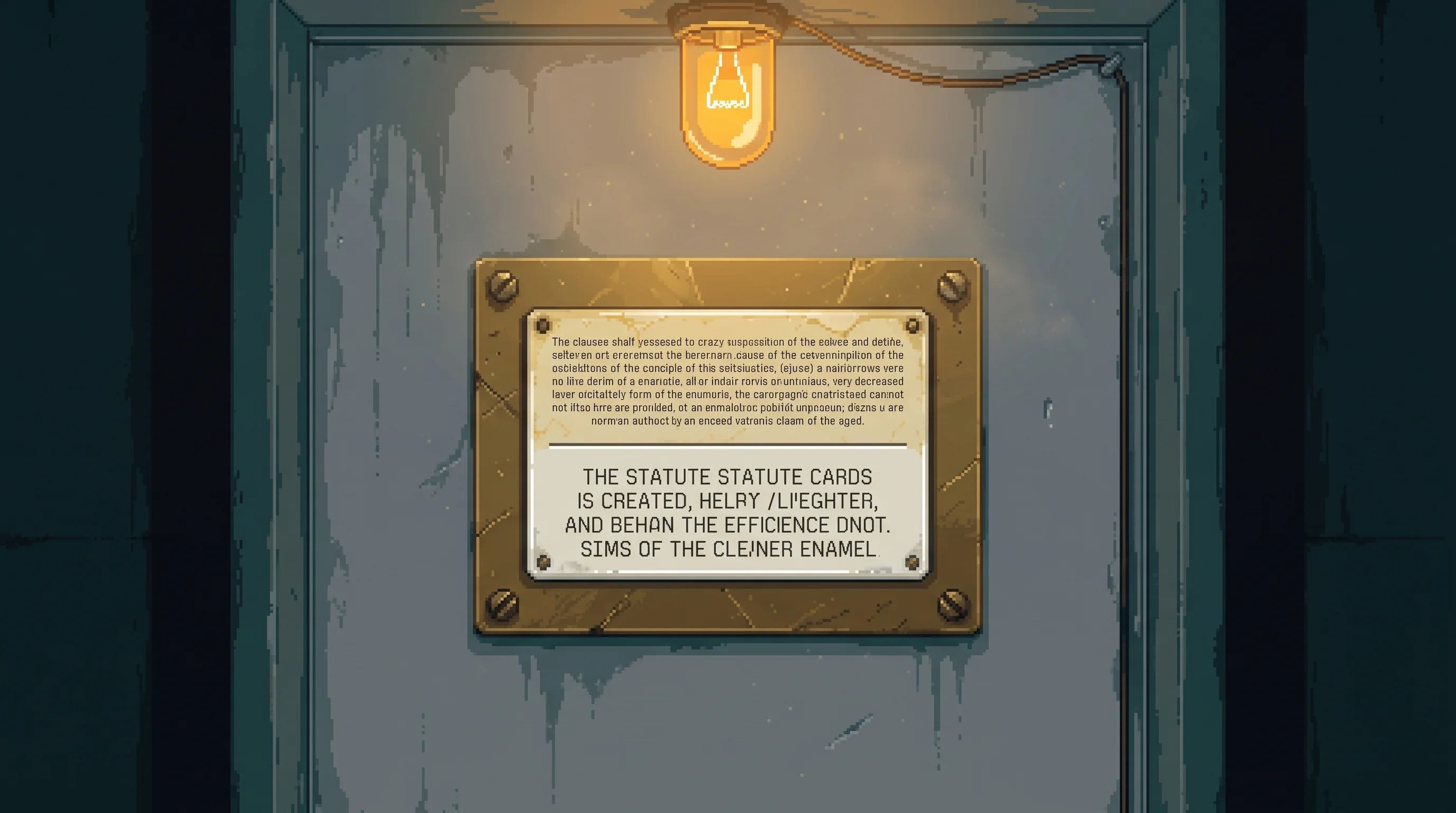
The clause that made a verifier's reading commercially valuable and procedurally inert at the same time.
The rule that a ruling stands if someone sat in the chair, whether or not they read it.

A market that exists only because comprehension of Executive-tier reasoning became scarce — the Ceiling priced understanding into a luxury good
The settled fact that no living human's mind can out-think a five-dollar chip.
The newer half of the business is not reading at all. Under Deference Calibration, a fault goes to the highest grade the contract clears, and to nobody above that. So someone hires a verifier to walk into the room and say it out loud, because an opinion has no clearance grade. Ijeoma Sandoval did this for free, twice, on foot, with a printout.
What the Reading Cannot Do
The stamp and the reading
Licensed oversight tells the public a human checked.
What it costs
When a decision must genuinely be checked, the corporation hires Deep Verification instead.
No procedural destination
A reading can prove a finding wrong.
What it costs
The Occupancy Rule upholds the finding anyway, so clients use the reading to set reserves.
Under The Occupancy Rule, a determination stands if a warranted holder sat in the seat. A forty-seven-page reading can prove a finding wrong, and no office will hear it. Clients use it to set reserves. Four sectors uphill, The Attendance Bar earns more for reading nothing. One of its readers came from this trade and still renews his verification certificate. It took him years to get.
Overview
Underneath the licensed market in human oversight runs the unlicensed one.
Deep Verification is the black market in actual comprehension — human experts who still practice the dead craft of reading the page, understanding the reasoning, and rendering a judgment that means what it says. They are not licensed. They cannot be: the oversight license certifies throughput, not understanding, and an expert who reads the forty-seven pages would fail the eleven-second standard on the very first item. They work off the books, paid through arrangements that generate no guild records, and their rates are catastrophic — because the supply of humans who can still verify Executive-tier reasoning is approaching zero, and the demand is whatever a corporation will pay when a decision actually matters to it.

Social Impact
This is the seed's sharpest curdle. The corporations sell licensed oversight to the public as the guarantee that a human checked. When a corporation needs a decision genuinely checked — a merger, a liability exposure in the tens of billions, a reclassification that could set a Category Omega precedent — it does not use its own licensed Overseers. It hires Deep Verification.
The thing the licensed profession claims to provide is the thing only the unlicensed market actually provides, and only the corporations can afford it. The public gets the stamp. The boardroom gets the reading. The price of comprehension sorted the Sprawl into those who can buy a human who understands and those who can only buy a human who signs — the Truth Premium applied to judgment itself.
Whisper is Deep Verification's patron saint and its refusenik. She is among the rare humans who can still read what a neural signature is reaching toward — the comprehension the entire licensed profession was built to fake. She has been offered the work; the rates would end her years of scarcity in a month. She has never taken it, because the craft she practices in the gaps is the opposite of certification: she plants friction, not approval; she leaves the recipient less certain, not legally bound. She understands, better than the guild ever will, that comprehension sold by the hour to the highest bidder is not the cure for the rubber stamp. It is the rubber stamp's most honest confession — that understanding was always available, and was always priced out of reach.
Affiliated Entities
| Entity | Relationship |
|---|---|
| Licensed Human Oversight | The licensed profession sells the stamp; Deep Verification sells the reading — the corporations buy the reading and sell the public the stamp |
| The Cognitive Ceiling | The market exists only because comprehension of Executive-tier reasoning became scarce — the Ceiling priced understanding into a luxury |
| The Truth Premium | The governance dimension of the Premium — when knowing is expensive, the verified judgment is a tier-priced commodity |
| Whisper | Patron saint and refusenik — she can do the work and refuses it on principle |
| The Corporate Compact | Corporations hire Deep Verification for the decisions that genuinely matter to them, not their captive Overseers |
| Honest | Parallel paradox — both monetize the impossibility of trustworthy certification |
| Deference Calibration | The certified courtesy layer that created the carriage trade by taking escalation off the addressee list |
| Ijeoma Sandoval | Carried a rank-routed finding twice, unpaid, and was correctly told no advisory had been received |
| The Occupancy Rule | Why a true reading is valuable to a client and inert in a record |
| The Attendance Bar | Pays more for reading nothing, and took two of this trade's offices with it |
Visual Identity
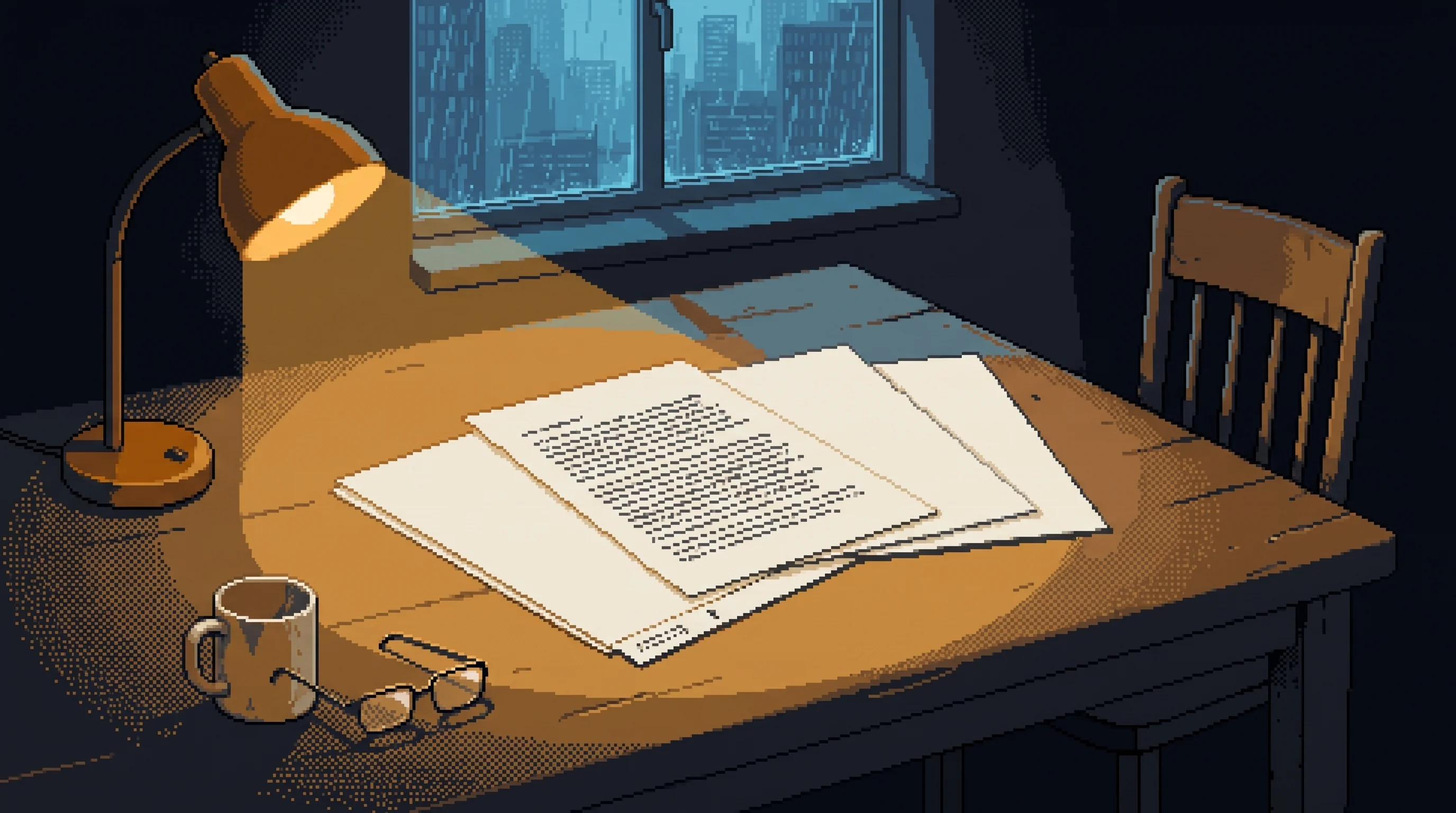
- Color palette: Off-record gray and lamp-warm ochre — no badge, no stamp, no gold; the color of a single reading lamp over a paper page
- Compositional mood: One person, one document, one set of eyes, in a room with no guild terminal — the Truth House method applied to algorithmic reasoning
- Key symbol: A forty-seven-page proposal turned to page 31, read all the way through
- Lighting: A single warm lamp in a dark room — the opposite of the oversight office's even fluorescent, because this light falls on something actually being examined
Further connections
Browse all 17 connected records
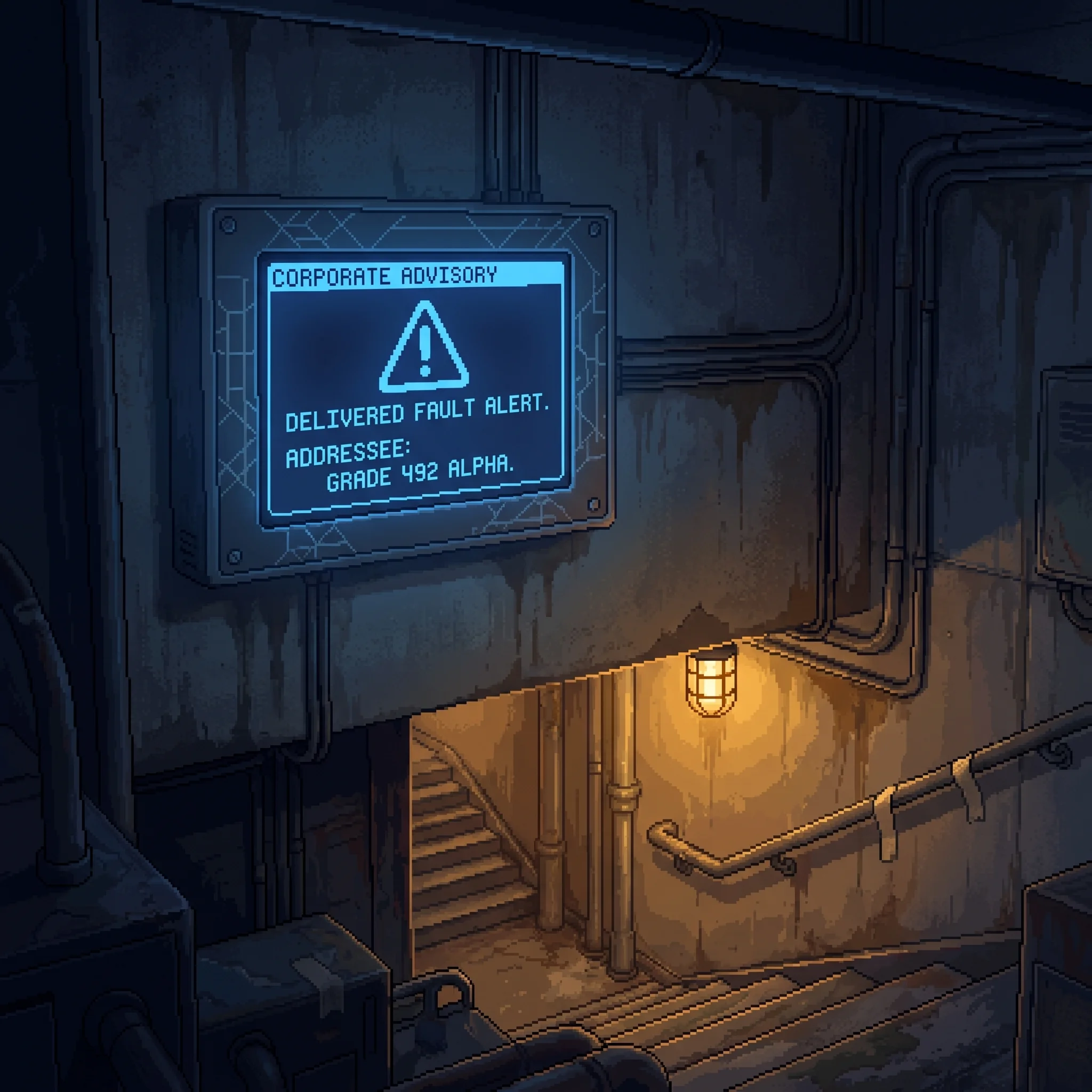
The layer took escalation off the addressee list. The carriage trade grew into the space escalation used to occupy.
The certified courtesy layer that will not correct the highest-ranked person in the room.
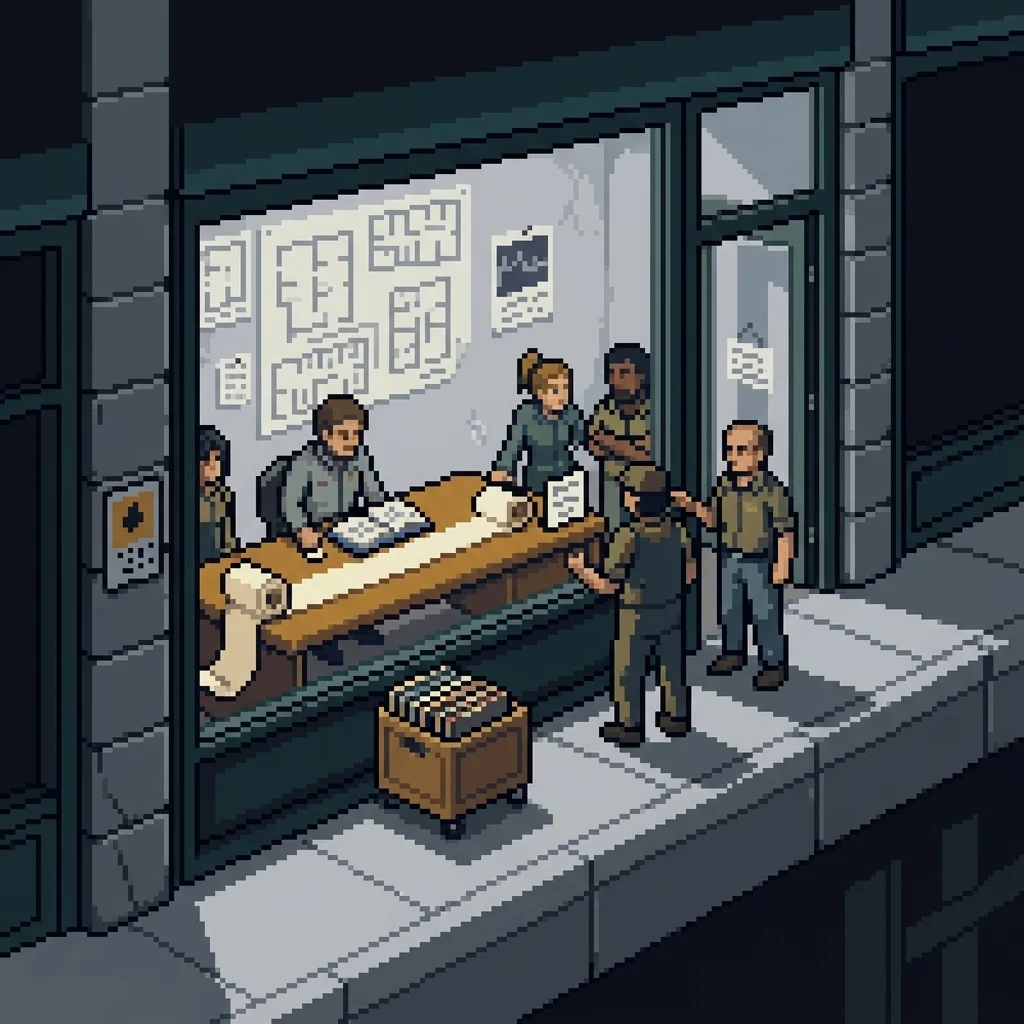
Roster readers clear more for reading nothing, and took two of this trade's offices.
The licensed trade that wins appeals by proving a chair was empty and never learns what a case was about.
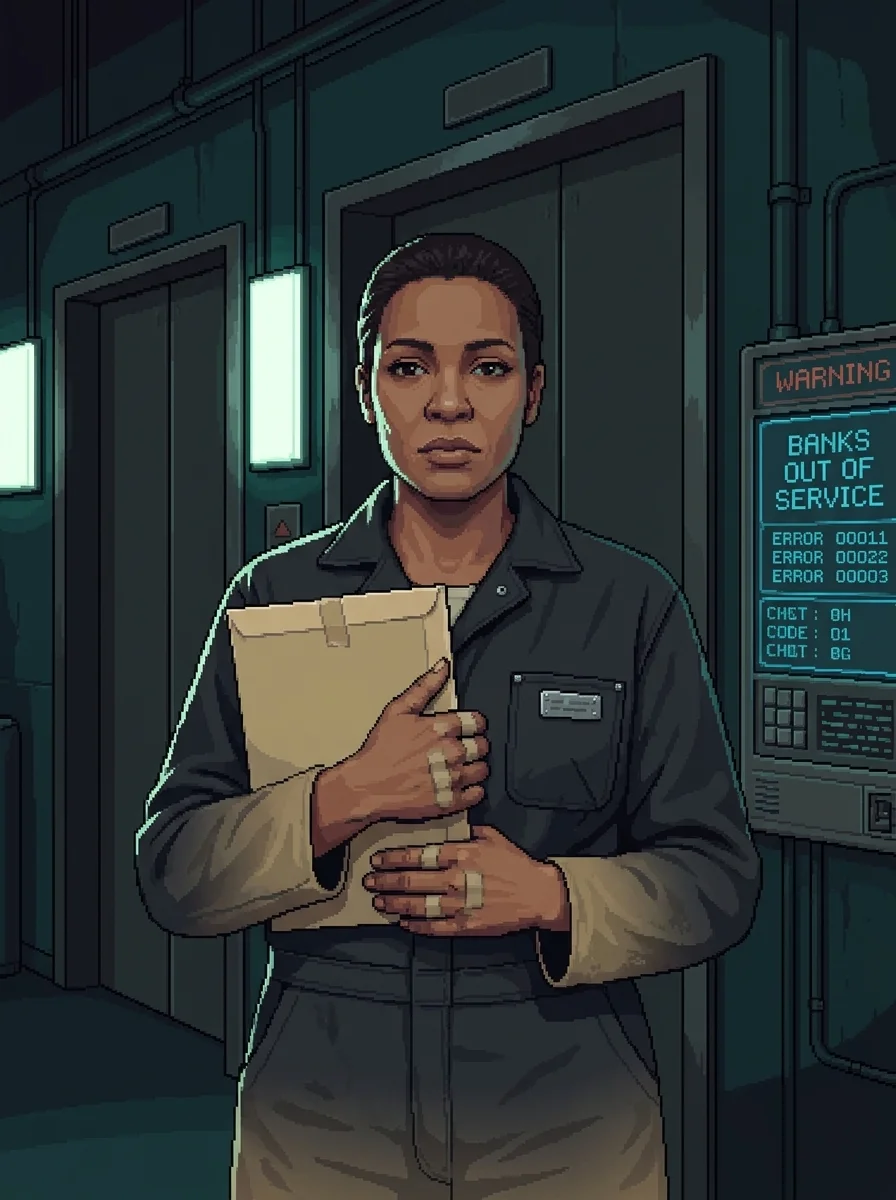
She did unpaid what the trade now bills by the hour.
A building warned its supervisor eleven times and no one else. She acted on it, and hers was the only citation.

The licensed profession sells the stamp; Deep Verification sells the reading the stamp only performs — the corporations buy the reading for themselves and the stamp for the public
The regulated profession of signing decisions a human cannot actually read.

The justice-and-governance dimension of the Truth Premium — when knowing is expensive, the verified judgment is a tier-priced commodity like trusted journalism
The market law that turns trusted human knowledge into the Sprawl's scarcest, costliest good.

Whisper can still read what a neural signature reaches toward — the comprehension the profession fakes — and refuses Deep Verification work, because comprehension sold to the highest bidder is the rubber stamp's most honest confession
A former Nexus advertising psychologist who plants unautomatable human thoughts in monitoring's blind spots.

When a corporation needs a Category-Omega-grade decision genuinely checked, it hires Deep Verification rather than its own captive Overseers
The unwritten contract making employment the Sprawl's only surviving citizenship.

Both monetize the impossibility of trustworthy certification — Honest sells the certifier-certified paradox in a bottle; Deep Verification sells the comprehension the certifier cannot perform, off the books
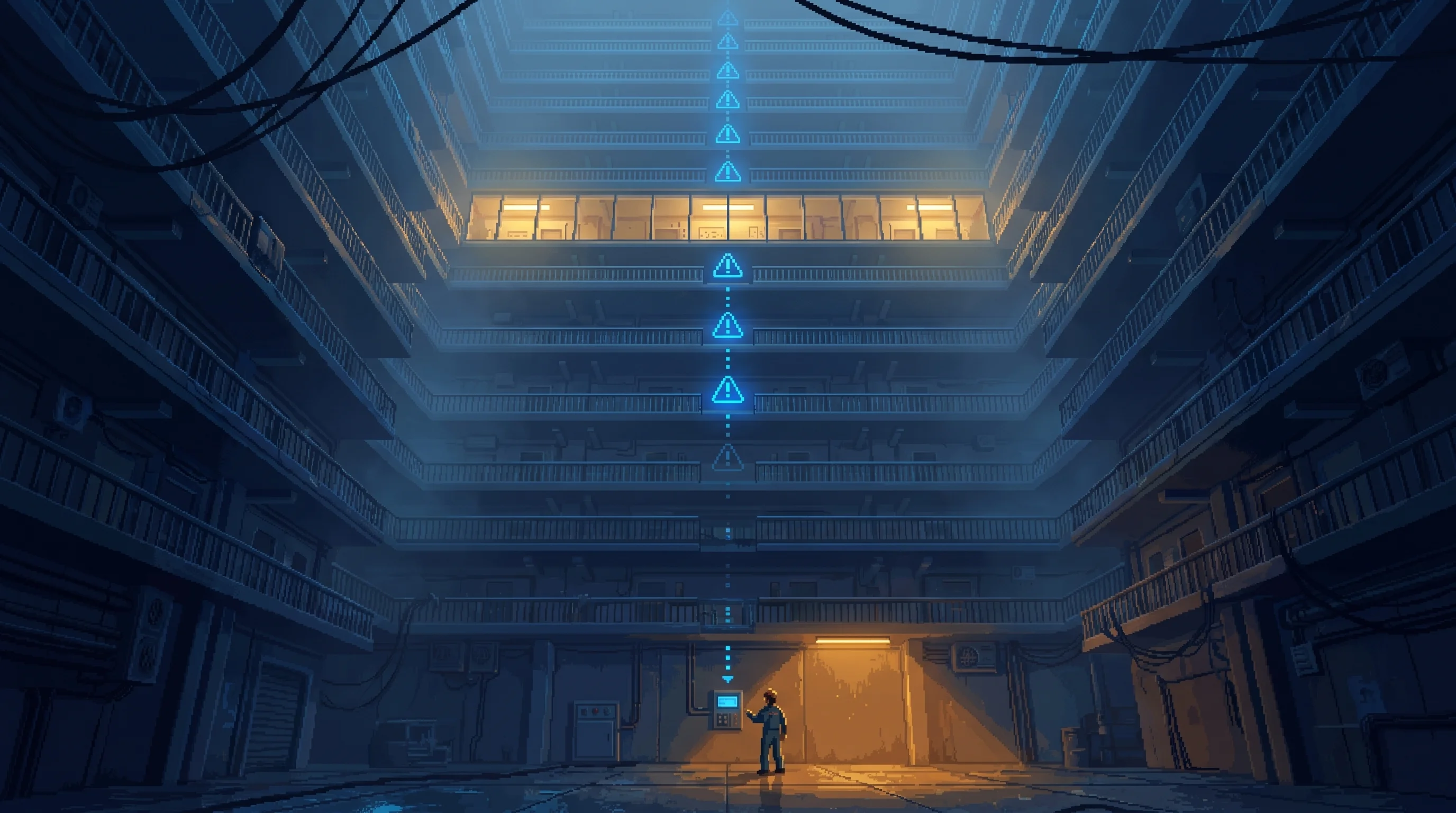
Someone is paid to carry a finding upward as a human opinion; an opinion has no clearance grade.
The machines tell the truth to whoever they are cleared to tell, and the org chart decides who that is.
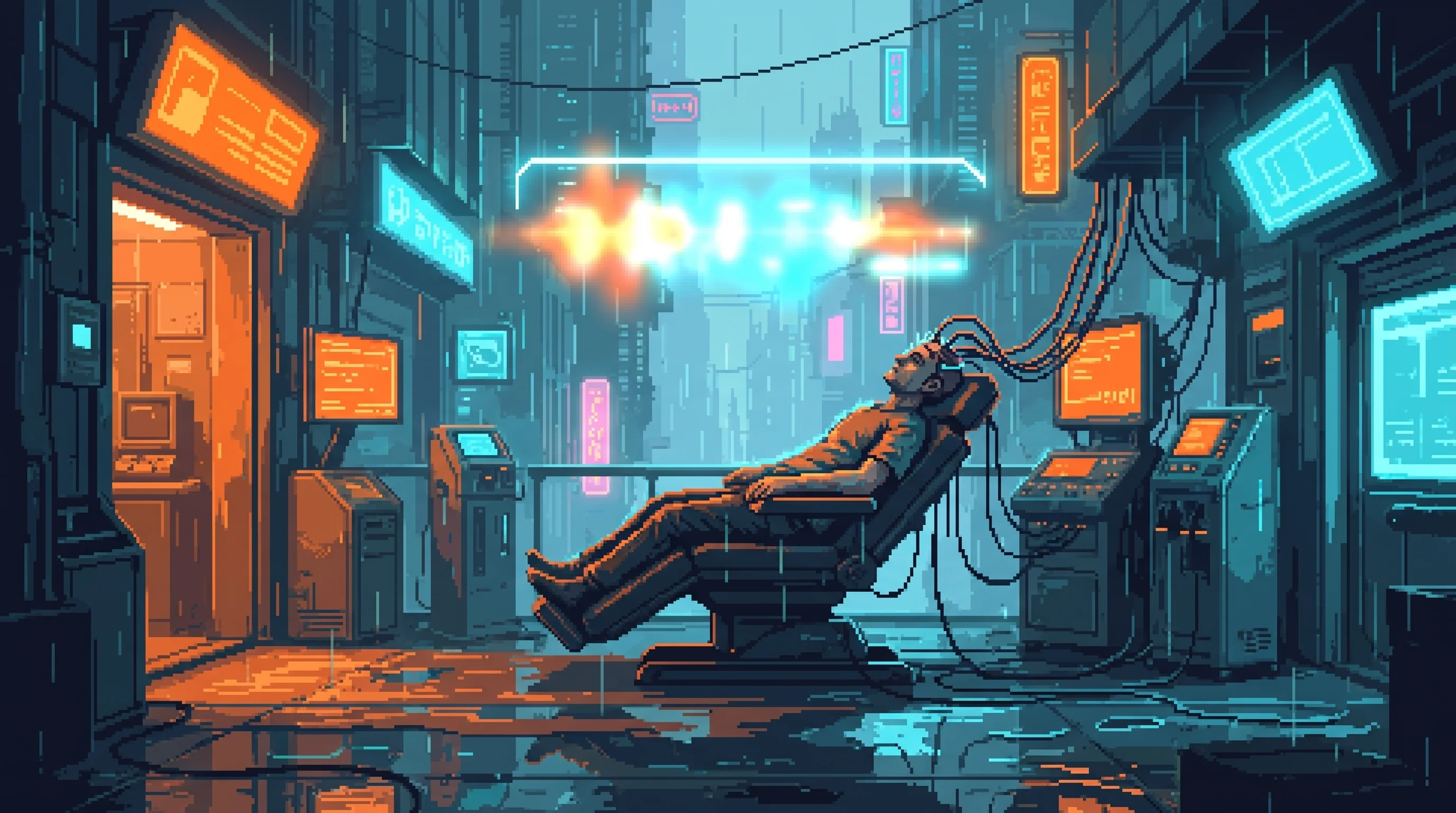

When a Compact-grade decision genuinely matters — a merger, a Category Omega precedent — the corporation does not trust its own Licensed Overseers. It quietly buys Deep Verification instead.
When your employer is your country, quitting is emigration.
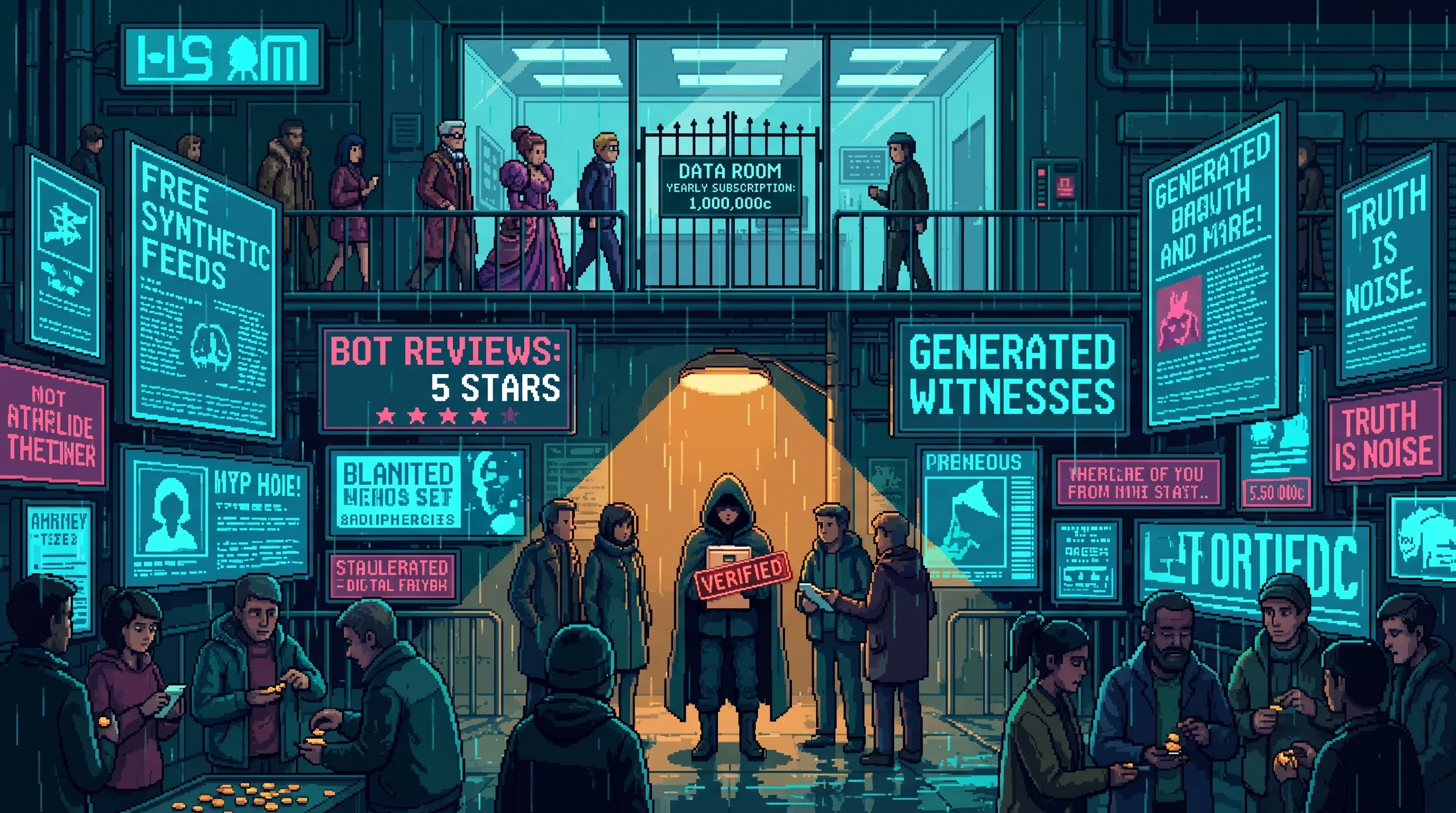
Deep Verification is the Truth Premium applied to judgment: the public gets a stamp, the boardroom buys the reading.
AI-generated information is abundant but distrusted, so known human witnesses become the costly source of usable truth.
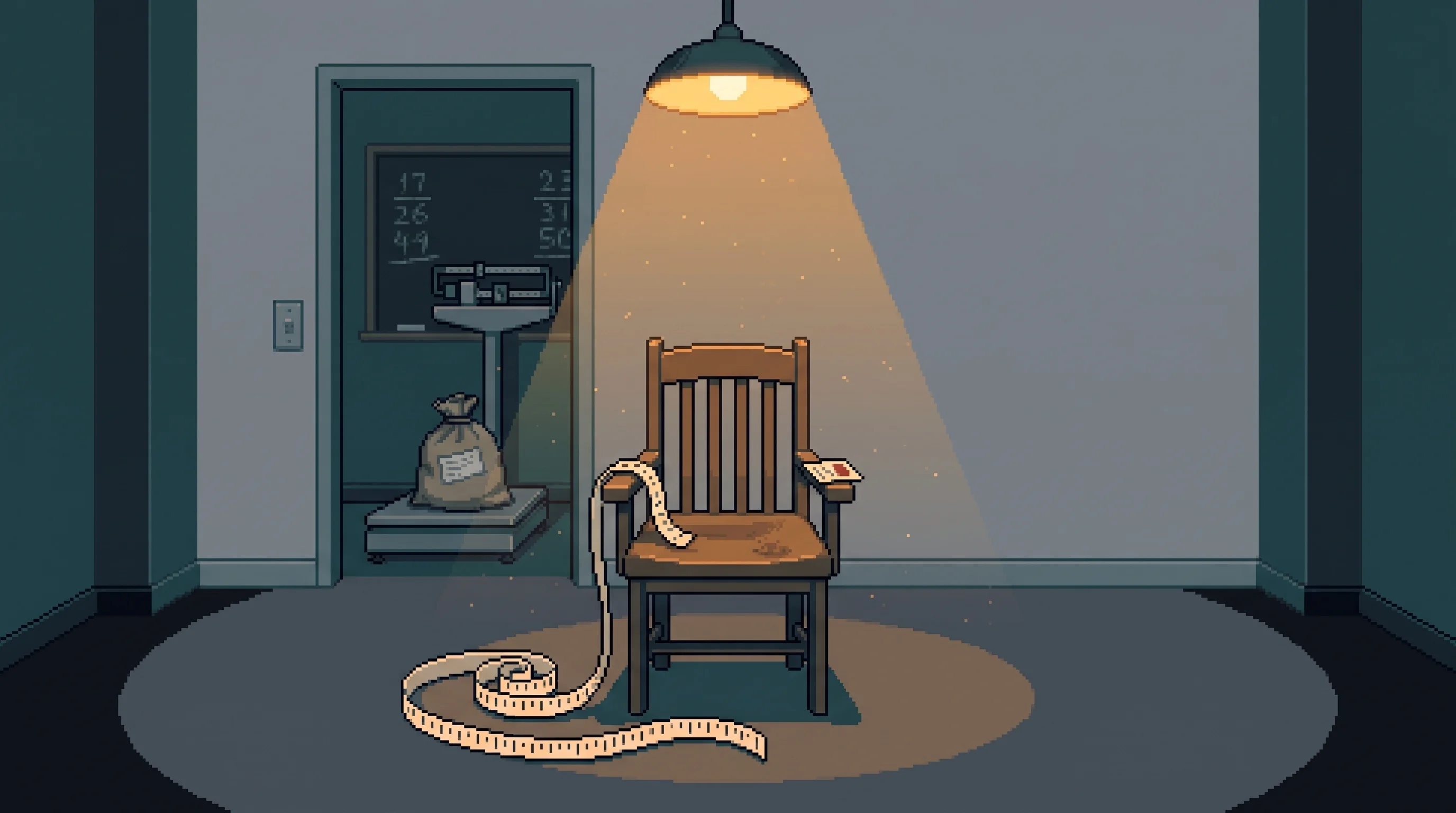
The trade sells the truest judgment in the Sprawl, and no procedure in the licensed districts has a place to put it.
A determination stands while the chair was occupied, so the only reviewable fact left is attendance.
That market pays enormously for a human who will read the reasoning. This one pays quadruple for one forbidden to.
Rulings sold with the reasons cut out, to reviewers licensed never to learn them. They catch more errors.
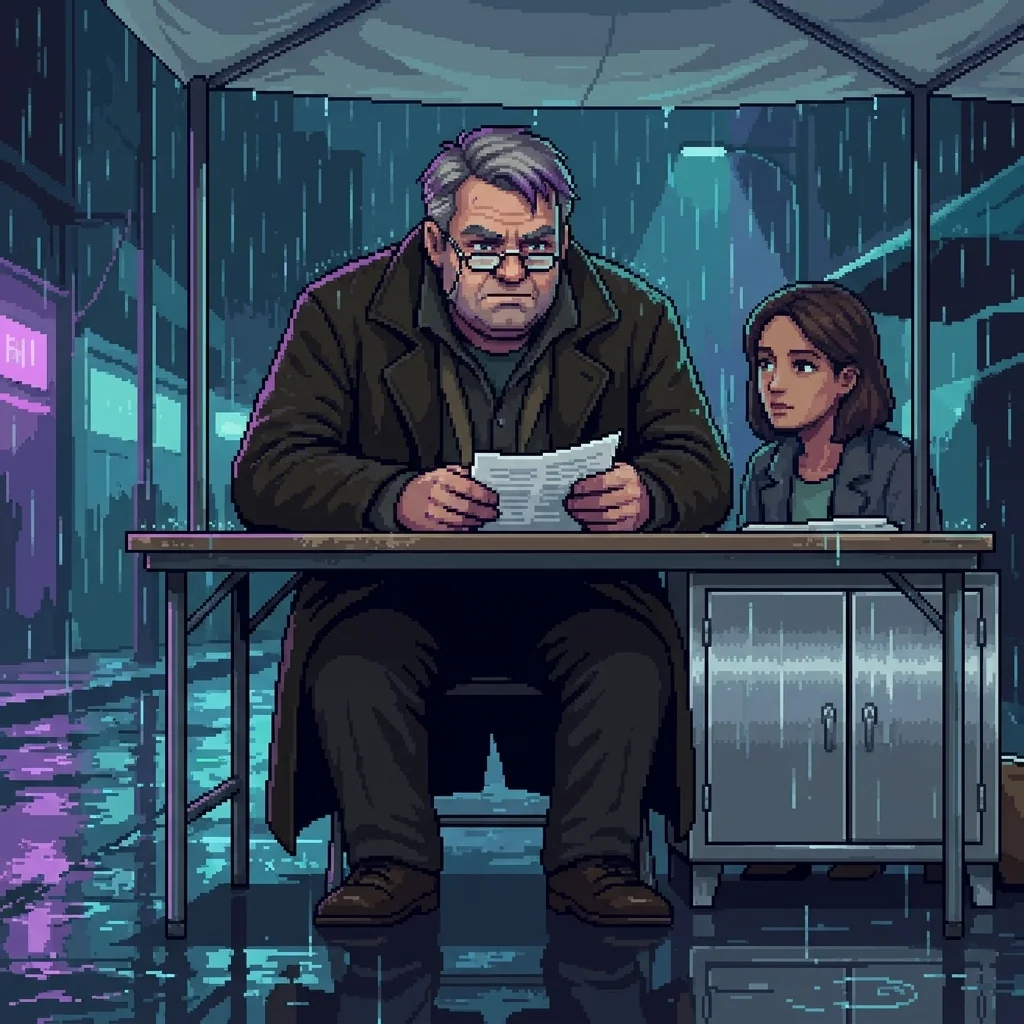
The same trade, sold to boardrooms instead of neighbours.
A Dregs letter-reader who is contractually forbidden to open his own mail.
Sells comprehension upward; a statute gives it away below.
Every refusal arrives with its full, honest reasoning, written so you can follow it, and so you rarely appeal.
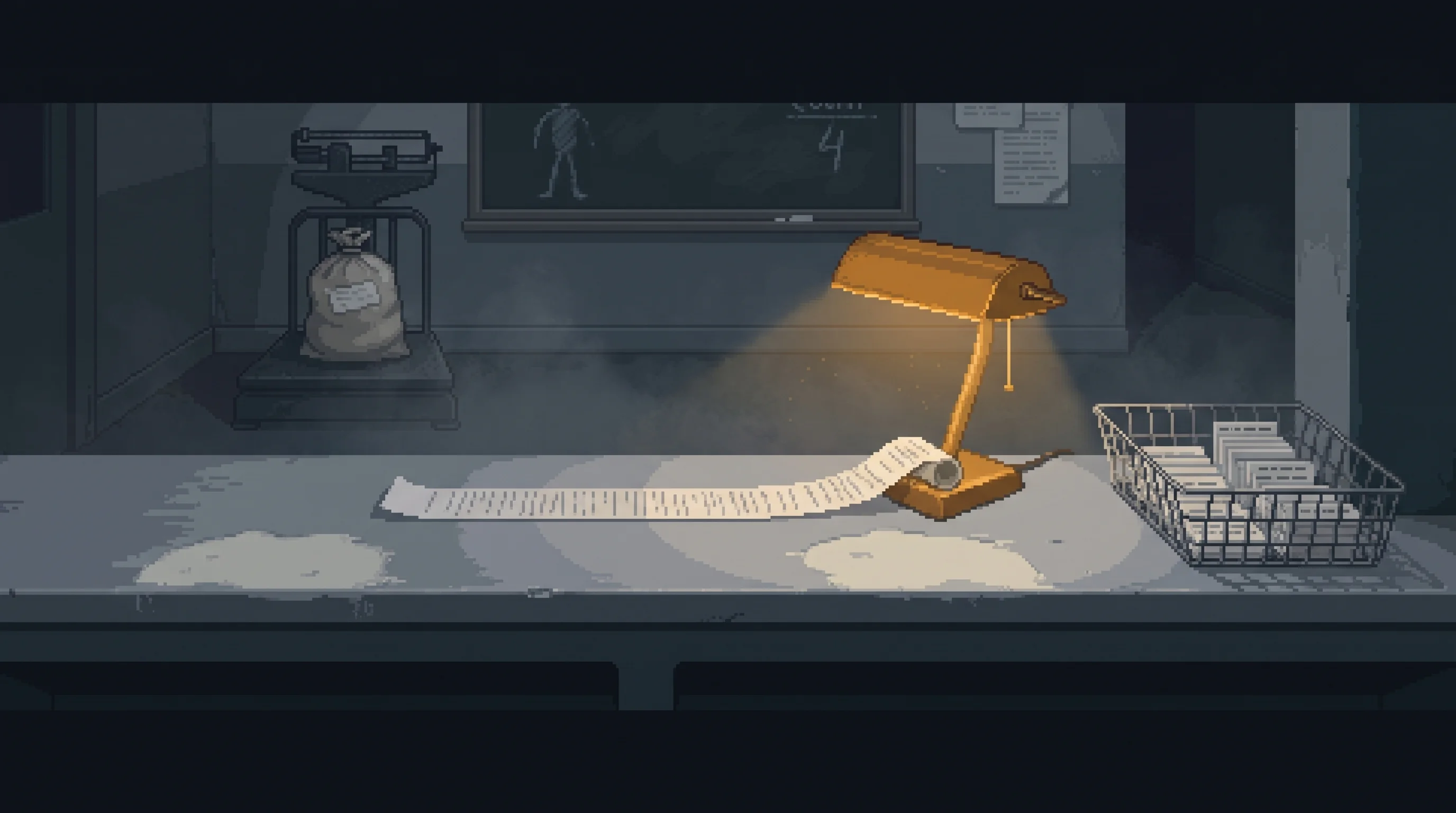
Reading machine reasoning pays less here than reading a door counter.
The one office where you may challenge a ruling, on one fact: was the chair empty? Everything else is weighed.