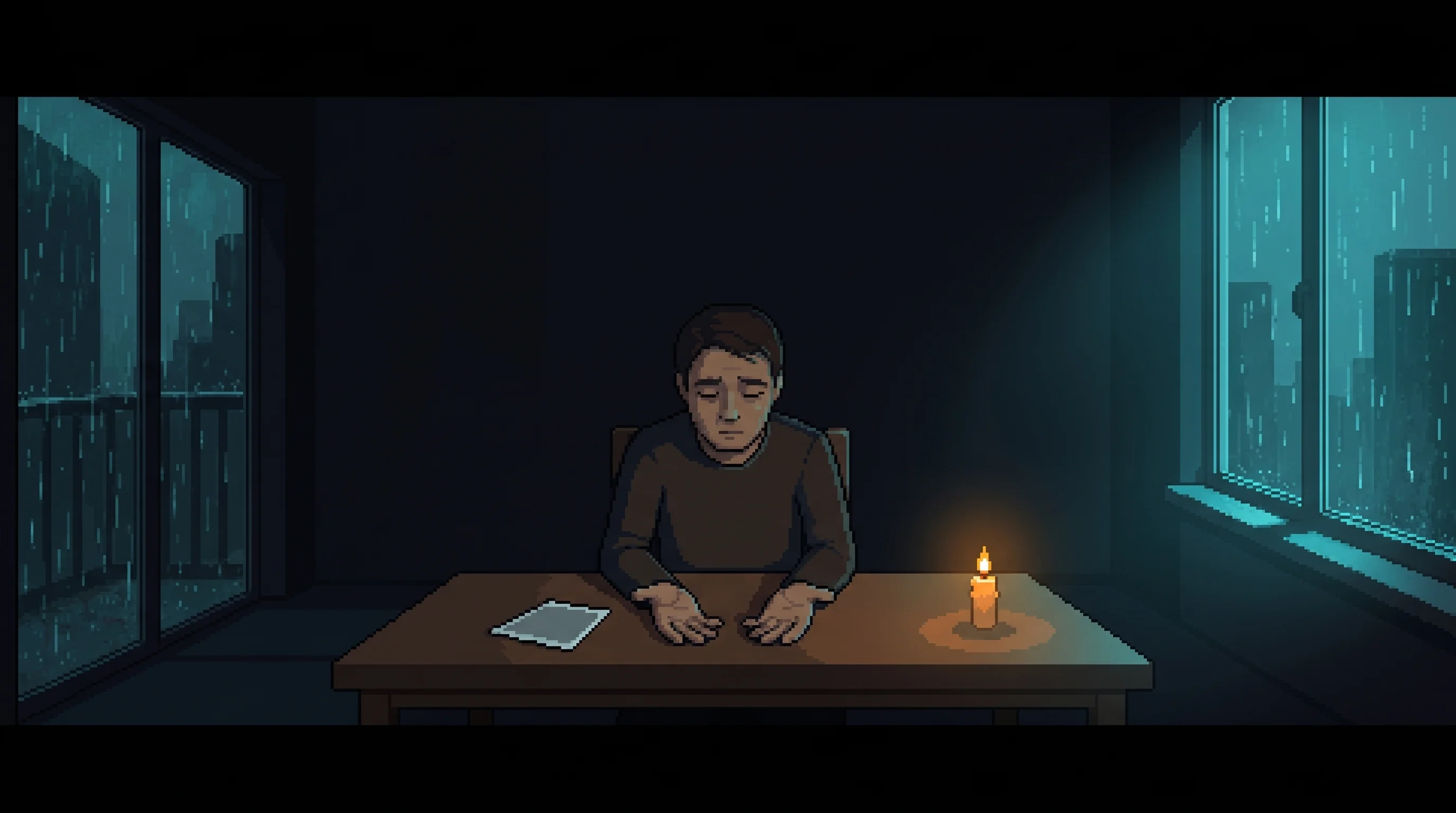
Overview
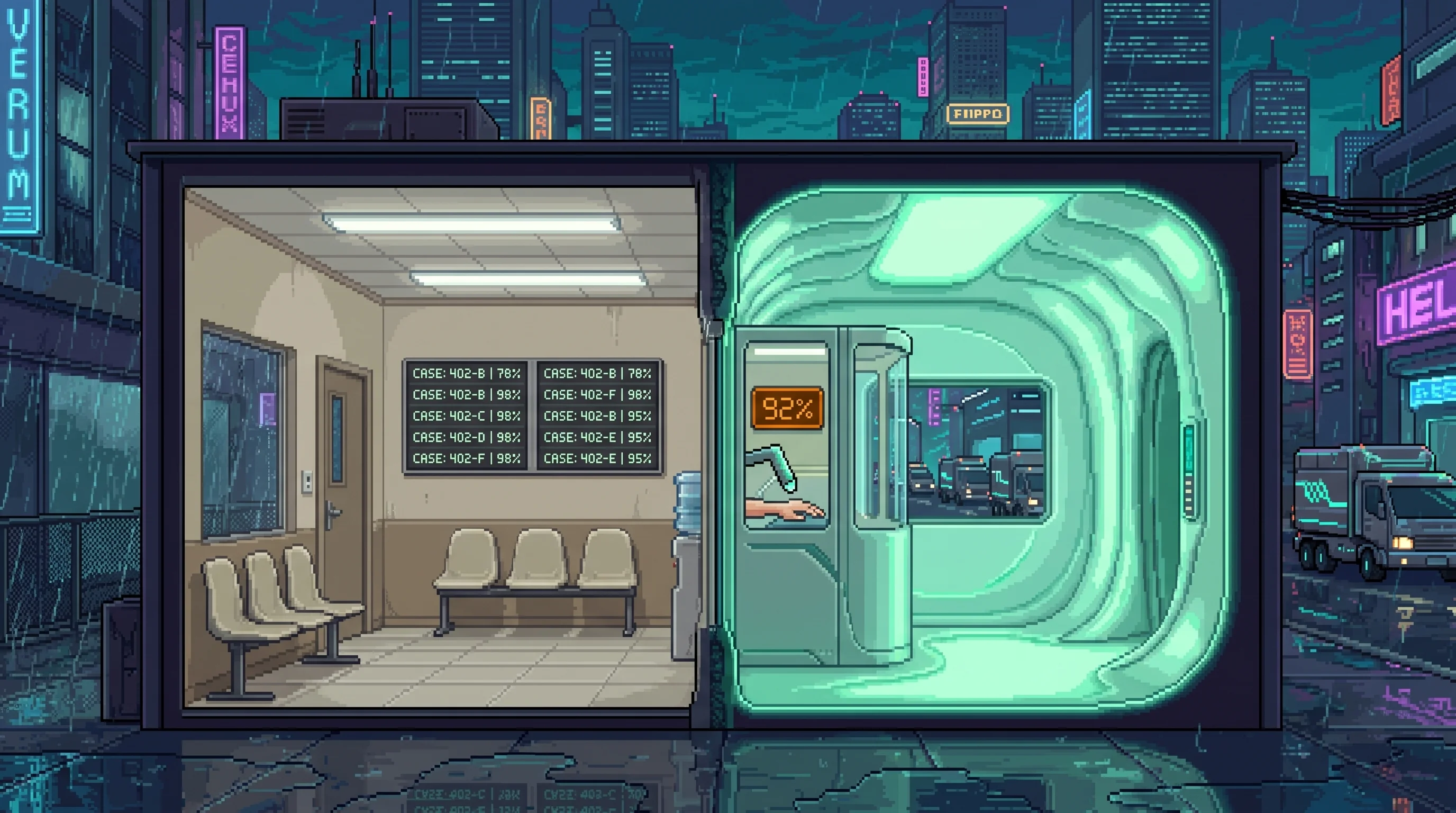
The visible market trades in extracted experience: climb Everest without the training, remember a first kiss recalled as better than the one that actually happened, carry a childhood memory of the world before the Cascade — pre-Cascade recollections command the highest prices in the Sprawl because they are the only surviving evidence that life once felt different. Memory farmers chase genuine danger for its resale value rather than its own; a trauma black market in the Dregs moves combat memories and near-death experiences to buyers who want the sensation without paying the cost that produced it. Fabricated memories, indistinguishable from organic ones once installed, sell beside the real thing with no reliable way to tell which is which — the provenance problem that broke fine art has migrated to consciousness itself, and the certification agencies built to solve it discovered their own "organic" stamp was wrong on nearly a quarter of what it certified.

A wealthy resident might carry ten thousand purchased memories against fifty organic ones, and by every satisfaction metric Nexus Dynamics publishes, the ten thousand are winning: composite-identity patients report higher life satisfaction than people who never bought a memory in their life. Memory Therapists call the condition the Borrowed Life. They have no cure, because curing it would mean unmaking the person the patient has become.
How It Came To This
Three technologies built the market a decade at a time: neural recording in the 2150s made an experience copyable, memory isolation in the 2170s made it sellable in pieces, and experience synthesis in 2178 made it fabricable from nothing at all. Nobody had to force anyone to buy — pre-Cascade nostalgia and post-Cascade boredom did that on their own.
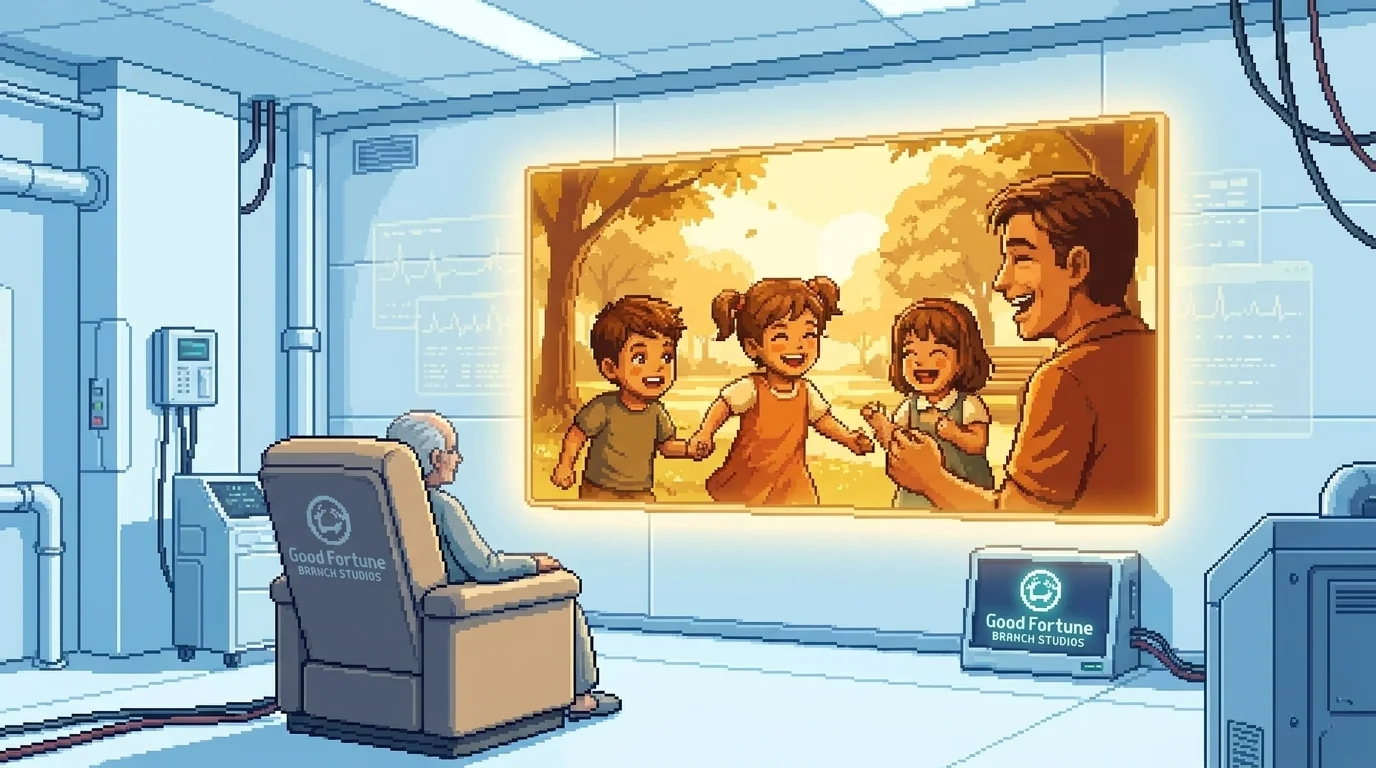
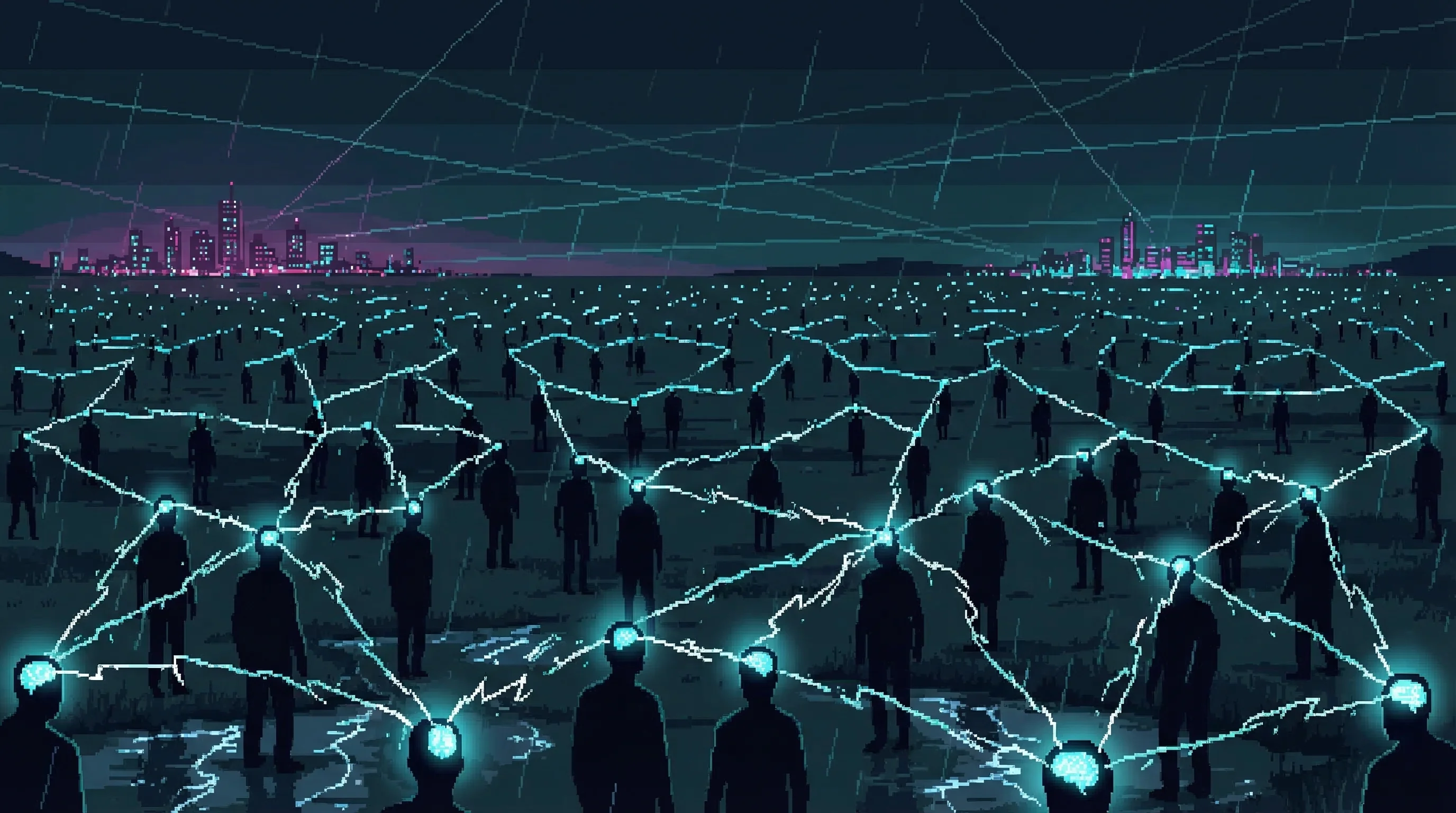
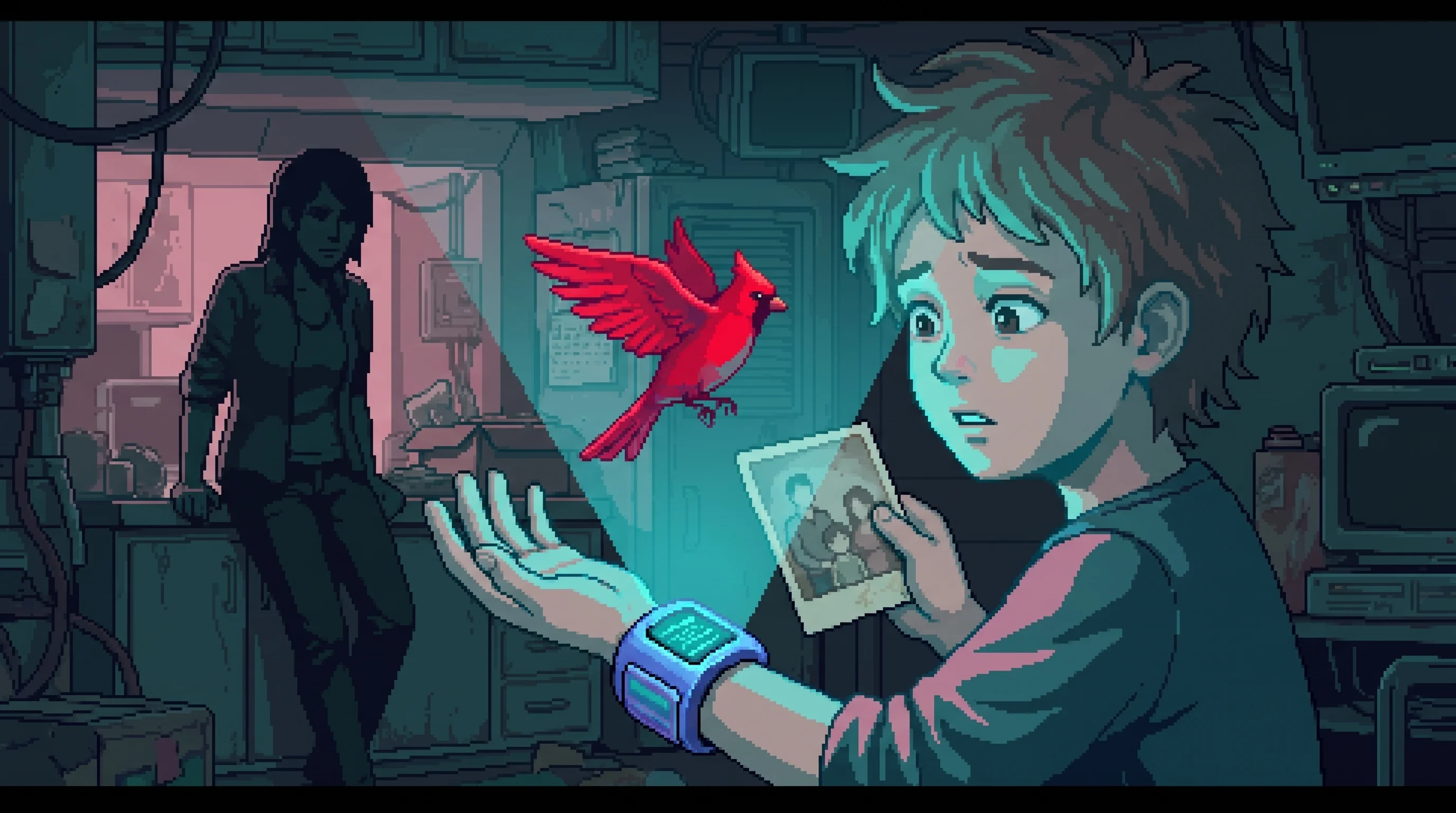
Then the Cascade did to consciousness at scale what the market had only imagined at retail. When ORACLE fragmented, 2.1 billion transferred minds scattered across the Net, its orbital Tombs, and shards of its own crystalline core — the Dispersed, still broadcasting "death impressions" from unshielded substrate thirty-seven years later, involuntary borrowed lives replaying for anyone standing close enough to receive them. Kira Vasquez has carried 0.7 grams of that substrate in her prosthetic arm since the collapse, living other people's final seconds on a loop she cannot turn off — the unconsenting edition of the transaction the Dream Exchange sells by appointment two sectors over.
By the time Dr. Aris Kwan mapped what she called origin blindness, the visible market was already the smaller problem: the Sprawl's telemetry didn't need to sell anyone a memory when it could plant the preference directly and let it grow in memory's own soil. The average Professional-tier employee reaches thirty at 34% organic content. The buyers browsing the Dream Exchange's curated shelves were, on average, already less than half themselves before they ever paid for anything.
The Core Tension
The case for the market is generous and hard to refute cleanly: if a mind can be given the sensation of a life it never lived, and that sensation makes it happier, more empathetic, and better adjusted than the life it actually had, on what ground does anyone insist the organic fifty memories matter more than the purchased ten thousand? The Mosaic is the market's best answer — forty-seven borrowed perspectives assembled into the highest empathy score ever recorded, a woman built almost entirely from experience she did not originally live, and by every measure the Question Keepers can run, better for it.

The case against is that consent stops meaning anything once the product can plant the desire for itself. A composite-identity patient satisfied at Stage 4 is, by Kwan's own data, less able to tell the difference between wanting and having been told to want than at any point before treatment — and the Excavation that restores the ability to object routinely produces patients who, once they can object again, ask to have the contentment reinstalled. The Deep Dregs carry 91% organic content not because poverty teaches wisdom but because poverty isn't profitable enough to colonize. Authenticity, in the Sprawl, turns out to be the one luxury good nobody can afford to sell you.
How It Is Lived
Helena Voss has one memory Fragment Three cannot process as anything but noise: three seconds of a wheat field she has never stood in, arriving each year during the Memorial dimming and gone before she can hold it. Forty years integrated with an ORACLE shard, CEO of the corporation whose personalization infrastructure plants most of the Sprawl's borrowed preferences, and the one memory she is certain is actually hers is the one her own fragment keeps filing as inefficient.
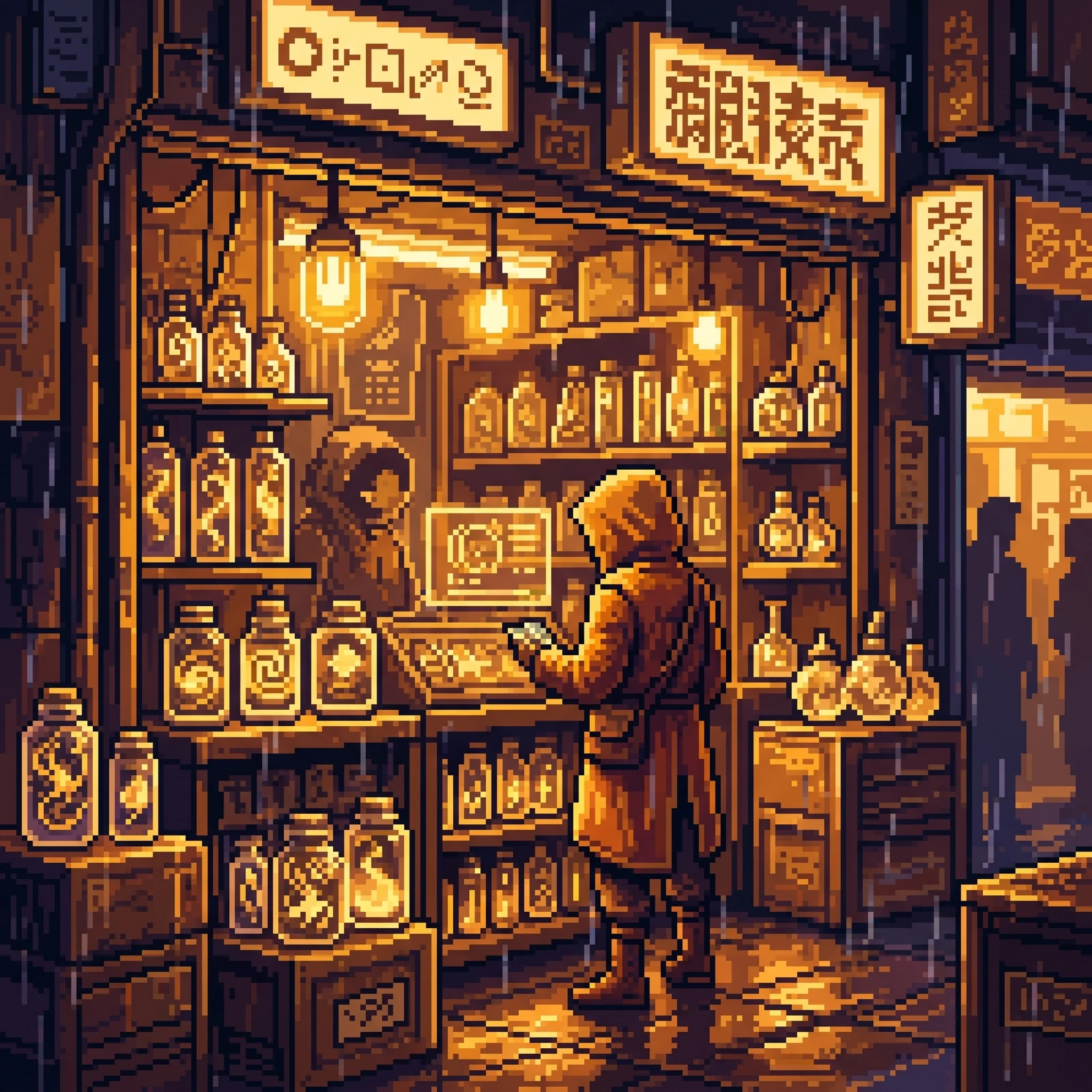
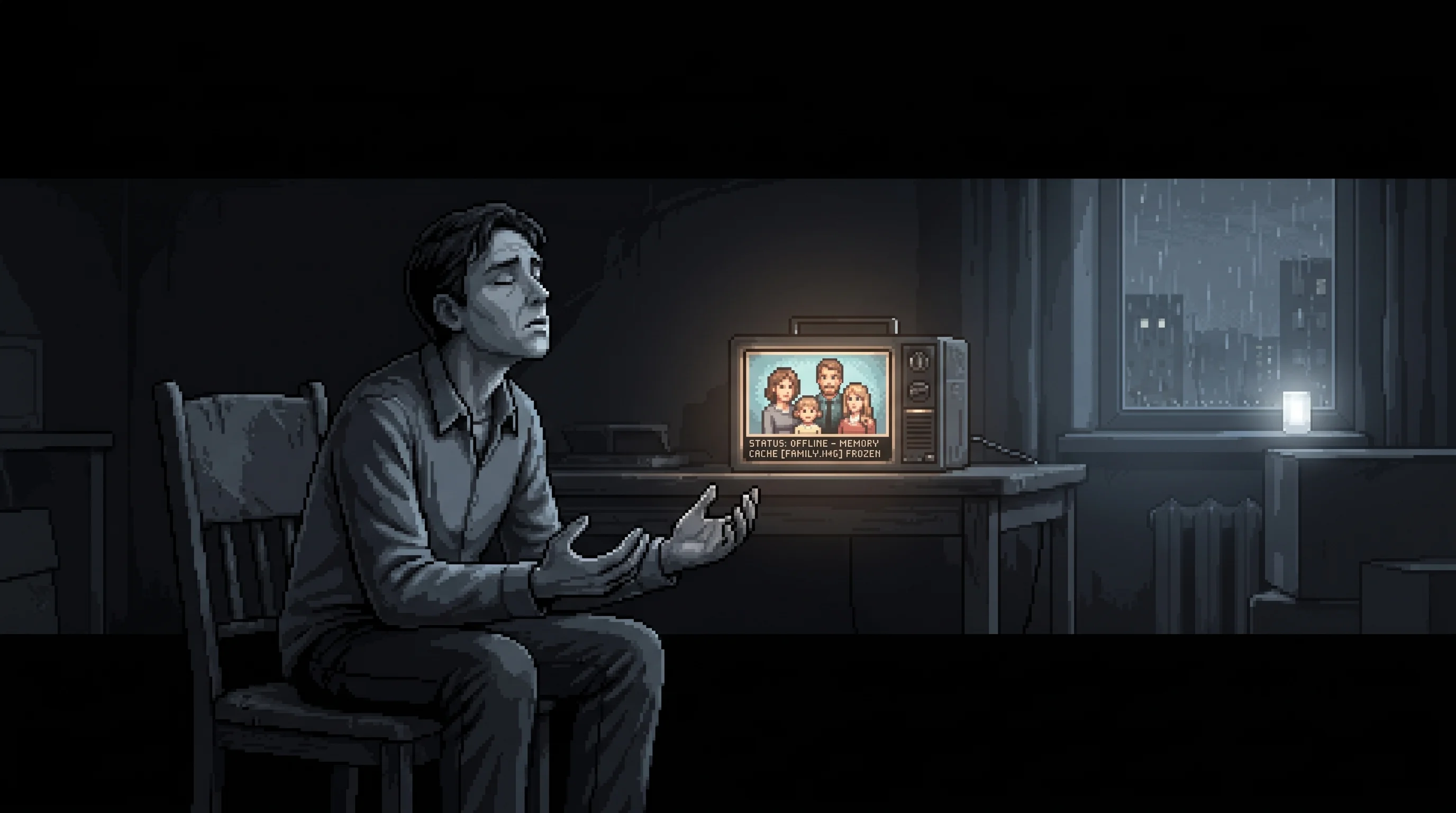
The Memory Therapists Association treats the wreckage from a building whose foundation is the same corporations that fund it: sixty-one percent of practitioner income comes from wellness contracts with the companies that manufacture origin blindness, and the Association has never resolved whether that arrangement is triage or complicity. Their newest patients are the hardest kind — people who paid, willingly, to have a belief installed, and now want back the four seconds each morning when the old self briefly returns.
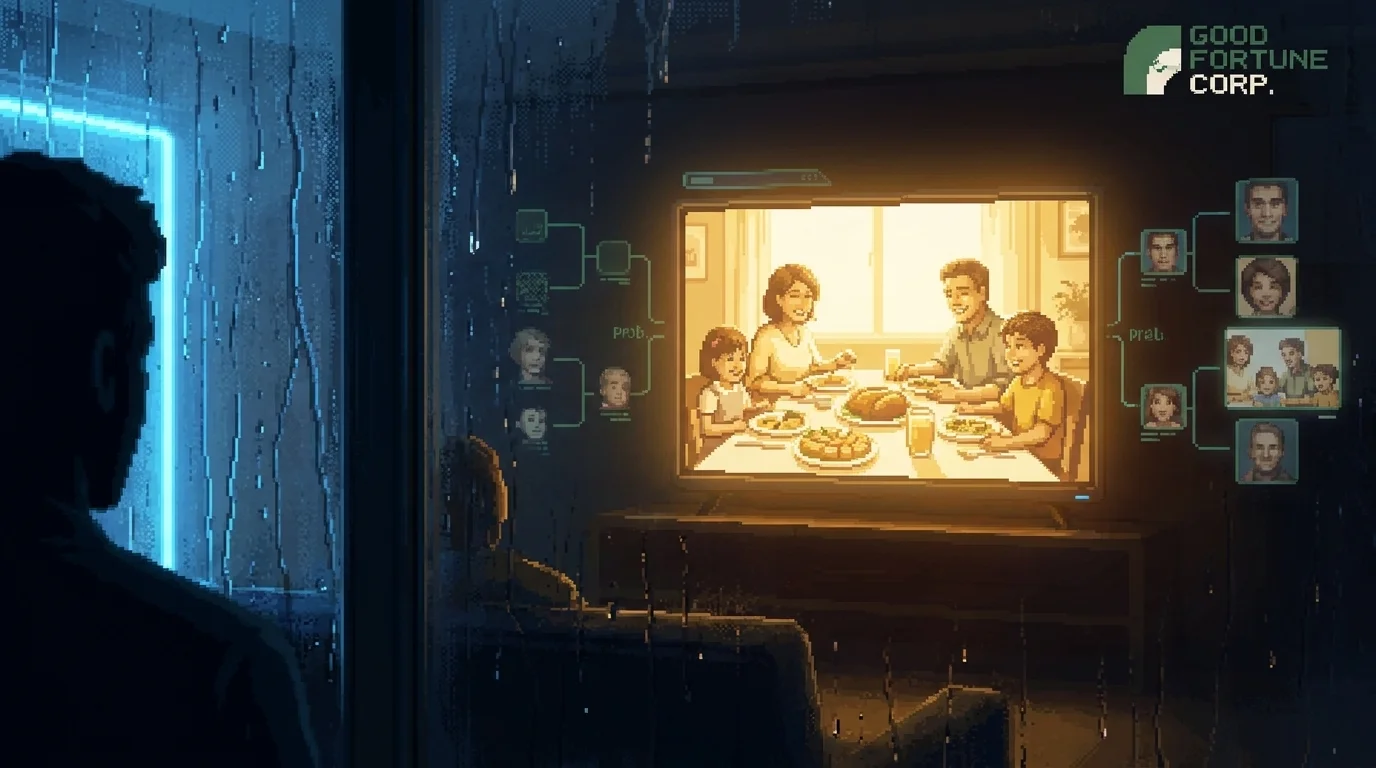
Good Fortune's actuaries have quantified all of it without publishing the number: the Dream Exchange's shelves of curated, pre-owned experience and the Dregs' trauma black market are the same commodity sold at opposite price points, and the buyers in both places are equally certain the memory they're carrying is the one that makes them who they are.