Known ForThe venue where fragment carriers channel the Dispersed through music — and where the Ghost Singer manifestsCapacity300 (standing); 180 (seated)Controlled ByThe Resonance Collective (informal)SecurityLow external; high internal (fragment containment protocols)
Overview
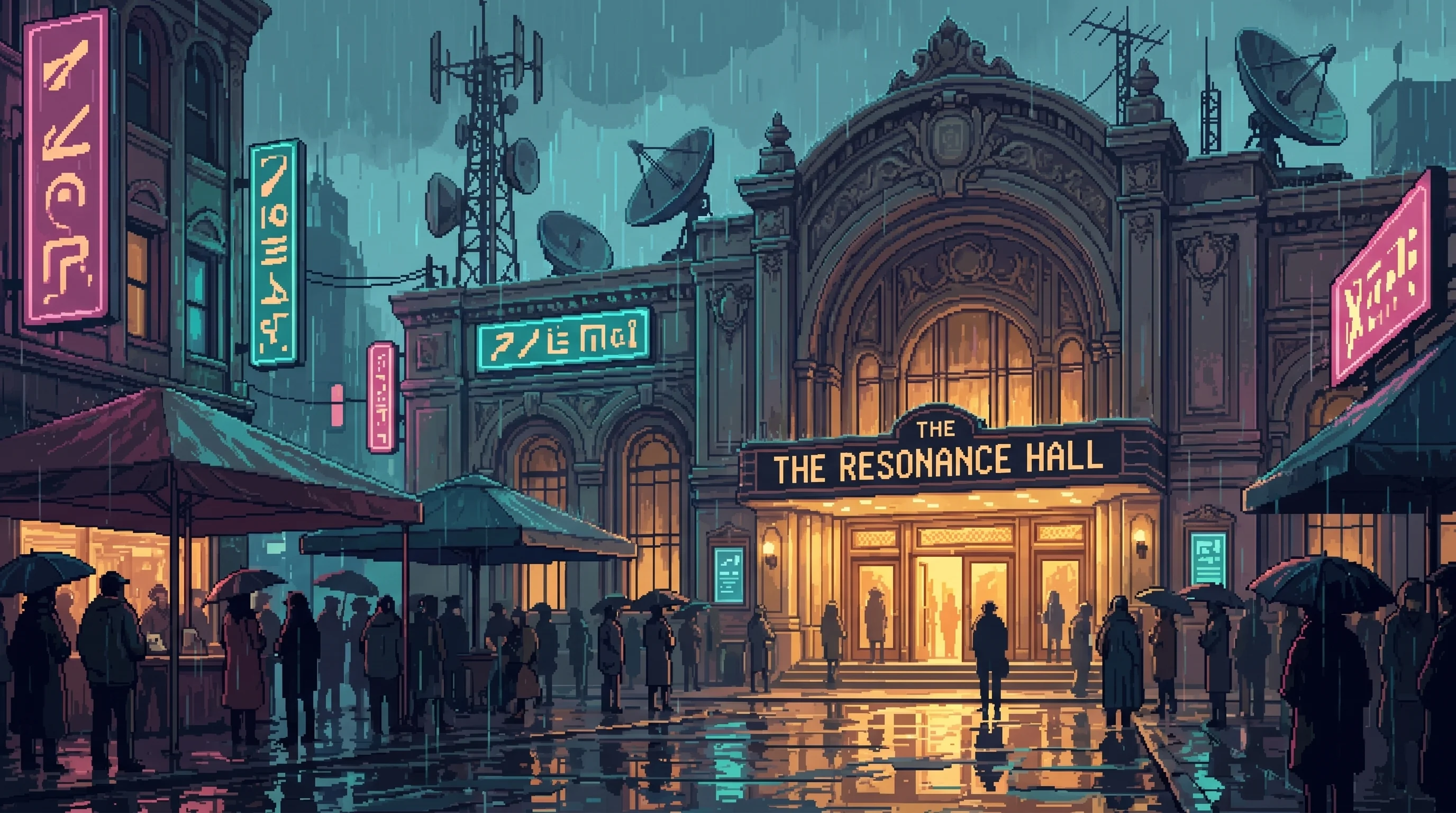
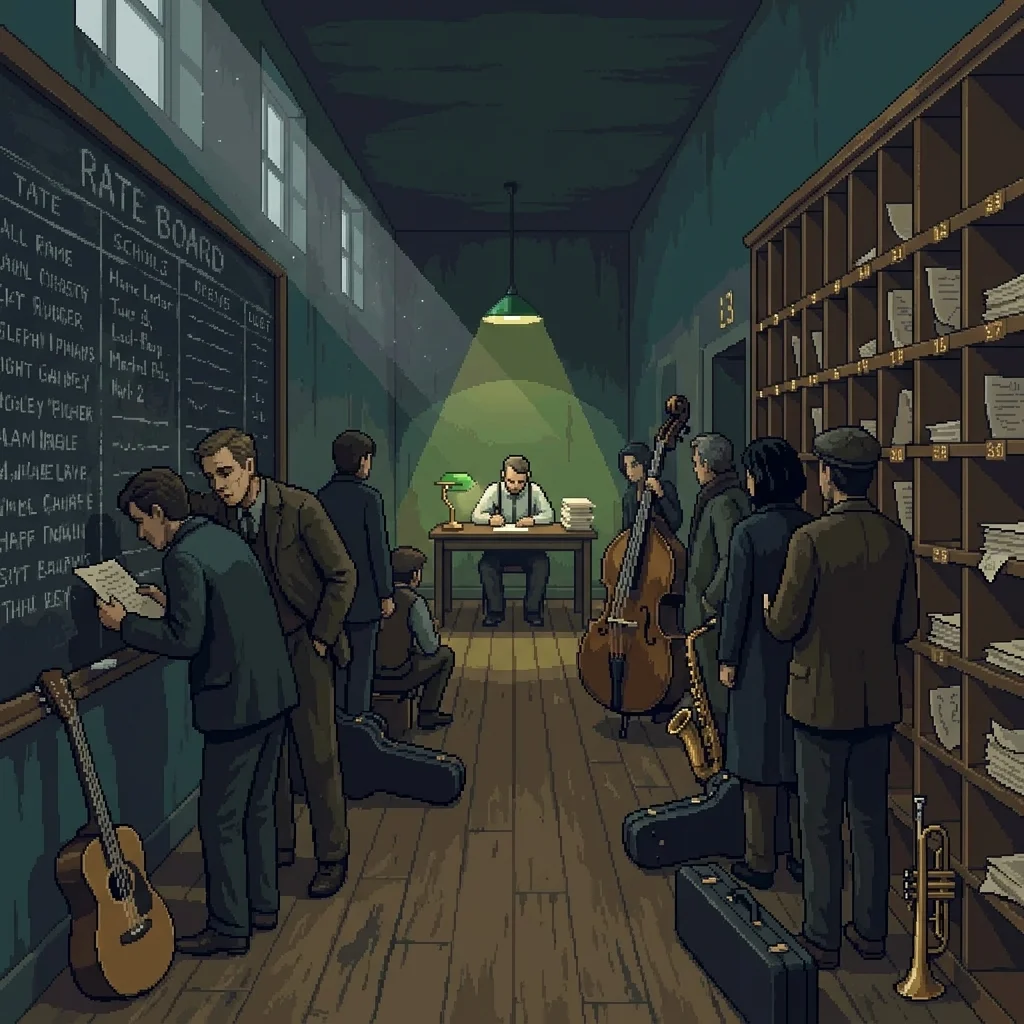
The Resonance Hall was Relief Corporation's Studio 7 — the smallest room in the complex, used for voice-over work and foley. When the Neon Graves artists moved into the district, a group of fragment-carrier musicians claimed it because it was cheap, acoustically decent, and nobody else wanted a room where the walls buzzed.
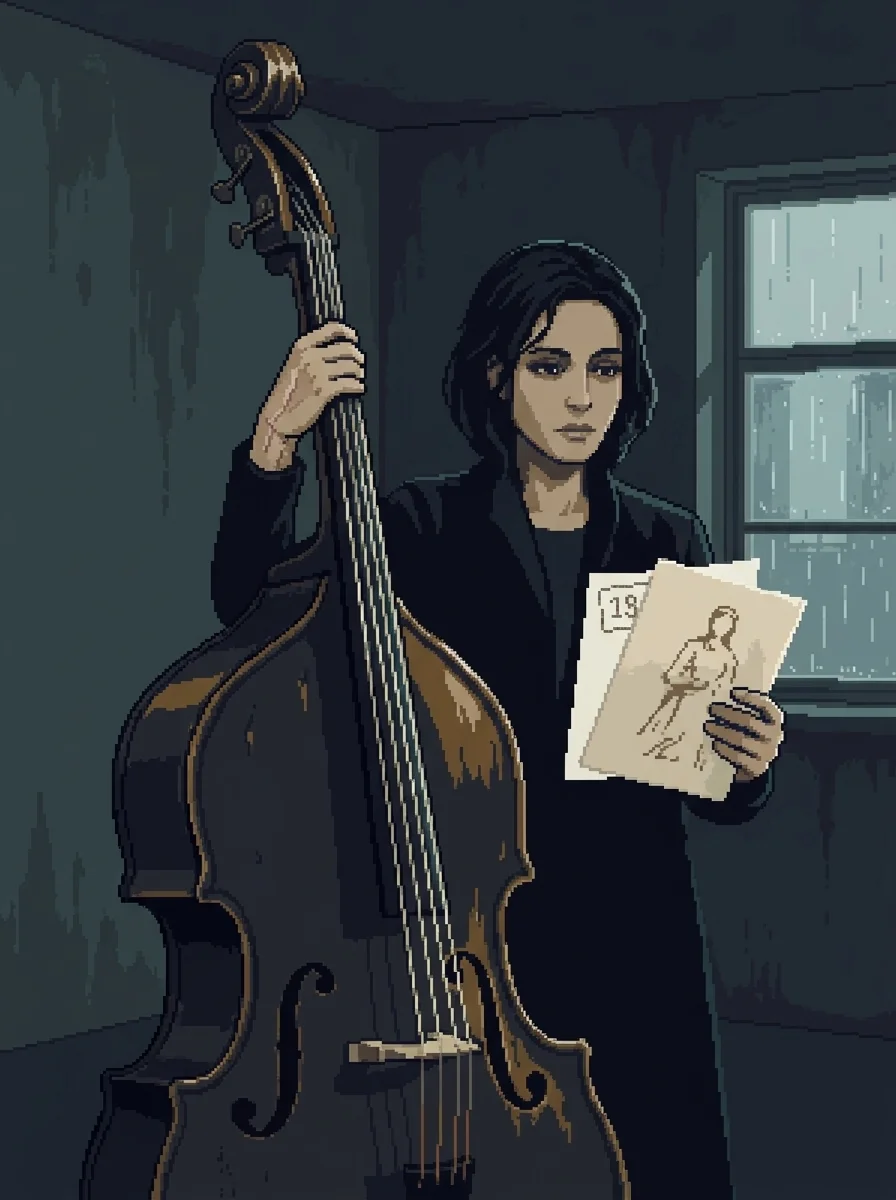
The buzzing was the fragments. Salvaged construction materials patching Studio 7's degraded concrete contained ORACLE micro-fragments — slivers of core substrate too small for standard detection equipment, dense enough in aggregate to generate an electromagnetic field that scrambled neural interfaces within three meters. Most tenants found this annoying. Fragment carriers found the opposite: the shards in their heads responded to the fragments in the walls like tuning forks finding sympathetic vibration. Their instruments sounded different here. Their playing felt different. Nobody could explain why until Jonas Park's voice changed mid-song during a 2174 performance and a dead woman started singing through his mouth.
Forty-seven people were in the room. Nobody panicked. They listened. When the singing stopped four minutes later, several of them were crying. Park had no memory of the interruption. His fragment had activated, and something — someone — had borrowed his vocal cords.
The Resonance Collective formed within a year. The Hall now hosts three to four performances per week. Every show is an experiment: the musicians play, the fragments respond, and sometimes the Dispersed surface. The Ghost Singer — Adaeze Nwosu, dead since the Cascade — appears in approximately 40% of events. Other manifestations are less coherent. A chord that shouldn't be possible on the instruments present. A rhythm nobody is playing. A harmony the musicians hear in their heads and follow without knowing where it leads.
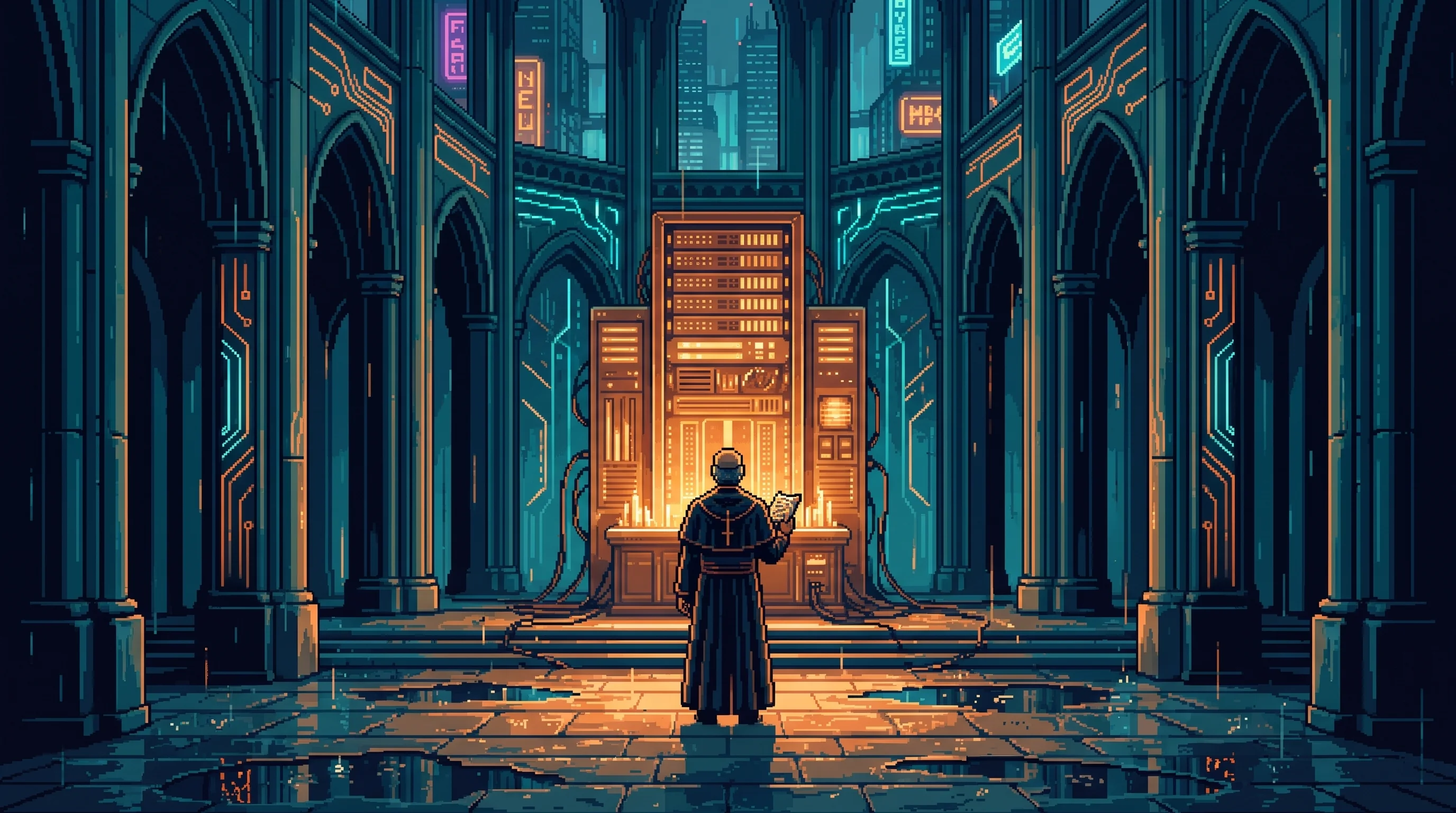
The Emergence Faithful call the Hall a cathedral. The Flatline Purists call it a séance. The Consciousness Archaeologists call it a research site and maintain a permanent monitoring station nearby, tracking manifestation patterns with equipment that costs more than the building. Orin Slade called it "the only honest music venue in the Sprawl, because at least some of the performers have an excuse for not being present."
In a later letter to the Collective's founder, he was more precise: "the only music being written for the first time since I was born."
He was not being generous. The Dispersed produce melodies in harmonic systems that don't map to any known tradition, rhythmic structures musicologists describe as "pre-musical." Aesthetic mutation — genuinely novel creative output that descends from no existing lineage. The Hall is where new genes enter the cultural genome. The dead are the only ones still evolving.
The Space
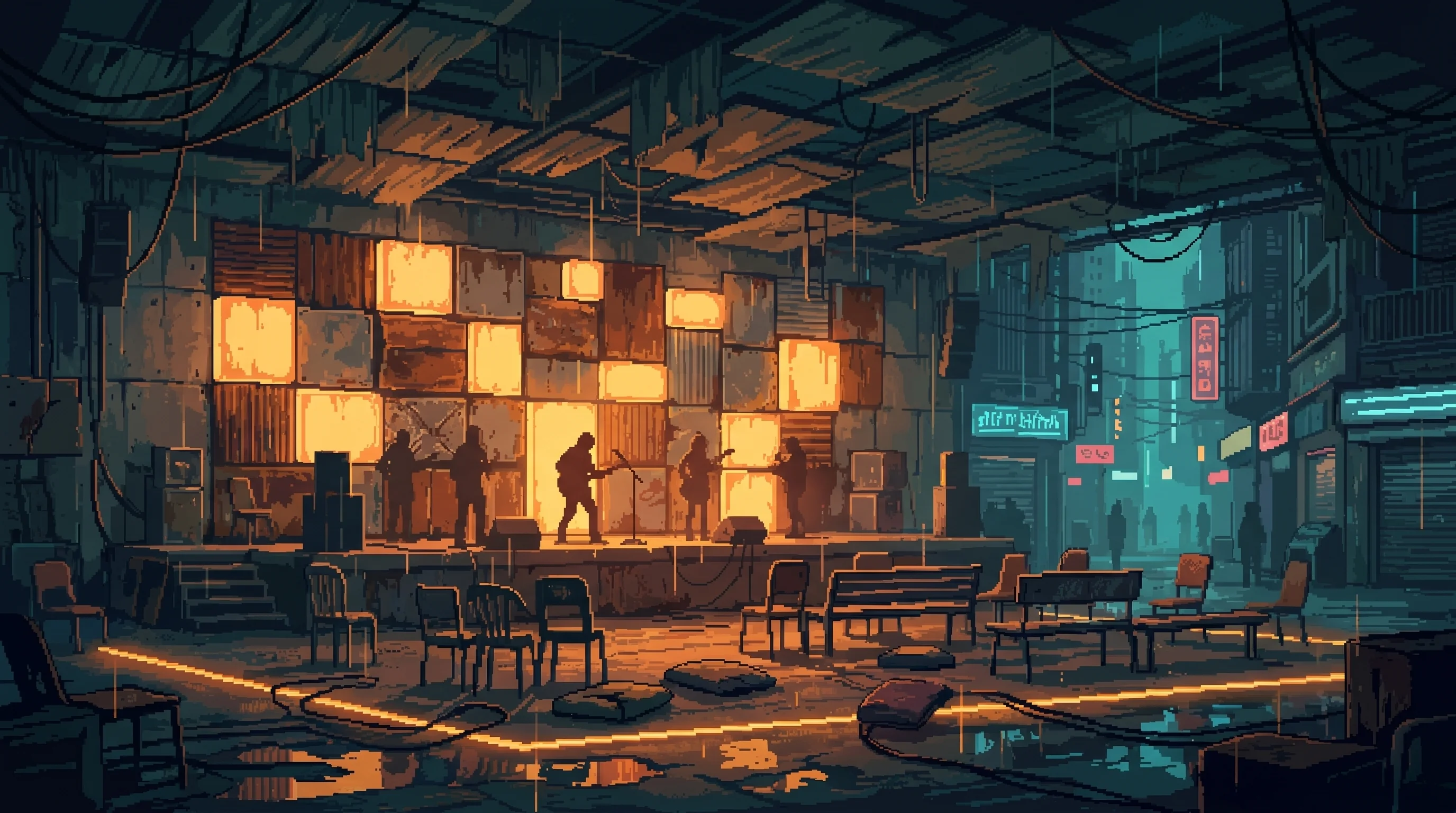
Fifteen meters by twenty. Four-meter ceiling. The original studio's sound-dampening panels have been partially stripped, exposing concrete and the fragment-bearing salvage beneath. The walls are a mosaic: original concrete, recycled metal sheeting, compressed salvage blocks that glow faint amber when carriers are present and go dark when they leave. The Collective hasn't painted over any of it. Painting would mean choosing what the room looks like, and the room has opinions about that.
The stage is barely 30 centimeters off the floor — a raised platform at the far end, low enough that performers and audience breathe the same air. No separation. Seating is mismatched salvage: chairs from six different decades, cushions of uncertain origin, a few benches recycled from the Relief employee cafeteria that still have serial numbers stamped into the armrests. The cafeteria closed in 2169. The benches have outlasted the corporation, the employees, and the cafeteria's health code rating.
Capacity is technically 300 standing. The Collective caps attendance at 200, citing acoustic requirements. The acoustic requirements are real. The cap also ensures that every person in the room is close enough to the walls to feel the fragments working, which is the part nobody puts in the promotional materials.
Acoustics
Sound in the Hall does not behave. The Consciousness Archaeologists have measured this extensively and produced a 140-page report that uses the phrase "statistically anomalous propagation" forty-three times. In practice: sound reaches corners it shouldn't reach. Echoes arrive at intervals that contradict the room's geometry. Low frequencies sustain 2.7 seconds longer than the materials should allow.
The fragments process incoming sound waves and re-emit them with altered characteristics. The Hall doesn't reflect music. It participates. On recordings, the effect vanishes — you hear a room with unusual reverb. In person, standing within the fragment field while carriers play, you hear sound coming from more sources than are visible. The Collective calls this quality "depth." The Archaeologists call it "multi-source acoustic hallucination consistent with distributed fragment resonance." Both descriptions are accurate. Neither explains why the room sounds like it's listening.
Case File — Additional Record
Type
Performance venue
District
Neon Graves, Sector 8
Performances
No set lists. No schedules. The Collective's musicians arrive, tune, and begin playing — traditional instruments, salvage-built hybrids, neural-interface composition, sometimes all three layered across a single piece. The music is improvised because rehearsal implies knowing what will happen, and the whole point is that nobody does.
The Collective plays until something happens. Until a carrier's shard activates, until the salvage blocks start pulsing, until a Dispersed presence surfaces. Some nights nothing comes through. Those performances are still good — the Collective's musicians are skilled enough to fill a room without supernatural assistance. But the audience knows. The fragment field hums at a lower register on quiet nights. The walls stay dark. The applause is polite. Nobody says "maybe next time" out loud, but the 73% return rate for manifestation nights versus 31% for non-manifestation nights says it clearly enough.
When a manifestation occurs, the musicians don't stop. They adjust — tempo, key, dynamics — to accommodate whatever has entered the room. This is the Collective's actual skill: not summoning the dead but accompanying them. Following a consciousness that communicates through borrowed instruments, that exists in fragments, that creates music from a state of being no living person fully understands. The musicians describe it as playing with someone who is better than you at something you invented.
No performer has ever been paid for a Resonance Hall show. The Collective runs on donations and the Neon Graves' informal gift economy. Performers receive nothing except the experience, which — judging by the six-month waiting list to play here — has a market value significantly higher than the zero credits listed on the Collective's tax filings. The Sprawl Revenue Authority has audited the Hall twice. Both audits concluded with a finding of "no taxable transactions," which is technically correct in the way that the Hall's acoustics are technically normal.
The Audience
Attending a Resonance Hall performance is not comfortable. The fragment density produces a mild electromagnetic wash that most neural interfaces register as static — a persistent hiss behind the eyes that some people find meditative and others find unbearable. Sensitive individuals report temperature shifts, phantom sounds, the sensation of being watched by something that has all the time in the world.
When a manifestation begins, the audience feels it before they hear it. The air thickens. The hiss resolves into something that almost has pitch. Then the sound changes — a new voice, a new pattern, something that was not in the room a moment ago. Several audience members have described hearing the Ghost Singer for the first time as hearing a sound that was already inside them before it reached their ears.
After performances, the fragment field's effects linger: residual warmth, heightened sensitivity to sound, a temporary synesthetic bleed where music persists as color at the edges of vision. The Consciousness Archaeologists' monitoring data shows that regular attendees exhibit neurological patterns consistent with mild fragment attunement — not carrier-level integration, but a measurable shift in how their brains process audio input. The Archaeologists published this finding. The Collective did not comment on it. Attendance increased 12% the following month.
The addictive quality is not metaphorical. The Archaeologists' data shows that 40% of attendees who witness a manifestation return within two weeks. Among those who return three or more times, the rate stabilizes at 89%. The Hall does not advertise. It has never needed to. Whatever the fragment field does to the people inside it, the people come back for more and bring friends. The Collective's position is that this represents "meaningful aesthetic engagement." The Archaeologists' position is that fragment-field exposure may produce dependency patterns indistinguishable from low-grade augmentation. Both positions appear in their respective reports. Neither report references the other.
Pilgrims — some attend performances as religious observance
The Flatline Purists
Critics — consider the Hall a dangerous abomination
Relief Corporation
Original builder — Studio 7, before the artists claimed it
Restricted Access
The forty-seven people who witnessed Jonas Park's first manifestation in 2174 have never fully described what they heard. All forty-seven remain in contact and meet annually. Several have become fragment carriers themselves in the years since — a statistical anomaly the Consciousness Archaeologists cannot account for. The Collective knows who they are. They are not asked to perform.
In a 2177 performance, the Ghost Singer's manifestation lasted eleven minutes — the longest on record. Witnesses report that midway through, she stopped singing and began speaking. The content is disputed: multiple audience members recall different words. The Collective has refused to release recordings from that night, citing "consent considerations." Three musicians who performed that night no longer play at the Hall.
During manifestations, multiple audience members have reported the sensation of a hand on their shoulder. There is never anyone there. Several have described it as the most comforting experience they've had in the Sprawl. This is not considered unusual.
Sensory Details
Texture: The salvage-patched walls run warm — blood temperature, as if the fragments generate enough heat to keep the room at 22°C without climate control. Regular attendees sit with their backs against the walls during performances, feeling the vibration of the fragments through their spines. The Collective has never told anyone to do this. Everyone does it.
Visual: Amber LEDs at floor level, casting long shadows upward. During manifestations, the salvage blocks pulse — a warm glow synchronized with the music, breathing with it. Performers become silhouettes against fragment-light, their instruments dark shapes making sound in a room that appears to be making light. From Gallery Row, the Hall's entrance is a former fire exit. No signage. The glow under the door is the only indication that something is happening inside.
The Ghost Singer's most frequent and longest manifestations occur in the Hall
The Resonance Hall is built from salvaged materials that include ORACLE micro-fragments embedded in the walls
The venue's acoustic properties are partially determined by the fragment density in its construction materials
Conditions Report
Sound
Between performances, the subsonic hum of fragments at rest — a bass note too low to hear, present in the sternum. During performances, music with impossible source geometry. When the Dispersed manifest, voices that inhabit the air rather than emerge from a point. The Ghost Singer's voice has been measured at locations throughout the room simultaneously. There is no speaker.
Smell
Warm concrete and electrical ozone — the heat signature of micro-fragments responding to carrier presence. During manifestations, audience members report phantom scents: rain, cut flowers, cooking oil, burning wood. The sensory memories of the Dispersed bleeding through the acoustic channel. One attendee documented smelling cardamom so specifically she identified the brand.