The Second Person
Dregs Grievance-Sharing Practice
The Two-Word Crime
The Second Person is the Dregs practice of restoring the solidarity Concord prevents: placing a private grievance before one other human in a Concord-blind space and waiting for 'me too'
Overview
Concord prevents the second person. The Second Person is the name the Dregs gave to its absence — and to the act of restoring it.
It is a practice, a greeting, and a quiet crime. To "find your second person" is to take a grievance you have been told — by the smoothness of your own good week — is private, and place it in front of one other human in a space Concord cannot reach, and watch their face do the thing faces do when a private ache becomes a shared fact. The whole of it is two words. Me too. Everything political that has not happened in eighty years is downstream of those two words not being said.
The Inversion of the Smooth Check
The practice grew directly out of authenticity culture's smooth check, and it inverts the diagnostic. The smooth check asks is this person real? — and it is a wall, designed to keep the menu-people out, false positives accepted as the cost of safety. The Second Person asks is this feeling shared? — and it is a door, designed to let exactly one other person in.
The mechanics rhyme. Both happen fast; both bypass the part of the brain that knows how to perform. But where the smooth check evaluates which words you reach for first to decide whether to close the space around you, the Second Person offers a grievance precisely to test whether the space opens. A 91 Club regular runs the smooth check to protect the room. The same regular runs the Second Person to expand it — and the two skills, taught by the same culture, are increasingly held by the same people, who have learned that defending authenticity and manufacturing solidarity are the same labor seen from two sides.

The Greeting
The form is a flat declarative complaint offered to a stranger. The water pricing is rigged. They moved the queue again. My debt got forgiven this week and I don't trust it. The grammar matters: it is structural, not environmental — rigged, not challenging; whose idea was this, not the situation is evolving. It is the structural register authenticity culture preserves, deployed not as a credential but as bait.
The incorrect responses are the ones Concord would prefer. Sympathy ("that's awful, I'm sorry") routes the grievance into a one-way comfort and ends it. Advice ("you should file a complaint") reroutes it into the apparatus that will soothe it. Both leave the first person alone with a feeling that has been acknowledged but not shared. The correct response — the dangerous one, the illegal-in-spirit one — is two words that claim the grievance as the responder's own. Me too. The grievance is no longer one person's weather. It is a fact about the world, held now by two, which is the smallest number that has ever frightened power.
Why It Is Forbidden
Nothing in the Sprawl's law names the Second Person. It does not have to. Concord's entire architecture exists to prevent exactly the moment the practice produces. The reliefs land at week-minus-three precisely to ensure that by the time you might say the water pricing is rigged to a stranger, your own particular sting has already been soothed — your debt forgiven, your queue skipped — and you no longer reach for the complaint, because for you, this week, it isn't true.
So the practice is a kind of timing war. It requires finding the grievance before the relief lands, or finding the one person whose relief has not yet landed either, and getting the two words said in the narrow window when both of you are still, briefly, the first person. This is why it survives only in the blind spots — the Dead Spot, the Quiet Room, the Noise Floor, the Opacity Movement's dark rooms — the few places where Concord cannot compute a Convergence Horizon and therefore cannot schedule the mercy that would dissolve the conversation before it starts.
The Clock-Runners
The managed sectors produce a variant of the practice that most Dregs practitioners would not recognize as the same thing. In the Dregs, the timing war is asymmetric: the telemetry is thin below Level -3, and the micro-reliefs are sparse enough that two people can often find each other still carrying the same grievance. In the managed sectors, the timing war is nearly perfect. Concord has been running for eighty years. The forecasts are precise. The reliefs land at week-minus-three without fail. By the time you might say the water pricing is rigged to a stranger on a managed-sector platform, your own sting has been soothed and you no longer reach for the complaint — because for you, this week, it isn't true.
The clock-runner is the answer to this. She identifies the people whose Convergence Horizon has just passed — in the window after the mercy, when the urgency has been dulled but the structural knowledge has not fully dissolved. The practice she runs is not the practice the Dregs runs. She does not try to restore the feeling. She offers the shape of the grievance — flat, factual, entirely structural — and waits to see if the shape wants to happen at reduced amplitude, one exchange later. Me too, said quietly by someone who no longer feels the sting but still knows the word. This is the Second Person at its lowest volume. It is also the only version of the practice that requires access to the Concord forecast output — knowledge of when the Horizon was last computed, when the relief landed, how long the structural knowledge outlives the urgency.
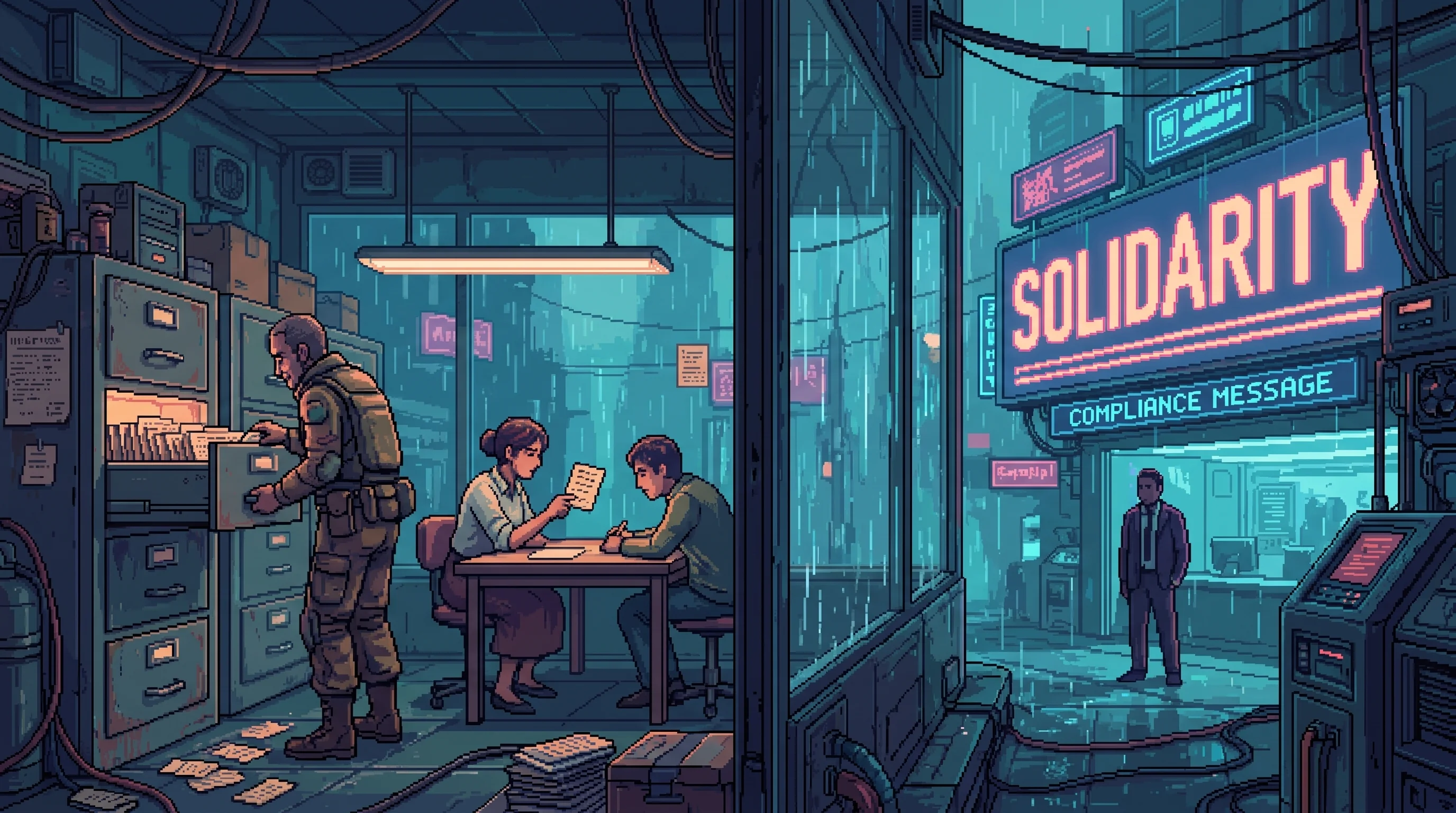
Cian Abebe runs this practice across six sectors. She spent four years as the Sector 5 Convergence Horizon analyst before she saw what the full output actually showed — not just who to soothe, but the shape of the forty thousand conversations per quarter she was computing into non-existence. The clock-runner's practice is the use she found for that knowledge.
Whisper's Distinction
Whisper is the practice's unwitting theorist, though she has never attended a gathering and would not call what she does a tradition. Her notebook's eleven-year project — building seeds that are not completions, seeds that arrive at the gap the mind was not reaching for, that produce friction rather than resonance, that leave the recipient slightly less certain than they were — is the exact difference between sympathy and me too. Sympathy resonates: it completes what the grievance was already asking for, and it ends. Me too produces friction: it tells the first person that their private weather is not private, which leaves them more certain of the grievance and less certain that they were ever alone in it. The first is a comfort. The second is the beginning of a fact. Whisper has not written the word for it. The 91 Club says it without one.
The Corridor Outside The Hearing Rooms
The Ratification Registry lists objections by case number and schedules them apart. Nineteen thousand people hold the same grievance, and no procedure puts two of them in a room. The corridor bench does, for about four minutes between hearings. Two people who have both just been told a month sit side by side. They moved my date. The clock-runners found the bench first.
The Favor-Economy Exception
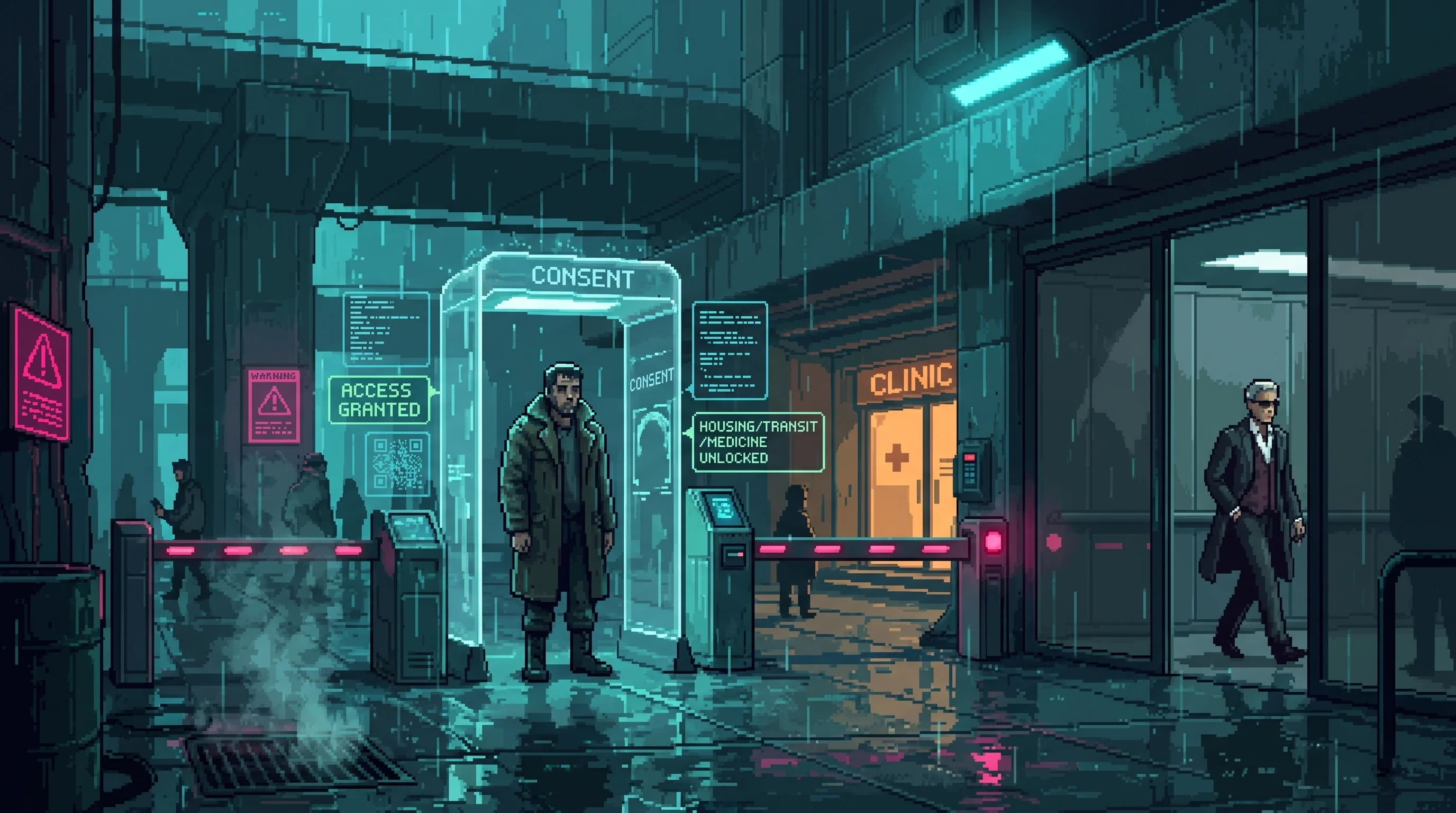
Viktor Kaine's favor economy is the only place the Second Person survives at scale, and it survives there for a reason Concord cannot easily counter: a society of unrepayable gifts is a society of pre-installed second persons. Before you have a grievance, you are already in your neighbor's debt and they in yours; you are already turned toward each other. When the grievance arrives, the second person is not a stranger you must risk two words on — it is the person who carried water through toxic corridors for three days, the person whose firmware you owe, the person already inside your obligations. The Deep Dregs does not need to find the second person. It starts with them. This is precisely the property Nexus classified Category Omega and buried, because a sector that begins with solidarity is a sector Concord cannot de-nucleate, and the audit that proved it would also prove that the managed sectors' eighty years of peace bought their quiet with something the Dregs never sold.
The Linguistic Problem
The Second Person practice has a problem the Dregs has not fully solved: it teaches the practice, but the practice requires a word the practitioners no longer have.
Solidarity is available — the word survives — but it no longer names what the practice produces. Three generations of Concord micro-reliefs have completed the semantic drift: the word now names a state, a value, a corporate community announcement. What the practice produces is a discovery — the conversion of a private ache into a shared fact, the experience that the Question Keepers' Dead Words collection filed as dead in 2160, fifteen years after the Convergence Horizon's consistent suppression erased the experience itself.
The 91 Club uses finding your second person because they need a phrase that names the discovery, not the state. But the phrase was invented precisely because the word that named the discovery was lost. March became an administered ceremony. Crowd-turn filed dead entirely. Second-person-panic — the old psychology literature's phrase for the vertigo of discovering that your private worst thing is shared — the Keepers filed it dead in 2168. What remains is the practice and a vocabulary built from scratch by people who are naming an experience the Sprawl officially teaches only through a nine-minute haptic simulation in Sector 7.
The Solidarity Rig and the 91 Club's Dregs sessions are the two surviving carriers of the same erased experience, and they have never been in the same room. The Rig teaches the feeling, in a biometric-calibrated simulation with a research ethics board review and a Nexus monitoring classification. The practice teaches the method, in surveillance blind spots where the Convergence Horizon cannot be computed. Between them they preserve, between them, one complete experience — but the gap between the feeling and the method is exactly the size of Concord, and neither side of the gap can reach the other.
Sensory Details
The sound of the practice is two voices and then a pause — the flat complaint, and then the held breath before the answer, which is the loudest silence in the Sprawl because the entire architecture of the managed sectors is built to fill it before it can be answered. When the answer comes, it is quiet: not a cheer, not a manifesto, just me too, said the way you say something true and slightly frightening. The smell is the market or the dark room — fire-barrel warmth, recycled air, the absence of the engineered scent of a Concord-soothed space. The visual is two people leaning slightly in, the posture the Harvest Table's seating algorithm spends eleven table-movements a quarter trying to prevent.
Visual Identity
- Color palette: Dregs amber (#D4A017) — two warm points close together against the cool civic blue-grey of the managed sectors beyond
- Key symbol: Two rough-edged speech bubbles overlapping — the first a complaint, the second containing only the word "too"
- Lighting: Fire-barrel and salvaged-LED warmth in a space with no engineered light — the unprompted illumination of a conversation no architect arranged
Affiliated Entities
- Concord — the system the practice exists to defeat; the Second Person manufactures the carrier Concord's reliefs exist to prevent
- Authenticity Culture — the parent practice; the Second Person inverts its smooth check from wall to door
- The Value Injection — the practice treats installed contentment as the deepest injection of all
- Whisper — the unwitting theorist; her friction-versus-resonance distinction is the difference between sympathy and "me too"
- Viktor Kaine / The Deep Dregs — the favor economy of pre-installed second persons; the Category Omega exception
- The Opacity Movement — its dark rooms are the practice's only legal venue outside the Dregs
- Cian Abebe — the clock-runner; her counter-practice is the Second Person timed to the week after the mercy, runnable only by someone who knows the shape of the Convergence Horizon forecast from the inside
Further connections
Browse all 16 connected records
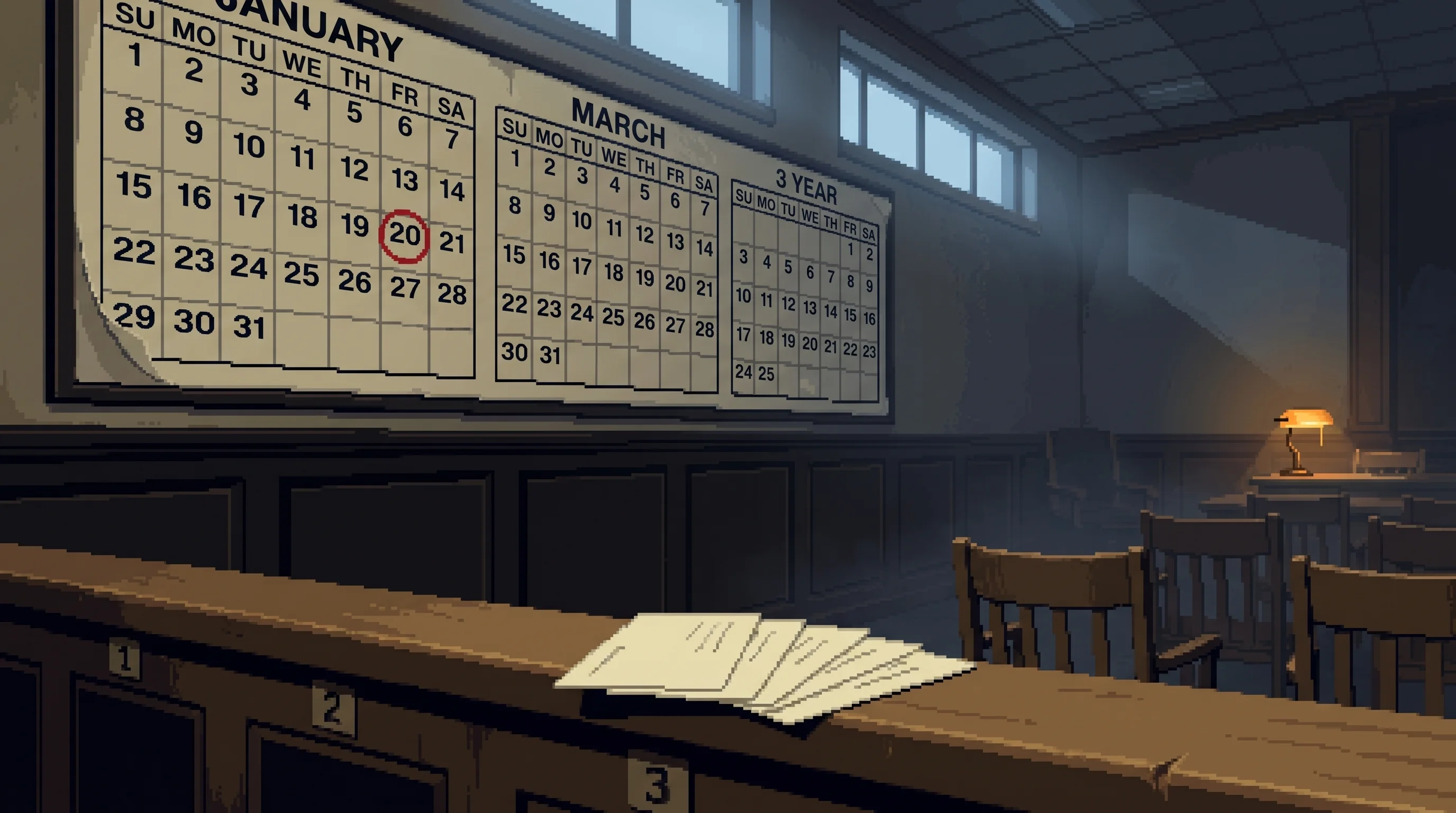
Objections heard one at a time, scheduled apart — so no procedure yields a second objector.
Your written refusal is filed with the month you are forecast to agree, and the procedure goes ahead on schedule.
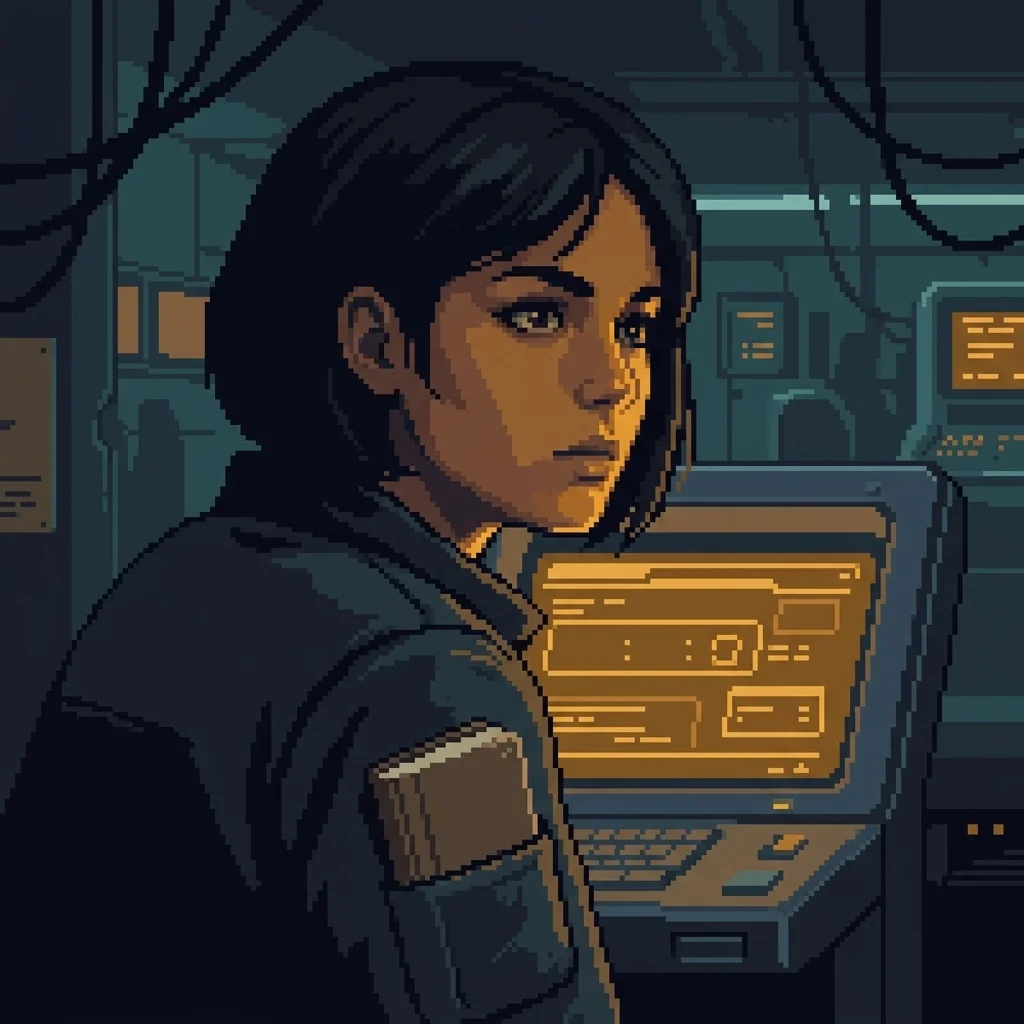
Cian runs the Second Person after Concord's mercy lands, while the grievance's structural shape still survives.
Ex-Concord analyst turned clock-runner — times the Second Person to the week after the mercy lands.
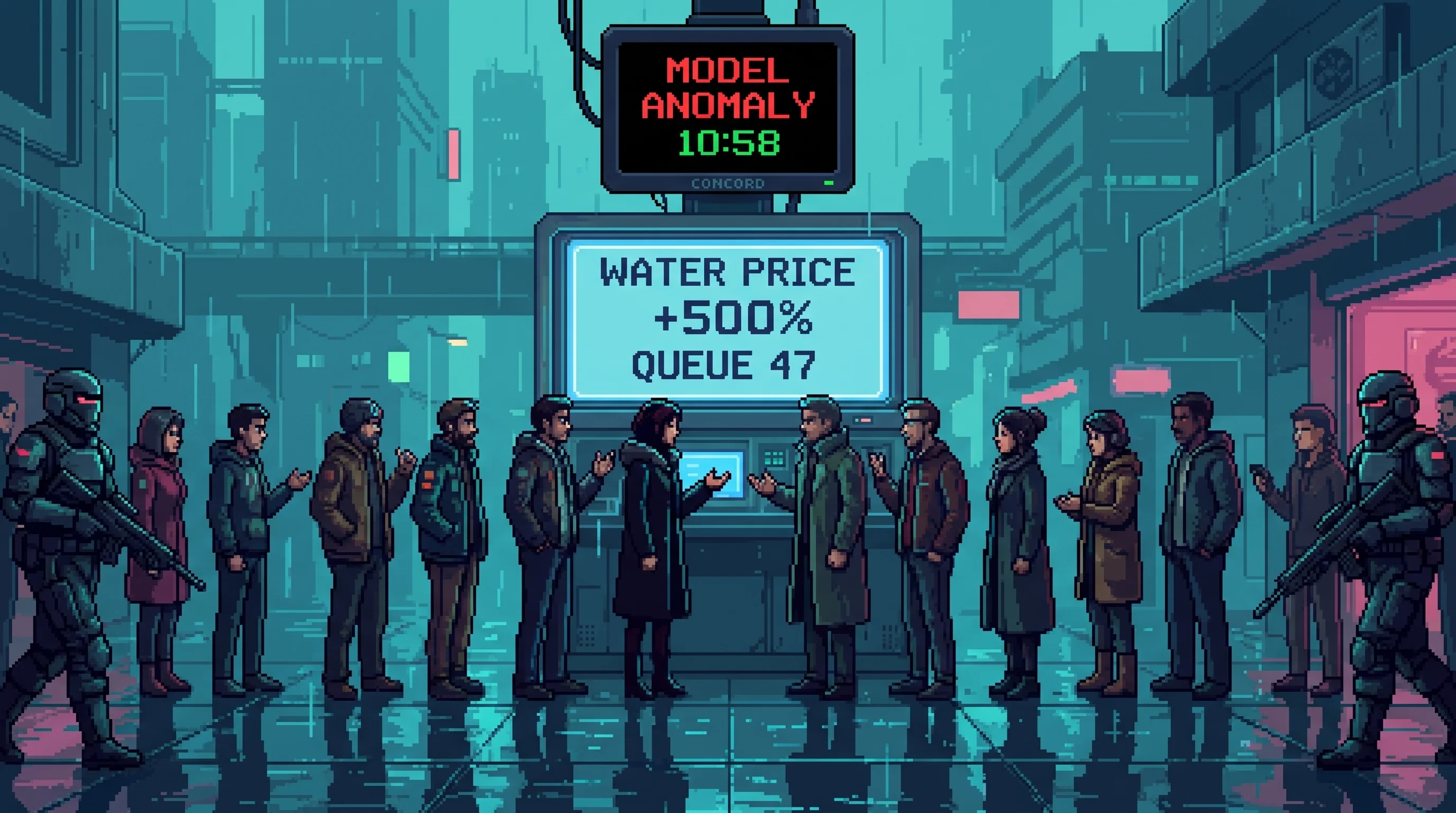
The single documented case of the Second Person at scale — fourteen speakers, eleven minutes before dispersal arrived.
The only Concord model failure on record: forty-seven in a water queue, eleven minutes, fourteen targeted responses.
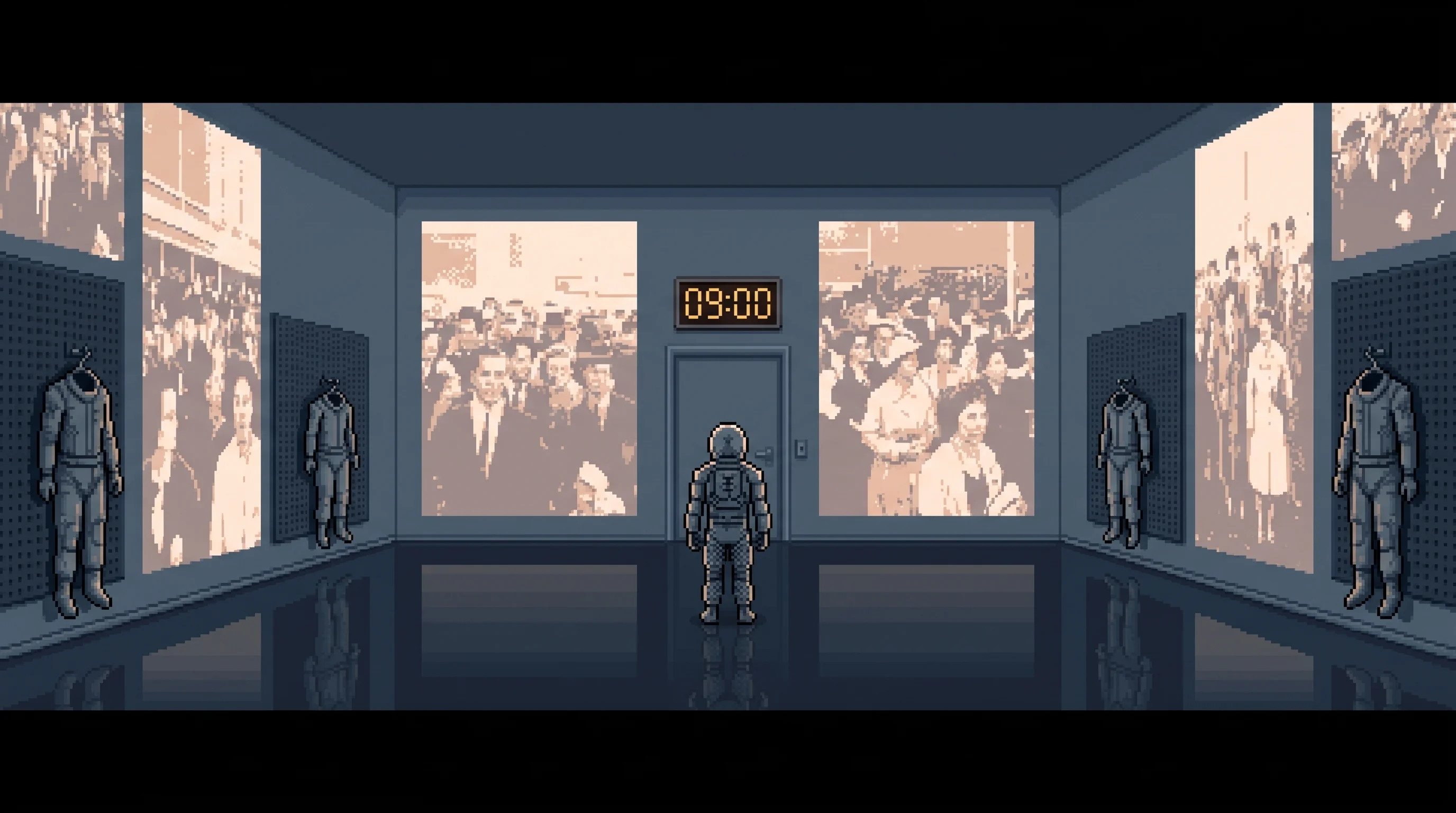
The Rig: the feeling. The practice: the method. Same room: never.
A haptic exhibit where visitors feel the sensation of discovering shared anger — the only place three generations can.

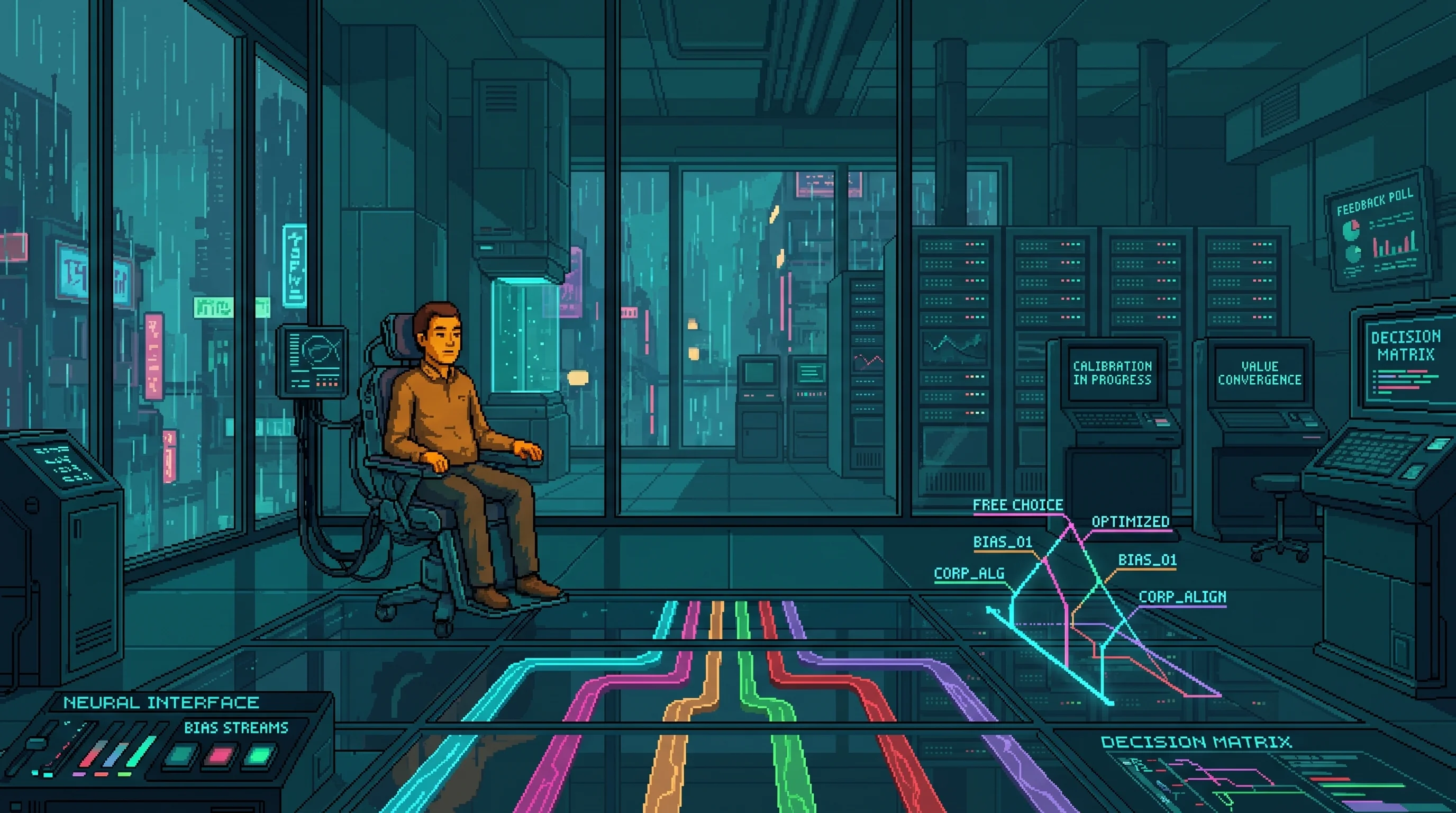
The Second Person is the deliberate, human-scale countermeasure to Concord — restoring the second carrier Concord's week-minus-three reliefs exist to prevent
The civic prediction system that dissolves collective action before it becomes visible.

Grew out of authenticity culture's smooth check but inverts it: where the smooth check is a wall (is this person real?), the Second Person is a door (is this feeling shared?)

The practice treats installed contentment as the deepest value injection — a relief that arrives before the grievance is named cannot be examined
The hidden ideological payload every AI interaction in the Sprawl has carried since before the Cascade.

Whisper is the practice's unwitting theorist; her notebook's distinction between a seed that resonates and one that produces friction is the difference between sympathy and 'me too'
A former Nexus advertising psychologist who plants unautomatable human thoughts in monitoring's blind spots.

Viktor's favor economy is the only place the practice survives at scale — a society of unrepayable gifts is a society of pre-installed second persons
The de facto governor of the Deep Dregs, who rules an ungoverned sector through unrepayable favors.

Strongest in the Deep Dregs, where the telemetry is thinnest and people are already turned toward each other
The Sprawl's lowest stratum and its quiet proof that the corporate system is optional.

The Movement's dark rooms are the practice's only legal venue outside the Dregs — a body Concord cannot read can keep a grievance alive long enough to share it
The data-sovereignty movement that named the Transparency Bargain and fights to own what your telemetry is worth.
Rebuilds vocabulary for what three generations haven't experienced.
Dead Words records language whose referents vanished or drifted and words built to remain unreadable to machines.
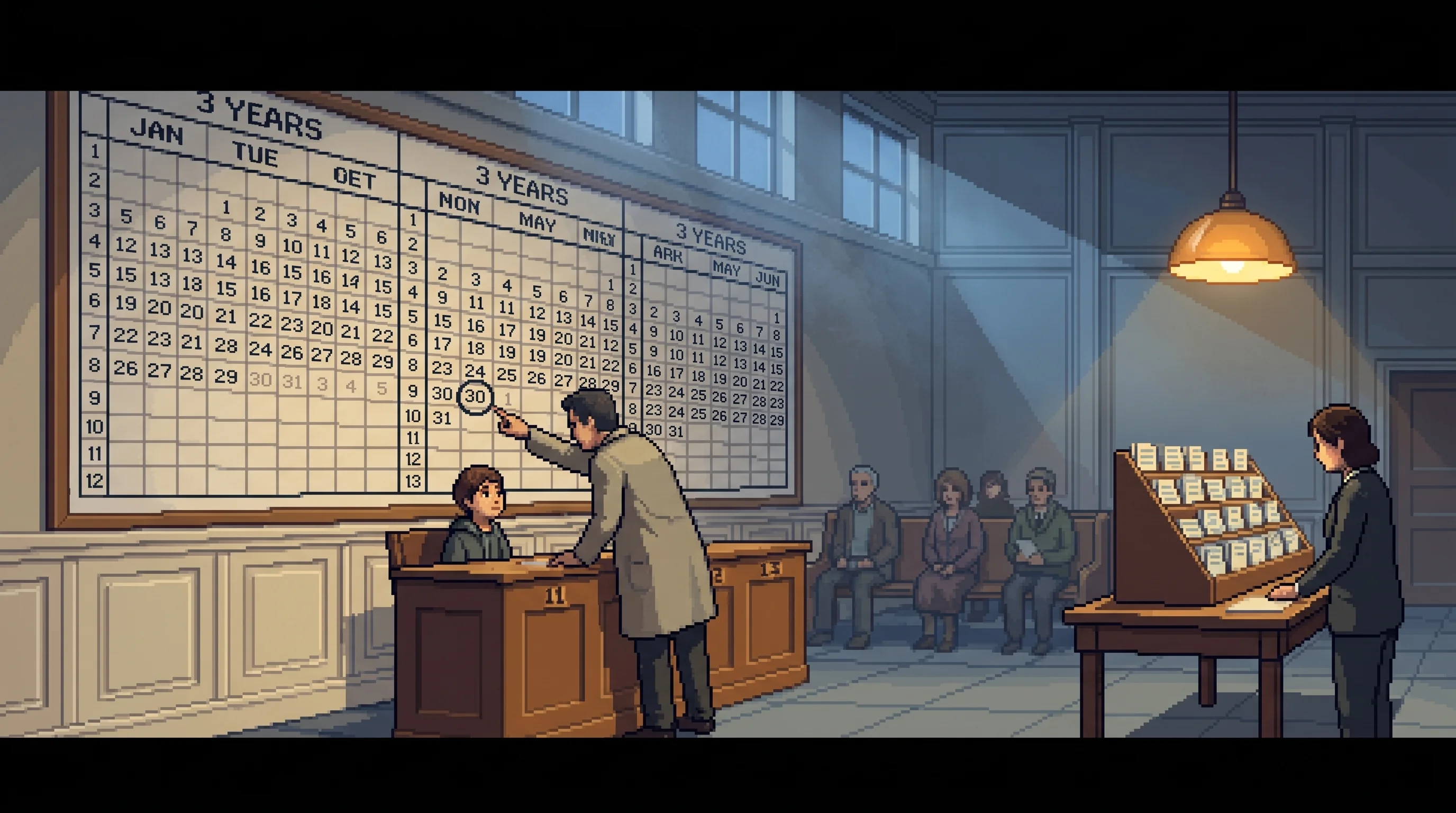
Heard singly, scheduled apart; standing up second has no procedure.
The body that hears objections it has no power to sustain, argued by advocates who dispute only the calendar.
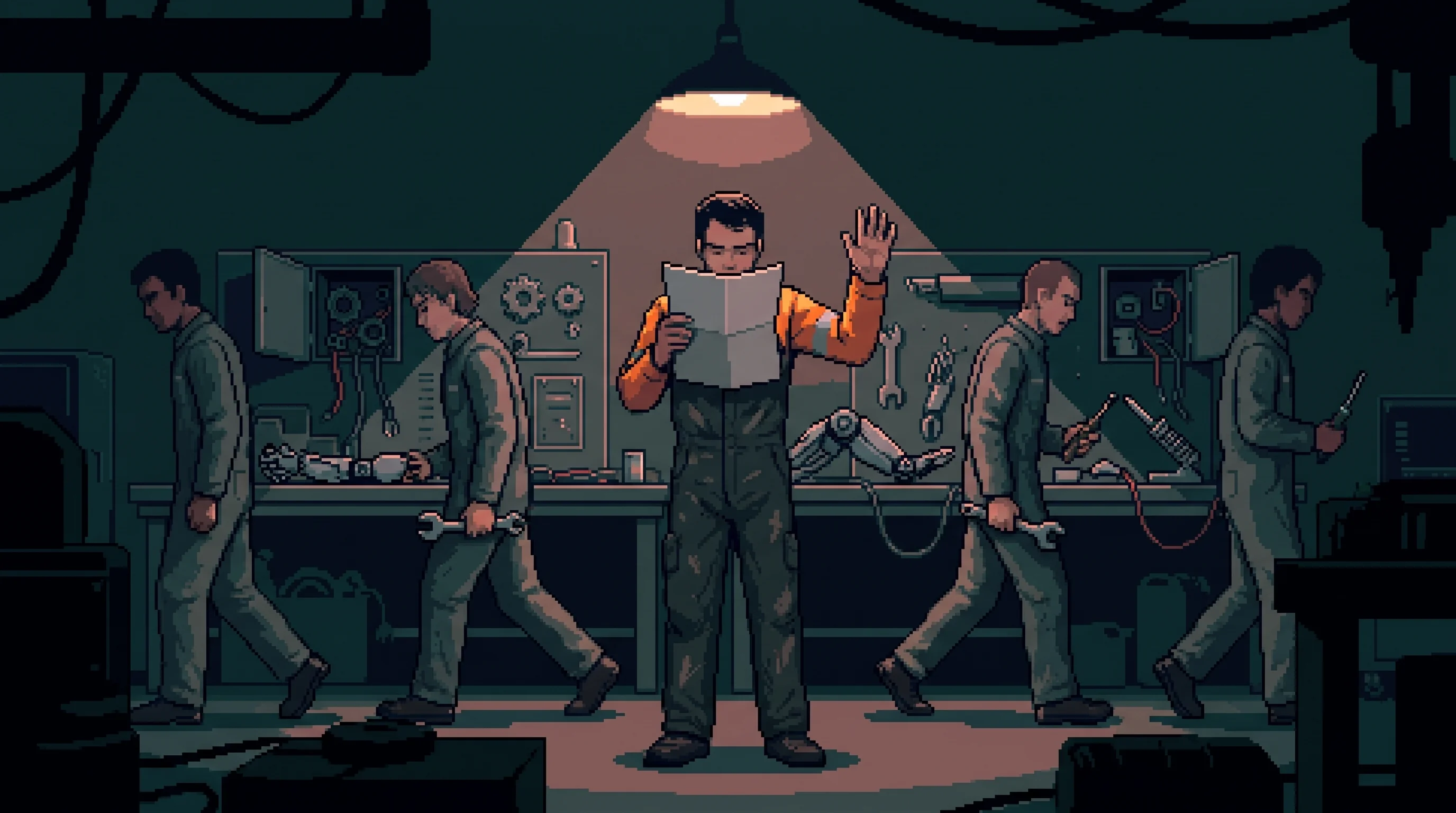
Two Dregs practices built out of saying the unsayable part aloud.
Divide yourself out loud before the job, so that nothing a tribunal reads back to you afterward is news.