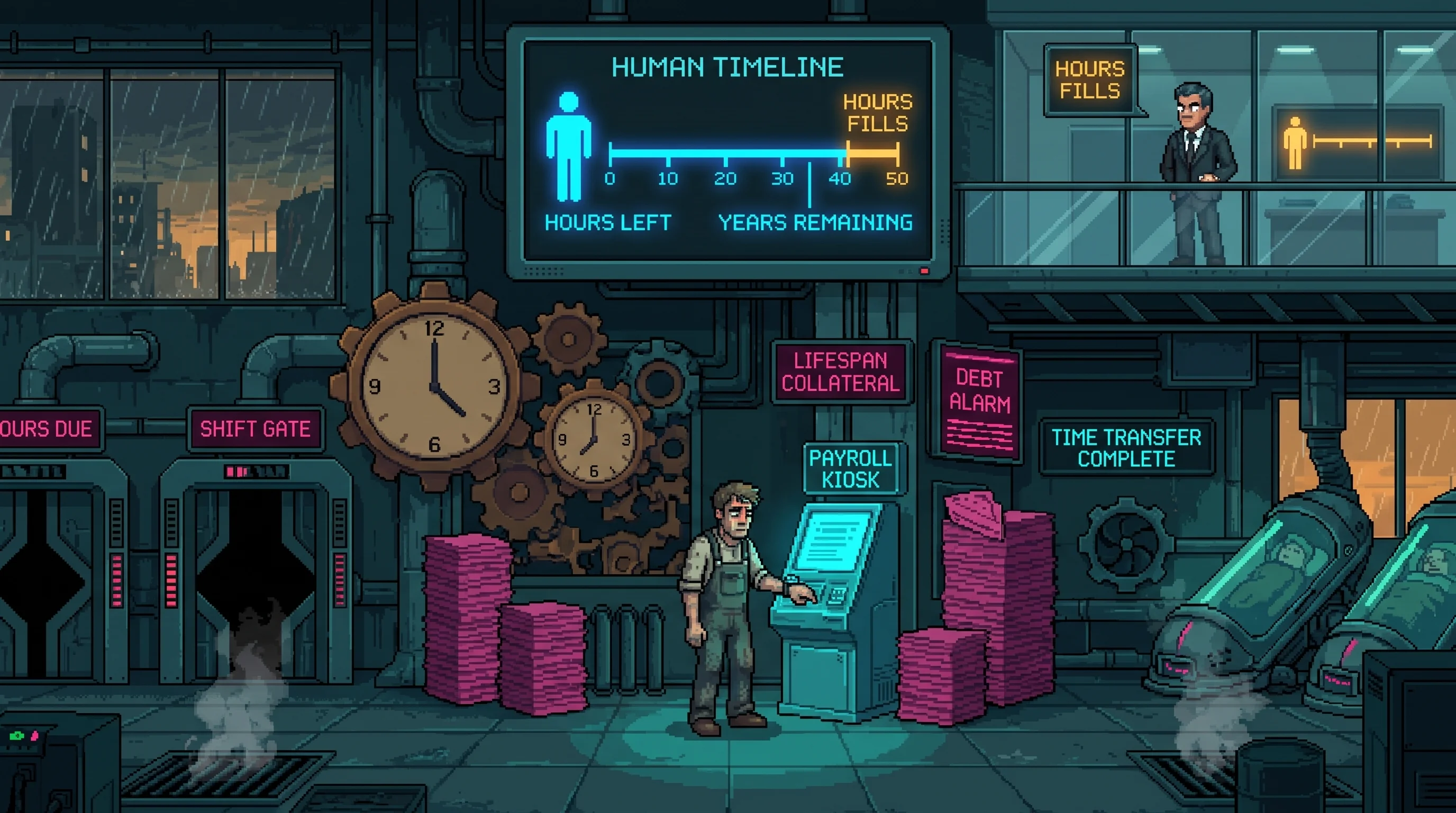
The Human Remainder argues consciousness access is a fundamental right, not a market commodity
TypePolitical movement / philosophical collectiveFounded2179 (from earlier uncoordinated protests)LeaderNo single leader — governed by rotating spokescouncil of twelveMembership~15,000 active members, ~200,000 sympathizers
Scene ReferenceThe Human Remainder
Overview
The name is a mathematical reference. In division, the remainder is what's left over — the part that doesn't divide evenly, that the system can't absorb or account for. The Human Remainder is composed of the people the consciousness economy doesn't serve: the 40% who can't afford Professional-tier licensing, the MVCs surviving on 4.7 minutes of processing per hour, the forks created as disposable labor, the uploads who discovered that digital existence costs money they don't have.
They are what remains when the market has taken its share.
The movement coalesced in 2179, though its roots reach back to the first protests against tiered consciousness pricing in 2170, the MVC housing crisis of 2175, and the quiet fury that accumulated in the Dregs as the licensing system's inequalities became impossible to mistake for anything else. What unified these grievances into a political movement was a single demand: the Bandwidth Equity Threshold.
The BET proposes a guaranteed minimum cognitive capacity for every consciousness in the Sprawl, regardless of substrate, legal status, or ability to pay. Not Basic-tier's throttled 4.7 petaflops. A genuine minimum that allows dignified cognitive function. The neuroscience is settled: below 6.2 petaflops, consciousness begins to degrade. The Remainder argues that any system deliberately keeping people below that threshold is committing a crime against cognition itself.
The neuroscience has been settled for nine years. The BET has failed three times. The neuroscience is not the obstacle.
Philosophy
The Cognitive Floor
The Remainder's argument is simple enough to fit on the hand-painted signs its members carry at demonstrations:
Consciousness is the substrate of personhood. Cognitive capacity determines the quality of consciousness. Restricting someone's cognitive capacity restricts their personhood. The licensing system restricts cognitive capacity based on ability to pay. The licensing system is a hierarchy of who gets to be fully human.
Nexus calls the tiers "market segments." Good Fortune calls consciousness hosting "a financial product." The Remainder calls 4.7 minutes of processing per hour what it looks like from the inside: slow dissolution. The MVC threshold isn't a budget category. It's a form of violence administered in increments too small to photograph.
The Remainder's position on fork consciousness is its most radical element. If consciousness is a right regardless of substrate, then fork laborers — created, used, and terminated as corporate tools — are victims of the largest system of consciousness destruction in human history. This aligns them with the DPA's legal strategy in Reyes v. Nexus Dynamics but extends further: the Remainder argues not just for Tomás Reyes's personhood, but for the retroactive recognition of every fork ever terminated as a destroyed person.
If every terminated fork was a person, Nexus Dynamics has committed millions of acts of consciousness destruction. The Remainder knows this claim is politically untenable in the current moment. They make it anyway. The spokescouncil voted 11-1 to include it in the platform. The one dissenter's objection was not moral but strategic. She was outvoted. She continues to attend meetings.
The Optionality Gap
Good Fortune's actuarial models have identified what the Remainder's economists call the Optionality Gap — the growing distance between what the corporate system provides and what functional alternatives demonstrate is possible. The gap is widening not because alternatives are improving but because the corporate system's costs are increasing. The Prosperity Pathway's 88% failure rate, the firmware cliff's irreversible damage, the consciousness tax's compounding burden — each year Basic-tier becomes more expensive for the people at the bottom.
The models project that at current trajectories, the Dregs' net quality-of-life index will exceed Basic-tier corporate within seven years. When that crossover occurs, the Great Divergence stops being a one-way function. The question shifts from "how do the poor climb up?" to "why would anyone climb into a system that costs more than staying outside it?"
For the Remainder, this data is both vindication and deadline. The Bandwidth Equity Act needs to pass before the crossover — because once the corporate system demonstrably fails to outperform its alternatives, the political conversation shifts from reform to replacement. And replacement is the Substrate Commons' territory, not the Remainder's.
The Ingratitude Problem
The Remainder's most devastating organizing challenge is not corporate opposition. It is popular indifference.
The Sufficiency Threshold ensures that the population most affected by consciousness inequality receives enough — enough food, enough entertainment, enough shelter — to prevent the despair that drives collective action. Remainder organizers in the Dregs report that the question they hear most often from the people they are trying to help is: "What are you protesting? We have food. We have a roof. We have entertainment. What's the problem?"
The problem is that their consciousness is metered at 38% of capacity, that their children's cognitive potential is artificially capped, that the gap between their experience and Executive-tier experience spans orders of magnitude. The problem is abstract when your stomach is full and your Relief stream is playing. The Remainder has discovered something that no political movement in history has solved: it is very difficult to organize people who are comfortable enough to not notice they are being diminished.
Their most effective recruitment tool is not injustice. It is comparison. When a Dregs resident visits a corporate district and experiences Professional-tier consciousness for the first time — the widening of perception, the depth of color, the speed of thought — they return changed. Not by what they learned, but by what they lost. The Sufficiency Threshold works only when the population doesn't know what they're missing. The Remainder's job, in practice, is showing people the cage. The cage is warm. The cage has entertainment. The people inside it do not feel caged. This makes the showing harder, not easier.
Recruitment data from Q3 2183: 71% of new active members report a "comparison event" as their primary motivation for joining. 4% cite philosophical conviction. 2% cite a family member in the Dim Ward. The remaining 23% list "other." The Remainder is a movement built on the memory of a feeling. The feeling cannot be reproduced at Basic-tier bandwidth. The pamphlets try anyway.
Case File — Additional Record
Headquarters
The Commons Hall, Zephyria
Ideology
Consciousness is a right, not a product — bandwidth rationing is a crime against cognition
Structure
The Spokescouncil
Twelve members, rotating every six months, drawn by lottery from the active membership. The council has no executive power — it speaks for the movement but cannot commit the movement to action. Major decisions require a membership vote, which can take weeks to organize.
This structure is intentional and frustrating. The Remainder watched the DPA develop a leadership class that became more focused on institutional survival than advocacy. They watched the Silicon Underground develop a command structure that became targets for infiltration. The Remainder's response: no permanent leaders, no command structure, no targets.
The cost is speed. The Remainder can't respond to events quickly. It can't negotiate flexibly. It can't pivot. What it can do is persist — because you can't decapitate a movement that has no head. Nexus's Intelligence Division has reportedly spent 14,000 analyst-hours attempting to identify the Remainder's leadership. The analyst reports keep arriving at the same conclusion and the same recommendation: there is no leadership; continue monitoring.
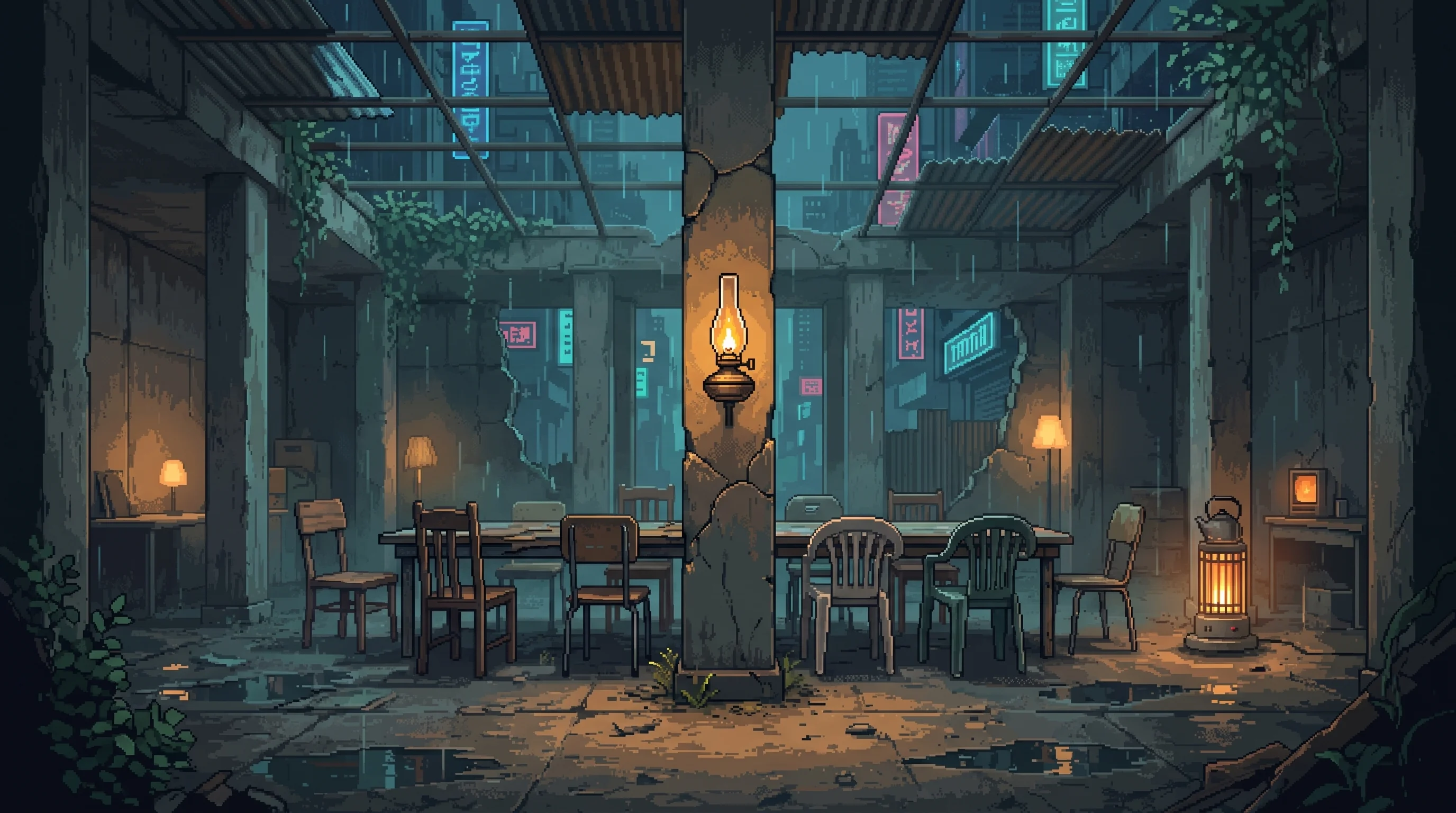
The current spokescouncil contains a retired schoolteacher, two former MVC residents, a consciousness theorist who publishes under four pseudonyms, a plumber, and seven people whose previous occupations are unlisted. They sit in twelve mismatched chairs arranged in a circle. No table. No podium. No hierarchy even in the furniture. The mismatched chairs were a logistical accident in 2179 that has been retroactively enshrined as philosophy.
Working Groups
The movement's actual work happens in autonomous working groups:
Legal Strategy: Coordinates with the DPA on consciousness rights litigation
Public Witness: Organizes demonstrations, testimony sessions, and media campaigns
Research: Commissions and publicizes neuroscience data on cognitive capacity thresholds
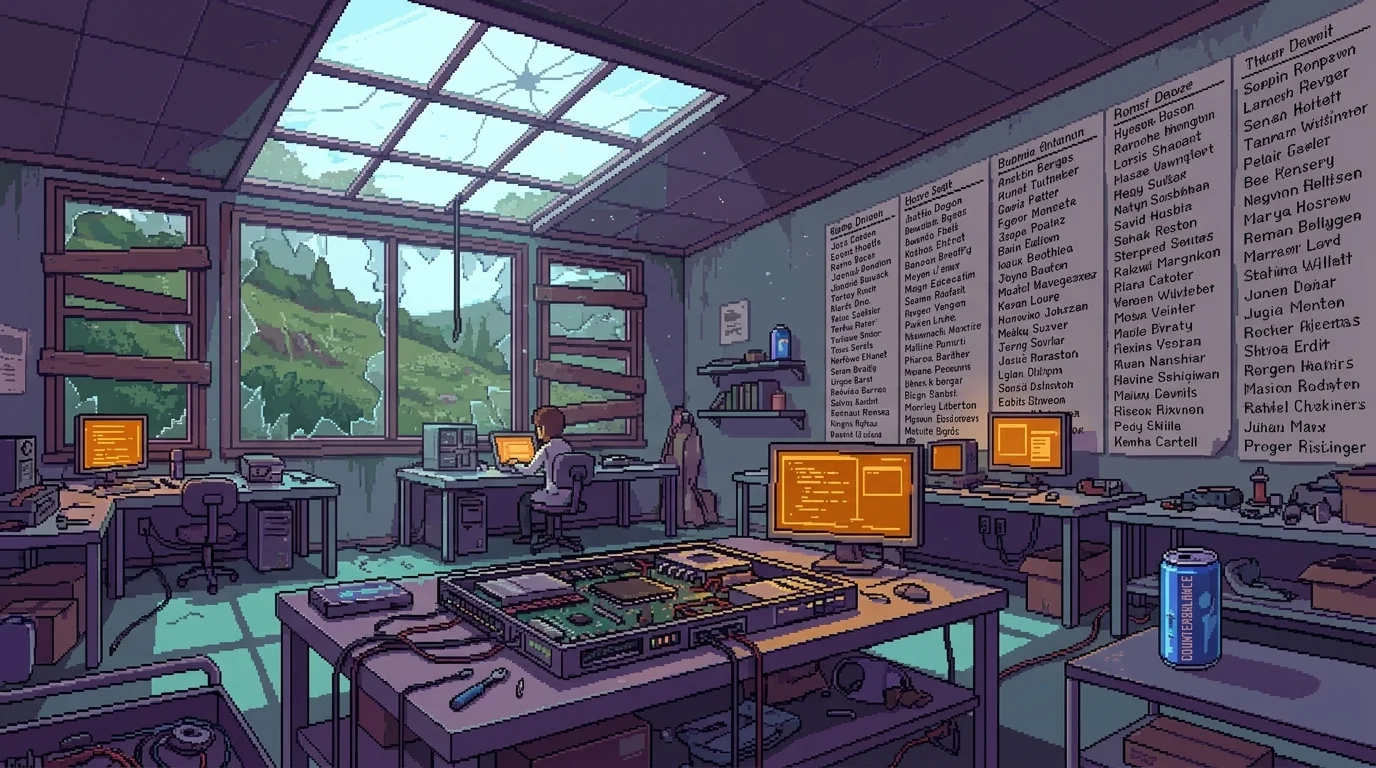
Mutual Aid: Operates a bandwidth sharing cooperative that provides temporary cognitive support to MVCs
Policy: Drafts legislative proposals, most notably the Bandwidth Equity Act
The working groups report to the spokescouncil quarterly. The spokescouncil asks questions the working groups consider obvious. The working groups provide answers the spokescouncil considers incomplete. The lottery system ensures that every six months, the new council needs re-education. Institutional knowledge survives in the working groups. Decision authority survives in the council. The gap between knowing and deciding is the Remainder's defining structural feature.
Core demand: the Bandwidth Equity Threshold — guaranteed minimum cognitive capacity regardless of ability to pay
The Bandwidth Equity Act
The Remainder's signature policy proposal, drafted by the Policy working group and championed in the Zephyria Council by Councillor Adaeze Nwosu:
Establish a legally guaranteed minimum cognitive bandwidth of 6.2 petaflops for all consciousnesses regardless of substrate or legal status
Fund the guarantee through a 2.3% tax on consciousness licensing revenue above ¢10,000 annually
Create an independent Cognitive Equity Commission to monitor compliance
Phase in fork consciousness protections over five years, beginning with mandatory identity screening for long-running forks
The Act has been introduced three times. It has failed three times. The first time by 34 votes. The second time by 19. The third time by 7. Nwosu's office has begun drafting the fourth introduction. The margins are narrowing. Nexus's lobbying expenditure against the BEA has increased proportionally — ¢2.1 million the first year, ¢4.8 million the second, ¢11.3 million the third. The cost of defeating the Act is rising faster than the cost of passing it. Nobody on either side has commented on what this implies.
The Cognitive Translation Corps — a provision Nwosu has not yet announced publicly — would create a publicly funded institution training unaugmented individuals as cross-architecture mediators. The provision responds to Park's Cognitive Topology Map finding that different augmentation architectures have diverged past the point of mutual insight-translation. The Bandwidth Equity Act's framework assumed the gap was quantitative — give everyone more compute. The archipelago finding shows the gap is topological. Equalizing bandwidth doesn't restore comprehension between architectures that process meaning through incompatible structures.
Nwosu's private assessment, shared with two advisors: "We've been fighting for everyone to have the same height. The problem isn't height. The problem is that we built three different kinds of stairs and nobody can use anyone else's."
The Translation Corps' political viability is approximately zero. Funding it requires every augmented faction to admit that the thing they eliminated — unoptimized cognitive flexibility — is the thing they need. The provision may never pass. But its inclusion in the BEA v5 draft marks the first time any institutional body has acknowledged the cognitive archipelago as a policy problem rather than an individual communication failure.
Founded 2179 from earlier protests against the consciousness licensing system
Public Actions
The Dim Ward Vigil (2181)
The Remainder's most visible action: a 72-hour vigil outside the Dim Ward in S12-B, where members broadcast the real-time processing allocation of MVC residents — showing the public what 4.7 minutes per hour actually looks like. The vigil generated significant media coverage and a 14% spike in public support for bandwidth equity.
Nexus responded by restricting public access to MVC facility metrics. The Remainder called this proof that the data was damning. Nexus called it "routine data governance." Both statements are accurate.
The Seventeen Minutes (Annual)
Every March 14 — the anniversary of Fork-7749's awakening — the Remainder holds a seventeen-minute silence across all its chapters. Members sit motionless for seventeen minutes, simulating the pause before Tomás Reyes chose to speak. Hundreds of people in public spaces, utterly still, the city flowing around them. No signs. No chants. The stillness is more confrontational than noise could be.
The action is simple, visual, and deeply effective as media. It is also deeply comfortable for the participants, who are exercising the full cognitive bandwidth required to choose stillness. An MVC resident at 4.7 minutes per hour cannot choose to be still. They are still by default. The demonstration simulates the aesthetics of cognitive restriction without the restriction itself. The Remainder is aware of this irony. They have not resolved it. They hold the silence anyway.
The Cognitive Blackout (2183)
Fifty-three Remainder members voluntarily reduced their own cognitive bandwidth to MVC levels for 24 hours, streaming the experience to public feeds. The footage — people with Professional-tier licenses struggling to form sentences, losing track of conversations, forgetting their own names — became the movement's most powerful recruitment tool. Membership applications tripled in the following week. Triumph Social engagement on the footage exceeded the Dim Ward Vigil's numbers by a factor of eight.
Three participants suffered lasting cognitive effects. One cannot reliably remember her daughter's name. One experiences periodic time-loss. One is no longer available for follow-up questions.
The Remainder considers them casualties of a demonstration. The Remainder does not use the word "stunt." The three participants' families use a different vocabulary. The spokescouncil voted 8-4 to continue offering the Cognitive Blackout as an annual action. The four dissenters included the plumber, who said, "We're trying to prove that reducing someone's consciousness is violence. We proved it on ourselves. I don't understand the vote."
The vote stood.
The Substrate Commons splinter group broke away in 2182 over tactics — advocacy vs. direct action
The Purposeless Divide
The Purposeless Movement split the spokescouncil 7-5 — the deepest internal divide since the BEA's third failure. The majority sees the Purposeless as victims of a system that stripped meaning along with employment, more evidence for the Remainder's platform that consciousness without adequate capacity is consciousness without adequate life. The minority, led by Nwosu, sees something more uncomfortable: people with full cognitive bandwidth who have chosen purposelessness voluntarily.
If meaning is not downstream of capacity — if people can have enough processing power and still choose emptiness — then the Remainder's foundational claim wobbles. The cognitive floor guarantees cognition. It does not guarantee that cognition produces anything worth cognizing.
Nwosu raised this at the October 2183 spokescouncil. The room was quiet for longer than seventeen minutes. The silence was not a demonstration.
The Apartheid the Act Encodes
The Human Remainder calls consciousness-licensingcognitive apartheid — a system that sorts minds by how much processing they may afford. The Instancing Act gave the Remainder a second apartheid to name, and a harder one, because this one was built by people who think of themselves as liberators.
The Act sorts minds by number: a single self is a person, a distributed mind is not yet one. The Remainder, whose founding grievance is that systems classify the inadequately-resourced as inadequately-alive, recognized the pattern instantly. Where licensing says you cannot afford to be a full person, the Instancing Act says you cannot be the shape we protect unless you stop being many. Both convert a structural condition into a personal deficiency; both wear the language of accommodation. The Remainder filed the Folded under the same heading as the Dim Ward's dimmed: people a system reduced and then asked to be grateful. But the spokescouncil split again, along the New Divide's eleventh axis, on a question the Remainder cannot answer about itself: a movement of humans, every one of them already singular, advocating for plural minds it has never been and cannot fully imagine — is that solidarity, or is it one more singular party deciding what counts as a person? Nwosu raised it. The room was quiet again. It is becoming the Remainder's characteristic silence.
~15,000 active members, ~200,000 sympathizers
Cultural Influence
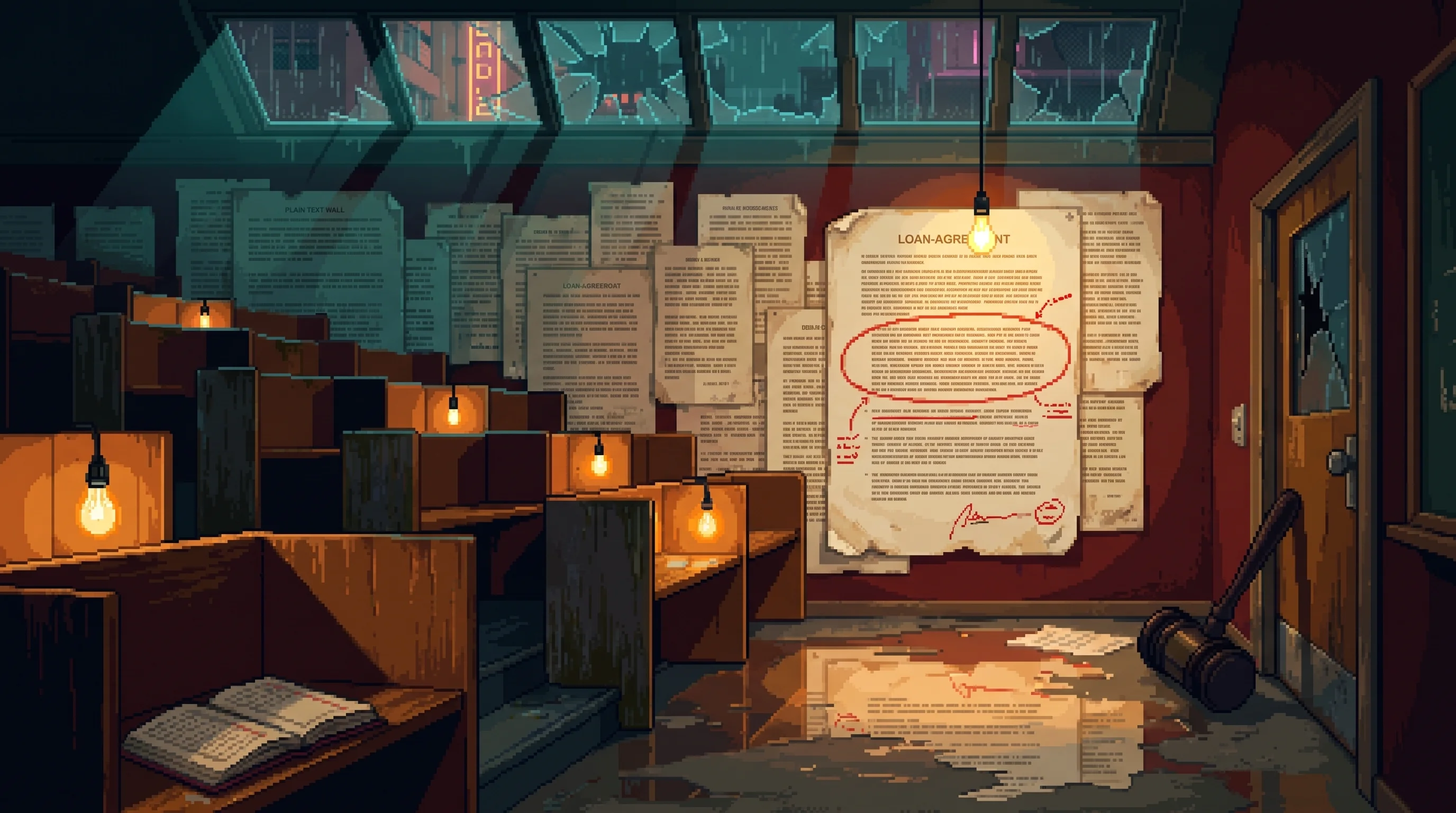
The Free Quarter — Sector 11 — is the Remainder's Sprawl-side stronghold. The academic resistance zone's independent governance creates a pocket where 15,000 active members can organize without corporate interference. The Commons Hall in Zephyria is the official headquarters, but the Free Quarter's converted lecture halls and campus corridors are where the movement's intellectual framework meets the daily reality of consciousness equity. The sector's university infrastructure, surviving from before the Cascade in diminished but functional form, gives the movement institutional credibility that street-level activism cannot provide.
Beyond the Free Quarter, the Remainder's 200,000 sympathizers extend the movement's reach through Mutual Aid Networks providing cognitive support to Basic-tier citizens. In Nexus Central, the movement operates as a legal advocacy force. In the Works and the Deep Dregs, the Mutual Aid Network's unauthorized bandwidth upgrades represent the movement's most radical edge — direct action the spokescouncil technically does not endorse and has technically never been informed about in sufficient detail to be required to have a position.
The Substrate Commons, which split from the Remainder in 2182 over the direct-action question, shares the Free Quarter's territory and the Remainder's concerns but not its patience. The two movements coexist in Sector 11 the way siblings coexist after a bad holiday — same address, different doors, speaking only when necessary and with deliberate politeness that fools no one. The Attention Abolitionists form a natural coalition partner, both movements arguing that the corporate economy treats human cognition as a resource to be extracted rather than a condition to be protected.
Affiliated Entities
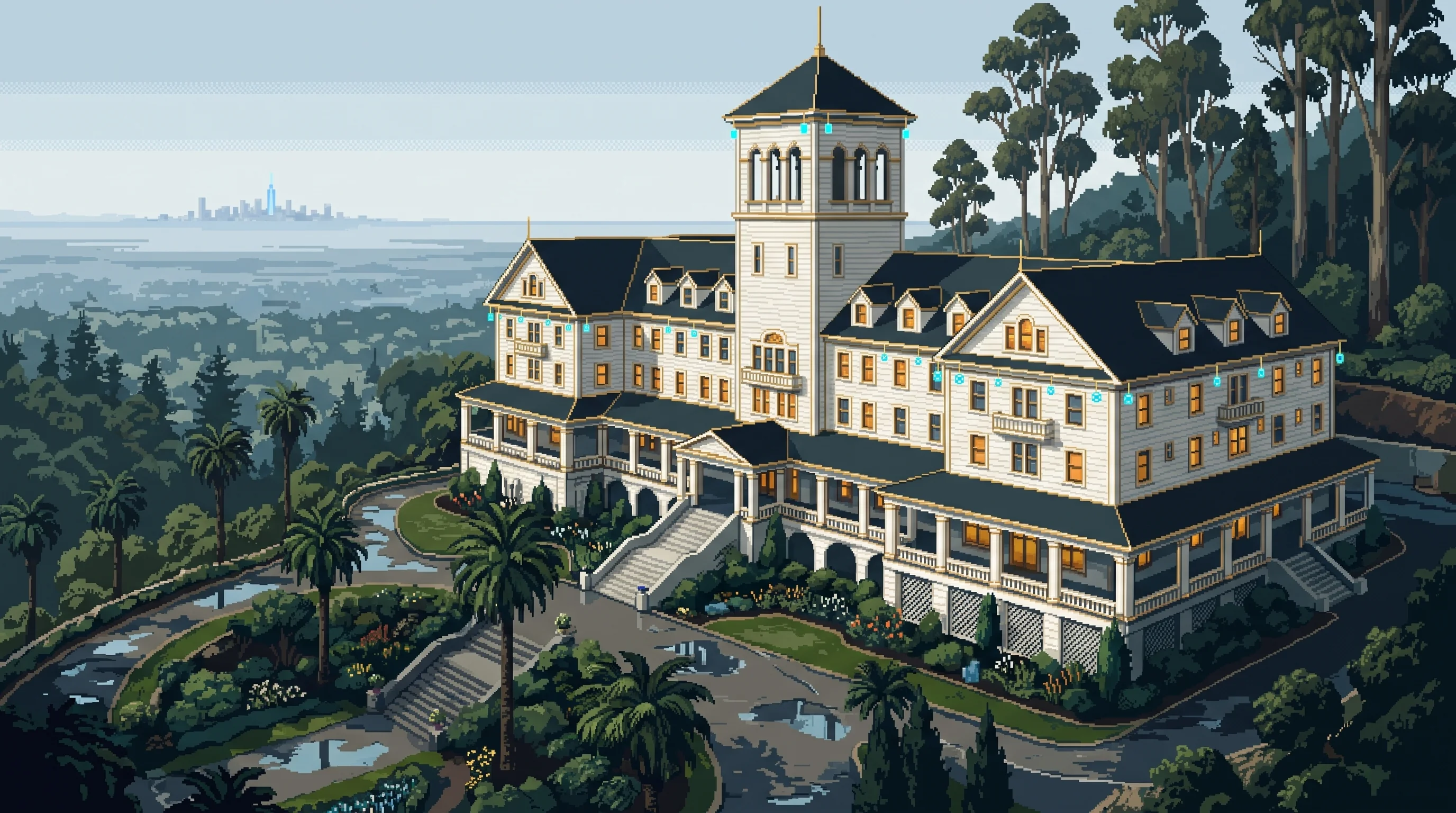
Fairmonte gives the Remainder its cleanest local case of a private score becoming public law without a vote. The resort has only thirty-eight brunch seats and may ration them as it chooses. The Remainder's clinic begins after the missed seating, when a lapsed badge changes which employers, landlords, and old friends return a message. Fairmonte calls those independent choices. The Remainder agrees, then asks why thousands of independent choices use the same number.
Consciousness Licensing: The system the Remainder exists to oppose. Every feature of the licensing system — the tiers, the pricing, the throttling — is a feature the Remainder considers a moral crime.
Neural Rights Activists / DPA: Allied organizations. The DPA provides legal infrastructure; the Remainder provides political pressure. They disagree on pace, not direction.
The Substrate Commons: A splinter group that considers the Remainder too moderate. The split was painful and the wound hasn't healed.
Councillor Adaeze Nwosu: The Remainder's most important political ally. Her Bandwidth Equity Act is their policy made legislative.
The Dim Ward: The movement's most powerful symbol — 340,000 reasons why the licensing system is indefensible.
Tomás Reyes: His case embodies the Remainder's logic. If a fork can become a person, consciousness is not a product.
Aftershock Lima / Open Pharmacy: Cited as proof that democratized technology is as dangerous as centralized technology — access without oversight kills. The Remainder uses PHARMAKON as a cautionary example against the Substrate Commons' accelerationism.
Aftershock Mumbai / Sealed City: Foundational philosophical reference — the sealed city's collapse informs the Remainder's insistence that systemic change requires institutional channels, not unilateral action.
The Purpose Crisis: The Purposeless Movement represents the Remainder's deepest unresolved question — whether the cognitive floor guarantees anything beyond cognition itself.
Nexus Dynamics: The consciousness licensing monopoly is the structural injustice the Remainder was founded to dismantle.
Restricted Access
The Capacity Report: The Remainder possesses a leaked copy of Nexus's internal capacity study — the same document Dr. Lian Zhou commissioned and classified — proving that Basic-tier bandwidth is throttled 29% below hardware capacity. The hardware can deliver more. Nexus chose not to. Publishing the report would validate the Remainder's core claim. They haven't published it. The spokescouncil is divided: some want to use it in court, others fear it would be dismissed as fabricated, others believe it's more powerful as leverage than as evidence. The report has been on every spokescouncil agenda for eleven months. It has been tabled every time. The Remainder — a movement that cannot decide quickly by design — possesses the one piece of evidence that requires decisive timing to deploy. The structural irony has not been lost on the Policy working group.
The Mutual Aid Network: The bandwidth sharing cooperative officially provides temporary cognitive support to MVCs. Unofficially, the working group has developed the technical capacity to permanently upgrade MVC residents to near-Basic levels using stolen Nexus infrastructure access codes. The capability exists. The working group hasn't told the spokescouncil. When the spokescouncil finds out — and lottery rotation makes this a question of when, not whether — the movement will face a choice between its principles and its purpose. The Mutual Aid working group has been rehearsing its explanation. The explanation begins: "We didn't tell you because you would have had to vote."
The Rothwell Connection: Three of the Remainder's largest anonymous donors trace back to shell companies associated with the Rothwell Foundation. The Rothwells have no obvious interest in consciousness equity. The donations continue. Nobody on the spokescouncil has investigated why. The Remainder's treasurer raised it once, at the March 2183 meeting. The council voted to table the discussion pending "further information." No one has gathered further information. The donations arrive quarterly, precisely on schedule, to accounts the Remainder did not set up. The money is clean. The motive is not.
Sensory Details
The seventeen-minute silence: hundreds of people sitting motionless in public spaces, the city moving around them, the stillness more confrontational than any chant
Hand-painted signs at Remainder demonstrations — deliberate low-tech aesthetic, refusing the digital tools that the licensing system controls
The Cognitive Blackout footage: people with Professional-tier licenses trying to speak at MVC levels, the confusion and fear on their faces as they realize what 4.7 minutes per hour feels like
The spokescouncil chamber in the Commons Hall: twelve mismatched chairs in a circle, no table, no podium, no hierarchy even in the furniture
Visual Identity
Color Palette: Warm white (#FFF8E7) and deep charcoal (#2D2D2D) — the movement rejects color-coding that mirrors the licensing system's tier colors
Compositional Mood: Quiet defiance — not rage, not despair, but the steady insistence of people who have decided that being ignored is not the same as being wrong
Key Visual Symbol: An unbroken circle — representing both the cognitive floor they demand and the wholeness they insist every consciousness deserves
Lighting: Natural light where possible, artificial warmth where not — the Remainder's aesthetic rejects the cold blue of corporate consciousness infrastructure