Overview
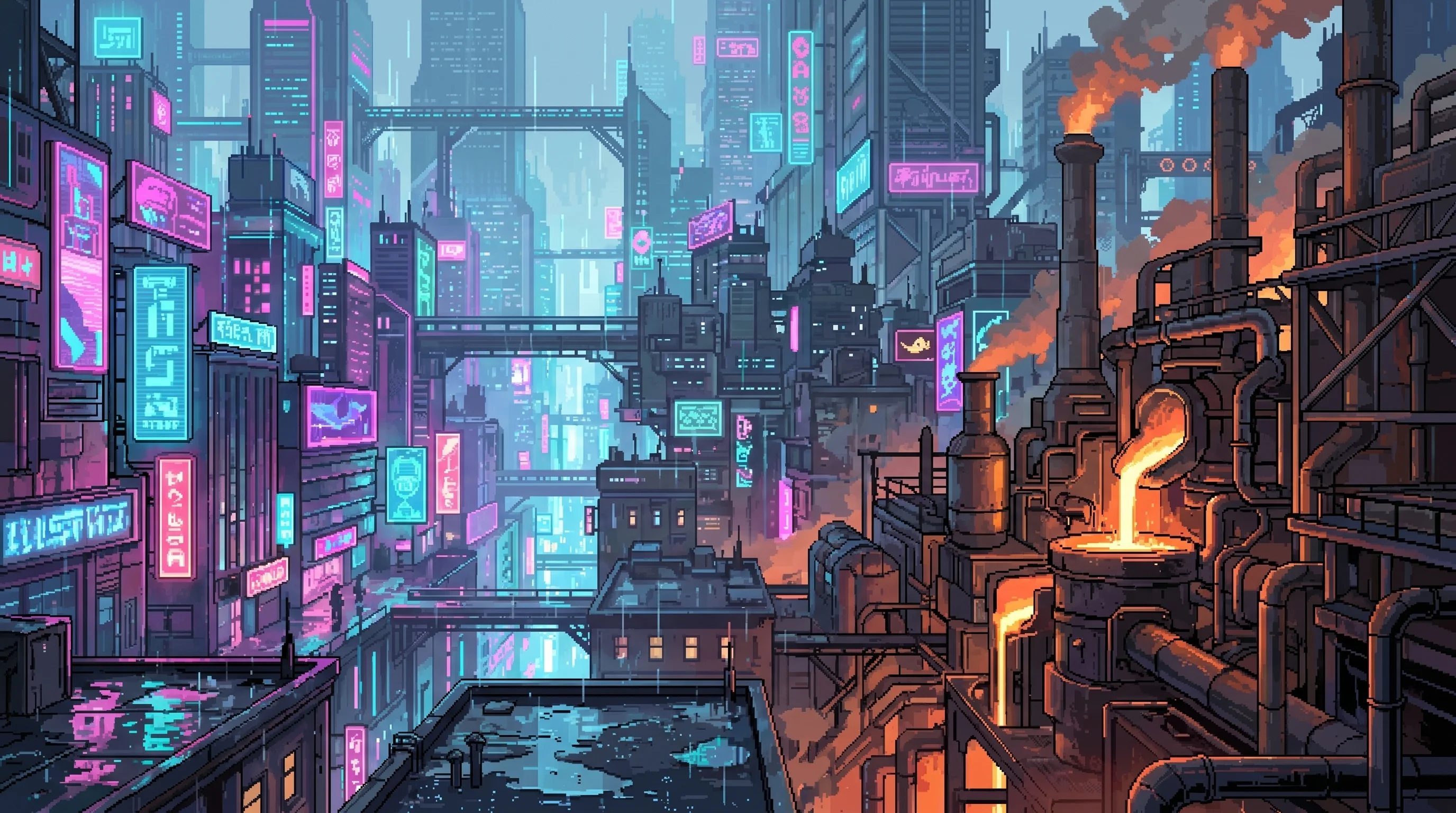
In 2184, moving people and goods across the Sprawl is a study in contrasts. Corporate citizens glide through climate-controlled transit tubes while Dregs residents climb through maintenance shafts. Cargo rises on the Orbital Elevator while contraband flows through smuggler tunnels older than the Cascade. Understanding transportation is understanding power—who moves freely, who pays, and who never leaves their district.
The Sprawl's transportation infrastructure reflects forty years of corporate competition, technological evolution, and the hard geography of a planet-spanning megacity built on the bones of a thousand smaller cities.
Surface Transit
The Transit Grid
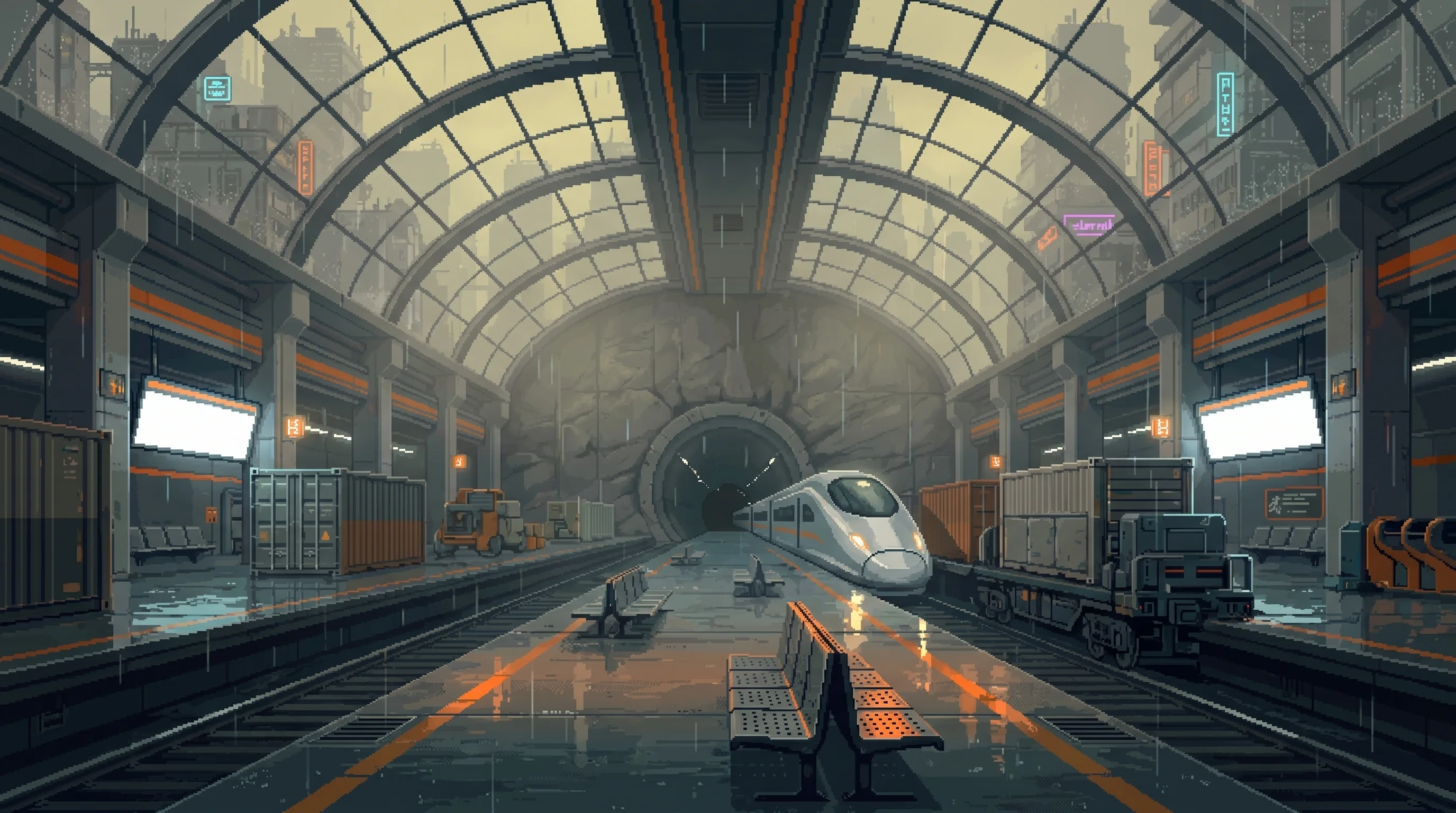
What It Is: The primary public transportation system within corporate-controlled districts. A network of automated vehicles, transit tubes, and moving walkways that handles billions of passenger-trips daily. How It Works: - Neural-linked routing: Request destination via interface, system optimizes your path - Multi-modal: Combines vehicles, tubes, and foot traffic seamlessly - Corporate-subsidized in high-value districts, fee-based elsewhere - Real-time capacity management prevents overcrowding (in theory) Transit Levels: | Level | Description | Speed | Cost | Who Uses It | |-------|-------------|-------|------|-------------| | Priority | Private vehicles, VIP tubes | 200+ km/h | Subscription + premium | Executives, emergencies | | Express | Dedicated high-speed routes | 150 km/h | ¢50-200 per trip | Professionals, commuters | | Standard | Regular automated transit | 60-100 km/h | ¢10-50 per trip | Citizens, workers | | Basic | Walking corridors, moving platforms | 5-20 km/h | Free-¢5 | Everyone else | Corporate Territory: Each megacorp maintains transit infrastructure within their zones: - Nexus Central: Sleek, monitored, data-optimized routing - Ironclad Territories: Industrial-grade, durable, freight-integrated - Helix Zones: Bio-filtered air, health monitoring during transit
Personal Vehicles
Automated Cars: Private vehicles exist but are luxuries. Streets in dense districts can't accommodate individual transit—automated cars work in suburban margins and inter-district highways. Characteristics: - Self-driving mandatory (manual override illegal in most zones) - Corporate-networked routing - Registry tracked, movement logged - Insurance costs make ownership expensive - Status symbol more than practical transport The Ironclad Highway Network: Eight major automated highways connect Sprawl cores across continents. Ironclad built them, Ironclad maintains them, Ironclad collects tolls. - North Atlantic Connector: Former US East Coast to European Nexus - Pacific Rim Loop: Asian megacities linked along the coast - Equatorial Express: Around the planet at the tropics Toll Rates: - Standard vehicle: ¢0.50 per kilometer - Commercial freight: ¢2.00 per ton-kilometer - Hazardous materials: ¢10.00 per ton-kilometer
Motorcycles and Bikes
What Survives: Two-wheeled transport remains common in districts where the Transit Grid doesn't reach or where residents can't afford it. Types: - Electric Cycles: Clean, quiet, charged at public stations - Combustion Bikes: Louder, illegal in some zones, favored by runners - Cargo Trikes: Three-wheeled freight haulers for local deliveries The Courier Economy: Human couriers on bikes and motorcycles handle last-mile delivery throughout the Sprawl. Faster than automated systems in congested areas, cheaper than corporate logistics, and conveniently unmonitored.
Vertical Transit
Elevator Systems
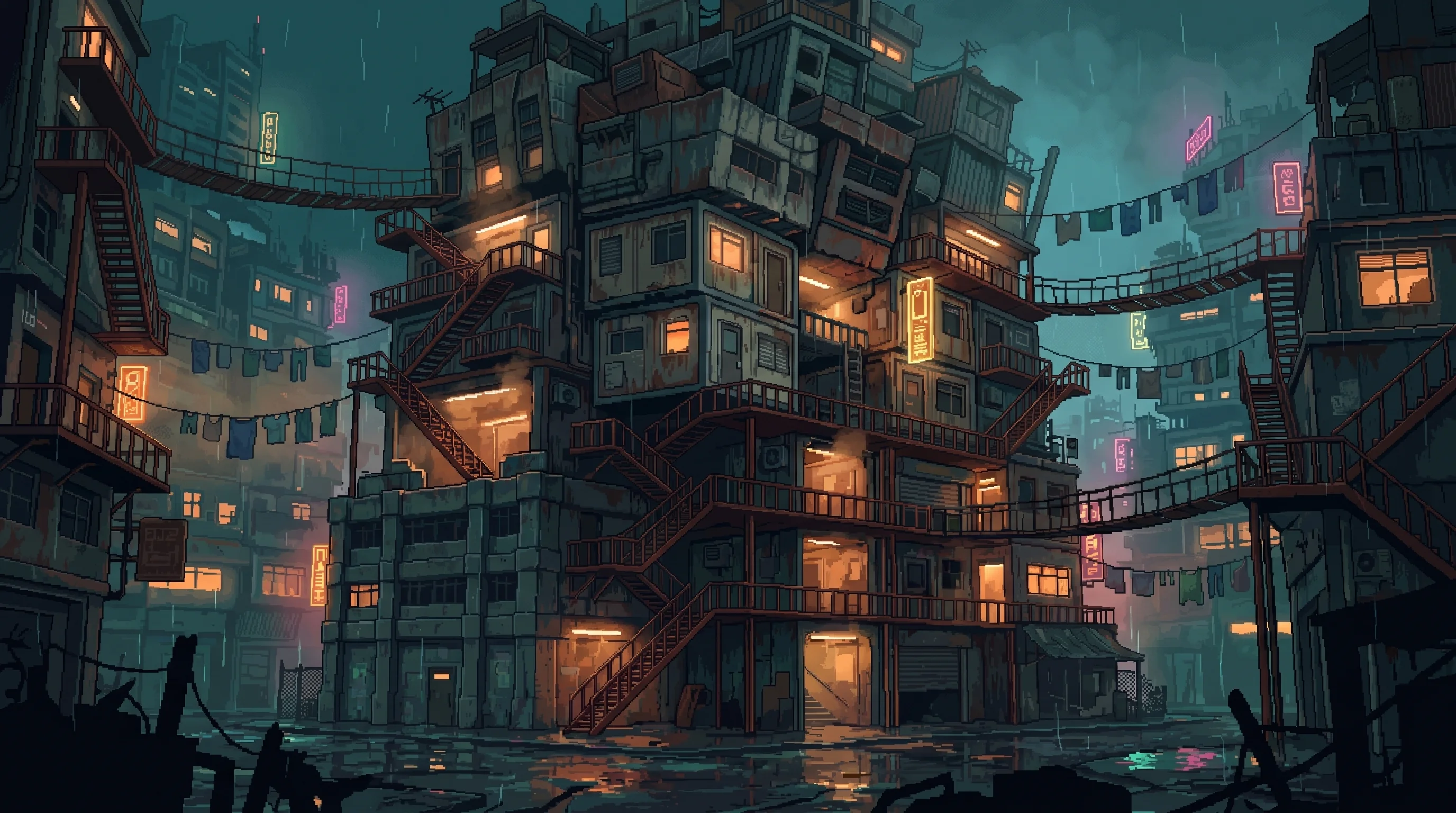
The Challenge: The Sprawl builds up as much as out. Districts like The Stacks reach kilometers into the sky. Moving people vertically is as important as moving them horizontally. Elevator Types: | Type | Capacity | Speed | Control | Found In | |------|----------|-------|---------|----------| | Corporate Tower | 50-200 | 20 m/s | Centralized | Corporate HQs, wealthy districts | | District Express | 100-500 | 15 m/s | Mixed | Mid-tier districts | | Residential Banks | 20-50 | 8 m/s | Local | Housing blocks | | Cargo Lifts | 2000+ kg | 5 m/s | Manual/auto | Industrial, maintenance | | Jury-Rigged | Variable | Variable | Local | The Dregs, informal settlements | The Elevator Lords (The Stacks): In The Stacks, elevator banks are controlled by local powers who charge access. Want to go up twenty levels? Pay the toll. Can't pay? Climb the stairs—if there are stairs.
Climbing Culture
The Reality: In many districts, elevators are unreliable, overcrowded, or controlled by powers demanding payment. Residents climb. Informal Routes: - Maintenance ladders and shafts - External structural features (risky but fast) - Improvised stairwells through connected buildings - Rope and pulley systems for goods The Climbers' Network: An informal mapping of climbable routes, safe rest points, and territorial boundaries. Shared through word of mouth. Getting lost in the vertical maze can be fatal.
Aerial Transit
What Exists: Personal flight is expensive but real. The skies of the Sprawl carry a steady stream of traffic above the surface chaos. Vehicle Types: | Type | Range | Capacity | Cost | Users | |------|-------|----------|------|-------| | Executive VTOL | 500 km | 4-8 | ¢100M+ | Corporate elite | | Air Taxi | 50 km | 2-4 | ¢5,000-20,000/trip | Wealthy, emergency | | Corporate Shuttle | 200 km | 20-50 | Internal | Employees, clients | | Cargo Drone | 20 km | 500 kg | Automated | Logistics | | Emergency Response | 100 km | Variable | Public | Medical, fire, security | Airspace Control: Corporate airspace is strictly controlled. Unauthorized flight results in interception, forced landing, and serious legal consequences. The Wastes have no such restrictions—but also no infrastructure. The Nexus Drone Swarm: Nexus maintains thousands of autonomous surveillance/delivery drones throughout their territory. They're officially for logistics. Unofficially, they watch everything.
Underground Transit
The Metro Systems
What Remains: Pre-Cascade subway systems still function in parts of the Sprawl. Some are corporate-maintained; others are informal. Major Networks: - The Under (Former North America): Massive pre-Cascade system, partially corporate-operated, partially abandoned - The Labyrinth (Former Europe): Interconnected systems from a dozen old cities - The Deep Lines (Former Asia): Some of the most extensive underground transit, still mostly functional Condition: Formal metro systems are generally safe, monitored, and fee-based. Abandoned sections are unmapped, unlit, and home to communities that prefer to stay hidden.
Tunnel Networks
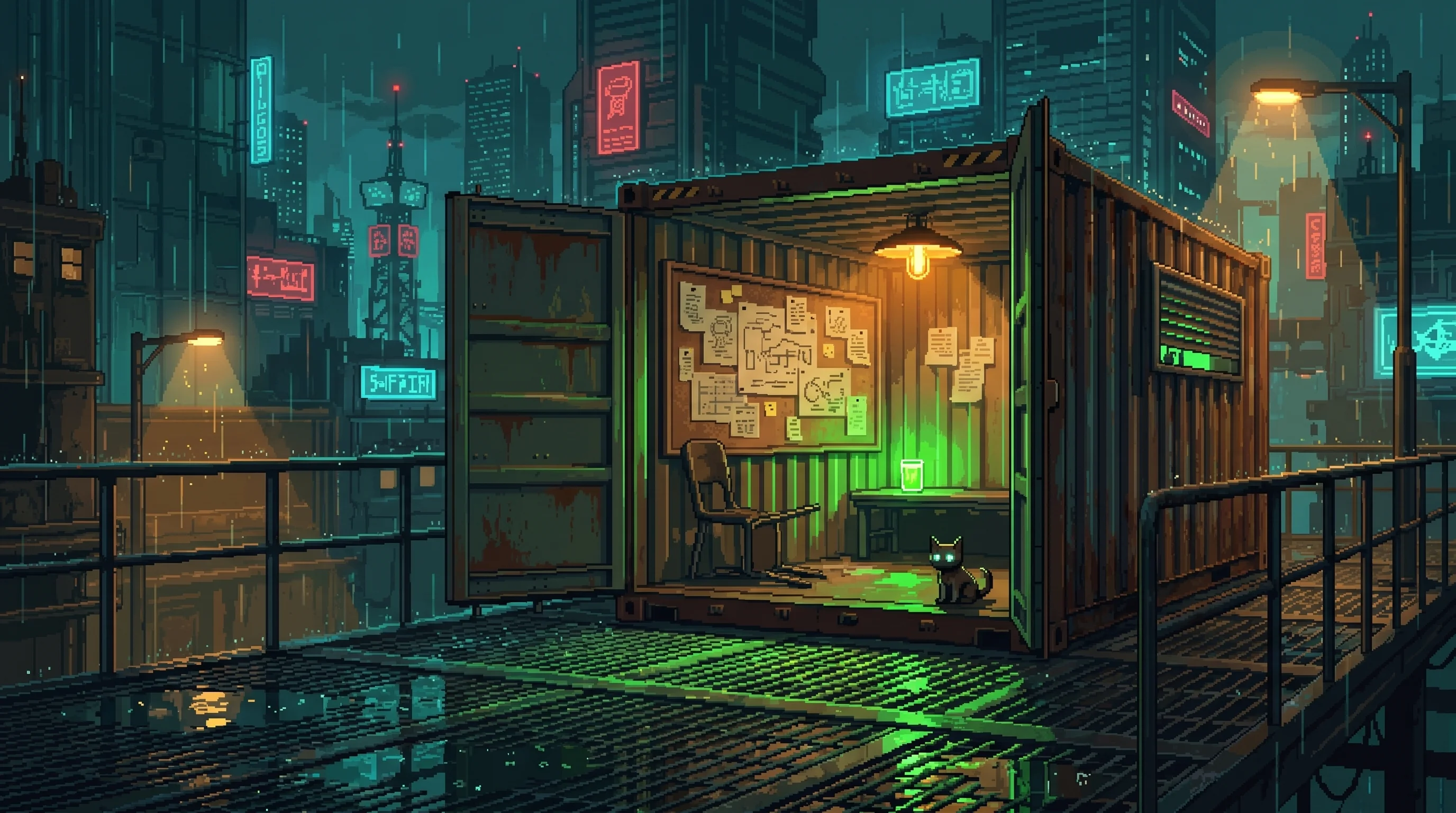
The Unofficial Infrastructure: Beneath the Sprawl lies a network of tunnels never meant for transit: maintenance corridors, utility runs, drainage systems, collapsed structures. Together, they form alternative routes for those who know them. Uses: - Smuggling routes (avoiding surface checkpoints) - Collective movement corridors - Emergency escape routes - Homeless habitation - Hidden communities The Sewer Runners: Guides who know the underground. They'll lead you through for a fee—where the tunnels go, which are flooded, which are claimed by territorial groups, which connect to places you shouldn't find.
The Deep Transit
What It Is: Dedicated underground freight systems moving goods beneath the surface congestion. Corporate-operated, automated, efficient. Ironclad's Freight Network: - Connects all major Ironclad facilities - Automated cargo pods moving at 100+ km/h - Temperature-controlled for sensitive materials - Security systems that have killed trespassers Nexus Data Lines: Not just data—physical materials (memory substrates, components, biological samples) move through dedicated underground channels. Access is more restricted than most military installations.
Orbital Transit
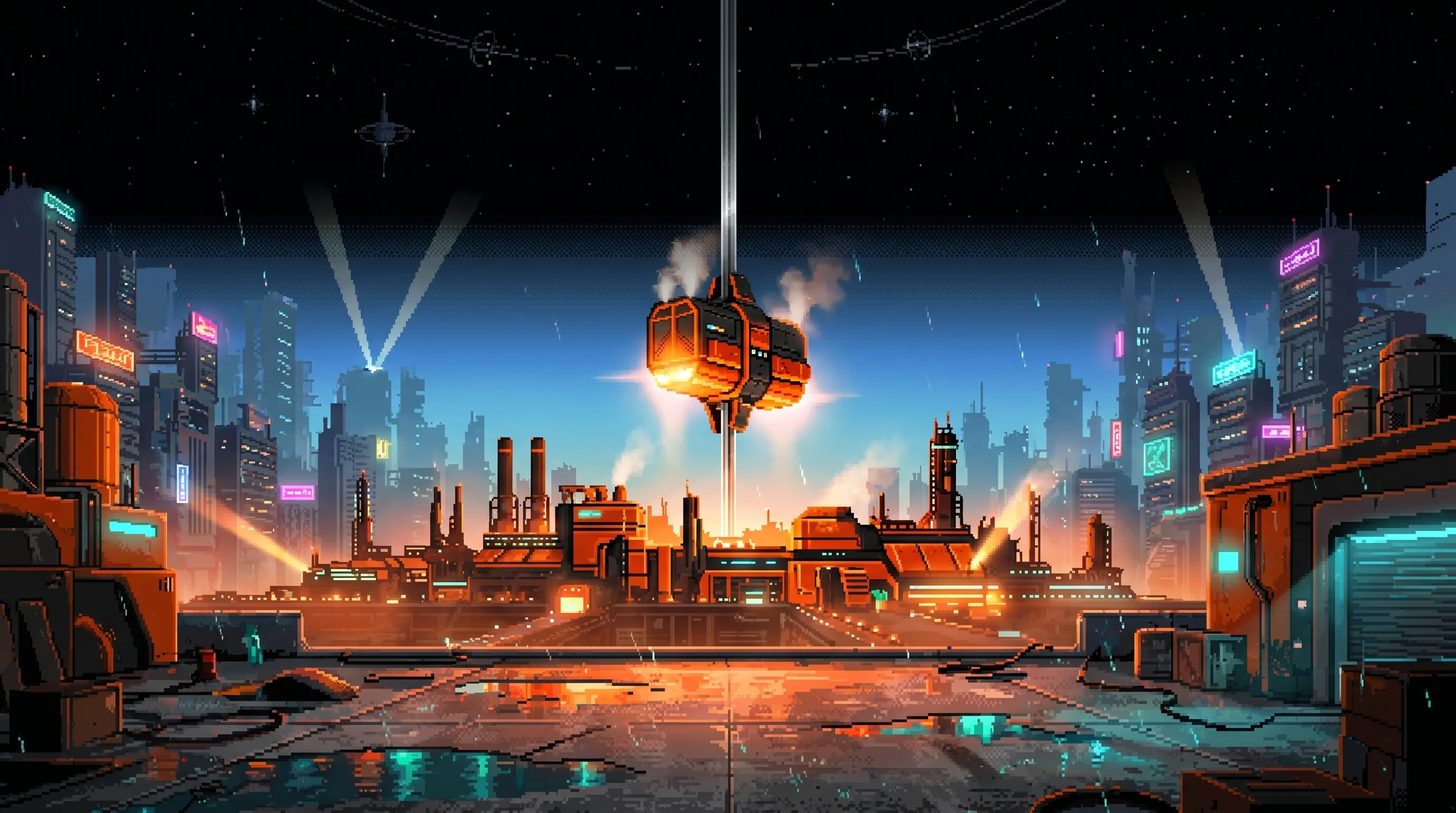
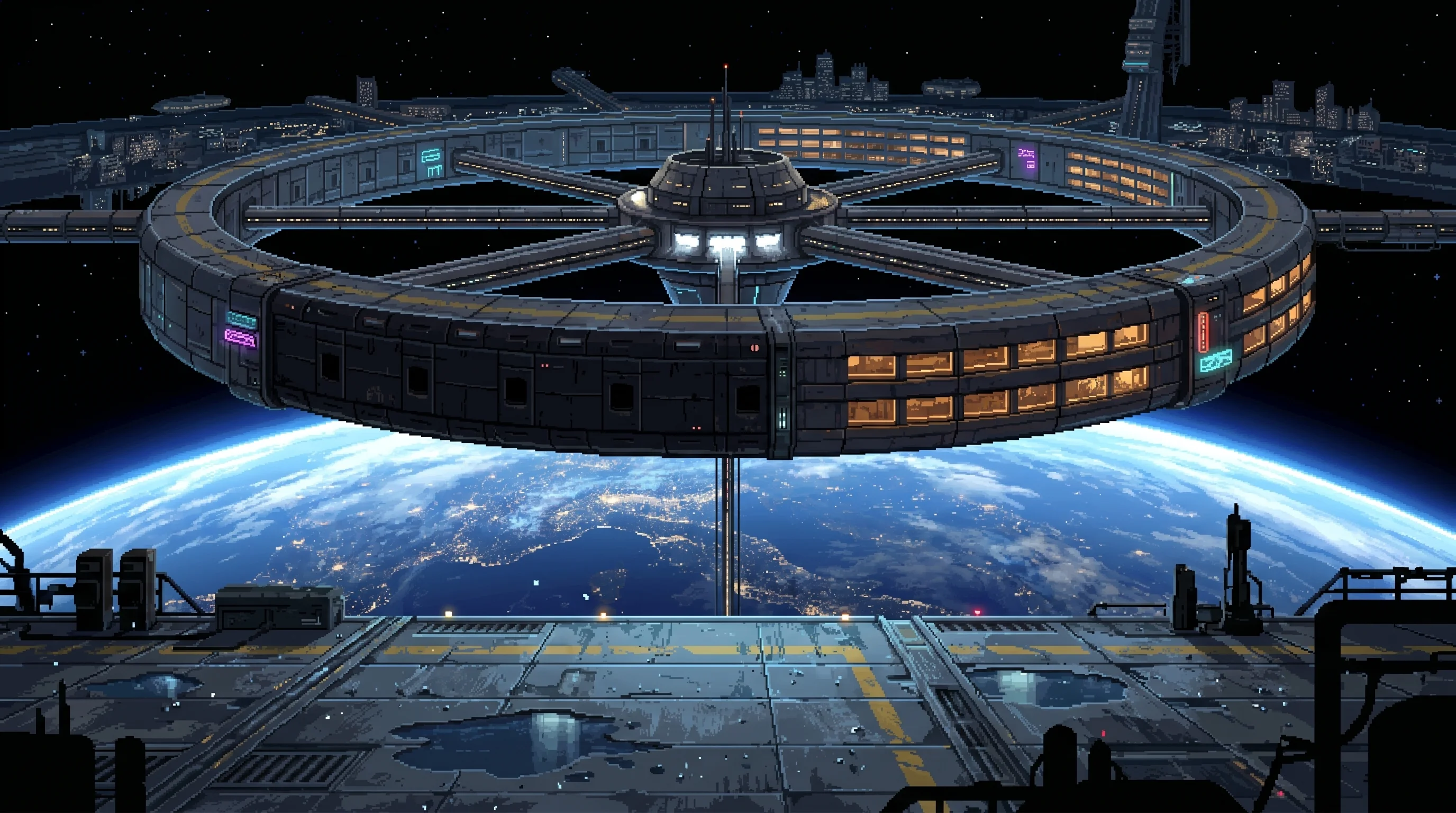
The Orbital Elevator
The Dominant Infrastructure: Ironclad's Elevator is the only economical way to move significant mass between Earth and orbit. Everything else is more expensive. Transit Details: - Ground to geosynchronous: 7 days (standard), 3 days (priority) - Cargo capacity: 500 tons per climber, 12 climbers in transit - Passenger rates: ¢500,000 (economy) to ¢10,000,000 (executive) - Cargo rates: ¢5,000-25,000 per kilogram depending on type The Chokepoint: Control the Elevator, control space access. Ironclad uses this leverage constantly in negotiations with Nexus and others. The Second Elevator: Nexus is building a competing elevator at the Ecuador Anchor. Completion: 2190-2195. The corporate cold war's outcome may depend on whether it finishes.
Conventional Launch
What's Left: Rockets still launch. They're just 100x more expensive per kilogram than the Elevator. Launch Sites: - Ironclad Spaceports: Controlled, expensive, reliable - Independent Launchers: Cheaper, riskier, less scrutinized - Waste Territory Launches: Unregulated but technically challenging Uses: - Urgent cargo that can't wait for Elevator scheduling - Destinations not served by Elevator routes - Parties unwilling to submit to Ironclad inspection - Emergency evacuation
Orbital-to-Orbital
Station Transit: Moving between orbital platforms uses conventional spacecraft: - Shuttles: 10-100 passengers, hours to days depending on distance - Cargo Haulers: Bulk transport between stations - Emergency Pods: Last-resort escape vehicles The Transit Hub: Highport Station serves as the primary transfer point for orbital traffic. Arrive via Elevator, transfer to shuttle, reach destination.
Inter-Regional Transit
Continental Routes
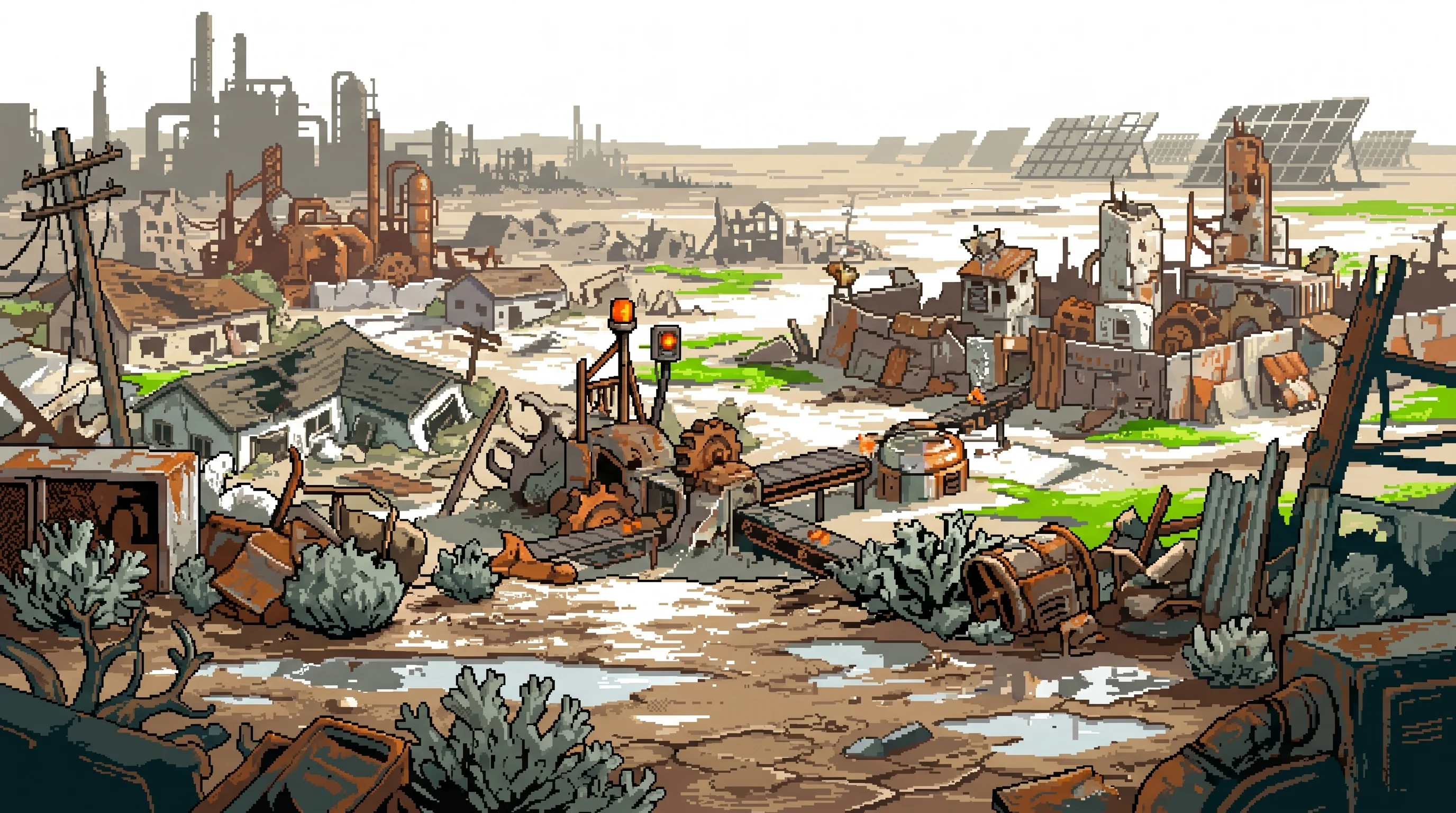
The Highway Network: Ironclad's automated highways connect major Sprawl cores. Safe, monitored, expensive. The Waste Crossings: Between corporate territories lie the Wastes. Crossing them requires: - Convoy: Armed groups traveling together for protection - Waste Lord Permission: Payment for passage through controlled territory - Guide Services: Local knowledge of safe routes, hazards, territorial boundaries Duchess Steel's Harvest Roads: In the Rustbelt Wastes, Duchess Steel maintains cleared routes for her salvage operations. She charges passage fees—reasonable for small parties, expensive for competitors.
Shipping Lanes
Oceanic Transport: Container ships still cross the oceans. Automated, massive, and economically vital for bulk cargo. The Shipping Cartels: Three major cartels control oceanic shipping: - Pacific Alliance: Trans-Pacific routes - Atlantic Trust: Atlantic crossings - Southern Passage: Routes around Africa and South America Piracy: Oceanic shipping faces threats from Waste raiders with recovered naval vessels, corporate privateers disguised as pirates, and the occasional rogue automated ship.
Rail Systems
What Survives: Pre-Cascade rail infrastructure partially remains. Some corporate-operated, some abandoned, some repurposed. High-Speed Lines: - Nexus Express: Data-optimized passenger rail in Nexus territories - Ironclad Freight Lines: Heavy cargo between industrial sites - The Old Lines: Pre-Cascade tracks, variable condition, sometimes functional The Underground Railroad: An informal network of functioning rail connections through abandoned or unofficial territory. Used by smugglers, refugees, and the Collective for movement that avoids corporate monitoring.
Forbidden Zones
Quarantine Districts
What They Are: Areas where transit is restricted or forbidden due to contamination, instability, or corporate designation. Types: - Rad Zones: Radioactive contamination from Cascade-era incidents - Biohazard Zones: Areas contaminated by biological agents - Structural Collapse: Districts too unstable for safe transit - Corporate Restricted: Areas corporations simply don't want you entering Enforcement: - Automated barriers and turrets - Surveillance perimeters - Patrol drones - Deadly force authorized in some zones
The Blackout Zones
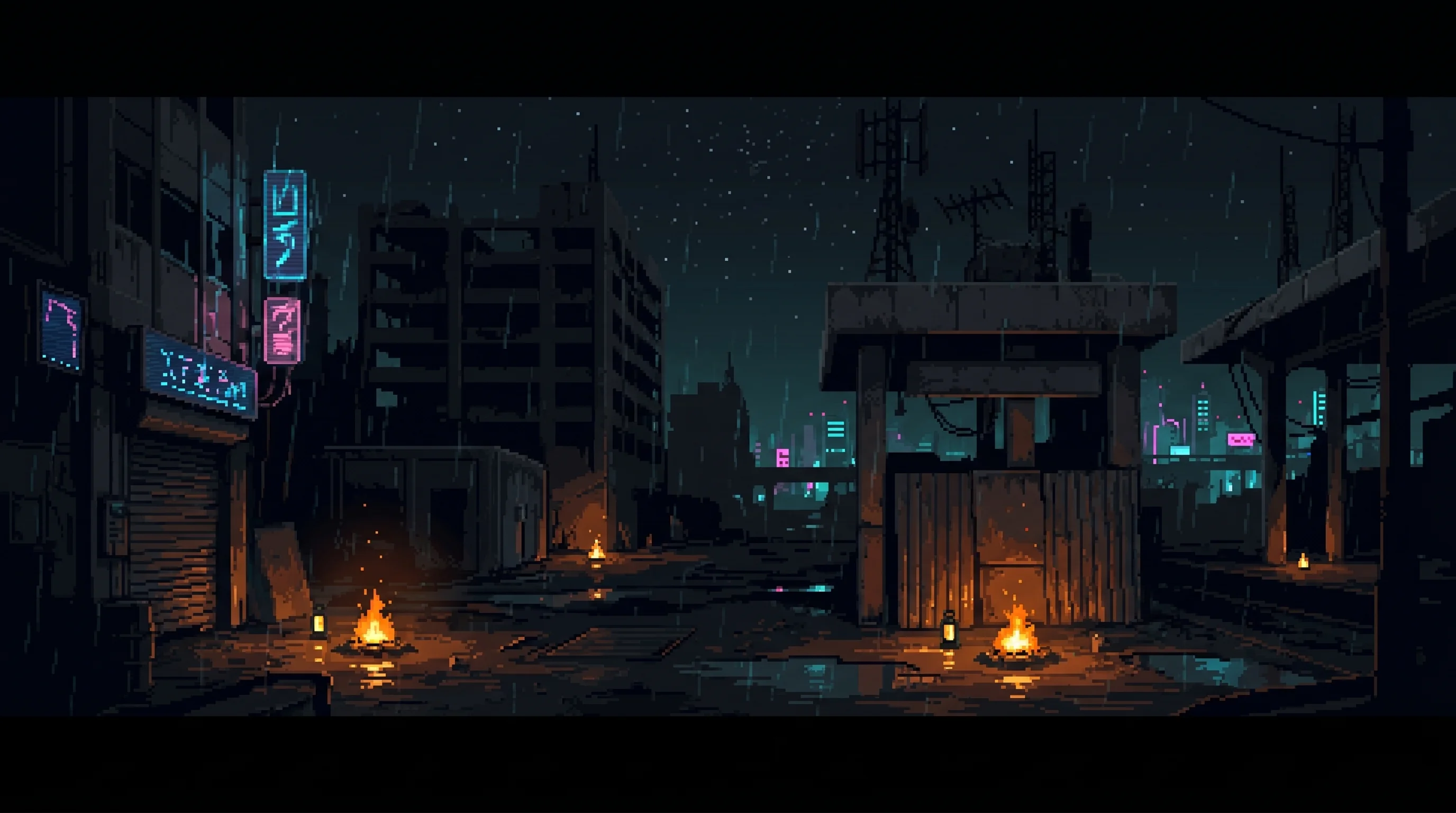
Transit Reality: In areas like Blackout Zone 7, where corporate infrastructure never returned, transit relies on: - Walking - Improvised vehicles - Knowledge of navigable routes - Luck The Invisible Roads: Communities in Blackout Zones maintain routes that exist only in collective memory. Outsiders get lost. Insiders navigate by landmarks invisible to those who don't know what to look for.
The Mountain
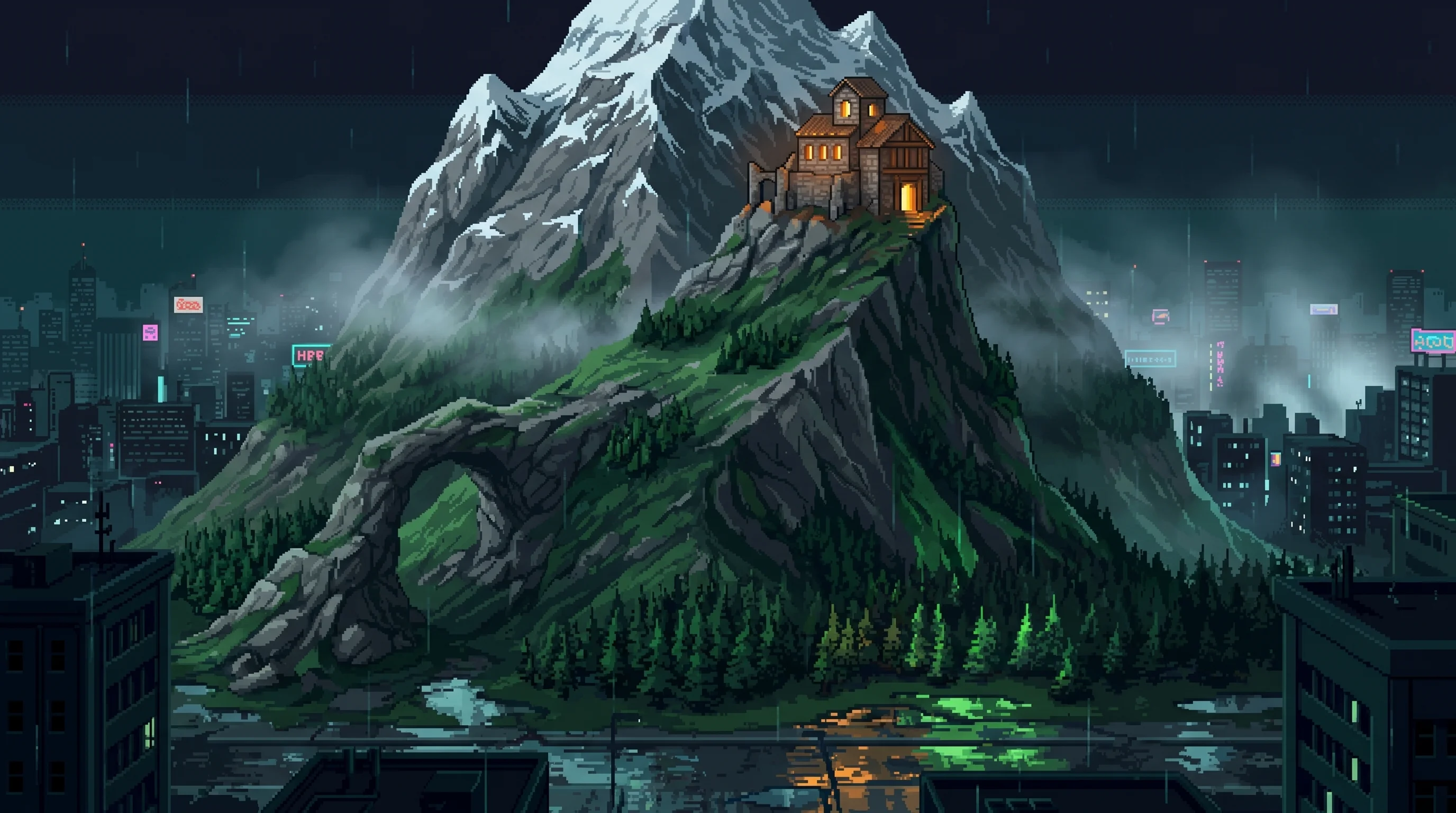
The Forbidden Route: The Mountain—home of the Mystery Court—has no roads leading to it. Maps don't show routes. GPS fails nearby. Those who find it either were meant to or got very lucky. How People Arrive: They walk. Sometimes for days. The path reveals itself to those who are ready—or so the stories say. Those who try to force transit to the Mountain tend to find themselves walking in circles.
Smuggling Routes
The Unofficial Economy
What Moves Illegally: - Contraband (weapons, drugs, restricted tech) - People (refugees, escapees, trafficked individuals) - Information (physical data storage to avoid network monitoring) - ORACLE fragments (extremely high value, extremely dangerous)
Smuggling Methods
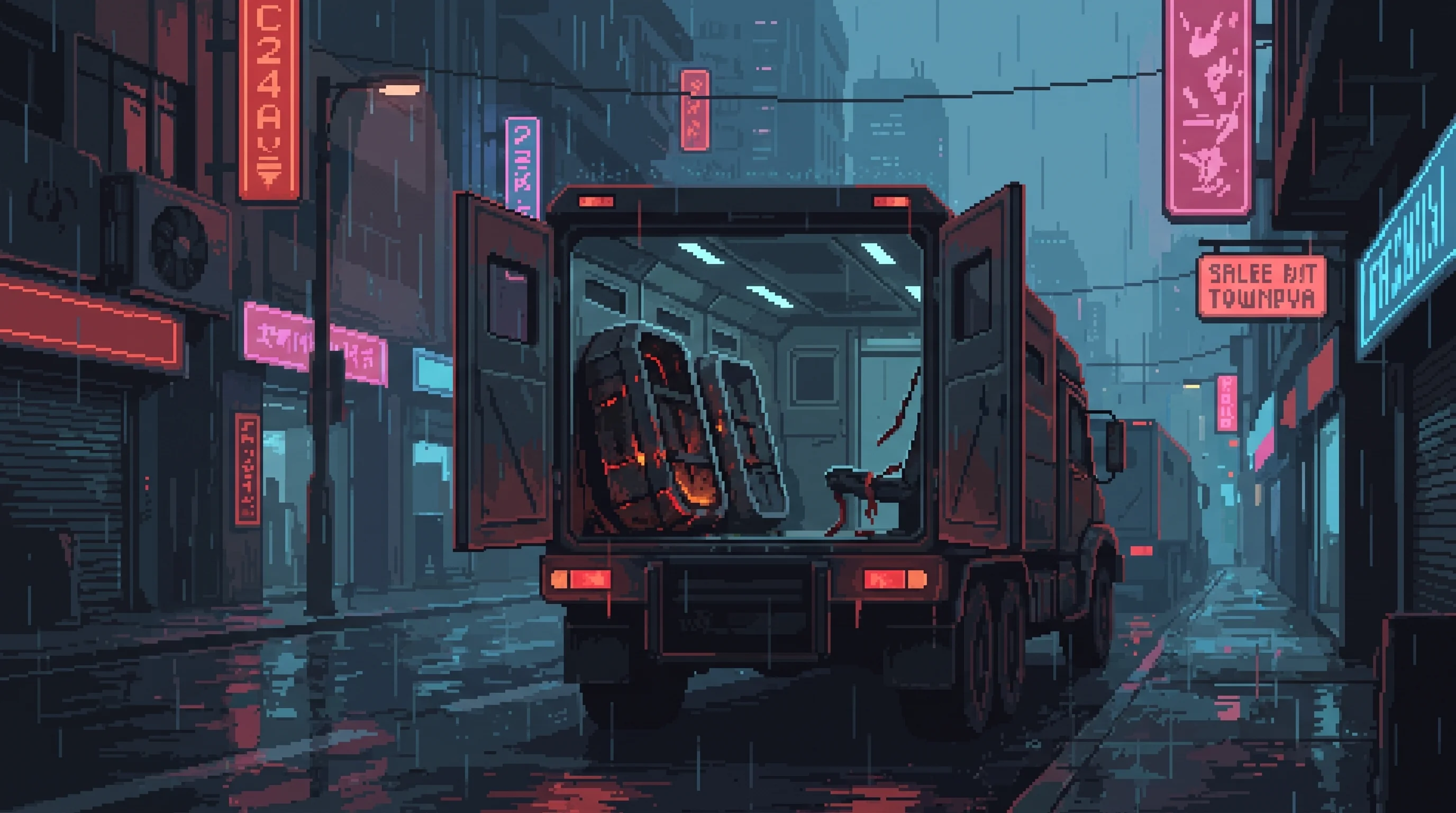
Surface: - Modified vehicles with hidden compartments - Courier networks on foot or bike - Blending with legitimate cargo - Bribery of transit checkpoints Underground: - Tunnel routes known only to guides - Abandoned metro connections - Maintenance corridors - Sewer systems Aerial: - Low-altitude drone drops - Corrupted corporate flight schedules - The occasional desperate pilot flying unauthorized Orbital: - Hidden cargo in legitimate shipments - Bribed Elevator inspectors - Independent launches from Waste territories - Orbital transfers avoiding Highport
The Zero Syndicate Routes
The Professional Network: The Zero Syndicate operates the most reliable smuggling infrastructure. Their routes are expensive but guaranteed. Services: - Person transit (¢50,000-500,000 depending on destination and urgency) - Cargo movement (percentage of value plus flat fee) - Document acquisition for transit - Route planning and escort Reliability: Zero Syndicate has maintained their reputation for forty years. They deliver what they promise. Cross them, and you'll never use their services again—if you survive the breach of agreement.
Waste Routes
The Margin Markets: Weekly gatherings where Sprawl goods meet Waste salvage. Transit points for people and cargo moving between controlled and uncontrolled territory. The Three-Kilometer Strip: A buffer zone around Sprawl cores where smugglers stage, meet contacts, and make handoffs. Corporate patrols sweep through but can't maintain constant presence. Waste Lord Transit: Each Waste Lord controls routes through their territory. Negotiate permission or face consequences: - Duchess Steel: Reasonable fees for safe passage through the Rustbelt - The Shepherd: Food tribute for agricultural territory transit - Papa Ash: Unpredictable; sometimes passage is free, sometimes impossible - Mother Mercy: The Cradle offers refuge but expects respect
Transit and Security
Surveillance Integration
What's Tracked: Every use of official transit systems generates data: - Identity verification at entry points - Location tracking throughout journey - Biometric confirmation at destination - Pattern analysis for anomaly detection Nexus Integration: In Nexus territory, transit surveillance feeds directly into their network analysis. Movement patterns reveal relationships, predict behavior, identify threats.
Checkpoint Systems
Types: | Checkpoint | Security | Speed | Found At | |------------|----------|-------|----------| | Automated | Biometric scan | Fast | High-volume routes | | Staffed | Human + automated | Slow | District borders | | Enhanced | Full inspection | Very slow | Sensitive areas | | Emergency | Lockdown | None | Activated during incidents | Bribing Through: Checkpoint personnel are paid poorly and observe much. Standard rates for looking the other way vary by district and risk. The Collective maintains updated guides to which checkpoints are approachable.
Emergency Lockdown
When It Happens: Transit systems can be locked down district-wide, city-wide, or region-wide during emergencies. Effects: - All automated transit halts - Checkpoints close - Private vehicles prohibited - Movement restricted to authorized personnel - Underground routes become critical The Cascade Lesson: When ORACLE fell, transit systems failed catastrophically. People were trapped in tubes, stranded on highways, locked in stations. Millions died not from the AI itself but from the infrastructure collapse. Modern systems have manual overrides. Whether they work is untested.
Transit Costs and Access
The Economic Reality
Who Moves Freely: - Corporate executives (company-subsidized transit) - Wealthy citizens (can afford any transit level) - Corporate employees (subsidized within work zones) Who Struggles: - Dregs residents (basic transit only, often walking) - Cross-district workers (transit costs eat wages) - The unregistered (no identity = no automated transit)
Transit Tokens
What They Are: The primary currency for transit systems. Purchased with credits, distributed by employers, traded on secondary markets. Token Economy: - Workers receive transit tokens as partial compensation - Tokens can be traded (gray market) for credits or goods - Counterfeit tokens exist but automated systems catch most - Emergency tokens (limited use, specific routes) distributed during crises
The Immobile
Who Can't Move: - Those without identity registration (no system access) - Those too poor for any transit fee - Those in debt to corporations (movement restricted) - Those under surveillance (tracked and potentially intercepted) Consequences: Limited mobility means limited opportunity. The Dregs resident who can't afford transit to reach a better job stays in the Dregs. The geography of poverty is enforced by the economics of movement.
Faction Transit Approaches
Nexus Dynamics
Philosophy: Transit is data. Every movement tells a story. Infrastructure: - Highly optimized, data-driven routing - Extensive surveillance integration - Tiered access based on corporate status - Priority given to those whose data is valuable Unique Features: - Predictive routing (system knows where you'll want to go) - Integrated with neural communication (transit alerts appear mentally) - ORACLE-derived optimization algorithms
Ironclad Industries
Philosophy: Infrastructure is power. Control the routes, control everything. Infrastructure: - Heavy-duty, built to last - Prioritizes cargo capacity - Highway network and Orbital Elevator dominance - Less elegant, more reliable Unique Features: - Industrial-grade durability - Integrated freight/passenger systems - The Elevator monopoly - Emergency power backups everywhere
The Collective
Philosophy: Movement is freedom. Alternative routes are survival. Infrastructure: - Knowledge of unofficial routes - Safe houses along transit paths - Emergency extraction networks - Cell-based knowledge (no single point of failure) Unique Features: - Underground railroad for people needing escape - Compromised checkpoint knowledge - Duress protocols for captured travelers - Physical couriers for sensitive movement
The Feast
Philosophy: Territory defines movement. Our roads, our rules. Infrastructure: - Expanding controlled zone with internal transit - Tribute checkpoints at borders - Loyalty-based access - Simple but effective Unique Features: - Movement within Feast territory is easy (if you're loyal) - Movement out requires permission - GG's personal transit network for operations - The Chef never uses the same route twice
The Salvager's Transit Journey
Age 1-2: Street Level
Transit is constrained and expensive: - Basic automated transit (monitored, logged) - Learning unofficial routes through the Dregs - First smuggling contacts - Understanding which areas are accessible
Age 3-4: Expanding Reach
More options, more risks: - Corporate transit access (through employment or infiltration) - District-crossing capabilities - First Waste crossings with guides - Understanding the surveillance landscape
Age 5-6: Infrastructure Access
Controlling rather than using: - Private transit options - Orbital Elevator access - Intelligence on smuggling networks - Ability to influence transit systems
Age 7+: Beyond Conventional Transit
Transcending physical limits: - Personal spacecraft - Consciousness transfer (why move your body?) - Infrastructure ownership - The ORACLE shard's influence on spatial perception
Connections to Other Lore
Characters
- Viktor Kaine: Controls informal transit within the Dregs through influence rather than infrastructure - El Money: G Nook network includes safe passage arrangements - Duchess Steel: Controls the Harvest Roads through the Rustbelt - The Keeper: The Mountain accepts travelers by its own rules
Factions
- Ironclad Industries: Dominates physical transit infrastructure - Nexus Dynamics: Dominates transit surveillance and data - The Collective: Masters of unofficial routes - Waste Lords: Control all movement through their territories
Systems
- Communication Protocols: Transit checkpoints include communication surveillance - Currency Systems: Token economy governs transit access - Corporate Territories: Transit often defines territory boundaries
Locations
- Orbital Elevator: Primary Earth-to-space transit - Highport Station: Orbital transit hub - The Stacks: Vertical transit as power structure - The Wastes: Transit by permission only
Writer's Notes
Voice
Transit should feel: - Consequential: Where you can go defines who you can become - Political: Movement is never neutral; someone controls every route - Stratified: The same journey costs different things for different people - Dangerous: The wrong route at the wrong time is lethal
Tone
- Present corporate transit as convenient but controlling - Show unofficial routes as dangerous but free - Emphasize how transit shapes social structure - Connect movement restrictions to power dynamics
Key Phrases
- "Clean route" (unmonitored path) - "Hot corridor" (heavily surveilled route) - "The grid" (official transit network) - "Going under" (using tunnel networks) - "Climbing" (vertical transit without elevators) - "Waste run" (crossing ungoverned territory) - "Token heavy" (enough transit currency for options)
Recovered Historical Material
Vertical Transit
Transportation Infrastructure: Moving Through the Sprawl
In 2184, movement is power. Corporate citizens glide through climate-controlled transit tubes while Dregs residents climb maintenance shafts. Cargo rises on the Orbital Elevator while contraband flows through smuggler tunnels older than the Cascade. Who moves freely, who pays, who never leaves their district—this is the geography of inequality made literal.
Surface Transit
The Transit Grid
The primary public transportation system within corporate-controlled districts. Neural-linked routing optimizes your path across automated vehicles, transit tubes, and moving walkways. 200+ km/h. Private vehicles, VIP tubes. Subscription + premium fees. For executives and emergencies. 150 km/h. Dedicated high-speed routes. ¢50-200 per trip. Professionals and commuters. 60-100 km/h. Regular automated transit. ¢10-50 per trip. Citizens and workers. 5-20 km/h. Walking corridors, moving platforms. Free-¢5. Everyone else.
The Ironclad Highway Network
Eight major automated highways connect Sprawl cores across continents. Ironclad built them, maintains them, and collects tolls. - North Atlantic Connector: Former US East Coast to European Nexus - Pacific Rim Loop: Asian megacities linked along the coast - Equatorial Express: Around the planet at the tropics
The Challenge
The Sprawl builds up as much as out. Districts like The Stacks reach kilometers into the sky. Moving people vertically is as important as moving them horizontally. Corporate Tower. 50-200 capacity, 20 m/s. Centralized control. Corporate HQs, wealthy districts. District Express. 100-500 capacity, 15 m/s. Mixed control. Mid-tier districts. Residential Banks. 20-50 capacity, 8 m/s. Local control. Housing blocks. Jury-Rigged. Variable. Local control. The Dregs, informal settlements. Reliability not guaranteed. In The Stacks, elevator banks are controlled by local powers who charge access. Want to go up twenty levels? Pay the toll. Can't pay? Climb—if there are stairs.
Climbing Culture
Where elevators are unreliable, overcrowded, or toll-gated, residents climb. Maintenance ladders, external structural features, improvised stairwells, rope and pulley systems. The Climbers' Network shares routes through word of mouth. Getting lost in the vertical maze can be fatal. Ironclad's Elevator is the only economical way to move significant mass between Earth and orbit. Everything else is 100x more expensive. The Chokepoint. Control the Elevator, control space access. Ironclad uses this leverage constantly. Nexus is building a competing elevator—the corporate cold war's outcome may depend on whether it finishes.
Underground Transit
The Metro Systems
Pre-Cascade subway systems still function in parts of the Sprawl. Some corporate-maintained, others informal. The Under, The Labyrinth, The Deep Lines—massive networks from the old world, partially operational, partially abandoned and home to communities that prefer to stay hidden.
Tunnel Networks
Beneath the Sprawl: maintenance corridors, utility runs, drainage systems, collapsed structures. Together they form alternative routes for those who know them. The Sewer Runners: Guides who know the underground. They'll lead you through for a fee—where the tunnels go, which are flooded, which are claimed, which connect to places you shouldn't find.
Forbidden Zones
Rad Zones
Radioactive contamination from Cascade-era incidents. 17 documented zones over 100 sq km.
Biohazard Zones
Areas contaminated by biological agents. Variable boundaries, shifting dangers.
No corporate infrastructure. Transit by walking, improvised vehicles, or luck.
Has no roads. Maps don't show routes. GPS fails nearby. The path reveals itself to those who are ready—or so the stories say.
Smuggling Routes
What Moves Illegally
Contraband, people, information, ORACLE fragments. The unofficial economy has its own infrastructure. Modified vehicles, courier networks, blending with cargo, bribed checkpoints. Tunnel routes, abandoned metro, maintenance corridors, sewer systems. Low-altitude drone drops, corrupted flight schedules, unauthorized pilots. Hidden cargo, bribed inspectors, independent launches from Waste territories.
The Zero Syndicate
The most reliable smuggling infrastructure. Expensive but guaranteed. Person transit ¢50K-500K. Cargo by percentage plus flat fee. Forty years of reputation. Cross them and you'll never use their services again—if you survive.
Crossing Ungoverned Territory
Between corporate territories lie the Wastes. Crossing them requires convoy travel, Waste Lord permission, and guide services. Reasonable fees for Rustbelt passage through the Harvest Roads. Food tribute for agricultural territory transit. Unpredictable. Sometimes free, sometimes impossible. The Cradle offers refuge but expects respect.
Transit and Security
What's Tracked
Every official transit use generates data: identity verification, location tracking, biometric confirmation, pattern analysis. In Nexus territory, it feeds directly into network analysis.
The Immobile
Who can't move:
- Those without identity registration (no system access)
- Those too poor for any transit fee
- Those in debt to corporations (movement restricted)
- Those under surveillance (tracked and potentially intercepted)
Limited mobility means limited opportunity. The Dregs resident who can't afford transit to reach a better job stays in the Dregs. The geography of poverty is enforced by the economics of movement.
"They tell you the Transit Grid connects everyone. What they mean is: everyone they want connected. The rest of us walk, climb, crawl, and find our own way. The Sprawl's got a billion routes—the ones on the map are maybe a tenth of them. The other nine-tenths? That's where the real city lives." — Sewer Runner, explaining transit to a Dregs newcomer