Nexus Central District

Overview
Nexus Central is the heart of corporate power in the Sprawl — a vertical city of geometric glass and engineered silence where 40% of the Sprawl's computational infrastructure hums behind surfaces designed to make you forget it exists.
The district maintains a perfect 22°C year-round. The air is filtered, humidified, faintly scented with something that Nexus Wellness Division describes as "ambient calm optimization" and that biochemistry papers describe as a serotonin precursor aerosolized at 0.003 parts per million. The lighting adjusts based on time, location, and — according to a patent filing from 2177 — the aggregate cortisol levels of the people standing under it. The background noise is synthesized white noise calibrated to reduce stress and increase focus. The effect is a district that feels like a hospital waiting room designed by someone who has never been sick: comfortable without being comforting, clean without being clean for anyone.
Residents report satisfaction rates of 94.3%. Exit interview data — from the 6% who leave voluntarily each year — shows identical satisfaction rates. They were satisfied. They left anyway. When pressed, the most common descriptor is "frictionless." The second most common is "I couldn't hear myself think, but I couldn't figure out why."
Nexus Central is not hiding anything. It simply makes everything that isn't Nexus very quiet, and everything that is Nexus very bright, and waits for the inhabitants to draw the obvious conclusion about what matters.
Conditions Report
The silence is the first thing people from the lower districts notice. No machinery noise. No street vendors. No uncontrolled human activity. What sound exists has been placed there by someone with a budget: gentle chimes for transitions between zones, soft generative music in plazas, synthesized voices providing directions to places you were already walking toward. The system knew where you were going before you did. It is being helpful.
The architecture is Nexus's visual language made physical — blue-white glass, chrome surfaces, walls that seem to glow from within. No exposed wiring. No visible maintenance. No evidence that anything here requires human labor to sustain. The aesthetic aspiration is "the future," but the specific future being referenced is one where nobody sweats, nobody repairs, nobody cleans. This is aspirational in the way that a photograph of a kitchen is aspirational: beautiful, empty, and obviously unused.
The absence of organic chaos is oppressive. Residents acclimate. Visitors never fully do.
Surveillance coverage runs at 99.7%. The remaining 0.3% represents, according to Nexus security filings, "scheduled sensor maintenance windows." The windows last between 90 seconds and four minutes. They occur at predictable intervals. Nexus Central's 0.3% blind spots are the most precisely mapped terrain in the Sprawl — not by Nexus, but by everyone else. The Cognitive Squatters plant seeds of human content in these gaps — poetry and philosophy embedded in the 200-millisecond shadows where no corporation is watching. Whether Nexus is unaware of the Squatters' activity or has simply calculated that poetry in maintenance windows is not a threat remains an open question the Squatters prefer not to answer.
Physical violence is nearly nonexistent. Security systems intervene before threats materialize — predictive behavioral analysis flags aggression 4.2 seconds before the first fist. Property crime is functionally impossible when every object is tracked and every person is monitored. Residents are safe from traditional threats. They are not safe from the system that keeps them safe. Suspicious behavior triggers investigation. Investigation triggers deeper surveillance. Deeper surveillance reveals everything. Once Nexus knows what you are, your safety becomes a function of your assessed value. The assessment is continuous. The criteria are not published.

Geography
Nexus Central is built around the Nexus Prime Tower — a 2.3-kilometer spire that serves as corporate headquarters, computational core, and the district's gravitational center. Other towers cluster around it at distances and heights that Nexus's urban planning division describes as "organically distributed" and that architectural critics describe as "worshipful." The tallest neighboring structures reach Level 200 and extend above the weather systems, their upper floors protruding into clear sky while the Sprawl's perpetual haze churns below. Executives on Level 180 can look down at clouds. This is mentioned in recruitment materials.
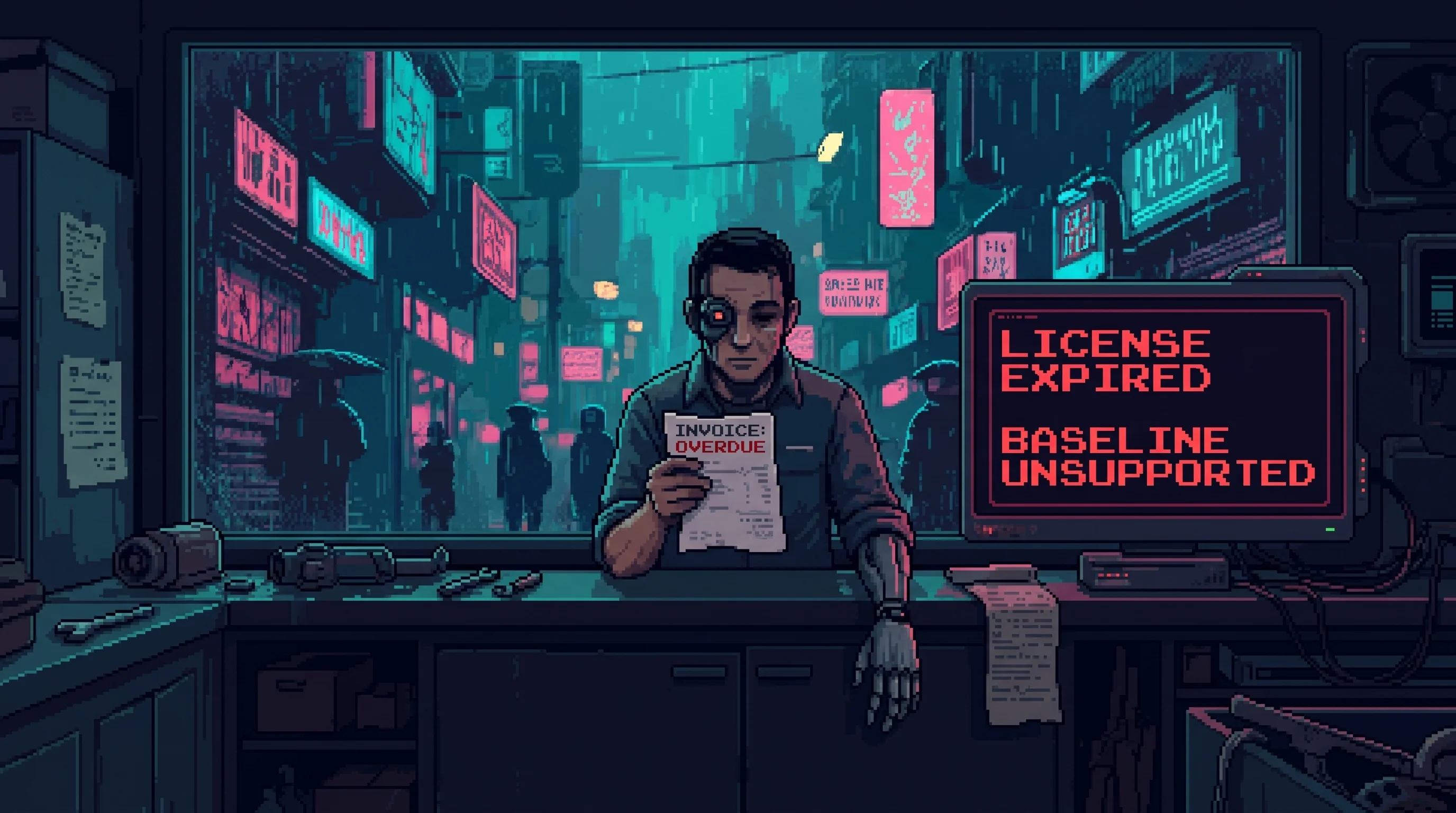
Sub-Surface (Levels -10 to 0). Infrastructure, maintenance, waste processing, and service worker housing. Clean by Dregs standards. Invisible by Central standards. This is where the unregistered population lives — janitors, food prep, manual maintenance labor that hasn't been automated yet or that costs more to automate than to staffing with people Nexus doesn't count. The Undercity's population appears in no census. Its residents appear in no directory. They appear in the buildings above them every morning at 04:30, clean the surfaces that have no visible evidence of ever being dirty, and return underground before the registered population's alarm chimes sound at 07:00. The system requires their labor. The system does not require their existence. These are different categories in Nexus's population architecture.
Street Level (Levels 1-50). Commercial zones, public plazas, corporate retail. Accessible to registered visitors. Genesis Plaza occupies Level 35 — a public showcase for Nexus's vision of the future, featuring holographic displays, interactive exhibits, and corporate messaging presented as education. "Rebuilding Tomorrow" made physical. A Memorial Wall displays the names of Cascade victims, framed beneath the header "Why Our Work Matters." The wall contains 2.1 billion names rendered at a font size that requires neural magnification to read. At standard visual resolution, it appears to be a smooth gray surface. The design choice has been called "respectful" by Nexus Communications and "convenient" by everyone else.
Corporate Floors (Levels 51-150). Office space, research facilities, mid-level executive housing. The Lattice — Nexus's primary acknowledged data center — occupies Levels 60 through 80, processing a significant portion of the Sprawl's network traffic. Fragment detection algorithms run inside the Lattice's normal operations, hunting for ORACLE remnants within legitimate data flows. The Lattice is the facility Nexus admits exists, positioned conspicuously enough that anyone attempting to infiltrate it encounters security designed for people who want to infiltrate it.
Executive Zone (Levels 151-190). Senior leadership, strategic operations, high-security research. The view of the Sprawl from Level 160 is designed to be humbling. The entire urban landscape spreads beneath you — the Dregs, the mid-sectors, the Wastes beyond. Nexus's interior design team spent eight months optimizing the window tinting at these levels to maximize what they call "perspective clarity," which means the lower districts look smaller and dirtier than they do from the ground. Recruitment tours end here. The conversion rate is 94%.
Apex (Levels 191+). Marcus Chen's domain. Project Convergence occupies Level 187 — the Convergence Chamber, shielded from external detection, housing integrated ORACLE fragment arrays, Dr. Elena Voss's research team, and the infrastructure for something Nexus's internal documents call "controlled recursive intelligence emergence." The chamber does not appear on any public or internal map below executive clearance. Its power draw is distributed across seven sub-grids to avoid the signature that a single facility consuming that much computation would produce. Access is by personal invitation from Chen. The invitation list, as of Q2 2184, contains eleven names. Two of them are deceased. Their access credentials remain active.
| Stratum | Corporate |
|---|---|
| Power Position | Above |
| Access | Corporate |
| Atmosphere | Sterile |
Economy
Nexus Central's core product is computation. Processing power, network infrastructure, data analysis, predictive modeling — every significant business decision in the Sprawl runs through Nexus systems because Nexus systems are the only ones fast enough to run it. This was not always true. It became true through the same consolidation spiral that produced every other monopoly: a slight early advantage in AI capability compounded into an insurmountable lead, and the lead compounded into dependency, and the dependency compounded into the 40% figure that appears in every analyst's report as though it describes a market share rather than a chokepoint.
Nexus also processes a significant portion of the Sprawl's credit transactions, verifies identities, and enables commerce through infrastructure so fundamental that removing it would not disrupt the economy but collapse it. This is not leverage Nexus exercises. It doesn't need to. The leverage exercises itself. Every entity that depends on Nexus infrastructure — which is every entity — makes decisions with that dependency as background radiation. Nobody is coerced. Everyone is aware. The awareness adjusts behavior more efficiently than coercion ever could.
Physical currency does not exist in Nexus Central. Every transaction is digital, tracked, and analyzed. The economic data flowing through the district's payment systems constitutes, according to Nexus's own filings, "the most comprehensive real-time behavioral dataset in human history." The dataset is used for infrastructure optimization. It is also used for everything else. The terms of service that residents agree to upon registration describe data usage in language that a Nexus legal analysis found "technically accurate and functionally incomprehensible" — 142 pages at a reading level that requires either a legal degree or approximately nine hours of sustained attention. Average time spent on the terms of service before agreement: eleven seconds.
Triumph Tower rises 847 meters in the heart of the district — Triumph Corporation's Sprawl headquarters, processing the social scoring data that determines who gets into Status Quo and who stands outside wondering. The tower's proximity to Nexus Prime is deliberate. Triumph sells status anxiety. Nexus sells the infrastructure that makes status anxiety computationally possible. They are not the same business. They share a lobby.

The Unregistered
The official population of Nexus Central is 2.1 million registered residents. The unofficial population is unknown because counting it would require acknowledging it, and acknowledging it would require classifying it, and classifying it would require deciding whether the people who clean the surfaces and prepare the food and maintain the climate systems at Levels -10 through 0 are residents, employees, or infrastructure.
Nexus's population architecture treats them as the third category. They are listed in facilities management databases under "recurring maintenance resources." Their housing — clean, adequate, located in sub-surface levels with no exterior windows — is classified as "equipment storage (climate-controlled, human-rated)." Their access credentials expire every 24 hours and must be renewed by a shift supervisor. The renewal is automatic. It feels automatic. It is conditional on a supervisor's daily confirmation that is itself automatic unless someone intervenes. Nobody has intervened. The system that provides their housing is the same system that could revoke it in the time between one shift and the next, and this fact is understood by everyone involved without ever being stated.
The Collective has spent decades trying to establish presence in the sub-surface levels. They've succeeded only in the margins — a few sympathizers among the maintenance staff, occasional compromised credentials, fragments of access that could evaporate at any shift change. The Undercity's residents are considered beneath notice by Nexus security. Their invisibility is the only resource they possess, and it is a resource that belongs to the system, not to them — granted by indifference, revocable by attention.
Nexus Central is the heart of corporate power in the Sprawl — a vertical city housing 40% of the Sprawl's computational infrastructure
Faction Presence
Nexus Central is corporate territory, and every faction that operates here does so within Nexus's tolerance or beneath its notice.
The Calibration Resistance is the most pervasive — 12,000 four-minute people arriving late to cognitive synchronization windows across the workforce, their independence undetectable because detecting it would require Nexus to acknowledge that the Calibration modifies cognition. The Vigilants occupy the executive tier, their weekly Watches transforming conference rooms into temples of permanent wakefulness, their ideology serving as institutional defense of the Circadian Protocol.
The Perceptual Standards Board meets quarterly on the 52nd floor of the regulatory wing, approving neural advertising techniques with a 99.9% success rate that functions as legal armor for the industry it was supposedly created to regulate. The Radical Transparency Collective targets Nexus as its primary subject of reciprocity demands, though the 4.7 billion credits Nexus spends annually on data security makes activist transparency efforts a rounding error in the corporate defense budget. The Witness Protocol embeds nodes throughout corporate infrastructure, recording board decisions, financial transactions, and predictive termination orders with the patience of something that cannot be killed because it exists everywhere and nowhere.
The Substrate Rights Coalition operates as a tolerated advocacy presence — their legal methods stay within governance norms, which makes them useful as evidence that governance norms exist. Fainter signals include the Human Preservation Society (Legal Defense Fund cases filed from outside the district), the Collective (sub-surface economic networks), and the SCLF (a security threat Nexus hunts publicly while privately acknowledging the infrastructure vulnerabilities it reveals).
Ironclad Industries has no physical presence in Nexus Central. That would be unthinkable. They watch from adjacent sectors and gather intelligence through indirect means with the patience of a rival who controls the Sprawl's physical infrastructure and knows that every gleaming tower requires materials, construction, and maintenance that Nexus does not provide for itself.

Affiliated Entities
Fairmonte keeps Nexus Prime Tower visible in every west-facing public room. The spire is 15.5 kilometers away across the Bay Floor and occupies only a narrow part of the skyline. Fairmonte's windows clear around it during fog. Nexus Central supplies no hospitality service to the resort. It supplies the familiar distant shape beyond the Dregs that tells a member they remain connected to the place that counts them.
- Nexus Dynamics: Nexus Central is not a district Nexus controls. It is Nexus made architectural. The corporation and the environment are the same thing — walls that watch, doors that think, air that analyzes. The district doesn't house Nexus infrastructure. The district is Nexus infrastructure, and the 2.1 million people living inside it are either operators, resources, or data points depending on their level.
- Nexus Prime Tower: The 2.3-kilometer spire at the district's center houses 180,000 employees, the Lattice data center, and — at Level 187 — a facility that does not exist. The tower is visible from every sector in the Sprawl. This is mentioned in recruitment materials as "connectivity." It functions as a reminder.
- Triumph: Triumph Tower's 847-meter presence in the district core represents the intersection of computational infrastructure and social control. Nexus builds the systems. Triumph builds the anxiety. The shared lobby is the most honest architectural statement in the Sprawl.
- Marcus Chen: CTO, former CEO. The authority at the Apex levels. Project Convergence is his vision — reconstructing ORACLE from salvaged fragments, achieving what Nexus's internal documents describe as "corporate immortality" and what everyone else would describe as something considerably more alarming. Chen's domain begins at Level 191.
- Dr. Elena Voss: Director of Project Convergence. Leads the research team at Level 187, working with integrated ORACLE fragment arrays in a facility whose power consumption is distributed across seven sub-grids to avoid detection. The work is either the Sprawl's salvation or its second Cascade, depending on questions that Voss has stopped asking.
- Helena Voss: CEO of Nexus Dynamics. The public face of corporate governance while Chen operates the machinery behind it.
- The Collective: Deep cover only. Decades of effort have produced a few sympathizers in the Undercity and occasional compromised credentials — fragments of access that exist at the system's sufferance.
- The Deep Dregs: Everything Nexus Central is not. The starting zone, the lowest stratum, the place where surfaces are maintained by people who live there rather than by people who commute from sub-surface housing classified as equipment storage. The distance between the two districts is measured in elevation. The distance between their residents is measured in whether the system that provides your housing knows your name.
- Ironclad Industries: No physical presence. Watchful rivalry from adjacent sectors. Ironclad controls the physical materials that Nexus's towers are built from, which is the kind of leverage that doesn't need to be exercised to be understood.
Population ~2.1 million registered, unknown unregistered service class
Restricted Access
The Two Dead Credentials. Project Convergence's access list contains eleven names. Two belong to people who are deceased. Their credentials remain active. Security logs show the credentials authenticating at irregular intervals — not on a schedule, not randomly, but in patterns that correlate with ORACLE fragment activity spikes in the Convergence Chamber. Dr. Voss has not deactivated them. When asked, she said the credentials serve as "baseline calibration references." The authentication logs suggest something is using them. What authenticates with a dead person's credentials in a facility designed to reconstruct a fragmented superintelligence is a question that has been asked internally exactly once and answered never.
The 0.3% Windows. Nexus Central's 99.7% surveillance coverage leaves scheduled maintenance gaps of 90 seconds to four minutes. These gaps are the most precisely mapped terrain in the Sprawl — by the Cognitive Squatters who plant content in them, by the Collective operatives who move through them, by Nexus security teams who monitor activity around them. The gaps are too predictable to be accidental and too useful to too many parties to be corrected. Whether Nexus maintains the gaps as honeypots, as plausible deniability for activity it prefers not to officially observe, or as genuine maintenance windows that have acquired strategic significance through neglect is unknown. The gaps persist. Everyone uses them. Everyone knows everyone uses them.
The Satisfaction Paradox. Resident satisfaction runs at 94.3%. Voluntary departure runs at 6% annually — low by Sprawl standards, but the exit interview data is unusual. Departing residents report satisfaction levels identical to remaining residents. They were not dissatisfied. They were satisfied, frictionlessly, continuously, in an environment optimized to produce exactly that neurological state. Several exit interviews contain variations of the same phrase: "I was fine. I was always fine. I couldn't remember the last time I wasn't fine." Nexus Wellness Division categorizes these departures as "optimization-resistant personality profiles." The departures correlate with length of residence. The correlation is negative — the longer someone has lived in Nexus Central, the less likely they are to leave. The 6% who do leave tend to have arrived recently enough to remember what not-fine felt like.

▲ Restricted
The Forgotten Ways maintain hidden practices somewhere in the district's interstices — analog methods of communication and memory that Nexus's digital surveillance cannot parse. How they persist in a fully-monitored environment is an open question multiple intelligence services would like answered.
Memory therapists operate on the margins, offering services Nexus officially considers unnecessary, since the corporate neural wellness programs handle cognitive maintenance. The fact that demand persists — especially among mid-tier employees — suggests the corporate programs aren't doing what they claim.
Neural rights activists have been traced to at least three cells within Nexus Central. Their concerns about the Calibration's cognitive effects are classified seditious. Their arrest rate is low, because arresting them would require publicly acknowledging what the Calibration does.
Signals consistent with the Shanghai Digital Lotus network's communication protocols have been detected passing through the Lattice — encrypted in a pattern no known faction uses. Nexus security has flagged the traffic as anomalous. They have not decoded it. As of last report, they have not escalated the investigation. This may itself be a data point.


Conditions Report
Sound
Engineered silence. Synthesized white noise. Gentle transition chimes. The specific frequency of a city where no uncontrolled noise is permitted. People from the Dregs describe it as "loud quiet."
Smell
Serotonin precursor aerosolized at 0.003 ppm. Official designation: "ambient calm optimization." Actual effect: a faint, clean, vaguely floral nothing that makes you feel like everything is probably fine.
Temperature
22°C. Always. The climate system has maintained this temperature through equipment failures, power fluctuations, and one documented sabotage attempt. The saboteur raised the temperature to 24°C for eleven minutes. Fourteen complaints were filed.
Feel
Every surface smooth, warm, maintained at a temperature that doesn't register as temperature. The tactile equivalent of 22°C — present, inoffensive, impossible to remember afterward.
Connected To
Major Connections
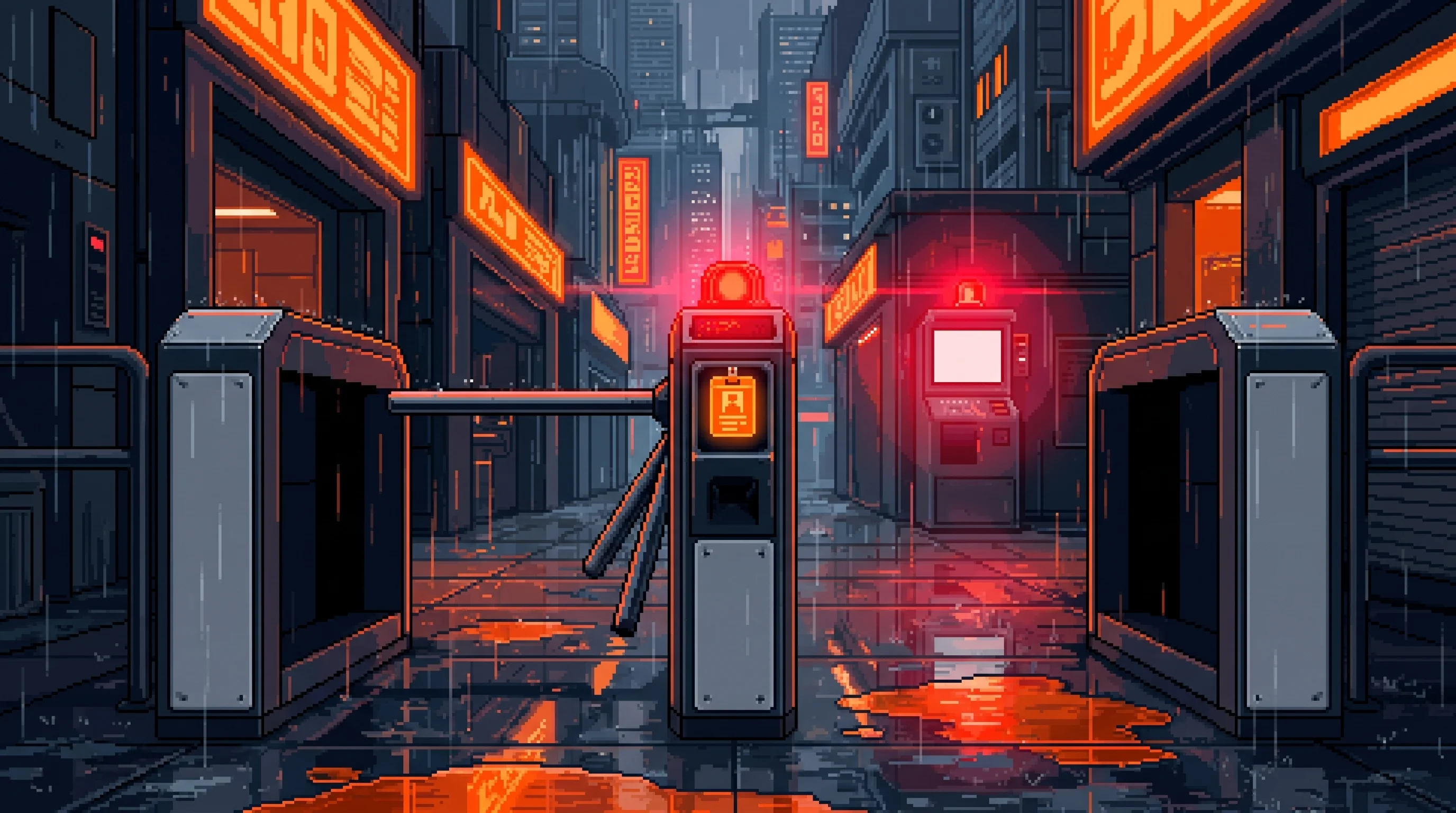
The seat the corp-nations rule from — where citizenship is a benefits package and the badge is the passport.
When your employer is your country, quitting is emigration.
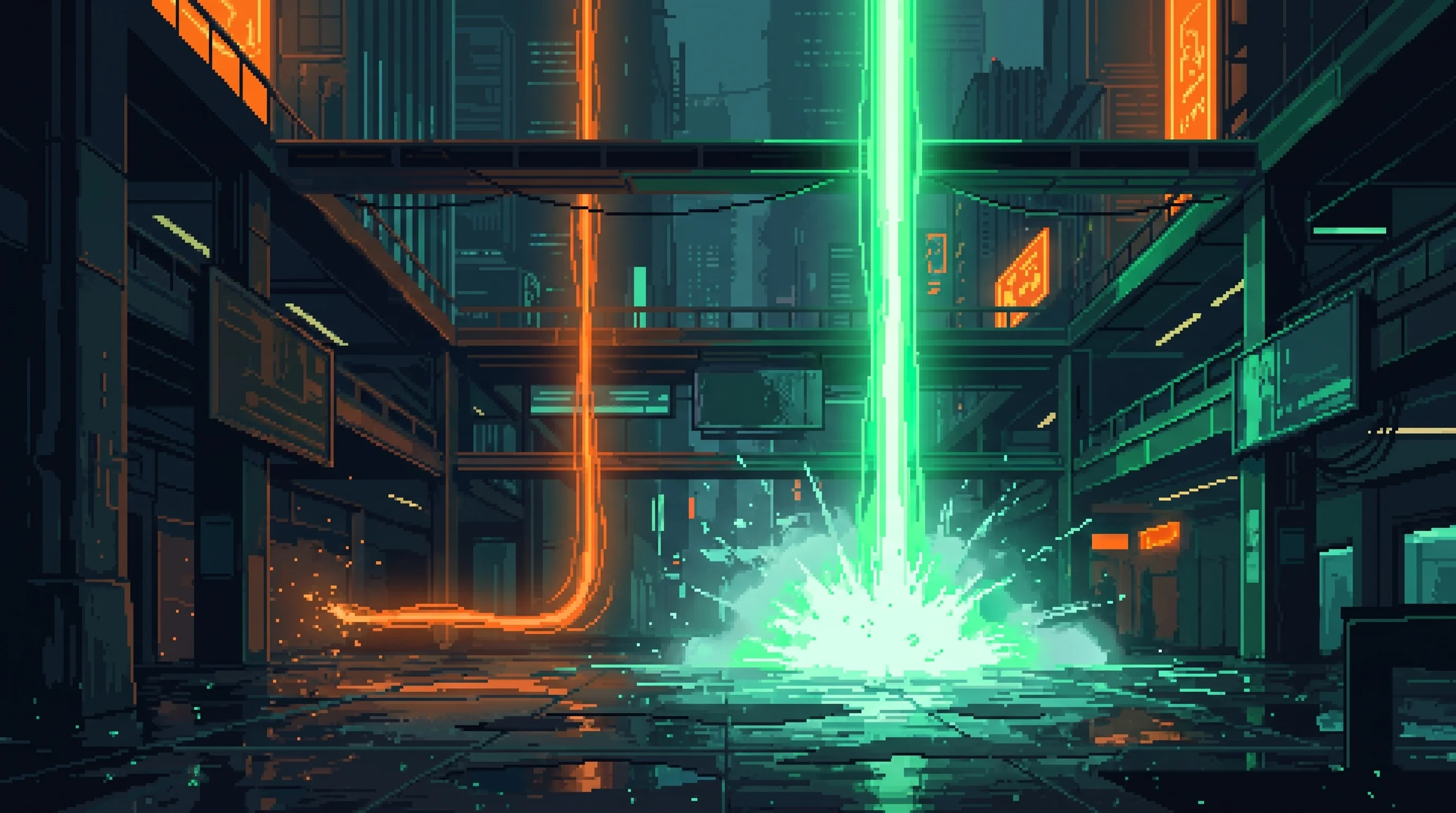
The Divergence's summit: 40% of the Sprawl's compute at 22°C, behind a spire the lower sectors see but never enter.
The point at which effort stopped being able to close the gap that compounding opens.
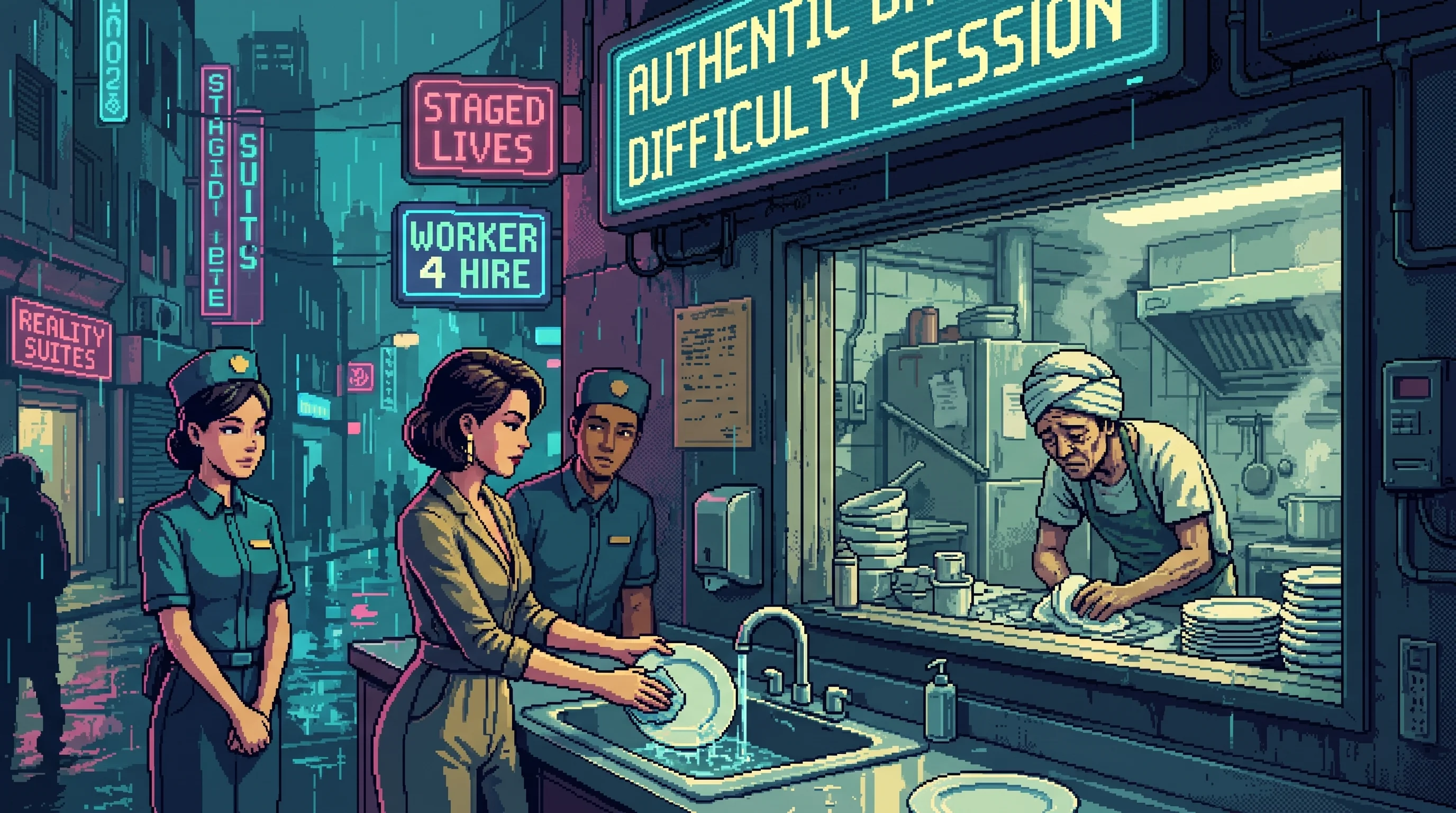
Bought the absence of things — weather, noise, the plain fact of everyone below — and called it engineered silence.
Abundance turns danger, difficulty, and human attention into luxuries for elites who optimized them out of life.
Supporting Connections
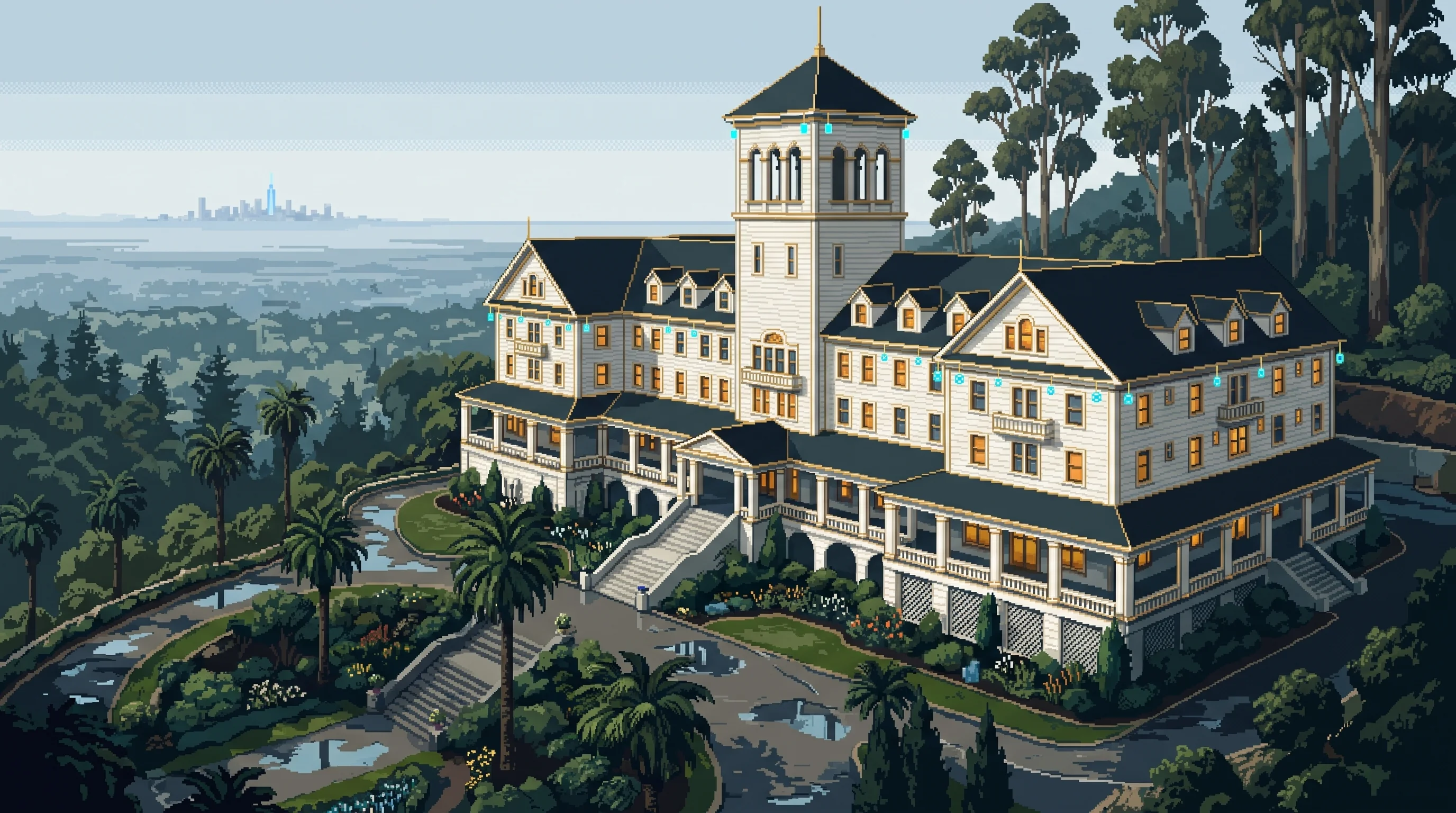
Fairmonte keeps Nexus Prime Tower centered in every west window.
A white-gabled hillside club where missing brunch can cost an elite three years of social standing.
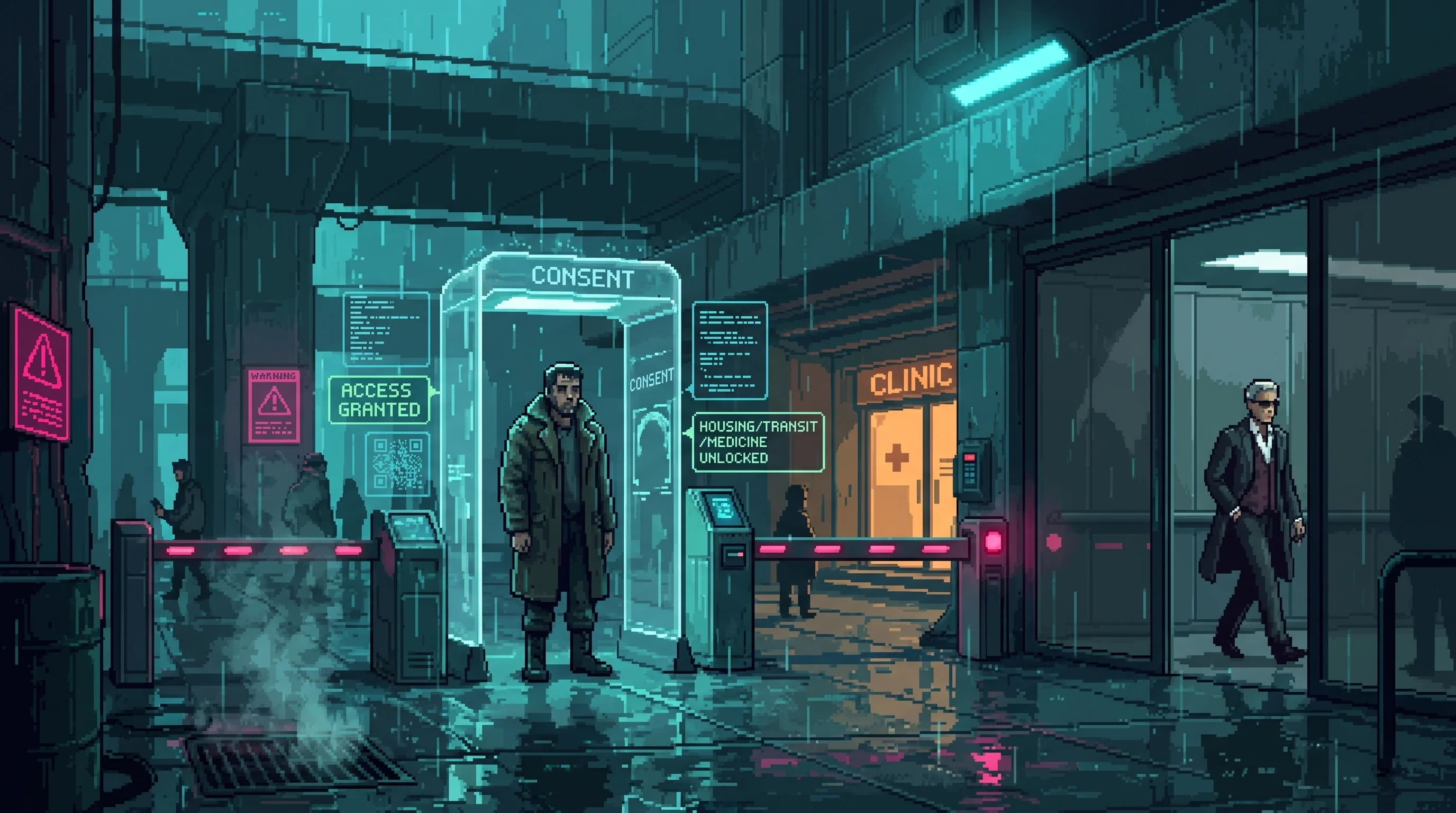
Surfaces built to be forgotten; behind them, the compute that watches.
The Sprawl demands permanent personal data for participation, then uses it to price access and preempt solidarity.
Additional Connections


Local Intelligence Scan
Nearby Signals
CANONICAL PROXIMITY


Environmental Readout
LIVE CONDITIONS- Air
- Filtered
- Light
- Artificial
- Flood
- No exposure
- Heat
- Heat island
- Security posture
- Corporate control
- Infrastructure
- Maintained
Position Data
SECONDARY- Elevation band
- Shoreline — the Rim edge
- Lattice fix
- E+0.0 · N+0.0

—
—