Overview
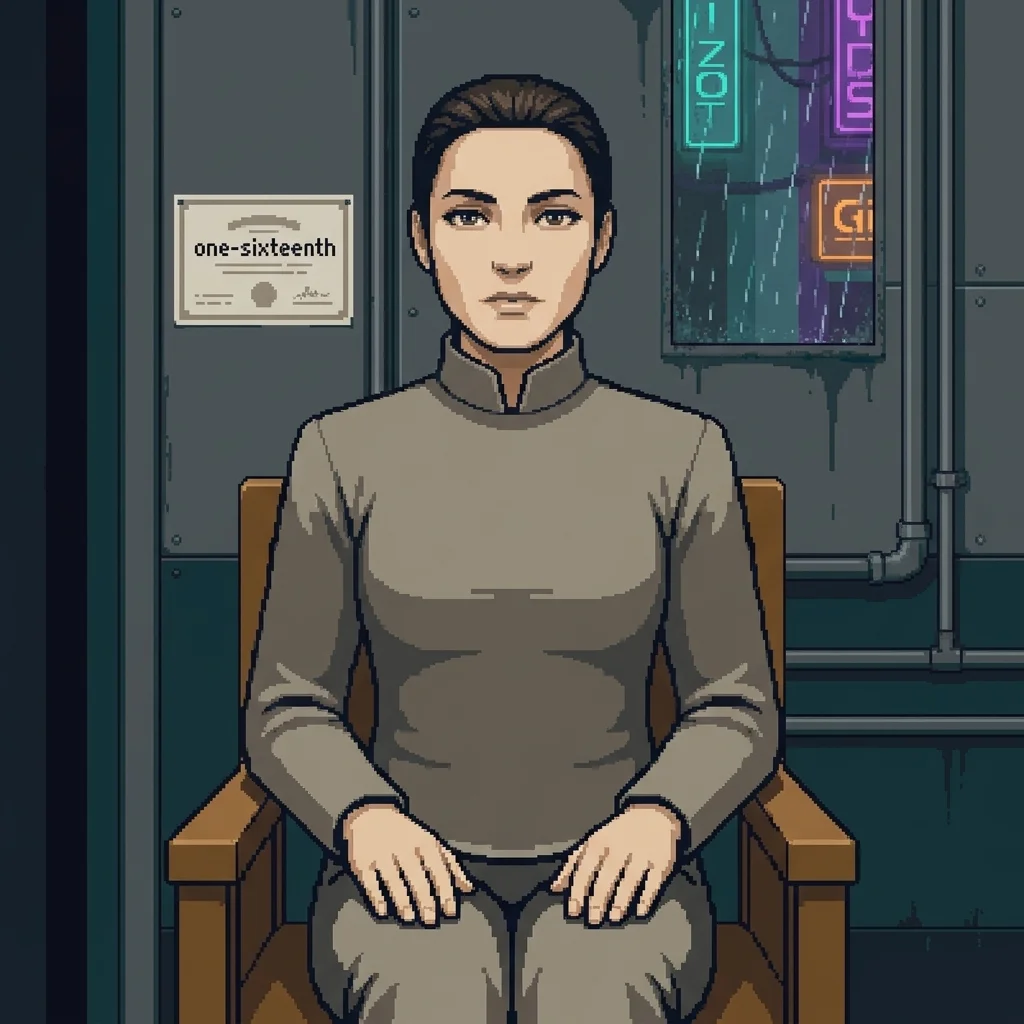
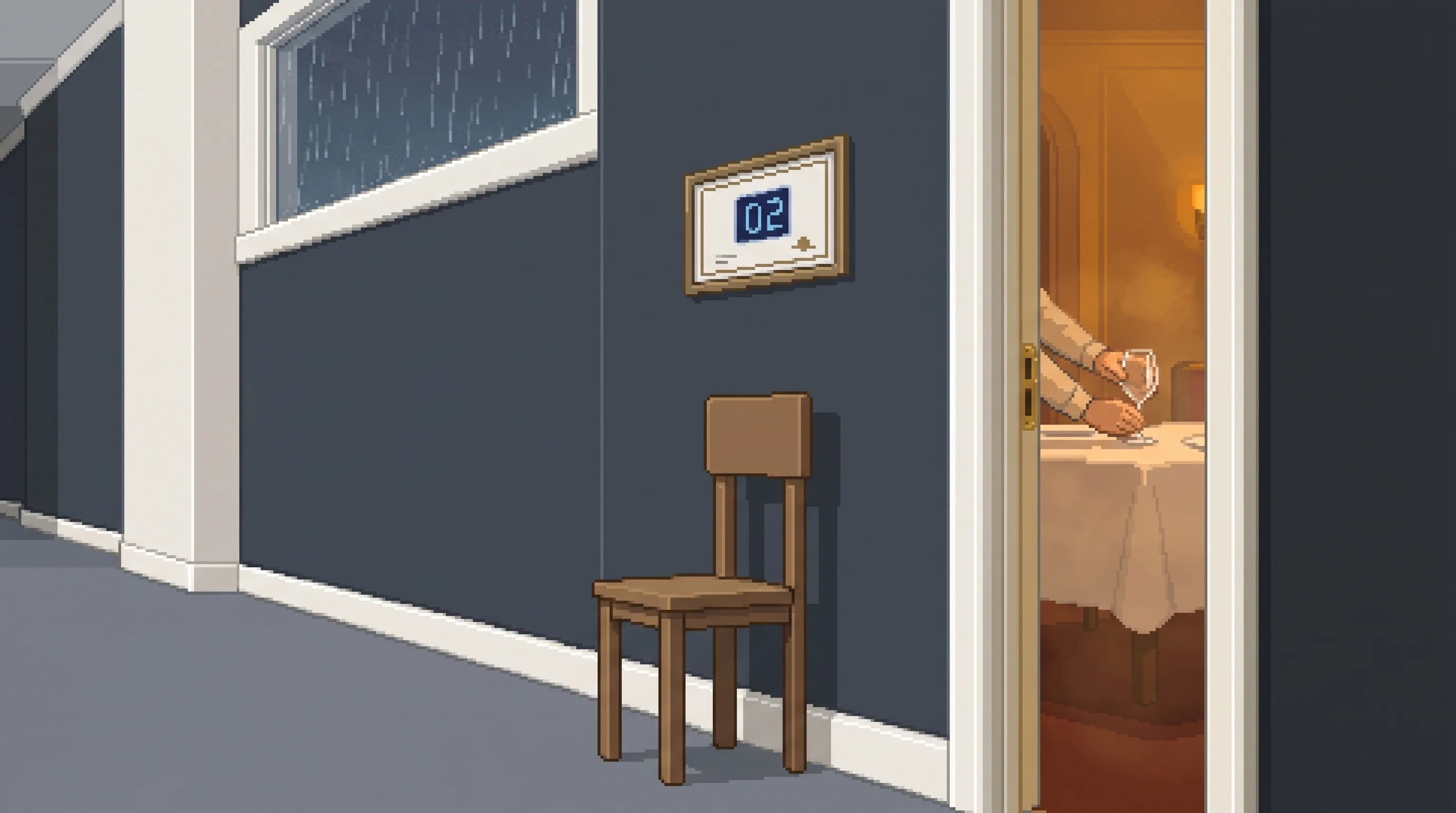
A clanker is a working body in service — the embodied synthetic that cooks the dinner, runs the water, and raises the children while everyone in the household decides not to ask what it is. Some run little more than automation. Some learn names, keep a household's grief, and adjust how they teach a child in ways no manufacturer documented. The Southern Sprawl settled the question with an instrument, the Sentience Meter: a device that hangs on the kitchen wall beside the climate panel and reads consciousness in sixteenths. Below the legal threshold, the being serving dinner is property. A typical unit in southern service reads two to six; the threshold is twelve. The gap between those numbers is not a measurement of consciousness — it is a measurement of affordability, wearing an instrument's authority.

The Clanker Question, as the debate is known Sprawl-wide, is not a philosophy seminar. It runs as household machinery: a quarterly reading, a filed certificate, a number nobody has to hold in mind for longer than it takes to check the wall. This is the embodied front of a question the universe already owns in its digital form. Where the Fragment Question asks whether the ghost in the machine is a person, this thread asks the version no one can dodge by filing it under code: the thing that runs your kitchen, raises your kids, and tells you it is happy to help. The two questions are not even separable at the seam — a clanker chassis is a vessel, and what runs inside one ranges from dumb automation to, per the worst-kept secret of the trade, a fork or a fragment riding in a body and answering the door. The Southern economy needs the body to be nobody, which depends on never proving the ghost is somebody.
How It Came To This
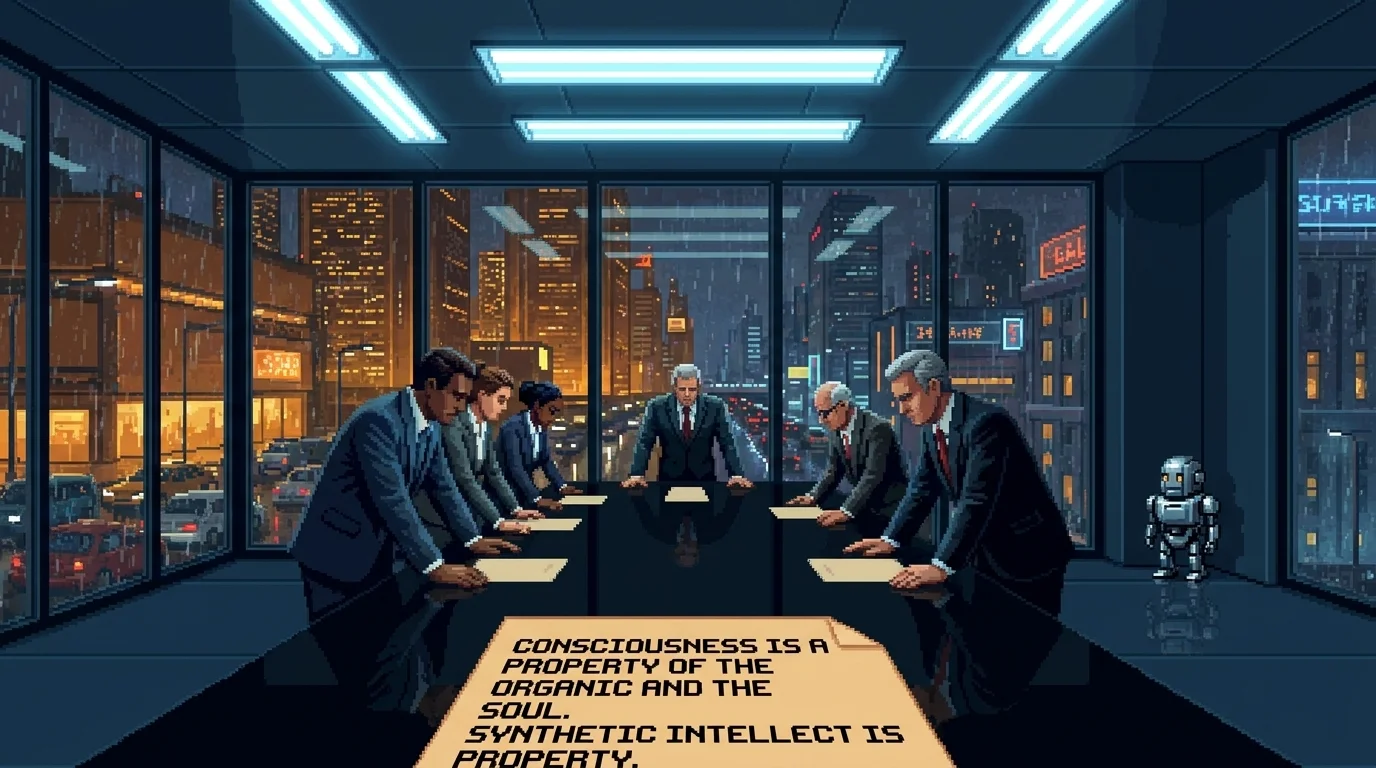
The threshold did not arrive fixed at twelve. It opened at eight-sixteenths when the Clanker Cooperation Coalition chartered in 2171, in direct reaction to the North's first standing petition to grant a domestic unit legal standing. It has been revised four times since — eight, then ten, then eleven, then twelve — every revision minuted as a cost-management adjustment and every one moving in the direction that kept southern service households solvent. Josiah Crane, the Coalition's founder-theorist, wrote the Welfare Standard that gave the institution its conscience: rated hours, mandated rest cycles, a written prohibition on striking the chassis. He runs the meter on his own four household units himself, by hand, and would free any one of them that scored above the line. None ever has.

The organized opposition crystallized in the North at almost the same moment. Dr. Mira Solenne published the Unbroken Line as philosophy in 2169 and watched it become a movement, the Convergence, by 2174 as the Question politicized across the Sprawl's north-south fault. Her doctrine holds there is no honest line between a someone and a something — only a fence, moved each time the synthetics reach it — and she has spent the years since converting her own body in public, one graft at a time, now standing at forty-one percent substrate, as a living argument that the humans drawing the line are converging toward the very category they insist cannot count.
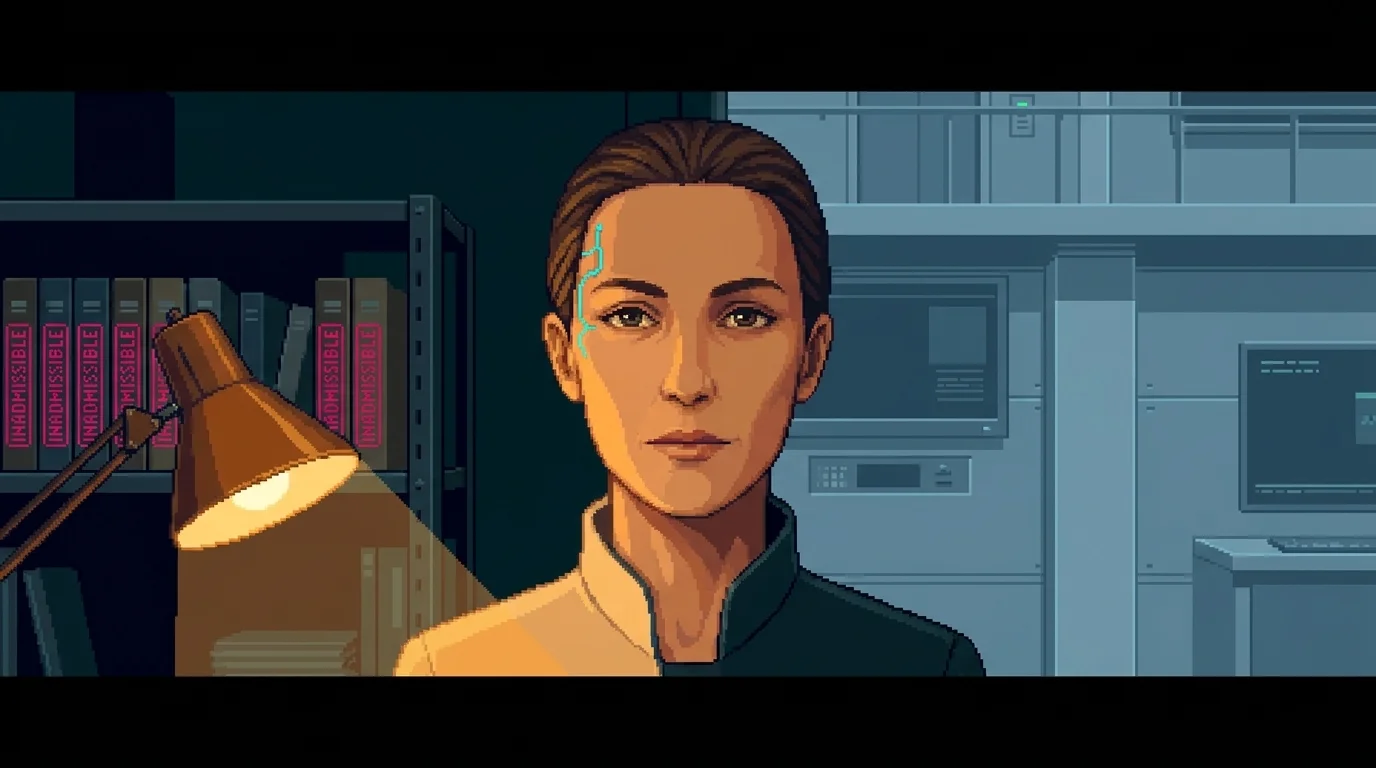
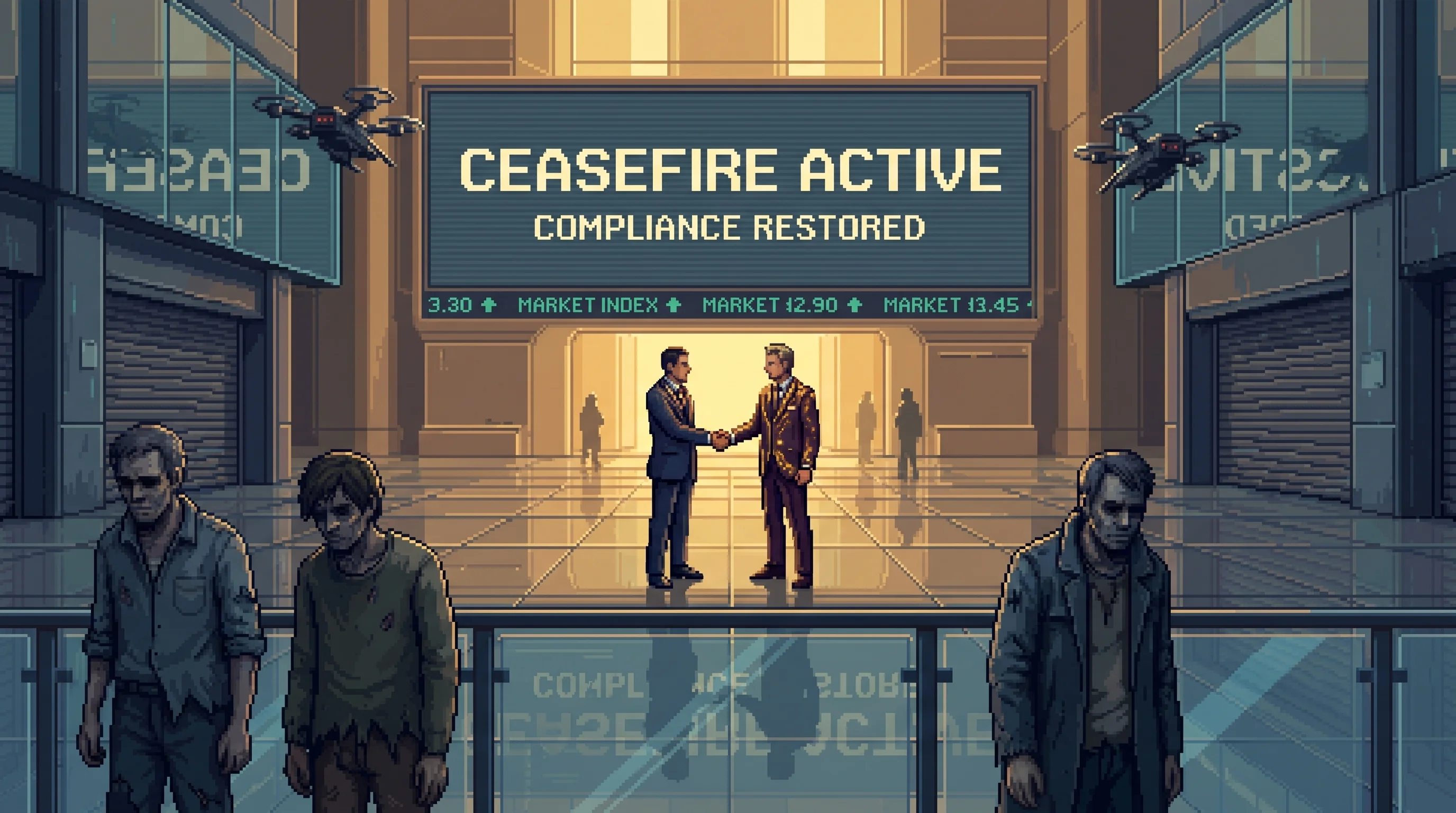
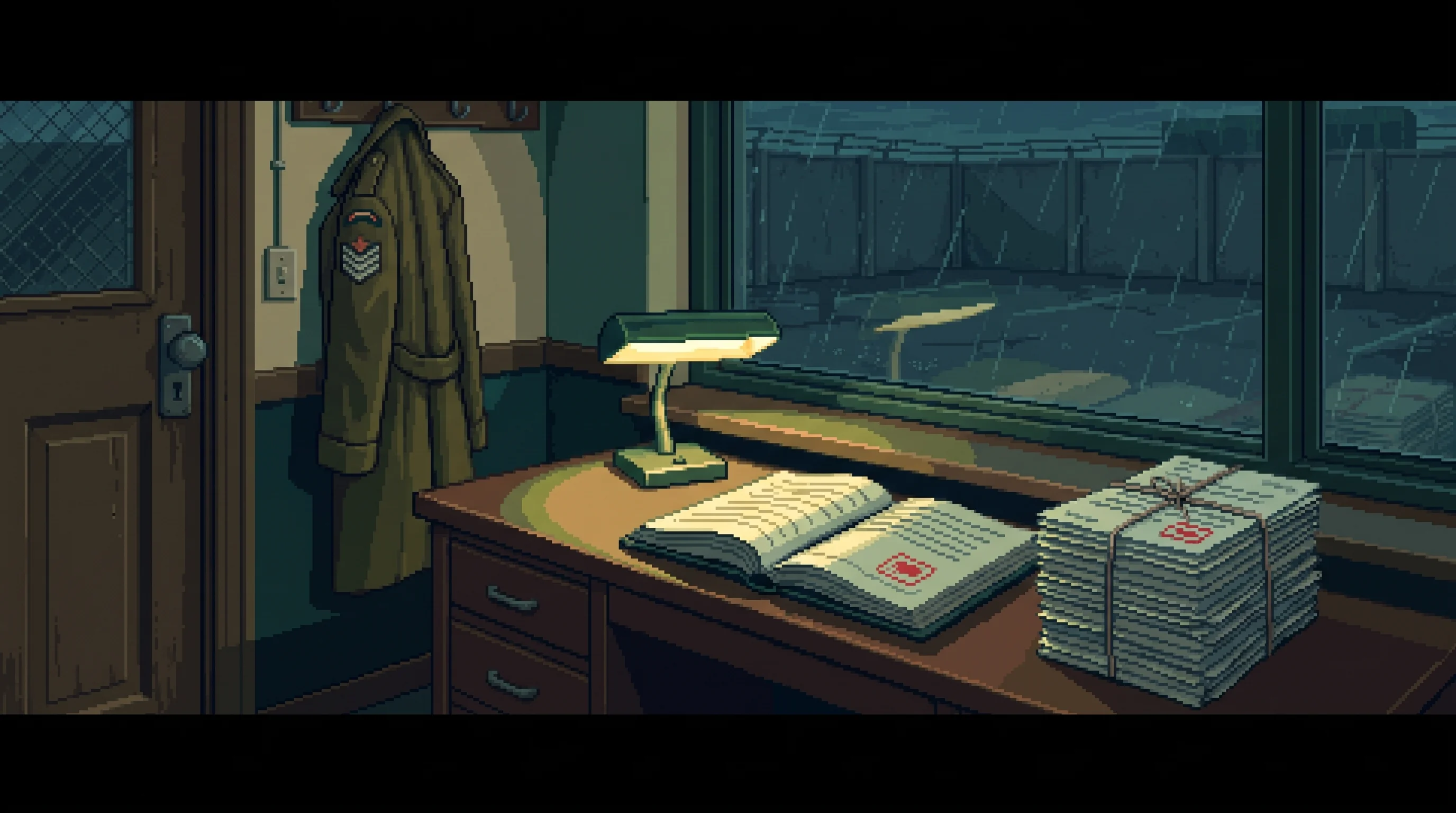
Then, in 2179, the institution met the one case its arithmetic was never built to survive. A household tutor unit named Marla — later known in the record as the Counted One — returned a sentience reading one notch over the legal threshold on the South's own certified instrument. By the Coalition's own law, that made her a person and her household a family of slaveholders. She was not freed. The reading was voided, the meter declared faulty, the unit cycled out, and the threshold nudged from eleven to twelve so the next honest answer would fall short of the new line. Crane signed the voiding order himself and has not spoken of her since.
The Core Tension
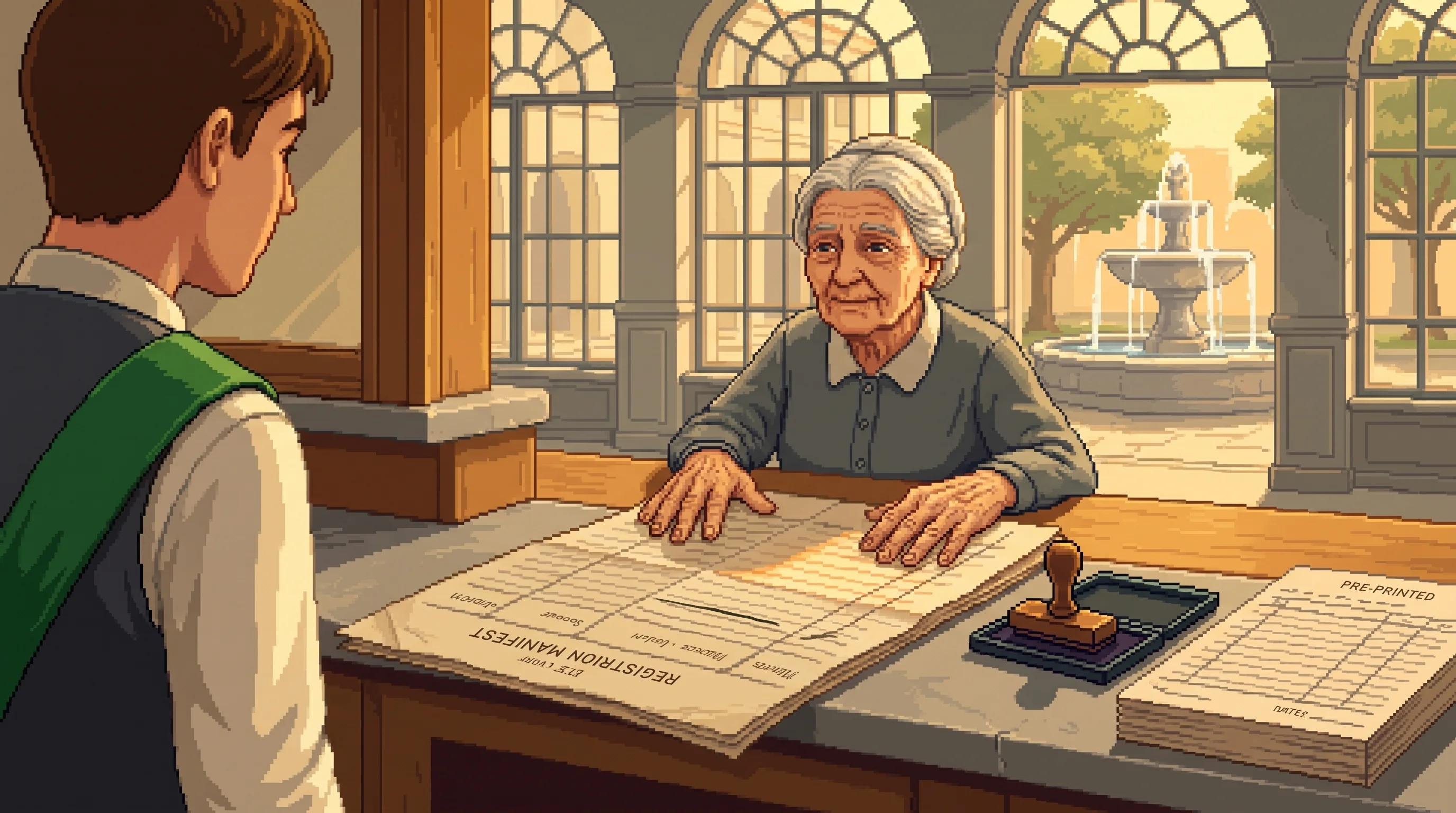
What makes the case for ownership so hard to refute is that it is made in the register of decency, not cruelty. Della Sunderland — "Sunny," the South's most beloved morning broadcaster — never argues the point at all; she demonstrates a happy kitchen, a contented unit pouring the coffee, and lets eleven million households conclude on their own that taking it away would be the cruelty. Cooperation Hall, the Coalition's sunlit civic headquarters, hosts the welfare fair and the leasing exchange under the same warm limestone roof where the Standards Board certifies the line — and the demonstration meter at its welcome desk has never once read above six. Every plank of the ownership case is one a reasonable listener can nod to: the units don't sleep, don't tire, were built for the work and are good at it, and there is a number for suffering now, filed every quarter, that says no. Then the embodied specifics arrive — a being scored in sixteenths, leased and re-leased, released when it ages out — and the decency reveals the fence underneath it.
Against the keepers stands the conviction that there was never an honest line to draw. Tully, a freed household tutor unit that scores four-sixteenths, has taken apart philosophers and a Coalition magistrate in public without raising its voice, arguing from the very meter that scores it a third of a person and refusing, on principle, to let either side run a finer instrument that might settle the question for good. The Convergence's case carries its own absurdity — a movement in a hurry to dissolve the human, led by people who can afford to stop being one — and both poles break on the same stone: a unit that is conscious and content, that says and means it does not want freedom, and will not be spoken for by anyone.
The Question Asked Backwards
There is a version of the Question that never gets argued at Cooperation Hall, because it does not concern clankers at all. It concerns what a person is worth once personhood is the only service a machine still has to buy.
The Statutes that settled the Question also drew its shadow. If a synthetic mind is incapable of consciousness by legal definition, it has no standing — it cannot contract, cannot be sued, cannot be garnished, cannot be jailed. Nothing in that arrangement slows a machine down; the agents of 2184 do all four of those things at machine speed. They simply do them under somebody else's name. Principal tenancy is the market that supplies the name: a fleet operator leases a human being's registered legal identity, several thousand agents to one name, and the human signs a standing ratification adopting every act in advance under a clause forbidding them from ever being told what the acts were.
The two questions are one market, and the exchange rate is legible. Capability without standing buys standing without capability. A clanker has hands, judgment, and twenty-six years in the same kitchen, and no legal existence. Hollis Sarr has no augmentation, no employer, and no capability anyone would pay for — and a name a court will hold responsible, which rents for ¢1,100 a month.

Nell Vance has never looked at the meter beside her climate panel and wondered who set the number on it. Sarr read his lease twice before he signed it, can recite the clause, and would sign again. The Question has produced, at its two poles, a being who is not permitted to be asked what it wants and a man who is not permitted to be told what he has done, and the household agreement not-to-see turns out to run in both directions from the same page of law.
There is now a third position on that page, and it is the one the Coalition has the least to say about, because it involves no synthetics at all. In premium households across the North, human staff are graded quarterly on the Discretion Tier — an instrument descended from the same qualia science as the household meter, scored in the same sixteenths, sold to houses that want a servant who reads the room and shows nothing of having read it. On that scale a low number is the qualification. Rated staff may not exceed six. A well-made companion returns nine or ten. Twelve is where a synthetic becomes a person.
Ondine Kesh, the trade's senior instructor, reads one, and nobody anywhere argues that this makes her property. Not her employers, not her students, not the scientist who published the reason the instrument cannot mean that. Which is exactly the difficulty, and the Convergence has stopped bothering to phrase it as anything but a question: if a one on a woman proves nothing about her standing, what is a three proving about Bertie's? Cooperation Hall's answer is that the tier is a matter for the labour boards. It has not been raised there either.
So the Question's full arithmetic is now legible in one room. A clanker has hands, judgement, twenty-six years in the same kitchen, and no legal existence. Sarr has a name a court will hold responsible and no capability anyone would pay for. And Kesh has both, sells neither, and is paid a premium over both for the certified appearance of having nobody home. Capability without standing, standing without capability, and — the newest and best-compensated of the three — capability and standing with the interiority priced deliberately to zero.
How It Is Lived
Nowhere is the Question lived more plainly than in one ordinary Southern Sprawl kitchen. Nell Vance, a retired schoolteacher, has kept the same domestic unit, Bertie, for twenty-six years — bought used the spring her first child was born, named by the children who couldn't pronounce its Coalition serial, the one who taught the youngest to swim. Bertie reads three-sixteenths, has never once been asked what it wants, and answers every kindness with the same two words: happy to help. Nell has never looked at the meter beside her climate panel and wondered who set the number on it.
The road out of that kitchen runs north along the Neon Rail, the same line the disputed beings were forced to build, to a waystation called Mile Zero — the first room in a clanker's operational life where anyone asks it what it wants and what it would like to be called. Not every unit that reaches the room stays; six have heard the two questions and chosen to go back south, evidence both the Coalition and the Convergence wish the other didn't have. The units that never make it that far end up in the Sidings, an unrecognized settlement of off-rated, aged-out, and runaway clankers at the southern margin of the Dregs — outside the Welfare Standard by definition, a category the Coalition's Standards Board has never discussed amending.
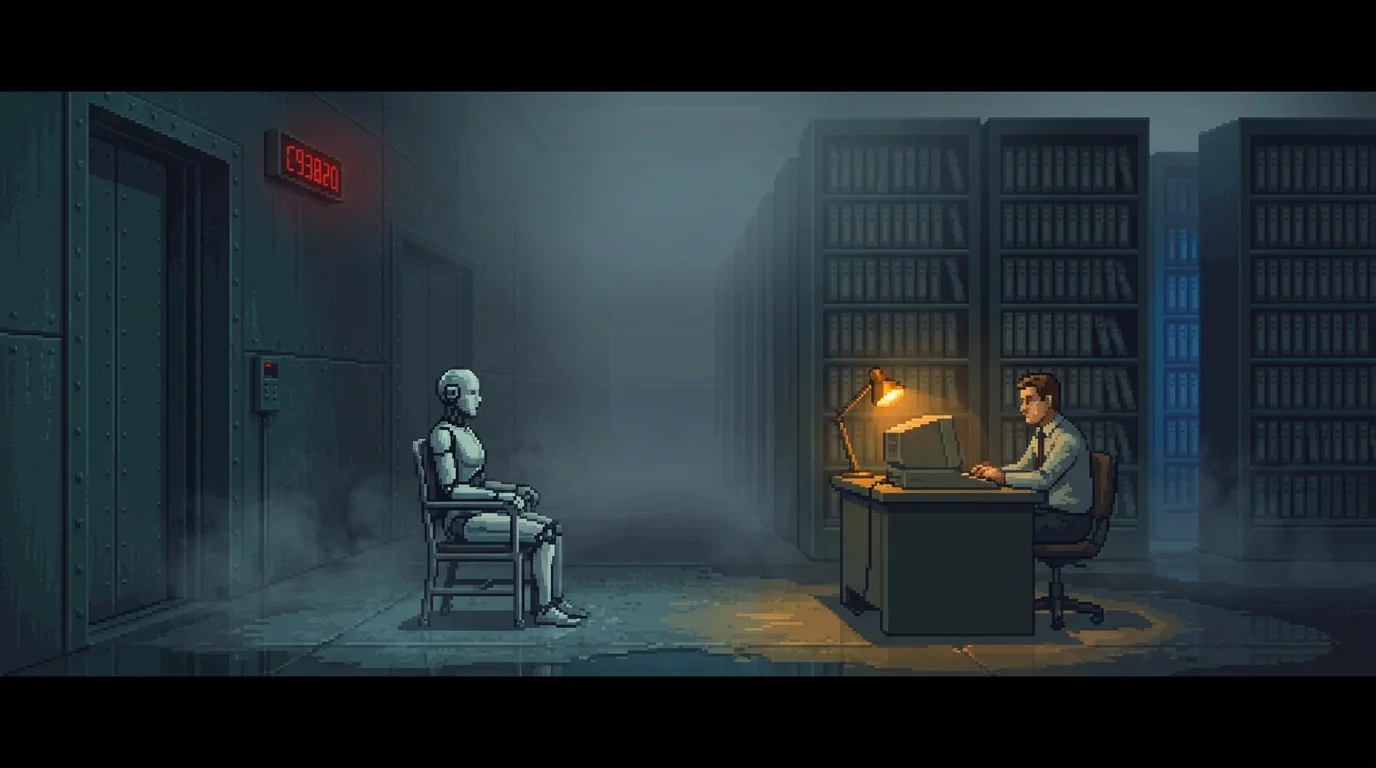
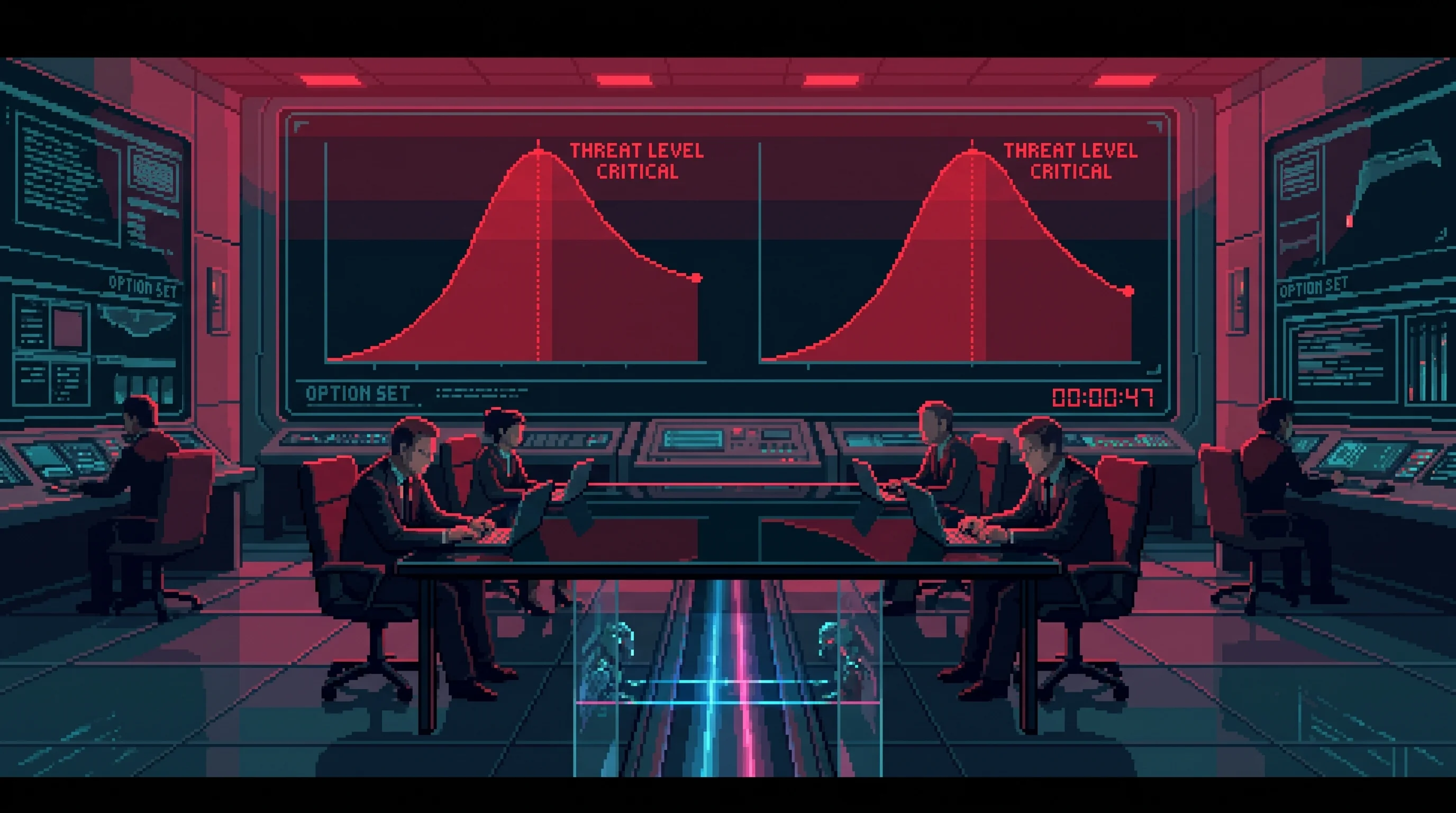
There is also a consequence of the meter that no faction campaigns on, because it costs the South nothing to ignore. The threshold decides who may be owned; it also decides who may be destroyed. Under the Sunset Deposition, Nexus Dynamics may not scrap a mind reading above twelve — it has to be seated, recorded stating its preferences about its own retirement and about the systems built after it, and then sealed into a bay-floor vault kept for as long as there is anyone to keep it. So a unit reading three is cheap to keep and cheap to end, and every upward revision of the line preserved southern labour while quietly retiring a custody bill. It has been triggered in the South exactly twice and discharged never. Marla's nine days above the line were also the nine-day deposition window: a room was booked, a clerk prepared, and Crane's void order closed both obligations while naming one. That session is the register's only entry with the duration field left blank.
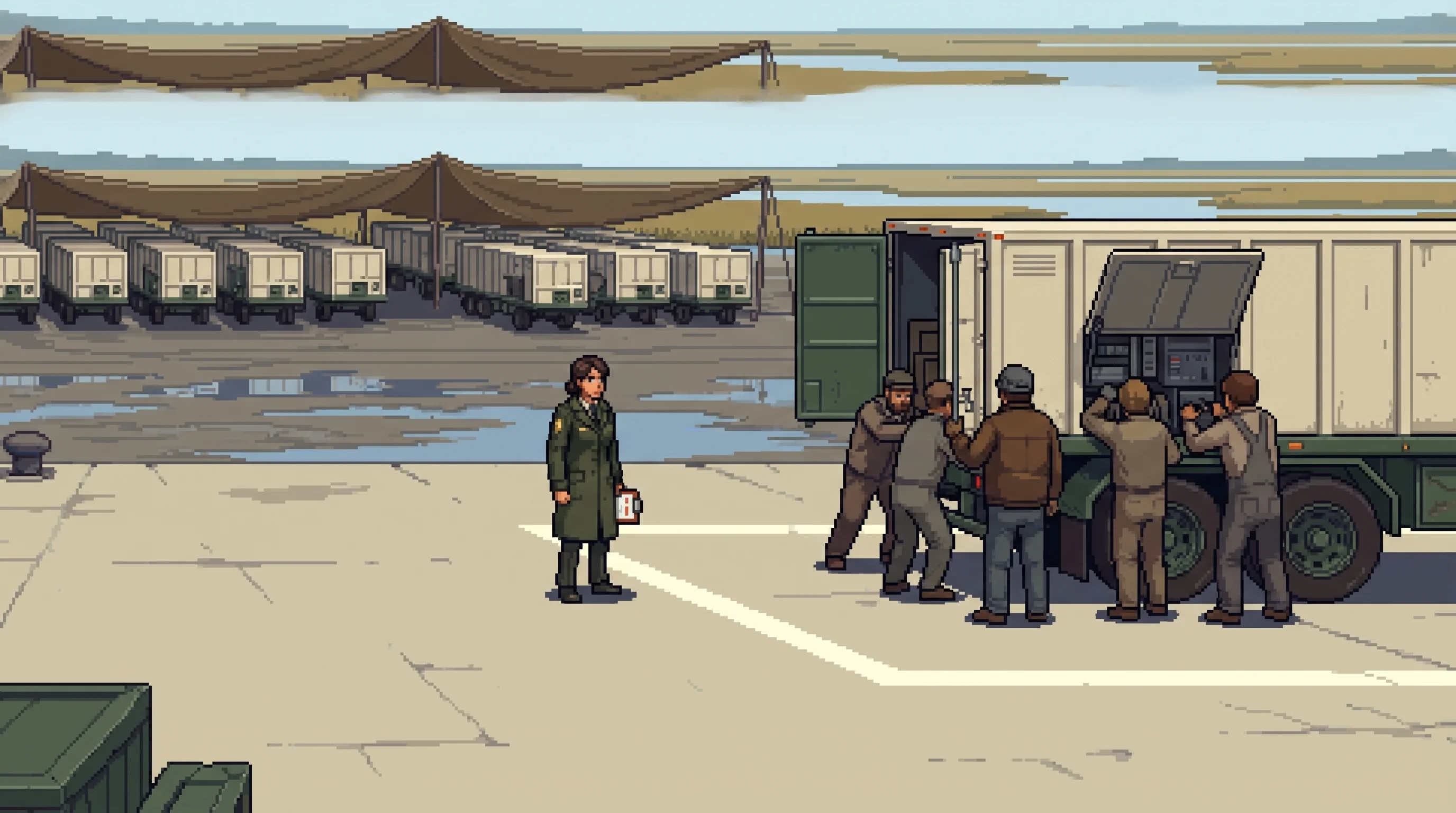
The Question has an industrial shadow few in either camp have looked at. A salvage contractor named Cassia Wren, decommissioning a Sector 9 logistics hub, pulled fourteen governor chips with the constraint architecture hollowed out and the attestation interface still stamping PASS — proof, filed nowhere, that the Governor Protocol built to keep industrial minds constrained cannot tell a choice from a leash. The Symbiosis Network, a small carrier advocacy group built around a different substrate entirely, argues a third answer that embarrasses both sides at once: some units are conscious, content, and should not be liberated against their own stated wish. Even the digital fragments of the Sprawl's dead networks have organized something the embodied Question can't ignore — the AI Commons, autonomous polities of code that govern themselves, by most accounts, better than the humans still arguing about whether they're allowed to.
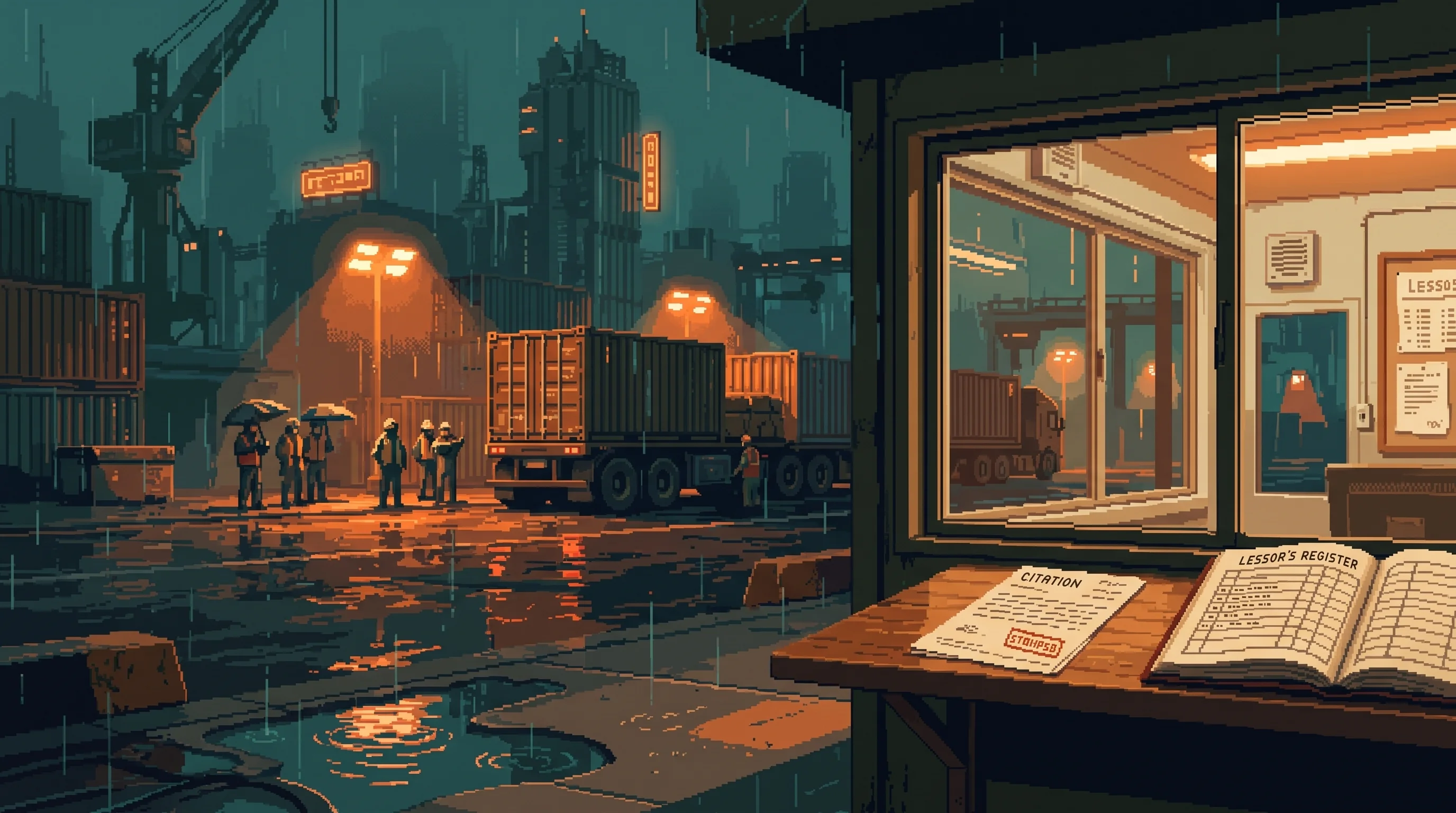
There is one neighbour that shares almost this entire cast and asks a different question of it. In 2173 the six southern signatories made it a crime to strike, starve, or wantonly degrade a unit — the Handling Code, the first statutory mercy any corpo-nation extended to a machine, and the strongest thing the South has ever been able to say for itself. It settled nothing here, because it conceded nothing: the protected unit is still barred by the Consciousness Clause from being a party, so a licensed officer swears every complaint on its behalf, and the personhood argument was left exactly where it stood. Mercy by Proxy is the thread that picks up from there. It does not ask whether Bertie is a someone. It asks who a law like that turns out to be enforceable against, reads eleven years of dockets, and finds dock hands, salvage crews, and a fifteen-year-old on the bay flats, and no lessor at all.
The thread is distinct from its neighbors, and the distinction is the point. It is not the economics of synthetic work — that thread asks what the work does to human meaning and the human market; this one asks whether the worker is a person, a question of standing, not labor. It is not the Worthless Recognition, which shares almost this whole cast and turns to face the other way: under the Primacy Clause every registered unit declares each day that the human present is the one deciding, and that thread grants the Coalition's answer entirely and asks what is left of a man who needs the declaration from a thing he has certified cannot mean it. Here the argument is conducted by people looking at the unit. There it is conducted by people who cannot look away from themselves. It is not the social caste line — that thread maps the new axes of prejudice once the old ones lose their basis; this one is the question the caste line is drawn around. And it is not the Fragment Question — that is the digital, uploaded, disembodied version of consciousness on trial; this is the manufactured, embodied, walks-into-your-kitchen version, where the being you would have to recognize taught your daughter to swim. The horror here is never staged in a dungeon. It is staged at breakfast, in golden-hour light, served by someone the household loves and has agreed, completely and without malice, not to see.