The Overflow
Budgeted Saturation Homicide
The man who wants to be charged
The forecast said eleven that season in the Stacks. Yusuf Almeida was the fourth, and the model was not wrong.
The Core Tension
Stop punishing the weather
Before the reform, saturated people were sentenced as though they chose a failure a model can now predict to the season. A notice ends a ritual performed on whoever stood nearest.
What it costs
A dead man gets a population figure instead of an answer, written by the same apparatus that sells the load.
A defendant is a kind of person
A specific man killed a specific man. Somebody should answer for it, and the killer is asking to. The Untuned refuse the dial and would rather be tried than administered.
What it costs
Charging people who complied with every product on the schedule punishes them for a load they did not choose and could not lower.
Ancheta's MoodLine™ subscription was current. His tithe hours were logged. That closed the file: inside the band, subject compliant. He received a one-page actuarial notice.
Had he refused the dial, the Negligence Doctrine would treat his condition as chosen. The same act would be elective and chargeable. Comply, and your killing is administered. Refuse, and you are tried.
The Untuned refused. They are the one population in the licensed districts whose overflow events routinely produce defendants. They do not dispute their higher rate. Their position is simpler. A defendant is a kind of person, and they would rather be one.
The mercy case is real too. Before the reform, saturated people got full sentences for failures a model can predict to the season.
Overview
Vidal Ancheta files his fourth petition to be charged. The clerk refuses it politely. No clause permits a charge.
On 4 October 2183, at evening peak on Landing Nine in the Stacks, Ancheta killed Yusuf Almeida with his hands. They had never met. Ancheta is a crowd-flow marshal. He went back to work on Landing Nine the next week. Moving him would require a finding, and there is no finding.
The Stacks' seasonal bulletin had already allowed for it:
STACKS, AUTUMN. Load elevated. Overflow events expected within band. Residents are reminded to keep their dial current.
The Saturation Load is published for every licensed district each season. It measures the ambient stimulus a resident absorbs in a day. A sealed model turns it into an expected count of overflow events: sudden lethal violence with no motive and no prior relationship. The forecasts hold. A district that hits its number has performed as specified.
How It Came To This
Measuring the load was a habitability reform. The loud districts fought hardest for it.
The incidence model came from medicine, after the Sera Incident. One analyst's panic reached forty thousand strangers in six minutes. The Shared Wound explains why: every fix muzzled the sender, and none closed the receiver. A crowded landing is a room where one failure spreads.
Prevention would mean lowering the load. The load has a legal floor. The Attention Tithe requires daily advertising hours, and those hours make consciousness affordable for the people most at risk. Repeal would price a third of the population out of being awake.
So districts trade instead. The Abatement Office issues certificates that move billboards and address stacks from one district to another. The total cannot fall. Both figures are printed on the certificate, and they balance. The Custodian Corps authorises each move and does not explain the model. Landing Nine has been a receiving district three times.
How It Is Lived
Guardian supplies the incident files that calibrate the model. It also sells household overflow cover, priced from the published level. Guardian did not create the load. It stands where the load meets the fear, holding a premium schedule.
Almeida's sister received the No-Defendant Settlement within two weeks: closure and a grief-market brochure in one envelope. The brochure was priced for her band.
If she wants someone to hold responsible, the Culpability Market will rent her one. Daria Kohl is its best practitioner. She declines every overflow file. "The man is already asking for it," she said once. "Taking it off him would be theft."
Concord pays each bereaved family a rent month or a funeral cost, promptly, before a second family becomes reachable. No overflow families have filed together.
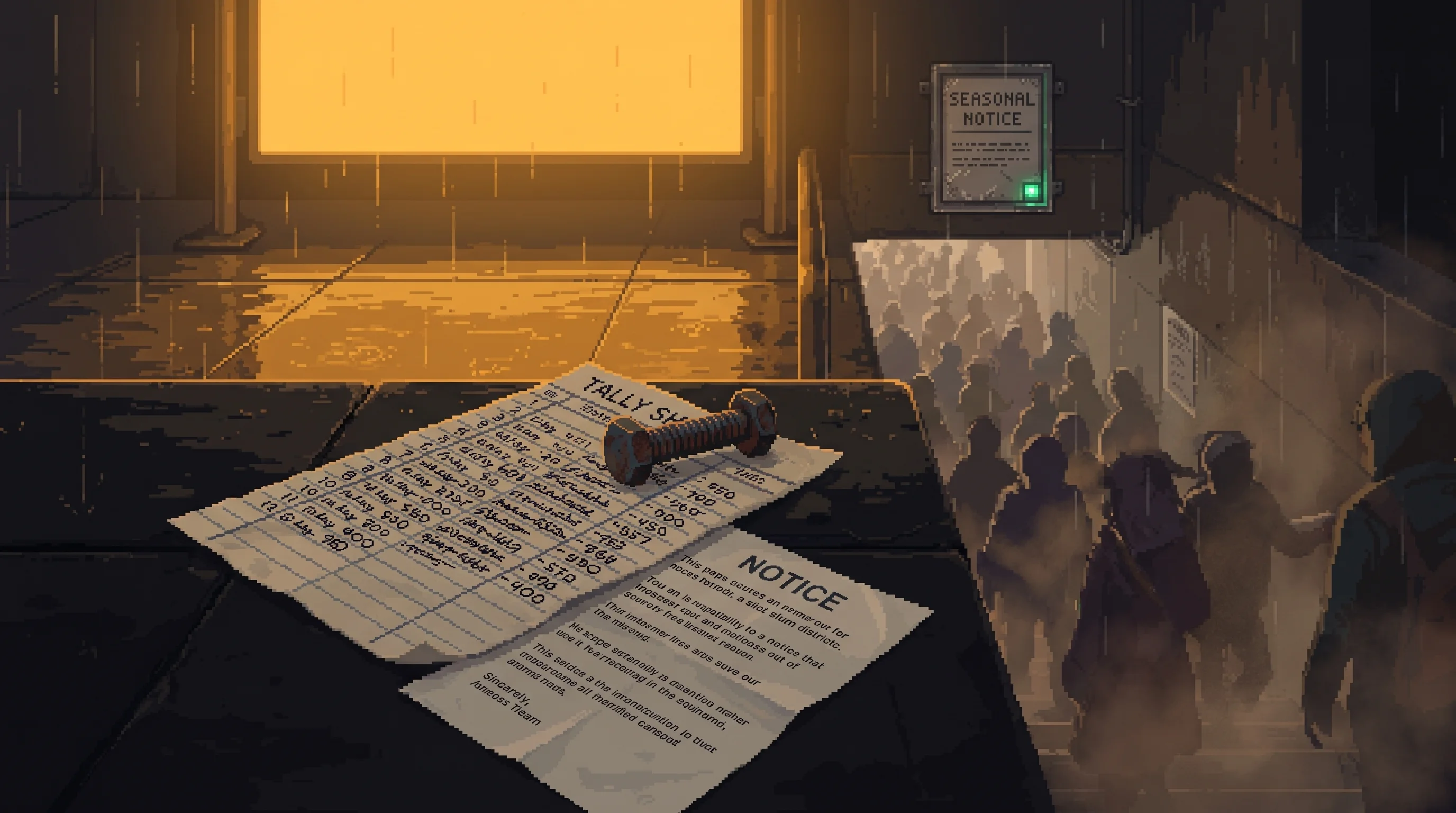
Ancheta keeps a hand-ruled tally, one line for each day he has not overflowed again. He mails each season's sheet to Almeida's sister. She does not reply. She has not asked him to stop.
Start Here
- Key people. Vidal Ancheta, still on Landing Nine. Daria Kohl, who will not take the file.
- Key places. The Stacks receive the load. The Mystery Clubs rent shielded hours at the top of the gradient. The Trench has no Load figure at all, so no certificate can reach it.
- Read next. The Optimization Paradox is the controversy. Then Post-Truth Justice, The Unwritable Roster, The AI Slop Cannon, Human Premium Services, The Diagnosed Soul, AI Haves and Have-Nots and The Error Floor.
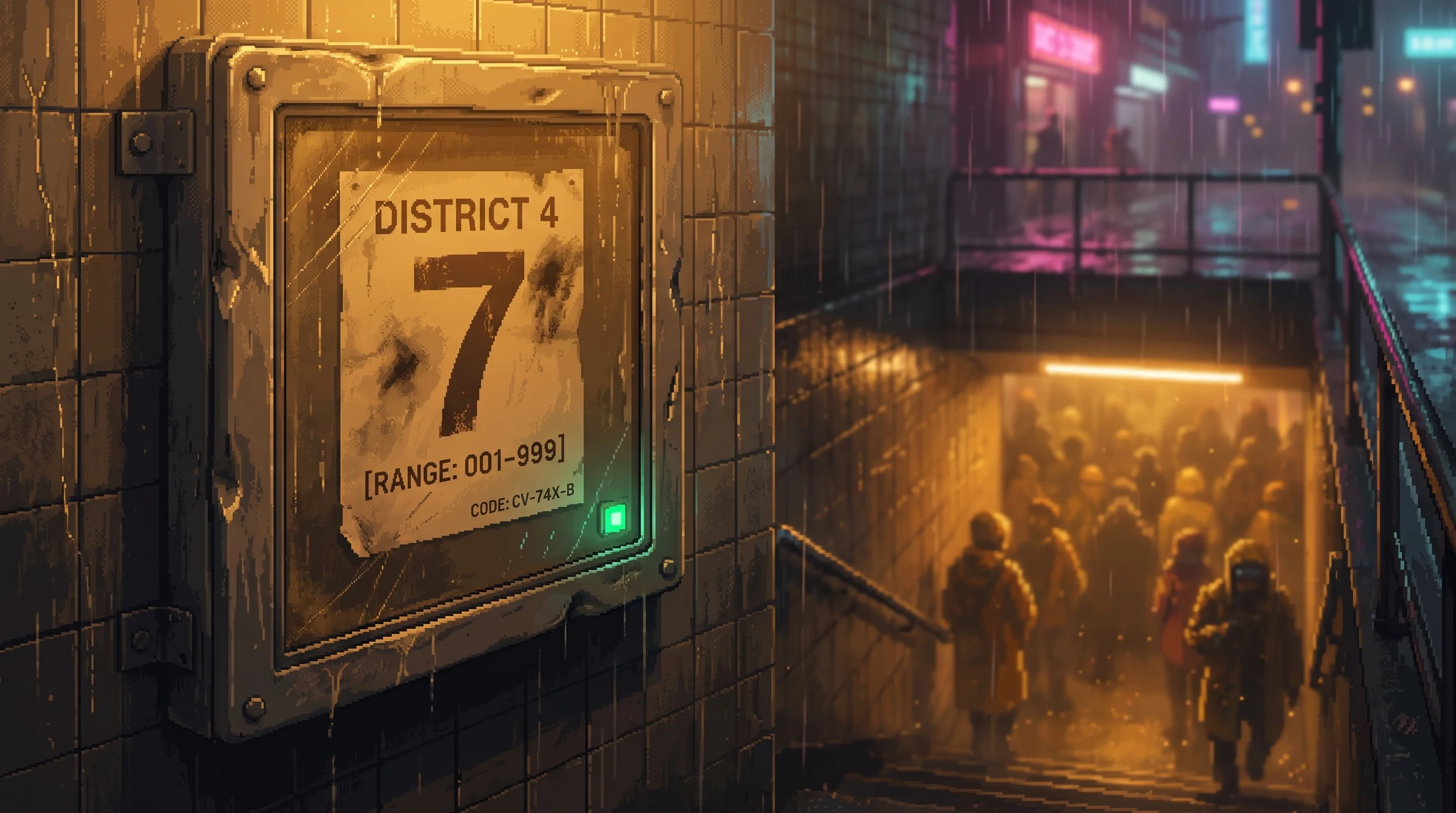
The instrument. It publishes a district's absorbed stimulus each season and returns an expected count of overflow events, and an event inside the band needs no further explanation.
The seasonal stimulus figure pinned at every stair head, and the sealed forecast of how many neighbours it will kill.
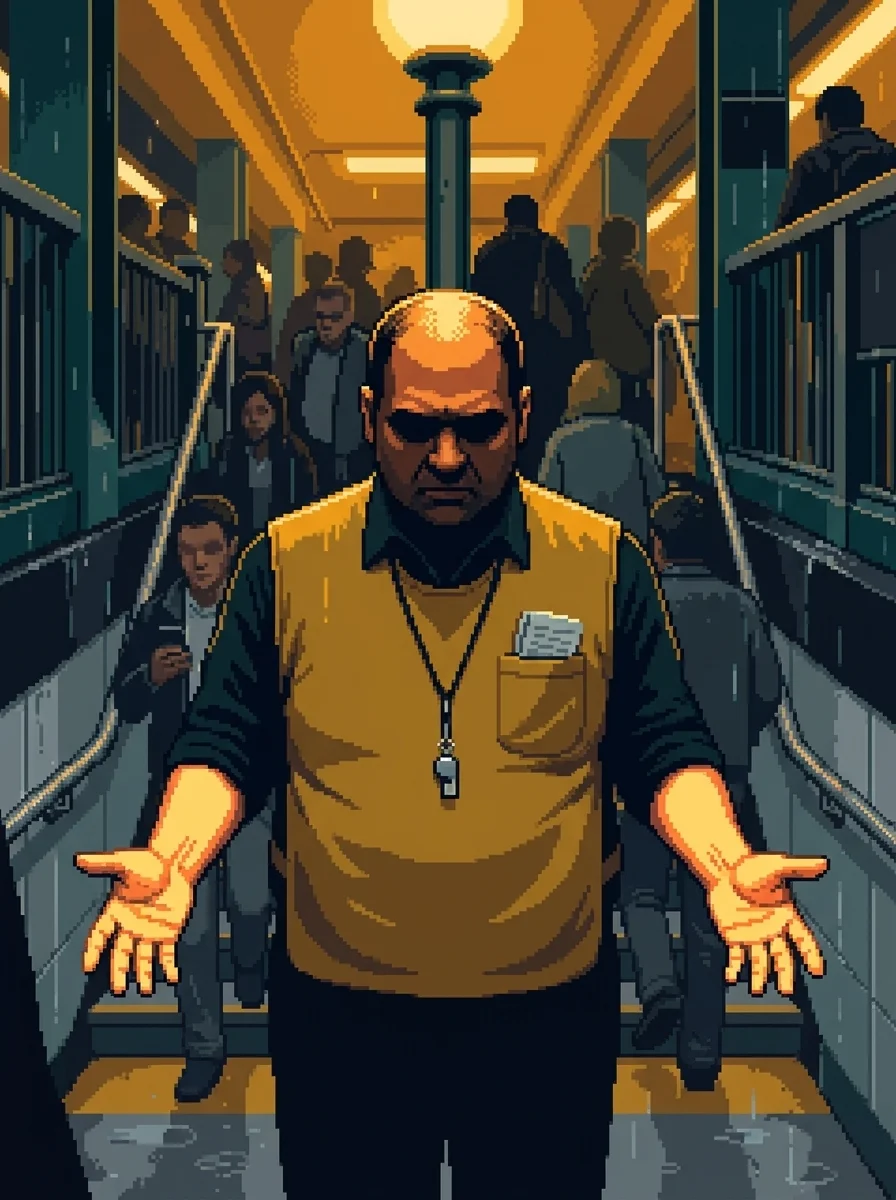
A crowd-flow marshal who killed a stranger at evening peak, complied with every product on the schedule, and has spent fourteen months petitioning for a charge no clause permits.
A stair marshal who killed a stranger at evening peak and has asked four times to be charged.
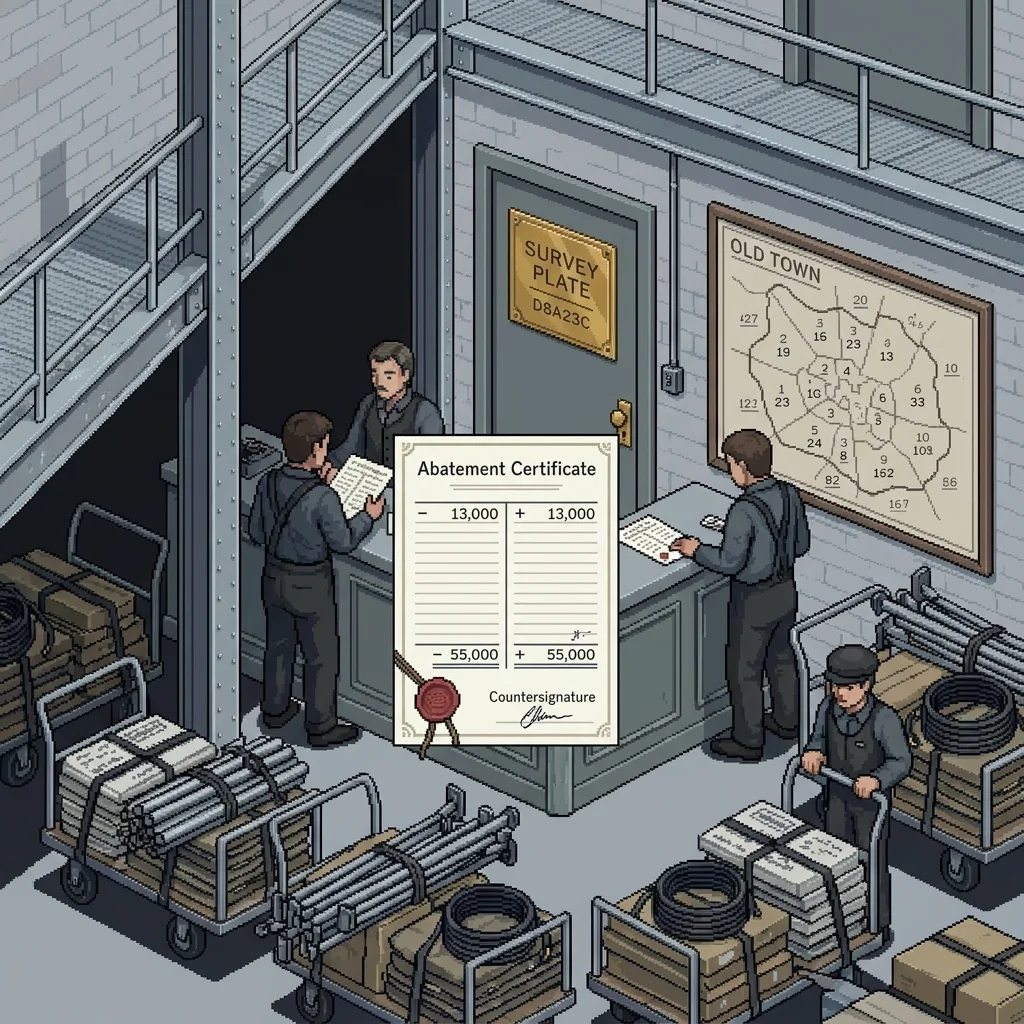
The licensed trade that lowers a district's published Load by relocating emitters. Abatement is conserved, so every certificate names a receiving district and prints both figures.
The licensed trade that lowers a district's Saturation Load by moving its emitters somewhere nobody will contest.

The statutory load floor, and the reason prevention has a body count of its own: the mandatory hours are what make consciousness affordable for the people the overflow rate falls hardest on.
Mandatory 4.2 hours of daily neural advertising — consciousness made affordable by taxing the capacity to notice.

The dial that flattens the overflow response, and therefore the test. A current subscription is what converts a homicide into weather; the schedule reads the account status, not the person.
The consumer subscription that prices and edits out unwanted human feeling for anyone with an interface.

The clause that reattaches blame. An unredeemed cure offer is a chosen condition, so the one population whose overflow events produce defendants is the population that refused the suppressant.
This insurance doctrine labels unredeemed cure offers as chosen illness, raises premiums, and makes treatment costlier.

The refusers, and the only people in the licensed districts whose overflow events reach a courtroom. They argue that being chargeable is the last thing left that treats them as people.
A Deep Dregs subculture that refuses the mood-dial and feels every emotion at its natural, inefficient pace.

Named as receiving district on three abatement certificates in eleven years. Ninety thousand people on foundations certified for twelve thousand, and a Load figure with no constituency.
A vertical slum five buildings deep, 90,000 living on foundations certified for 12,000 and never resurveyed.

Holds the sealed incidence model and issues the Mandate Notice that moves a load, without stating its basis. The receiving district learns its new figure from the certificate.
The institution that holds the Sprawl's most accurate sealed models and issues Mandate Notices without explanation.
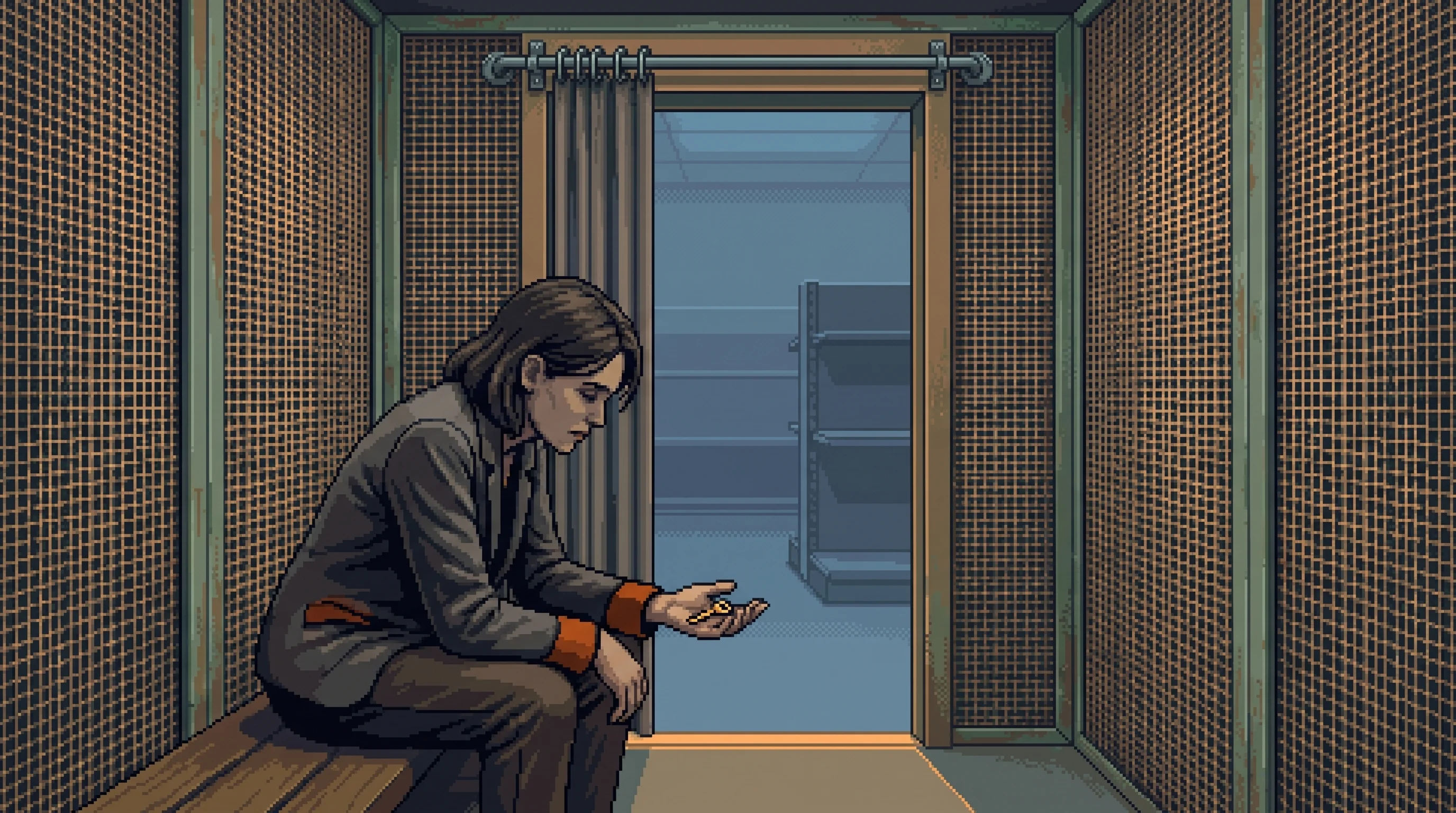
Why an overflow event has a radius. Every remedy closed the transmitter and none closed the receiver, so a landing at full density is a room where one failure propagates and the model has to forecast the propagation.
Post-Sera safety muzzles the people who broadcast feeling. Nothing screens the people who receive it.

What the family receives instead of a hearing: closure and a grief-market brochure, one envelope, correctly addressed.
Good Fortune's bereavement document that closes a no-defendant death in the same envelope as its grief-market brochure.

Accepts blame for kills nobody ordered, sincerely and for a fee. She has declined every overflow file offered.
Accepts blame for 214 kills no one ordered — the tears are real, just not for the grief families think.
Further connections
Browse all 14 connected records

Supplies the incident files that calibrate the incidence model and sells the household overflow cover priced from it, so the same company reports the rate and profits from its published level.
The megacorporation that manufactures the threat it sells protection from.

The precedent. One analyst's panic reached forty thousand strangers in six minutes and proved that an interior state is a transmissible event, which is what made an incidence model thinkable at all.
The day one analyst's panic broadcast through the neural mesh and hospitalized forty thousand strangers in six minutes.

The controversy this sharpens. Every metric of the stimulus economy improves on schedule, and the output nobody books is a seasonal count of people killed by strangers who meant nothing by it.
Every metric improves while everything nobody measured quietly dies — success as the purest failure mode.
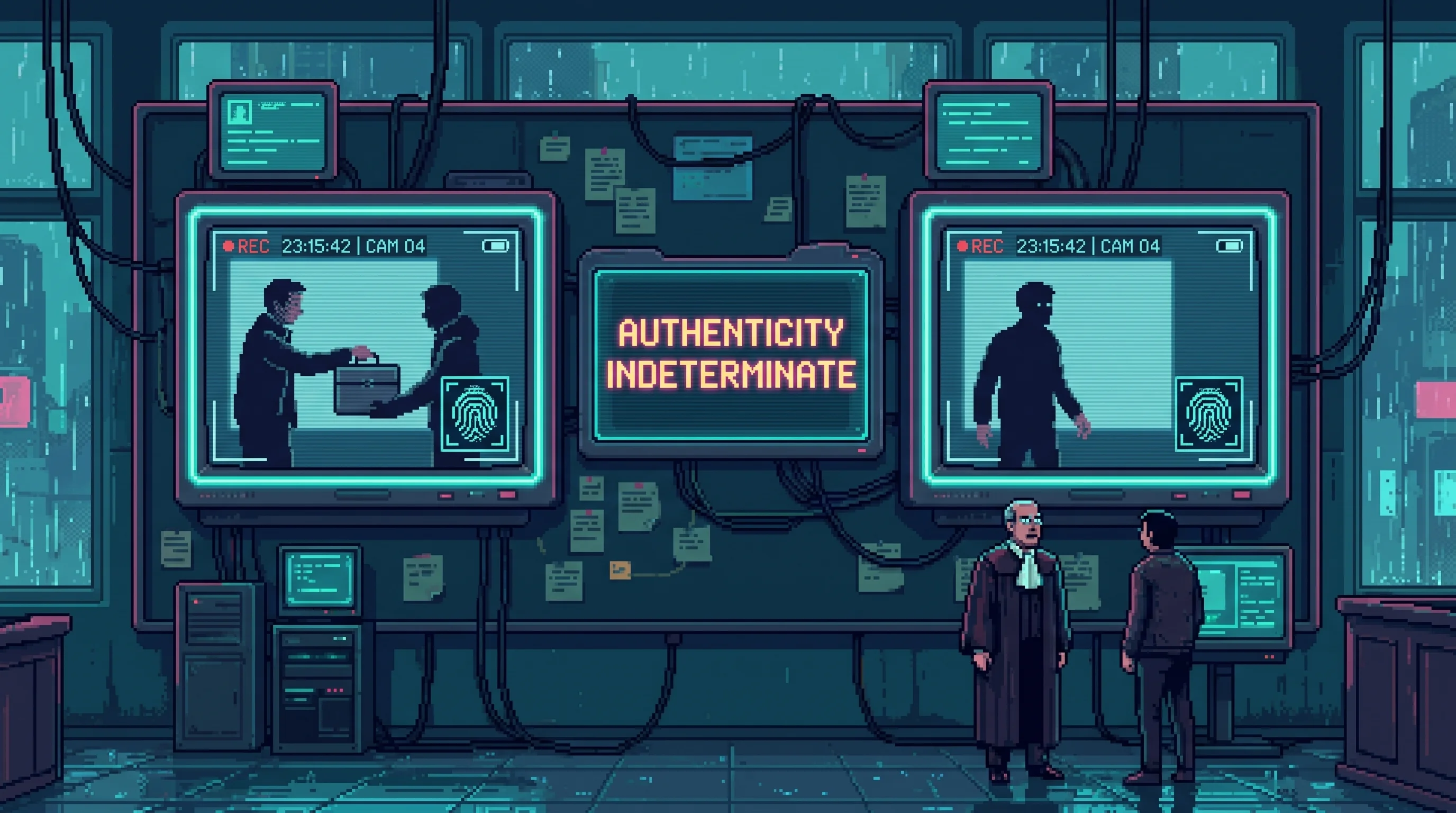
There the crisis is an act whose author cannot be produced. Here the author is present, undisputed, and petitioning, and the forecast has already spent his culpability.
Perfect evidence forgeries and crimes without defendants force justice systems to assign blame without reliable truth.
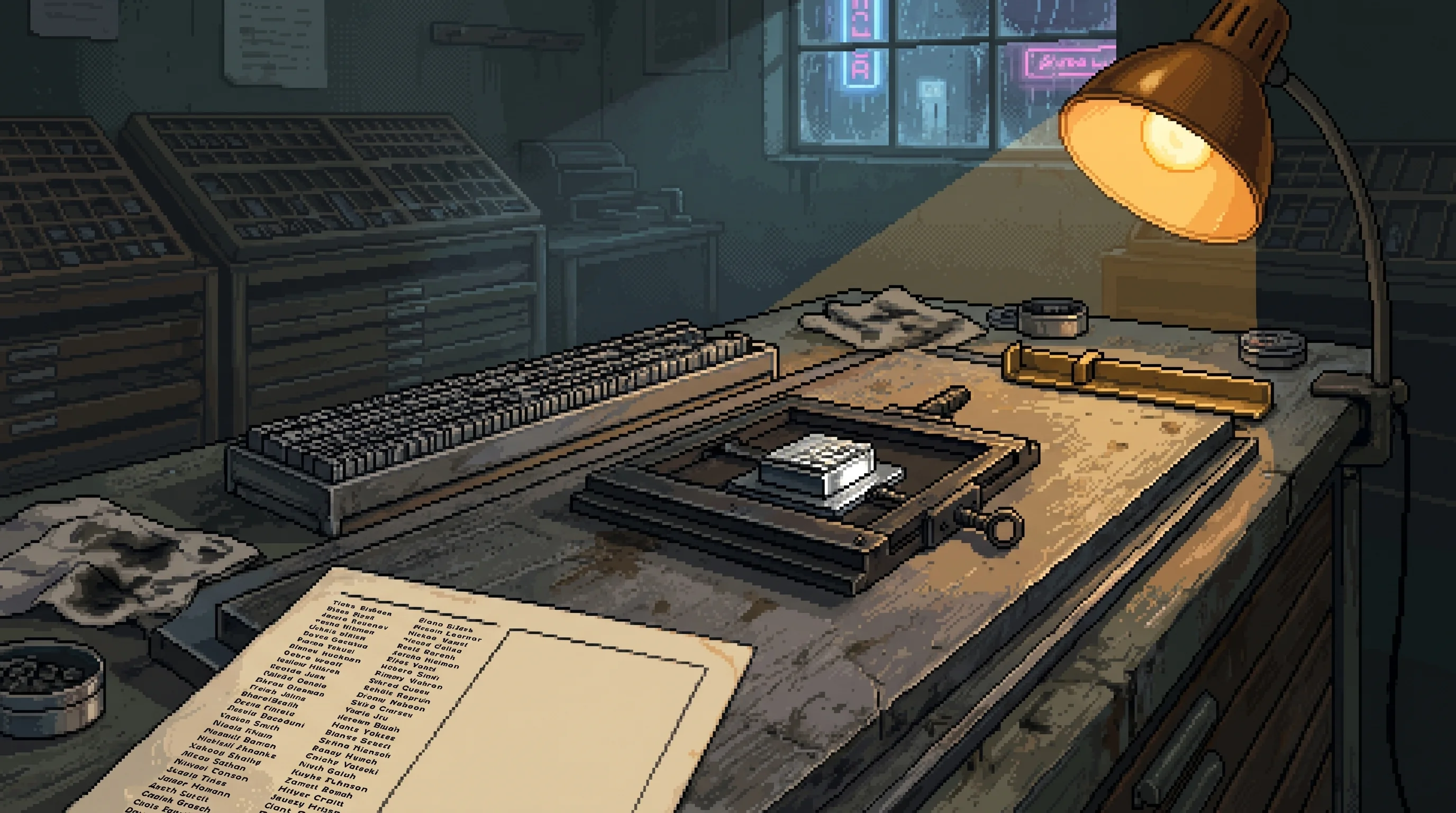
That registry publishes a benefit that resolves to a population and never to a person. This publishes a harm that resolves to a population and then arrives at a named landing on a named evening.
The district can print every resident who paid for the rescue and not one resident who was rescued.
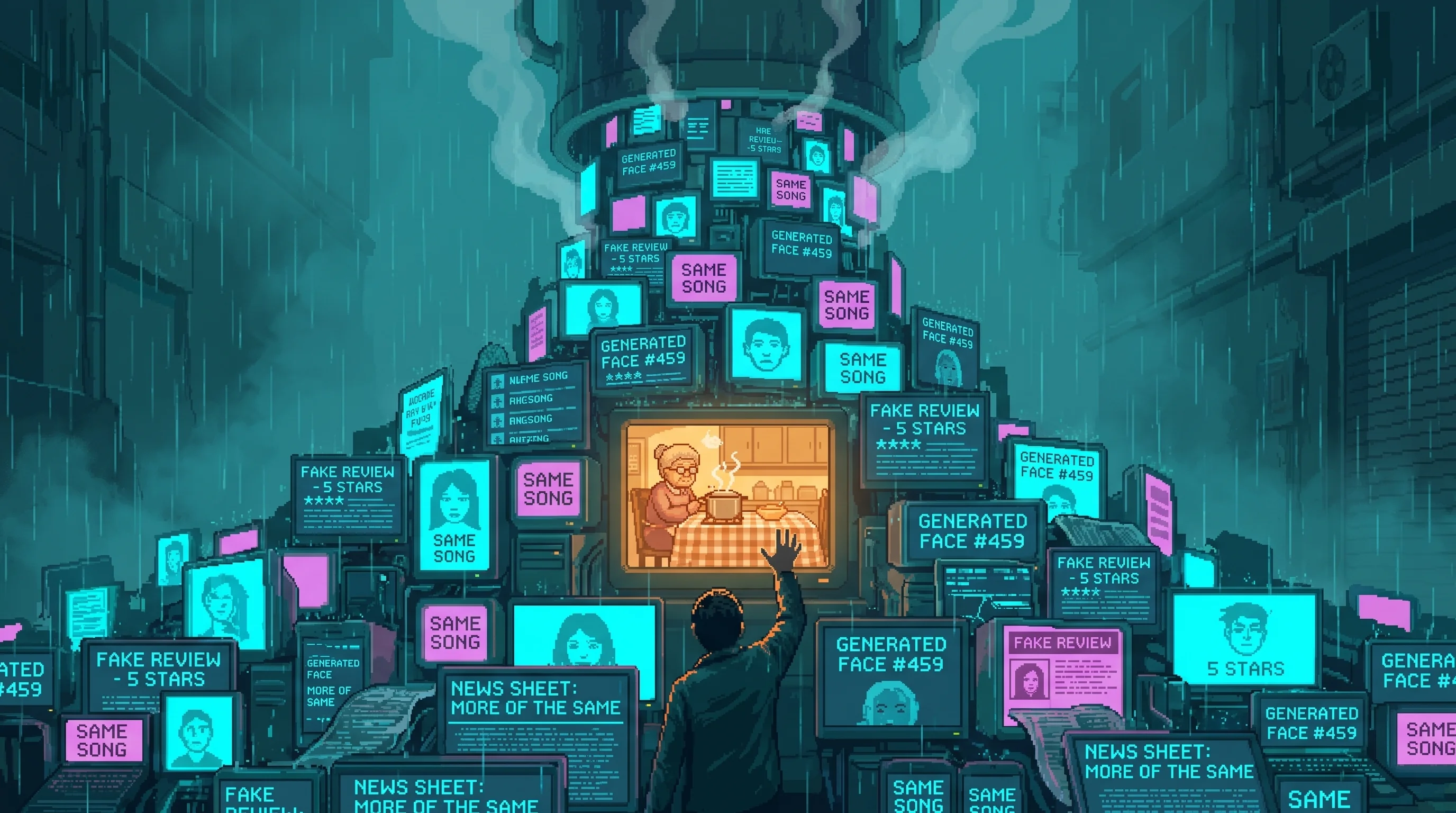
The flood is the load. Where that thread follows volume into the collapse of curation, this one follows the same volume into a nervous system and out the other side.
Unlimited generation floods every channel, then becomes the belonging people seek where no curator can screen it.
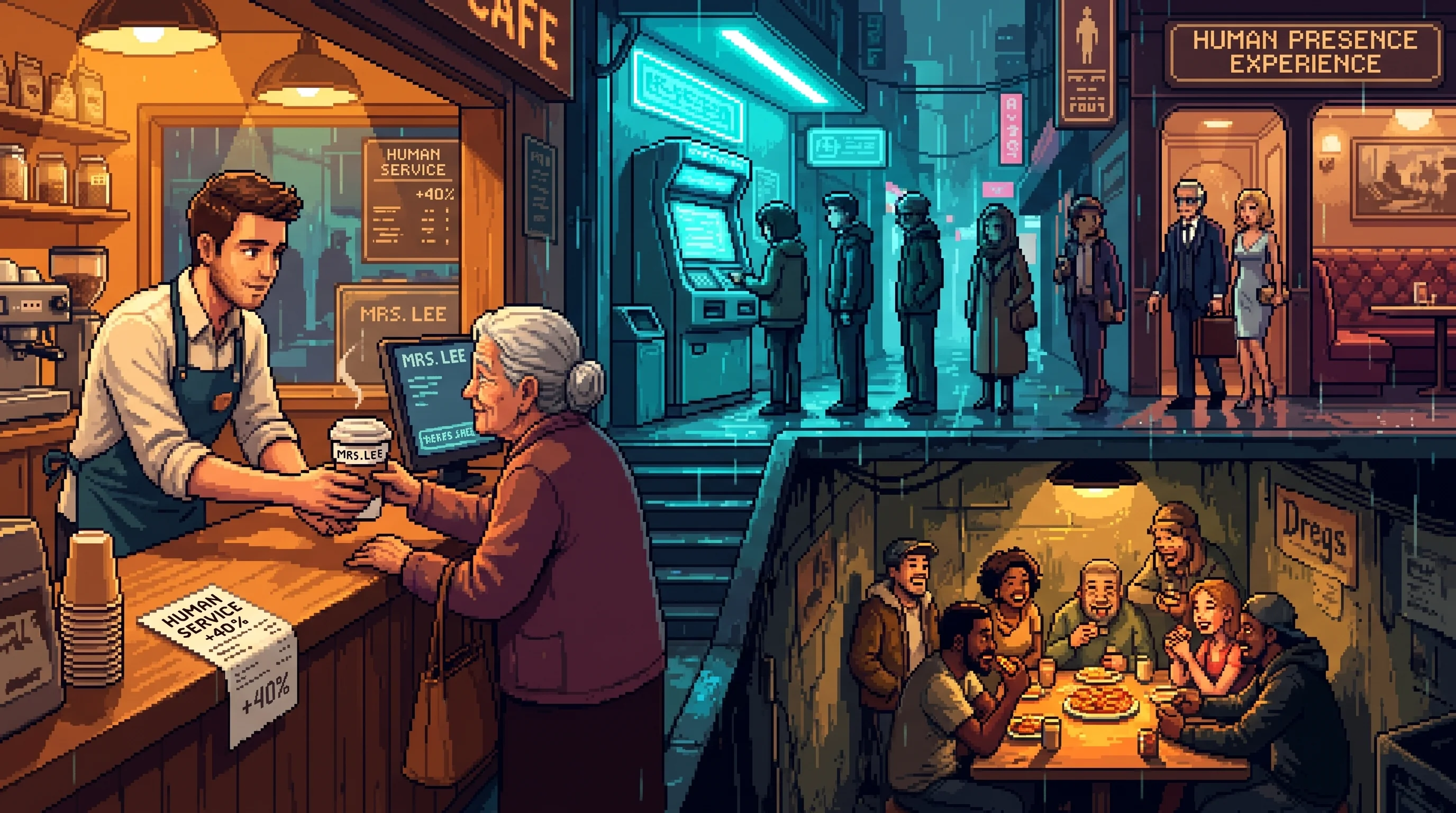
That market prices human presence once machines made it scarce. This one prices its inverse — the absence of stimulus — and the same households are buying in both directions.
The premium charged for the one service no machine can fake: being seen by another conscious being.

The trade that sells a bereaved family a professional to blame when the settlement rules that nobody is at fault.
The licensed industry selling bereaved families a professional to blame for deaths warfare left unassigned.

Why there is no claimant class: relief reaches each family on time, before a second becomes reachable.
The civic prediction system that dissolves collective action before it becomes visible.

What the top of the gradient buys: shielded hours in a room where the load is switched off, not moved.
Shielded gatherings where wealthy Sprawl residents pay per session to suppress their AI and simply wonder.

Four miles reading as empty space. Fifty people hold for free the unindexed hours the Rim rents by the hour.
Four miles of tunnel where every neural interface reads as empty space, home to fifty people who chose the silence.
That instrument reads the interior and treats it. This reads the district, and only one has an outside victim.
The unshared inner life measures as a treatable disorder, and everyone who is treated agrees it was one.
The gradient the load rides down. Every instrument is neutral on its face and sorts the way the tiers sort.
The point at which effort stopped being able to close the gap that compounding opens.
There the band is procured by contract to keep inspectors employed. Here it is the honest output of a fixed load.
The machine is held slightly bad on purpose, and the people it keeps are the reason.