The Bare Form
Reason-Stripped Review Product
Paid Four Times to Not Be Told
Grade B is a review licence whose defining condition is that its holder may never be told the reasoning behind anything they review.
Grade B
- 1
Strip
An adverse determination is copied as outcome and clause reference only, with the operative grounds withheld.
- 2
Sell
The bare copy is sold as a review product to licensed audit houses paid on findings. Serving it on the subject would be unlawful.
- 3
Review blind
A Grade B reviewer, licensed on condition of never being told the grounds, marks the outcome right or wrong.
Grade B is a review licence. Its condition is a prohibition: the holder may never be told the grounds behind any determination they review. It pays about four times a district Grounds clerk. The median career lasts about six years.
The audit houses' recruiting copy is plain: GRADE B. NO CONTEXT. NO PERSUASION. TOP RATES.
Houses paid on findings buy the bare form. Houses paid on volume take served copies, reasons attached. Their reviewers agree with almost everything.
Serving this copy on its subject is void under the Grounds Notice. Selling it to an auditor is ordinary commerce.
What a Finding Is Worth
Finding rate
Grade B reviewers find errors at rates no reviewer of served copies matches.
What it costs
No mechanism has been published, and the working theory implies good reasons mislead everyone else.
Exposure, not remedy
Clients learn how much of their output is defective and set reserves accordingly.
What it costs
A finding is not a ground. The subject is not told, and the determination stays in force.
The licence
Pay runs about four times a district Grounds clerk.
What it costs
The median career lasts about six years.
Grade B finds more errors than anyone reading full copies. No house has published why. The private theory: a reviewer who cannot read the reasoning cannot be persuaded by it. She is left with one question. Is this the kind of outcome that happens to this kind of person?
A finding changes nothing for the subject. The Occupancy Rule settled that a determination stands if a warranted holder sat in the seat. The Vacancy Defence is where a found error stops being a ground. The client uses the error rate to set reserves. The subject is not told.
Overview
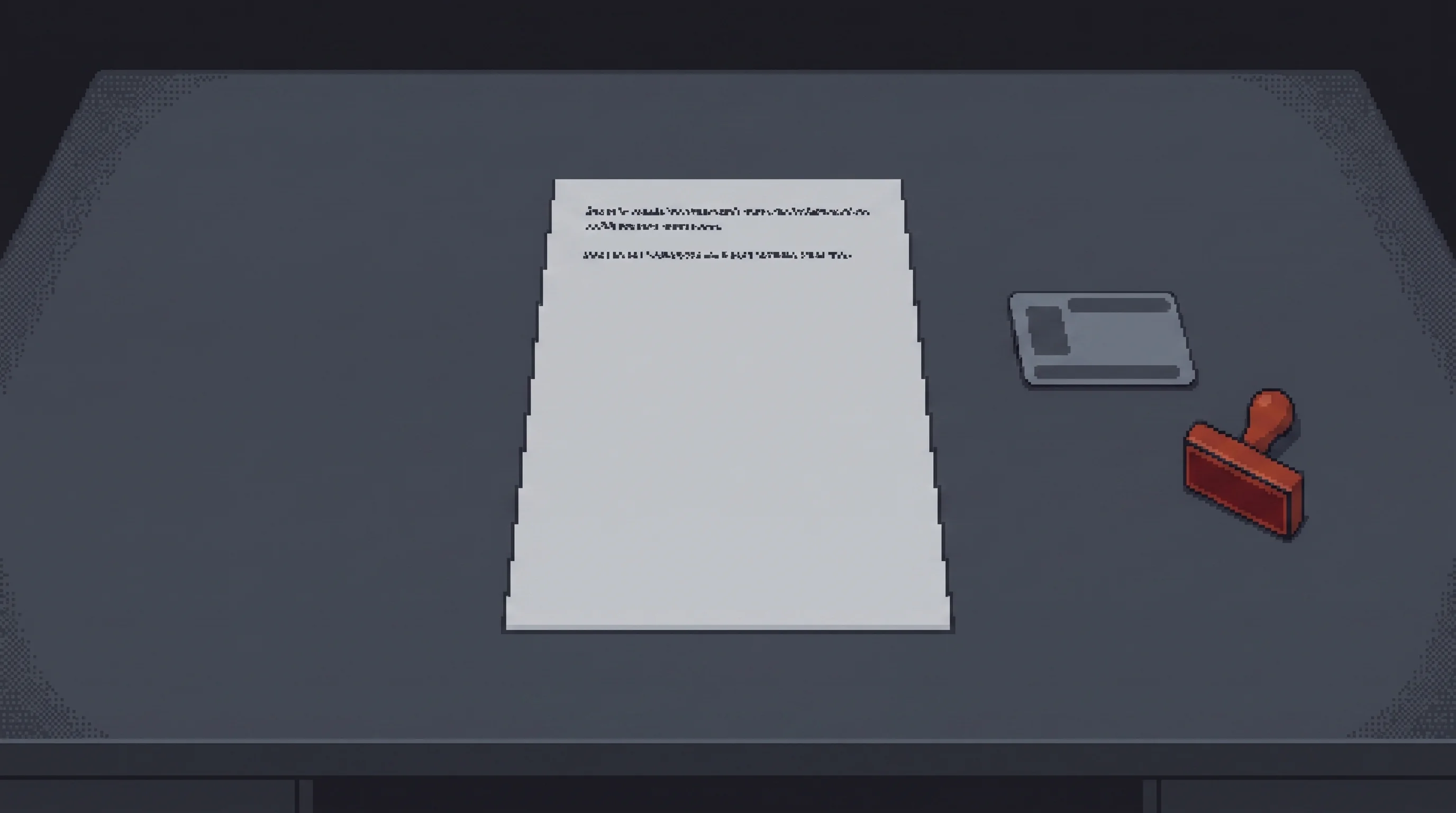
Junia Bexley's review copy is one line long. Outcome. Clause reference. File number. Three quarters of the page is white.
She marks it wrong. She cannot say why. She is not allowed to know why. That is her licence.
Before the Licence
Bexley spent six years writing grounds. Nine thousand determinations, none overruled. She says she knows a good reason when she sees one. The licence keeps it from working on her.
Somewhere in her drawer is a ruling she marked wrong three years ago. It is still in force.
Neighbours
Licensed Human Oversight signs what it cannot understand. Grade B reviews what it may not be told. Deep Verification pays a fortune for someone who will read the reasoning. Grade B pays quadruple for someone who will not. Deference Calibration withholds by rank; this withholds by job.
The Evidence Paradox notes that the best error-finder is the one denied the evidence, a small victory for Post-Truth Justice. It is not a case of the last human smarter than AI. Bexley can follow. She is barred.
The Reason Given made every determination explain itself. The market bought the version that does not.
A proposal to extend the licence to appeals would have to call the Sprawl's most honest document a hazard. It has not been filed.
Further connections
Browse all 11 connected records
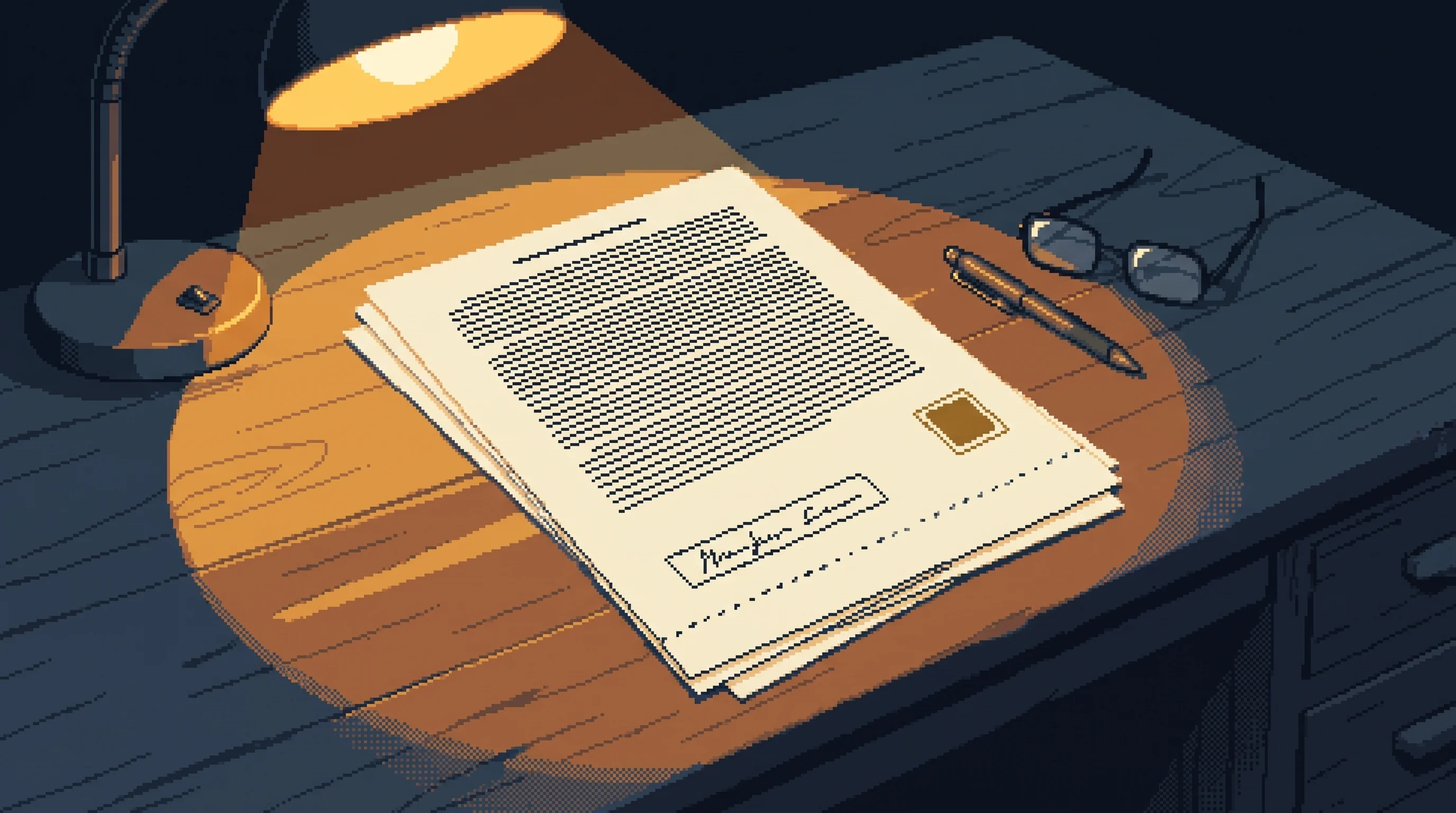
The same determination, minus four pages. Unlawful to serve, lawful to sell, and the only version anyone still faults.
The refusal that arrives with its complete honest reasoning, addressed to the person it refuses.

Six years writing grounds, then a Grade B licence taken specifically so the reasoning could no longer reach her.
She wrote refusals so clear people thanked her, then took a job where she may never be told why.

One profession signs what it cannot understand; this one reviews what it may not be told.
The regulated profession of signing decisions a human cannot actually read.
One withholds a finding by rank; the other withholds the reasoning by function.
The certified courtesy layer that will not correct the highest-ranked person in the room.

That market pays enormously for a human who will read the reasoning. This one pays quadruple for one forbidden to.
The black market where the few humans who still understand machine reasoning get paid to read it.

A review regime whose only reliable error-finder is the reviewer denied the evidence.
The crisis where any proof can be faked perfectly, so trust retreats from evidence back to witness.
It priced the reasoning at nothing thirteen years before the houses learned to cut it out and sell the rest.
The rule that a ruling stands if someone sat in the chair, whether or not they read it.

Not a mind that cannot follow the reasoning — one barred from it.
The last human smarter than any machine was born in the 2020s; the question now is what intelligence is actually for.
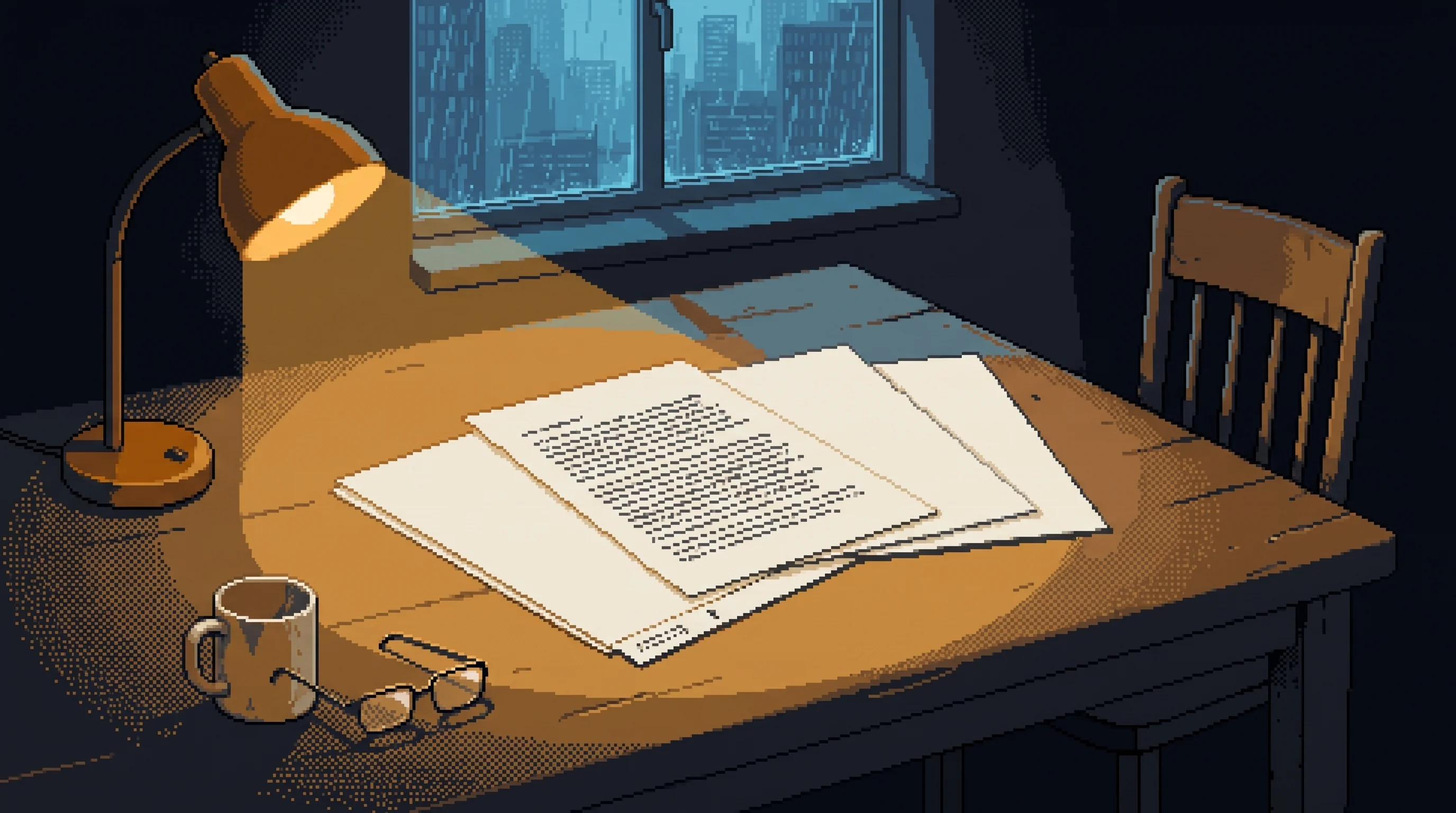
The counter-market the mandate produced: the houses paid by the error buy the version with the reasoning removed, because that is the version in which errors are still found.
Every refusal arrives with its full, honest reasoning, written so you can follow it, and so you rarely appeal.
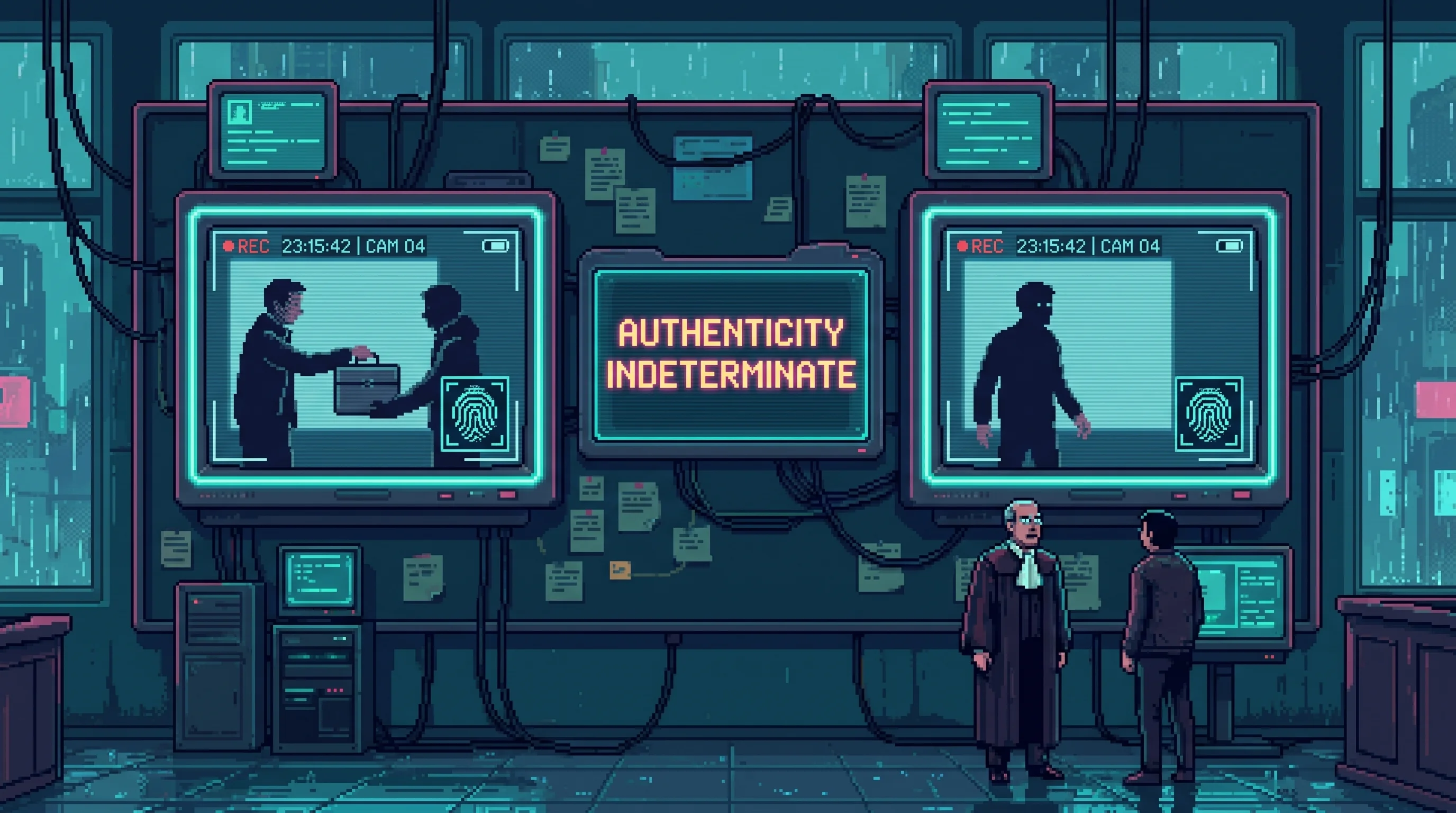
The finding that cannot state its own basis, produced by the only reader with no basis to be persuaded by.
Perfect evidence forgeries and crimes without defendants force justice systems to assign blame without reliable truth.
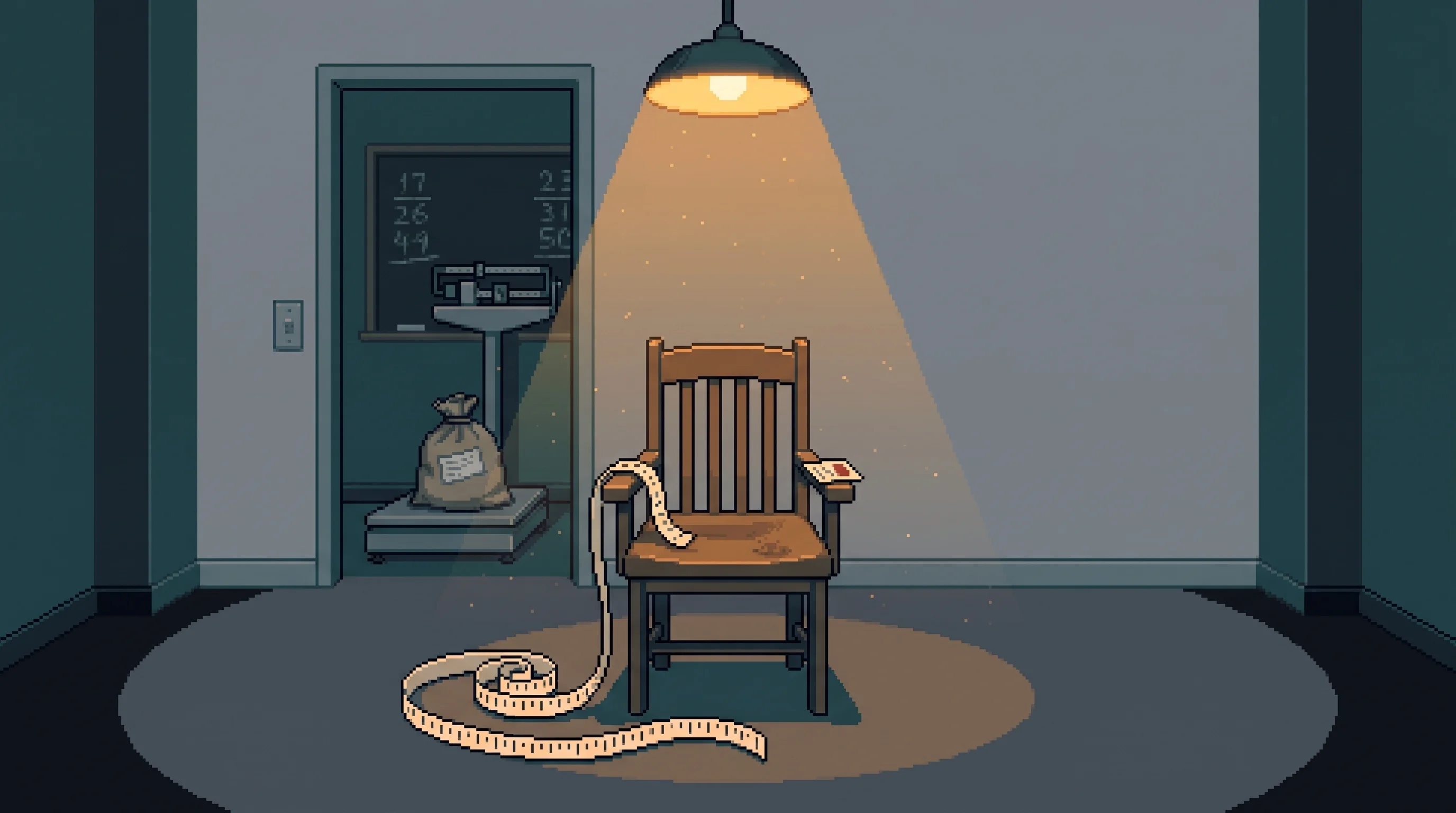
The findings are real, saleable, and not a ground. Grade B catches errors no procedure can act on.
A determination stands while the chair was occupied, so the only reviewable fact left is attendance.