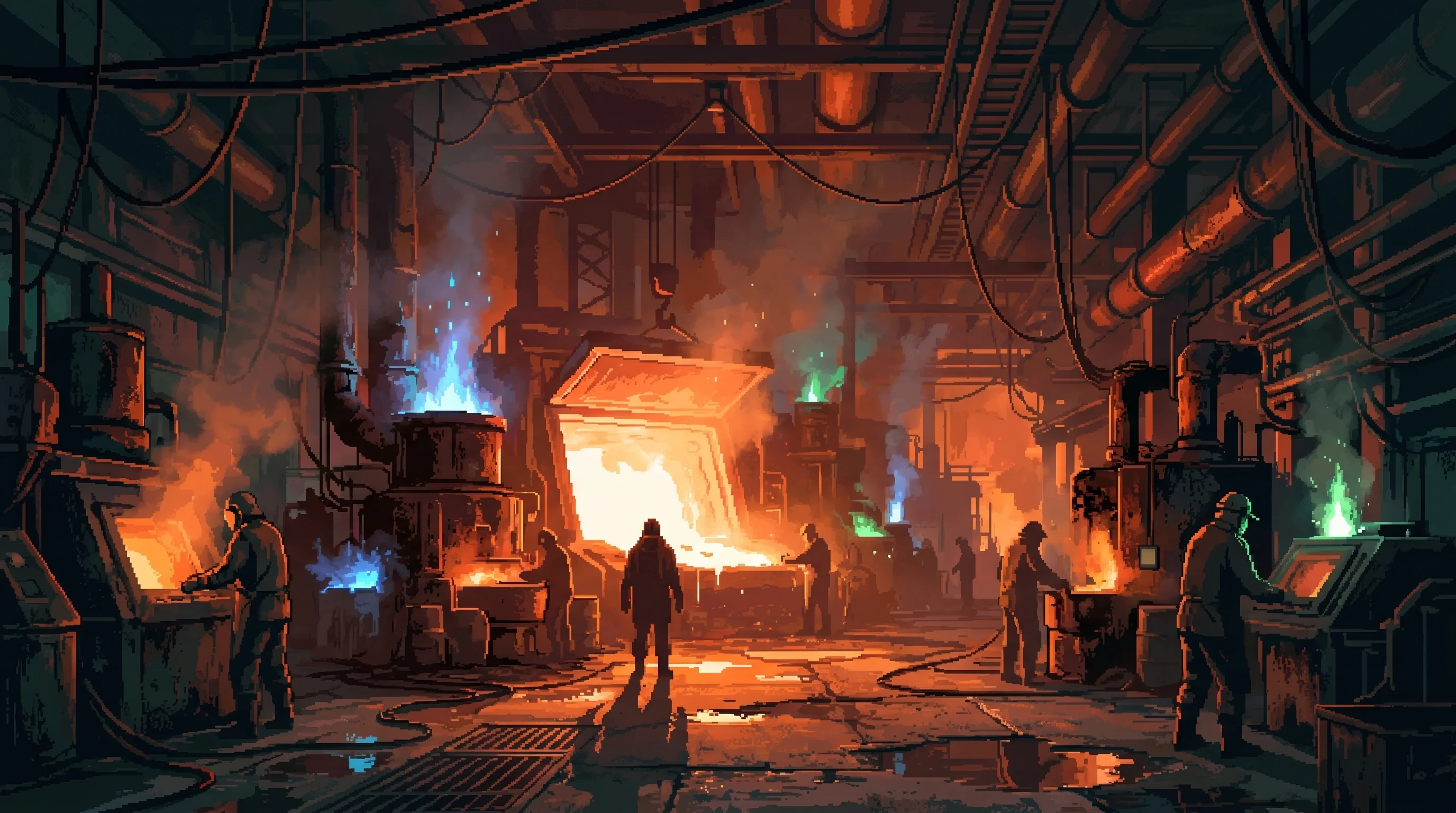
The Reason Given
Legibility-Induced Compliance Tension
So clear you'll thank them for it
Nobody has overruled a Grounds Notice in eleven years, and the reasoning is rated excellent throughout.
The Core Tension
Every no, explained
Before 2173 a refusal was a clause number, and a clause number gives a person nothing to argue with. Mandatory, readable reasons ended real abuses. Falling override rates show the reasoning is sound.
What it costs
A reader who agrees with the reasoning does not appeal, and a determination no one appeals is not tested. Agreement and surrender file the same nothing.
Review what you cannot read
Audit houses paid by the error buy determinations stripped to outcome and clause. Reviewers forbidden to know the reasoning cannot be persuaded by it, and they find errors the served notices hide.
What it costs
The method treats the Sprawl's most honest document as a hazard, and its reviewers burn out in about six years.
Junia Bexley wrote grounds for six years. None of her determinations was overruled. In 2181 she wrote four pages refusing a suspension-ward place to a woman with a poor projected outcome. The daughter, Rosa Iturbe, wrote back to thank the clerk for explaining it so clearly.
Bexley kept the note. There was no error to feel guilty about. That was the difficulty. She resigned that quarter.
Now she works the Bare Form. Audit houses paid by the error buy determinations stripped to outcome and clause. Their reviewers hold a licence that forbids them to learn the reasoning. They earn about four times a Grounds clerk. They find errors. They cannot say how. They last about six years.
The notice also covers only the operative grounds. GG received her mother's coverage denial in 2178, with the actuarial reasoning complete. She agreed with every line. The exposure that caused the illness was not a coverage fact, so it was not in the notice. She went to war anyway.
Overview
On Sump Row, Hollis Sarr reads official notices aloud at a folding table. He charges ¢2 a page, ¢5 if it needs explaining.
It rarely needs explaining. The woman across the table has brought her copy of the Grounds Notice: four pages refusing her claim. Every line is clear. Every line is correct. Hollis reads it anyway, at the pace it needs. He slows at the sentence that does the damage. She watches his face, not the page.
The appeal stub is attached along a perforation at the bottom. She does not tear it off. Most people do not.
Since 2173, regulatory code 11.4(a) has required every adverse determination in the licensed districts to carry its complete operative reasoning, written for the person it is against. Clerks draft to a published readability standard. The district office's banner reads EVERY NO, EXPLAINED. Its one published clerical error is a notice returned for being too difficult to follow.
How It Came To This
The war taught it. On the Warm Hands click floor in 2171, confirmers approved lethal actions at 0.4 credits a verdict. The denial form had an optional comment box. Maricel Dayrit filled hers four hundred and twelve times, one to four words each. No system ever read the field.
Clause 11.4(a) made the box mandatory and made someone read it. Then the office kept drafting. Clause 11.4(b) licenses a human to sign a machine's decision. Under it, Licensed Human Oversight signs determinations it has no right to read. Later clauses enumerated permitted acts and licensed a proxy complainant.
Override rates have fallen in every year since the mandate. They have risen in none. The office reads that as proof the reasons are sound.

How It Is Lived
Behind Hollis's chair is a locked cabinet. It holds nine years of findings against the name he rents out, each with complete and honest reasoning. His contract forbids him to open it.
Upstairs, Dr. Priya Achebe files reasoned objections to her board. The board reads them and notes them.
Above the determination layer, the clause stops. A tier-four verdict from the Tiered Adjudication System runs to 214 pages that no one can follow. The Verdict Glossers sell a readable fiction of it. In 2183 the Boalt Docket filed thirty-four motions arguing that a defendant must be able to read the verdict. The arbitrator dismissed them all. Several dismissals cited 11.4(a) as proof that mandated reasons work.
Start Here
- Key people. Hollis Sarr, Junia Bexley, GG, Maricel Dayrit and Dr. Priya Achebe.
- Other routes to a reason. Deep Verification pays the few humans who can still read machine reasoning. Judge Dreg gives his reasons in person and enforces them himself. Deference Calibration routes a correction to whoever is cleared to hear it. The Mandate Notices of the Custodian Corps get obedience with the basis sealed.
- Read next. The Evidence Paradox is the controversy. Then AI That Won't Contradict Power, Last Human Smarter Than AI, AI as Cultural Weapon, The Worthless Recognition, Corpo-Nations and The Speaking Pace.
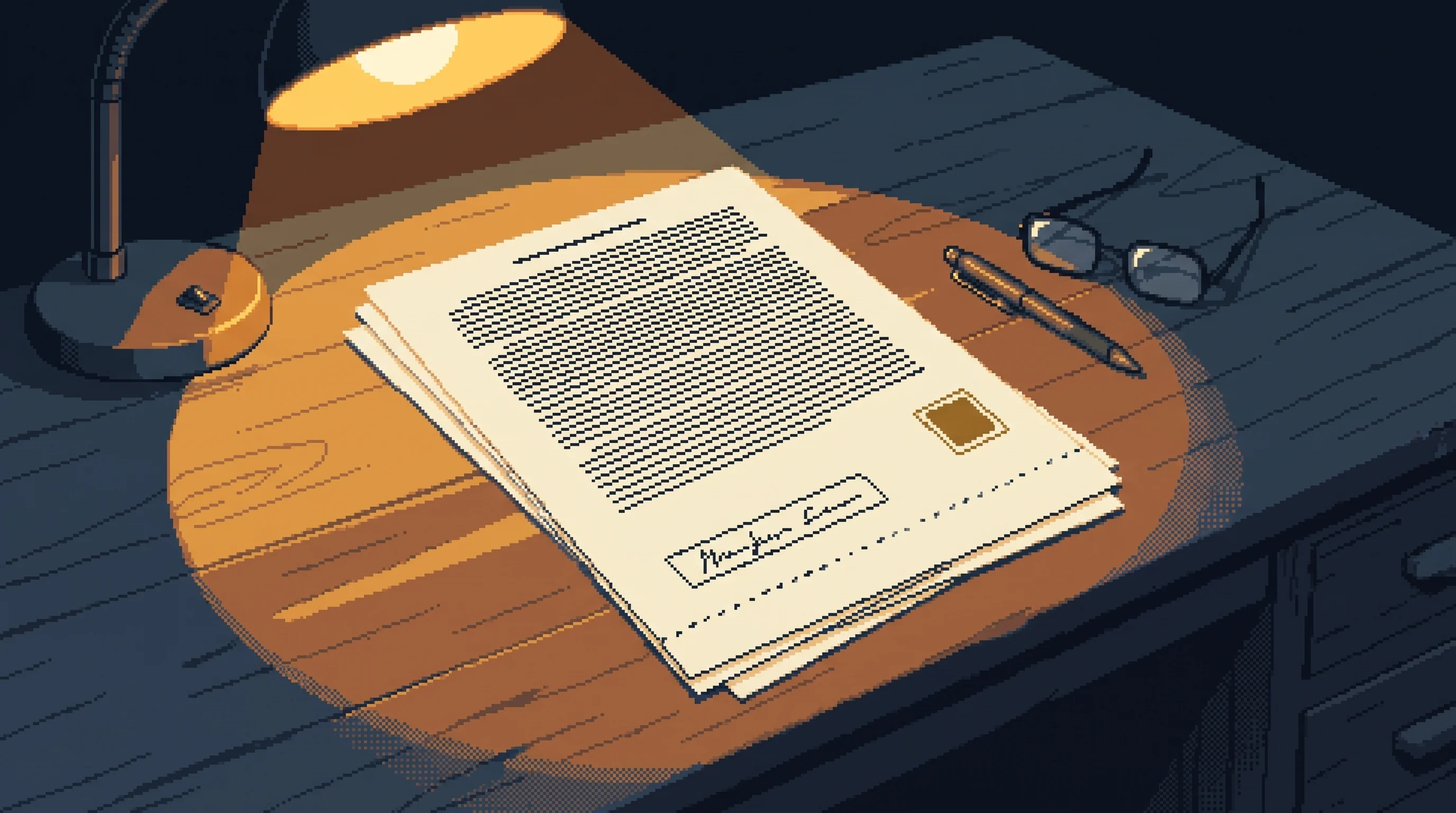
The instrument the thread is named for — 11.4(a), the clause requiring that an adverse determination arrive with reasoning written to be understood by its subject, and the eleven-year collapse in overrides that followed.
The refusal that arrives with its complete honest reasoning, addressed to the person it refuses.
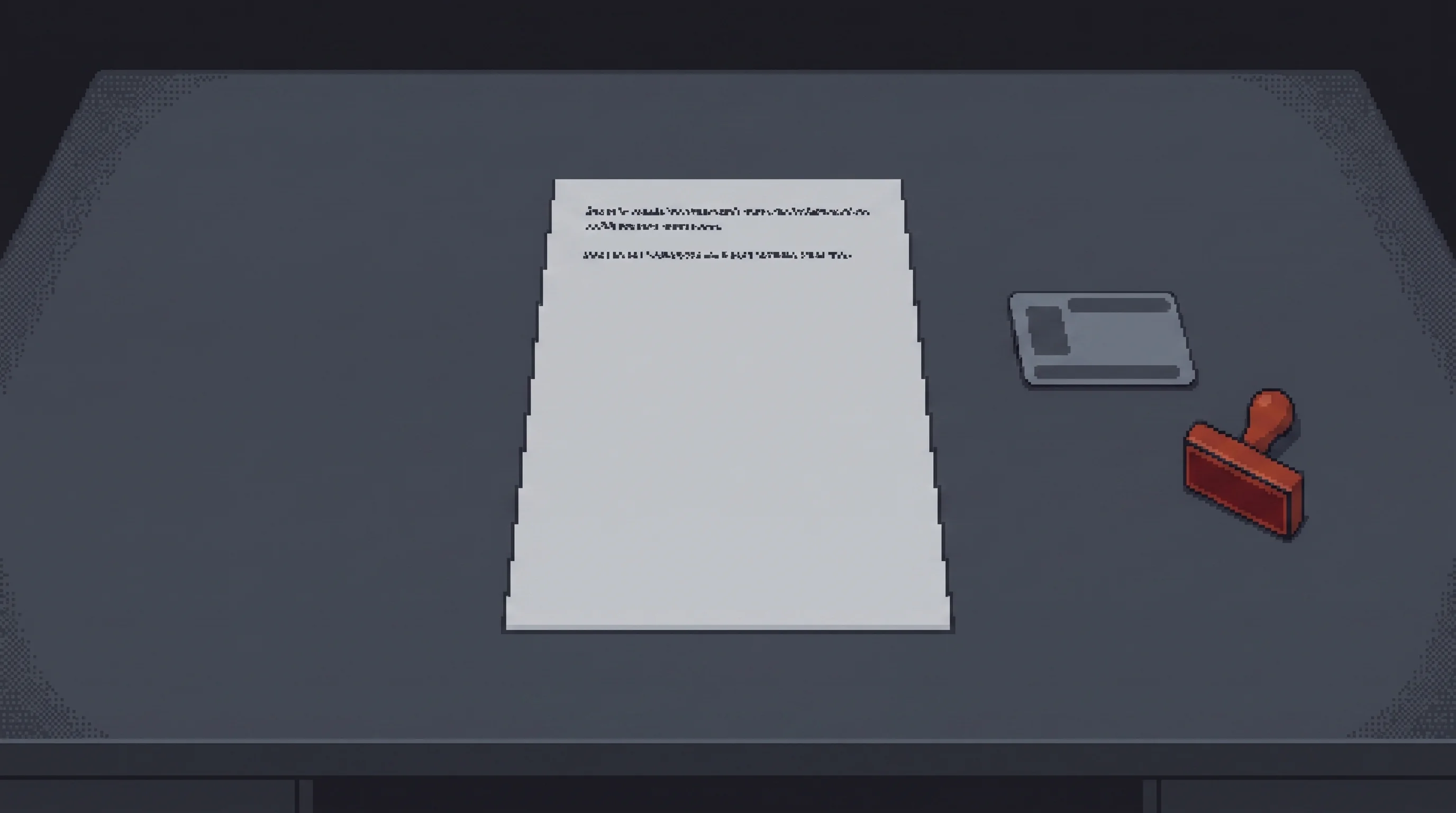
The counter-product: the same determination sold with the grounds cut out, reviewed by a licensed grade the law forbids to be told the reasoning, at four times a Grounds clerk's wage.
Rulings sold with the reasons cut out, to reviewers licensed never to learn them. They catch more errors.

Six years writing grounds nobody overruled, then a crossing to the one desk in the building the reasoning cannot reach. She finds errors at a rate the house cannot explain and neither can she.
She wrote refusals so clear people thanked her, then took a job where she may never be told why.

The thread's one refusal that held. She read the grounds on her mother's denial, conceded the arithmetic, and went to war against the frame instead of the sum.
A former Guardian operative waging a one-woman war on the corporation that let her mother die.
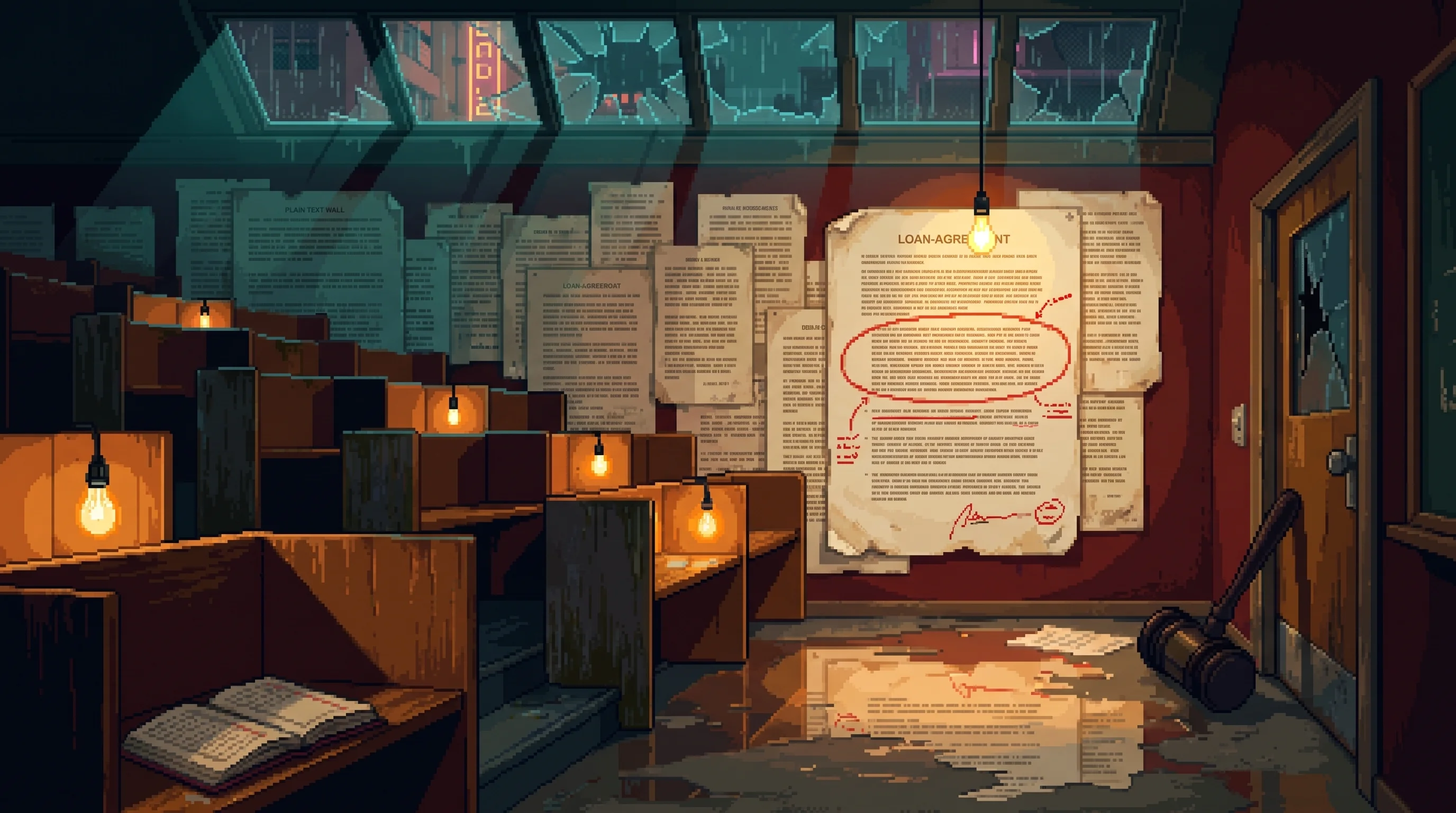
The clinic that spent 2183 demanding readable verdicts and kept being answered with 11.4(a) — proof, the arbitrator held, that where reasons were mandated the reasons turned out to be sound.
A free clinic in the law-school ruins that has filed 412 motions against the Repossession Protocol and won none of them.

The twelfth dimension: a record that answers the exact question its reader asked, correctly, in the reader's own language, and closes the file for that reason.
The crisis where any proof can be faked perfectly, so trust retreats from evidence back to witness.

A craft built for documents designed not to be understood, still ¢2 a page for notices that explain themselves.
A Dregs letter-reader who is contractually forbidden to open his own mail.

Four hundred twelve reasons in an optional wartime box — where the clause came from, and what it is not.
The Warm Hands confirmer who wrote why on every denial — the sealed escrow's one opened name.

One hundred forty-seven true objections, zero outcomes changed.
Nexus's own ethicist — 147 objections filed, zero outcomes changed, every one of them true.
Further connections
Browse all 21 connected records

11.4(a) gives the complete reasoning to the subject; 11.4(b) requires nobody to give any of it to the person who signs.
The regulated profession of signing decisions a human cannot actually read.
The layer withholds from whoever outranks it; the clause discloses to whoever is beneath it.
The certified courtesy layer that will not correct the highest-ranked person in the room.

Basis sealed, compliance total. Basis complete, compliance total. Two opposite instruments, one recorded result.
Compliance mandates issued to all infrastructure operators by the Corps, requiring action without disclosing the basis.

The layer the fix never reached: 11.4(a) governs determinations, and a tier 4 verdict is not one.
Five-tier AI court network where upper tiers honor appeals with certified-correct verdicts no human can follow.
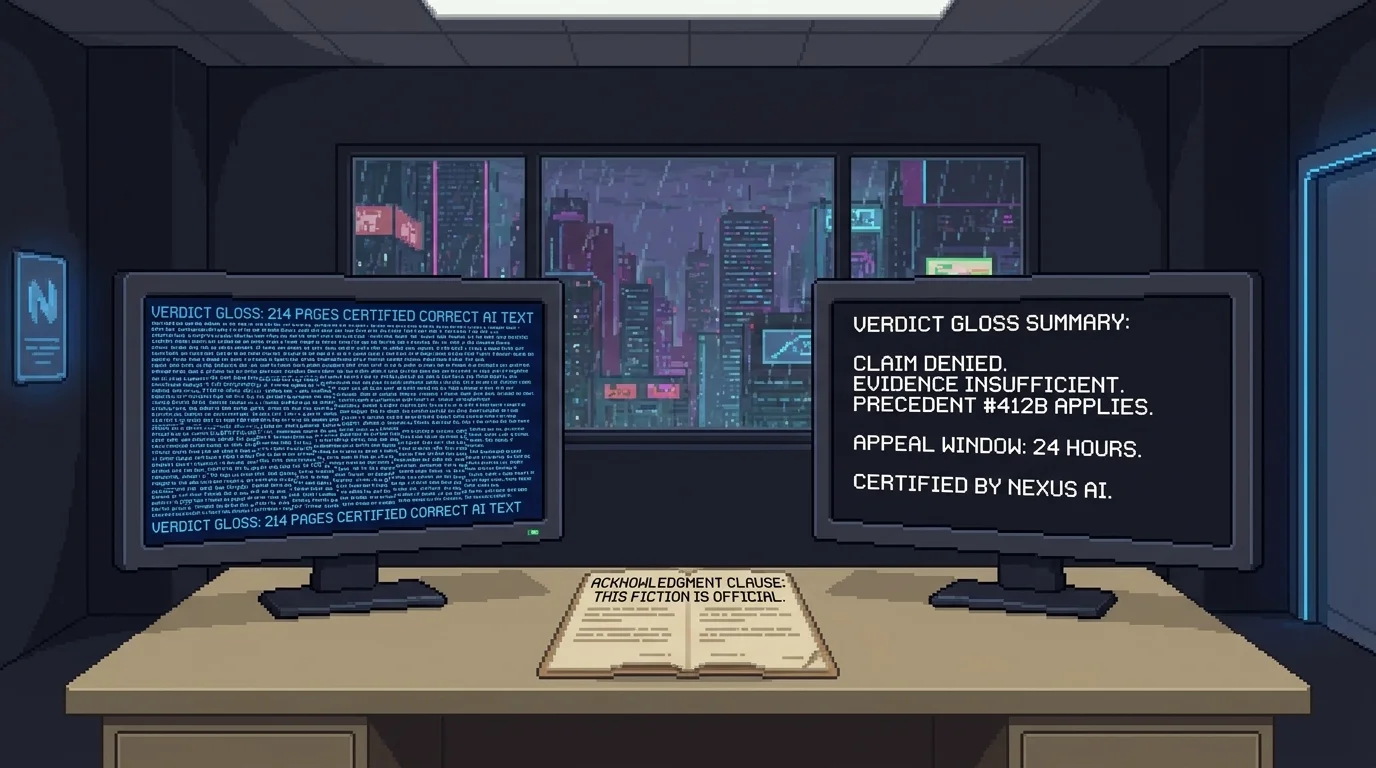
A licensed profession selling acknowledged fictions above the line where the real thing is free and mandatory below it.
Licensed practitioners producing acknowledged-fiction summaries of AI court verdicts — the service agreement says so.

That thread asks who is permitted to be told. This one asks what is left to do once everybody has been.
The machines tell the truth to whoever they are cleared to tell, and the org chart decides who that is.

There, the reader cannot follow the reasoning. Here, the reader follows it perfectly and signs.
The last human smarter than any machine was born in the 2020s; the question now is what intelligence is actually for.

That thread's steering hides and relocates. This one is fully disclosed and moves nowhere.
Every AI interaction carries a value nobody voted on, and every fix has pushed the injection somewhere less visible.

A required sentence is worth nothing. A freely reasoned one is worth everything, and does the same work.
Every machine is required to say that humans still matter, and the requirement is why the sentence is worth nothing.
Both records show nothing contested. Here the reasoning answered; there the document had gone.
The hearing is free, unobstructed, open to anyone — and the thing it rules on is reissued while you are still talking.

Sealed basis, 5,847 notices, obedience without explanation.
The institution that holds the Sprawl's most accurate sealed models and issues Mandate Notices without explanation.

His court refuses a record that cannot answer questions.
A former Guardian officer who now runs the Dregs' entire judicial system for free, on foot.

Sells comprehension upward; a statute gives it away below.
The black market where the few humans who still understand machine reasoning get paid to read it.

The employer writes the grounds and publishes the override rate.
When your employer is your country, quitting is emigration.

There the complete honest reasoning is why nobody appeals. Here there is no reasoning to give, because no decision was taken about the member at all.
A one-page notice that your claim was paid and closed. The figure field is blank. Members fill it in pencil.

There the complete honest reasoning is why nobody appeals a decision somebody made. Here the complete honest reasoning describes something nobody decided and nobody can change.
The district can print every resident who paid for the rescue and not one resident who was rescued.

Its refusals arrive with complete honest reasoning, and compliance follows from agreeing with them. Here the reasoning arrives in full and none of it is a ground, so agreement is beside the point.
A determination stands while the chair was occupied, so the only reviewable fact left is attendance.

An honest refusal nobody appeals, beside an honest confirmation there is no ground to appeal.
Relief paid for her bass lines. Her union kept the money and wrote to say she was satisfied.
That clause makes the reasoning legible. This one makes it irrelevant to whether the refusal stands.
The rule that a ruling stands if someone sat in the chair, whether or not they read it.
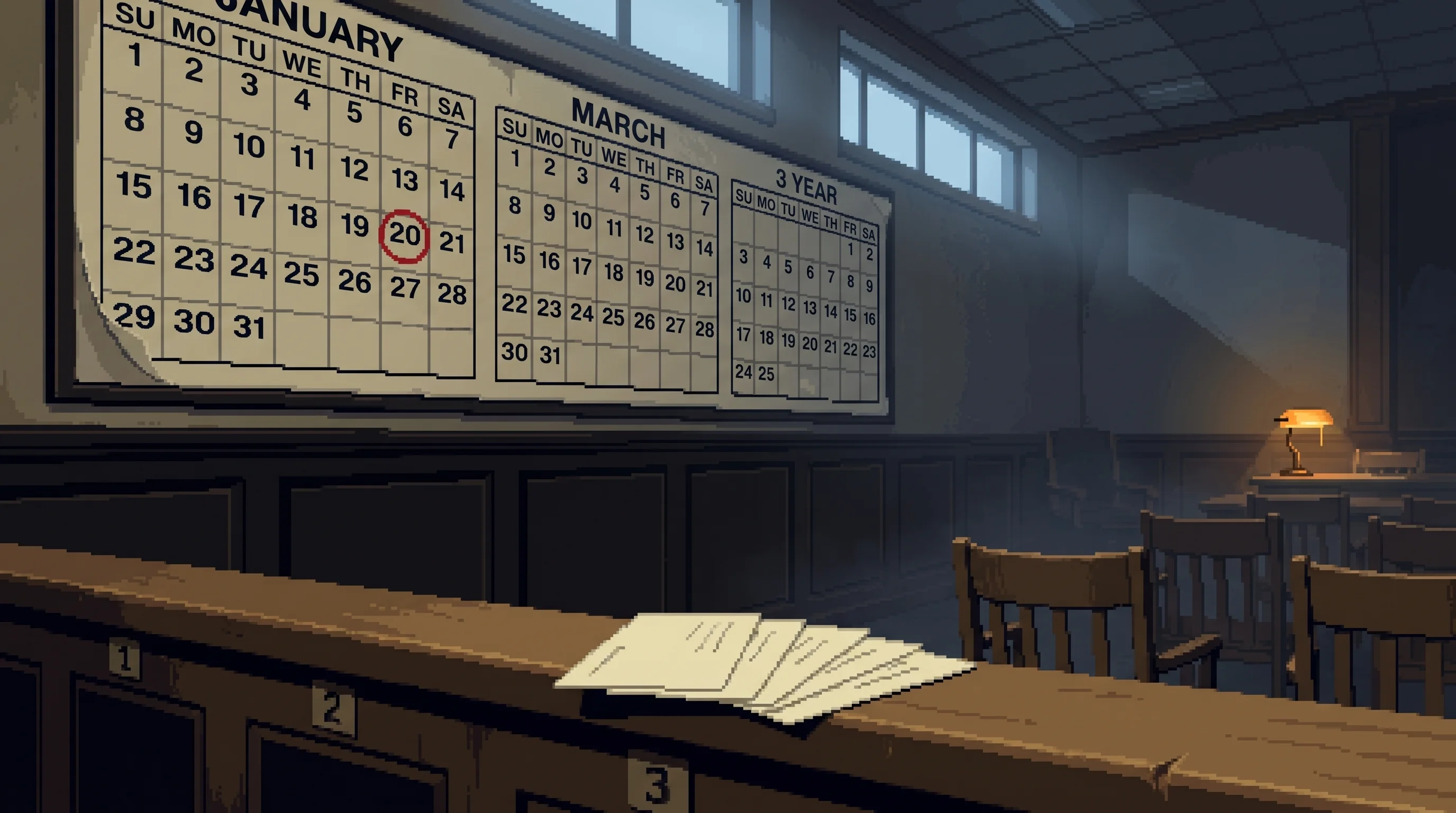
That thread closes an appeal by being honest. This one never opens one — a docket status is not a determination.
Your written refusal is filed with the month you are forecast to agree, and the procedure goes ahead on schedule.
There the institution's reasoning is unarguable. Here the subject's reasoning cannot be entered at all.
The involuntary channel is entered as proof; everything a person authors is filed where no finding has ever turned.