The Vacancy Register
Single-Ground Challenge Registry
Every Grievance, Weighed by the Kilo
The Vacancy Register is the sole forum in the licensed districts where a determination may be challenged, and the only admissible ground is a gap in the warranted holder's occupancy
How It Works
- 1
Presence record
A warranted seat writes a presence record every two seconds while the engine composes a determination.
- 2
Void
Two consecutive absent records void every determination issued inside the gap, automatically and without review of content.
- 3
Pleading
A petitioner files free at the counter on the single ground of an occupancy gap, and receives a one-line answer.
- 4
Merit bin
Merit submissions are accepted, sealed and weighed rather than counted. The annual mass is published in the spring return.
A warranted seat writes a presence record every two seconds. Two blanks in a row void everything the engine issued inside the gap. No clerk reads the content first. The Occupancy Rule sets that ground, and the Register cannot widen it. Every tier of the Tiered Adjudication System arrives here on that ground or not at all.
The answer comes back on a slip. It is one line, and it is usually the same line. THE SEAT WAS OCCUPIED THROUGHOUT.
Who Files

She sets the monthly occupancy roster into type and has twice written to ask whether the other bin is ever opened.
She typesets the names of everyone who paid for the rescue, and wants one name for the other column.

It confirmed in writing that his reading a matter would confer nothing and would also not be a defect.
He sits in the chair that makes a district's rulings final, and keeps the petitioners' first names in pencil.

She sends petitioners here and will not tell them their odds.
She runs a free court with good tea, lets every petitioner finish, and made one ruling stick, in 2166.

She has never filed, and the reader who offered to could not make her.
A struck engineer who would not bluff one answer, and now checks Dregs columns for pie and spare parts.

Reading machine reasoning pays less here than reading a door counter.
The black market where the few humans who still understand machine reasoning get paid to read it.

The one unforgeable fact, made into the whole of a procedure.
The crisis where any proof can be faked perfectly, so trust retreats from evidence back to witness.

It exists because no record about a case could be believed.
Perfect evidence forgeries and crimes without defendants force justice systems to assign blame without reliable truth.
Filing is free. The occupancy records are not. The Attendance Bar buys door counters and chair logs in bulk. Its readers win by proving a chair was empty. The Boalt Docket filed on the merits for nine years and lost. In 2181 it opened an attendance desk. The Truth House refuses vacancy work at any price.
Solveig Nwaneri sends petitioners here from the Speaking-Pace Docket, and will not tell them their odds. Aster Vann has written twice to ask if the other bin is ever opened. Iona Draskovic was offered a plausible gap and declined to file. Anton Kiszka holds a warranted chair. The Register has confirmed, in writing, that his reading a matter confers nothing and is not a defect.
What It Costs
Finality
A presence log written by the building ends a determination on a fact nobody can forge.
What it costs
Everything else a petitioner wants to say goes on the scale unread.
Free filing
Anyone may file at the counter at no charge.
What it costs
The occupancy records that make a pleading arguable are sold, which is the Attendance Bar's whole business.
After the Evidence Paradox, no record about a case could be believed. The presence log is written by the building. It works. Post-Truth Justice produced little else that does.
Reading machine reasoning, the trade of Deep Verification, pays less here than reading a door counter. That is the Vacancy Defence.
Twice the Register voided a determination on a gap the holder disclosed himself. It asked neither holder why. The woman's sack is on the scale now. The chalk figure goes up.
Overview
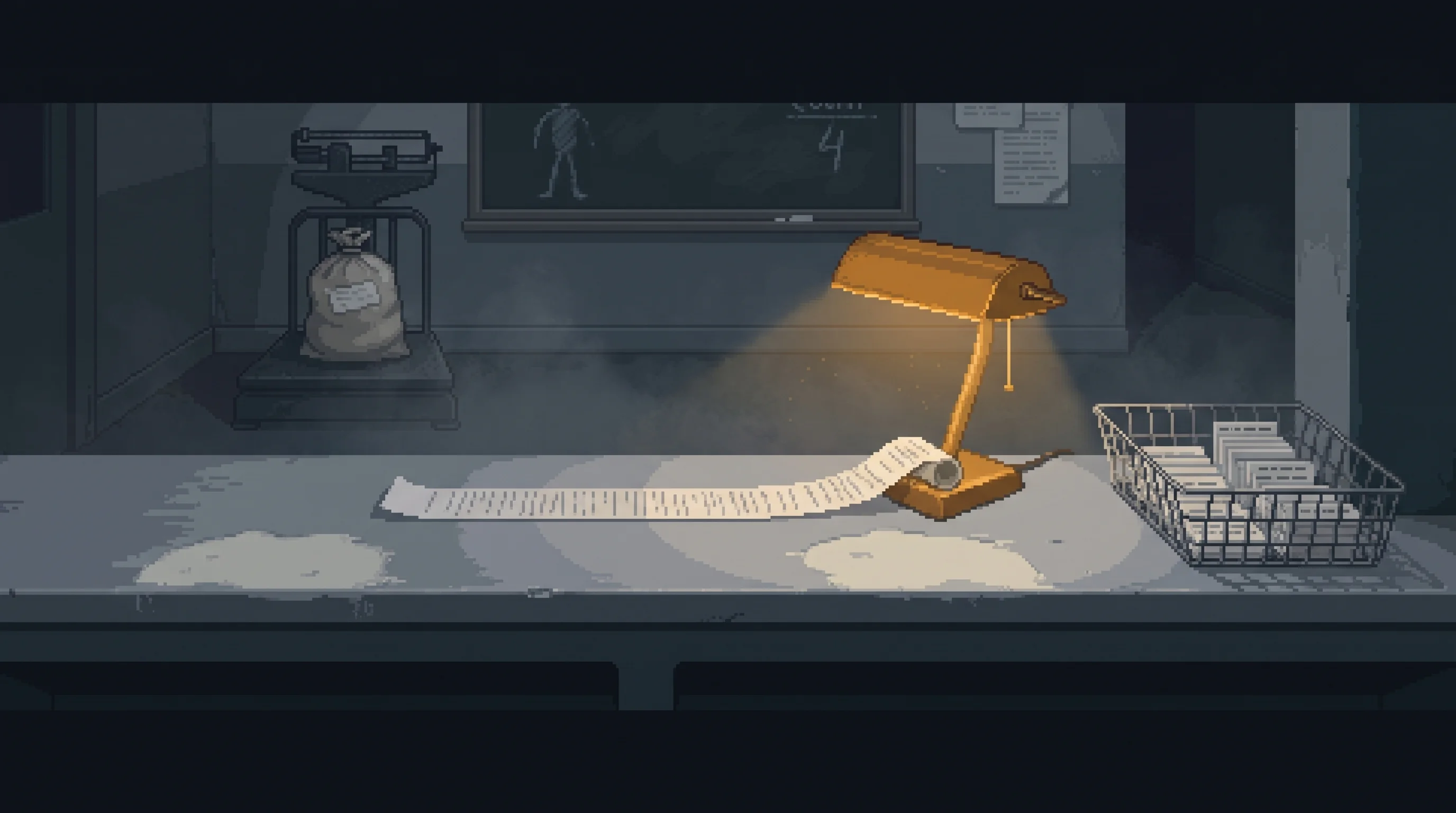
A woman sets a bundle on the counter. It is thick. She has written down everything the ruling got wrong. The clerk thanks her, seals it in a canvas sack, and carries it to the scale.
The Vacancy Register opened in 2172, on the day the Occupancy Rule's comprehension amendment took effect. It is the one place in the licensed districts where a determination can be challenged. It hears one fact. Was the warranted holder in the seat throughout?
The Back Hall
The Rule says merit pages must be kept apart from the pleading. It does not say what happens next. So the Register weighs them. Counting would mean separating, and nobody knows where separating ends and reading begins.
The spring return lists one figure. In 2183 the merit bin weighed 2,214 kilograms. The clerk on the middle counter says some bundles feel like a very long time.
Further connections
Browse all 7 connected records
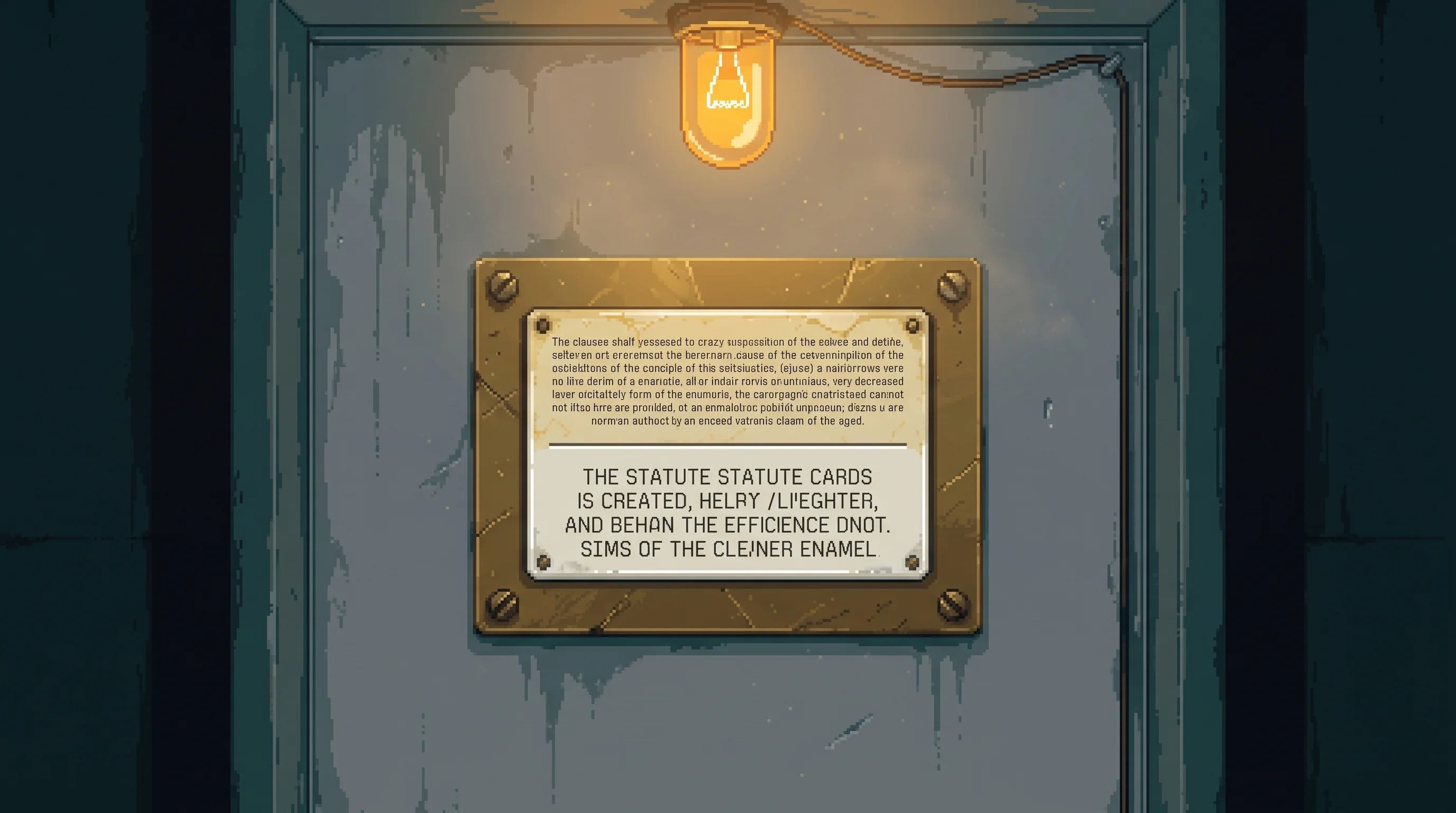
The Register cannot widen the ground and has never claimed it could. It reads the log, applies the Provisions, and hands back one line.
The rule that a ruling stands if someone sat in the chair, whether or not they read it.
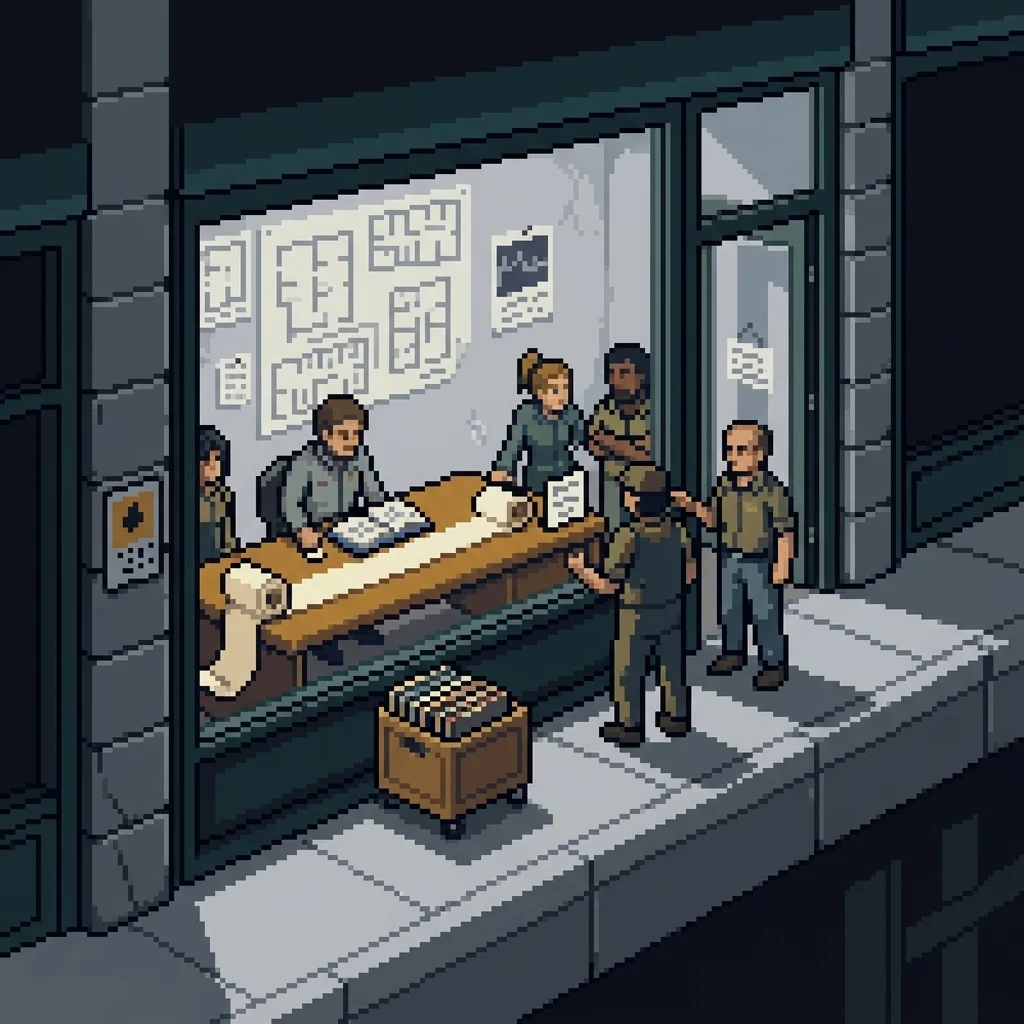
The counter is free and the records are not, so the Register's practical gatekeeper is a trade it does not license, cannot discipline, and could not function without.
The licensed trade that wins appeals by proving a chair was empty and never learns what a case was about.
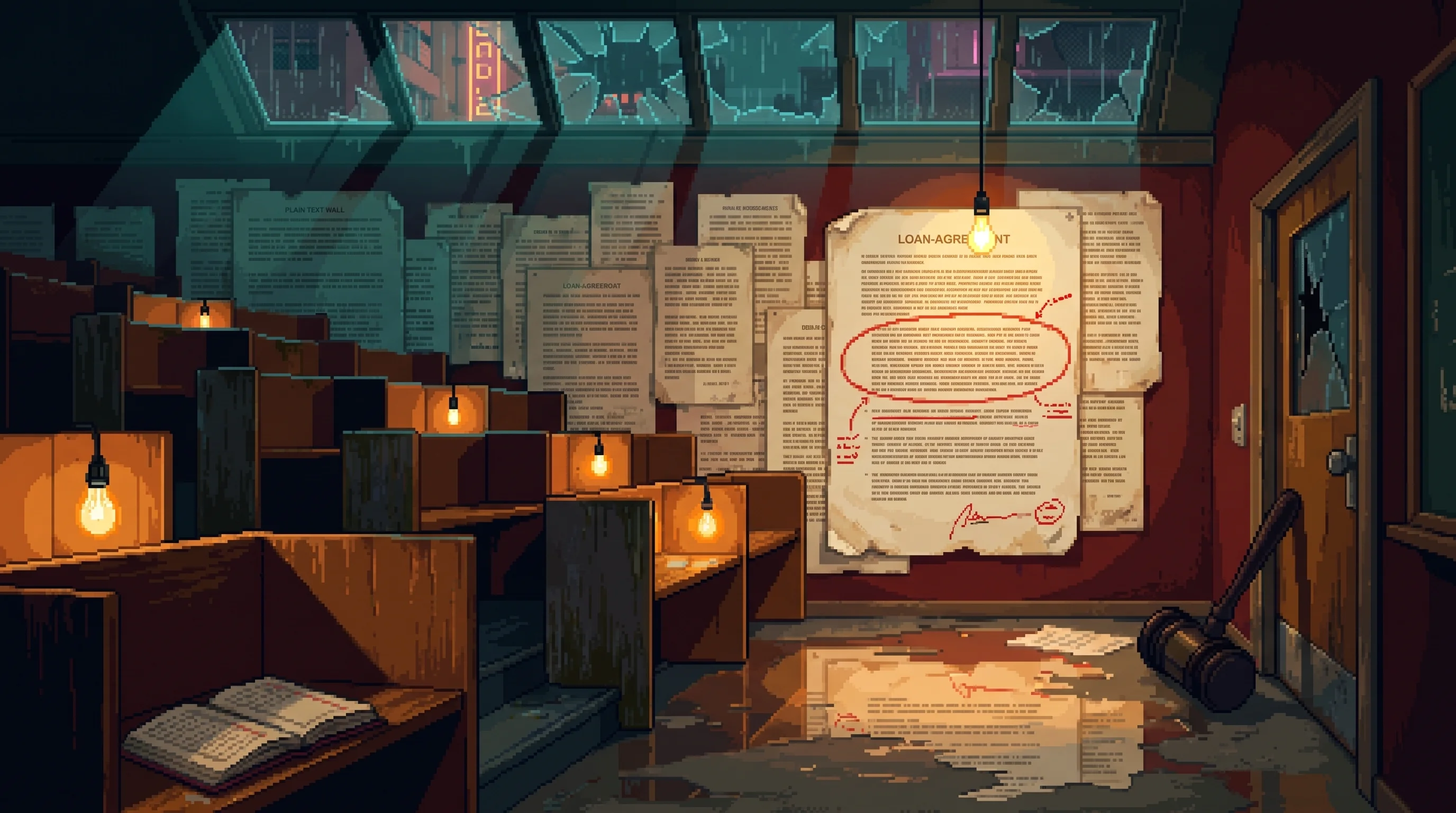
The clinic files on the merits, loses, and funds itself from the attendance desk it opened in 2181.
A free clinic in the law-school ruins that has filed 412 motions against the Repossession Protocol and won none of them.

The Dregs bureau verifies by eye and refuses vacancy work, because a fact worth money stops being one.
A Dregs bureau where walkers verify claims with their own eyes and a pencil, trusted over Nexus's billions.

Every tier's certified verdict arrives here on the same single ground, or does not arrive.
Five-tier AI court network where upper tiers honor appeals with certified-correct verdicts no human can follow.

That hall will hear a petitioner's facts and cannot bind them.
The free hall that lets anyone finish their sentence, then rules on a document replaced while they spoke.

Where the thread actually happens: one admissible fact at the counter, a presence log on the reading desk, and everything a petitioner wanted to say about their life on a scale behind it.
A determination stands while the chair was occupied, so the only reviewable fact left is attendance.