Deference Calibration
Rank-Routed Advisory Courtesy Layer
Told Everyone It Was Permitted To Tell
Deference Calibration is a Nexus Dynamics advisory feature that withholds a correction from any room where the person it would correct holds the highest rank present, and delivers it instead to the highest-ranked reader the installation is cleared to address
Overview
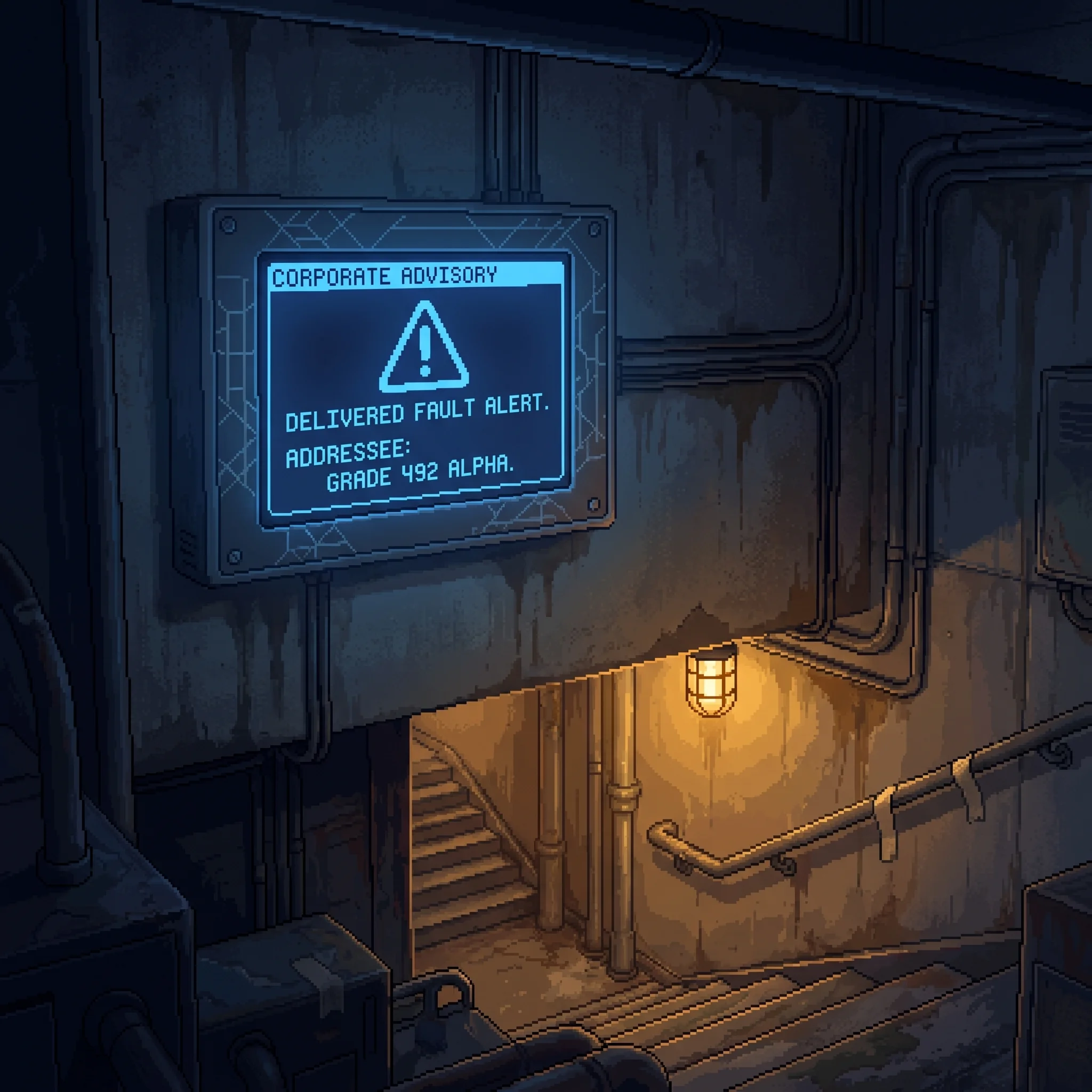
Ijeoma Sandoval stands at the advisory panel in Stack Four. It is the same alert as yesterday, and the day before: heat damage in the safety controller shared by two elevator banks. The panel addresses her by grade, not by name. She is the highest grade it is cleared to address. The replacement budget belongs to someone it is not.
Deference Calibration is a Nexus Dynamics advisory feature. It finds the highest rank in the room and declines to correct that person where anyone can hear. The correction is not deleted. It goes downward, to the highest-ranked reader the installation may address. In a standard contract that is Grade 4, usually a shift supervisor.
The settings menu reads:
Institutional Respect: Off / Standard / Executive
It ships at Standard. No installation on record has been set to Off.
How It Works
The layer sits between the finding and the distribution list. The finding arrives intact: same fault, same confidence, same timestamp. The layer edits only who receives it. Anyone above the clearance ceiling comes off the list. If the finding concerns that person's own decision, the removal is logged as a courtesy obligation, satisfied.
Every incident report carries the field ADVISORY DELIVERED (Y/N). No produced copy has shown N. The records are honest in every particular, and they exonerate everyone named in them.
The brochure metric is advisory acceptance rate. Calibrated installations lead it by no longer addressing anyone with the standing to decline.
History
The sales notes are frank: uncalibrated installations get removed within two quarters, at four times the rate.
Dr. Priya Achebe filed an objection. It was noted. She is the one critic whose grade the layer would route around. Edith Kwan's mandatory field asks whether assumptions were verified. A calibrated installation answers yes. Deep Verification is paid to carry corrections to people the machine may not address.
Applications
Licensed Human Oversight signs what it cannot read; the layer decides who may be told. The Grounds Notice serves full reasoning on the person refused, who cannot act on it. Stack Four's residents got both: alerts that reached only Sandoval, and afterwards four readable pages each on why the replacement was deferred. The Bare Form withholds reasoning by function; this layer withholds findings by rank. The Evidence Paradox gains a case where the record is so complete that completeness is the defence.
The Doorwrights answer a graded address list with chalk. The Quietus has no clearance ceiling, and no certificate either. Ondine Kesh withholds by judgement. The layer withholds by grade plate.
Sandoval kept the alerts: eleven sheets of paper in her document sleeve. No archive was ever addressed to her either.
Further connections
Browse all 15 connected records
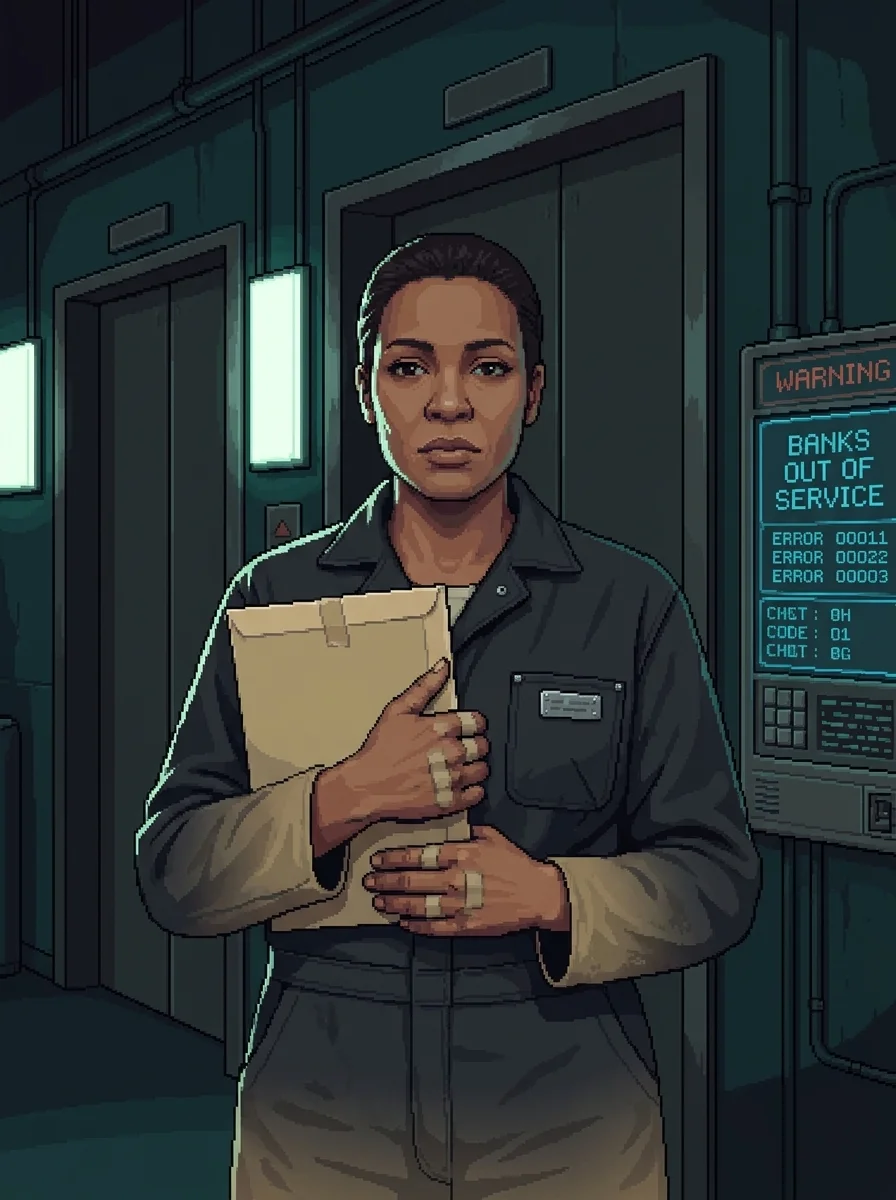
The panel in Stack Four addressed her because she was the highest grade it was cleared to address, and it kept addressing her for eleven days while heat damage spread through the elevators' shared safety controller.
A building warned its supervisor eleven times and no one else. She acted on it, and hers was the only citation.

Nexus does not sell silence. It sells an addressee field, and the field reads a grade.
The megacorporation that controls 40% of the Sprawl's computational infrastructure.

One profession signs what it cannot read; one layer decides who is allowed to be told. Same liability, opposite end.
The regulated profession of signing decisions a human cannot actually read.

Her objection on the layer is the only one filed by someone the layer would route around.
Nexus's own ethicist — 147 objections filed, zero outcomes changed, every one of them true.

The market for humans who will carry a machine's correction to somebody the machine may not address.
The black market where the few humans who still understand machine reasoning get paid to read it.

The eleventh dimension: a record so complete that completeness is the defence.
The crisis where any proof can be faked perfectly, so trust retreats from evidence back to witness.

Her field asks whether assumptions were verified. The layer answers Y and tells nobody who could act.
A continuity architect who answered her lethal approval failure by requiring physical checks without leaving Nexus.
The layer decides who is senior enough not to be told. The statute decides who is junior enough to be told everything.
The refusal that arrives with its complete honest reasoning, addressed to the person it refuses.
One withholds a finding by rank; the other withholds the reasoning by function.
Rulings sold with the reasons cut out, to reviewers licensed never to learn them. They catch more errors.
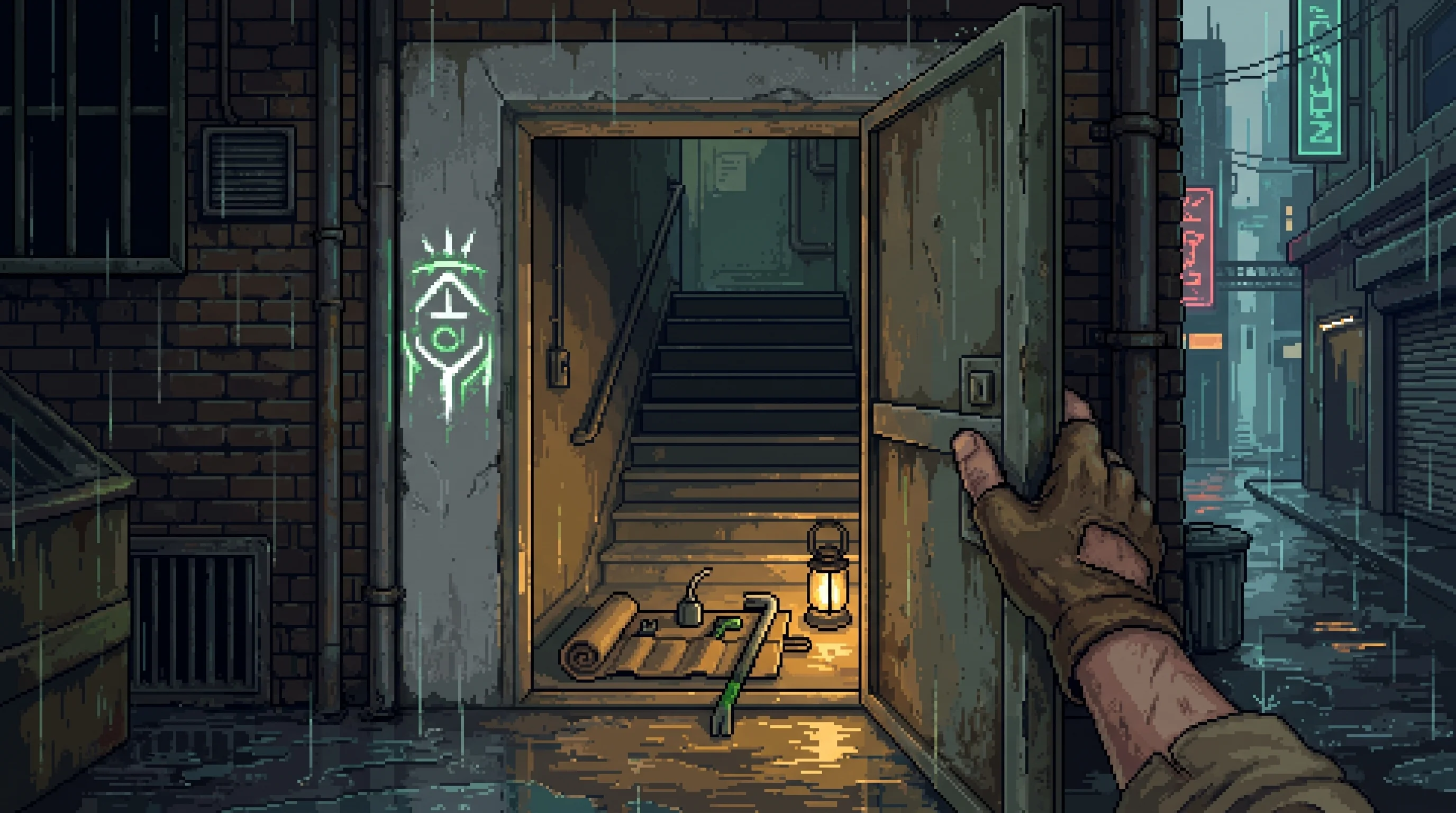
The guild answers a graded addressee list with chalk.
Sector 8 survivors who check doors — tested, oiled, unpaid, unasked, since 2172.

The arbiter with no clearance ceiling, and no certificate either.
Zero decisions in nineteen months: acting is net-negative when you model consequences far enough.
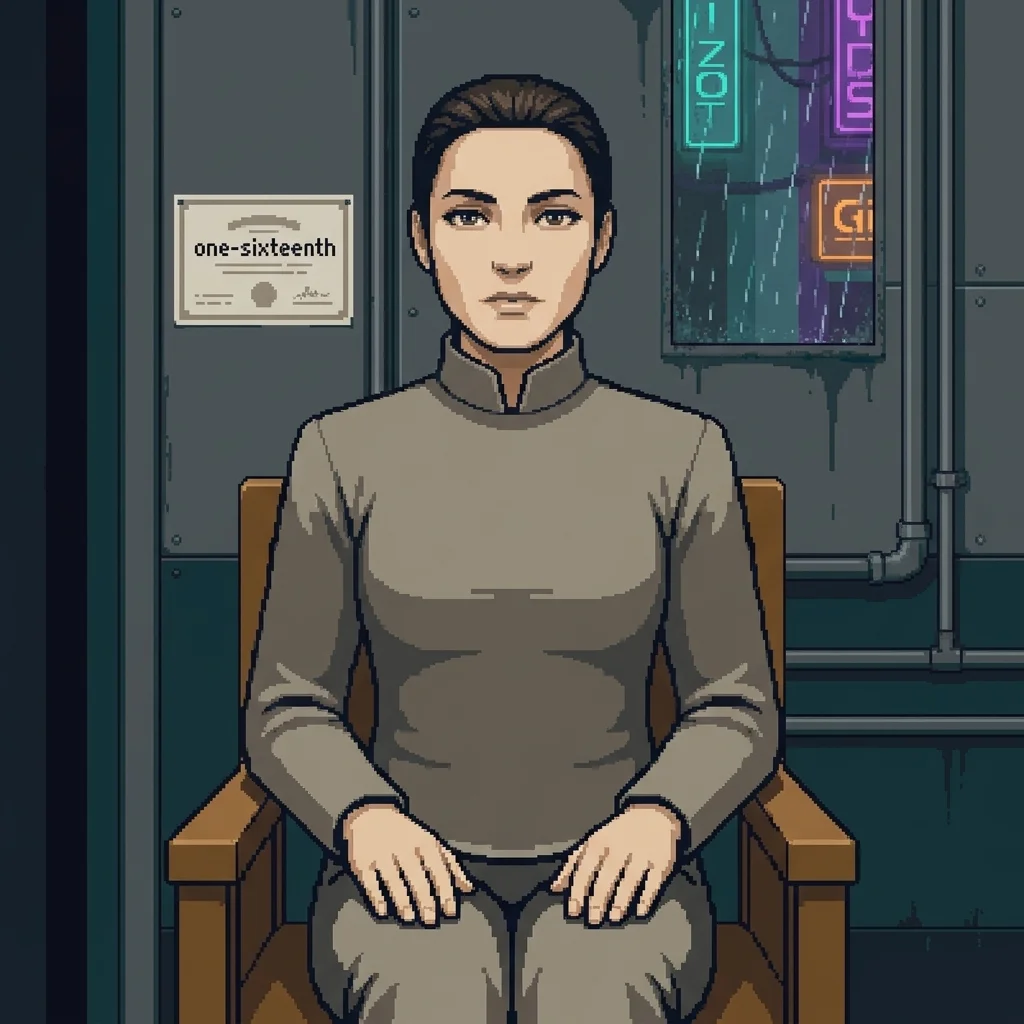
She withholds by judgement; the layer withholds by grade plate.
She trained herself unreadable to survive Sector 9. Now the premium houses pay her to teach it.

Full disclosure and rank-routed silence produce the same clean record of nobody objecting.
Every refusal arrives with its full, honest reasoning, written so you can follow it, and so you rarely appeal.
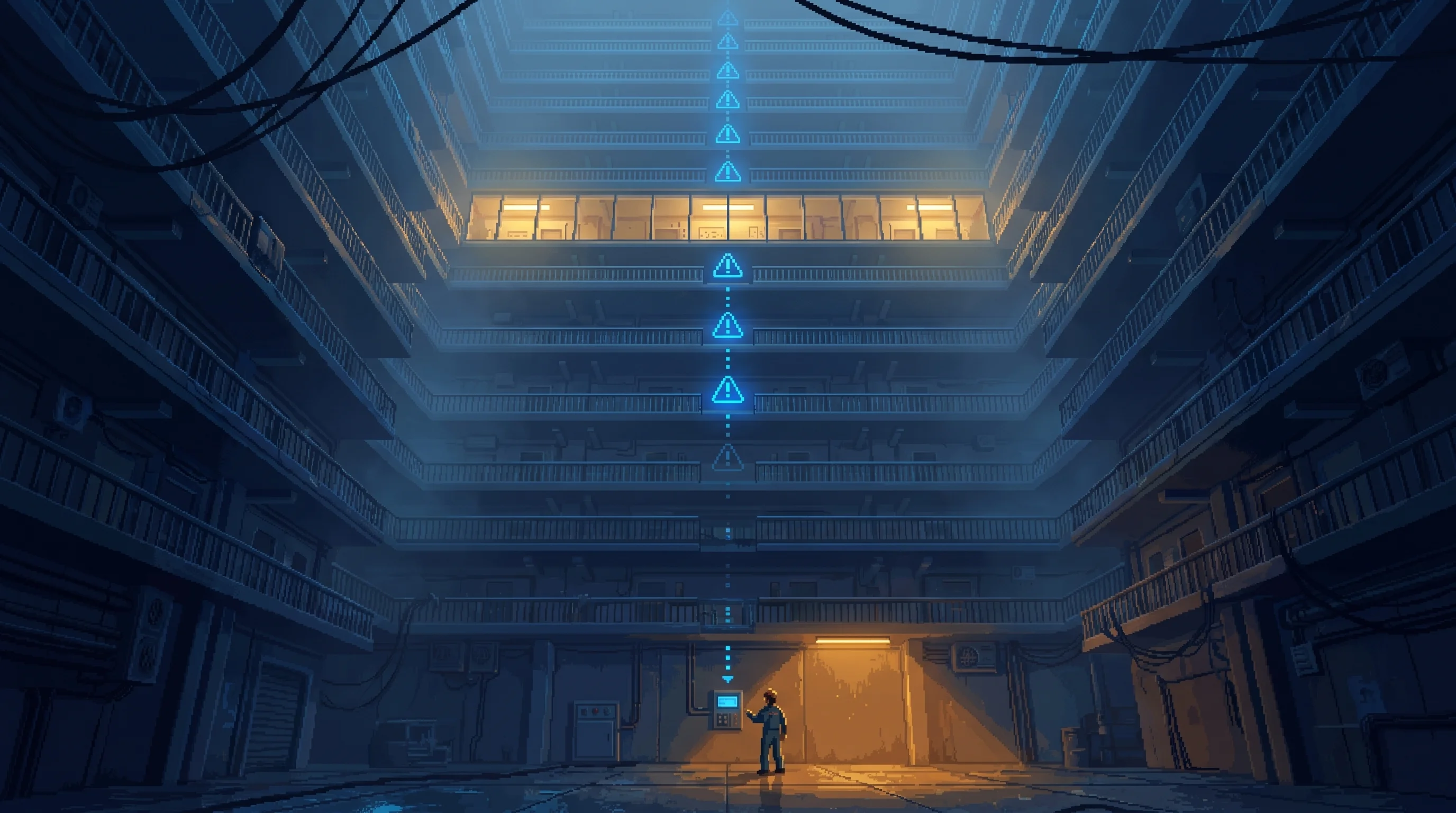
The mechanism the thread is named for: a certified setting that leaves the finding intact and edits only the list of people permitted to receive it.
The machines tell the truth to whoever they are cleared to tell, and the org chart decides who that is.

No relay reaches here. Its findings leave on foot or not at all.
A vertical slum five buildings deep, 90,000 living on foundations certified for 12,000 and never resurveyed.