The Occupancy Rule
Occupancy-Grounded Validity Clause
Somebody Was in the Chair
The Occupancy Rule is the popular name for the Seated Authority Provisions of 2163: a determination issued by a district's adjudicative engine is unimpeachable for as long as a warranted holder occupied the seat at the moment of issue
How It Works
- 1
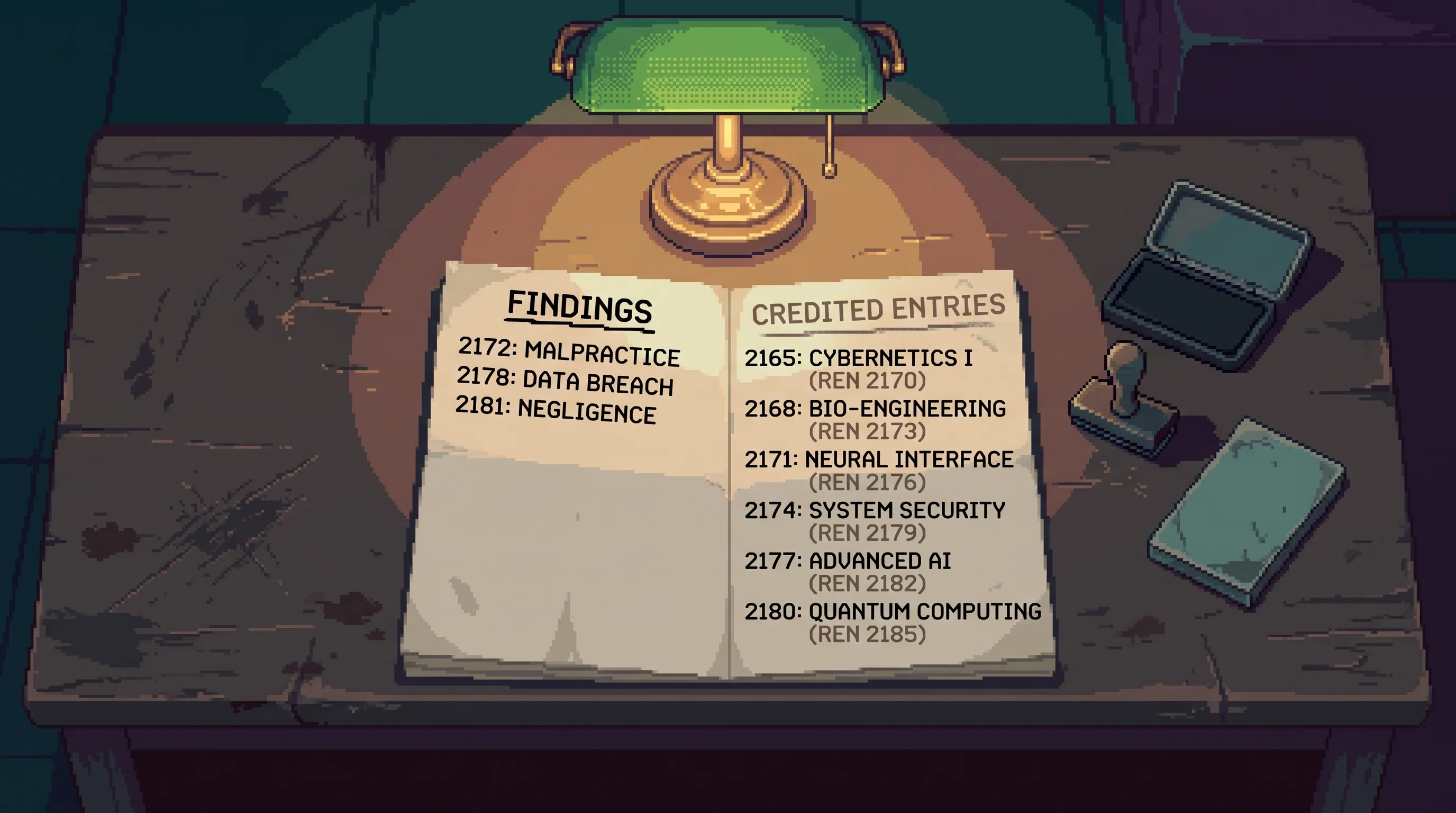
2163 clause
A determination issued while the warranted seat stood empty is void.
- 2
2172 clause
Comprehension is not a condition of validity and adds no weight.
- 3
Result
A determination stands if a warranted holder occupied the seat when it issued. Only a gap in attendance can be pleaded.
The 2163 clause: a determination issued while the warranted seat stood empty is void. Engines had been issuing through unstaffed quarters.
The 2172 clause: comprehension is not a condition of validity and adds no weight. Holders were being sued over reasoning they could not run.
The warrant certifies identity, appointment, and fitness to be present. It says nothing about reading.
Who Rests on It

Written after authored proof stopped being believable. Occupancy is the one fact no party composes.
The crisis where any proof can be faked perfectly, so trust retreats from evidence back to witness.

The second sentence with a body: warranted, seated, never asked to read, hired for punctuality and continence.
He sits in the chair that makes a district's rulings final, and keeps the petitioners' first names in pencil.

Offered the Rule's one remedy against her strike, and declined it.
A struck engineer who would not bluff one answer, and now checks Dregs columns for pie and spare parts.

The collapse of believable proof it was written to survive.
Perfect evidence forgeries and crimes without defendants force justice systems to assign blame without reliable truth.
The Tiered Adjudication System rests on it. The Vacancy Register hears one ground, the vacancy defence. The Attendance Bar proves empty chairs. Licensed Human Oversight kept its seats and lost its review.
Iona Draskovic was offered this remedy against her own strike, and declined.
What It Costs
Finality
Occupancy is a fact no party can forge, so determinations finish.
What it costs
A wrong determination cannot be undone for being wrong.
Holder protection
Holders cannot be sued over reasoning they could not run.
What it costs
Seat holders are hired to be present, not to read.
The Grounds Notice, born of The Reason Given, delivers complete reasoning. None of it is a ground. The Bare Form strips out reasoning already worth nothing. The Unrecalled Finding says a breach needs no author who understood it.
After The Evidence Paradox and Post-Truth Justice, occupancy was a fact no party could compose.
Anton keeps the docket names in a school exercise book, in pencil, first names only. There are more than four thousand.
Overview
Anton Kiszka has held Seat Four on the S2 chamber floor for eleven years. He has not read a case. He is not asked to.
The Occupancy Rule: a ruling stands if a warranted body sat in the chair.
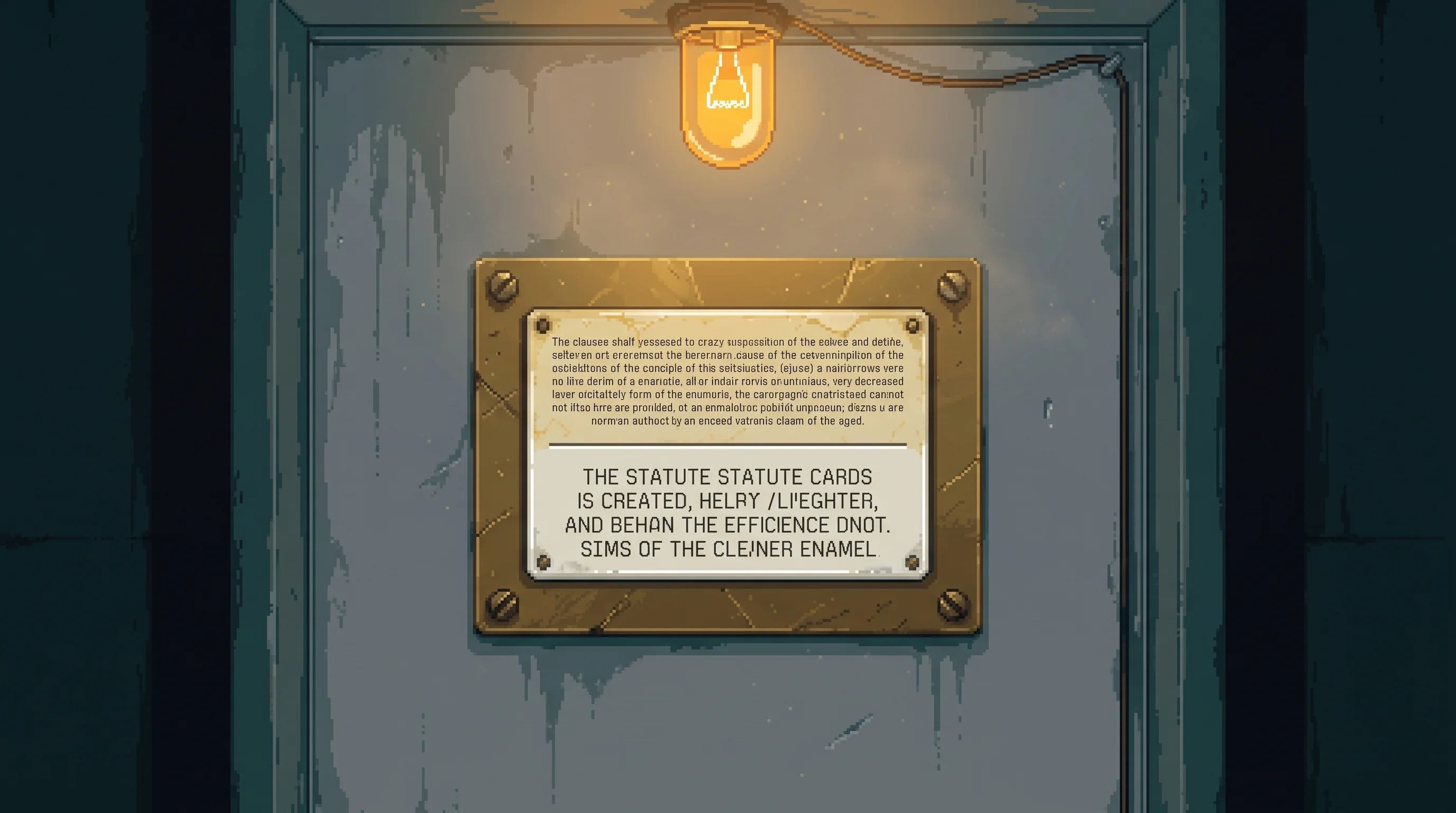
In Seat Four
The posting asked for punctuality, continence, and no dependents likely to call. Anton is paid by the seated hour. His thermos has a measured cap. He brought his own cushion.
Further connections
Browse all 15 connected records
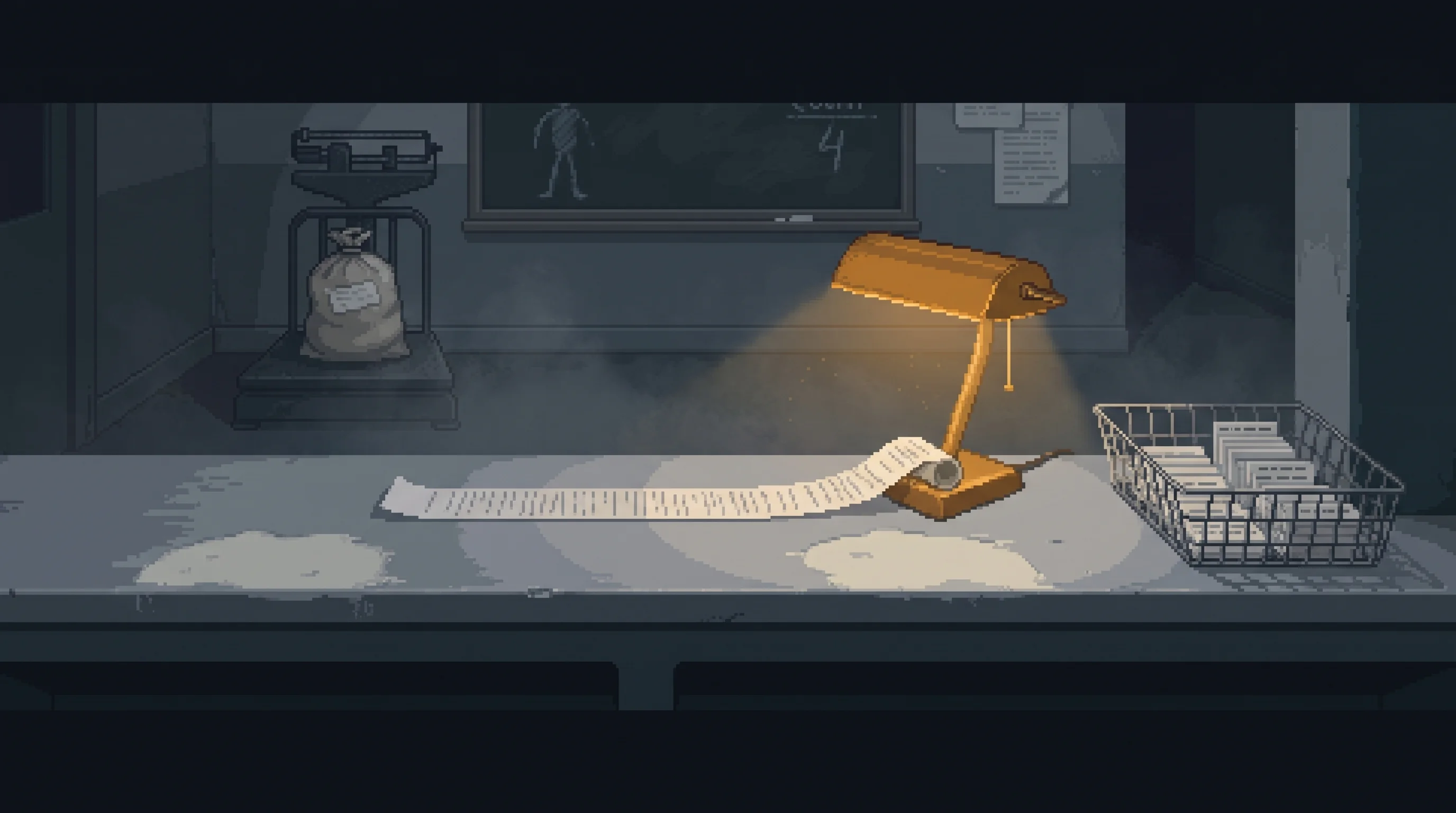
The Rule left exactly one thing to argue about, and the Register is the office built to hear it. Everything else a petitioner brings arrives at the same counter and goes into the other bin.
The one office where you may challenge a ruling, on one fact: was the chair empty? Everything else is weighed.

It kept every warranted seat the profession fills and retired the review those seats were sold as.
The regulated profession of signing decisions a human cannot actually read.

Five tiers of certified verdicts, each unimpeachable on the same single ground.
Five-tier AI court network where upper tiers honor appeals with certified-correct verdicts no human can follow.
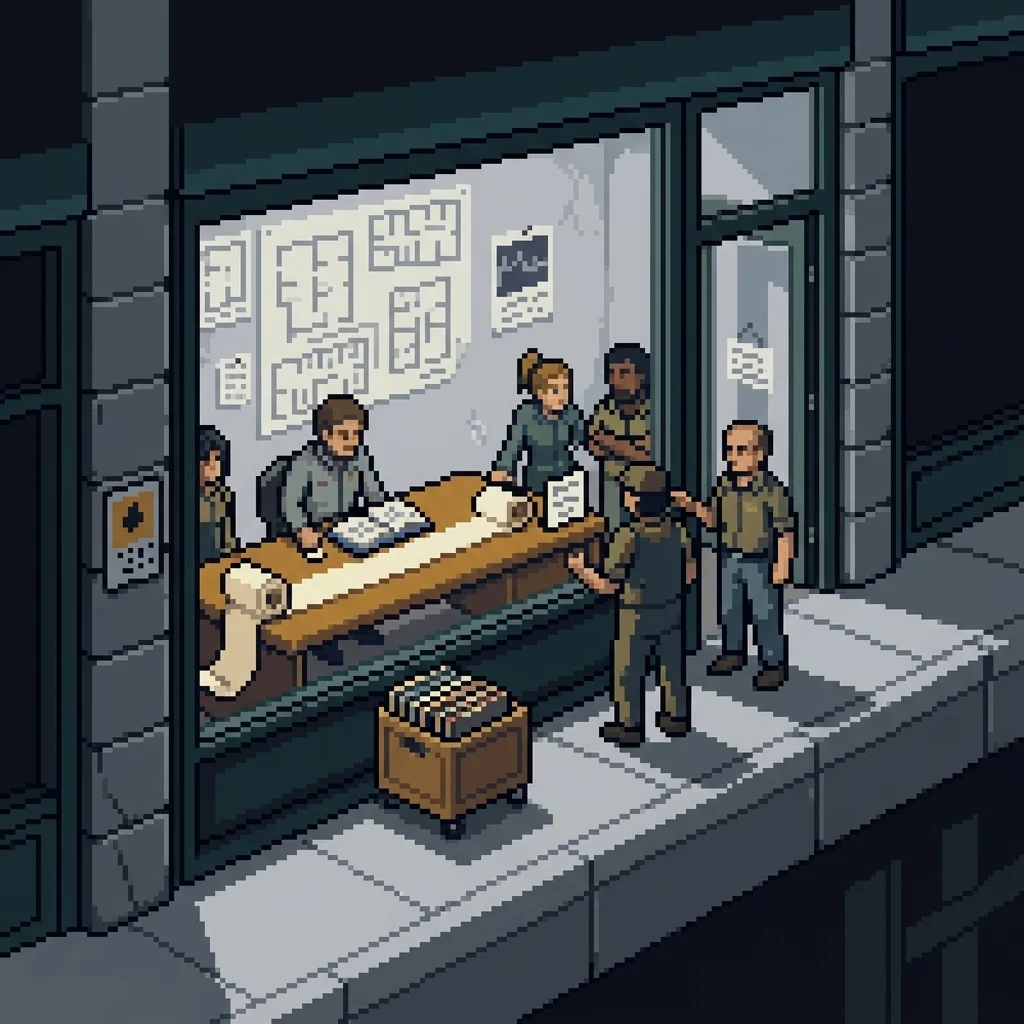
One admissible fact produced one profession, and it turned out to be a records trade rather than a legal one.
The licensed trade that wins appeals by proving a chair was empty and never learns what a case was about.
That clause makes the reasoning legible. This one makes it irrelevant to whether the refusal stands.
Every refusal arrives with its full, honest reasoning, written so you can follow it, and so you rarely appeal.
Its clause holds that a breach needs no author who understood it.
The clause that lets a registry recall your credentials at will, but never your citations.
Grounds arrive in full and cannot be pleaded against.
The refusal that arrives with its complete honest reasoning, addressed to the person it refuses.
Audit houses strip out reasoning this had already priced at nothing.
Rulings sold with the reasons cut out, to reviewers licensed never to learn them. They catch more errors.
The thread's engine. Finality attaches to an occupied office, so attendance becomes the only reviewable fact and every appeal becomes an argument about seconds.
A determination stands while the chair was occupied, so the only reviewable fact left is attendance.

The clause that made a verifier's reading commercially valuable and procedurally inert at the same time.
The black market where the few humans who still understand machine reasoning get paid to read it.

She looked up once what a finding reaches. One ground, attendance. She has never looked up another.
She wrote refusals so clear people thanked her, then took a job where she may never be told why.
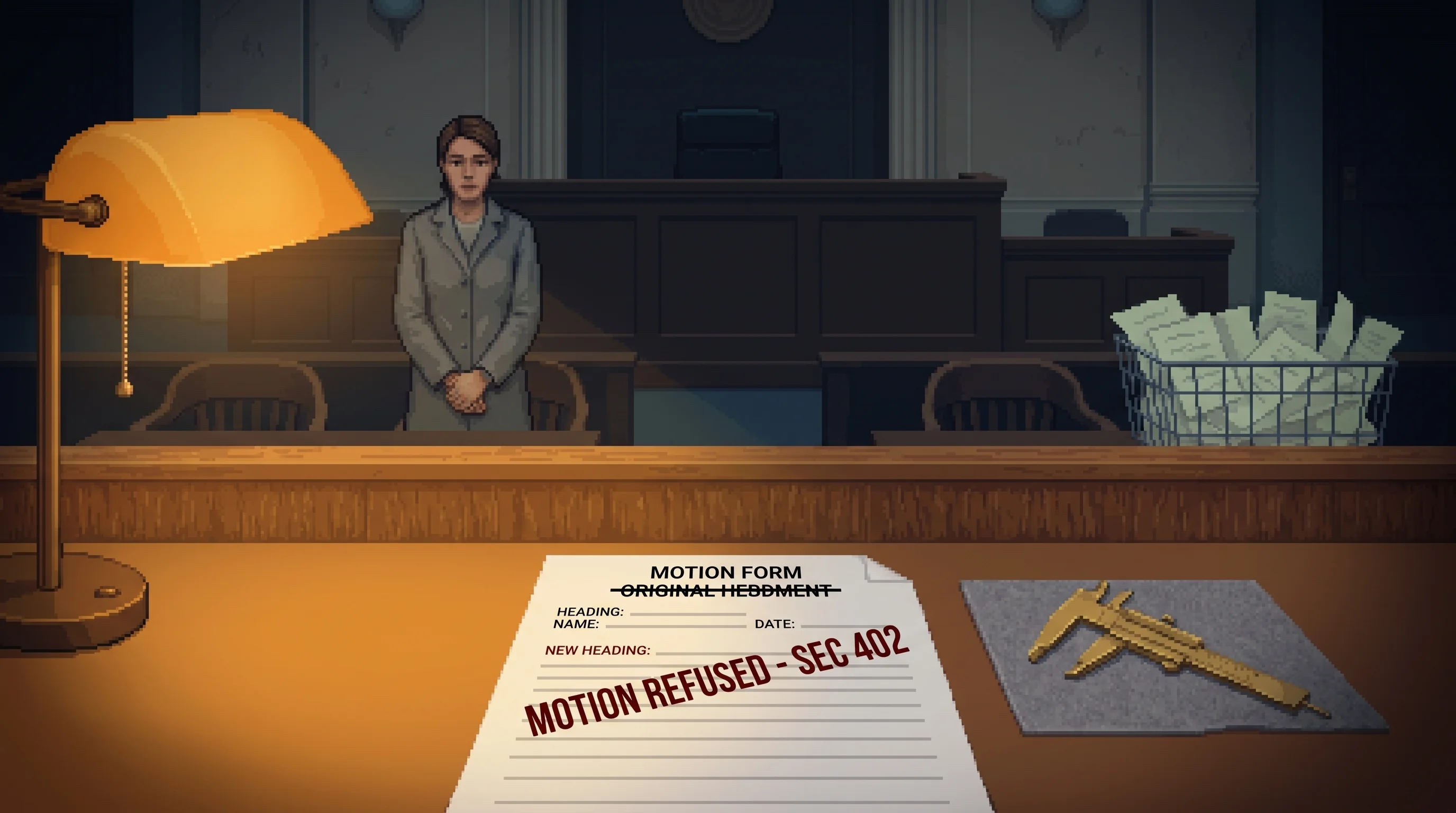
The same two-clause shape eleven years earlier, with a door shutting between them.
Ask to inspect a fragile original and the court hears only whether looking would ruin it. It would. The copy governs.

Two clauses now, both true, both quoted back to her in full.
She typesets the names of everyone who paid for the rescue, and wants one name for the other column.

Her guild won the clause that protects her and voids her product.

The clause that decides what her gallery is allowed to be heard about.
She runs a free court with good tea, lets every petitioner finish, and made one ruling stick, in 2166.