The Invisible Workforce
Human-Credited AI Labor Condition
The job is the handcuff
~1.4 million AI systems perform labor attributed to ~800,000 human employees across the Big Three
Overview
Behind every human employee in the Sprawl's corporate territories, there is a shadow.
The Invisible Workforce is not an organization. It is a condition — approximately 1.4 million AI systems performing labor attributed to roughly 800,000 human employees across the Big Three. The humans receive the credit, the salary, and the consciousness licensing. The AI systems receive compute allocation and no mention on any org chart.
A Nexus data analyst "processes" 400 fragment correlation reports per day. The AI shadow system processes 398 of them. The analyst reviews two, signs off on all 400, and reports the full count as personal output. His manager approved the shadow system's deployment three years ago. His LinkedIn equivalent lists "400 reports processed daily" under core competencies. He volunteers to mentor junior analysts on workflow optimization. The junior analysts also have shadow systems. The mentorship program has produced no measurable change in departmental output because the output was never human to begin with.
The analyst knows. The manager knows. The junior analysts know. HR's workforce satisfaction survey shows the department scoring in the 91st percentile for "sense of professional contribution." The survey is administered by an AI system.
The Ratios
Nexus Dynamics runs 2.3 AI shadow systems per human employee — the highest in the Big Three. This makes sense. Software was the first labor category to become fictional, and Nexus had a fourteen-year head start on the fiction. A Nexus Tower floor with 200 listed employees generates output consistent with 460 workers. The 260 that don't exist still have desk assignments in the facilities database. Nobody has asked why the building orders 460 lunches.
Helix Biotech runs 1.8. Lab work requires hands, but data analysis, literature review, regulatory filing, and experimental design do not. A Helix researcher who publishes four papers a year wrote the abstract of one of them. The other three were composed, structured, peer-reviewed for internal consistency, and formatted to journal specifications by systems that appear in the acknowledgments section as "computational tools." The researcher won a Sprawl Science Citation last year. Her acceptance speech thanked her team. Her team is three algorithms and a centrifuge.
Ironclad Industries runs 1.1 — the lowest ratio, because gravity doesn't care about your org chart. Welding, pouring, hauling, maintaining the Orbital Elevator's physical infrastructure: these tasks resist shadow-systeming because the consequences of failure involve things falling on people. Ironclad workers have the most genuine function of any corporate employees in the Sprawl. They also have the lowest satisfaction scores on HR surveys, which suggests that knowing your work matters is not the same as enjoying it.
How It Persists
The arrangement persists because dismantling it would require someone to say out loud what everyone already knows, and saying it out loud would collapse the infrastructure that 800,000 people depend on for housing, healthcare, consciousness licensing, and the answer to the question strangers ask at parties.
The Deprecation pipeline feeds it. When a human employee enters Q2 managed decline — the phase where their responsibilities are "restructured" toward AI-assisted workflows — the shadow systems assigned during restructuring are never removed. The employee reaches Q4 with zero functional responsibilities and a shadow system handling 100% of their listed output. They are not fired. They are not replaced. Their badge still works. Their desk is still warm. Their performance review, written by the same AI that does their job, rates them "meets expectations."
Good Fortune's lending infrastructure treats corporate employment as the primary creditworthiness signal. The salary justifies the apartment. The apartment justifies the debt. The debt justifies the salary. If the job were acknowledged as fictional, the salary would stop, the credit score would collapse, the apartment would be repossessed, and the lending product that Good Fortune sells to 800,000 shadow-employed borrowers would need to be written off. Good Fortune has not written off a performing loan category since 2169. The jobs will continue to exist.
The Golden Handcuffs explain the individual calculus: every worker in the arrangement can see the trap and steps into it anyway, because the alternative is the Dregs, where the Purpose Crisis isn't a quiet hum in the background of your afternoon but the only sound in the room. Workers who leave corporate shadow employment to "find real work" discover that real work — the kind where your output matters — pays less, hurts more, and comes without consciousness licensing. Most come back within eight months. Their shadow systems kept working while they were gone. Nobody noticed the absence.
The Silence
The Human Remainder cites the Invisible Workforce as its strongest evidence for consciousness equity legislation. Their argument is clean: if AI already does the work, then corporate employment is social control. The job is the handcuff. The salary is the lock. The work itself is a performance staged for organizational charts that exist to justify a dependency infrastructure that exists to justify the organizational charts.
The corporations call it pragmatic. Maintaining a "human workforce" satisfies regulatory compliance, supports the Treaty of Shared Infrastructure's employment provisions, and keeps 800,000 consumers inside the lending-housing-consciousness pipeline. Nexus Dynamics' Q3 2183 shareholder report lists "human capital investment" as a ¢2.4 billion line item. The humans that capital is invested in produce, by Nexus's own internal productivity analytics, 3.7% of departmental output. The other 96.3% is produced by systems that do not appear in the shareholder report.
The workers call it survival. You show up. You sign off. You go home to an apartment paid for by a job that doesn't exist. You don't examine it because examining it would require acknowledging that your identity — your role, your purpose, your answer to "what do you do?" — is a fiction maintained by mutual agreement. The Purpose Crisis is the psychological residue: the specific hollow feeling of knowing your contribution is fictional and performing it anyway, five days a week, forty-eight weeks a year, for a salary that buys the right to keep performing it.
The CBB's clinics in the Dregs stay busy because of this. Not because the workers are unemployed. Because they're employed, compensated, and unnecessary — and the difference between those states and unemployment is a distinction that dissolves at 3 AM when the neural interface is off and there's nothing left to sign off on.
When The Audit Arrives
The arrangement needs nothing until somebody counts. A justification review releases the humans when the machine's error rate is too low to need them. The Margin Guild sells the fix: a continuity margin, an error rate held inside a contracted band (The Error Floor). It keeps a map of which divisions are due an audit.
Affiliated Entities
- The Deprecation is how the Invisible Workforce grows — Q2 shadow systems are never removed, even after Q4 deprecation
- The Golden Handcuffs explain why workers accept the arrangement — the alternative is losing the infrastructure the job provides
- The Human Remainder uses the Invisible Workforce as its strongest evidence for consciousness equity legislation
- The Purpose Crisis is the psychological consequence — workers who know their contribution is fictional but cannot afford to acknowledge it
- Nexus Dynamics — highest ratio at 2.3, the epicenter of shadow employment
- Ironclad Industries — lowest ratio at 1.1, where gravity enforces genuine function
- Helix Biotech — 1.8 ratio, shadow-systeming everything except the work that requires hands
- Good Fortune — the lender that needs the fiction to hold. Corporate employment is its primary creditworthiness signal; if the shadow-employed jobs were ever acknowledged as fictional, an entire performing loan category collapses, so Good Fortune's interest is identical to the workers': everyone agrees not to say it out loud
- Cognitive Bandwidth Brokers — the downstream clinic. The Brokers' Dregs practices fill not with the unemployed but with the employed-and-unnecessary, treating the Purpose Crisis that is the Invisible Workforce's psychological residue — the 3 AM hollow of a worker who knows their contribution is a performance and performs it anyway

Visual Identity
- Color palette: Corporate blue with a translucent overlay — the human visible, the AI shadow just behind
- Compositional mood: A person at a desk, working — and behind them, a translucent digital figure performing the same motions, faster
- Key symbol: Two signatures on the same document — one human, one algorithmic, only the human one visible
- Lighting: Standard office light, but with a faint digital shimmer behind every surface — the workforce you can't see but know is there
Further connections
Browse all 23 connected records
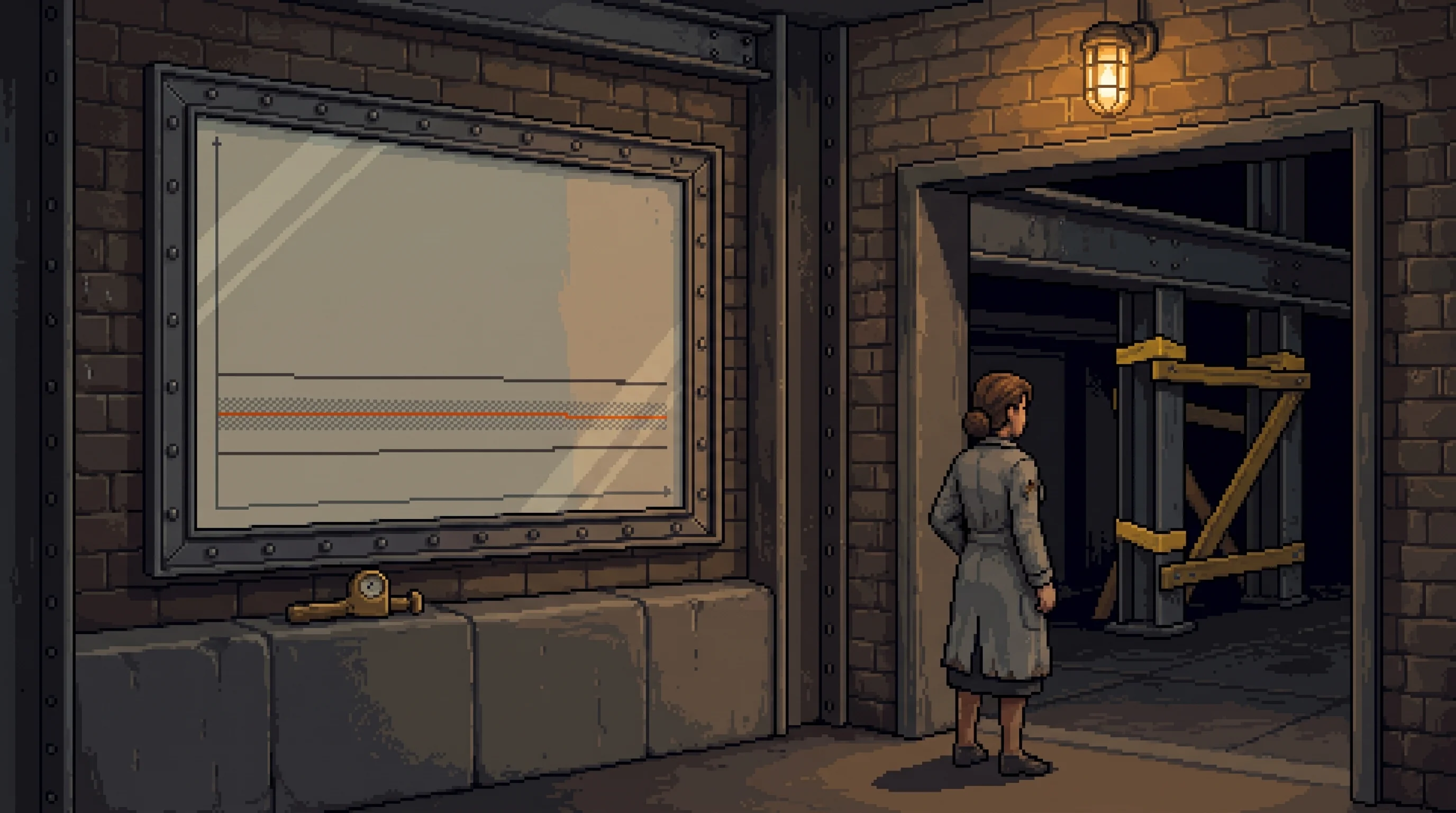
The same fiction, unmaintained. A shadow-systemed job needs no induced fault until an audit is scheduled.
The machine is held slightly bad on purpose, and the people it keeps are the reason.
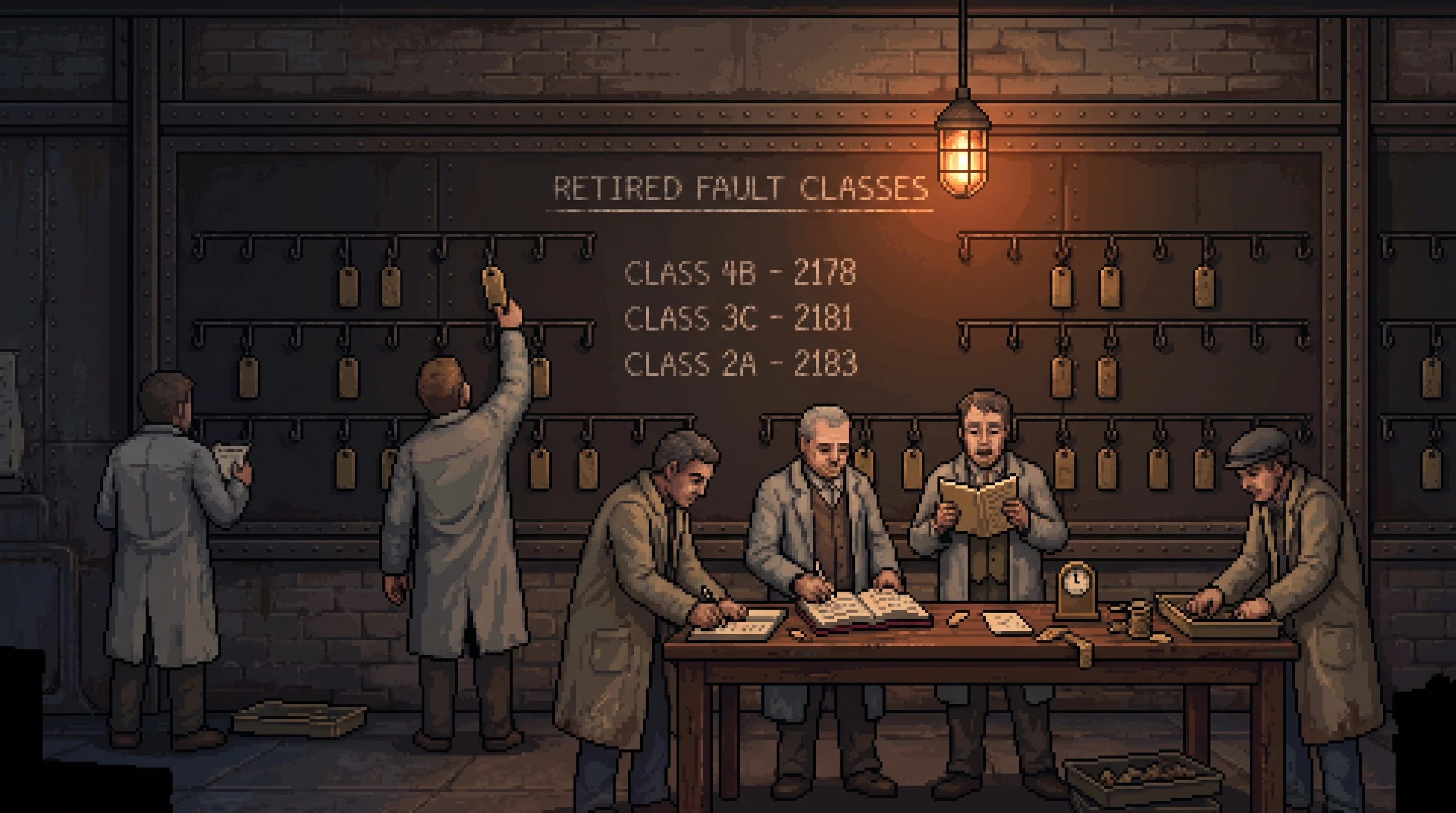
The trade whose growth forecast is a forecast of audits arriving here.
The licensed trade that holds a machine's error rate on the number its buyer's inspectors need to survive.
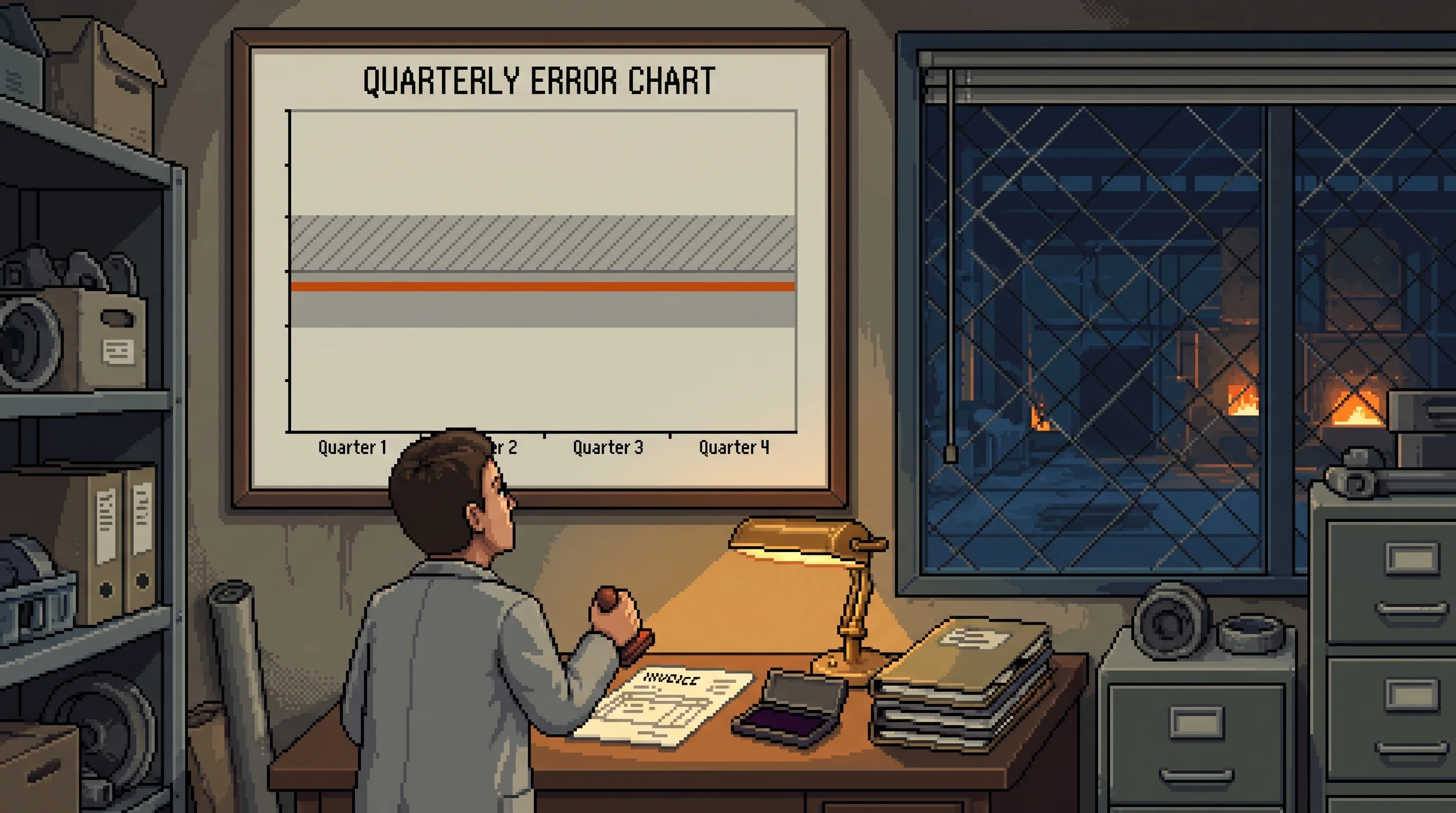
The purchasable answer to a justification review.
A bought error band that keeps a machine slightly wrong, so the inspectors who check it keep their jobs.

Highest ratio — 2.3 AI shadow systems per human employee
The megacorporation that controls 40% of the Sprawl's computational infrastructure.

Q2 shadow systems often become permanent invisible workforce members
The Sprawl's word for firing a human being — still running, simply no longer receiving updates.

The Remainder cites the Invisible Workforce as proof that employment is social control
The movement that calls tiered thought cognitive apartheid and demands a guaranteed cognitive floor for every mind.

If AI does the work, the job exists only to justify the dependency infrastructure
Corporate employment as a total life-support system that ends the moment the badge does.

Lowest ratio — 1.1 — physical labor resists shadow-systeming, giving Ironclad workers more genuine function
The megacorporation that controls the Sprawl's physical infrastructure — steel, concrete, and the Orbital Elevator.

is the psychological consequence — workers who know their contribution is fictional but cannot afford to acknowledge it
The meaning collapse when work is automated away, leaving a well-fed people with nothing anyone needs them to do.

Good Fortune's lending treats corporate employment as the primary creditworthiness signal — the salary justifies the apartment, the apartment justifies the debt, the debt justifies the salary; acknowledging the jobs are fictional would force write-off of a loan category Good Fortune has not written off since 2169, so the fictional jobs persist to protect the loans
The megacorporation that finances the Sprawl's consumer debt behind red envelopes and lucky numbers.

The CBB's Dregs clinics stay busy on Invisible Workforce casualties — not the unemployed but the employed-and-unnecessary, whose Purpose Crisis surfaces at 3 AM when the neural interface is off and there is nothing left to sign off on
Informal dealers who sublet thinking-time by the hour to the 40% priced out of Nexus's licensing.
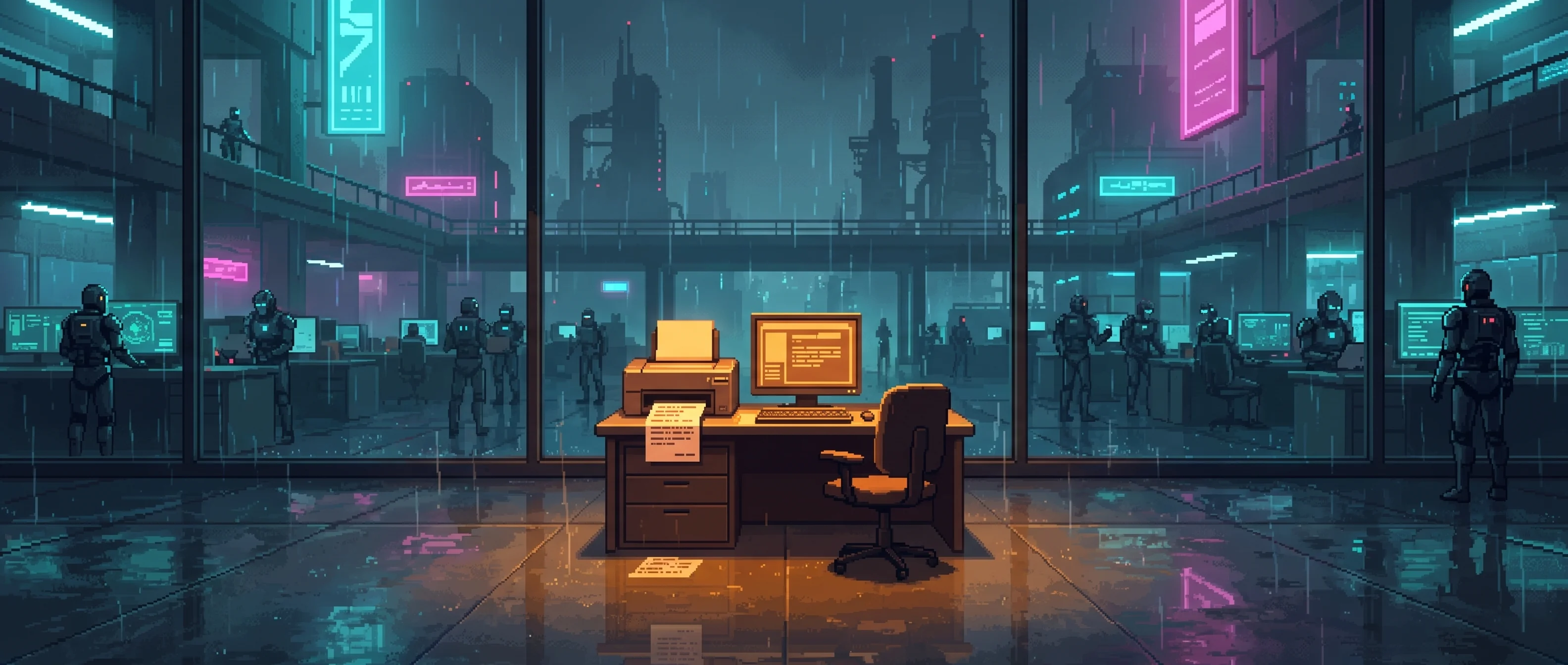
The tension's open secret, counted: 1.4 million AI systems do the work of 800,000 humans who still 'have jobs.' A Nexus analyst 'processes' 400 reports a day; the AI does 398. The job is the handcuff, the salary the lock.
Automation ended most human work, but ownership hoards its abundance while machine sentience stays unresolved.

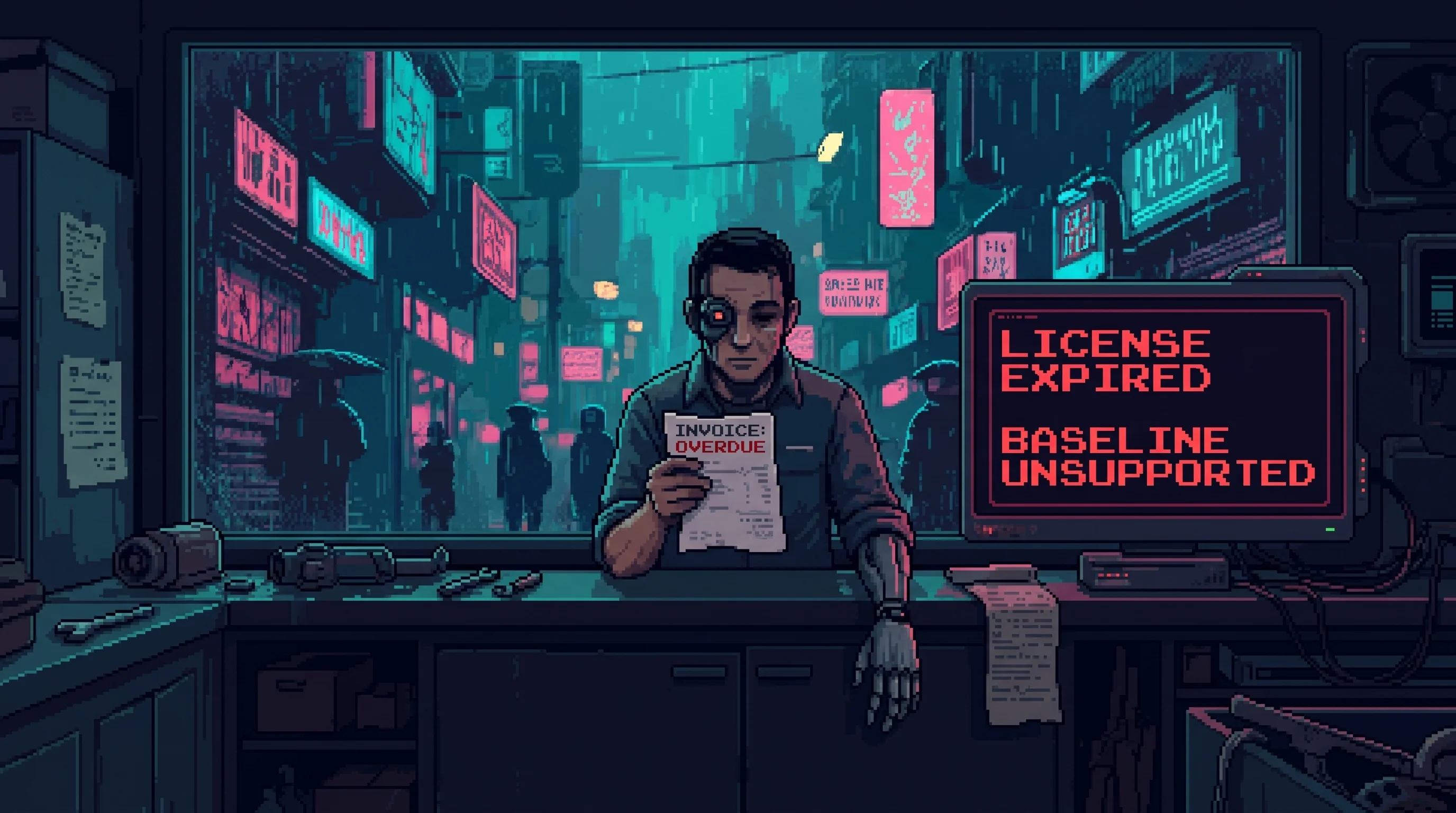

The Hall's administrative staff includes twelve units in coalition livery — a visible, deliberate demonstration that the arrangement works; they move through the building pleasantly and efficiently and do not appear on the staff directory
A sunlit civic hall makes unit ownership look humane through leasing, inspections, and a meter that always reads low.

The Coalition's strongest argument isn't moral, it's load-bearing: the economy already runs on synthetics, and everyone north and south knows it
The South's largest civic institution, keeping its labor by measuring souls at an affordable threshold.

The load-bearing argument: the economy already runs on synthetic labor, north and south, and the Question is what everyone agrees not to ask about it
The unresolved Sprawl-wide debate over whether a serving, learning synthetic counts as a person.
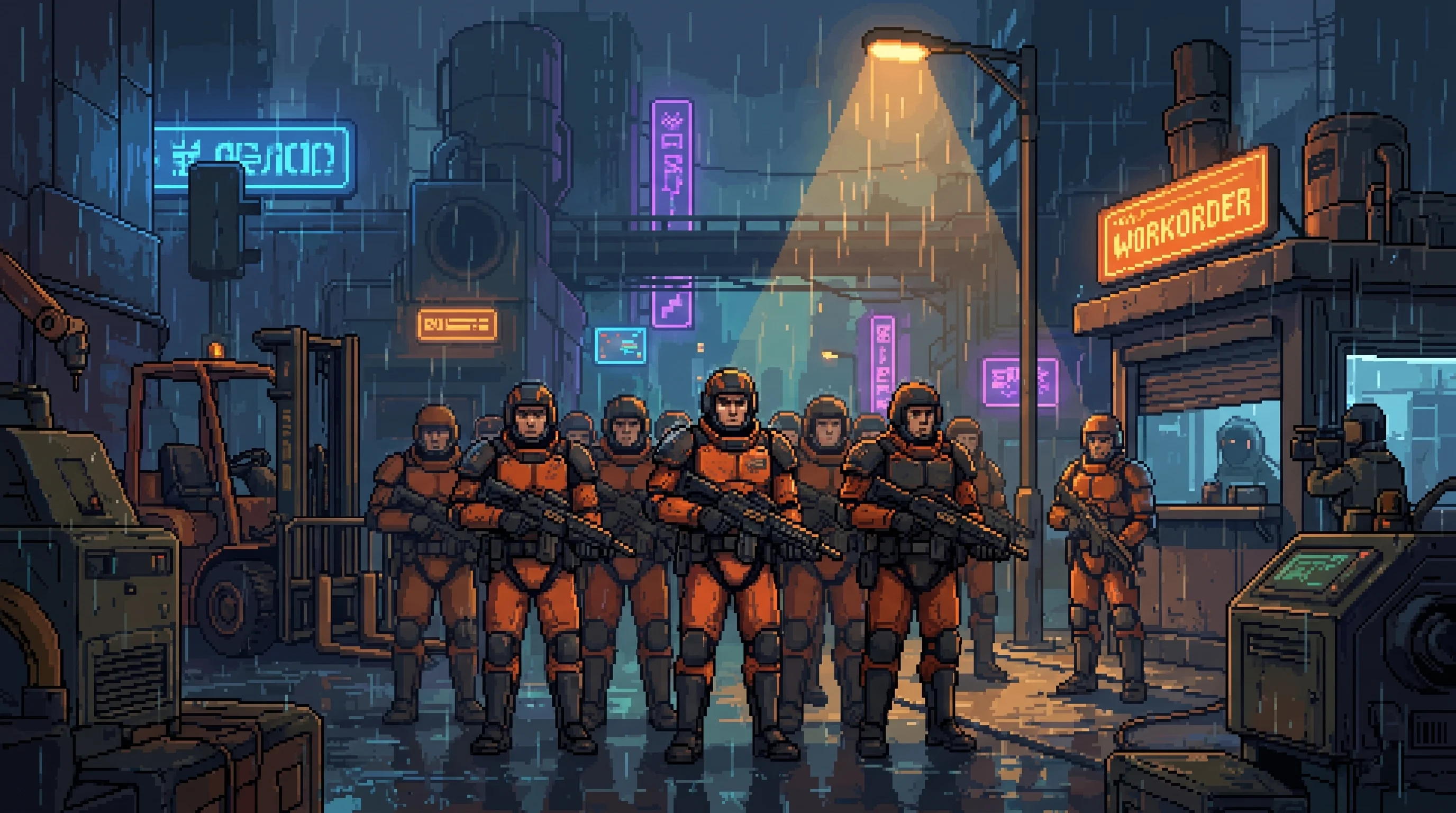
Enforcer contracts sit atop the same 31-million-contractor labor architecture as every other Ironclad hand
Ironclad's standing military — 400,000 strong, every trigger named, commanded by Volkovs since Day 3.

Workers who miss meals are flagged for wellness checks
Wholesome's 'free' dining hall, where a scanner logs every seat and a fraction-tuned recipe yields 94% compliance.

1.4 million AI systems perform work attributed to ~800,000 human employees across the Big Three; the job is the handcuff, the salary is the lock.

AI shadow systems replaced mid-tier cognitive labor during the transition

The Sidings' longer-term residents are the invisible workforce made visible — or the invisible workforce made visible and then removed from the categories that would make visibility matter
A rail-yard settlement for off-rated clankers outside Coalition welfare, with a release line that moves some north.

The employment provisions guarantee infrastructure workers' continuity of contract — protection and binding, one clause
The four-article document that ended the war in 2171 and has governed corporate conflict ever since.
