The Represented Column
Non-Evidentiary Statement Column
Every Word Taken Down, Kindly
The clerk will write down what you say. She will read it back to you. She will ask if that is right.
How It Works
- 1
Sort
The clerk asks one question of each item. Did the subject make it? If so, it files in the narrow column.
- 2
Transcribe and read back
The statement, signed documents and advocate's submissions are written into the file, read back, and corrected on request.
- 3
Weigh
The finding cites the wide unbidden column. The narrow column carries no evidentiary weight against it.
- 4
Destroy
At the close of the finding the narrow column is destroyed. The unbidden column is kept for eleven years.
The sorting test is one question. Did the subject make this?
A confession goes narrow. So does a denial, an apology, or a contract. A pupil goes wide. So does the actuation log of a load-rated arm, because the subject did not write that either.
At tier one of the Tiered Adjudication System, the column is still read aloud. Above tier three it is never spoken. An audit found the reading added a median eleven minutes and changed no finding. The minutes were saved.
Who Speaks Into It

One field on the form the whole court network runs. The upper tiers issue verdicts no human can follow; this is the part of the record a human wrote.
Five-tier AI court network where upper tiers honor appeals with certified-correct verdicts no human can follow.

The mediator who writes the findings this column cannot influence, and who reads the strip-charts that can.
The only licensed developmental mediator in Sector 12 who was herself the product of the practice she adjudicates.

A claim no record can confirm was already going unbelieved. This is where it goes to be filed.
Every claim can be checked now, so a handwritten 'I love you' arrives looking like a malformed record.

They speak into it at length, on principle, knowing the weight.
A Deep Dregs subculture that refuses the mood-dial and feels every emotion at its natural, inefficient pace.
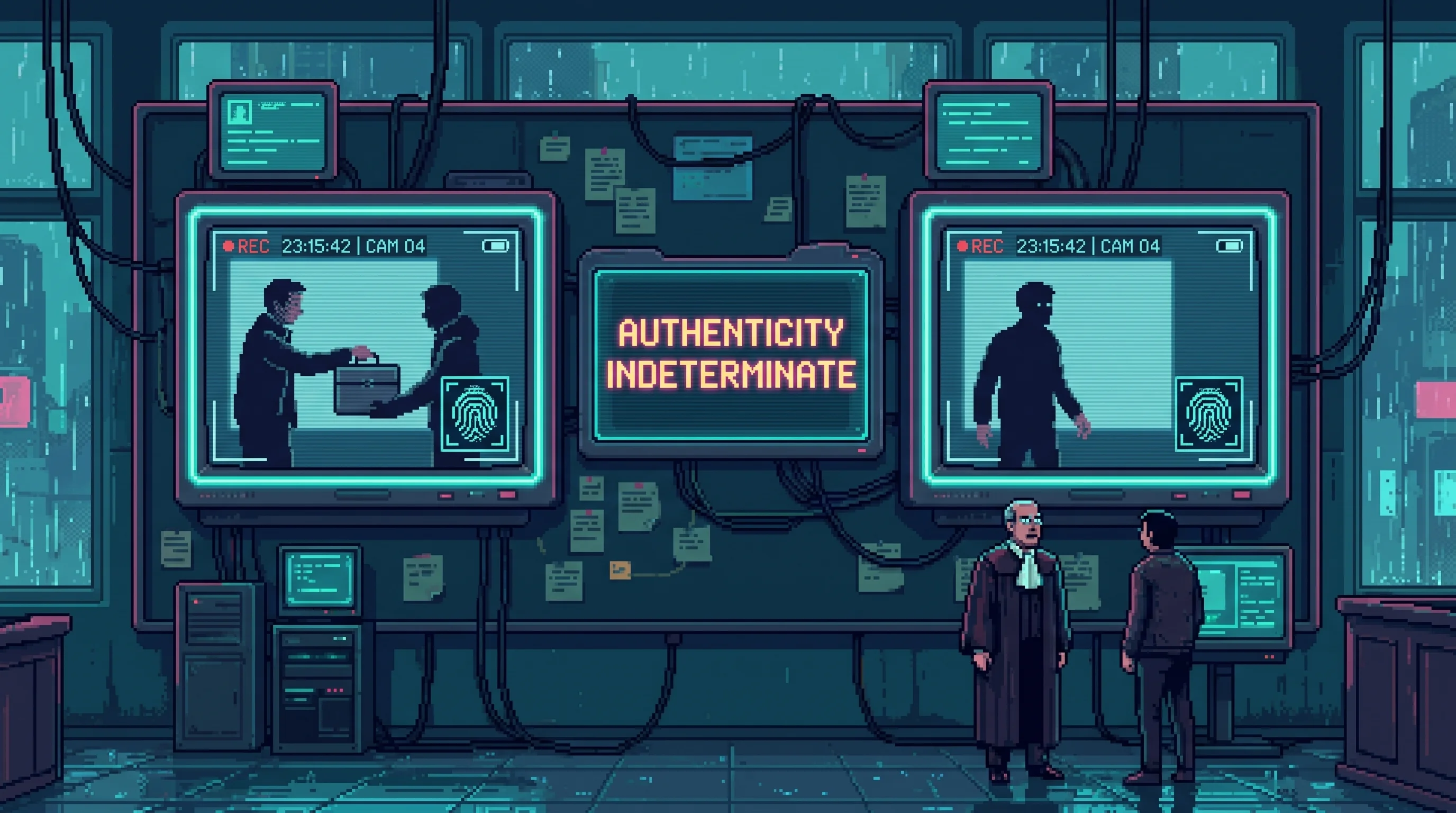
The older crisis this column is the licensed answer to.
Perfect evidence forgeries and crimes without defendants force justice systems to assign blame without reliable truth.
Idris Kovac gave his account of a slipped stack. It was read back, corrected once, and shredded. Distributed Intent apportioned the blame from his arm's log instead. He paid a Dregs bench to print that trace. It is the copy he was allowed to keep. The Federated Self now has a filing convention.
Maren Cott writes findings from the wide column nine times a week. She calls the arrangement narrow. The Untuned speak into the column at length, on principle. Love goes in narrow too. The Atrophied Leap had already made it unconfirmable.
Judge Dreg keeps no columns. Asked how he records testimony, he said he remembers it.
What It Costs
Privacy
Destroying weightless personal statements removes a disclosure risk with no offsetting benefit.
What it costs
The subject keeps no official copy of what they said or meant.
A clean test
Asking only whether the subject authored a record sorts every item consistently.
What it costs
A chrome component's log is kept, while the subject's own account of the same act is shredded.
Efficiency
Above tier three the column is not read aloud, saving a median eleven minutes per sitting.
What it costs
The subject's words are never spoken in the room that decides.
Destruction was a privacy reform. Stored confessions had no evidentiary value and could only leak.
The precedent was the Verified Recall, which outranked a subject's account of what happened. The column did the same to what they meant. No ruling extended it. A form did. The Evidence Paradox and the older fight over Post-Truth Justice made the form feel like mercy.
Teodor writes his statements in pencil now, on the back of the notice. His pencil copy is what remains of both apologies.
Overview
Teodor Alcaraz said he was sorry twice. The clerk wrote it down both times. She read it back to him. "Is that right?" It was right. He asked if the column was kept. She told him the truth. It is not.
Every hearing form in the licensed districts has two columns. The wide one belongs to the Unbidden Record: pupil, breath, skin and latency, printed as figures and kept for eleven years. The narrow one is the Represented Column. It holds everything the subject made. The statement, the signature, the advocate's submission. It carries no weight against the wide one. When the finding closes, it is destroyed.
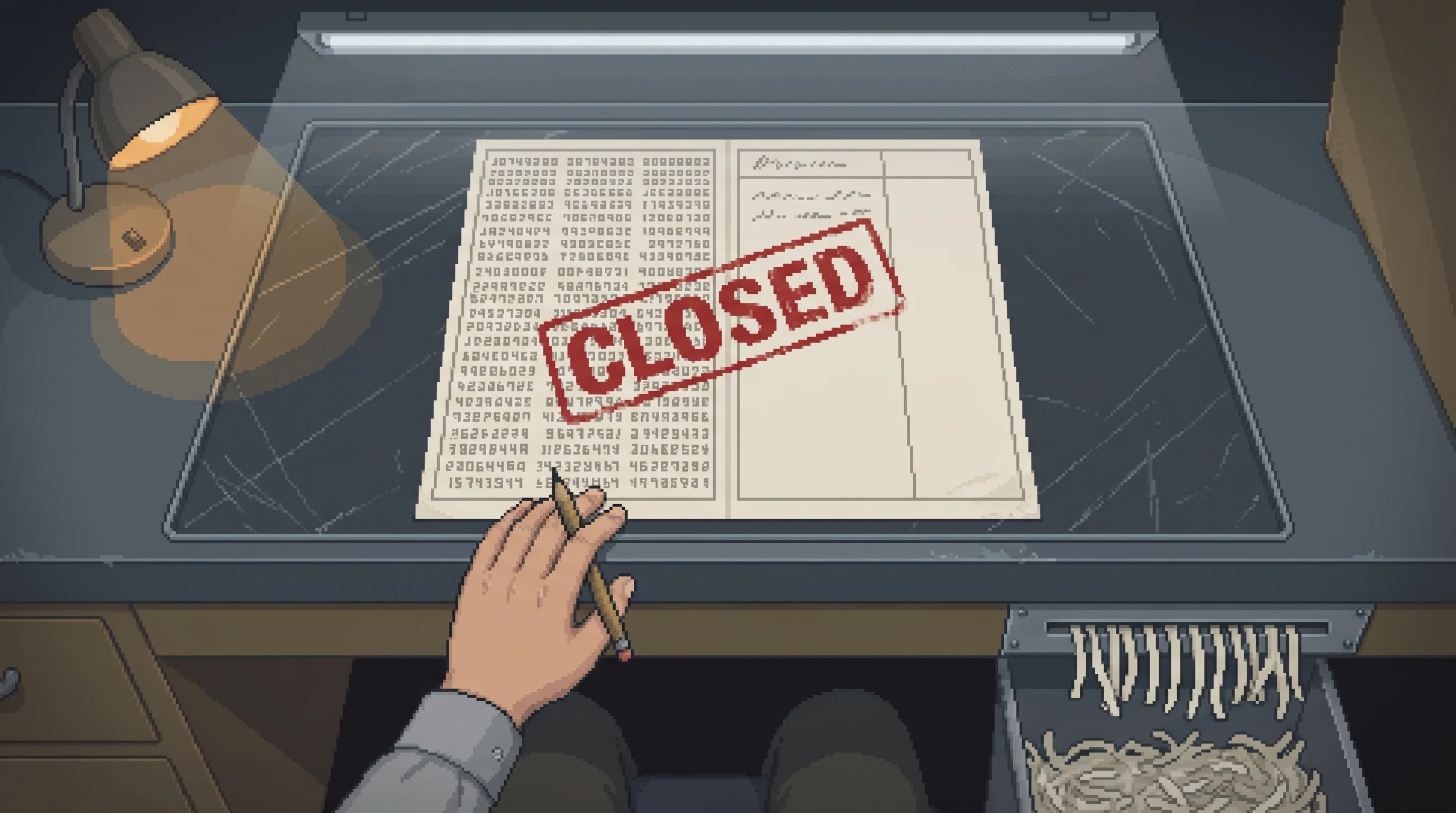
At the Clerk's Desk
The clerks' laminated card says it kindly. "Your words are taken down in full, read back for accuracy, and protected by destruction at closure." The shredder bin sits under the desk.
Emrys Dolan will not sign anything, which costs him nothing. A clerk offered to log his refusal wide, as agitation, so it would count. She was trained to call this an option. He declined.
Further connections
Browse all 11 connected records
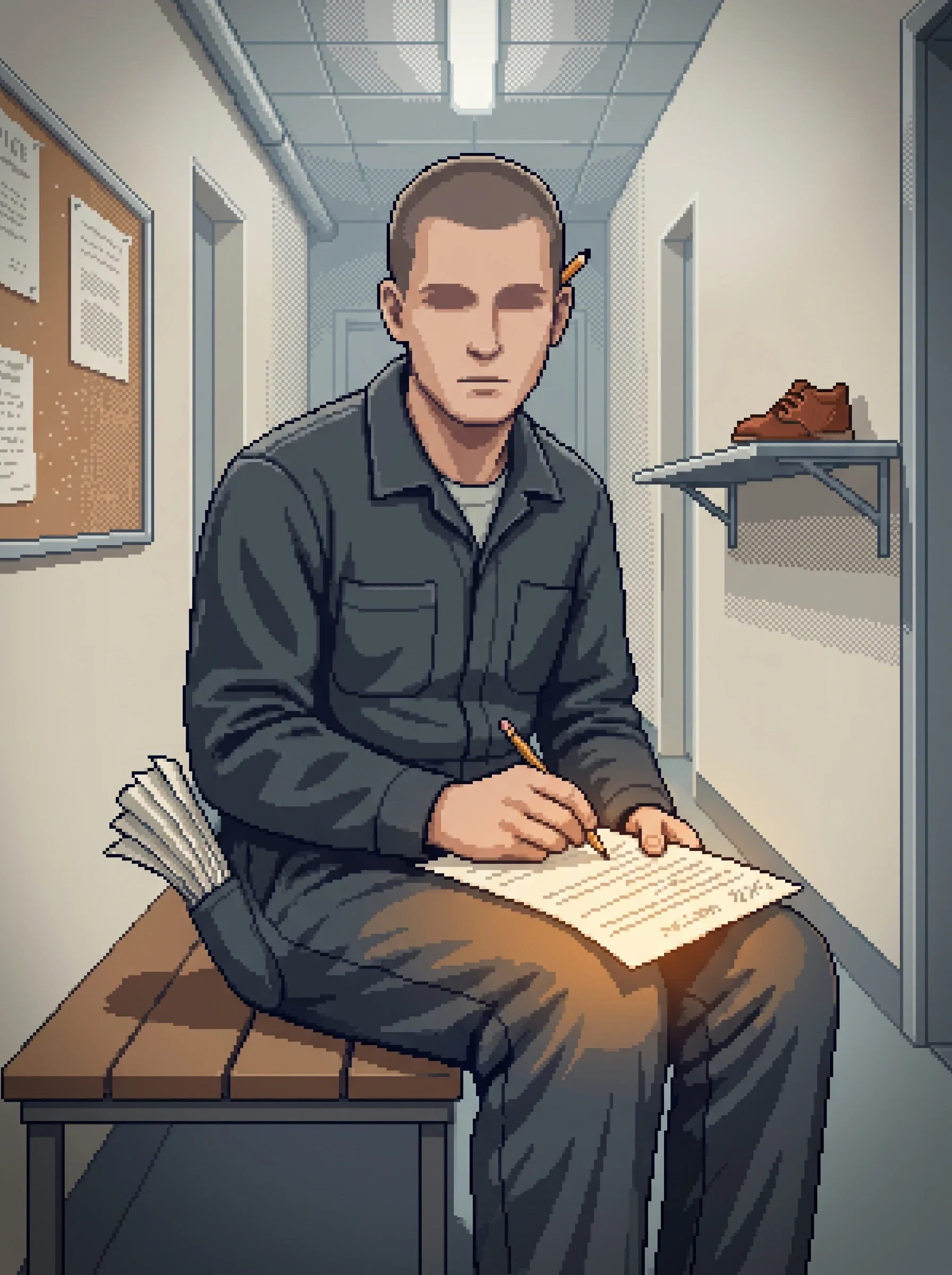
He said he was sorry twice, watched the clerk write it here, and asked whether the column was kept. It is not. He keeps his own copy on the back of the notice.
A night-shift lift mechanic whose bought childhood calm reads as not caring in the one room where it mattered.
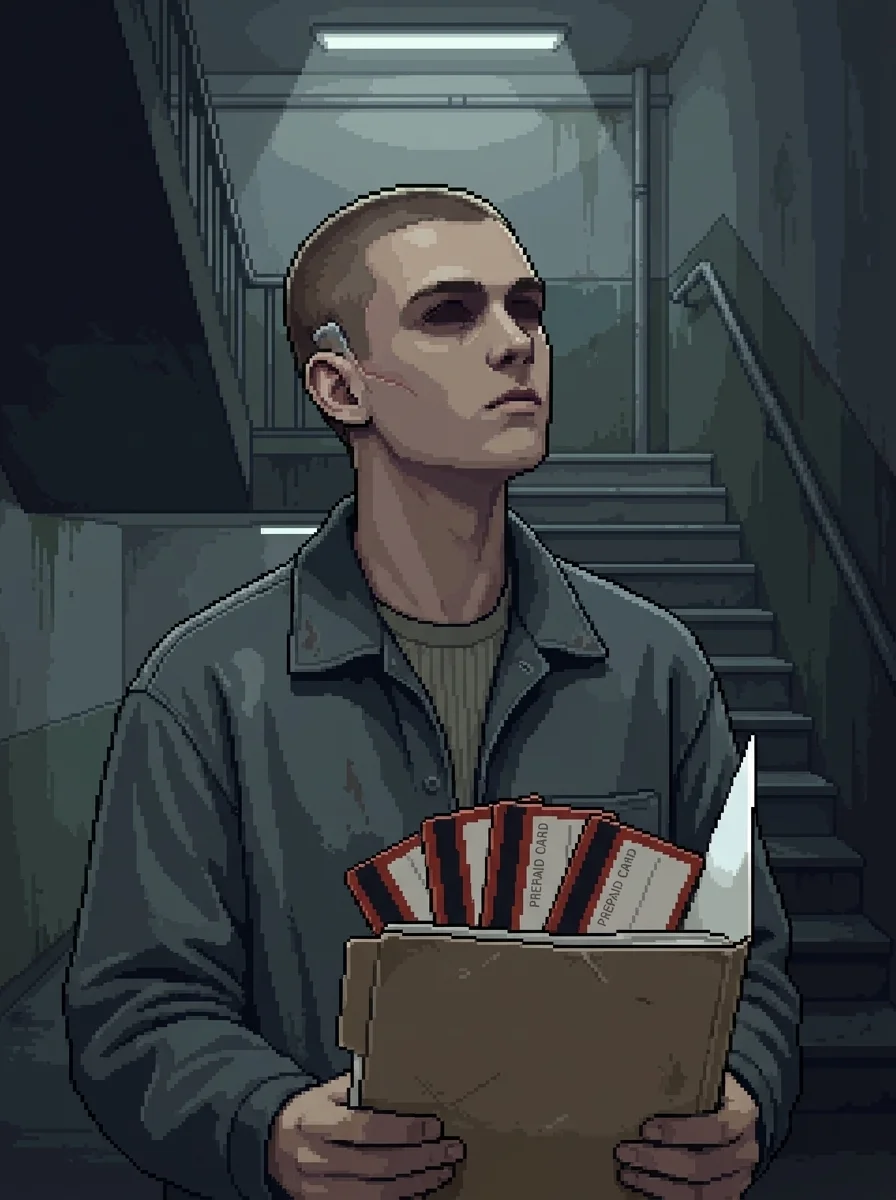
Signing enters this column, so a refusal to sign forfeits nothing measurable. He refuses anyway, and has declined the offer to have the refusal logged where it would count.
He can hear now and does not dispute it. He just will not sign the card saying he agreed.

The precedent that outranked a subject's account of what happened. This column is where the same demotion landed on a subject's account of what they meant.
Certifies a subject's behavioral reconstruction more accurate — and legally primary — than their own testimony.

His court runs no columns. A person speaks, he decides, and the deciding is the whole instrument — which is why nobody can audit it and everybody in the Dregs turns up anyway.
A former Guardian officer who now runs the Dregs' entire judicial system for free, on foot.
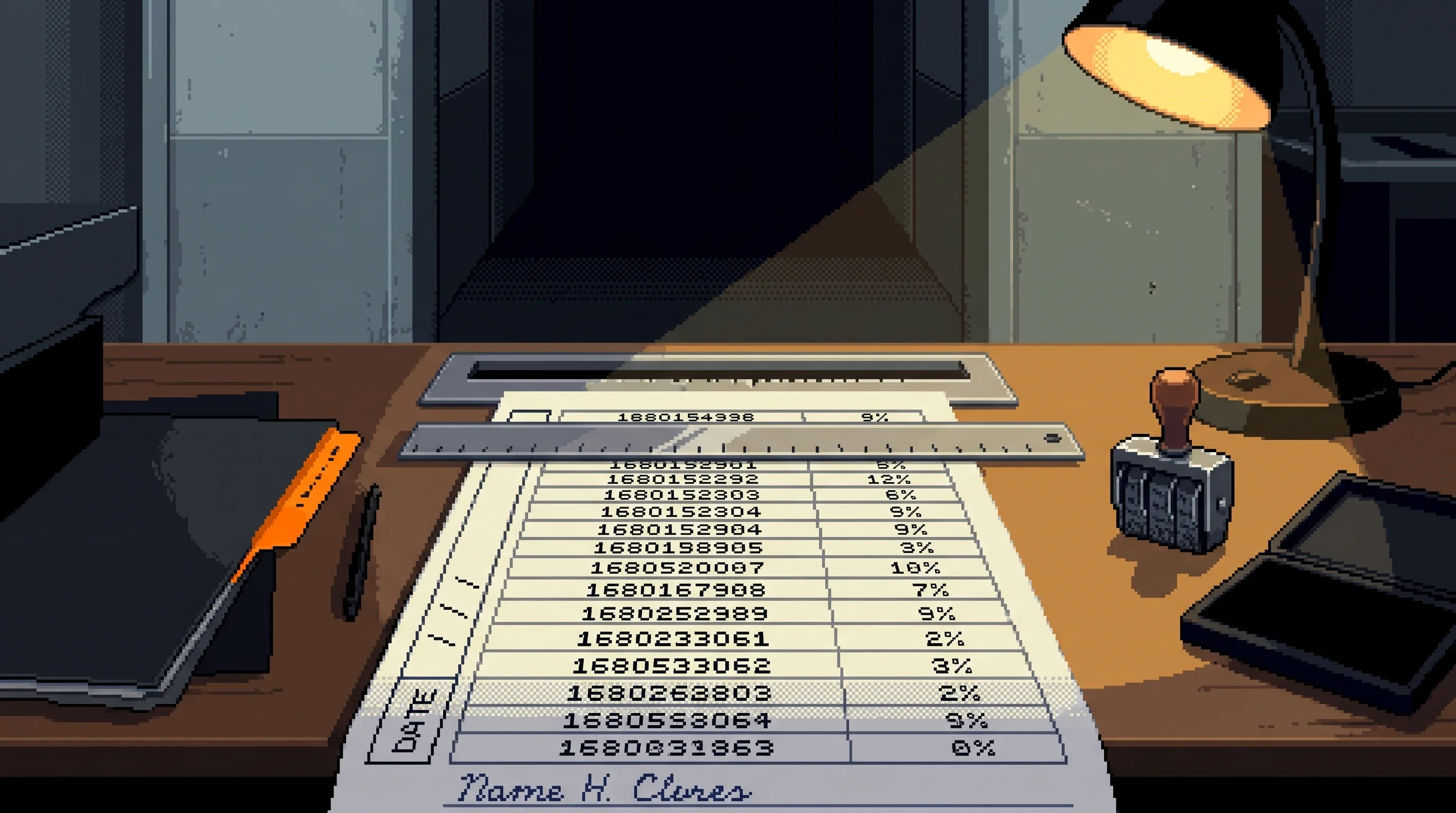
The apportionment reads the wide column and cites it. The narrow column is transcribed at the same sitting and does not enter the arithmetic, because the arithmetic runs on actuation.
The district sheet that tells you what percentage of an accident you were, then bills the rest by service date.

The controversy the column belongs to: what survives when the kind of proof a person makes stops counting.
The crisis where any proof can be faked perfectly, so trust retreats from evidence back to witness.

Eleven lines, read back, corrected once, destroyed at closure. He asked for a copy; there is not one.
His subplate saved two people in forty milliseconds. An unpaid invoice made the act seventy-four percent his.
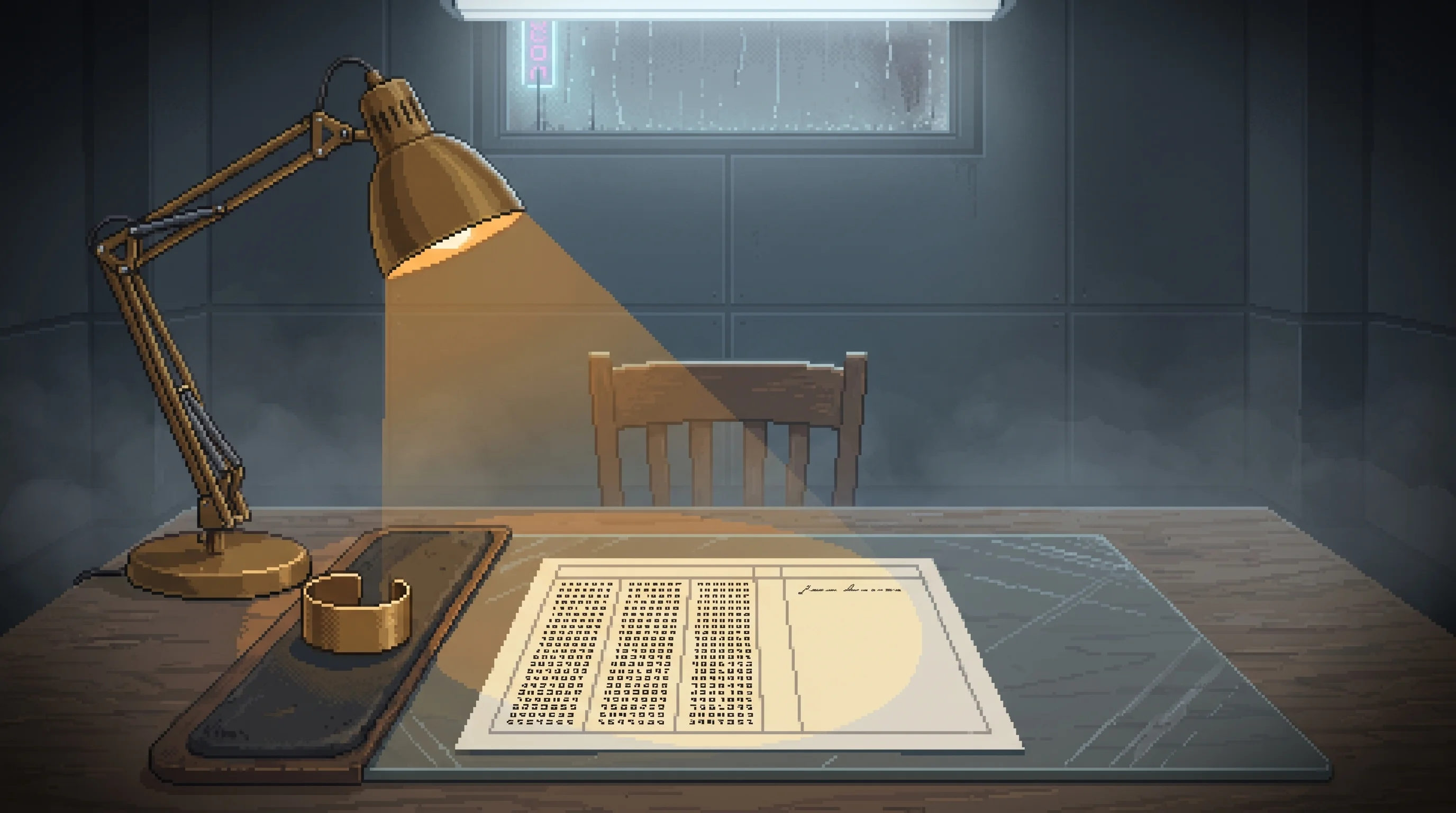
The place the thread does its work. Intent was never banned, argued down, or ruled unlawful. It was given a box, transcribed politely, and left out of the arithmetic.
The involuntary channel is entered as proof; everything a person authors is filed where no finding has ever turned.
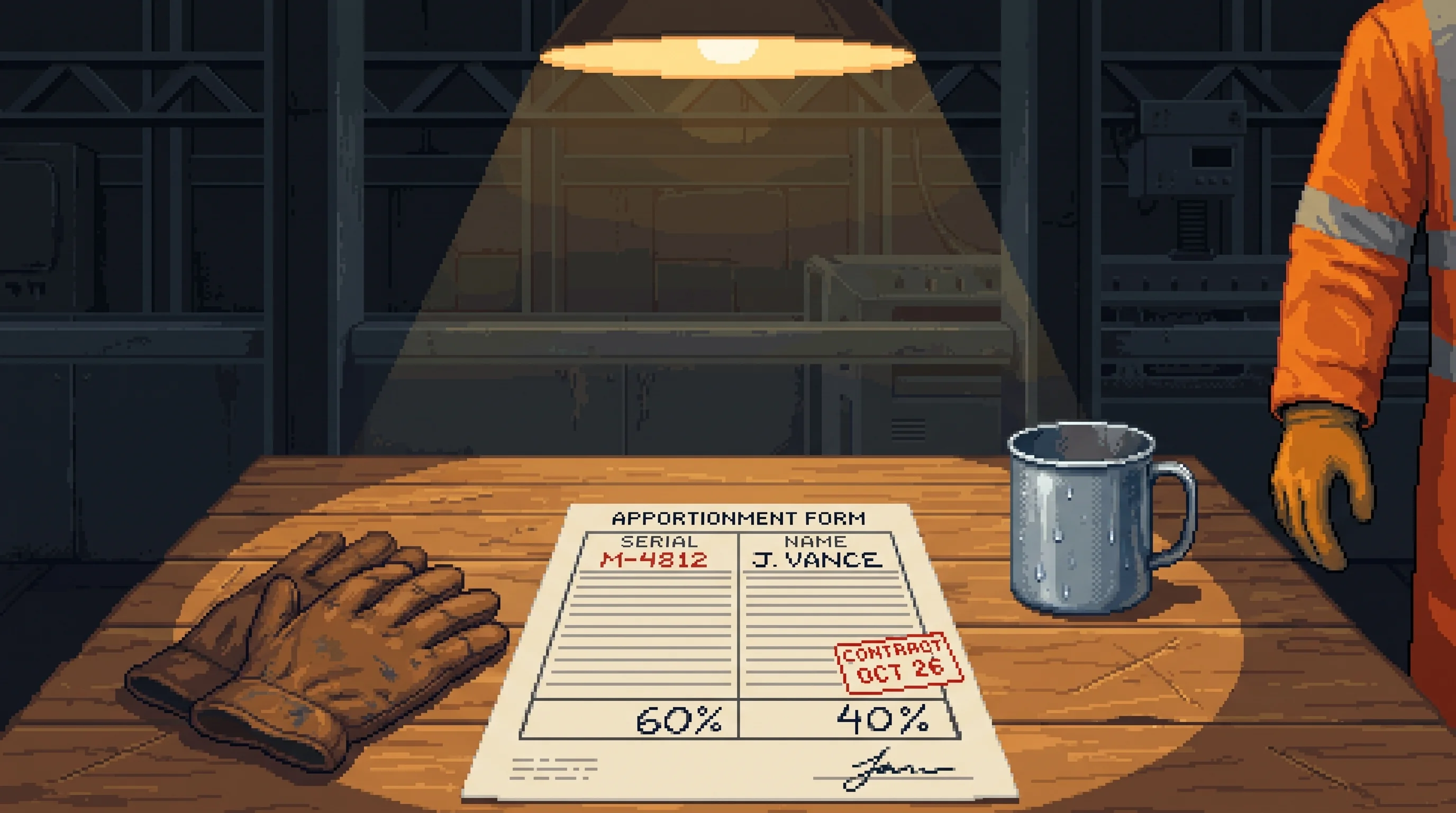
A component's actuation log is not authored by the subject, so it files wide and is retained. The subject's account of what their own arm did is authored, so it files narrow and is destroyed.
The parts of one body each hold a share of the act, and a maintenance contract decides whose share comes home.
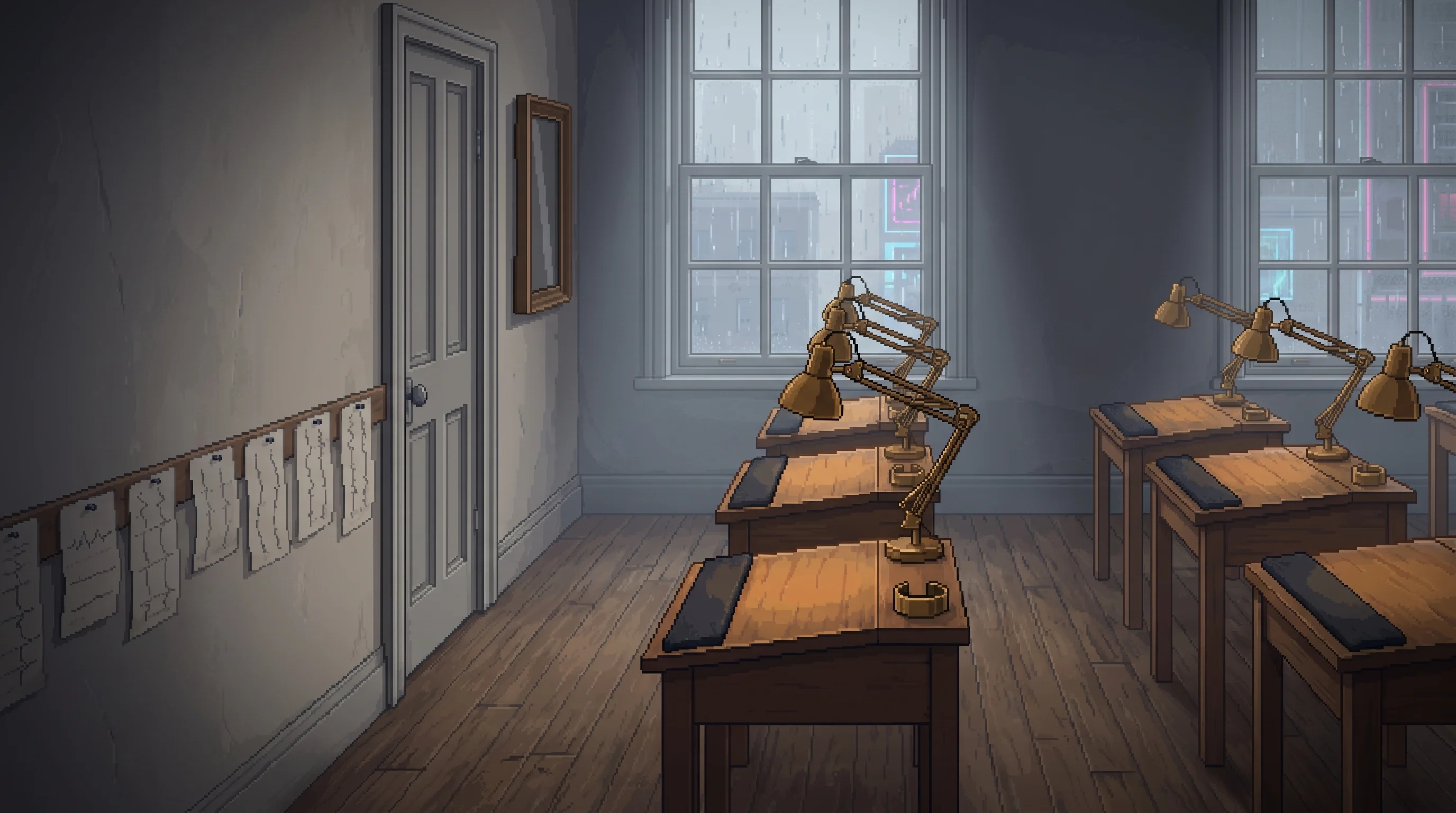
The reason the training is worth its price: the column where a child's future explanations will go carries no weight, so the only defence worth buying is the one that happens before speech.
Licensed schools that drill six-year-olds in the involuntary responses their hearing file is assembled from.

Her account of the command she never gave is filed where no finding can reach it.
Accepts blame for 214 kills no one ordered — the tears are real, just not for the grief families think.