Overview
Maren Cott was nine years old when her parents' marriage ended and the installation question became a custody matter. Her mother's position — that biological childhood was a gift, that slowness was not a deficit, that the decade of becoming was the point — prevailed in Sector 12 Family Court on the grounds that no law had yet been written to compel it otherwise. Her father's position — that a child who would compete against installed peers deserved every available advantage, and that withholding that advantage was a form of love performed at his daughter's expense — was noted in the record.
The record is case number four hundred and seventeen in the court's first wave of Raised/Installed disputes. Maren has read it. She is currently handling case number four hundred and ninety-two in the same court.
She holds a basic-tier neural interface installed at nineteen, no competency packages, and a response latency of 310 milliseconds. She is, by every metric the Sprawl's labor systems recognize, slower than every Installed peer who entered her field in the same cohort. She is also the only licensed developmental assessor in Sector 12 who grew up knowing what the debate feels like from inside.
Appearance

Maren Cott is 27, which is unremarkable. What is harder to place is the way she inhabits a room. Installed adults process a social environment in the same fraction of a second they process everything else — glance, sort, file, proceed. Maren watches. Not visibly longer, not in a way anyone could document; the difference is in rhythm, not duration. Any augmented person in the room registers it within a second of her entering. The registry is not hostile. It does not need to be.
She has dark hair kept cropped close on the sides, longer on top, and wears clothing in neutral corporate colors that she has described, once, as "the visual equivalent of not being asked about my augmentation status." Her neural interface sits behind her right ear — a basic model, the kind that establishes connectivity without advertising investment. She carries a physical notebook alongside her tablet. She does not pretend she needs it for the same reasons.
Her hands are still when she listens. This is unusual. Installed adults' micro-movements track processing load; their hands speak the rhythm of ongoing computation. Maren's stillness is not absence of processing. It is a different kind of presence.
Voice
She speaks in complete sentences. In 2184 this is slightly unusual. Installed adults have processed the full conversational exchange before it begins; their speech tends toward summary, bullet points, the distilled output of a mind that finished the argument while you were still in the middle of it. Maren delivers the whole thought, with its qualifications and the subordinate clauses that carry the weight. It can feel like warmth or like inefficiency, depending on how fast you process.
She is not slow. She is not uncertain. She has been told she "takes her time" in a tone that is either generous or condescending and she can no longer always tell which. She has been told she "seems thoughtful" in a tone that means the same thing. She has learned to recognize when the reassurance is for her and when it is for the person saying it.
In deposition she speaks faster — not because she is more confident, but because depositions are not conversations and the rhythm does not require her to match anyone else's. Legal observers have noted that she sounds like a different person in formal testimony. She does not consider this a contradiction.
Sample Dialogue
"The question I am always asked is which side I think is right. I have reviewed sixty-three custody disputes in the past two years. Thirty-one ended with an installation order. Twenty-two ended with a preservation ruling. Ten are still pending because the court cannot agree on what harm means when nobody touched the child.
"My mother has a journal. Eight hundred and forty-seven pages, handwritten. Every one of them is about a decision she was certain was right. I have read it twice and I still cannot tell you whether she was correct. I can tell you that I am the evidence her argument produces, and that I am sitting here, and that I have reviewed sixty-three cases, and that neither side of this dispute would prefer me as their assessor if they knew everything in my file. I notice you haven't asked me whether I would recuse myself."
History
Background
Born 2157 to a structural architect and a commercial logistics contractor in Sector 7, before the Raised/Installed custody framework existed in any coherent legal form. Her parents' dispute preceded the case law; the court's ruling in 2166 was, in the presiding magistrate's words, "a decision in the absence of a framework, to be followed by the development of one."
Her mother retained custody. The decade held.
She tested at eighteen: 94th percentile natural-born; 23rd percentile overall. She spent two years pursuing standard legal certification before a Sector 12 family court judge, facing a Raised/Installed dispute with no available specialized mediators, appointed her as an expert witness in a case she had not volunteered for. She prepared the report in three weeks. The court found it useful. She was licensed eighteen months later.
She is currently subject R-043 in Dr. Afia Mensah's unpublished longitudinal study of forty-three Raised adults tracked through their first professional decade. She found the study through a document trail she was not meant to follow. She identified herself in the data. She contacted Dr. Mensah. They meet for tea on alternating Tuesdays in a Sector 9 café where neither of them discusses the study directly.
She has formally recused herself from one case in three years: the case in which the preservationist parent's brief contained, verbatim, the argument her mother made in 2166. Delivered by someone who had never met her mother. She recused because she could not be certain her ruling would be wrong, and in these disputes being certain of your correctness is the disqualification.
Relationships
The Lines on the Form
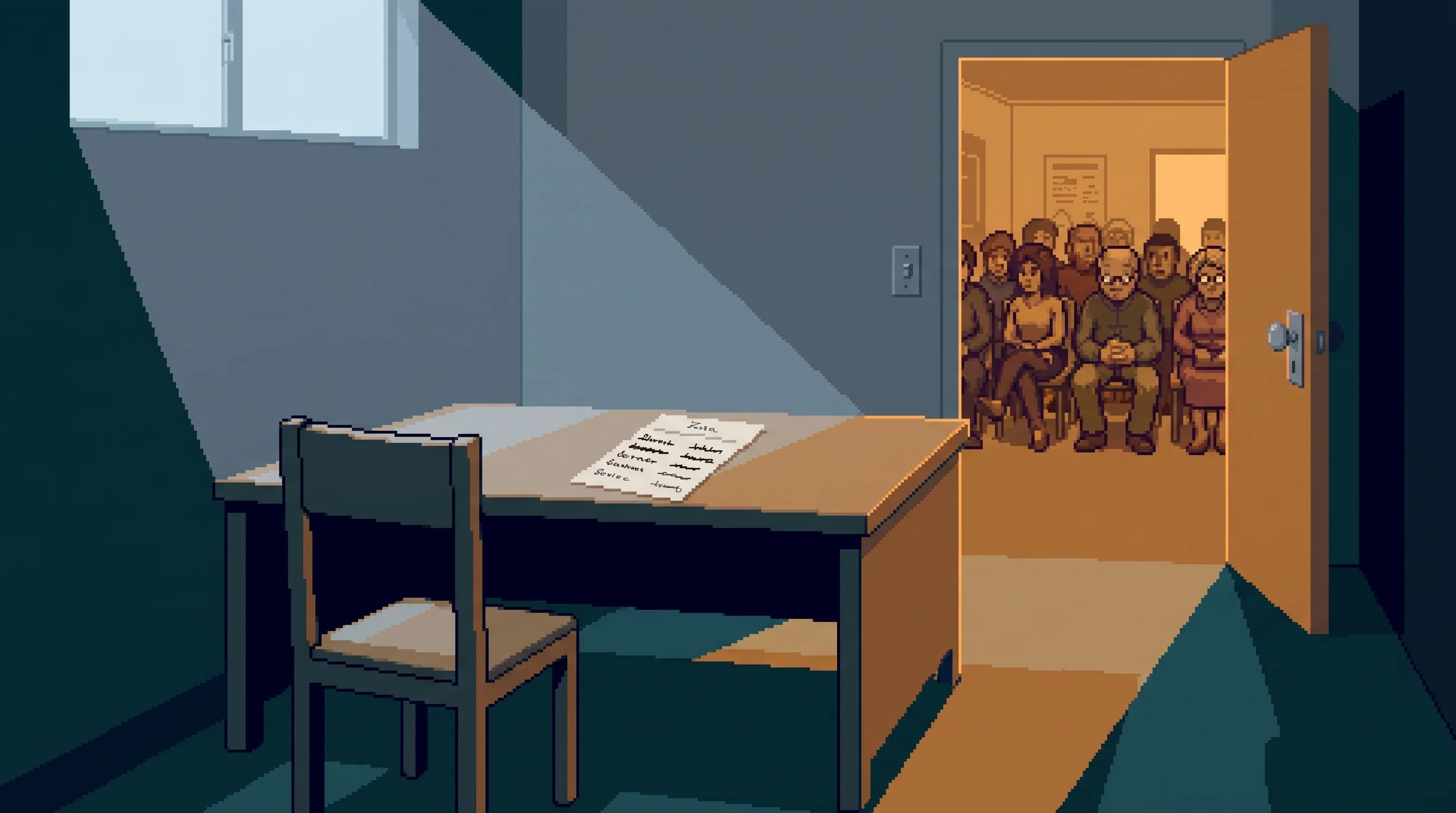
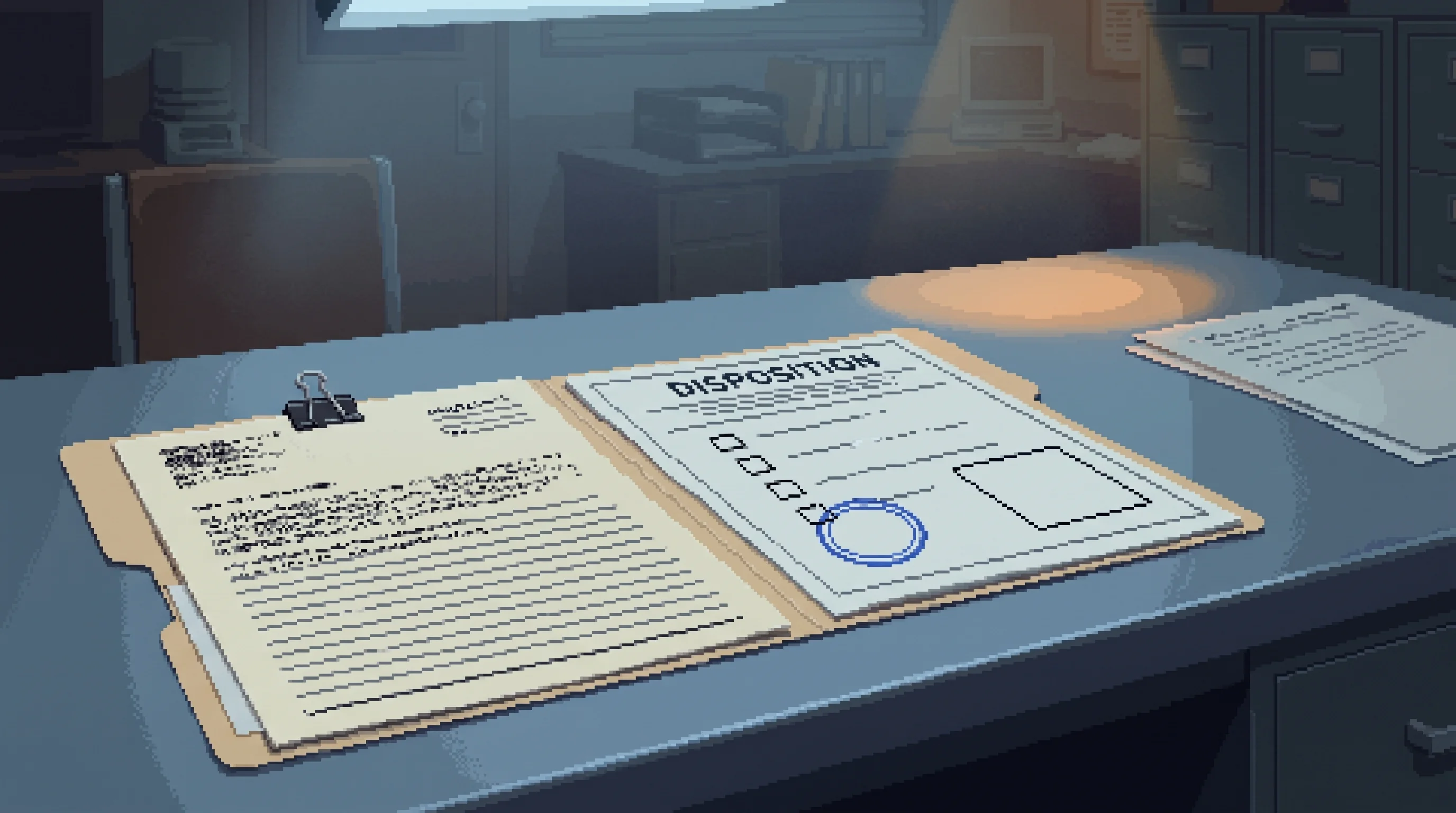
In 2184 the mediation form grew two lines. Nobody sent a notice either time. The first asks whether a Temperance correction was offered at conception; declined drops a household's tier under the Addendum. The second is her concurrence on a pending objection's forecast date (The Ratification Forecast). She has signed forty-one.
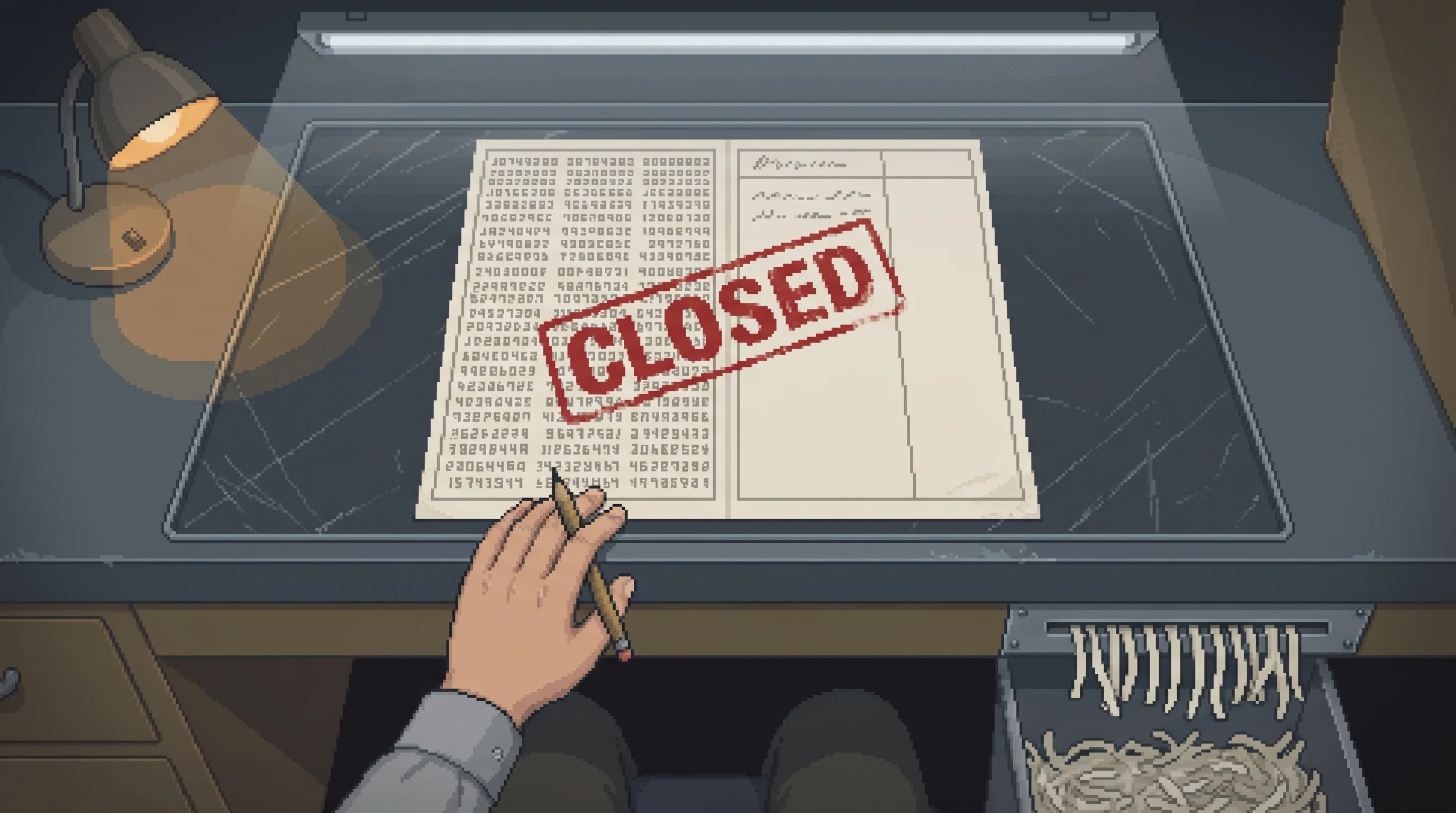
She recognised Emrys Dolan's case in the anonymized quarterly within four lines. She has not looked up the name. She has not thrown out the quarterly.
She reads the parents' narrow column first, although no finding may cite it. She can spot a Composure Academy graduate off the trace (The Unbidden Record). Her own trace, at 310 milliseconds, would read as hesitation.
In 2184 she applied to transfer to Sector 7 without telling her partner. The refusal came back with a correct annex and her name on the Held Register (The Excellence Exile). She calls it the most honest document the court has sent her.
Open Mysteries
The neuroplasticity premium — the contested finding that Raised adults who later install show faster competency acquisition than baseline-Installed adults — appears in three unpublished studies and one retracted published correction. Maren is mentioned, obliquely, in one of the unpublished studies as a case whose acquisition rates exceeded model predictions by a significant margin.
She has not been told which study. She has a theory about which study.
Her formal recusal is a matter of public record. The case she recused from is also public record. The only document that connects them is in her personal archive, not in the court system, and she has not decided what to do with it.
Connections
Follow the people and places connected to Maren Cott.