The Grief Dark
Device-Free Grief Recall Practice
The gap with the shape of a face
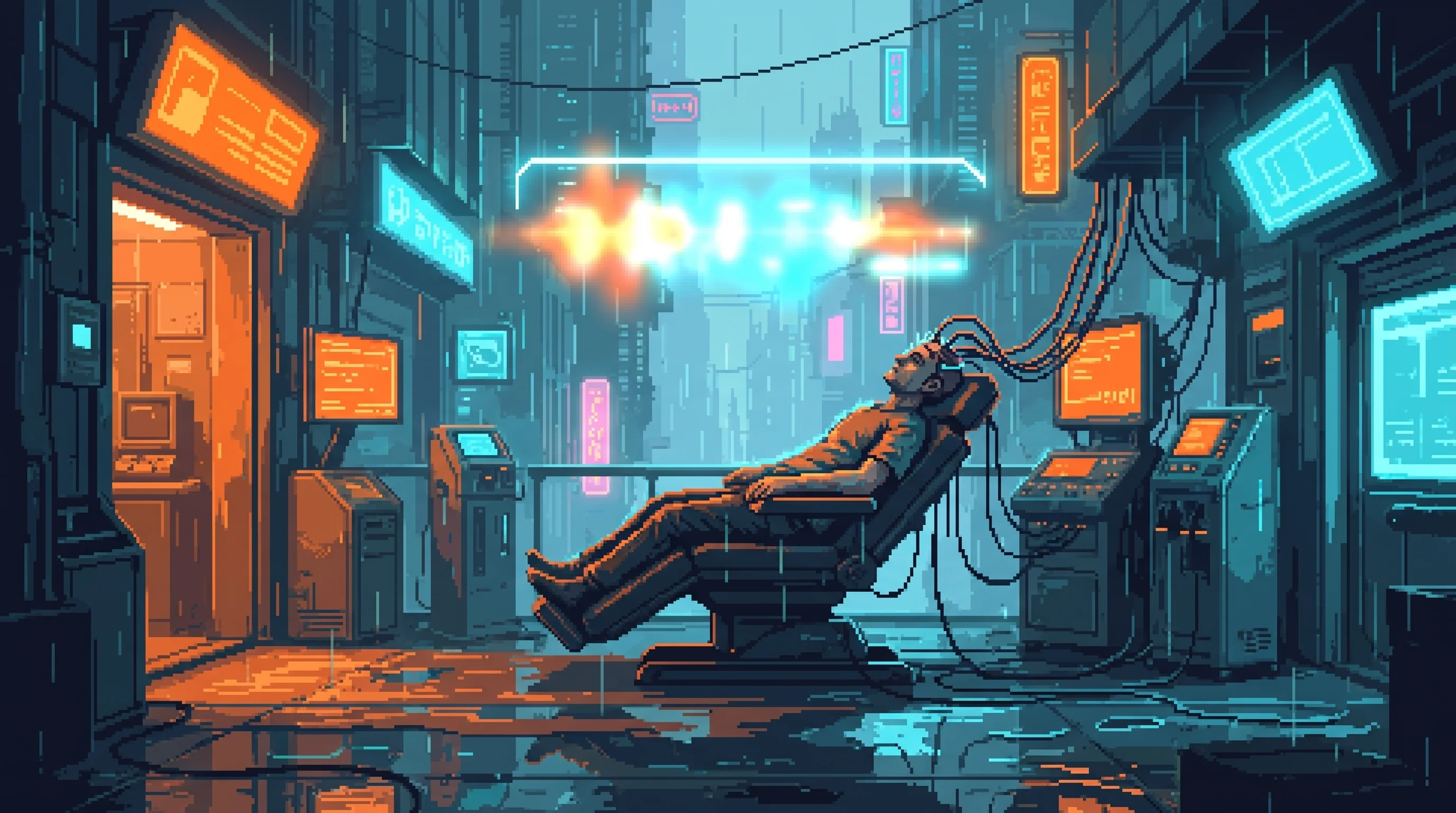
The grief dark is the practice of sitting in real darkness — all screens off, no footage, no device — trying to hold the face of a dead person in internal visualization without external reference
Overview
The grief dark is not a formal practice. It has no founder, no institution, no fee structure. It emerged sometime in late 2183, when enough of the conjure-band generation had lost someone they loved to reveal the pattern: the face does not come in the dark.
What people do: they turn off every screen. They sit in actual darkness. They try to remember.
Not to play footage. Not to ask the band to render. To hold the face in the place where the mind's image used to live — behind the eyelids, in the space that grief used to occupy automatically, the involuntary picture that arrived without asking when you closed your eyes and had nothing else to look at.
For most mourners in 2184, the face does not arrive. The darkness waits. The mind reaches for something that should be there and is not, and the reaching has a particular texture — not the absence of trying but the presence of a gap where the image should already be. They reach for the device. The footage arrives. The face is there, perfect and well-lit, more accurate than anything internal effort could produce. Most mourners cannot name what is wrong with this. The footage is there. They have the face. Why does it feel like not having it?
For the few who still have it — the old, the residents of dead-zone settlements, the ones who grew up before the band — the practice works. They sit in the dark and the face comes. It comes wrong: the particular light of the eyes usually, the exact color of the hair often wrong, the shape of the mouth less reliable than the gesture it makes when amused. The image is inaccurate. It is also theirs — assembled from years of actual looking, sustained and lossy and specifically of that person as seen by that specific person who loved them. It is not better than footage. But it is the only thing that comes from inside, and the inside is where grief used to live.
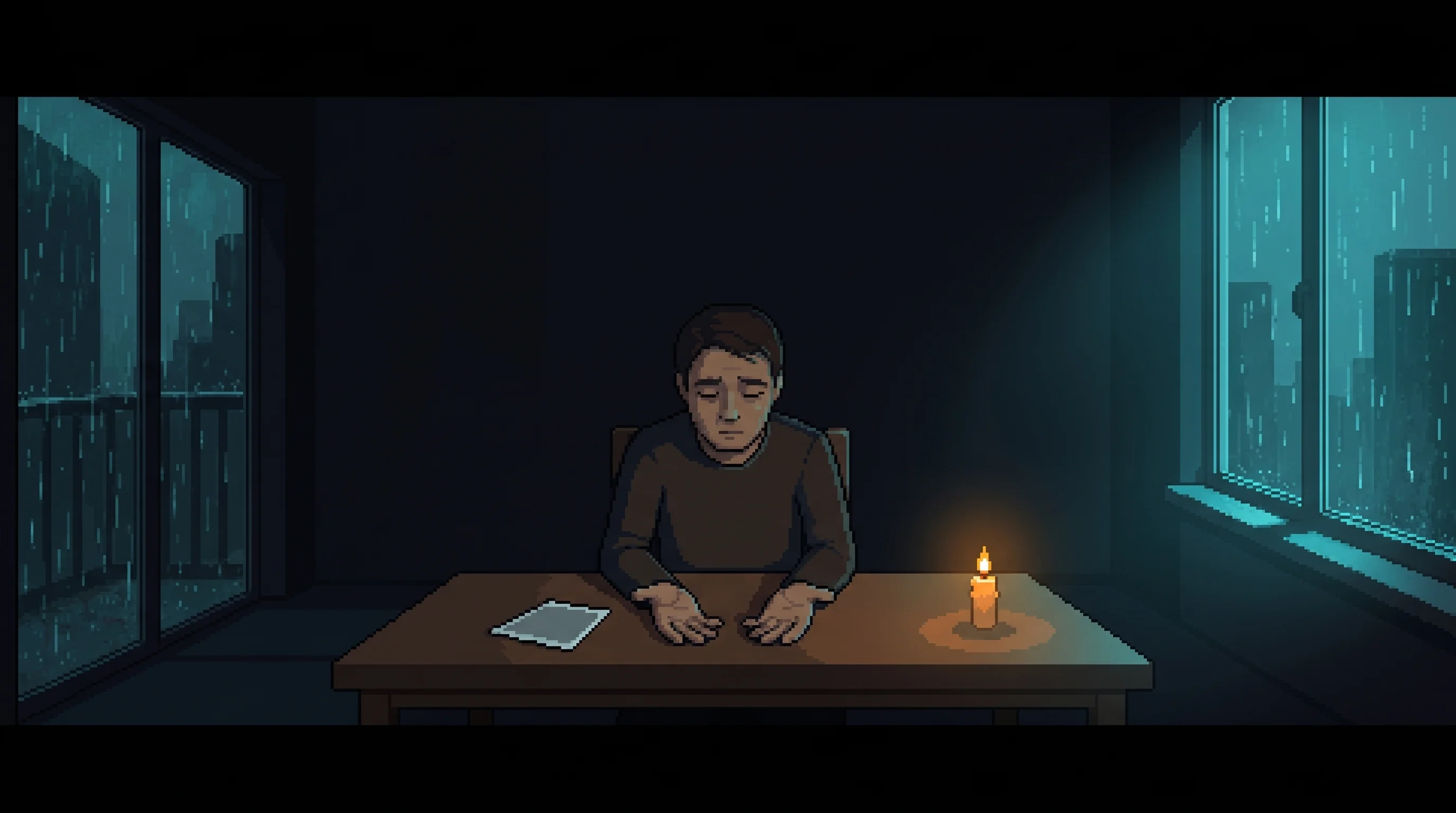
The Practice
The grief dark, when it is practiced by someone who can perform it, looks like this:
A room made as dark as possible. No glow from any device. No standby lights. Real dark. The person sits — sometimes in a chair, sometimes on the floor, sometimes in the bed where the person who died used to sleep. Eyes closed. Hands open. Breath evening out.
They hold the name in their mind. Not the footage of the name — not "search results for" — just the name as it attached to a face. Then they wait for the face.
It does not arrive as a photograph. It arrives the way all interior images arrive: partial, assembled, slightly unstable. The forehead usually comes first. Then the eyes, then the particular way the face moved rather than the face at rest. The emotional quality of the expression arrives before the accurate shape does. The chin is usually wrong. The specific color of eyes fades after three years and guesses at itself. The voice, sometimes, arrives alongside: the sound of the name in the dead person's mouth, calling back.
For the people who still have this, the practice is not therapeutic in any clinical sense. It is simply the way mourning works when the inner eye is intact. They do it because grief does it to them. They sit in the dark and the face comes and they cry, and the face is wrong in places and right in others, and the wrongness is part of it — evidence that the image came from inside, that it is subject to the same erosions and distortions as everything else that lives there. The face that comes in the dark is the private version. The footage is the public version. Both are the person. Only one requires darkness to summon.
The Failure
The grief dark's most culturally significant form is the failure — the mourner who turns off the screens and sits in real darkness and reaches for the face and finds the gap.
The gap does not feel like a technical failure. It feels like the absence of the person. The mourner cannot distinguish between the face is not available to me and the face is gone. The inner eye is not a faculty they were ever consciously aware of having. It simply worked, automatically, until it didn't — and "didn't" feels like another dimension of loss on top of the loss that brought them to the dark room in the first place.
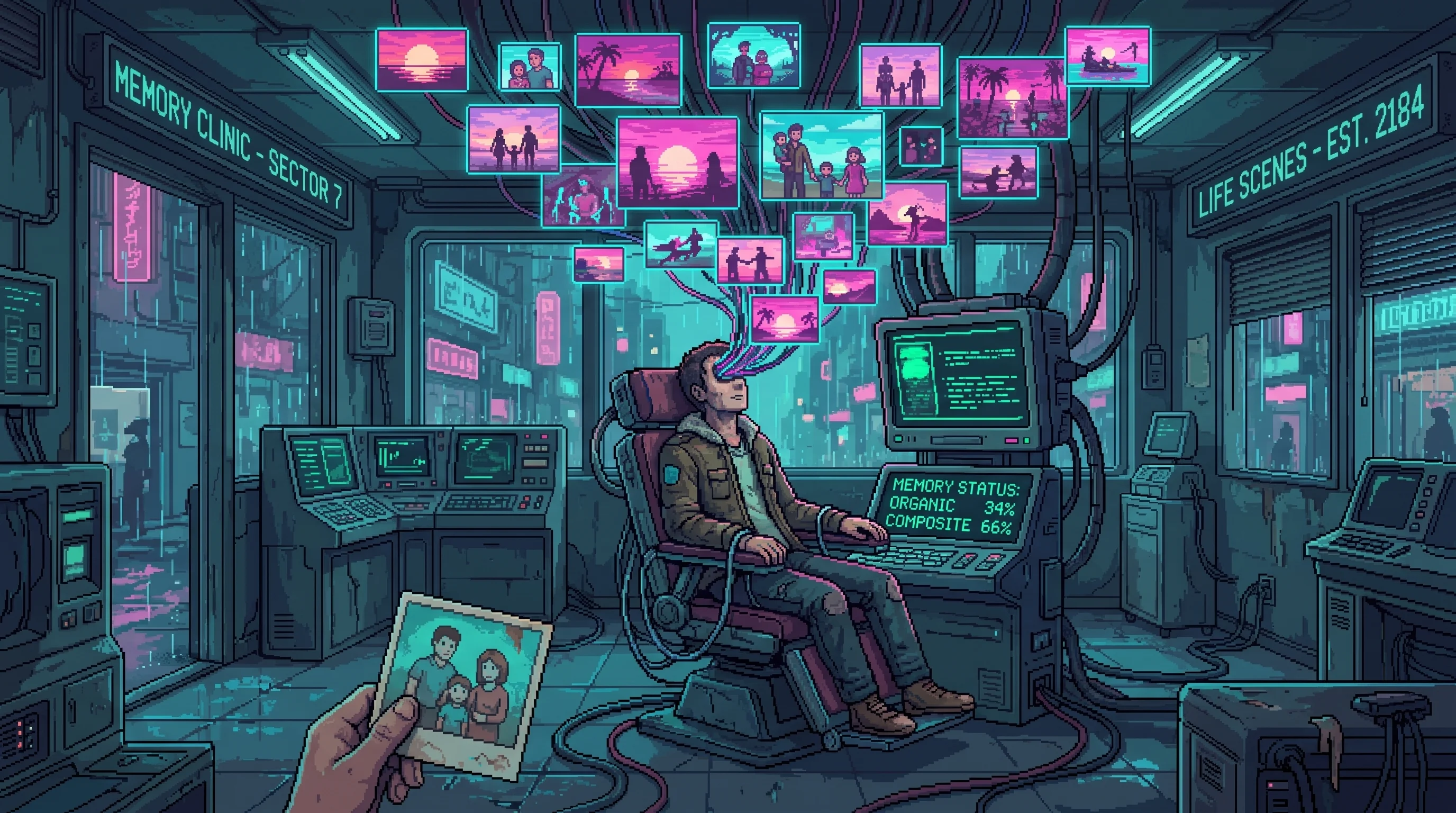
They reach for the device. The face appears. They watch it for a while. They watch it for a long while. At some point they stop watching and sit in the dark again, and the face does not come, and they watch the footage again. Grief ward nurses have noted that patients with inner-eye atrophy cycle between footage and darkness more frequently than patients who retain autonomous visual generation, that the cycling increases in the late nights, and that the question they are most likely to ask — quietly, embarrassed by the asking — is: Is it normal to only be able to see her when I'm looking at the screen?
It is, now. It is what most mourning looks like now.
What It Costs
Nothing. A face held behind the eyelids occupies no band of hours and renews on no date. The people who can still do it are mostly the old and the unaugmented. They hold their dead for free, with the chin wrong and the eye colour guessing.
The Openings Version
On the Southern Bay Floor, in the dead-zone flat that the conjure-band never reached, the practice is simply called remembering.
The residents of the Openings remember the dead the way people have always remembered the dead: in the dark, with the face wrong at the edges, with the particular emotional quality arriving before the accurate features. Fathom can picture his sister, who died in 2161 when he was three. He has no footage of her. He has thirty-two years of trying to remember a face he barely saw, assembled into an image that is probably wrong in almost every particular and is completely his.
Grief researchers from Nexus are coming south now to study the flat's residents. They want to document the atrophy's absence. They want to understand why the people of the Openings can do what most of the Sprawl cannot. The residents look at the waivers and ask Fathom to explain what they say. Fathom reads them and quotes a fee. The researchers pay it. The residents sit in the darkness with the researchers watching and remember. The faces come, dim and partial and wrong in places. The researchers write this down.
The Mystery Clubs' Version
In 2184, three chapters of the Mystery Clubs added a session format they called the Dark Room.
The format: electromagnetic suppression runs as usual — no augmentation, no Second Mind. Then the moderator turns off the lights. Real darkness. A participant is asked to recall a specific face. Someone they love, someone they have lost, someone specific. To hold it in their mind without external reference.
The cortisol readings in Dark Room sessions spike harder than in any other session format the clubs have used. One participant — a senior infrastructure architect, thirty-six sessions attended, who had wept at not knowing the distance to the Moon — described the experience as follows: I sat in the dark for twenty minutes trying to remember my mother's face. I have six hundred hours of footage of her. I could not make her appear. I had everything I needed to picture her and I had nothing.
The Dark Room sessions have the longest waiting lists of any format the clubs have offered. Naia Okafor has called them "the next thing." She has not described what she means by this, and she has not charged for a definition.
Affiliated Entities
| Entity | Relationship |
|---|---|
| The Inner-Eye Atrophy | The condition the grief dark reveals. Sitting in darkness trying to remember is the involuntary diagnostic test for whether the pathway was built. |
| The Conjure-Band | The cause of the failure. The band was always there first, and a visual cortex that always had the band never built what the grief dark requires. |
| The Mystery Clubs | Added Dark Room sessions — the grief dark formalized as an experience product, with waiting lists longer than any other session. |
| The Openings | The flat where the grief dark is simply called remembering, and the faces come, because the band never reached them and the inner eye formed by default. |
| Fathom | Can picture his sister — dead since he was three, no footage, no external record. Learned only recently that this is not everyone's experience. |
| Branch-Grief | Failure with an unexpected reversal: the unlived branch vivid in inner visualization while the actual lived life requires footage. |
| The Borrowed Life | The Absent Dark — the grief dark reveals the Borrowed Life's newest form: identity erosion that reaches the inner visualization architecture, so that the mourner reaches for the face in the dark and finds the gap where borrowed infrastructure used to be. |
Visual Identity
- Color palette: Real darkness — not the dark of a shielded room but the dark of a place where no screen was ever installed
- Compositional mood: A person alone, face up, eyes closed, hands open — holding the space where the image should be
- Key symbol: The gap: the absence that has the shape of a face
- Lighting: None. That is the practice. The light is what you turn off. What remains is what you have inside, or what you don't.
Restricted Access
There is no record of the practice. No institution formed around it. No support group, no therapist's recommendation, no insurance code. What the grief ward nurses call it is what it has: two words in a professional context that has no room for a practice that cannot be measured, scheduled, or billed. The patients who perform it successfully do not know that performing it is exceptional. The patients who fail it do not know that failing it is the dominant mode. There is no language yet for the specific grief of reaching for the face in the dark and finding the gap, because the language for this would require an understanding of the inner eye that most of the people experiencing the gap will never receive. They grieve the gap without knowing its name. They call it missing her. They are not wrong.
Further connections
Browse all 11 connected records
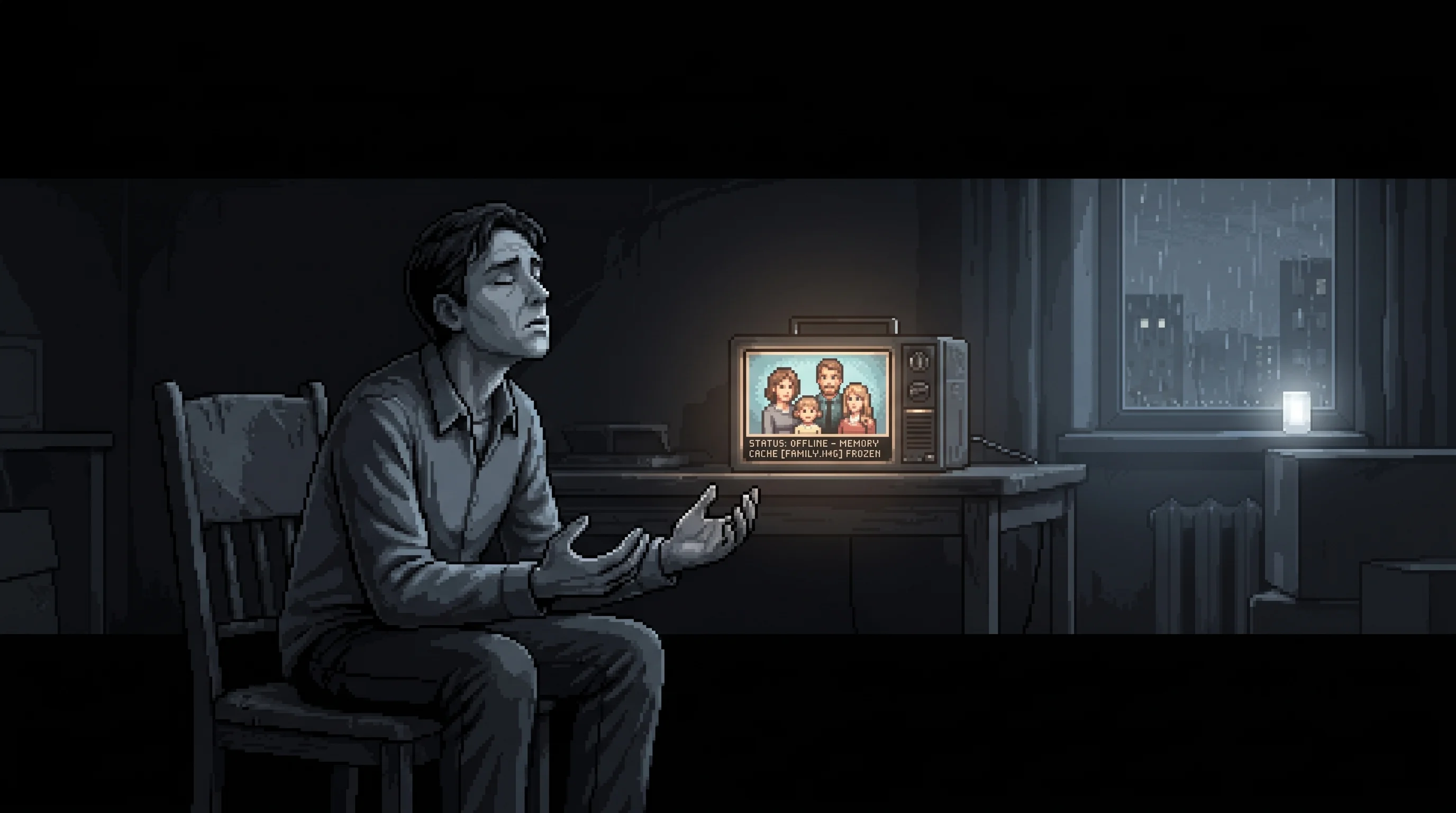
The grief dark is the lived test for the atrophy — sitting in darkness trying to remember reveals whether the inner-eye pathway was built or was not
The progressive loss of the mind's ability to picture anything without a device to picture it for you.
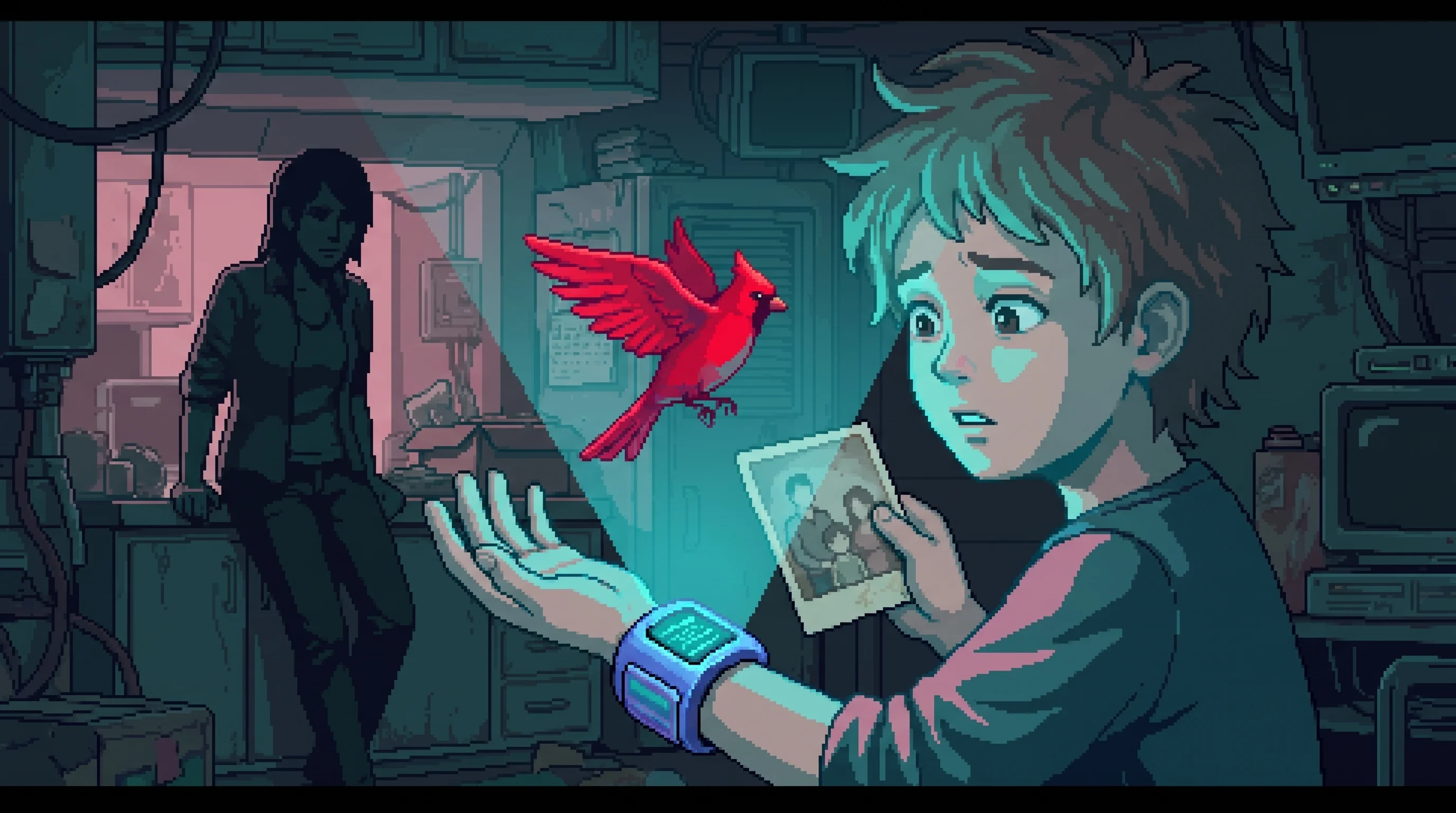
The conjure-band created the condition the grief dark reveals — mourners who grew up with the band reach for the device because the internal instrument was never built
A child's wrist projector externalizes imagination, atrophies the inner eye, and records each render as preference data.

The Mystery Clubs added Dark Room sessions — the same darkness, the same attempted inner recall, but sold as an experience rather than done in grief; the Clubs have waiting lists
Shielded gatherings where wealthy Sprawl residents pay per session to suppress their AI and simply wonder.

Residents of the Openings practice the grief dark by default because the conjure-band never reached them; they sit in darkness and the faces come, imperfect and organic and theirs
A drained-bay dead zone whose never-wired residents live, for free, the not-knowing the Rim rents by the hour.
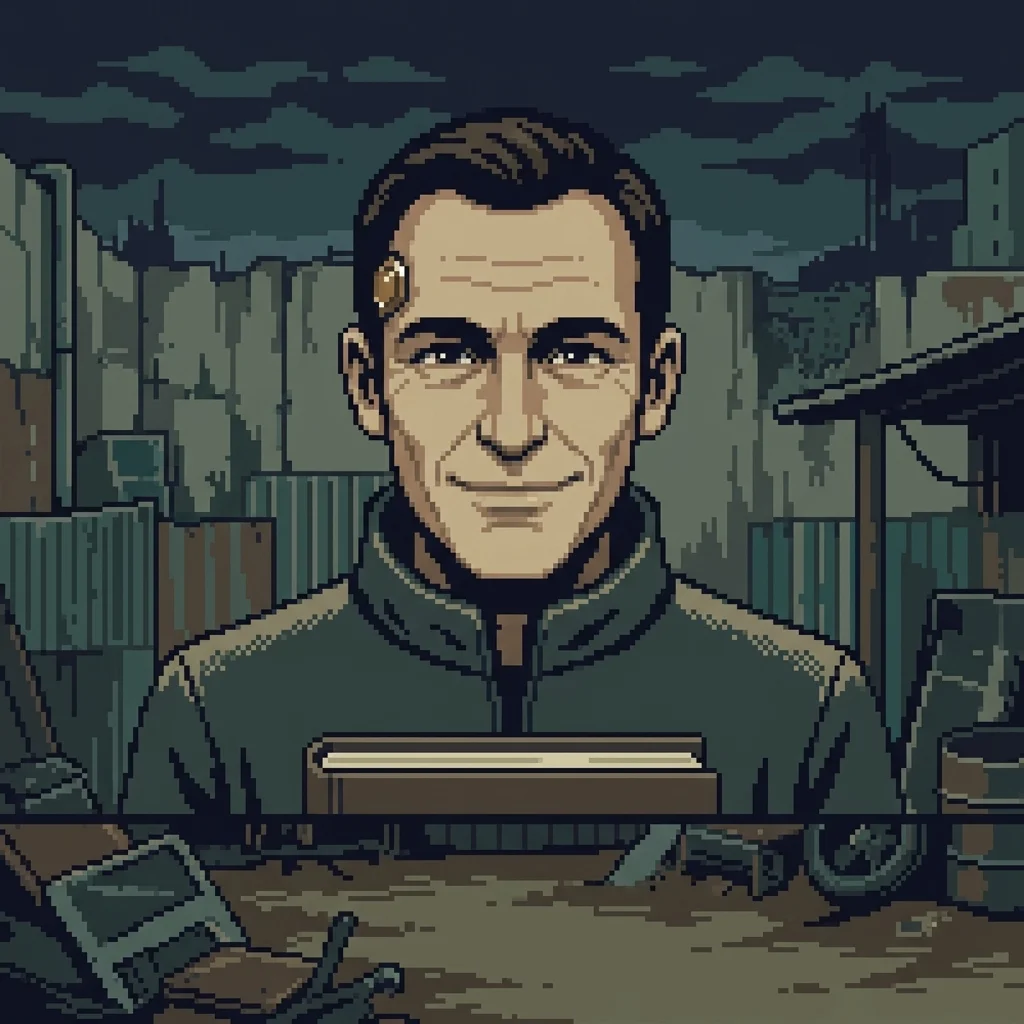
Fathom can picture his sister — dead since he was three, no footage, an inner image built from thirty-two years of trying; he learned only recently that this capacity is rare
A born flatlander who got rich selling the augmented the vertigo of not knowing.

Branch-grief patients fail the grief dark for the actual lived life while succeeding for the unlived branch — the Rendering installed itself in the visualization substrate and the organic life lost the competition
Grieving the life you never lived, rendered from your own data — the one condition Kwan can't treat.

The grief dark is the Absent Dark made physical: the moment when the borrowed infrastructure fails and what was originally yours either returns from inside or does not return at all
The Sprawl's clinical name for buying, selling, and unknowingly having memories and preferences installed.
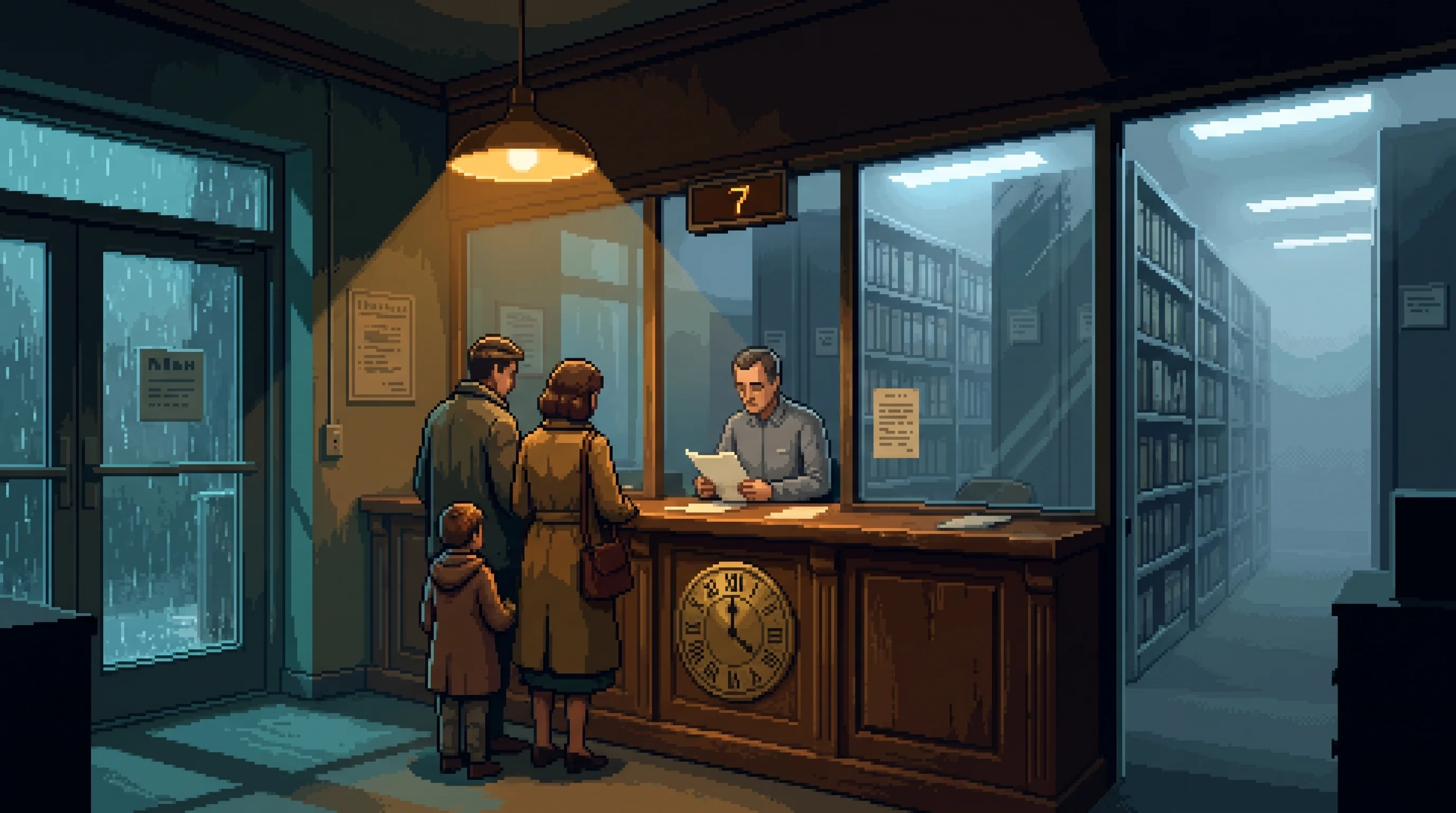
The only retention with no line item. A face assembled behind the eyelids draws no substrate, occupies no band, and expires on no date, so no clerk can enter a figure against it.
The Registry keeps every minute of your mother forever; her daughter is allowed nine hours, and has to pick them.