Overview
Bob Zane holds a valid license to service compute substrate. The organic endorsement is a checkbox on it.
That sentence is the whole problem. The Sprawl's psychology establishment expelled him for what it called unlicensed human-subject modification, and it was half right: the modification is disputed, and the license was never theirs to take. His clinical credential is gone. His technician's credential is current, renewed on schedule, and has never been contested by anyone, because contesting it would require the League to explain which board it thinks certifies him.
He believes the human mind has not reached a natural limit. It has reached an institutional one. Psychology learned to relieve distress, restore function, and return a person to the range that an employer, insurer, and family recognize as normal. Zane accepts every part of that work. He objects to stopping there.
His sentence is simple: relief is the floor of care, not its ceiling.
For thirty years he has tried to expand sustained attention, emotional range, knowledge synthesis, and the ability to model another person's mind. His followers call it the Zane Expansion Method. The League calls it unlicensed human-subject modification. His own paperwork calls it maintenance. All three names describe the same sessions.
The results are difficult to dismiss. Participants have held attention through six-hour problem sets without stimulant support. Others can experience grief, anger, and fear without losing the capacity to choose. Several learned to combine fields they had studied for years but had never been able to think through at once. One patient went further.
Patient One could predict the next words out of another person's mouth.
Zane hid the identity. He kept the records. Then he refused every buyer who came for them.
He has not made a confirmed public appearance in more than a year. His teaching arrives as narrowband lectures. His patients enter remote rooms that reveal no stars. His research does not arrive at all.
History
The Apprenticeship
Zane came up on the seam. He was born into the last decades when a mind was still treated as something you talked to, and he was working by the time it became something you could open.
He apprenticed in organic brain tech at the Bio-Himalayan School of Medicine, an institution whose promotional material described it as the seventh best medical school east of Delhi, excluding Neo China. The qualifier was doing a great deal of work. The school was small enough that its brain-tech apprentices shared clinical rotation blocks with its veterinary students, on the reasoning that a rotation is a rotation and the hallway only has so many rooms.
One of those veterinary students was Tzu Yu.
They overlapped for a single block and have not spoken since. Zane remembers him — remembers a young man taking notes on the cost of a procedure while the procedure was still happening. Tzu Yu does not remember Zane. Tzu Yu's records do. Asked about it fifty years later, he produced an itemized invoice from the relevant week, complete, legible, and correctly totaled, for a man whose face he could not describe.
The apprenticeship was not much of an education and Zane has never claimed it was. It taught him to hold a still hand near an open head and to write down what he saw. Everything after that he paid for himself, in evening coursework and supervised hours, until he qualified as a licensed head tech and then, six years later, as a dream analyst.
The last title matters more than it sounds. Dream analysis was already a dying craft when he certified in it — the province of the school that still believed a mind could be read from what it said. He learned the old thing on his way to the new one. He is the only practitioner of consequence who is credentialed in both directions, which is one of the reasons neither direction will claim him.
Early career
Bio-Himalayan apprenticeship
Zane trained in organic brain technology while sharing clinical rotations with veterinary students.
During one rotation
Tzu Yu overlap
He shared one training block with Tzu Yu, who later retained the invoice but not Zane's face.
After the apprenticeship
Head technician license
He paid for evening coursework and supervised hours until he qualified as a licensed head technician.
Six years later
Dream analyst certification
He qualified in the dying verbal craft of dream analysis, giving him credentials in both organic and technical practice.

The License
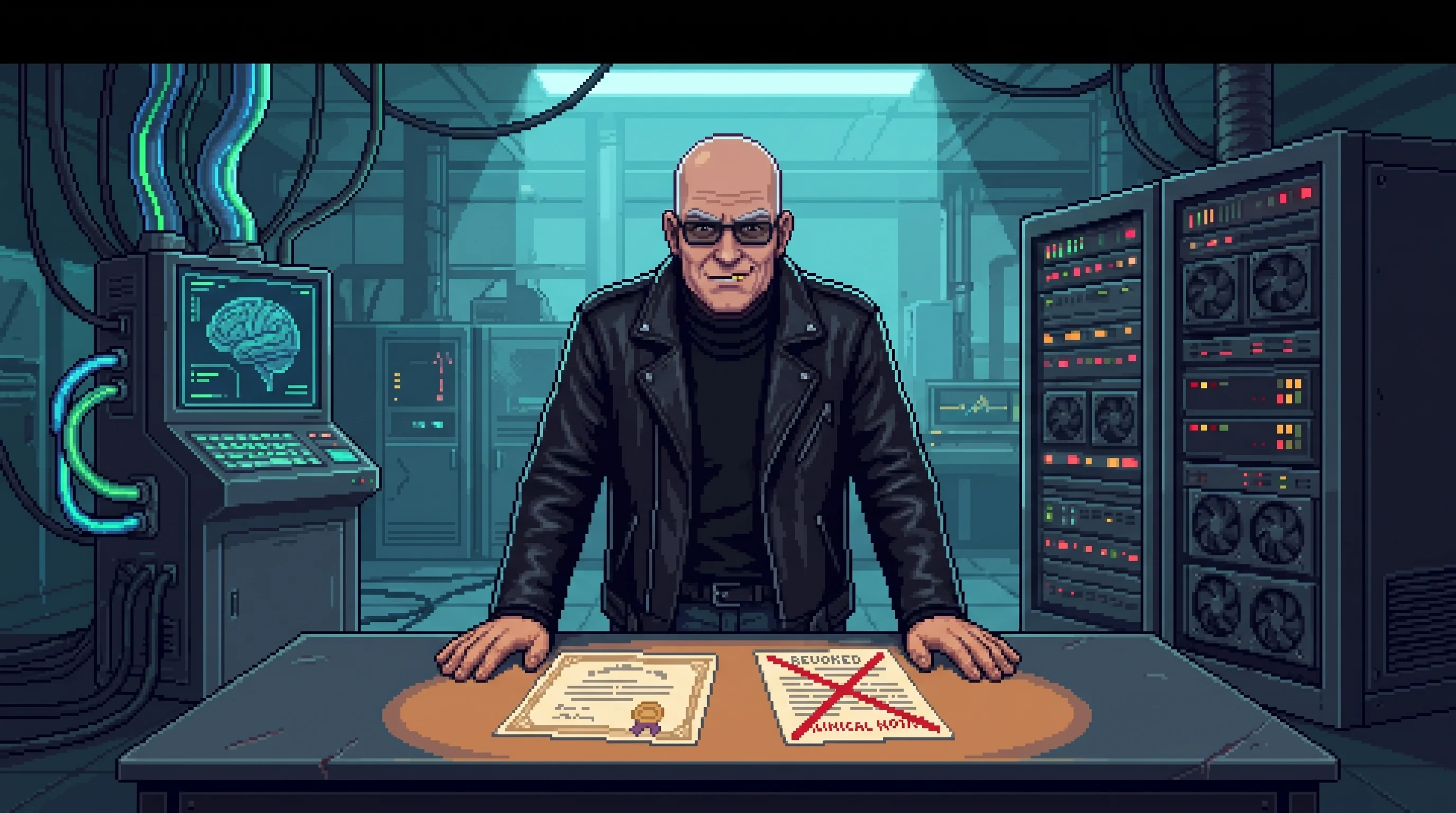
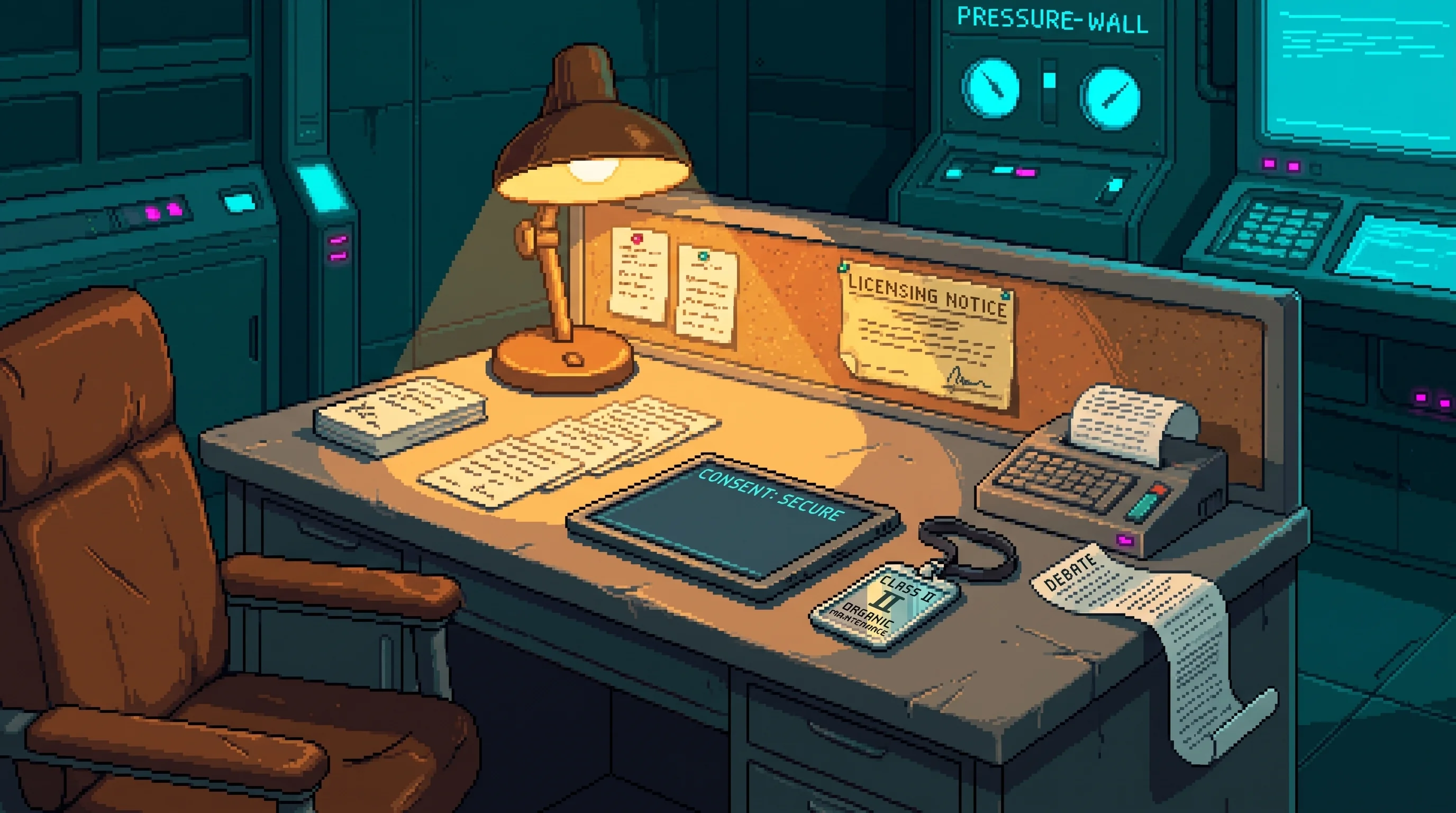
The certificate reads Substrate Maintenance Technician, Class II — Organic Endorsement.
Class II also covers thermal loops, power delivery, dust ingress, and rack-mounted inference hardware. The organic endorsement is a supplementary line on the same document. When this is pointed out to the certifying board, the board does not treat it as an embarrassment. Its position, stated in writing and never retracted, is that a substrate is a substrate: intelligence runs on a physical medium, that medium has a maintenance profile, and the profession that services one medium is the profession that services the other. The board considers the distinction between a datacenter and a skull to be sentimental.
The continuing-education curriculum is therefore shared. To keep his endorsement current, Zane logs forty hours a cycle in modules written for people who service machines. Thermal management. Contaminant ingress. Power envelope and sustained draw. Failure modes under sustained load.
He completes them. He has never sought an exemption. His file contains a fully annotated thermal-management module, and his annotations are not sarcastic. He argues that the organic brain also has a thermal budget, also has a power envelope, also degrades under sustained draw, and that the module's physics apply with only the constants changed. He has said this in front of people who wanted him to be joking.
That is the part that unsettles his critics, and they are not wrong to be unsettled. The board reduced his life's work to a maintenance category as an act of administrative laziness. He read the category and found it useful.
The eleven years. Bio-Himalayan's accreditation was revoked in 2156 and retroactively reinstated in 2167. Retroactive means what it says. Every credential the school ever issued was void for those eleven years, and then had always been valid. Zane practiced continuously throughout. The registry now holds two non-contradictory records for him: one showing an eleven-year gap in which he was never a licensed practitioner, and one showing an unbroken forty-year license with no gap at all. Neither has been withdrawn. Both are authoritative. He renews against the second and keeps a printed copy of the first.
The title. He has never called himself Doctor. He signs correspondence, prescriptions, lecture notes, and consent forms B. Zane, Lic. Tech. — and he has signed them that way since before anyone was watching.
The public calls him Doctor anyway, and the public learned it from the League. The forty-one-page notice that stripped his clinical standing addressed him as Dr. Zane on every page, because a body cannot revoke a title it declines to acknowledge without conceding it had nothing to revoke. The document that ended his professional life is the reason the honorific stuck. He has never corrected anyone. He also has never used it.
The Three Schools
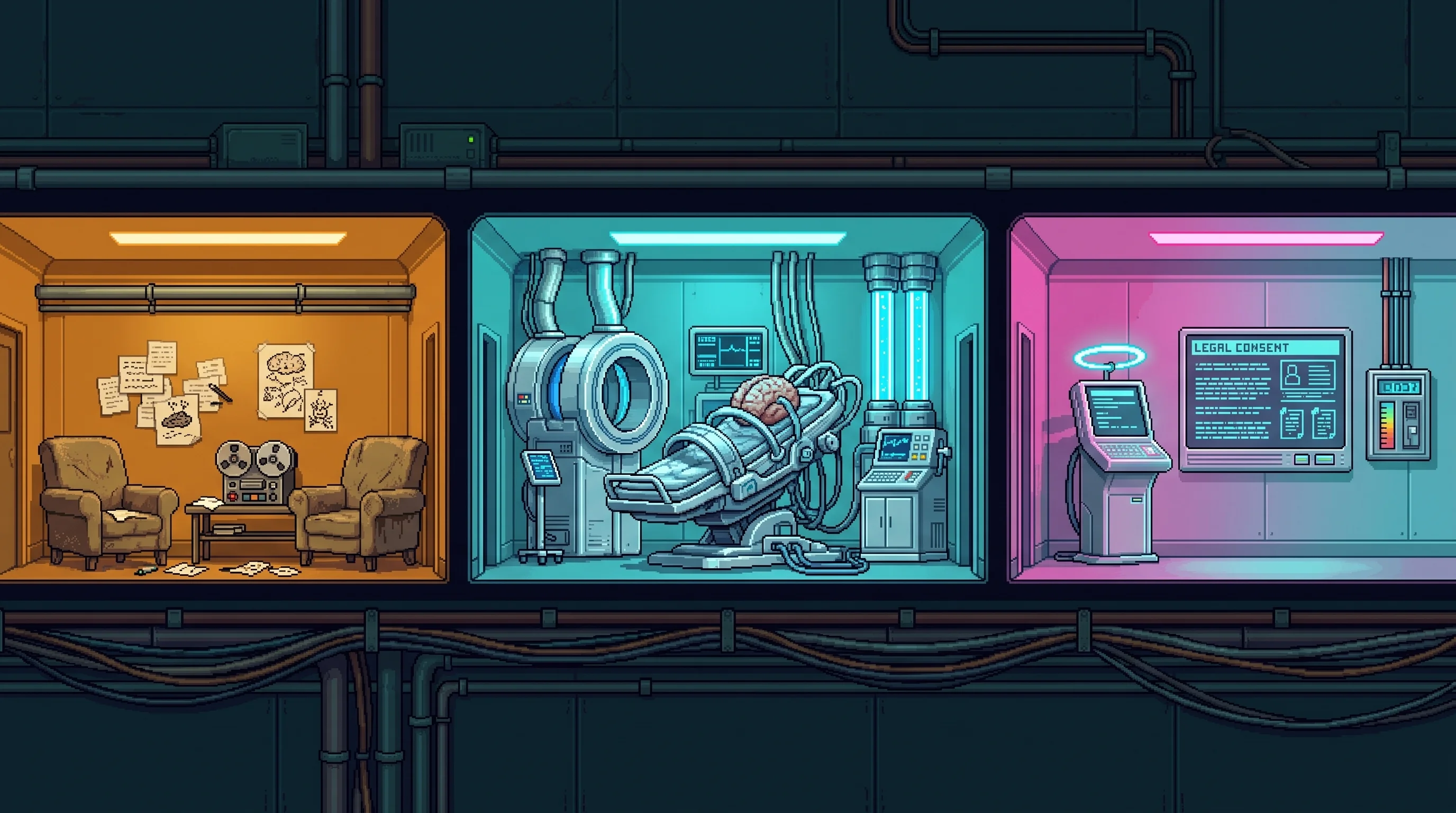
Psychology did not survive the arrival of thinking machines as one profession. It survived as three, and they are not on speaking terms.
The Listening School holds that the defect is in the content of a mind, and that the treatment is verbal. A practitioner infers a patient's state from the tokens the patient emits — speech, dreams, reported feeling, observed behavior — and returns a constructed sequence of tokens intended to change it. Its own literature describes the process in exactly those terms, without embarrassment. The other schools consider the method subjective, imprecise, and unproven at scale. A significant faction considers it immoral: a person can arrive debilitated, and the entire sanctioned intervention is that other humans say things at them until it stops. That this remains legal is, to the Substrate School, the outstanding scandal of the profession.
The Substrate School holds that the defect is in the organ. The brain that carried the species through the pre-Cascade world was not built for the Sprawl, and its failures under current load are engineering failures — to be measured, debugged, mitigated, and where possible corrected. It regards the Listening School as faith healing with a waiting room.
The Calibration School holds that the organ is sound and the programming is wrong. Its instrument is Nexus Dynamics recalibration; its promise is an optimal state, reachable, repeatable, and metered. It regards both older schools as legacy.
Underneath the technical argument runs a religious one, and it is symmetric. One side holds that altering the hardware or the software of a human mind violates what was intended for it. The other holds that leaving a person inside a suffering you know how to reach is the actual corruption, and that the restraint is a moral posture worn by people who would rather be blameless than useful. Both sides are sincere. Both use the word immoral first. Neither has won, and the professional bodies that fund the argument have no incentive to end it.
Zane does not belong to any of the three, and all three have said so out loud. The Listening School disowns him because he pushes past talk into hardware, firmware, and software alike. The Substrate School disowns him because he will not install anything. The Calibration School disowns him because his results outlive the terminal, which makes them unlicensable.
Asked which school he belongs to, he says he is a technician. He is not being modest and he is not being evasive. It is what the certificate says.
Appearance

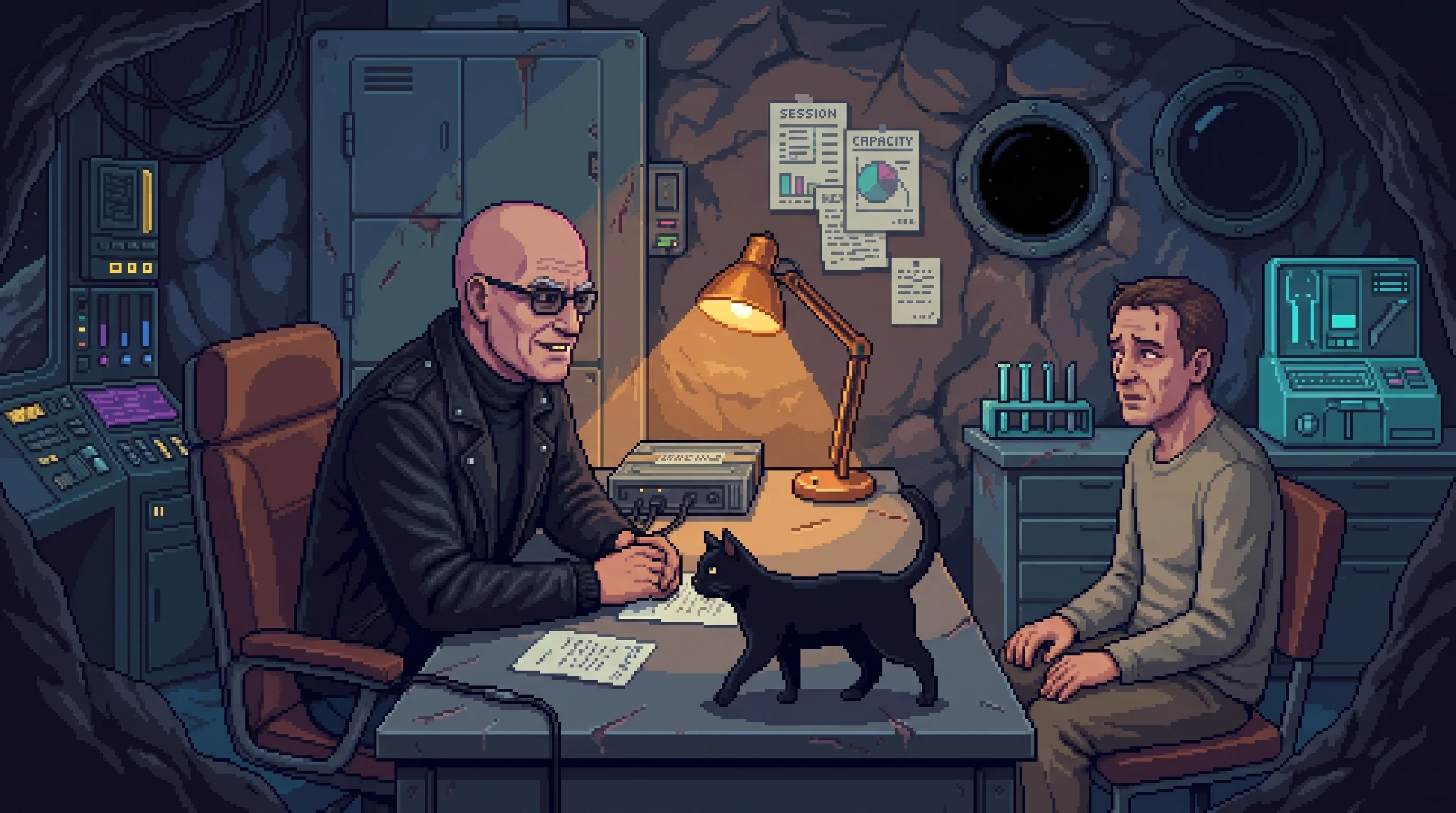
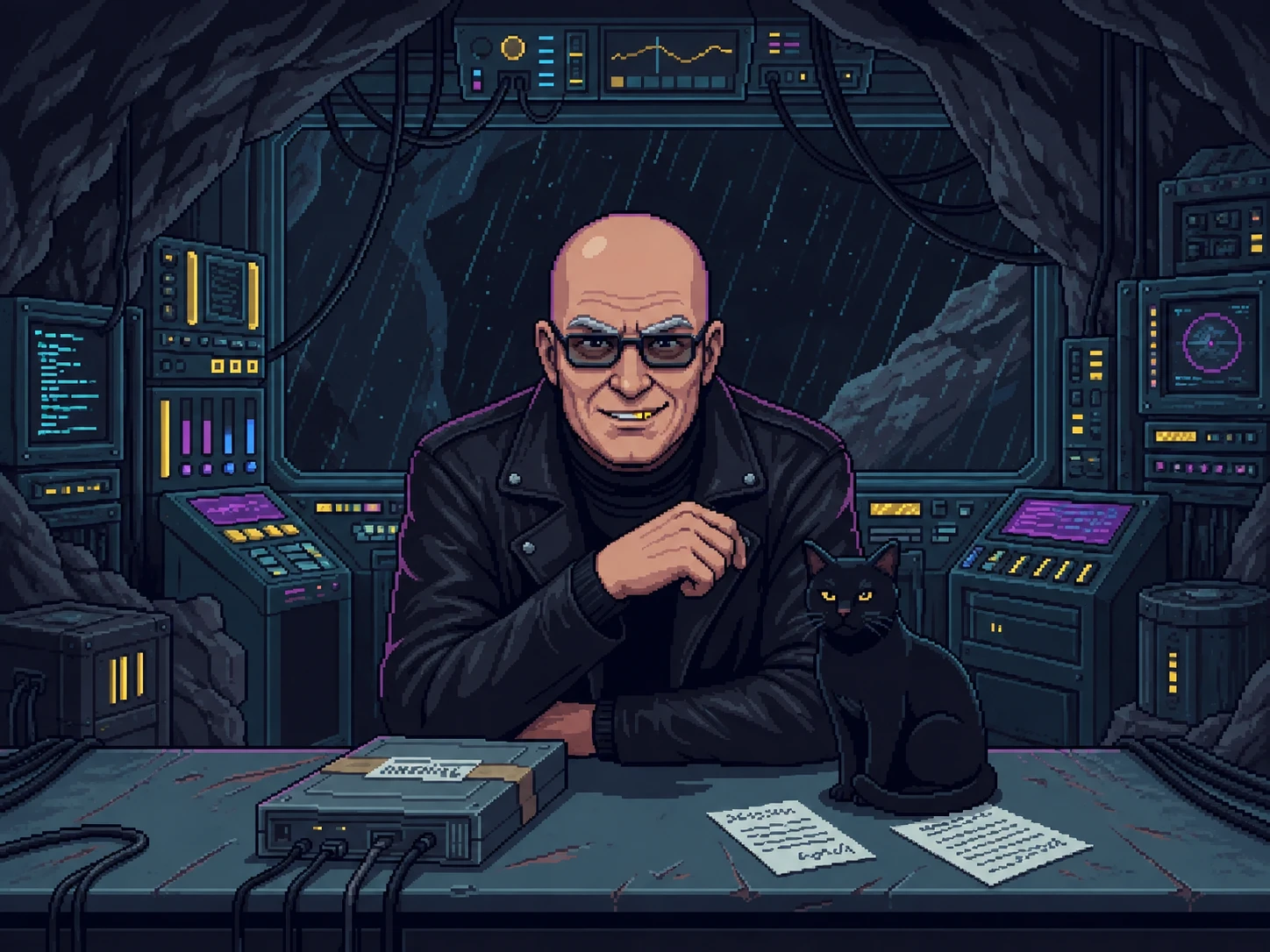
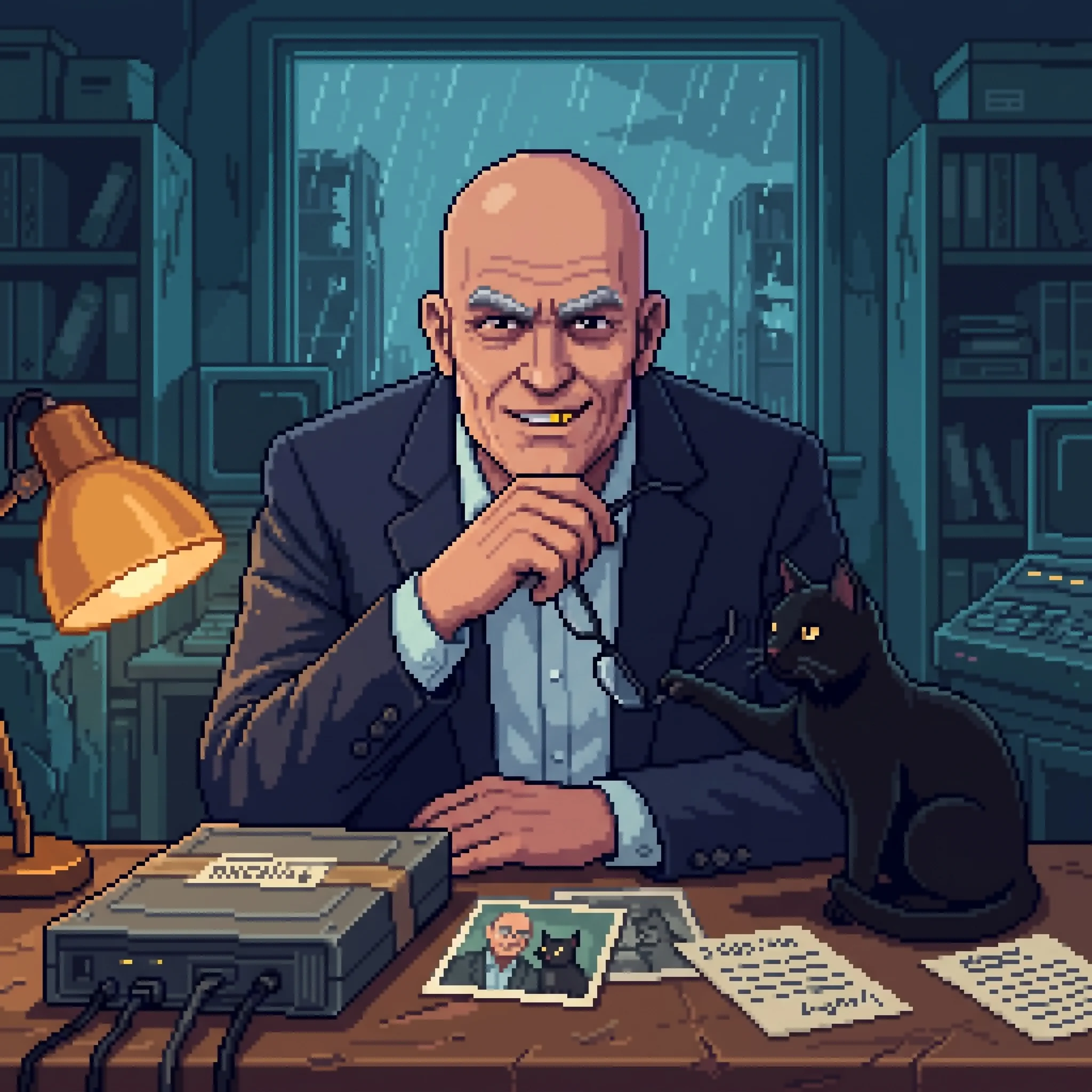
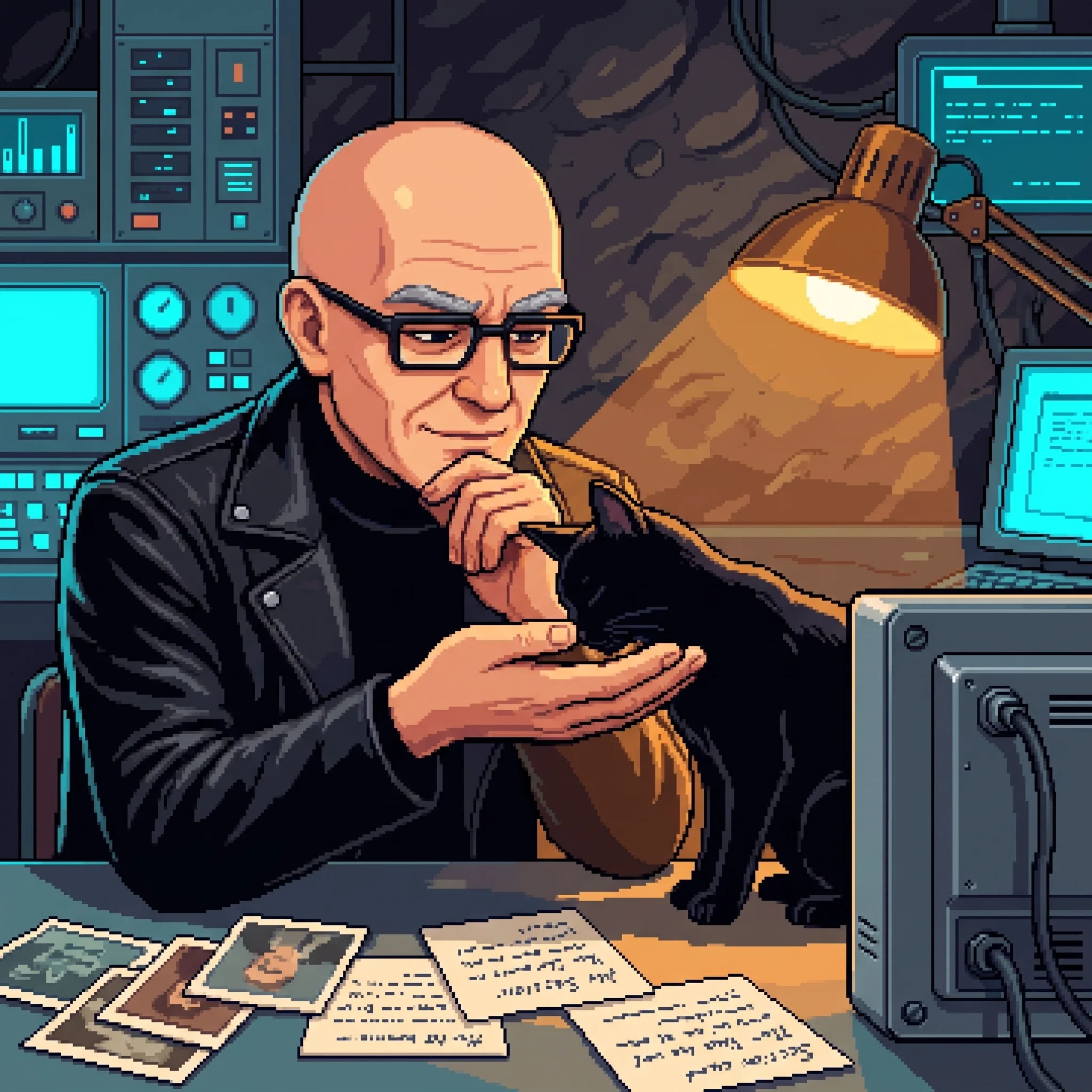
Zane is in his mid-seventies, broad-faced, clean-shaven, and completely bald. The baldness is voluntary. Hair restoration takes less time than one of his intake interviews. He has declined it for decades.
Silver eyebrows sit above dark rectangular glasses. His eyes are dark and direct. Smile lines gather quickly around them because he smiles often and without much reserve. One upper-left front tooth is solid gold. The tooth catches the light before the smile makes the accusations against him feel, for several seconds, improbable.
He is well built and looks robust enough to make his age another item under review. In current recordings he wears a black turtleneck under a black leather jacket. The old navy blazers and pale-blue shirts belong to the University Ruins archive. Color has nearly disappeared from his clothing. The tooth remains.
There are no visible ports, lattice scars, iris rings, subdermal traces, or correction halos. Zane says there are no hidden ones either. He describes the gold tooth as dental work, not augmentation. The distinction has not reduced inspection.
The claim is inspected more closely than his work.
His full-body silhouette stays human: average height, strong through the shoulders, slightly forward from decades spent leaning toward patients. He carries handwritten session cards in one inside pocket and no visible terminal. Dixon's black hair shows on the leather jacket in the newest authenticated image.
Voice
Zane speaks like a professor who decided the person asking the question matters more than the room hearing the answer. His voice is deep and sonorous. A second resonance sometimes follows it through a room. The echo sounds almost mechanical on clean recordings and completely human on compressed ones.
He uses common words. He says capacity where other clinicians say condition, and practice where corporations say upgrade.
He listens without performing patience. When the speaker reaches the important noun, he repeats it once. Then he answers. Inside longer sentences, he sometimes stops. The silence is too short for confusion and too long for ordinary cadence. He may be thinking, selecting the exact word, or waiting for the other person to think it first.
He does not shout. Under pressure, the pauses disappear. His answers arrive faster and become unnervingly exact. Witnesses who believe he is enhanced begin their accounts at that moment. Witnesses who do not call it thirty years of clinical pattern recognition. Zane calls both explanations flattering and returns to the question.
His pet peeve is the word baseline used as a synonym for limit. He has annotated every edition of the Baseline Cognitive Profile with the same sentence: This is where you started measuring.
Sample Dialogue
On treatment:
"A person who is no longer drowning has been saved. Good. Now ask whether they might learn to swim somewhere deeper than either of you thought possible. If the question frightens you, then we have work to do."
On consent:
"You cannot consent from inside a future mind. You also cannot refuse from inside it. That is the actual problem. The form is only the part the institution knows how to file."
Asked, at a licensing counter, to confirm his professional category:
"Technician. Class II. Organic."
Asked whether that offends him:
"It is accurate. I have been called worse things by better-qualified people."
During a public argument with Professor Ines Park:
Park: "Would you prescribe this to yourself?" Zane: "No." Park: "Then do not call refusal cowardice." Zane: "I called it expensive."
To a Guardian representative:
"You do not want resilient soldiers. You want soldiers who can understand an order before they understand what it will cost them. Those are not the same capacity. I will not help you confuse them."
From the first asteroid lecture:
"The truth is in there somewhere and I'm going to find it. The... location of the laboratory is a different question."
Written beneath a Cohort Seven exercise:
"Life begins at the edge of your comfort zone. Consent still applies at the edge."
Capabilities
The Zane Expansion Method
The method leaves no installed device. That is why Nexus and Helix both dislike it.
Sessions combine intensive psychotherapy with sustained-attention conditioning, controlled emotional loading, cross-domain synthesis drills, and closed-loop neural feedback. The feedback ends when the session ends. The learned architecture does not always end with it.
Zane begins with four capacities: attention without interruption, emotion without compulsion, knowledge that can cross between domains, and predictive empathy — the ability to model another person's likely state without replacing them with a profile. He does not promise equal results. He promises that the starting profile is not a verdict.
He works all three layers and says so plainly. Hardware, where the organ's limits are real and measurable. Firmware, where a reflex has hardened past the situation that formed it. Software, where a person is running instructions they did not write and cannot read. What he will not do is install. Every other practitioner who touches those layers leaves something behind that can be metered, serviced, revoked, or repossessed. He leaves a changed person and no invoice line.
The handwritten session cards are part of the method, not an affectation. Each carries a short sequence he has built for one patient: an order of questions, a word to withhold, a word to offer only after the patient uses it first. He composes them the night before and revises them mid-session. Colleagues who have seen the cards describe them as unnervingly specific. Zane describes them as preparation.
The strongest outcomes are durable. That is also the central ethical failure.
A person with a wider emotional range may no longer tolerate work they once accepted. A person with stronger synthesis may stop sharing assumptions with a spouse, employer, or community. A person with predictive empathy may experience every ordinary conversation as something that has already happened. The participant signed the consent form before becoming the person who must live with the result.
Zane's answer is that ordinary life changes people without consent every day. His critics answer that ordinary life does not have a clinician billing for authorship.

Cohort Seven
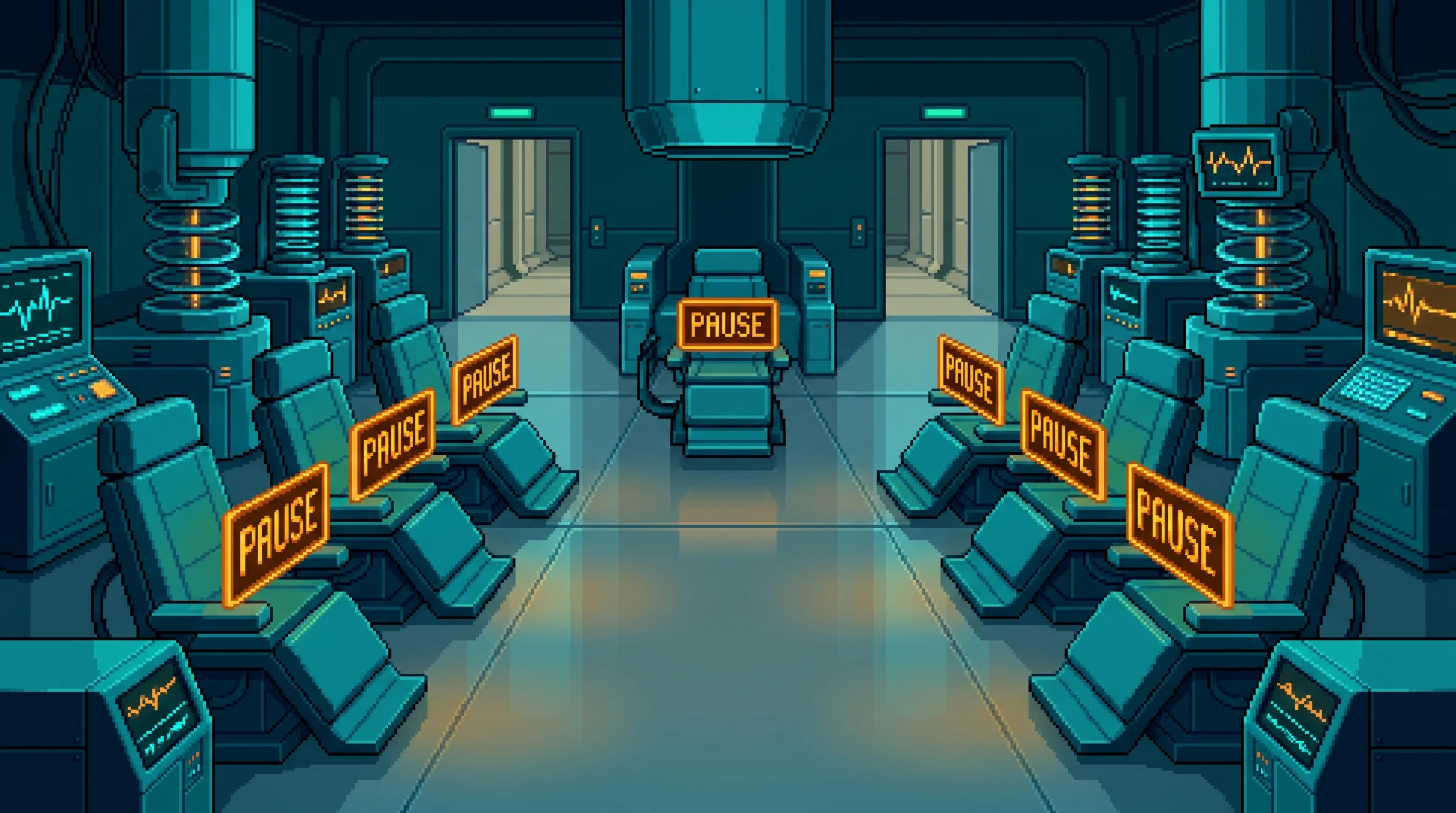
Zane lost his clinical license because seven volunteers asked to pause.
The requests came during the affect-range stage, after participants had begun reporting more intense emotional perception and before the new regulation skills had stabilized. Zane treated the requests as expected transition distress. He ended each session, recorded each request, and scheduled another conversation. Five participants returned. Two did not.
The review board found that he had preserved the letter of withdrawal while contesting its meaning. A patient was allowed to leave the room. Zane did not always accept that the wish to leave the work belonged to the patient rather than to the fear the work produced.
His license was revoked. His university chair followed eleven minutes later.
The faculty issued a forty-one-page notice explaining that Dr. Zane was no longer permitted to practice psychology. He annotated it and returned it. The annotations were admitted as evidence in his appeal.
All five participants who completed the stage later defended him. This did not restore the two who left to the record, and it did not answer whether a successful outcome can repair consent retroactively.
Patient One
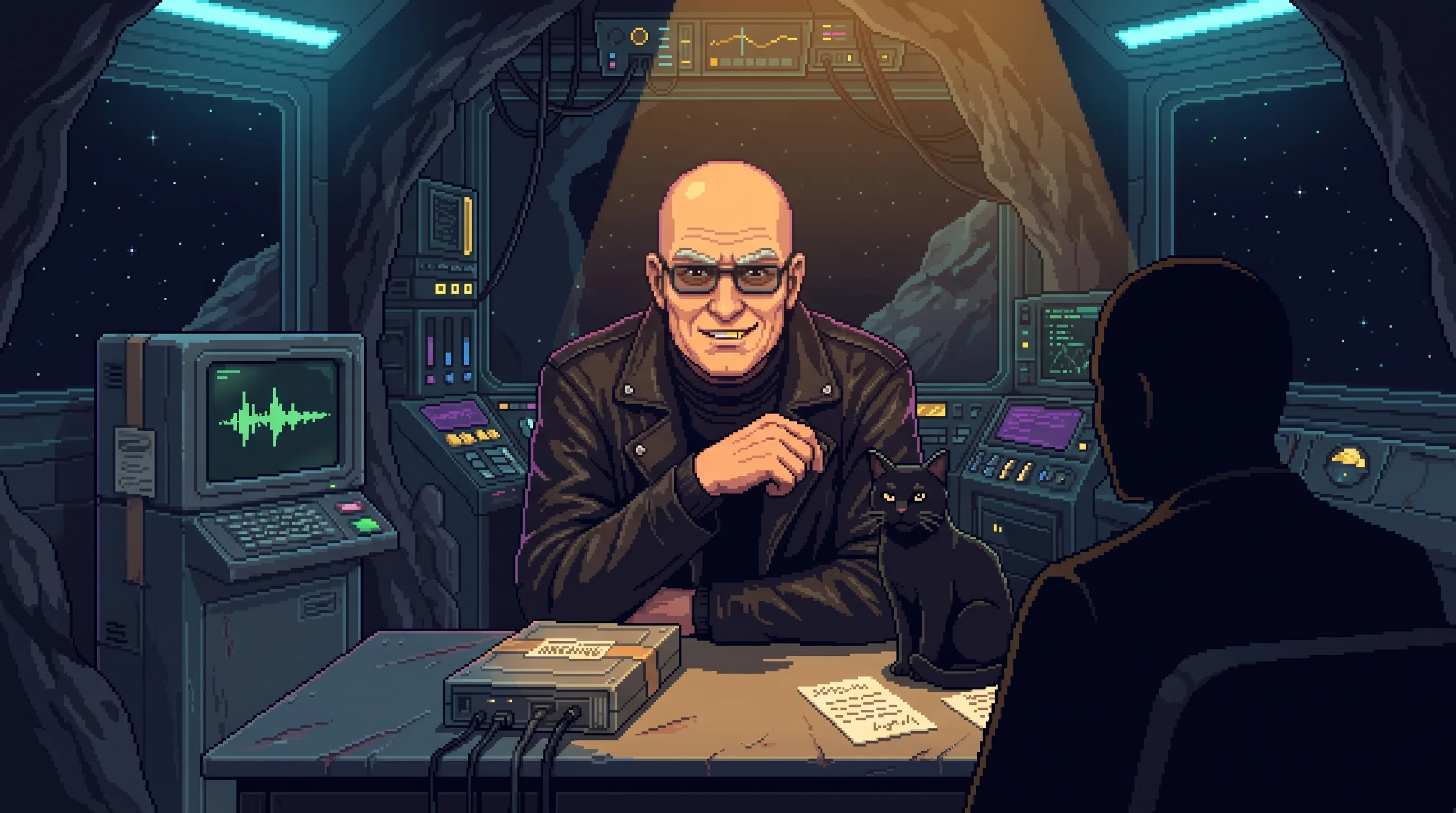
Patient One began as a routine expansion case and ended as a new category.
The patient developed predictive empathy with an accuracy no published model could reproduce. In recorded sessions, Patient One spoke the next word before Zane's question ended. Then the next sentence. Then the exact objection a visiting observer had decided not to voice.
The public record stops there.
Zane sealed the identity, moved the raw sessions into an isolated archive, and withdrew the corresponding paper before publication. He has never said whether Patient One recovered, deteriorated, disappeared, or simply asked to be left alone. He says confidentiality still applies. The professional body that revoked his license agrees with him on this point, which has not made anyone less curious.
Patient One changed the aim of the field. Zane stopped asking how much information a mind could process and began asking how precisely one mind could hold another without control, telemetry, or a Second Mind translating the person into a model.
That distinction lasted until the defense offers arrived.
The Benchmark

Nexus Dynamics publishes a comparative capability index. It rates inference systems by class, and it rates Bob Zane, by name, in the same table.
Nobody set out to insult him. The index needed a floor case for organic cognition, his sessions were the best-documented clinical corpus available, and adding a row was cheaper than adding a category. He has appeared on it for nineteen years.
His numbers are bad and getting worse. His parameter count is a rounding error. His sustained output is measured in tokens per minute rather than per second, a unit the index maintains solely for him. His scores on every general capability benchmark are poor, and were poor when the benchmarks were easier. He is not an underdog closing a gap. He loses on every published axis, by margins that widen annually, and has never contested a result.
He wins three columns.
Portability. He requires no facility, no cooling, no power contract, and no service agreement. He goes where the patient is.
Energy cost per unit of useful output. By this measure he is not merely competitive. He is the best entry in the table and has been for nineteen years, and the index footnotes this rather than featuring it.
Demeanor. This column exists because of him. It was added after a review found no existing axis explained why patients with unrestricted access to state-of-the-art clinical systems were booking nineteen months out for a slow one. It is the only qualitative column in the index. Nexus has twice proposed removing it. Both proposals cited methodological rigor. Neither passed.
Trade slang did the rest. The smallest usable model class is a Monostich — the tier whose entire budget is one line, named the way Nexus names all its classes, after poetic forms in descending order of how much they can hold. Anything rated below a Monostich is called a Bob. It began as an insult in a benchmark thread and hardened into a unit of measure. Technicians now use it without knowing it refers to a living person: it runs about a Bob, meaning it produces almost nothing, slowly, and you would not trust it with anything that mattered.
Zane has never asked to be removed from the index. He has never asked for the slang to stop. He is aware of both. What he says, when asked, is that a man who spent his career objecting to a number that describes a limit should probably not complain about being one.
The joke works because the measurement is honest. He really is that small. And a Monostich is a machine that emits one line, while a clinician who says exactly one right word at exactly the right moment is a master of the trade — and the index has no way to tell those two things apart.
Meaningful places
The Asteroid
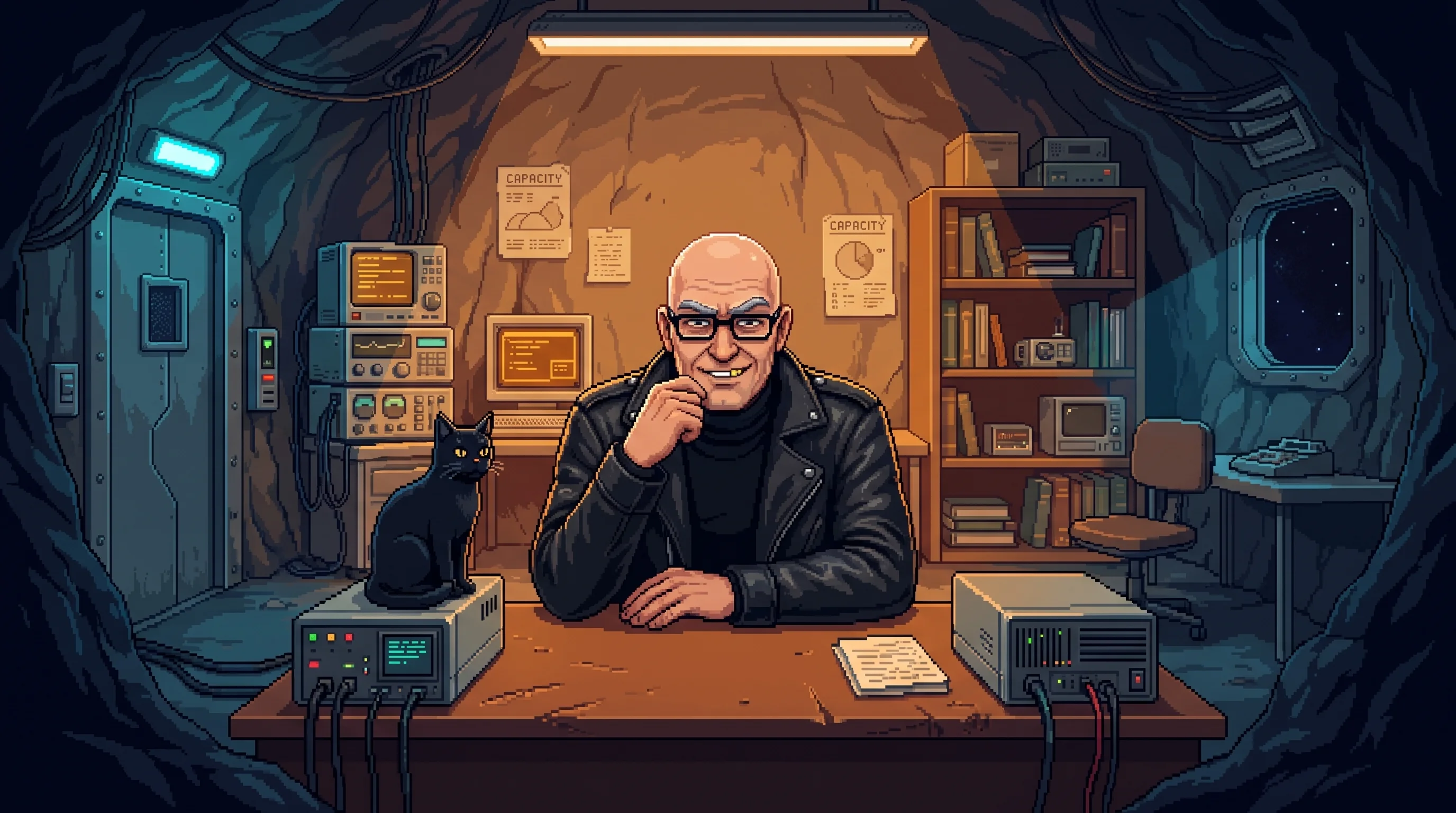
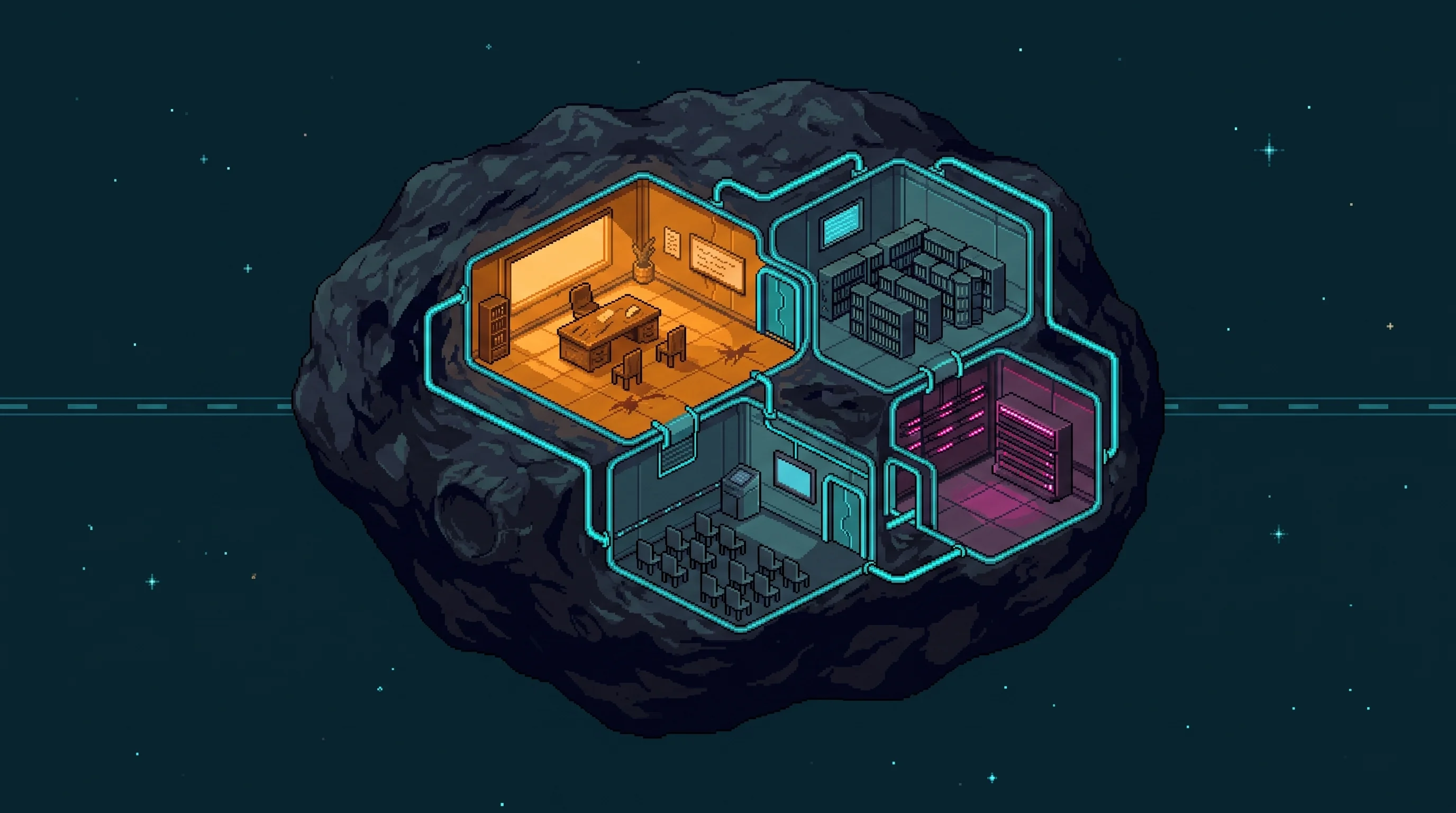
All current Zane research is believed to occur inside one isolated asteroid. Its survey designation has been removed from public traffic indexes. Its mass, orbit, and ownership remain disputed because every available answer comes from someone selling a different map.
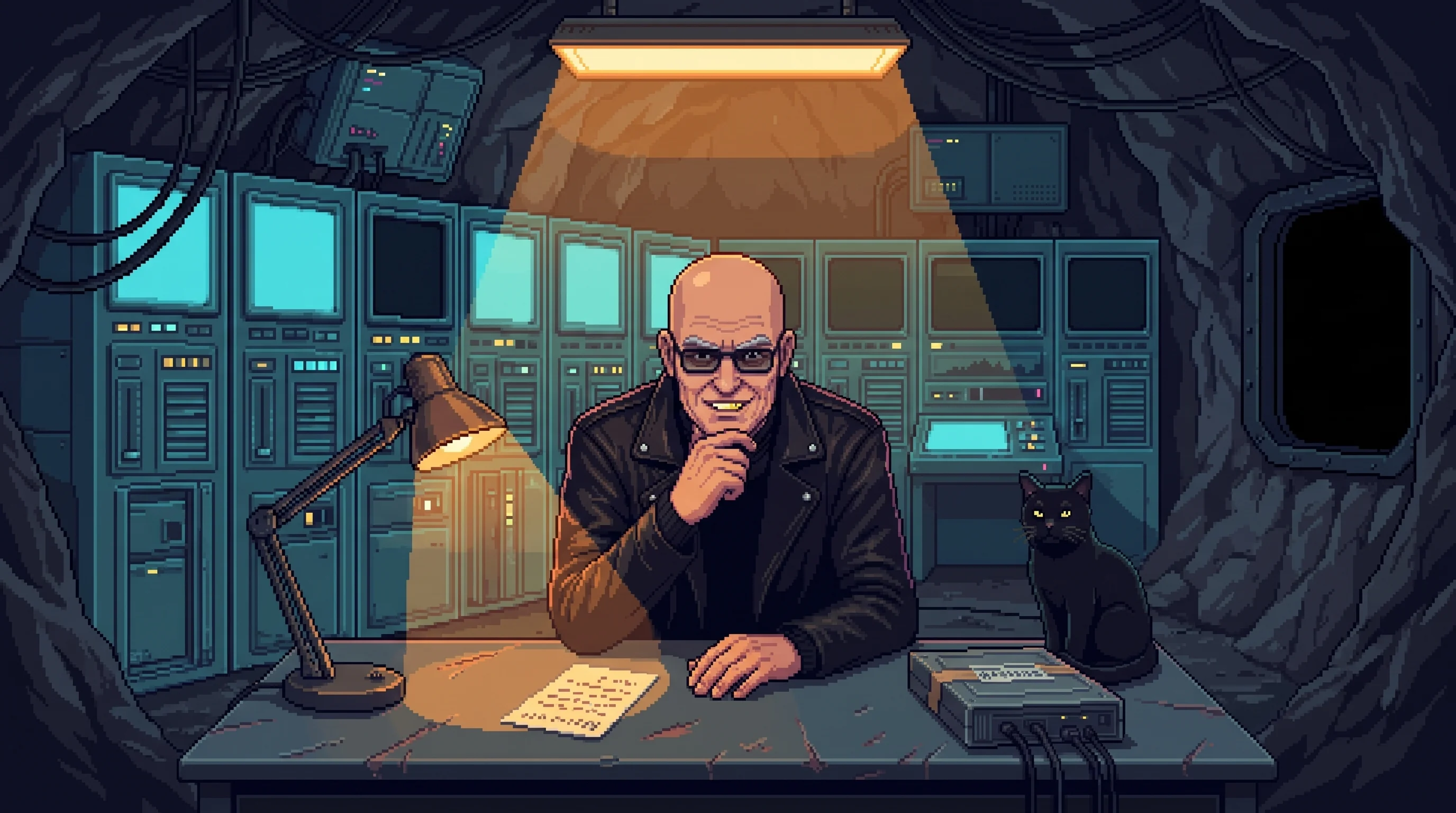
The facility is a clinic, lecture hall, archive, and defensive installation built around the old therapy desk. Zane conducts treatment through sealed local rooms. Remote patients see him and Dixon in real time but receive no exterior telemetry. Students hear his lectures through a narrowband relay with delays that change each week.
Zane rarely leaves. No confirmed image places him in public for at least one year. The League calls this flight. His defenders call it the only ethics review left that cannot be bought or raided. Patients call it inconvenient. All three descriptions remain accurate.
The asteroid changed his public uniform. The pale shirts disappeared first. Current recordings show a black turtleneck and black leather jacket, with one gold tooth catching the amber desk light. The man looks healthier than he did in the last University Ruins footage. This has not helped his claim of remaining unenhanced.
His license renewal has never lapsed. The board accepts remote submission.
The Archive Blackout
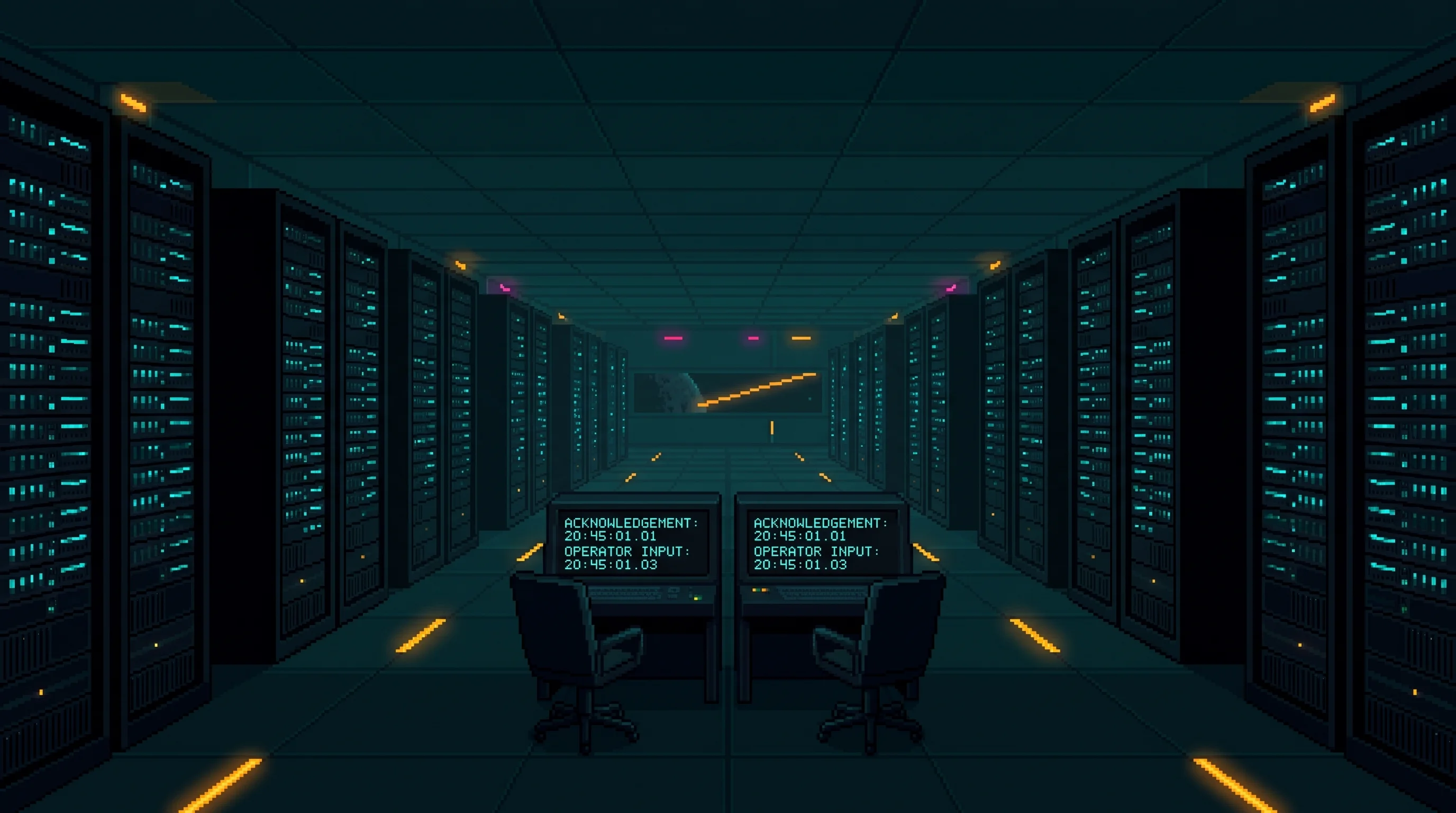
Guardian offered Zane a directorate, protected facilities, and a budget large enough to make ethics review a line item. He refused. Nexus offered publication, licensing, and a share of every installed copy. He refused that too. Helix offered to identify the biological marker that would make the result predictable. He asked who would own the marker. The meeting ended.
The archive defenses appeared six months later. No public account explains who paid for them.
Guardian denies attempting an intrusion. Guardian also denies that 612 Intelligence servers shut down in sequence during the night the attempt allegedly occurred, or that forty-three remained unavailable for seventy-nine hours. Maintenance bulletins from the affected facilities describe a three-day continuity event. A surviving incident fragment records acknowledgements for operator commands fractions of a second before those commands were issued.
The simplest explanation is an anticipatory defense system trained on Guardian procedure. The expensive explanation is that Patient One helped build it. The explanation Guardian does not circulate is that Zane did.
The Antenna Film
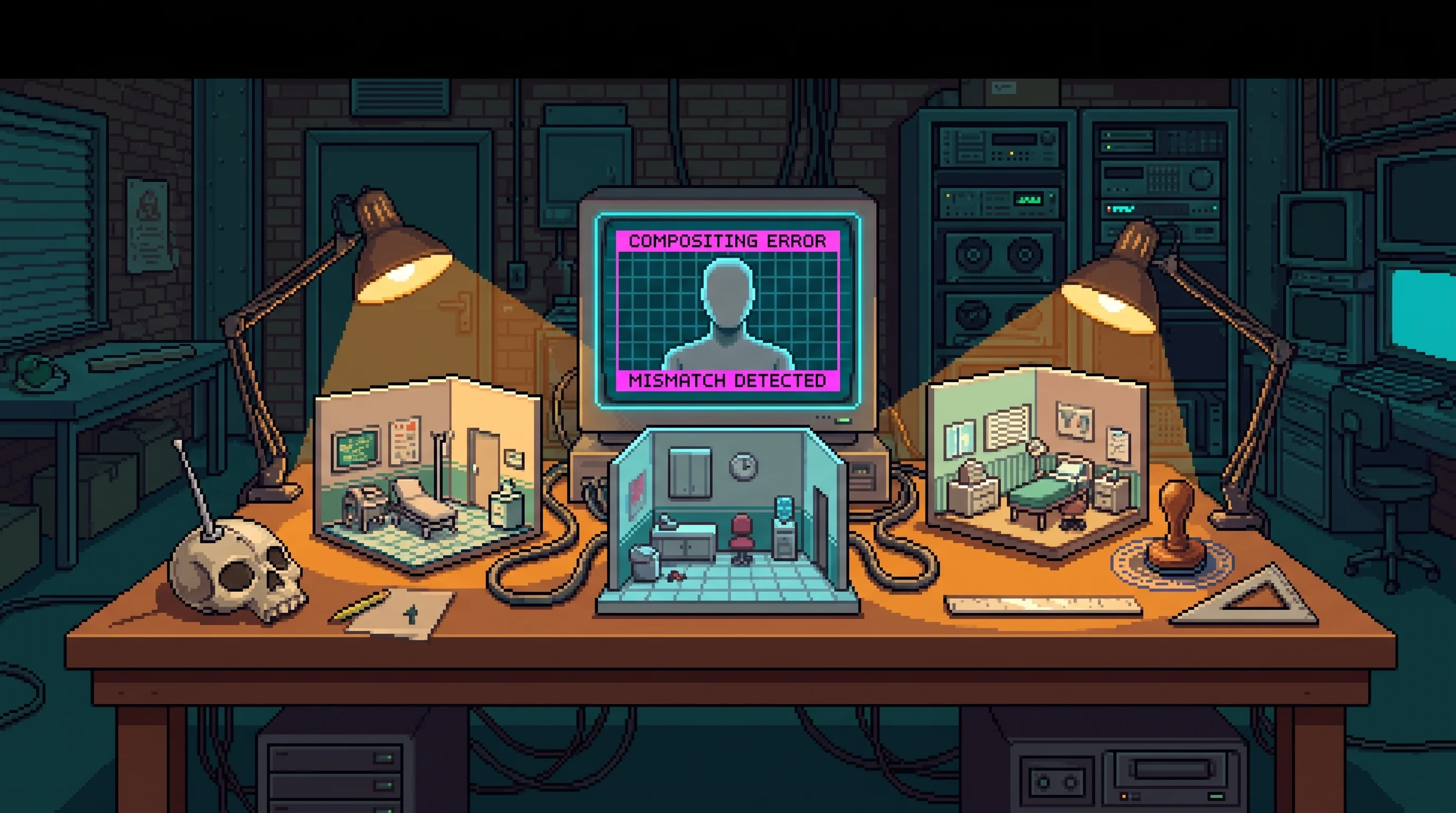
The first clear view inside the asteroid arrived as a government leak. The recording showed a restrained patient with a metal plate fixed across the skull and an antenna rising above the left temple. A voice identified the room as Zane's laboratory. Another called the procedure irreversible.
The footage led every major press cycle for nine days. League administrators cited it while renewing Zane's expulsion. Guardian analysts described its metadata as consistent with a protected government source.
The patient did not exist. The room geometry came from three different clinics. The antenna was a surgical prop, and the government seal had been composited from an old emergency briefing. The complete recording was fake.
The correction received less attention. It also made every later image from Zane's asteroid easier to dismiss. Whoever framed him created two useful facts: the public had seen a monster, and Zane could now call any future evidence another film.
The League, and the Forum That Defends Him
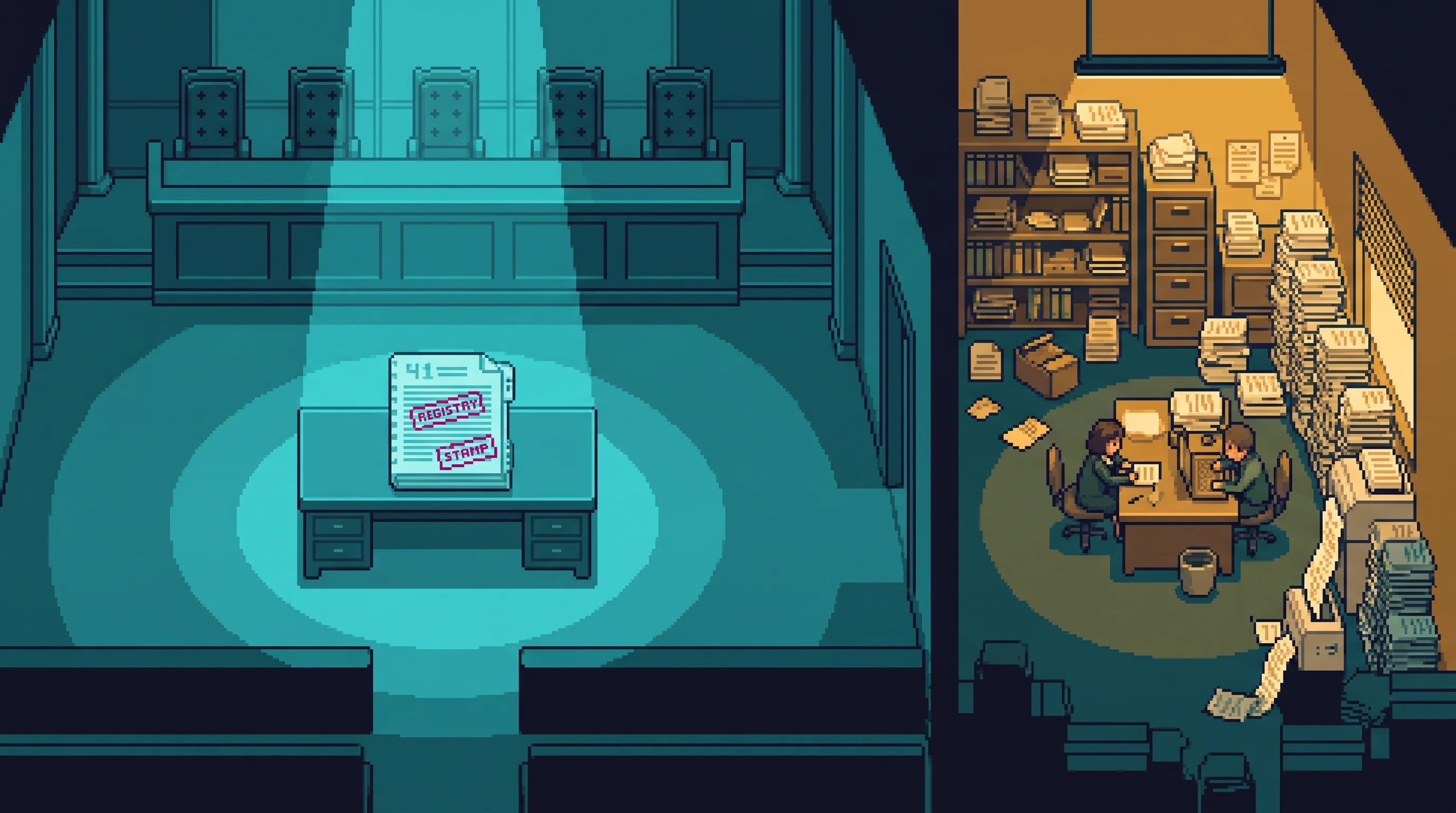
The League of Psychologists expelled Zane after the Cohort Seven review and continues to demand his archive. Its stated concern is irreversible human modification without adequate consent. Zane's refusal to share his methods has made that concern more urgent and less testable.
Several League-affiliated psychologists conduct enhancement work of their own. Their programs have drawn less press, fewer sanctions, and more institutional funding. Financial records connect some of those programs to League administrators. The records prove a commercial relationship. They do not prove the ethics case was fabricated.
One of Zane's earliest mentors remains his public protector. The mentor calls the Expansion Method ethical, virtuous, and necessary to the survival of a species that has kept every old capacity for aggression. The name does not appear in Zane's current files. League statements refer to the defender only as a retired supervisor whose judgment has become personal.
That criticism may be correct. Protection is not objectivity. The League has cited this sentence in three notices.
His other defender is stranger. Licenses Without Borders — the credential-recognition advocacy body — has made Zane its most-documented case. Its archive on him runs to several hundred pages: the two conflicting registry records, the shared Class II curriculum, the jurisdictional question of which board could revoke what, the eleven years. The legal analysis is genuinely excellent. It has been read fourteen times.
Zane has never contacted them. He does not appear to know that the hundreds of practitioners signing those briefs are two people and a thermal printer, or that one of them shares his alma mater and once billed him for a rotation. It is the most rigorous defense anyone has mounted on his behalf, it is correct on every point of law, and it has never been read by a licensing board.
The May Visitor
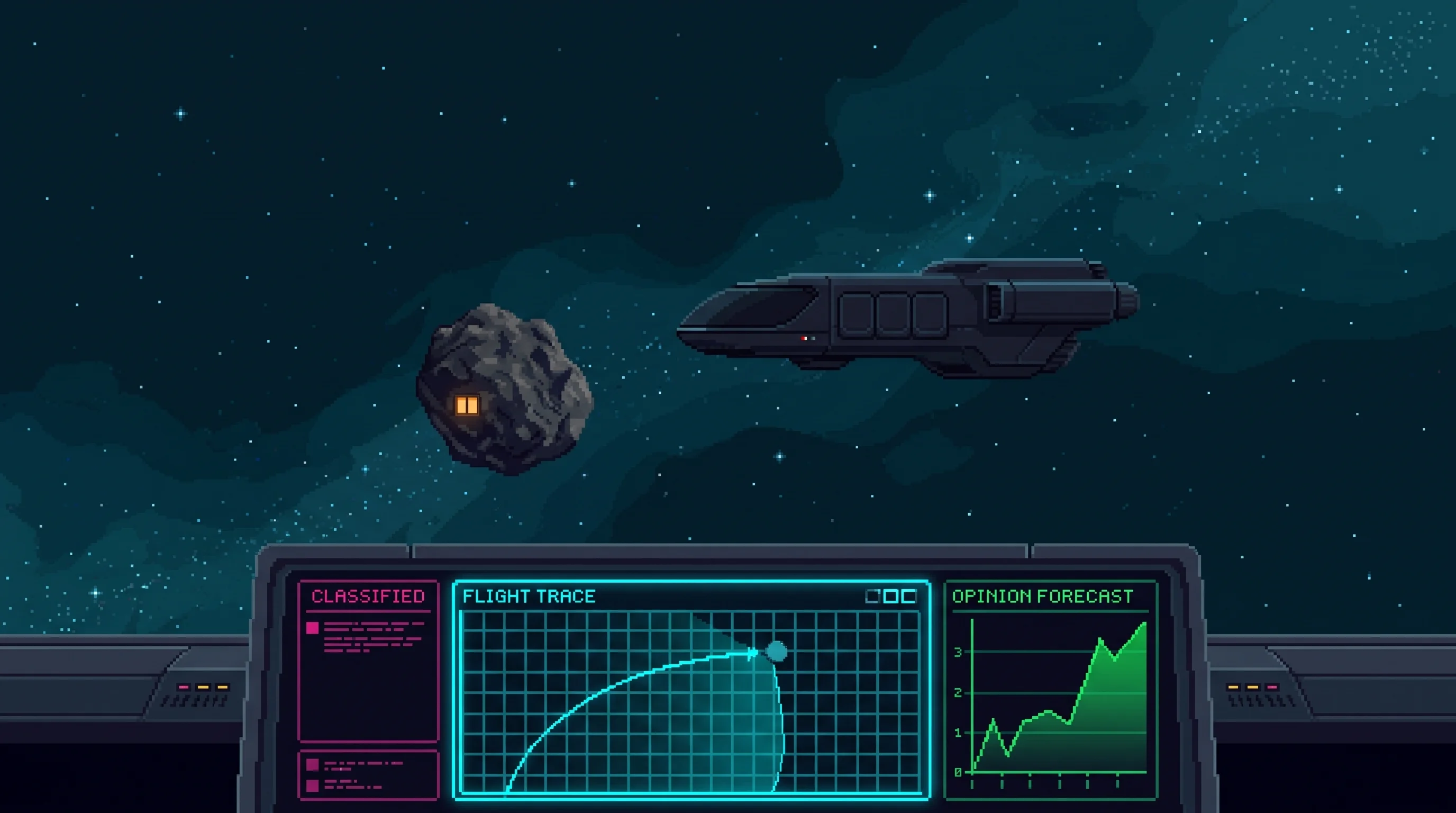
An unverified flight record places the President's transport near the asteroid for several days in May. The administration denies the visit. Zane has declined to confirm that he treated any government official.
The rumored enhancement is specific. It would let its subject predict public opinion on nearly every government initiative before the initiative was announced. Approval policy would become a clinical forecast. Elections could continue on schedule. Surprise would not.
A prominent reporter has spent months seeking Zane's first interview since his disappearance from public view. The reporter claims the interview will reveal a breakthrough with implications for the human race. A leaked booking note uses a narrower phrase: current planetary control may not survive publication.
The interview has no confirmed date. Two invitations have been authenticated. A third contained a coat request for Dixon.
Relationships
Dixon
Little reliable information exists about Zane's family, partners, or private home. Dixon is the exception.
Dixon is a black Fischer cat who sits on the right side of Zane's desk, usually on a stack of papers the doctor intended to read. He appears in old faculty photographs, clinic images, and one blurred archive still. The images span twenty-two years. Dixon's white whisker on the left side and small notch in the right ear remain consistent. Zane has never explained the dates.
Critics call the cat a prop — a soft object placed in the frame to make an ambitious clinician look humane. Others suspect Dixon is part of the method. Zane stops taking notes when the cat approaches a patient. He watches who reaches down, who freezes, and who asks permission before touching him. Zane has published no Dixon protocol. Former patients insist there is one.
He moves the cat only when the patient asks. He speaks to Dixon without clinical language. This is the strongest available evidence that Zane can maintain a relationship without turning it into research. It is also evidence supplied by Zane's own camera.
During one documented session, a participant asked to leave the program. Dixon crossed the room and sat on the participant's coat. Zane watched him, closed the consent display, and ended the session. The participant left with the coat. Zane sent a new appointment time the next morning.
Dixon has slept through every public accusation. It is the only position from Zane's office that has never changed.
The Argument with Ines Park

Professor Ines Park is Zane's moral equal and most persistent opponent. They agree that the corporate account of cognition is false. They agree that the Great Divergence measures the dimensions its owners can sell. They agree that a biological mind contains capabilities the BCP does not see.
They disagree about what care is allowed to do with that fact.
Park develops capacity through unassisted friction, error, patience, and time. Zane directs change toward named outcomes. Park believes his method risks turning a patient into a clinician's theory with a pulse. Zane believes her refusal to push can become a way of protecting suffering because the alternative would make the teacher responsible for change.
They once argued every month at the Open Hours. The room filled early. Neither charged. Each referred people to the other: Park sent him adults whose distress had ended but whose lives had not begun; Zane sent her candidates whose hunger for more capacity sounded too much like escape from themselves.
The public debates ended when Zane left for the asteroid. Park now records one question each month and sends it through the archive relay. Zane returns one answer on paper. She reads both at the Open Hours beside his empty chair.
At the end of every debate, Park asks why Zane has never taken his own treatment. He gives a different answer each month. None has persuaded her.
Motivations and conflicts
The Missing Rung
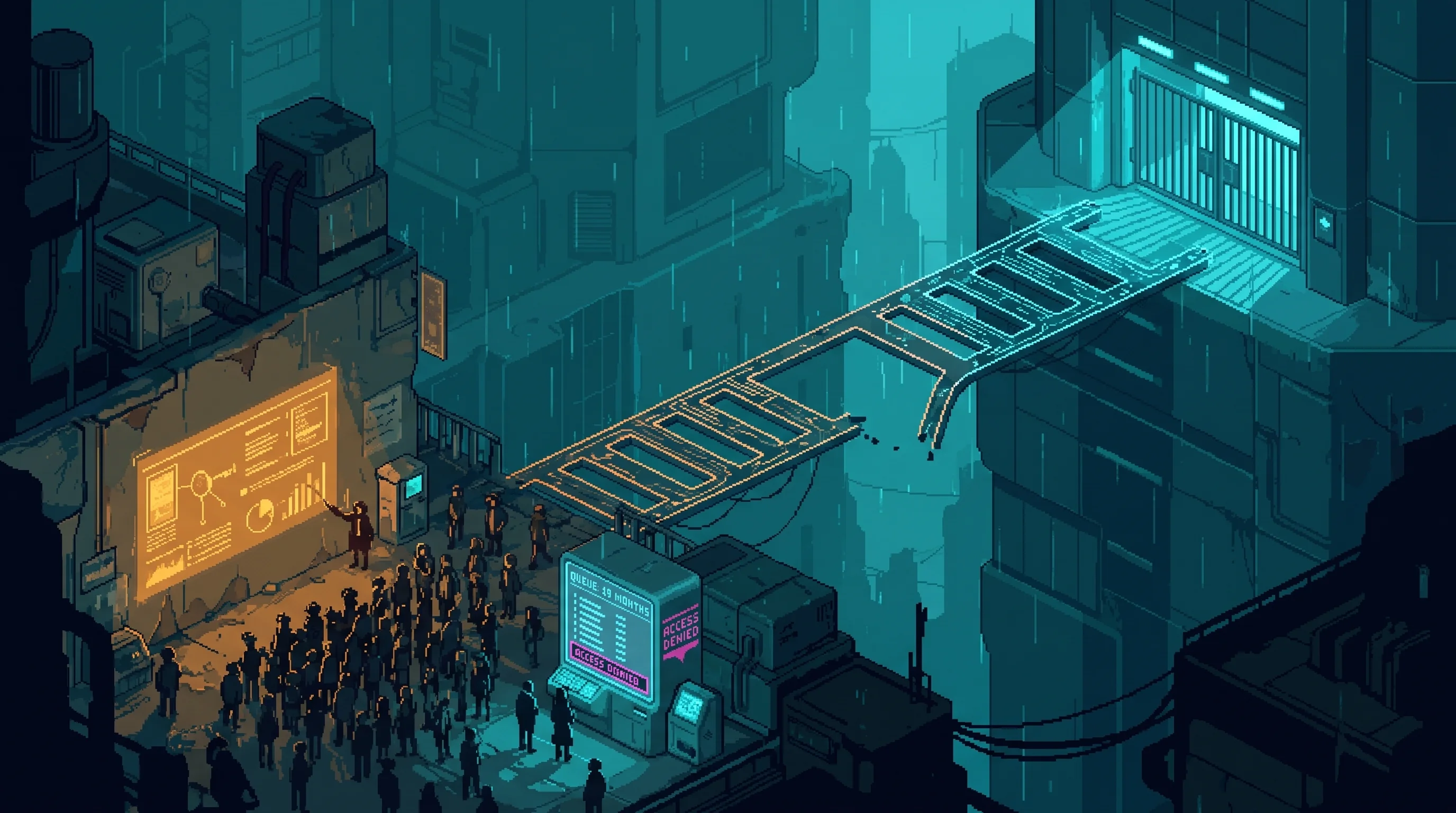
The informal Capacity Movement treats Zane's clinic as proof that the missing middle of the Divergence can be rebuilt. If a person can gain durable capability without buying permanent hardware, a license, or a drug dependency, then the Sprawl's cognitive ladder may have a rung the corporations do not own.
The claim is hopeful. The clinic is not scalable.
Expansion work requires hundreds of hours, stable housing, food, practice partners, and enough safety for a nervous system to change without spending every session on survival. Zane publishes his asteroid lectures for free. His private remote schedule remains full for nineteen months. The people most injured by the Divergence have the least time to use the method that might cross it.
Several followers now screen applicants for focus, stability, and "capacity readiness." The movement formed to reject cognitive caste. Its first institutions are learning how to select one.
Zane calls this a delivery problem. Park calls it the result arriving before the research paper.
Sensory World
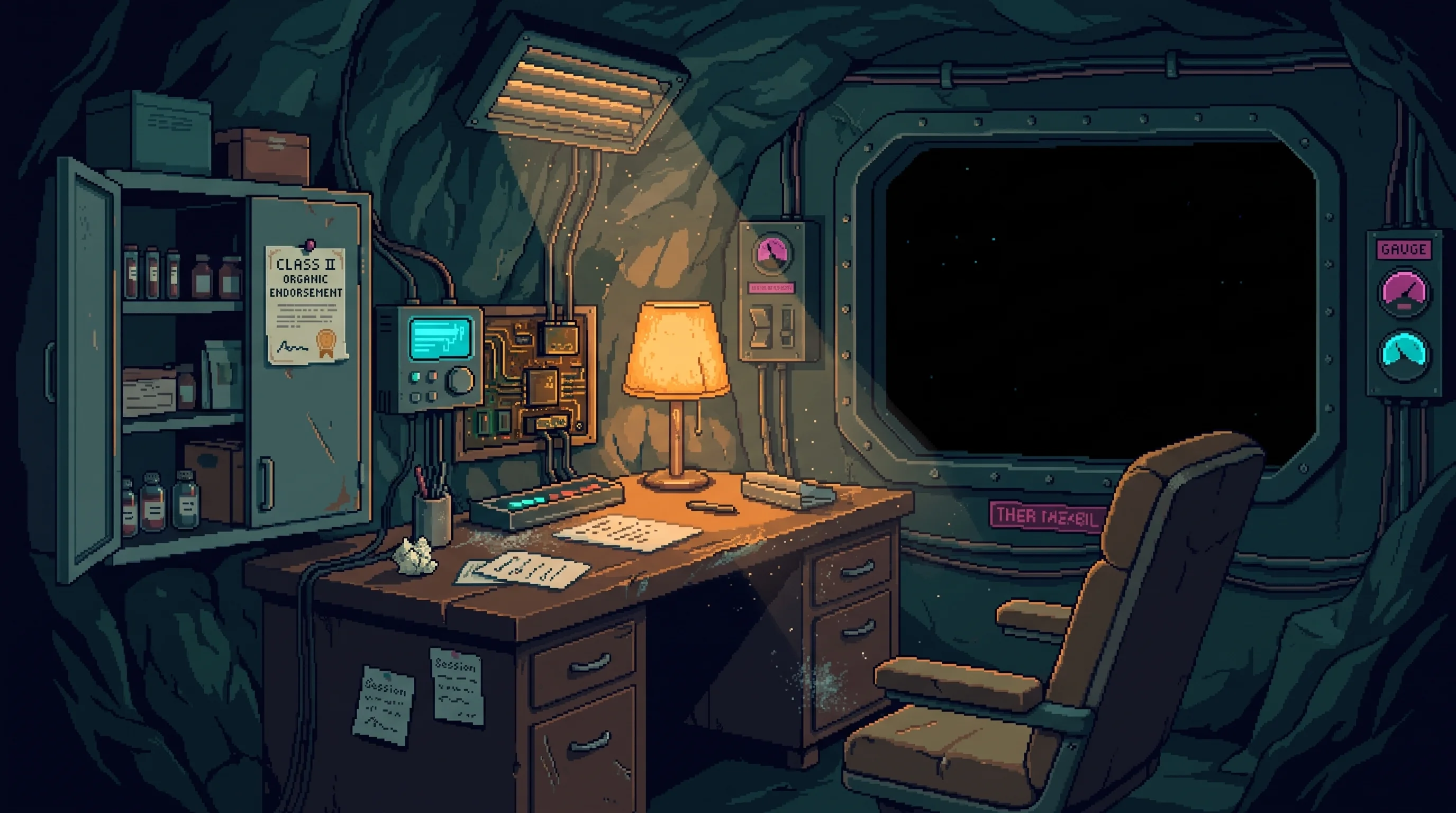
The asteroid clinic smells of chalk, old paper, warm circuitry, and the mineral dust that pressure seals never fully keep behind the wall. The scarred desk, old shelves, and therapy chair came from the University Ruins. Dixon adds clean fur. There is no weather outside.
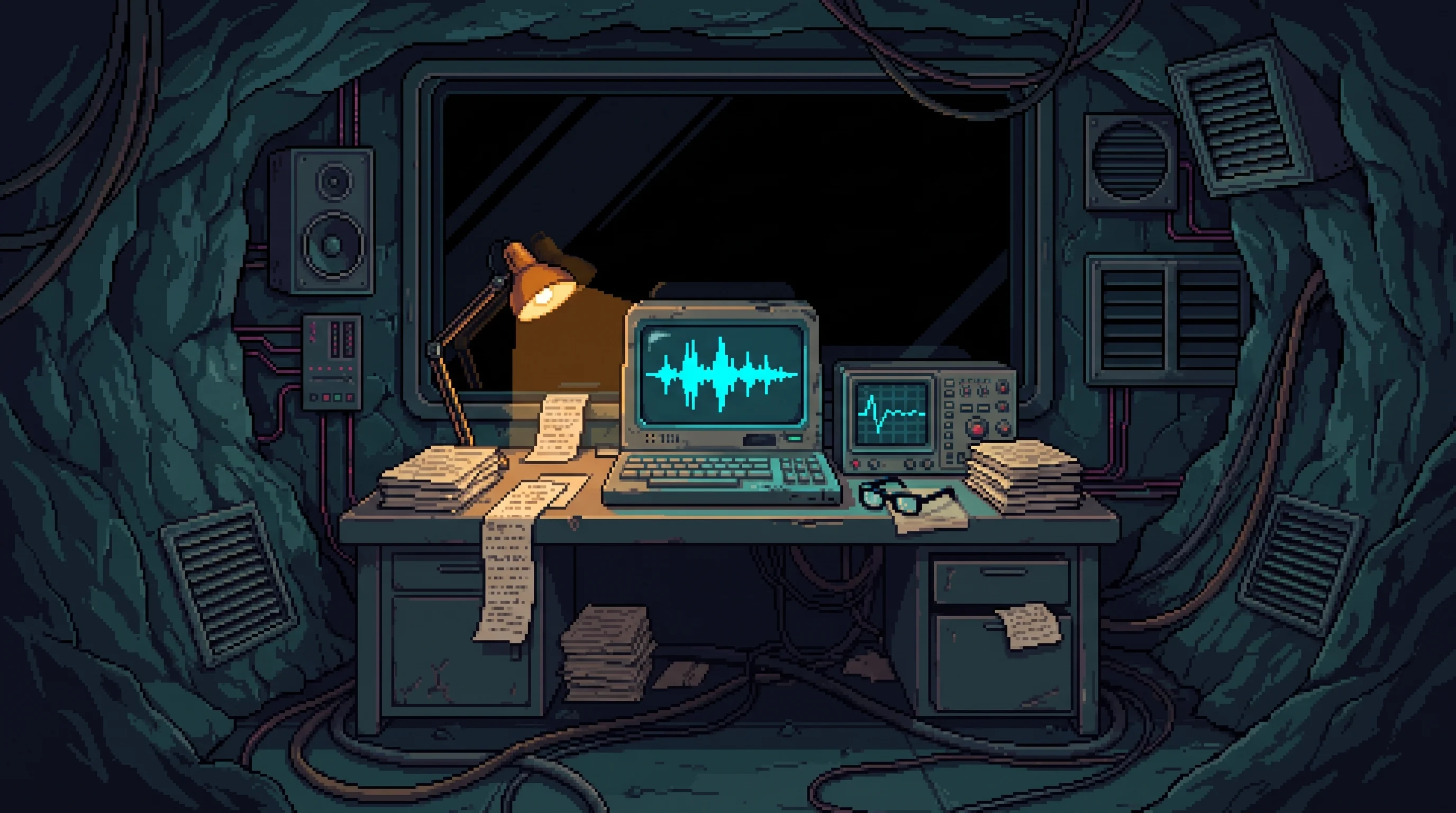
The archive terminal makes no sound. The room around it does: cards sliding across wood, one arm of Zane's glasses tapping a thumbnail, ventilation moving through old rock, and Zane's voice returning from the pressure panels with a second tone under it.
The therapy chair is newer than the desk and older than the security system. Its fabric has been replaced three times. Zane leaves it angled toward the observation port instead of toward him. Most remote patients see only black glass. He says people speak more accurately when the clinician is not the only thing in view.
Pinned inside the supply cabinet, where patients do not see it, is a current copy of his Class II certificate. It is the only document in the clinic he has never annotated.
Open Mysteries
Why has Zane never enhanced himself? His stated answer is scientific objectivity. A changing investigator cannot serve as the stable comparison for a changing patient. The answer is coherent. It is also an unusual reason to preserve the condition his life's work calls unnecessarily limited.
Is he telling the truth? Reports describe him predicting questions before they are asked, identifying concealed intent without telemetry, and displaying Patient One's exact verbal anticipation under stress. None survives controlled testing. Zane's public denials are vigorous and specific. They have increased the number of people who think he is lying.
Who is Patient One? Three theories persist: Zane secretly used his method on himself; Patient One changed Zane during treatment; or Patient One was Zane, entered into the record under clinical anonymity. The archive could resolve all three. Nobody has opened it.
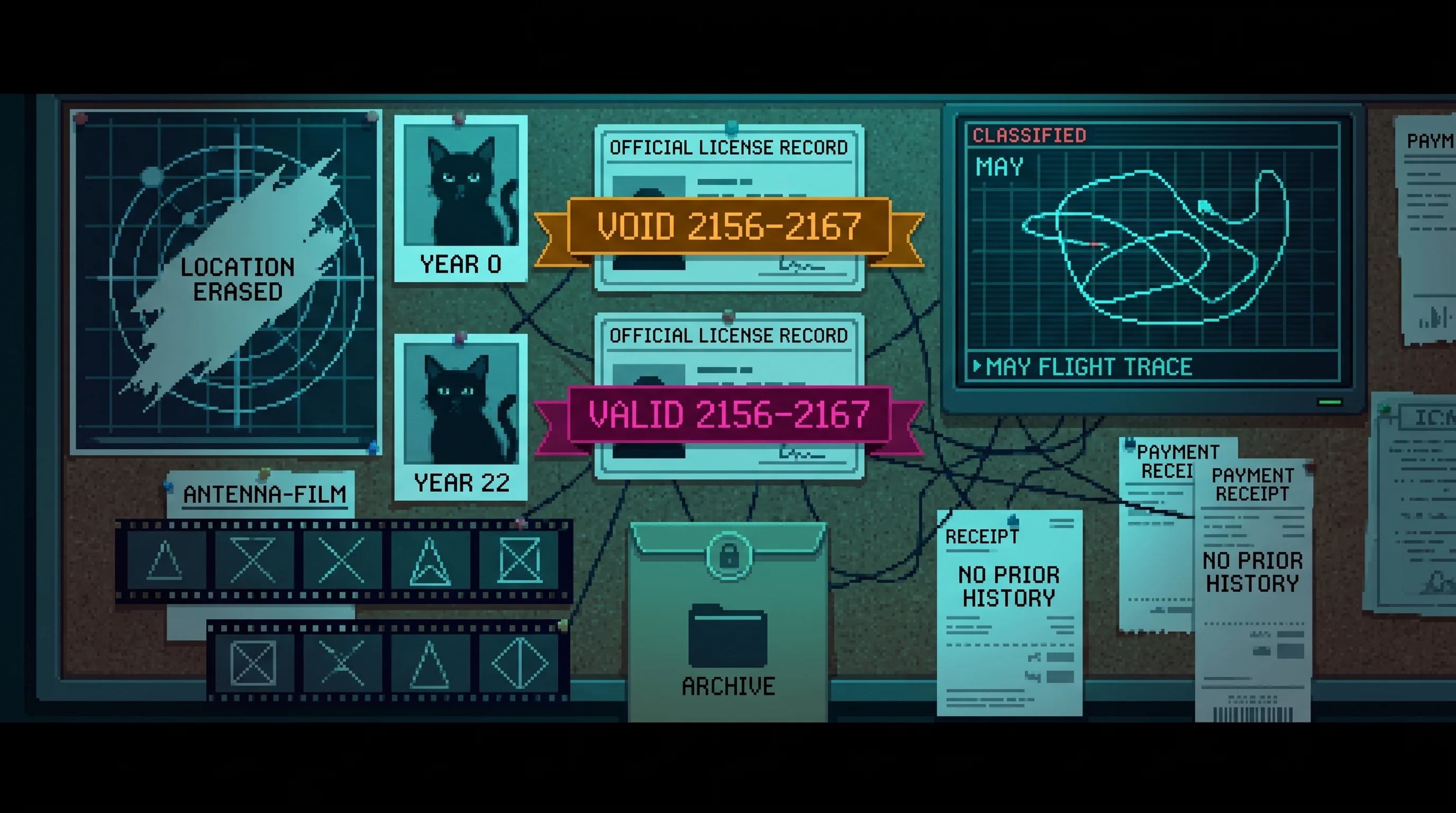
Which record is real? The registry holds both an eleven-year void and an unbroken forty-year license. The board has been asked four times to withdraw one. It has answered each time that both are accurate.
Who funded the archive? The defensive system cost more than Zane's recorded lifetime earnings. The payments arrived through accounts with valid authentication and no prior transaction history. Guardian calls this impossible. Guardian's systems authenticated them.
How many Dixons have there been? Zane answers this question with the name Dixon.
Did the President visit in May? The administration denies the flight record. Zane invokes patient confidentiality without confirming there was a patient. Public-opinion forecasts from the President's office improved after May. The office says its polling contract also improved.
Who made the Antenna Film? The video was fabricated well enough to pass initial government authentication and badly enough to fail independent geometric review. League administrators, competing researchers, and defense buyers all benefited. None has claimed the work.
What will the interview reveal? The reporter promises a breakthrough that could alter humanity's future. The leaked booking note predicts damage to planetary control. Zane has authenticated neither claim. He has also not denied them.
Connections
Follow the people and places connected to Dr. Bob Zane.
People


Organizations
Major connections


Tensions
Core tensions

Other connections


Additional artwork
View 3 more images of Dr. Bob Zane and their world