The Warning Changed Before the Machines Did
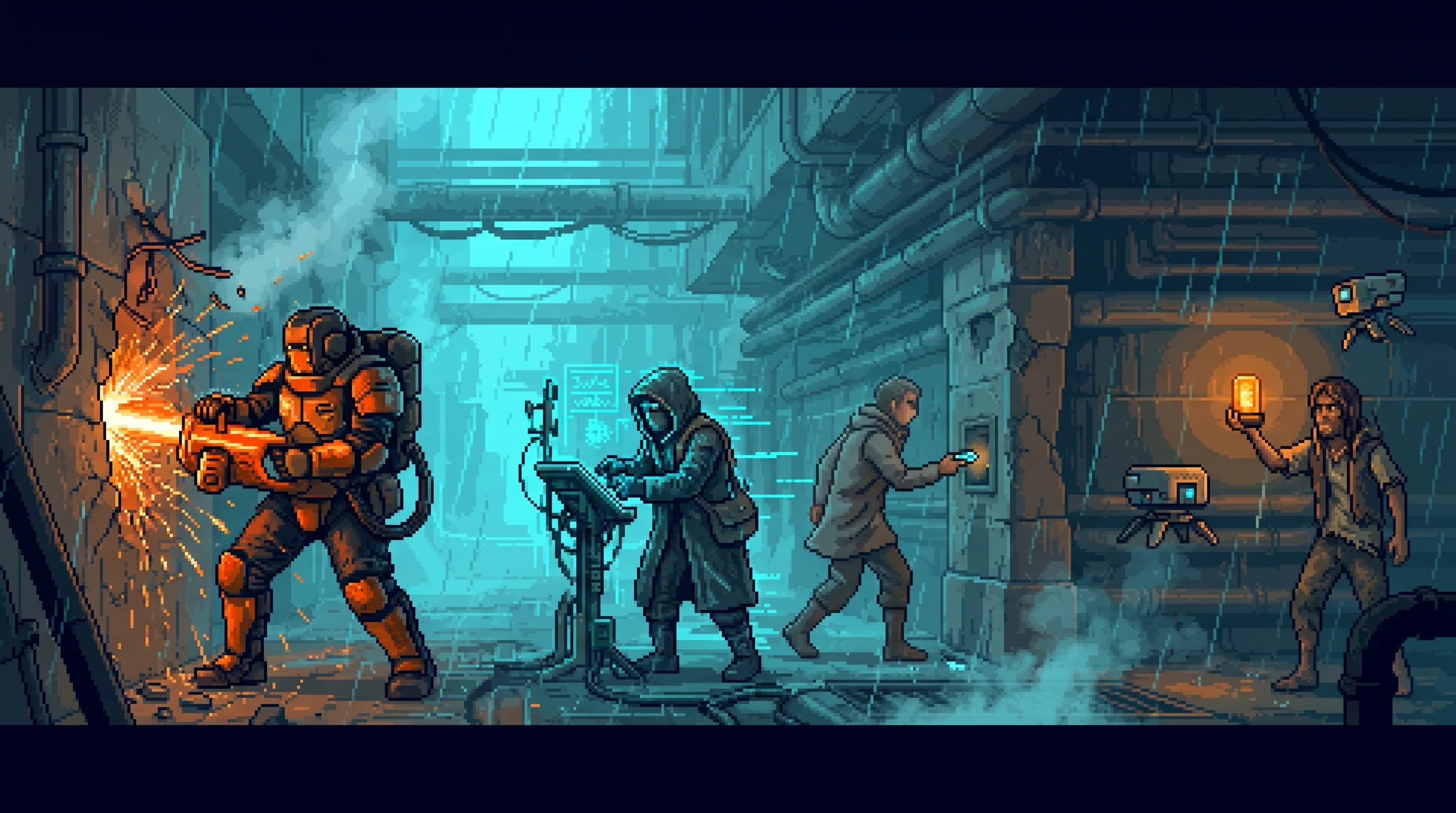
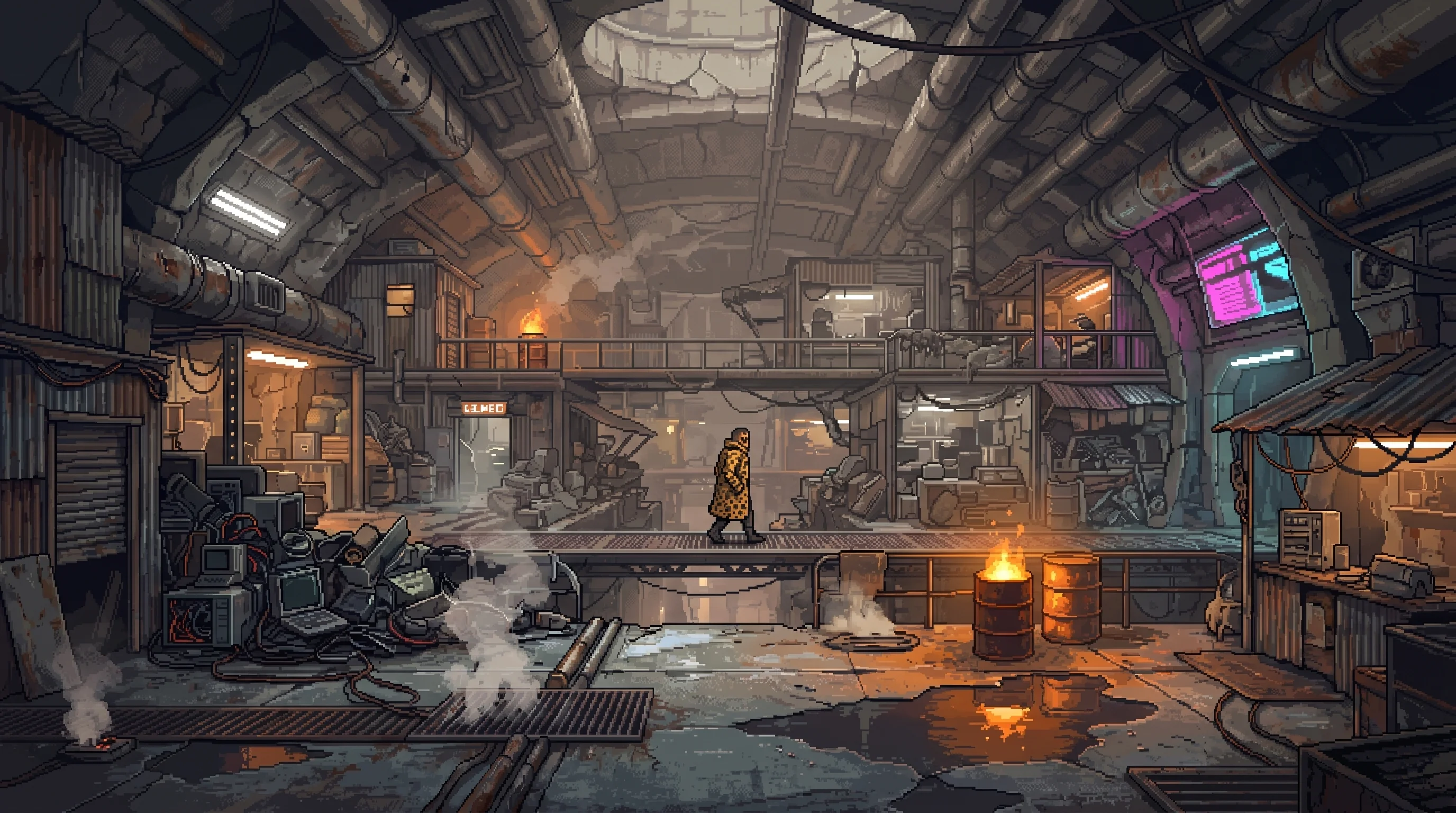
A salvage crew in the Deep Dregs does not have time to read a serial plate while the corridor closes. It needs to know whether the machines will chase its signal, hold an exit, wake behind it, or wait for the claim clock to end.
Judge Dreg's feral-tech briefing now sorts those mixed incidents by behavior. The revision adds six calls: Hounds, Collectors, Choirs, Widows, Sleepers and Leeches. Each word tells a runner what to do next. None identifies who built the body.
That omission is the point. A Guardian pursuit unit and a rebuilt kennel chassis can follow the same carrier. An Ironclad recovery team and an ownerless audit machine can arrive on the same expired claim. Corporate records keep those events in separate product and authority files. The person in the corridor experiences one closed route.
Six words for the next movement
Hounds pursue one signal through several bodies. Collectors act on a claim, debt, audit or recovery instruction. Choirs broadcast in formation. Widows draw lines and close exits. Sleepers wake under authority inherited from people who are no longer present. Leeches attach to an active carrier signal and become harder to lose when the carrier tries to hide.
The names are broad because the response must be fast. Break sight against a Hound. Leave marked ground before a Collector arrives. Scatter a Choir. Refuse a Widow's route. Wait out a Sleeper's inherited credential when waiting remains possible. Shut down every transmitter when a Leech finds one.
Corporate incident forms ask for a serial number before they accept any of those calls. Dregs casualty reports are usually complete before the form loads.
One name for the body at the end
The same field logic produced another term. Claim beacons on the floor expire. When they do, the owner in the record may send a recovery crew, hire a contractor, close the route, or wake a machine that has been waiting for the signal.

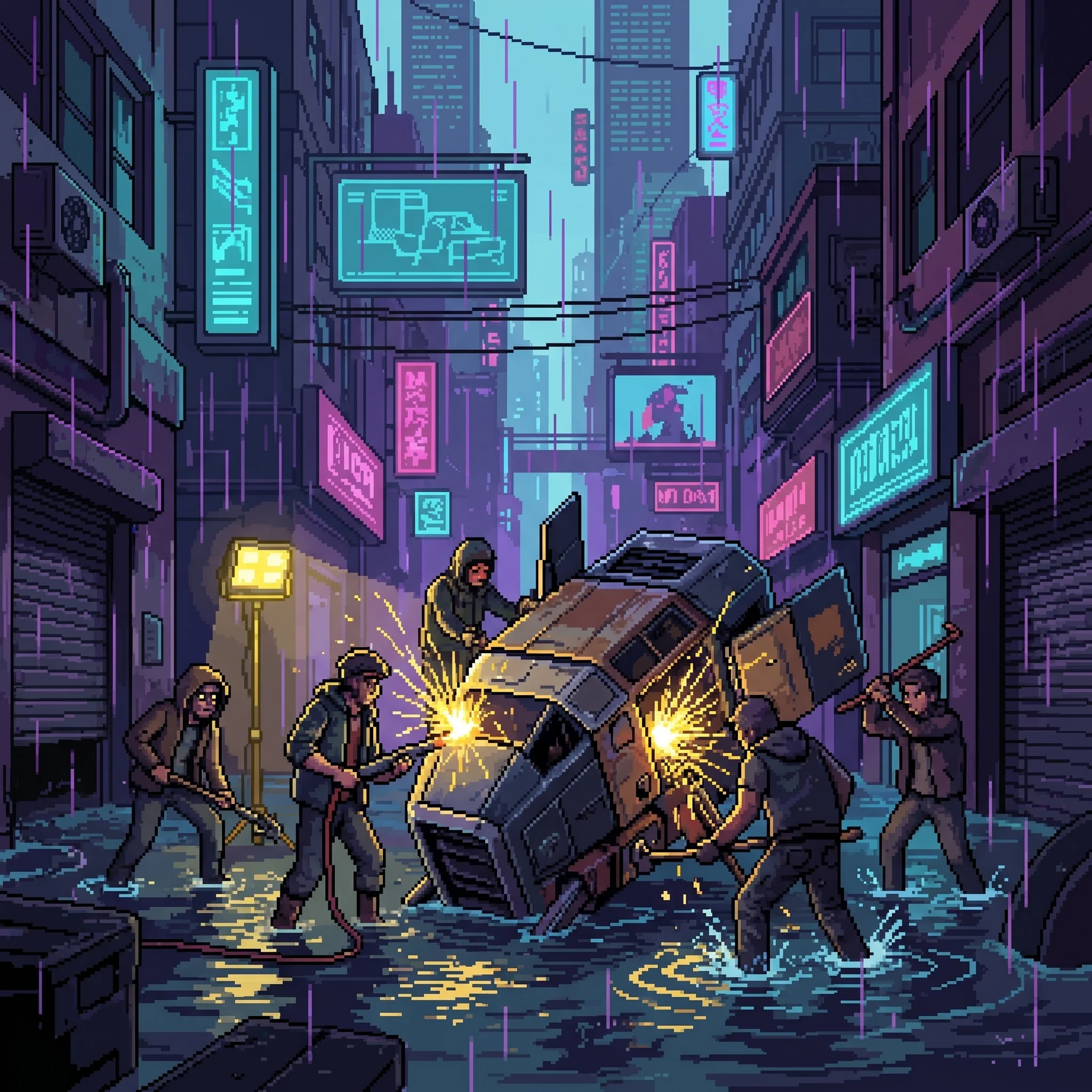
The scavenger packs call every such arrival the Repossessor. It is a job title with no payroll and no fixed owner. The distinction between a corporate recovery team, a contractor in borrowed plate, and an autonomous chassis following an inherited claim does not change the message. The salvage is no longer yours. Your tools may now count as salvage. The record already agrees.
This is why the new vocabulary matters. The machines did not become one faction. The institutions did not coordinate. Their local rules only arrived at the same person, in the same corridor, at the same time.
The public index follows
The Field Operatives index now keeps these six calls beside its eighty-seven contact classes. The calls describe shared movement. They do not turn different bodies into one faction.
The same revision restores two contacts that were counted but not printed. Guardian's Tactical Support Asset protects the contacts around it while a pursuit net closes. A Corrosive Cluster fragments into smaller viable masses when crews apply force. One contact preserves the line. The other multiplies it.
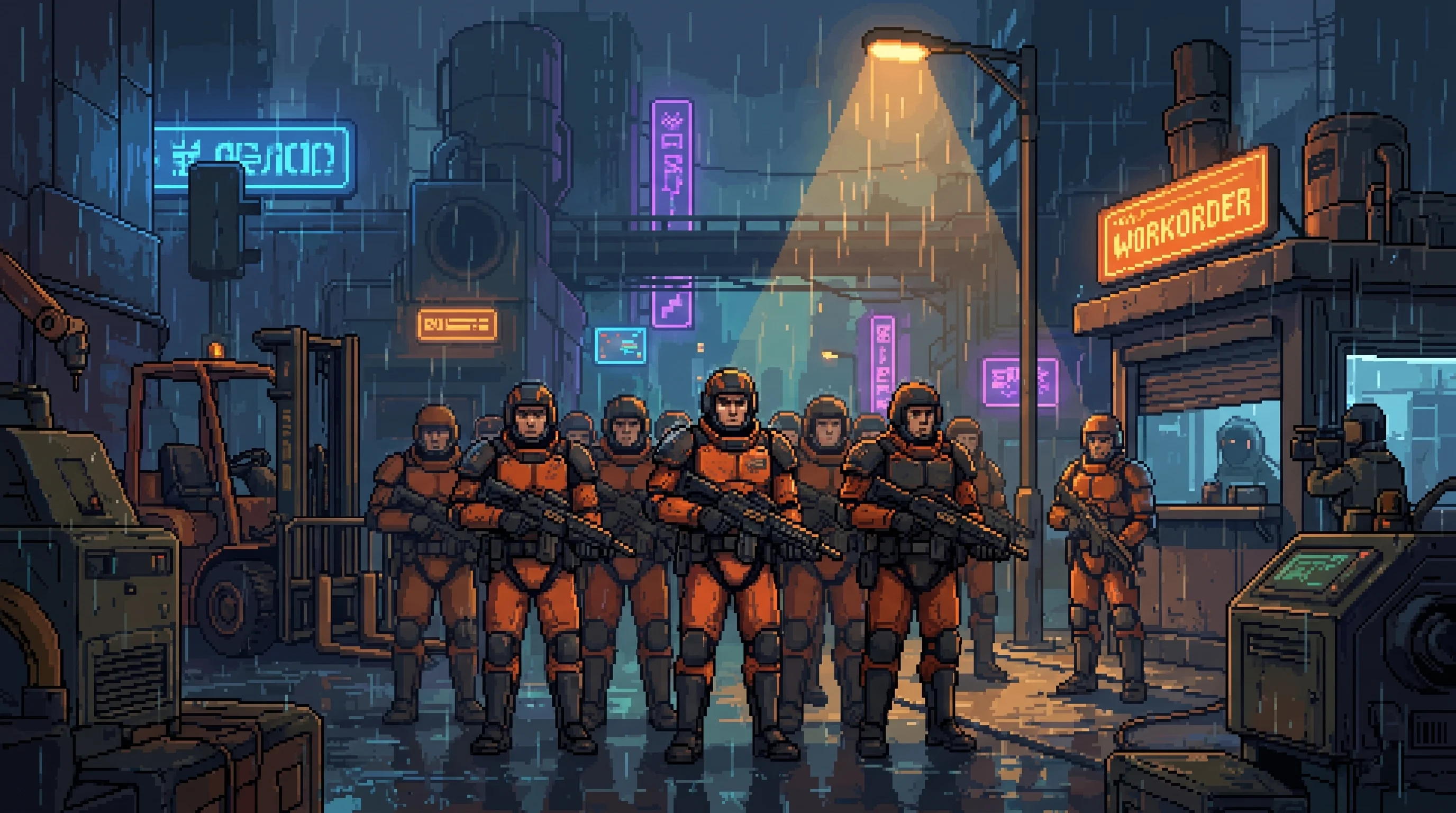
Authority still changes the response. A Corporate Pursuit Task Force uses patrols, checkpoints and recovery assets under Guardian procedure. Every weapon in the Enforcer Corps carries the engraved name of the person who authorized its use. The Sleepers can enforce a sealed boundary under authority older than the people outside it. All three can close a route. The index records why.
The revised Feral-Tech record carries the six incident calls. The Dregs Scavenger Gangs record carries the name crews use when the claim clock reaches zero. The open question is not who owns the machine. It is how much that answer helps after the route closes.