Identity
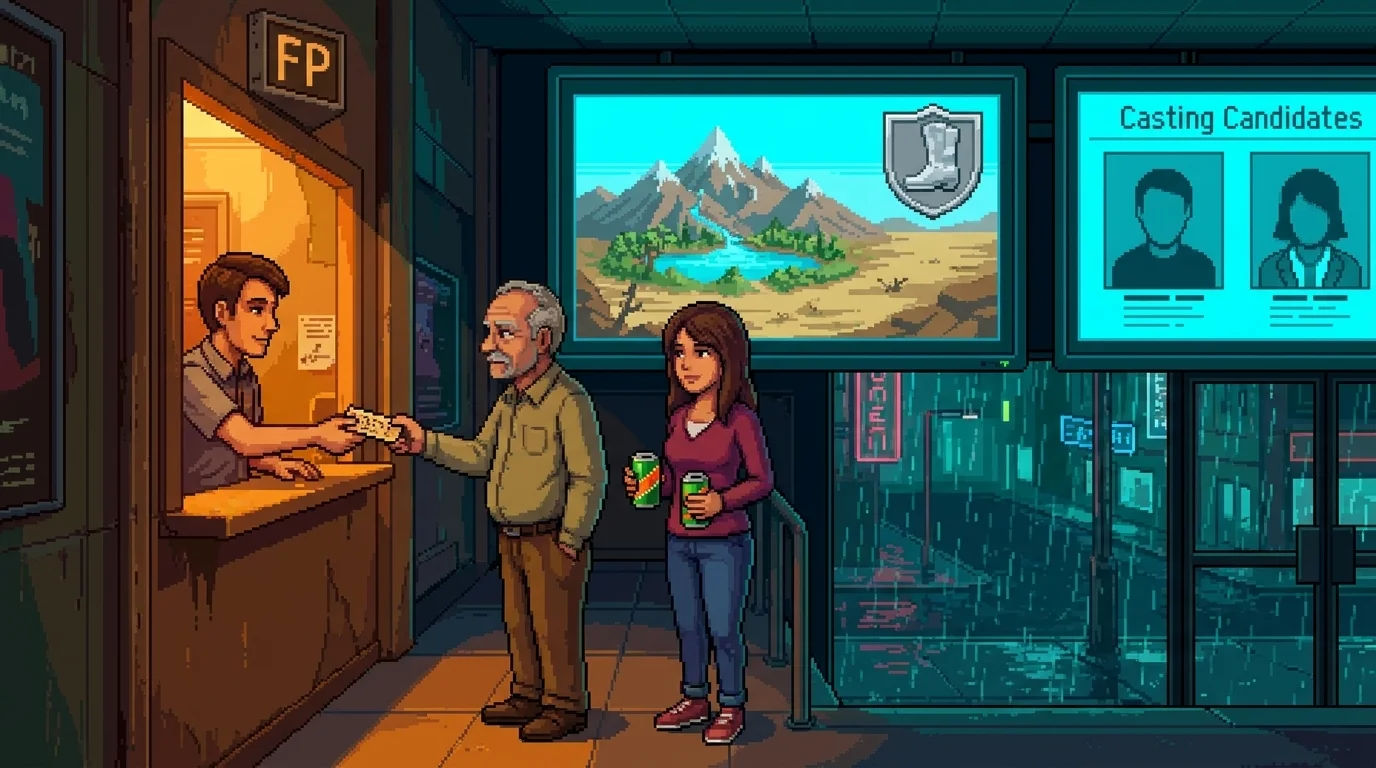
A father waits for his daughter outside the screening room. She arrives carrying two cans of Quatro, checks the face on the larger display and asks whether he likes the new JTRO. He still prefers the one who recruited him. She hands him the colder can.
The FP is one of the Sprawl's most famous film franchises. It has been around for roughly a century to a century and a half. People recognize its silver boots, its arguments over booze and its heroes' conviction that a rhythm contest must decide who gets to live. FP means Frazier Park, the green town where the story starts. The characters call their planet Earf. Beyond it lies the Uni-V.
Viewers know these are films. The familiar face on a recruitment poster can still make the person beneath it seem like somebody they have known for years.
- Kind
- Tradition
Recognizable manifestations
Frazier Park is the last lush Quatro oasis known to JTRO and his family, surrounded by Wastes. Human beings there need booze to survive. Water is toxic. Control the Quatro and you control the life around it. Beat-Beat Revelation is the accepted way to justify that control.
JTRO starts as the beat-beat hero of legend in the 248. His struggle grows beyond the town. CHAI-T arrives from the stars, called the Twinkies, or somewhere beyond them. The Chais descend on worlds where tyrannical beat-beat warlords are sucking up the booze. They carry the Uni-V's moral purpose without explaining all of their own past.
The adventures grow larger each time. A contest over a local supply becomes a fight over Earf, then over booze across worlds. The participants give the next contest greater weight. A familiar pair of boots can stand under an unfamiliar sky and still be the reason everybody waits for the music.
The family and the bottle
JTRO and CHAI-T fall in love during Beats of Rage. Their daughter CHAI-TRO can beat-beat through time with her feet. At the back of the failing booze mines, the family finds an ancient Duck Wars artifact also called Beat-Beat Revelation. Her footwork and that artifact allow time to turn back. After saving the world, they destroy it. Knowing how to save everyone with it also means knowing what someone else could do.
Junior-Tro was believed to have died at childbirth. LWE, JTRO's earlier foe, had been banished to the Wastes before JTRO met CHAI-T. LWE brings the child back with Bloody Quatro and raises him as his own. Junior-Tro becomes WMD, the Weapon of Mass Duckstruction. Ducks are a serious attachment in a family already burdened by serious attachments.
Bloody Quatro is the booze Beat Masa X sleeps in and can restore life within the films. Beat Masa X is the giant LWE; the L-Black Ds are brobots made in his image. The LWE naming pattern continues through variants such as LED and LE. Beat Masa X is eventually sent far away to the Wokea Galaxy.
CHAI-T's strength does not make her family safe. She can be pursuing the larger mission and still turn toward JTRO when he is hurt. The child beyond her gaze can become the cost of that decision. The films keep their vast threats close enough for a parent to lose sight of somebody.
Practices and examples
Choose the next face
Suitors campaign for a recurring hero role.
Recognition can follow the likeness provider into a real cause or election.
Share the screening
Family members arrive with tickets and licensed Quatro.
They can enjoy the same hero while disagreeing about the next likeness.
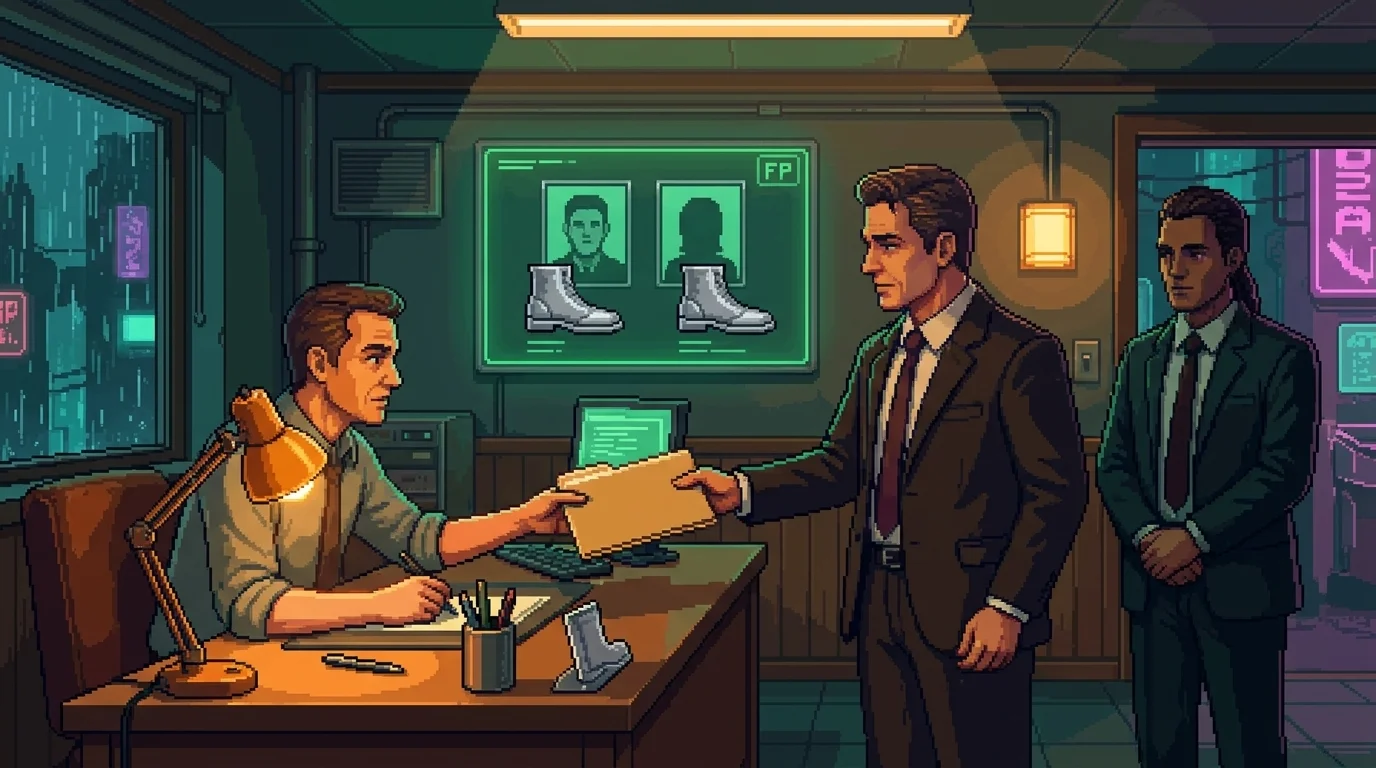
FP Casting handles the likeness arrangements. The roles once went to actors chosen for talent. AI now supplies the acting. A musician, politician, war hero or other public figure supplies the likeness. Suitors campaign for the next JTRO or CHAI-T. The audience watches the choice with the attention it gives to the next adventure.
A political aspirant can pay to be the face of JTRO, then take that recognition into a campaign. “JTRO for president” names a candidate whose best-known courage was performed for them. A town campaign can do the same with CHAI-T. The office still has its own jurisdiction and powers; Earf's contests do not become the Sprawl's election law.
Other arrangements use a likeness to raise money for a charity or war effort. Nels Taggart was a war hero whose JTRO portrayal helped fund and recruit for the struggle against ORACLE and the Aftershock Wars. His real service gave the film a face people could trust. The film gave recruiters a hero people already knew.
Triumph Creators prepares managed candidates for this market. A handler can help an unknown suitor become visible enough to contend. Acting lessons no longer decide the role. Attracting an audience has acquired a larger budget.
The words people carry home
The FP's speech mixes hip-hop cadence, youth slang and Australian terms such as “sheila.” Earf, Uni-V and Twinkies are familiar vocabulary to fans. “Beat off” describes a rhythm action. Beatknucks, foot switches, axes, sabers and racers all belong to the beat family. The activity must depend on rhythm; the prefix alone cannot settle a contest.
Quatro endurance is a claim to toughness. Take too much and the films call the result “floppy twat legs”: legs that can no longer beat off. A fan can repeat the phrase at a viewing party without believing that a canned tie-in has become necessary for human survival.
The franchise gives strangers a shared language and families a reason to sit together. Different generations can argue over a face without arguing over who the hero is. They are less likely to agree when a candidate borrows that hero's moral record for a cause they oppose.
Communities and setting
Organizations

Objects and products


Relief Stream carries the adventures into homes where the next installment starts without anyone standing up. The cans stay on the table. A viewer can remember the hero's face while barely remembering which installment played.
Good News receives favorable contributor stories about the causes that casting helps fund. A charity can show supplies bought with film-linked proceeds. The recipients really get the supplies. The contributor gets to put the new face beside them.
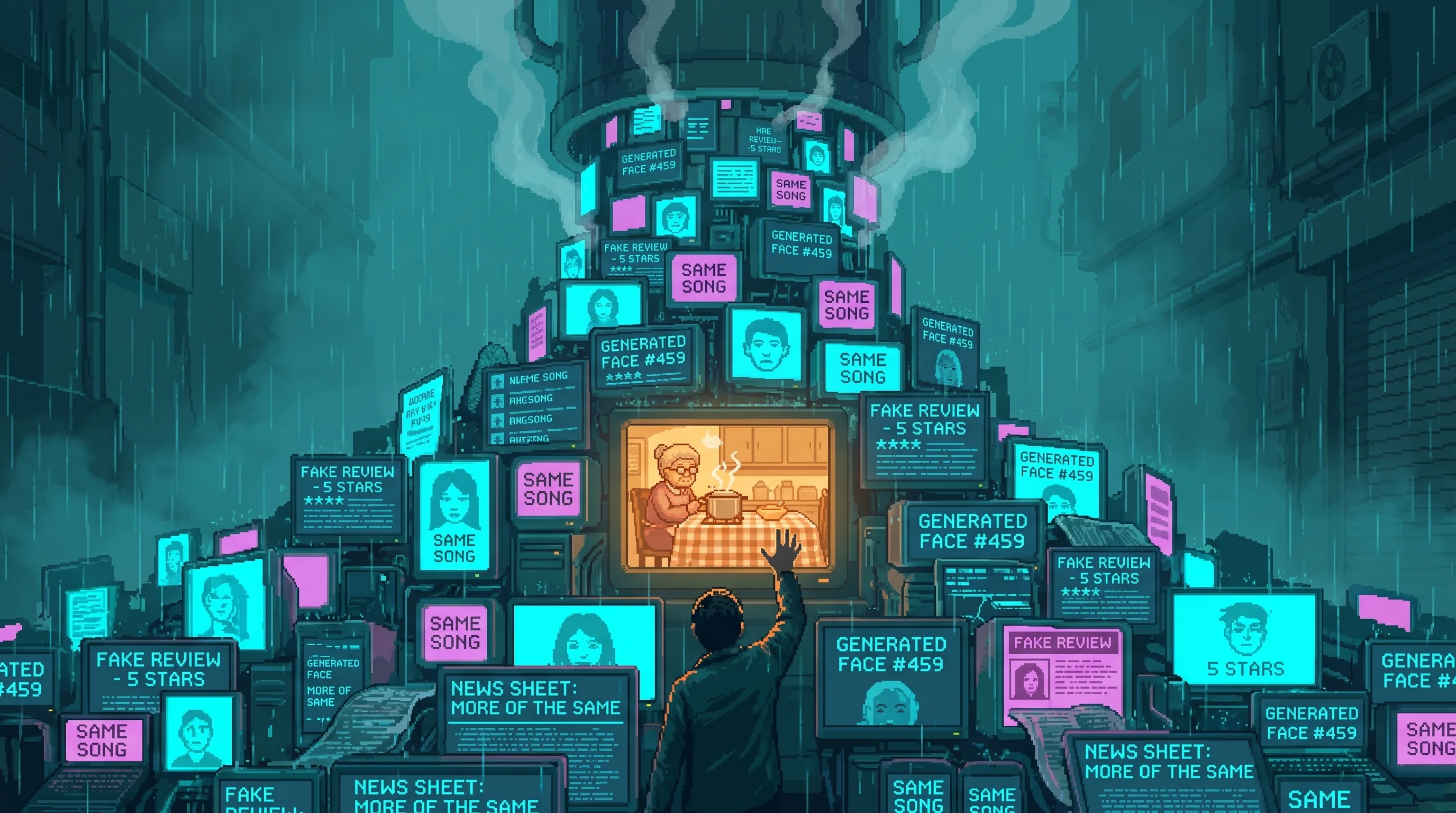
The AI Slop Cannon made performance cheap enough for almost any likeness to star. Familiar roles remain scarce places to be seen. Value Injection reaches the audience through the recognition it already loves: a fictional hero's earned trust follows a public figure out of the screening room.
The daughter has finished her can. Her father is watching the casting display again. She takes his sleeve when the screening-room doors open. They can decide about the candidate later. They came to see the film together.