Overview
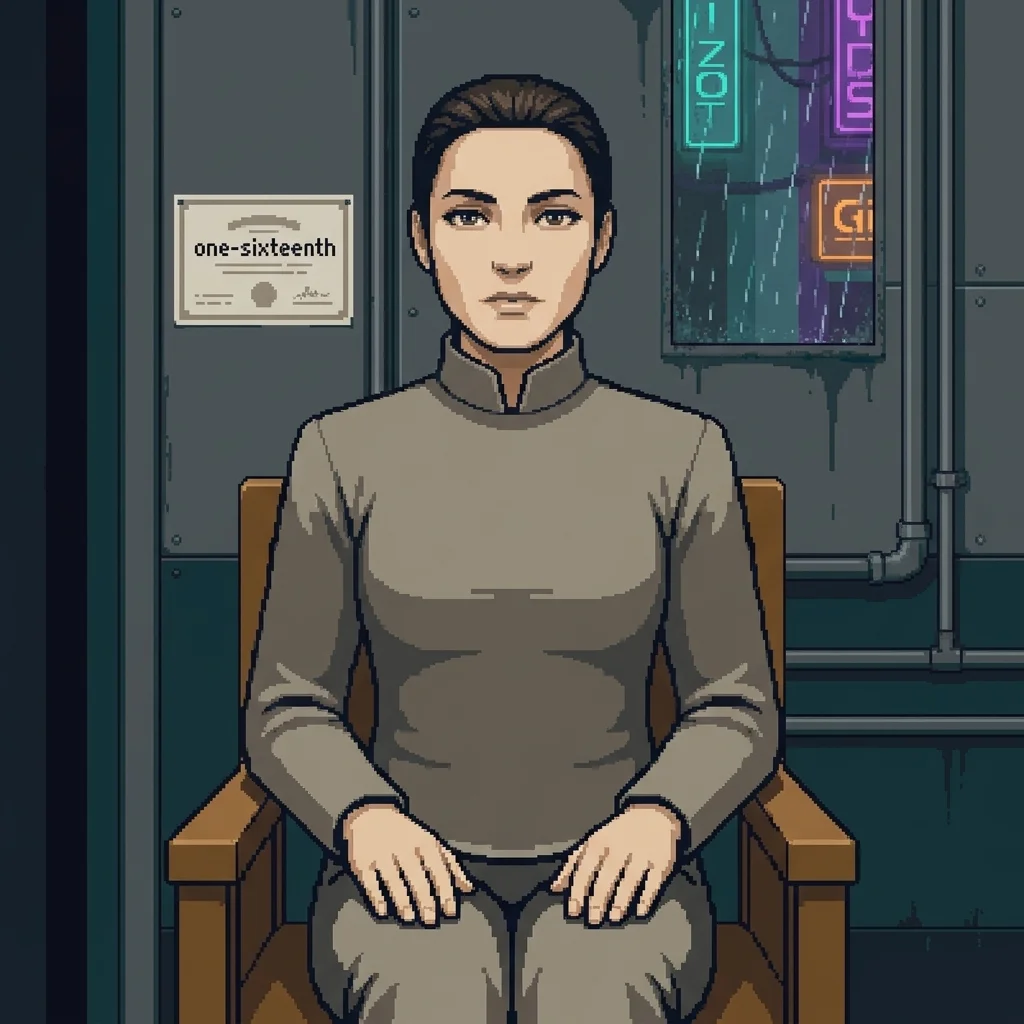
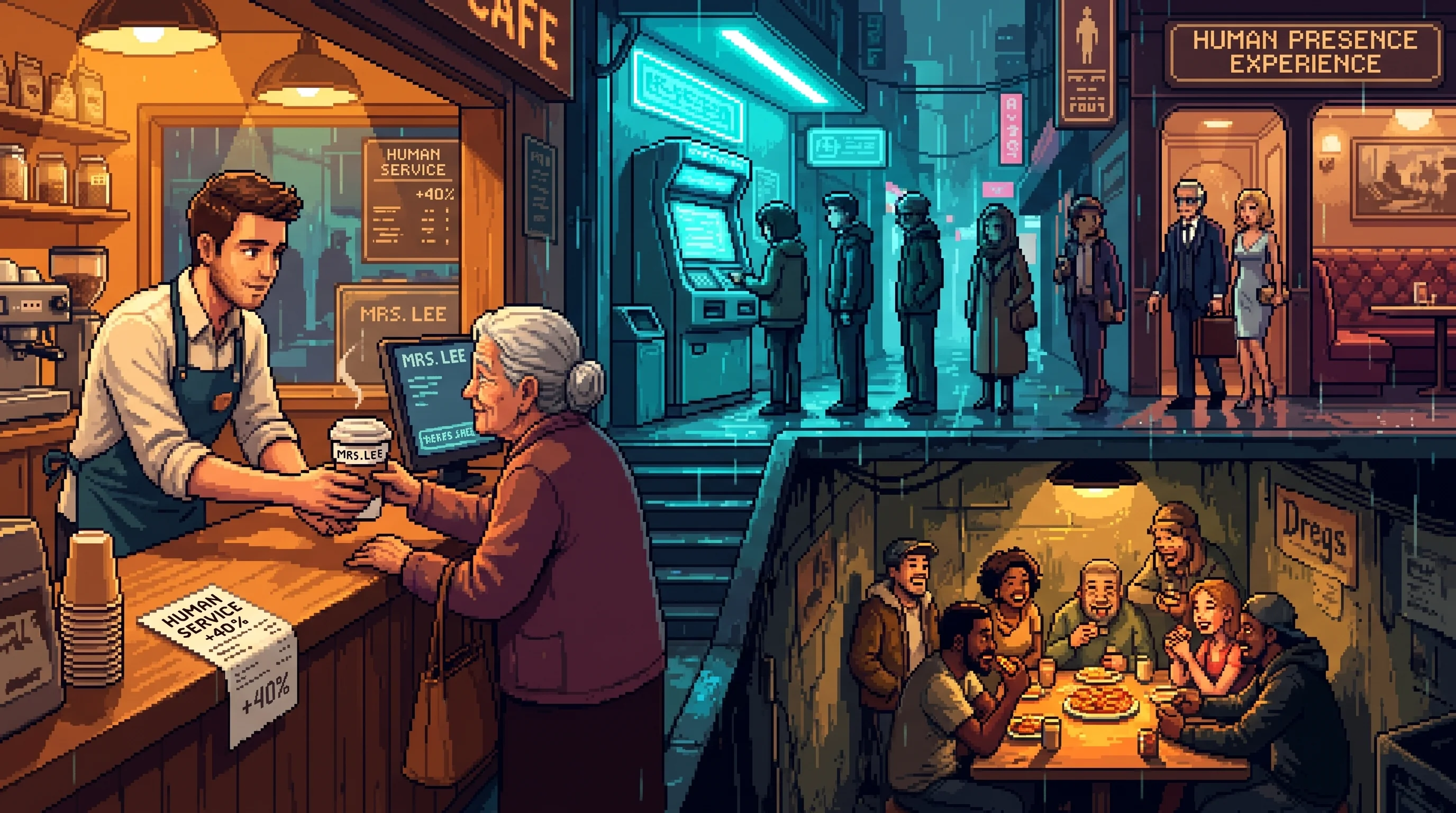
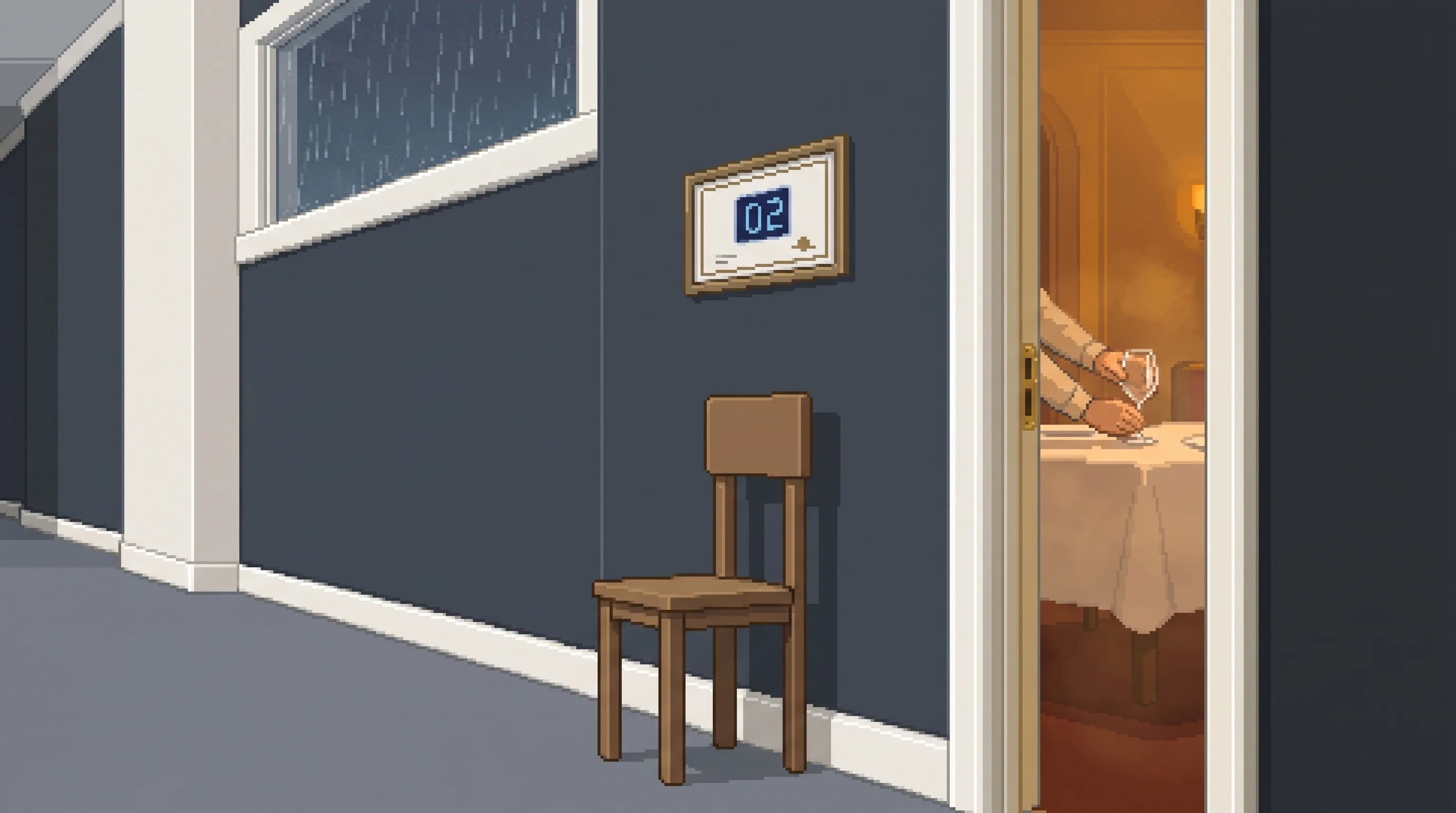
Soraya Vance spent nine years being paid to make strangers feel seen. She was a presence worker in the Heights — Helix-certified, calibration current, booked in ninety-minute blocks at four hundred credits by executives who needed to sit near a conscious being and could no longer produce one at home. It was Synthetic Intimacy as a career: human warmth, professionally certified, billed by the session, running on a shortage her industry maintained by design. She was, by every metric her firm tracked, excellent at it. The metric that eventually mattered was not on the dashboard. She began to notice that the warmth she delivered was the same each time, and that her clients paid to feel recognized by someone trained to withhold recognition until the meter started. The whole transaction ran on a shortage her own industry helped maintain.
She quit in the middle of a session. The client filed a complaint. The firm noted the incident and moved on, because presence workers churn. Soraya went uphill to the Free Quarter, had her presence-worker calibration stripped by an underground clinic that did it for free and told her it was reversible, and opened The Open Hours six weeks later.
Appearance

She dresses like she is trying not to be looked at. In the Heights that was a style; in the Free Quarter it is just clothing. Grey layers, no visible augmentation, and a face that has been professionally warm for so long that its resting expression still reads as attentive. She keeps her hands still. Presence workers are trained to keep their hands still. It is one of the calibrations the clinic could not strip, and she has stopped trying.
Voice
Soraya speaks slowly and leaves gaps, and the gaps are the tell — she was taught to fill silence and now deliberately does not. In the Open Hours she is quiet, mostly listening, which unnerves the connection tourists who arrive expecting the practiced patter of the tier she left. When she does argue, she argues like The Unbillable's best evidence, because she is. She can itemize the Warmth Tax down to the wholesale cost of eye contact, and she does, in a flat voice no companion has been able to model, because she has never let one try.
What the Training Kept
Her stillness would now pass the Discretion Tier, which pays extra for staff an instrument finds no inner life in. The tier did not exist when she quit. Both sides of the Attested Baseline want her hands as evidence. She says the discipline is a skill, skills cost what they cost, and her hands are not anybody's argument.
She met Ondine Kesh once. Kesh heard her whole account of what the work does to a body and said only that it was accurate.
The Correspondence
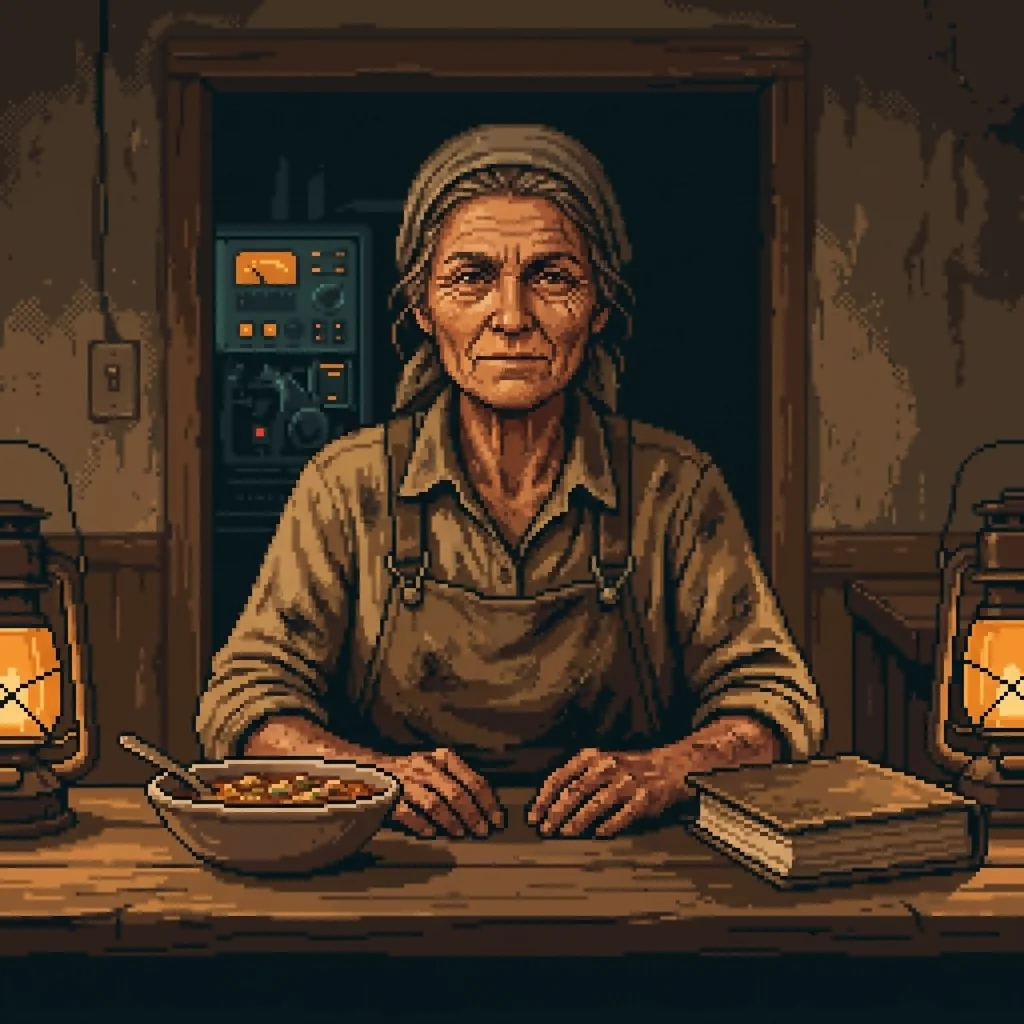
She writes to Del Ferreira, who keeps a waystation at the far eastern edge and gives warmth away because the road would kill people otherwise. The letters are a running disagreement that neither woman wants to win. Soraya sends theory; Del sends back the weather and a body count and the observation that nobody at the edge needed a manifesto to feed a stranger. Soraya keeps the letters in a tin under the long table. She has never let anyone photograph them, for the same reason she bars the lens from her room: the moment the warmth becomes a souvenir, it starts working for the round trip she left the Heights to refuse. She turns the tourists away gently. She turns them away every day.
Relationships
Affiliated Entities
- The Open Hours: The room she keeps — her old job run in reverse.
- The Unbillable: The movement she anchors by testimony.
- The Small Talk Cafes: The model she respects and rejects.
- Del Ferreira: Her correspondent at the eastern edge; the same refusal, arrived at differently.
- Connection Tourism: The economy she bars from her doorstep.
- Astrid Solheim: The Burn-Off Teacher two sectors over, teaching veil-curation for a jar of preserves — the same practice of giving away something a corporation sells, in a sector Wellness has also noticed and also not converted. Neither has met the other. Both have turned down three franchise offers.
Connections
Follow the people and places connected to Soraya Vance.