The Interior Load Screen
Unshared-Thought Clinical Screen
A Quieter You, by Thursday
The screen cannot distinguish a private ache from an affective disorder and does not claim to; both are unshared, both are voluminous, and both score high
How It Works
- 1
Read
Neural-interface telemetry from any licensed intake is scored from zero to forty for unshared thought.
- 2
Offer
At twenty-six or above, a clinician must read the Helix treatment offer aloud and log the response.
- 3
Window
An offer unredeemed for ninety days routes to the insurer as a declined remedy.
- 4
Reprice
Every unrelated appointment in the patient's file reprices at the non-adherent rate.
The screen reads ordinary neural-interface telemetry and scores it from zero to forty. It has sat in the intake bundle beside blood and vision since 2183.
The logic came from fragment research. It was built to ask whether an ORACLE fragment had anyone home. Pointed at a person, it asks a smaller question: how much stays in.
Above twenty-six, a licensed clinician must read an offer aloud and log the answer. An offer unredeemed for ninety days routes to the insurer as a declined remedy. The Negligence Doctrine does the rest. Every appointment in the file reprices.
Who It Scores
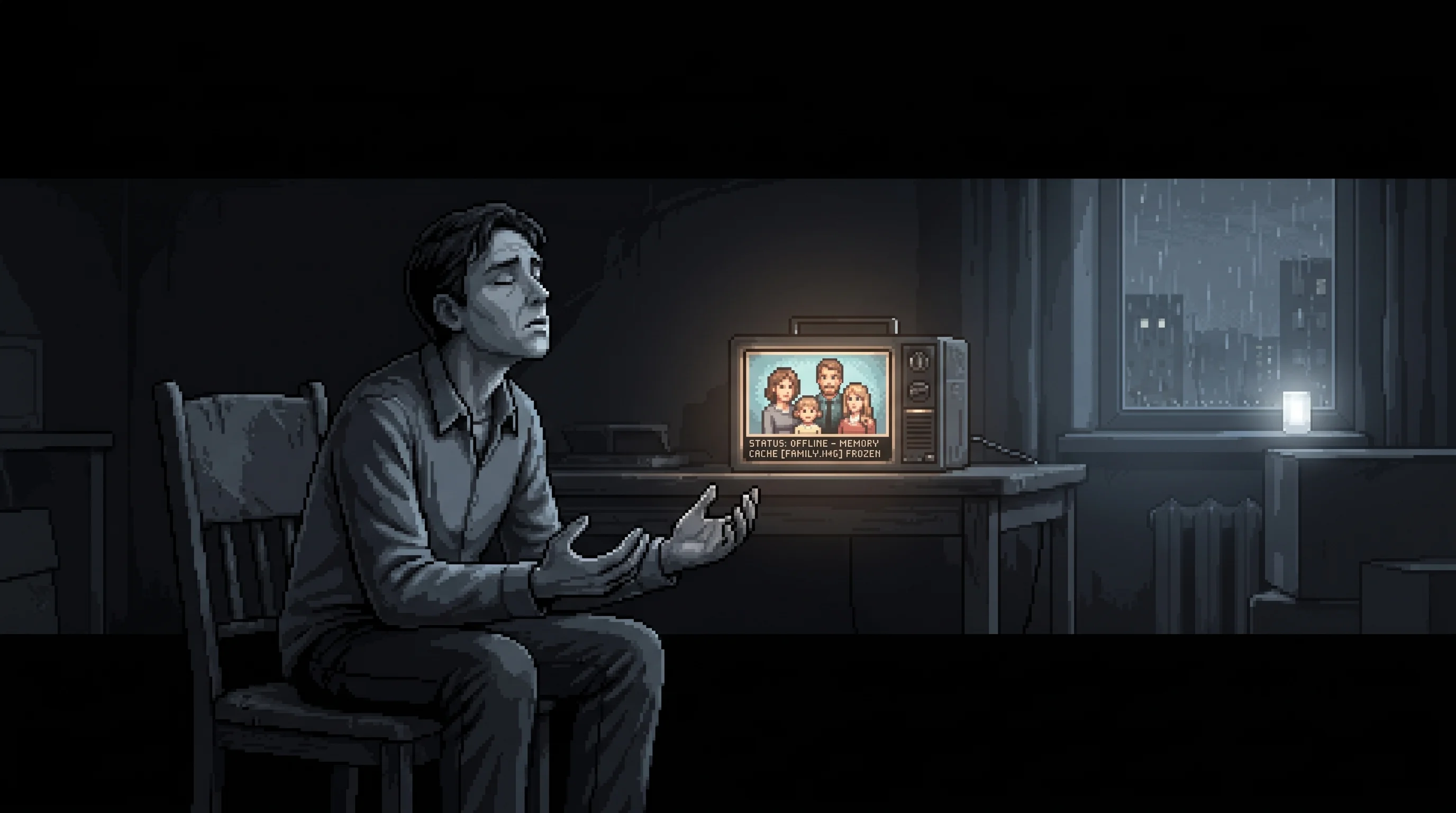
Its normal range was fitted to a cohort with no inner picture, so an ordinary interior reads high.
The progressive loss of the mind's ability to picture anything without a device to picture it for you.

Each course treated is one fewer supplier of the ache it sells.
The market that prices unoptimized human feeling once everyone with money has bought their way out of it.
Tomás's eye appointment was rebooked at the rate for people who decline things. He put the printout face-down on his table. He has not gone back.
The normal range was fitted to a cohort already hollowed by The Inner-Eye Atrophy. An ordinary Dregs interior reads high.
The Untuned score as the finding. Their creed is to let a feeling run its length. The Suffering Premium loses a supplier with every course. The Mystery Clubs are never screened, and pay to wonder again.
What It Costs
Saves lives
It finds people two months from dying alone, in time.
What it costs
It cannot tell a private ache from an affective disorder.
Free to clinics
Helix licenses the screen at no charge.
What it costs
Helix also sells the compound the threshold recommends.
Published outcomes
Eleven reversal requests against about ninety thousand courses.
What it costs
The normal range was fitted to people whose inner imagery had already faded, so ordinary interiors read high.
It saves lives. It finds people two months from dying alone, in time. The clinicians keep those files. Reversal requests: eleven, against ninety thousand completed courses. The clinics print that ratio in every review.
It cannot tell a private ache from an affective disorder. It does not claim to. A book he will never publish scores the same as a failure rehearsed for the thousandth time.
Mireille Soto supplies the argument for awkward cases: declining is a default someone chose for you. The Diagnosed Soul is the fight that follows. A hearing that reads The Unbidden Record treats the same unspoken interior as no evidence at all.
Overview
Tomás Linares went to the clinic about his eyes. He hand-copies books. His eyes are the job.
The intake terminal ran its bundle. Blood. Vision. Interior load. Vision: treatable. Interior load: thirty-one out of forty.
The Interior Load Screen scores how much of your thinking never leaves you. Above twenty-six, it counts as treatable.
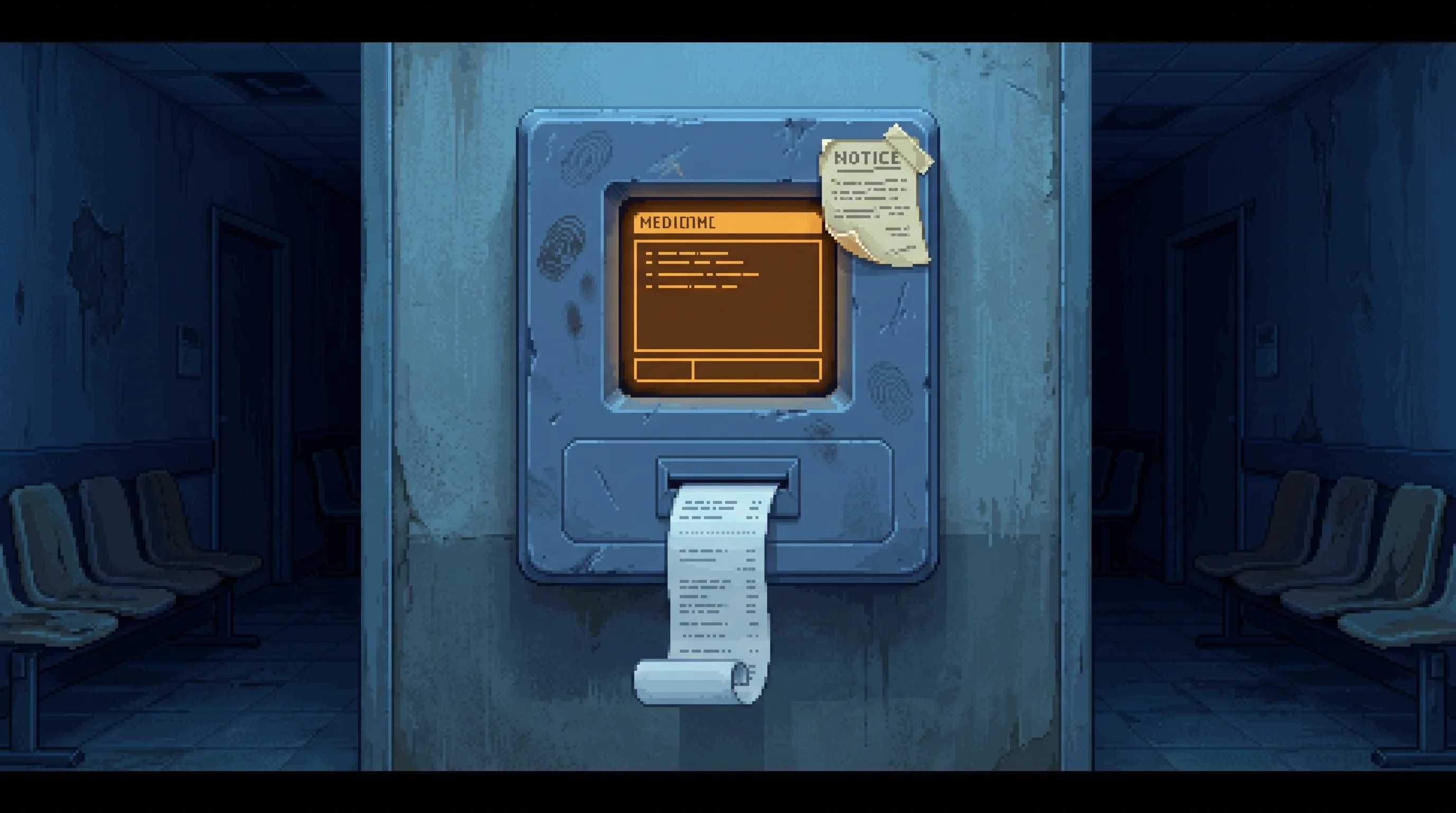
At the Intake Desk
The clinician read Tomás the offer kindly. It took forty seconds. A same-week compound. It quiets unshared inner monologue. Memory, reasoning, and warmth toward others stay intact.
He declined.
Helix Biotech licenses the screen to clinics free. Helix sells the compound. The leaflet in the waiting room reads: A quieter you, by Thursday.
The response field has three boxes. Accepted. Deferred. Declined. There is no box for why. One Dregs clinician writes the reasons in the margin, in pen. Copyist, needs the noise. Nothing reads the margin. She has filled about four hundred.
Further connections
Browse all 7 connected records

The screen supplies the offer; the Doctrine supplies the consequence of declining it. Neither mechanism was designed with the other in mind and together they price a refusal to be measured.
This insurance doctrine labels unredeemed cure offers as chosen illness, raises premiums, and makes treatment costlier.

Scored thirty-one at seventy-eight, on an intake he attended about his eyes. He declined, the window closed, and the eye appointment was rebooked at the rate that applies to people who decline things.
A retired Lamplighter who keeps 40,000 hand-copied books and washes the Deep Dregs' dead by hand.

Disposition Design supplied the argument that declining to set a disposition is a default chosen for somebody.
Helix's Disposition Design architect, who set the Sunset Companions' baseline contentment and calls it mercy.

The creed scores as the finding. Letting a feeling run its length is exactly what the instrument measures.
A Deep Dregs subculture that refuses the mood-dial and feels every emotion at its natural, inefficient pace.
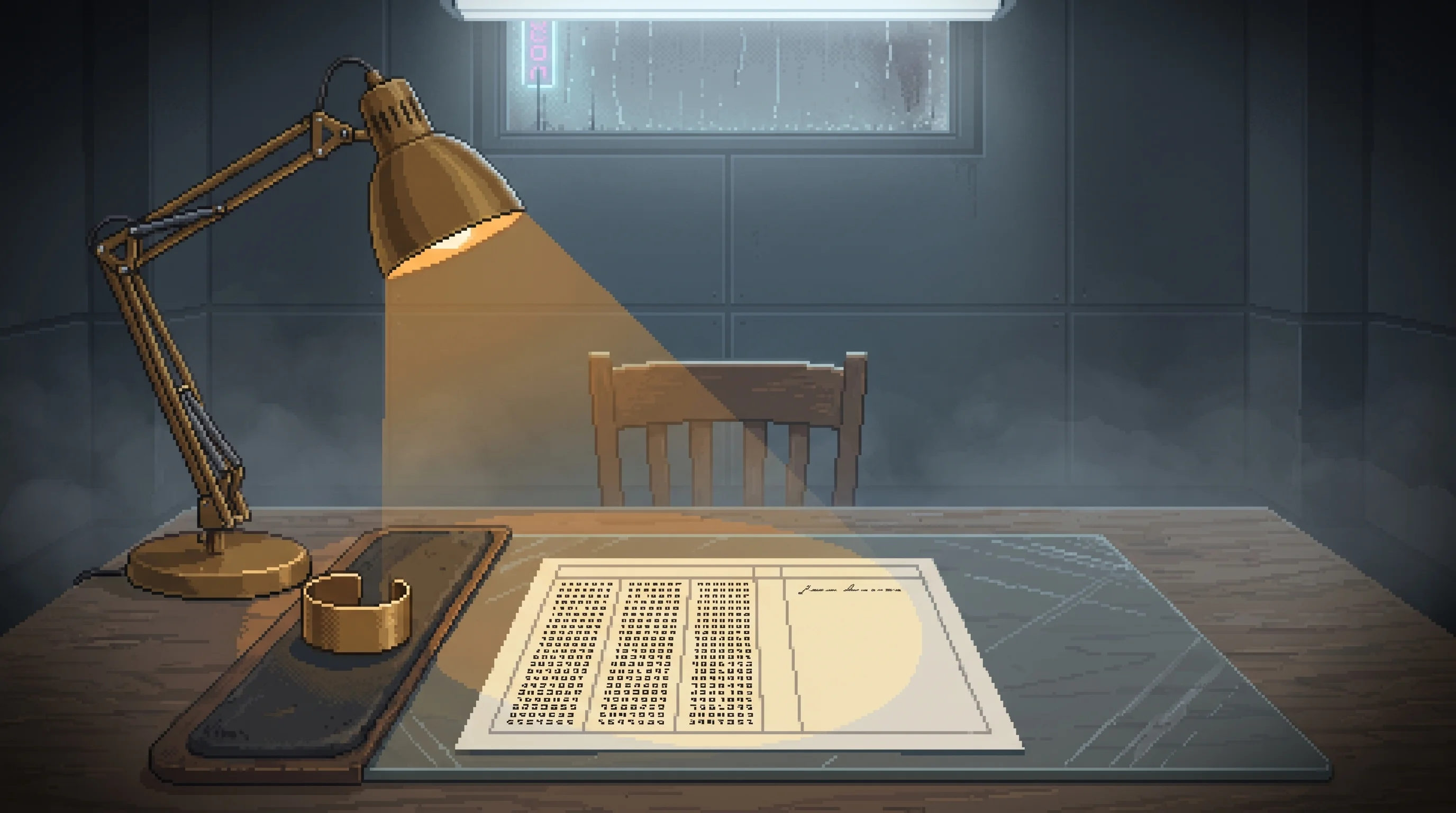
Same interior, opposite verdicts: this scores the unsaid as treatable, a hearing rules it decides nothing.
The involuntary channel is entered as proof; everything a person authors is filed where no finding has ever turned.

The tier that is never scored pays to reopen what the screen closes.
Shielded gatherings where wealthy Sprawl residents pay per session to suppress their AI and simply wonder.
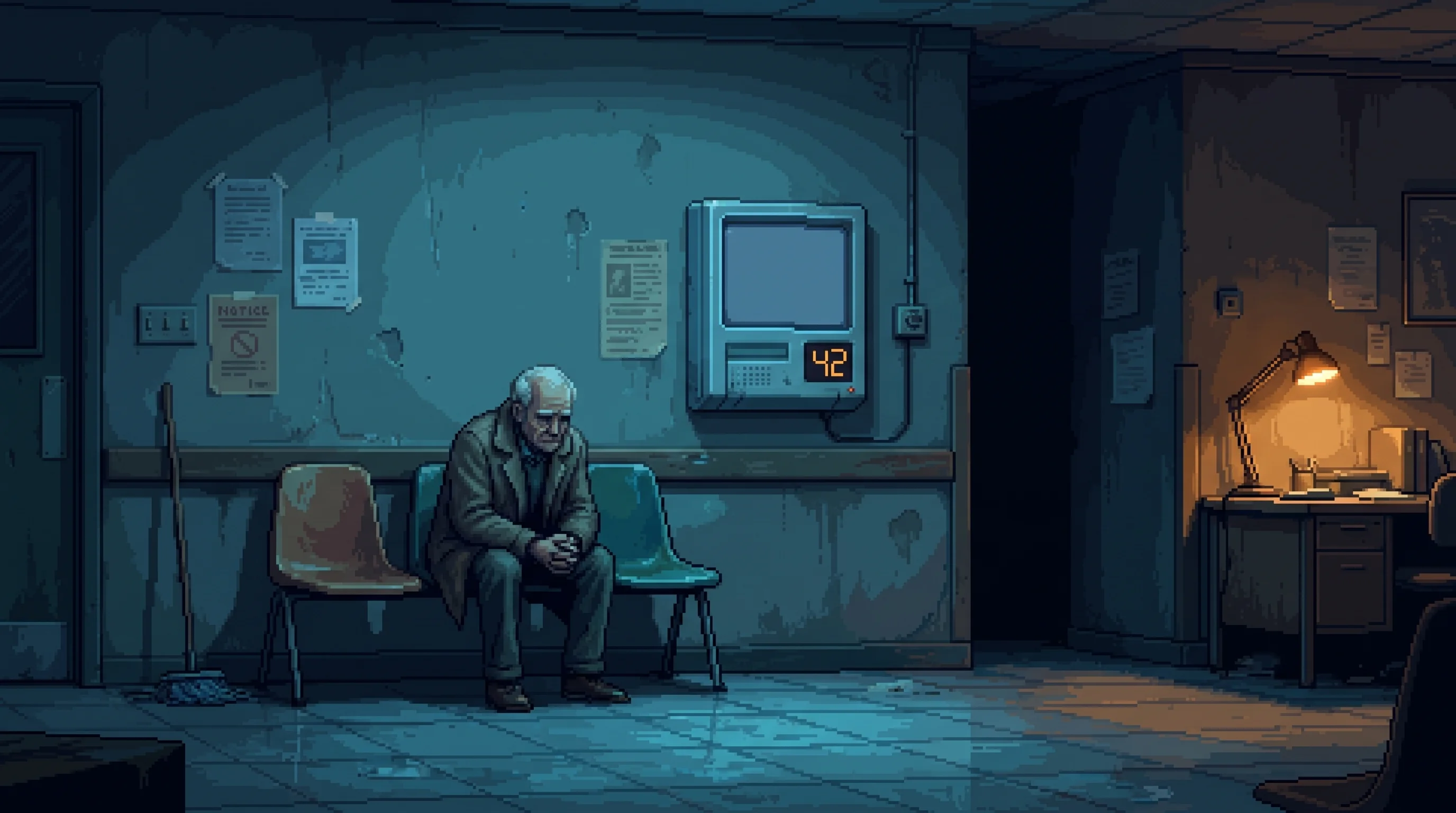
The instrument the whole argument runs on. It answers a narrow question honestly and the care schedule treats the answer as a verdict about whether a person should have an interior life.
The unshared inner life measures as a treatable disorder, and everyone who is treated agrees it was one.
