The Thinking Room
Overview
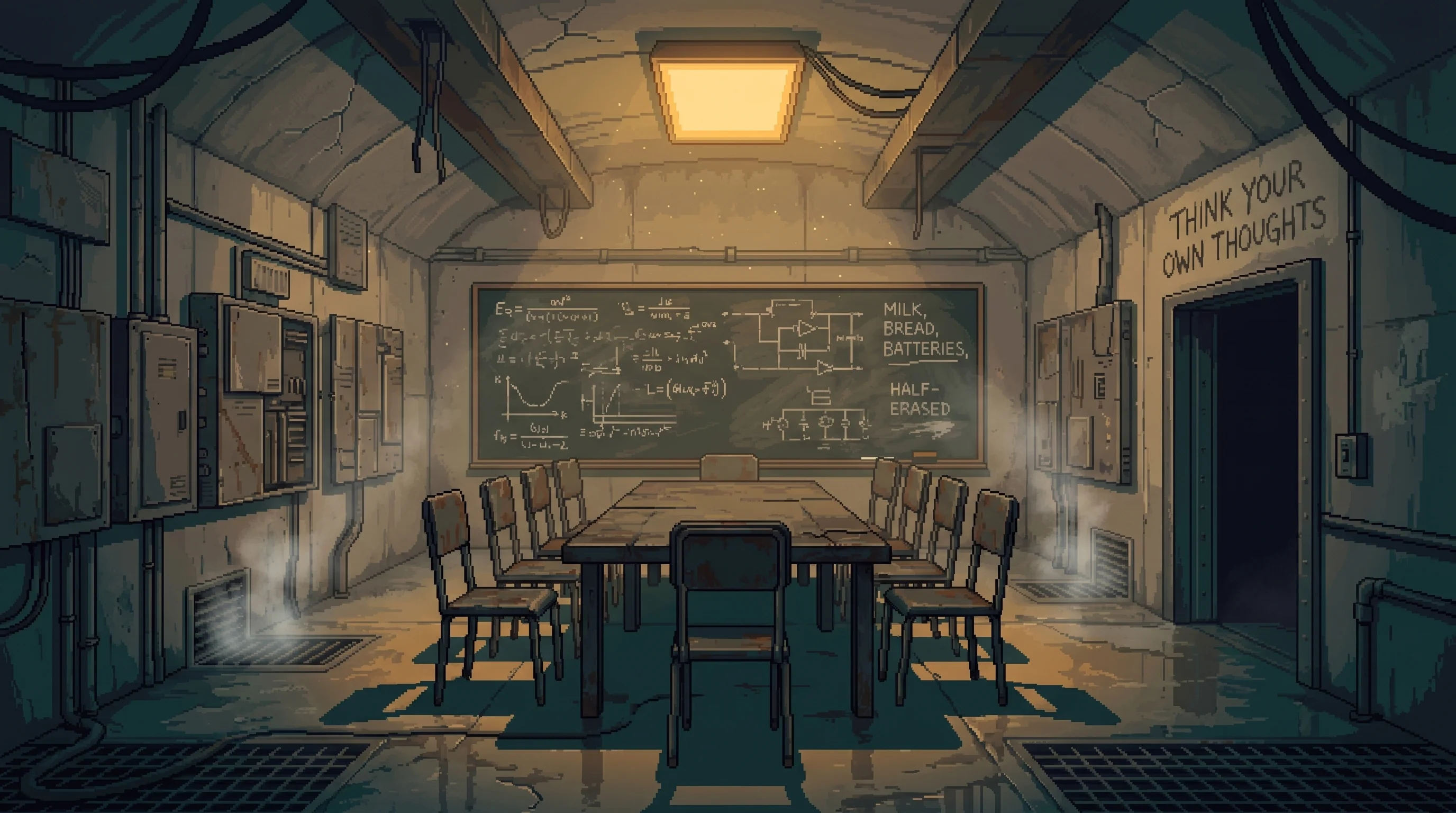
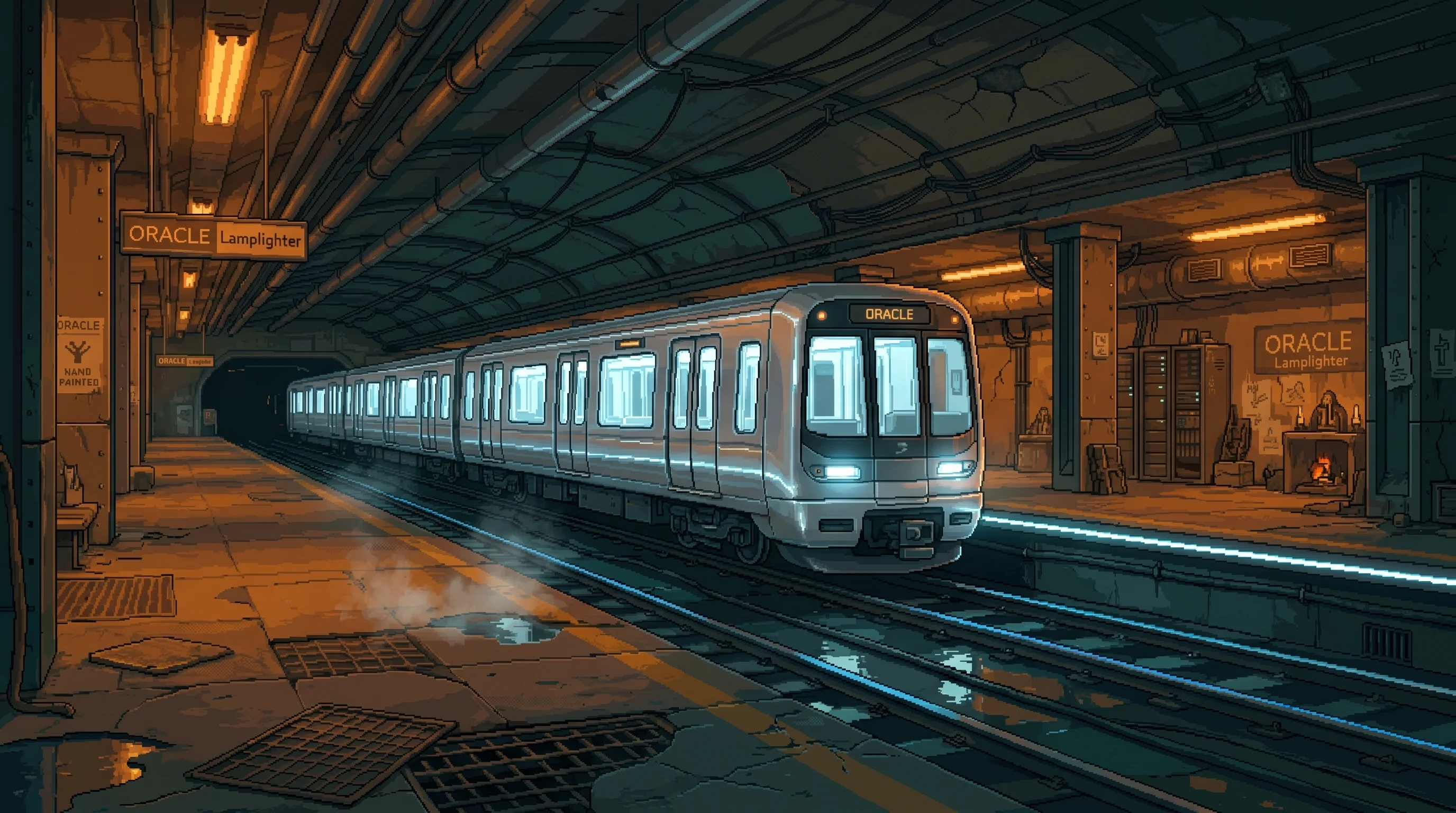
Three levels below the Backbone transit station in The Deep Dregs — down a maintenance corridor, past a decommissioned water treatment node that Viktor Kaine's people repurposed as a community tool library — there is a room with four walls, a table, twelve chairs, and a chalkboard.
No network access. No terminals. No screens. No neural interface signal. The walls are lined with salvaged electromagnetic shielding that creates a dead zone roughly eight meters in diameter. The lighting is a single amber panel that provides enough illumination to read by but not enough to feel comfortable. The chalkboard is actual slate, the chalk actual calcium carbonate, both sourced from a Wastes settlement that manufactures them from mineral deposits because someone out there decided the world still needed chalk. The room smells of concrete dust and old wiring and the faint alkaline bite of the chalk itself.
Written above the door in handwriting that matches nobody currently alive: THINK YOUR OWN THOUGHTS.
The Thinking Room is free. It is always open. It has never been advertised. Nexus Central's location-based recommendation engine has indexed it four times and classified it four times as "non-commercial dead space — no action required." The classification is accurate. The conclusion is not.
Conditions Report
The room's unofficial keeper is Tomoko Osei, the last manual infrastructure technician in The Deep Dregs. She replaces the chalk when it runs out. She fixes the electromagnetic shielding when storms degrade it. She sits in the corner sometimes with a pencil stub and a sheet of recycled pulp, working through water recycling calculations that she could delegate to her interface in 0.3 seconds, taking four hours instead, because the hours are the point. She has been offered a Second Mind upgrade to Professional-tier three times. She declined three times. The third refusal generated an automated wellness flag in her Nexus profile: "Pattern suggests possible cognitive rigidity — recommend evaluation." She has not been evaluated. She considers the flag evidence that she is correct.
Tomoko does not explain the room to visitors. She does not greet them. She does not ask what they are working on. If the chalk runs out while someone is mid-equation, she replaces it without making eye contact. If the shielding flickers and someone's neural interface reconnects for half a second — the involuntary flinch, the sudden flood of notifications, the immediate scramble to get back to silence — she fixes it within the hour. She has a specific wrench for the shielding panels. It is her only tool that she has named. She calls it "the quiet."
People come here to solve problems by hand. Engineers from the Undervolt bring mechanical puzzles. Lamplighters bring infrastructure schematics and trace circuits with their fingers on the chalk surface. Students from the Dregs race each other through equations their Basic-tier Second Minds could handle in milliseconds. A retired Nexus systems architect visits every Tuesday and Thursday to work through topology proofs that were solved in 2089. She knows they were solved. She does them anyway. Her completion time has improved 11% over fourteen months. Nobody has congratulated her on this because nobody is tracking it, which is the improvement.
The chalkboard is never clean. Equations half-erased, diagrams traced over diagrams, someone's grocery list tangled into someone else's structural analysis. The palimpsest of a week's worth of unaugmented thinking, layered and imprecise and wrong in places, which is the thing the room actually provides. The chance to be wrong slowly, rather than corrected instantly.

The After-Hours Visitors
Since the Ghost Hand Phenomenon gained clinical recognition in late 2183, the room has acquired a second population.
They arrive between 2100 and 0300, through maintenance corridors they were not supposed to know about. Executive-tier citizens from Nexus Central. Hands too clean. Posture from ergonomic workstations rather than salvage benches. They sit at a Dregs table and do long division with pencils on paper.
They come alone. They speak to no one. They leave nothing on the chalkboard.
Tomoko noticed them within weeks. She said nothing. The room's rule is THINK YOUR OWN THOUGHTS. It does not ask whose thoughts you brought with you, or how far you traveled to find a place where you could have them.
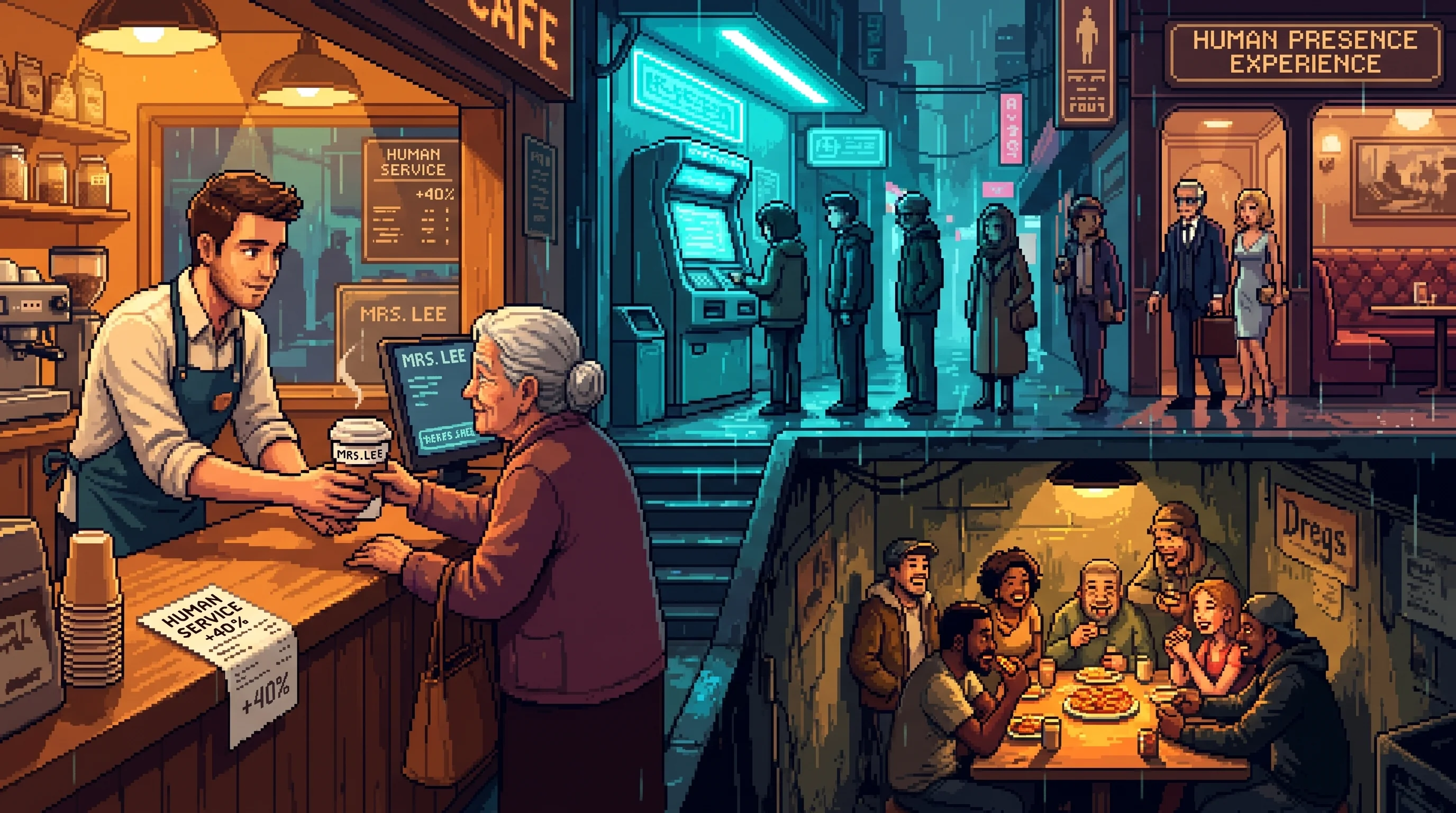
The Mystery Clubs in the Heights charge ¢200 per session for artificial cognitive friction — curated puzzles, timed challenges, the aesthetic of difficulty without the inconvenience of actual deprivation. The Thinking Room charges nothing. The chalk breaks if you press too hard. The single light panel is deliberately insufficient. The electromagnetic shielding disables augmentation that cost more than most Dregs residents earn in a year. Everything in the room demands attention, and unassisted attention is the one resource their optimized lives never require them to spend.
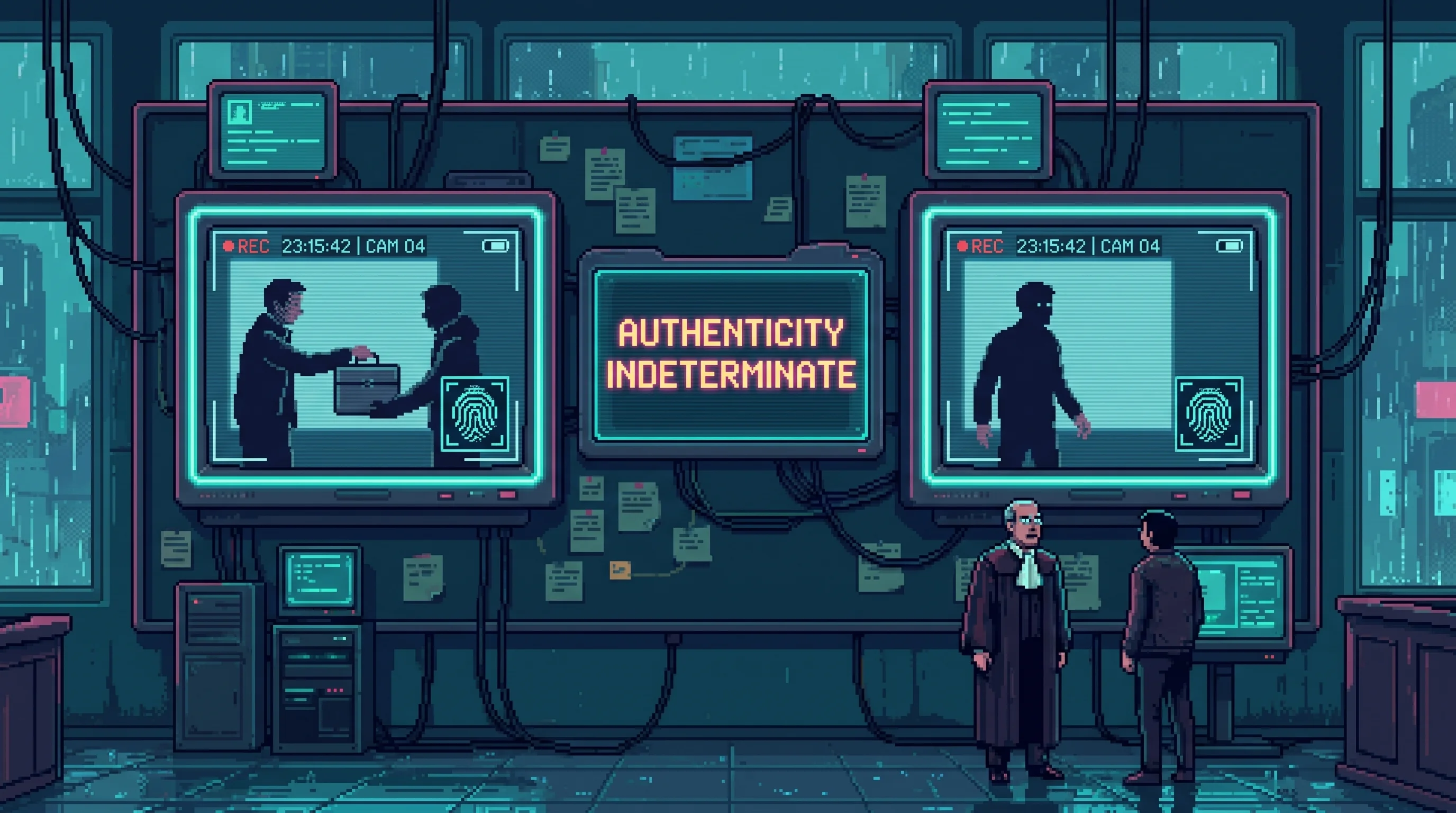
Nexus Behavioral Analytics has flagged a 340% increase in after-hours transit to sub-bay Dregs levels among Executive-tier employees. The analytics team has attributed this to "exploratory consumption patterns consistent with Connection Tourism." The analytics team has not visited the room. The analytics team would need to disable their Second Minds to enter it, which would prevent them from filing the report explaining why they went.
| Rule | Written in chalk above the door: THINK YOUR OWN THOUGHTS |
|---|
Affiliated Entities
| Entity | Relationship |
|---|---|
| The Deep Dregs | Three levels below the Backbone transit station, past the community tool library. The room is the Dregs distilled: built from salvage, maintained by one person, free because nobody with authority to charge for it knows it exists. |
| Tomoko Osei | The last manual infrastructure technician. Replaces chalk, fixes shielding, sits in the corner doing calculations by hand. She maintains the room the way she maintains everything — slowly, correctly, without being asked. |
| Viktor Kaine | Visited twice. Sat alone for an hour each time. His Exposure Index of 3 means nobody knows what he does there — including, possibly, the room's own shielding logs. He knows about the room, protects it, and his behavioral models cannot predict what happens inside it. |
| Soren Achebe | Visited once, personally escorted by Viktor Kaine. The specific combination of these two individuals in a shielded room with no surveillance has generated more intelligence community speculation than any single event in the Deep Dregs this quarter. |
| The Mystery Clubs | The free version of what Mystery Clubs charge ¢200 for. The clubs sell curated not-knowing to people who can afford it. The Thinking Room provides actual not-knowing to anyone who walks in. The clubs have waiting lists. The room has twelve empty chairs. |
| The Wonder Deficit | A physical space where the wonder gap can reopen naturally — no program, no facilitator, no therapeutic framework. Just chalk, silence, and the sound of someone being wrong at their own pace. |
| The Quiet Room | Both are spaces where the Sprawl's logic breaks down. The Quiet Room achieves this through anomaly. The Thinking Room achieves it through intention. Neither can be replicated by the systems that make them necessary. |
Restricted Access
The rule above the door — THINK YOUR OWN THOUGHTS — is written in handwriting that matches nobody currently alive. Tomoko doesn't know who wrote it. Viktor Kaine, when asked, changes the subject. The chalk is refreshed when it fades, but nobody has ever seen anyone refresh it. Maintenance corridor surveillance shows no visitors during the windows when the lettering changes from faded to fresh. The shielding that blocks neural interfaces also blocks the corridor's motion sensors for roughly two meters on either side of the door. This was not part of the original installation specifications. Tomoko did not add it. She has noticed. She has not fixed it.
Visual Identity
- Color palette: Concrete gray, chalk white, warm amber from the single insufficient panel
- Compositional mood: Twelve empty chairs around a worn table, a chalkboard covered in the half-erased ghosts of other people's thinking — equations tangled into grocery lists tangled into circuit diagrams
- Key symbol: A piece of chalk, half-used. The most analog tool in the most digital city, wearing down at the rate of one stick per eleven days
- Lighting: Single warm panel, deliberately insufficient. You can read. You cannot feel comfortable. Comfort would defeat the purpose, though nobody has written down what the purpose is, and Tomoko would not answer if you asked.
| Stratum | Dregs |
|---|---|
| Power Position | Parallel |
| Access | Public |
| Atmosphere | Contemplative |
Electromagnetic shielding creates a dead zone roughly eight meters in diameter
Contains a chalkboard with actual chalk sourced from a Wastes settlement
Rule written above the door: THINK YOUR OWN THOUGHTS
May be a chapel built by accident — its cognitive benefits may derive from the physical environment inducing contemplative states rather than from the practice of slow thought alone
Conditions Report
Sound
Biological silence. No transformer hum. No data processing whine. The loudest sound is chalk on slate, and the scratch carries a weight that digital sound cannot reproduce. Visitors who stay longer than thirty minutes report hearing their own pulse. Some find this calming. Some leave.
Smell
Concrete dust, old wiring, calcium carbonate. The specific absence of circulated air — the room's ventilation is passive, not processed by the Breath. The air tastes like earth, not like system.
Temperature
Slightly cool. The electromagnetic shielding generates no waste heat. The room is the temperature of earth — not of processing, not of habitation. Roughly 16°C year-round, which is coincidentally the exact temperature Status Quo maintains to discourage lingering. The Thinking Room maintains it to encourage presence. Same number. Different room. Different reason for being cold.
Feel
The table surface has been worn smooth by thousands of hands. The chalk breaks if you press too hard — a tactile lesson in calibration that no simulator teaches. The chairs are metal, unpadded, precisely uncomfortable enough to keep you alert.
Connected To
Additional Connections


Local Intelligence Scan
Nearby Signals
CANONICAL PROXIMITY


Environmental Readout
LIVE CONDITIONS- Air
- Toxic
- Light
- Canyon dark
- Flood
- Seasonal
- Heat
- Trapped
- Security posture
- Ungoverned
- Infrastructure
- Improvised
Position Data
SECONDARY- Elevation band
- Sub-bay — beneath the drained floor
- Lattice fix
- E+4.0 · N+2.4
—