
Cooling Systems
Cooling units manage heat from the crawler's drive motor and power cell bay
Overview
Cooling units manage the heat generated by the crawler's drive motor and power cell bay. This is the system's entire purpose, and it is the one purpose nobody thinks about until the fan pitch changes.
A functioning unit dissipates heat through a radiator assembly and forced air circulation — keeping motor and cell temperatures within operating parameters through a process that is, by every engineering standard, solved. Thermal management is not a frontier problem. It was not a frontier problem before the Cascade. The radiator assembly design in most rail stop shops dates to the 2150s. The markup does not.
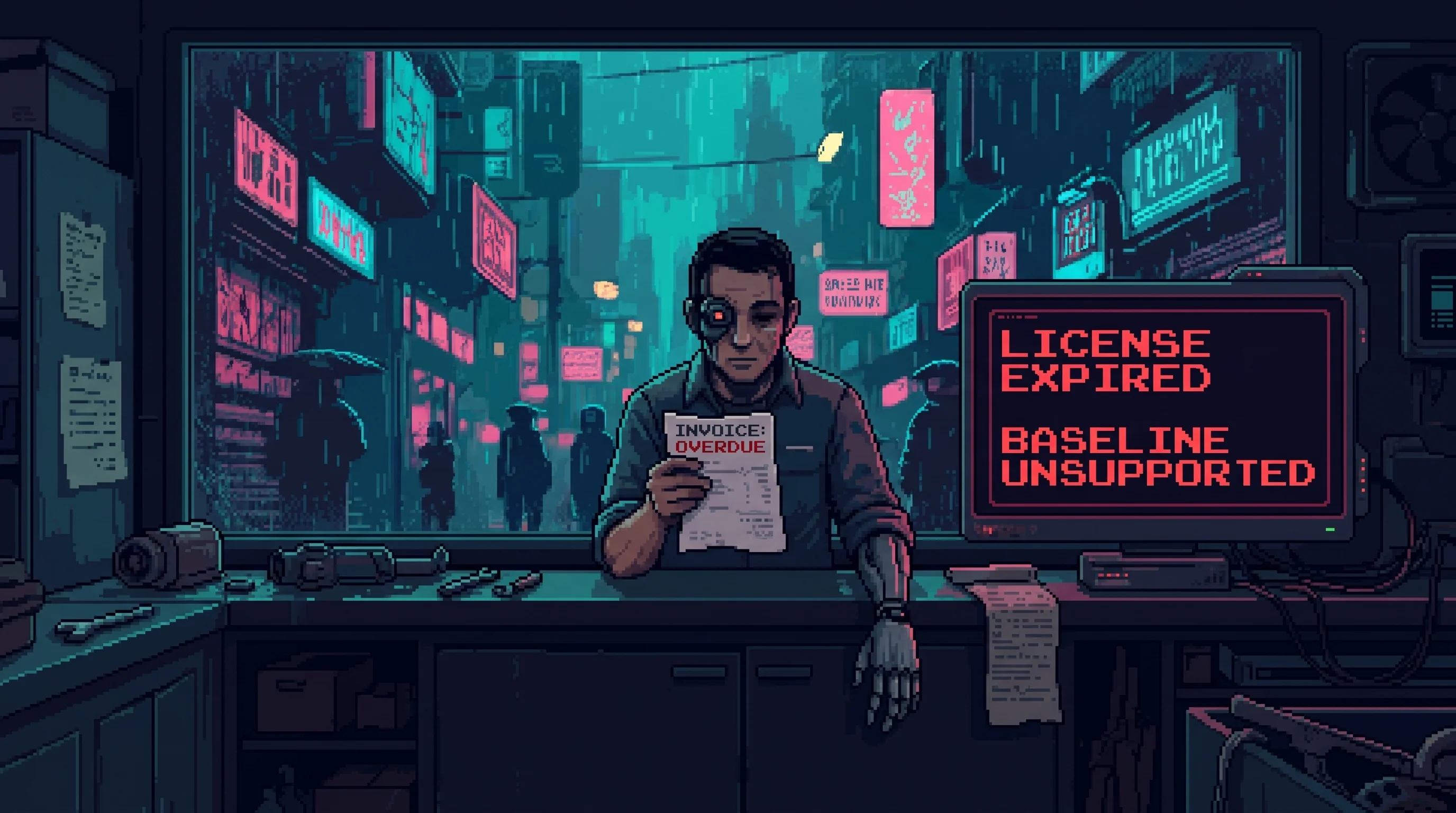
Ironclad Industries manufactures approximately 74% of aftermarket cooling components available in Dregs-accessible shops. The units are adequate. The pricing assumes you have no alternative, which — in an underground section with a rising fan whine — you do not. A replacement radiator assembly costs between 800 and 1,400 credits depending on the shop, the section, and how far the nearest competing vendor is. In Sector 12's deep tunnel stretch, where the nearest competing vendor is eleven stops away, the average price is 1,380. Ironclad's suggested retail: 620.
Nobody has filed a complaint. Filing a complaint requires reaching a terminal. Reaching a terminal requires a functioning crawler. A functioning crawler requires a cooling unit.
Thermal Behavior
Underground sections stress cooling systems disproportionately. The tunnels trap heat, ambient temperatures exceed surface levels by 8–15 degrees in poorly ventilated stretches, and the crawler's own waste heat has nowhere to go. The Breath's atmospheric processing — continuous across the Sprawl's sealed megastructure architecture — does not extend meaningfully into the deeper rail tunnels. Air moves down there, but slowly, and it arrives warm.
Experienced runners know to listen for the fan pitch. A steady hum is normal operation. A rising whine means the system is working harder. The distance between "working harder" and "not working" is shorter than anyone is comfortable with, and it shrinks in direct proportion to tunnel depth. Spare cooling units are critical cargo — ranked alongside water and emergency power cells in most runner loadout guides. Overheating in a tunnel is not a mechanical inconvenience. It is a motor seizure followed by power cell thermal runaway followed by rupture and fire in an enclosed space with limited ventilation and no rapid exit.
The Neon Rail forums maintain a crowdsourced thermal map — tunnel sections color-coded by ambient temperature, annotated with fan-pitch thresholds and the locations of shops that stock cooling components. The map is updated by runners who survived the sections they're annotating. Sections with no annotations are either cool enough to be unremarkable or hot enough that nobody came back to post.

The Middle of the Cascade
A cooling unit rarely fails first. It fails third.
In the dependency triangle, the cooling system is the system that gets blamed for a death the power cells caused. The sequence is fixed: a cell shortfall starves the buffer, the nav array lies and routes the crawler onto a dead-end spur, and only then — six hours deep, the motor the last thing still drawing hard — does the cooling unit run out of the current it needs to do its one job. The fan pitch climbs into the whine every runner is trained to fear. But the radiator assembly is working exactly as designed. It is being asked to dissipate a motor's full heat on a fraction of the power a healthy cell would have given it, in a poorly-ventilated tunnel the nav array should never have entered. When the motor seizes and the overstressed cell vents into the power bay, the rupture reads, in the wreckage, like a cooling failure. It was a cell failure that took three systems and six hours to arrive at the fire.
This is why spare cooling units are critical cargo and still not enough. The unit you can replace; the cascade you cannot, because by the time the cooling system is the visible problem, the cell that started it is already the cell that will finish it.
Visual Identity
- Color Palette: Heat-warning red (#FF4500), coolant blue (#00BFFF), radiator-fin silver (#C0C0C0)
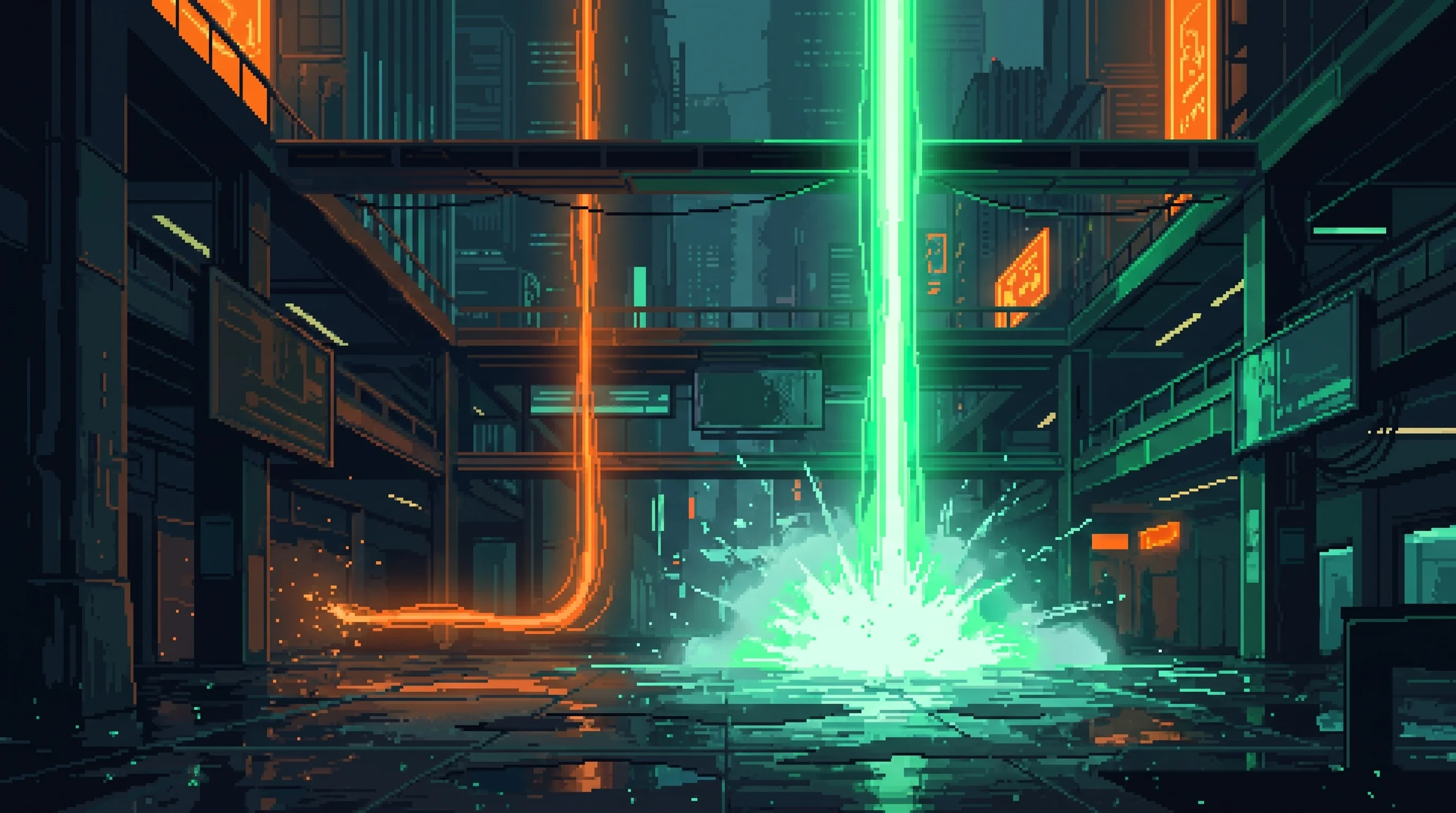
- Key Visual Symbol: A radiator assembly venting heat into tunnel air, steam or heat shimmer visible
Failure produces thermal overload — the motor overheats, power cells risk rupture
Ironclad Industries manufactures ~74% of aftermarket crawler cooling components sold in Dregs-accessible shops
Underground sections with poor ventilation accelerate cooling system stress
Spare cooling units are critical cargo — overheating in a tunnel is potentially fatal
Connected To



—