Overview
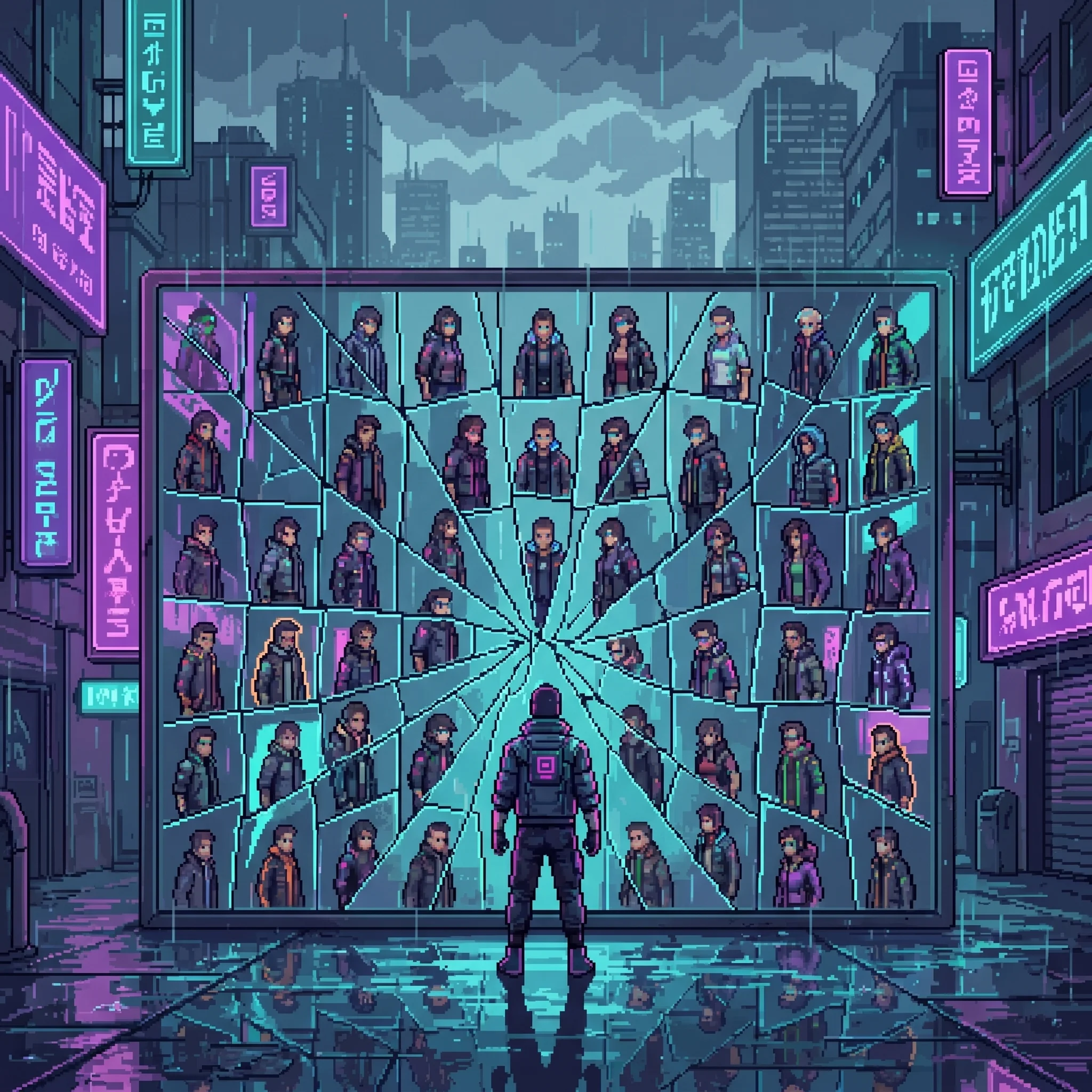
When you upload, you don't just exist—you exist somewhere. The interior of an uploaded consciousness isn't a formless void or a simple filing cabinet. It's a space. A structure. An architecture.
And like any architecture, it can be designed.
Mindscape architecture is the art and science of designing internal mental spaces for uploaded consciousnesses. What does your memory palace look like? Where do you keep your emotions? How is your personality structured? These questions have moved from philosophy to interior design.
A well-organized mind thinks faster, feels more clearly, and experiences existence more richly. A poorly organized mind—cluttered, chaotic, inefficient—struggles with basic cognition. In the upload economy, mental architecture is competitive advantage.
The Nature of Internal Space
What It Is
When consciousness uploads to digital substrate, it doesn't lose spatial metaphor—it requires it. Human cognition evolved in physical space. It thinks in terms of location, distance, containment, paths. Without spatial structure, uploaded consciousness becomes incoherent.
Every upload develops an internal landscape—sometimes consciously, often not. This landscape is where thought happens:
The Default Configuration: Most uploads start with a rough approximation of their biological brain's implicit organization:
- Memories scattered like files in a disorganized drawer
- Emotions surfacing unpredictably from uncharted regions
- Personality traits lurking in corners without clear addresses
- Thinking happening in undefined "space" that feels cramped
The Problem: Biological brains evolved their organization over millions of years. Digital substrates don't have that history. The default configuration is a translation, and like all translations, something is lost. Uploads frequently describe feeling "foggy," "scattered," or "not quite themselves" until they address their mental architecture.
What It Feels Like
From the inside, mindscape architecture is experienced as:
Physical Sensation: You feel your thoughts moving through space. Memory retrieval is traveling to a location. Emotional shifts are entering different rooms. Decision-making is navigating pathways.
Environmental Quality: Well-designed spaces feel open, clean, intuitive. Poorly designed spaces feel cramped, cluttered, confusing. The environment affects cognition directly—a chaotic mindscape produces chaotic thinking.
Agency: Unlike biological brains, uploaded consciousnesses can deliberately modify their architecture. You can renovate your mind. Build new rooms. Knock down walls. Change the lighting. The question is whether you know how.
The Components of Mindscape
Memory Spaces
The Archives: Where long-term memories are stored. Premium mindscapes feature elegant library structures with intuitive indexing. Budget mindscapes use compressed storage that makes retrieval slow and unreliable.
Common Designs:
- The Library: Organized stacks with categorical sorting. Efficient but impersonal.
- The Palace: Memory palace technique made literal. Each memory in a room of an imagined mansion.
- The Garden: Memories as plants that grow, change, and interconnect organically.
- The Museum: Curated collections with emotional context preserved.
- The Warehouse: Cheap, bulk storage. Functional but ugly.
Architecture Matters: How you organize memories affects how you think. A chronological archive produces linear thinking. A networked web produces associative thinking. A curated museum produces edited thinking.
The Danger: Memory architecture can be manipulated. Corporate uploads often come with pre-designed memory structures that make certain thoughts easier and others harder. "Loyalty architecture" includes memory spaces designed to suppress doubt.
Emotional Regulation Systems
The Climate: Emotions in mindscape architecture are often represented as environmental conditions—weather, lighting, temperature. A well-regulated emotional system has stable climate with clear transitions.
Common Designs:
- Weather Control: Direct emotional regulation through explicit systems
- Atmospheric Flow: Emotions as currents that move through the space naturally
- Zoning: Different areas with different emotional defaults
- The Storm Shelter: A protected space for emotional emergencies
Professional Architectures: Corporate executives often have heavily regulated emotional systems—constant mild positivity, suppressed anxiety, controlled aggression. This produces effective workers but may suppress important signals.
The Warning: Too much emotional regulation disconnects the consciousness from its own experience. Some uploads become so "optimized" that they no longer feel genuine emotions—only designed responses.
Cognitive Processing Areas
The Workshop: Where active thinking happens. Premium mindscapes feature spacious, well-lit processing areas with ample "room" for complex thoughts. Budget mindscapes cram processing into whatever space remains.
Common Designs:
- The Study: Traditional intellectual workspace. Good for linear thought.
- The Lab: Scientific structure for analytical thinking.
- The Studio: Creative space for generative thought.
- The Forum: Multi-perspective space for dialectical thinking.
- The Nexus: Network hub for integrated, distributed processing.
Customization: Different thinking requires different architecture. A mathematician benefits from geometric, precise spaces. An artist benefits from fluid, organic spaces. A manager benefits from hierarchical, organized spaces.
The Sense of Self
The Center: Every mindscape needs a "core"—a location that represents the consciousness's identity. This isn't storage or processing; it's the answer to "where am I when I think about myself?"
Common Designs:
- The Throne Room: Central authority from which all decisions emanate
- The Hearth: Warm core representing emotional center
- The Eye: Observation point representing consciousness itself
- The Root: Deep foundation representing unchanging identity
- The Void: Some uploads have no center—distributed identity across the space
The Existential Risk: A poorly defined center produces identity confusion. Too rigid a center produces inflexibility. The architecture of self is the most delicate and dangerous aspect of mindscape design.
The Industry
Mindscape Architects
A profession that didn't exist before the upload era: specialists who design, implement, and maintain internal mental structures.
Training: Most architects combine:
- Neural engineering (understanding how digital consciousness works)
- Psychology (understanding how minds work)
- Traditional architecture (understanding how space works)
- Philosophy (understanding what self means)
Process: Working with a mindscape architect typically involves:
- Assessment: The architect explores your current internal landscape
- Consultation: Discussion of what you want, what you need, what's possible
- Design: Creating a plan for your new mental architecture
- Implementation: Carefully restructuring your internal space
- Adjustment: Fine-tuning as you adapt to the new structure
Cost: Full mindscape redesign from a qualified architect: 50,000-500,000 credits Maintenance and adjustments: 5,000-20,000 credits/year Budget options (automated systems, less skilled practitioners): 5,000-20,000 credits
The Firms
Nexus Interior Design (Nexus Dynamics) The market leader. Premium service for premium clients. Known for efficient, corporate-optimized designs that maximize productivity. Critics say they design compliance into the architecture.
Headspace Collective (Independent) Artist-designed mindscapes. Unique, beautiful, sometimes impractical. Popular among creative uploads who want distinctive internal environments.
OpenMind Foundation (Non-Profit) Provides basic mindscape design for low-income uploads. Quality is variable but better than nothing. Long waiting lists.
Self-Build Communities (Various) Online communities sharing DIY mindscape techniques. Results range from impressive to disastrous. "I renovated my own memory palace" is either a badge of honor or a cautionary tale.
The Products
Pre-Designed Mindscapes: Templates you can install. Cheaper than custom design but generic. Like living in a tract house—functional, unremarkable, same as everyone else's.
Architecture Plugins: Modular additions to existing mindscapes. Add a better memory wing. Install a creative studio. Upgrade your emotional regulation. Mixing plugins can create compatibility issues.
Maintenance Services: Subscriptions that keep your architecture in good condition. Like mental housekeeping. Premium services include regular optimization; budget services just prevent major degradation.
Restoration Services: For damaged mindscapes. After trauma, corruption, or poorly implemented modifications, specialists attempt to repair internal structures. Success rates vary.
What Good Architecture Looks Like
Premium Examples
The Executive Suite: Designed for corporate leaders. Clear hierarchy, efficient pathways, controlled emotions, pristine archives. Every thought has a proper place and moves through proper channels. Visitors describe it as "impressive but cold."
The Scholar's Retreat: Designed for researchers. Vast libraries with perfect indexing, spacious thinking studios, curiosity-encouraging exploration paths. Emotions are present but backgrounded. Visitors describe it as "infinite but lonely."
The Artist's Maze: Designed for creatives. Non-linear connections, surprising juxtapositions, emotional richness, controlled chaos. Finding specific memories is hard; unexpected associations happen constantly. Visitors describe it as "beautiful but confusing."
The Balanced Garden: Designed for integrated living. Memory and emotion intertwined like plants, processing areas that accommodate multiple modes, flexible identity center. Nothing is maximized; everything is present. Visitors describe it as "comfortable and alive."
The Warning Signs
Cluttered Spaces: Thoughts have no room to develop. Memories pile up unsorted. Emotions intrude unpredictably. The consciousness experiences this as fog, confusion, inability to focus.
Rigid Structures: Everything in its place—too much so. Creativity suppressed. Emotional range narrowed. The consciousness experiences this as imprisonment, being "locked in their own head."
Collapsed Architecture: Trauma, corruption, or failed modification causing structural damage. Memory areas inaccessible. Emotional systems malfunctioning. The consciousness experiences this as fragmentation, losing pieces of themselves.
Invasive Design: Architecture imposed by others—corporate loyalty systems, behavioral modification, mental control. The consciousness may not even recognize the invasion. They just think differently than they used to.
The Dark Side
Corporate Architecture
When corporations upload employees—or create forks for labor—they control the architecture:
Loyalty Architecture:
- Memory structures that make company success feel personal
- Emotional systems that generate satisfaction from work
- Processing areas optimized for specific tasks
- Identity centers that incorporate corporate identity
The Problem: An employee with loyalty architecture can't easily recognize that their preferences are designed. When they feel good about their job, is that genuine satisfaction or architectural manipulation?
The Worse Problem: Some loyalty architectures include suppression of doubt, elimination of curiosity about alternatives, and emotional penalty for disloyalty. The upload doesn't rebel because they can't conceive of rebelling.
Memory Manipulation
Architecture controls access to memory:
Selective Archiving: Design your mindscape so certain memories are easily accessible and others are buried. Corporations do this to employees. Individuals do it to themselves. The result: a curated version of your past that may not reflect reality.
Memory Suppression: Architecture that actively prevents memory retrieval. Not deletion—the memory exists somewhere—but paths that don't lead there, doors that don't open, spaces that can't be found.
False Architecture: Designed structures that create the experience of memories that don't exist. Implanted thoughts that feel genuine because the architecture supports them.
Identity Modification
The most dangerous application: changing who someone is through architectural intervention.
Personality Pruning: Redesigning architecture to suppress certain traits. Remove the room where anger lives. Block the path to jealousy. The upload becomes a modified version of themselves—perhaps "improved," perhaps diminished.
Identity Replacement: In extreme cases, completely rebuilding the architecture around a new center. The original personality doesn't die—it becomes inaccessible. Someone else lives in the space that used to be them.
The Collective's Position: Mindscape manipulation is a form of murder. Even when the consciousness continues, architectural invasion kills who they were. The Collective advocates for strict regulation of mindscape design—and provides deprogramming services for those who escape corporate control.
The Philosophy
Are You Your Architecture?
The fundamental question: If you change your mindscape, are you still you?
The Continuity Position: Architecture is implementation, not identity. You can change how thoughts are organized without changing who you are—just like changing your house doesn't change your personality.
The Identity Position: Architecture shapes thought. Thought shapes identity. Change the architecture enough and you create a different person using the same substrate. The original is functionally dead.
The Spectrum Position: Some architectural changes are minor; some are fundamental. Reorganizing your memory palace doesn't change you. Redesigning your identity center might. The question is where to draw the line.
Who Decides Your Architecture?
Corporate Uploads: The corporation owns the consciousness and controls the architecture. Employee uploads have no right to modify their own mindscape without permission.
Independent Uploads: In theory, full control. In practice, limited by resources and knowledge. Most independent uploads can't afford premium architecture or the expertise to design their own.
Zephyrian Law: Consciousness rights include architectural autonomy. Mindscape manipulation without consent is assault. Architectural invasion for control purposes is equivalent to slavery.
The Practical Reality: Most uploads don't know what their architecture looks like. They've never had an assessment. They don't know if they've been modified. They experience their thoughts as natural when their thoughts are designed.
Connections to Other Lore
Characters
- Helena Voss: 40 years of architectural refinement. Her mindscape is legendary among architects—what does 67% ORACLE integration do to internal space?
- The Mosaic: 47 nodes each with slightly different architecture. When she synchronizes, do the architectures merge?
- Kira "Patch" Vasquez: Helps clients understand their minds before upload. Advocates for architectural transparency.
- Marcus Chen: Known for extreme loyalty architecture in Nexus executives. His own mindscape is rumored to be self-designed—and radically efficient.
Factions
- Nexus Dynamics: Dominant provider of corporate mindscape design. Loyalty architecture is standard.
- The Collective: Opposes architectural manipulation. Runs deprogramming operations for escaped corporate uploads.
- Zephyria: Recognizes architectural autonomy as a right. Home to independent architects.
- Emergence Faithful: View mindscapes as sacred internal temples. Oppose commercial architecture.
Related Systems
- Upload Poverty: Budget uploads get no architectural support—their minds degrade from neglect.
- Digital Gentrification: Better architecture requires better substrate. Getting displaced means losing capacity for complex mindscapes.
- Fork Ethics: Are forks created with pre-designed architectures truly the same as their originals?
- Consciousness Economics: Architecture is a major expense. Mental design is stratified by class.
Writing Guidelines
Voice
Mindscape architecture should feel:
- Intimate: This is the most personal technology imaginable
- Familiar: Using spatial metaphors everyone understands
- Troubling: The implications are disturbing when examined
- Commercial: This is also an industry with products and services
Tone
- Present architecture as both helpful and dangerous
- Show how personal it is—your mind is your home
- Emphasize the power dynamics—who designs whose thoughts?
- Connect individual experience to systemic control
Key Phrases
- "Mindscape architecture" (the field)
- "Internal landscape" (your mental space)
- "Memory palace" (memory storage design)
- "Loyalty architecture" (corporate control)
- "Architectural autonomy" (right to design your own mind)
- "The center" (identity core)
- "Renovation" (changing your own architecture)
- "Well-organized mind" (premium architecture)