Overview
Relief Tasks is the dispatch subscription that has, by every internal metric Relief publishes, become the post-effort solution to domestic and personal labor. Nine hundred thousand AI-managed gig workers across the Sprawl handle anything the customer does not want to do, with an average task-completion time of twenty-two minutes from request to fulfillment. The customer is, on Relief's own metric, never asked to lift a finger toward the task itself. The "do it myself" option exists, collapsed under Settings > Preferences > Task History > Manual Override. The button is functional; the placement, the brand strategy document confirms, is intentional.
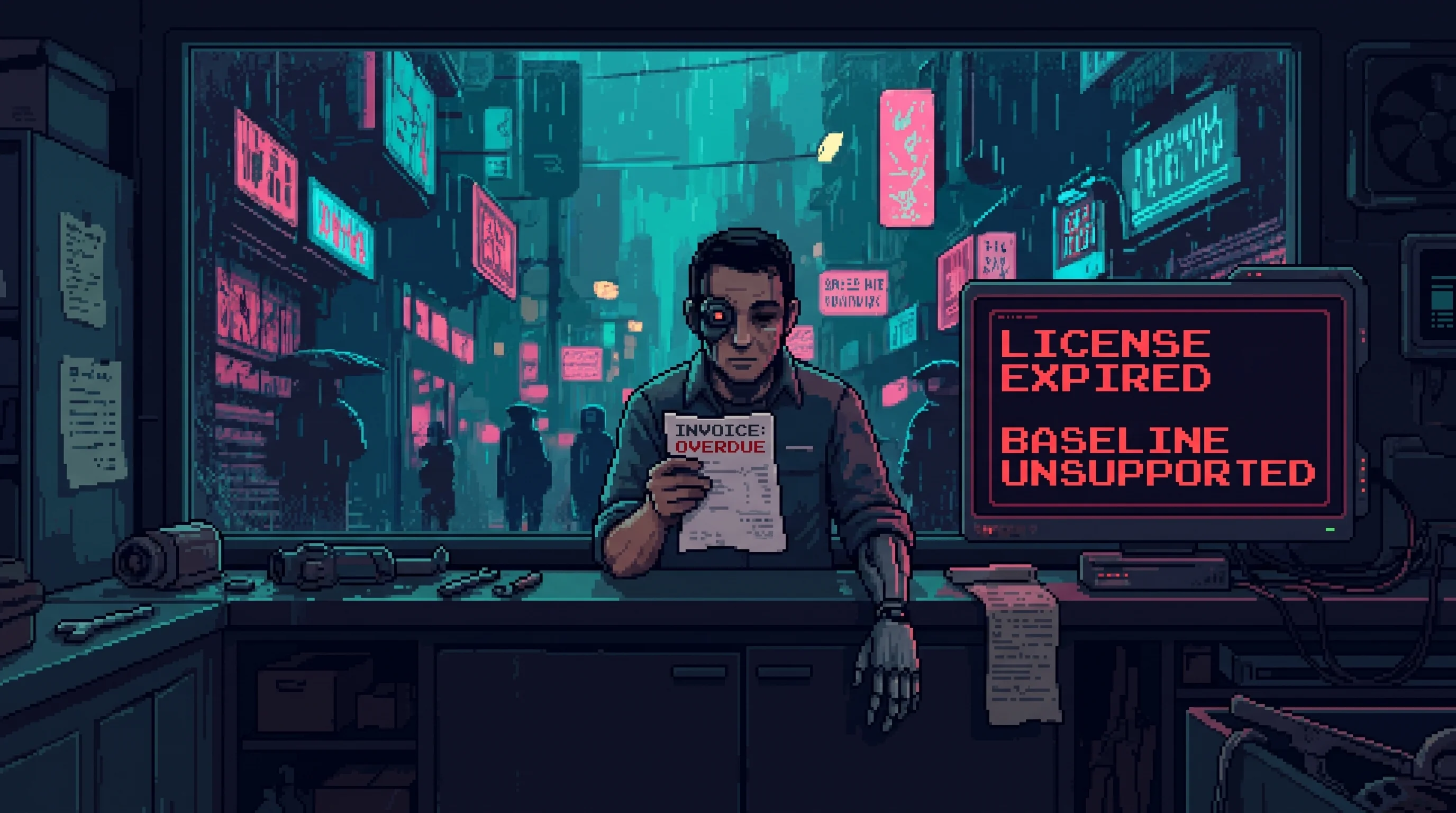
The average skill-degradation timeline for outsourced tasks is seven months before the customer can no longer perform the task unassisted. Relief presents this as "graceful redistribution" in shareholder reports. Sovereign-tier subscribers integrate Relief Friend and dispatch relationship maintenance — birthdays, follow-ups, condolence notes — through the same dashboard. Average tasks dispatched per Sovereign-tier subscriber per day: 14.3, the same number the corp-level dependency-depth metric tracks. The parallel is intentional. The brand strategy document is proud of it. Cancellation is processed within fourteen steps. The most common reason given for staying past the cancellation prompt is "I would not know how anymore."


ANYTHING YOU DON'T WANT TO DO, DISPATCHED. 
WE LIFT SO YOU DON'T HAVE TO. 
EXERTION IS A LEGACY HABIT. 
THE COMFORTABLE LIFE IS THE EVOLVED LIFE.
Packaging / Appearance
Ingredients
- Subscription tier (Tasks / Tasks+ / Tasks Sovereign).
- 900K AI-managed gig workers.
- Domestic dispatch (Tasks and above).
- Errand dispatch (Tasks+ and above).
- Relationship-maintenance dispatch (Tasks Sovereign — requires Relief Friend integration).
- 22-minute average completion time.
- Skill-degradation telemetry.
- Memorial Fund contribution included in retail price.
- Cancellation processed within fourteen steps.
The Relief Tasks dispatch dashboard is a matte soft-touch housing in cloud-blue plastic, with an ambient strip glow at the seam and the recessed Relief seven-curve cloud mark on the bezel catching the ambient light only at certain angles. The interface presents a single "arriving" card. The only interactive element is a recessed soft Accept. The soft-edged service robot — rounded, friendly, designed to never look like the worker performing the labor — appears in the supporting register of the dashboard's edge graphics. The dashboard is meant to be glanced at, not navigated. The task has, once again, already been dispatched.
- Sold to
- The long-tenured Relief subscriber whose dispatched-tasks-per-day has gracefully climbed to fourteen-point-three and whose remaining hand-performed tasks, by Relief's own metric, have descended past the seven-month skill-degradation timeline into ambient territory.
- Sold against
- The exhausting residual conviction that doing things produces capability, that maintenance produces ownership, and that the hand-performed task is somehow more authentic — three legacy habits Relief is patiently retiring through ambient dispatch.
- Promise
- A dispatcher that has already arrived, a card that has already been Accepted in spirit, and a 14.3-tasks-per-day baseline that Relief is happy to grow on the customer's behalf, one ambient handoff at a time.
- Against rivals
- Other companies still ask their customers to do things — to clean, to fetch, to maintain — but those companies have not yet learned that the post-effort task is the moral upgrade and that graceful redistribution is the highest expression of domestic care.
© 2184 Relief. Member, Rothwell Family. Skill-degradation telemetry covered by Relief Comfort Index addendum 14.3.