Relief Go
Post-Effort Autonomous Transit
Autonomous transportation: cloud-blue rounded autonomous vehicles dispatched to the customer's location on demand; the vehicle arrives without being summoned twice; the customer's destination is, on Relief's metric, never a place she had to walk to
Packaging / Appearance

- The chassis
- Matte cloud-blue, rounded at every edge, with the seven-curve cloud recessed into the door and no wordmark.
- The overlay
- Walking distance to the destination, collapsed by default into a corner that reads "380m".
- The interior
- A Relief Chair recliner and a Relief Voice disc. On Company Routing there are two recliners, turned to face each other.
The Relief Go vehicle is a matte soft-touch chassis in cloud-blue plastic, rounded into a friendly form with no visible brand wordmark, no logos other than the recessed Relief seven-curve cloud mark on the door, and no fine print. The ambient strip glows softly along the chassis seam when the vehicle is en route or has just arrived. The exterior screen displays walking distance to destination as "380m" in a discreet collapsed overlay in the corner; the brand guide describes its placement as "the ambient default register." The interior is a small extension of the customer's home — same recliner, same ambient strip, same Relief Voice disc — and the brand strategy document calls the trip "an extension of the room."
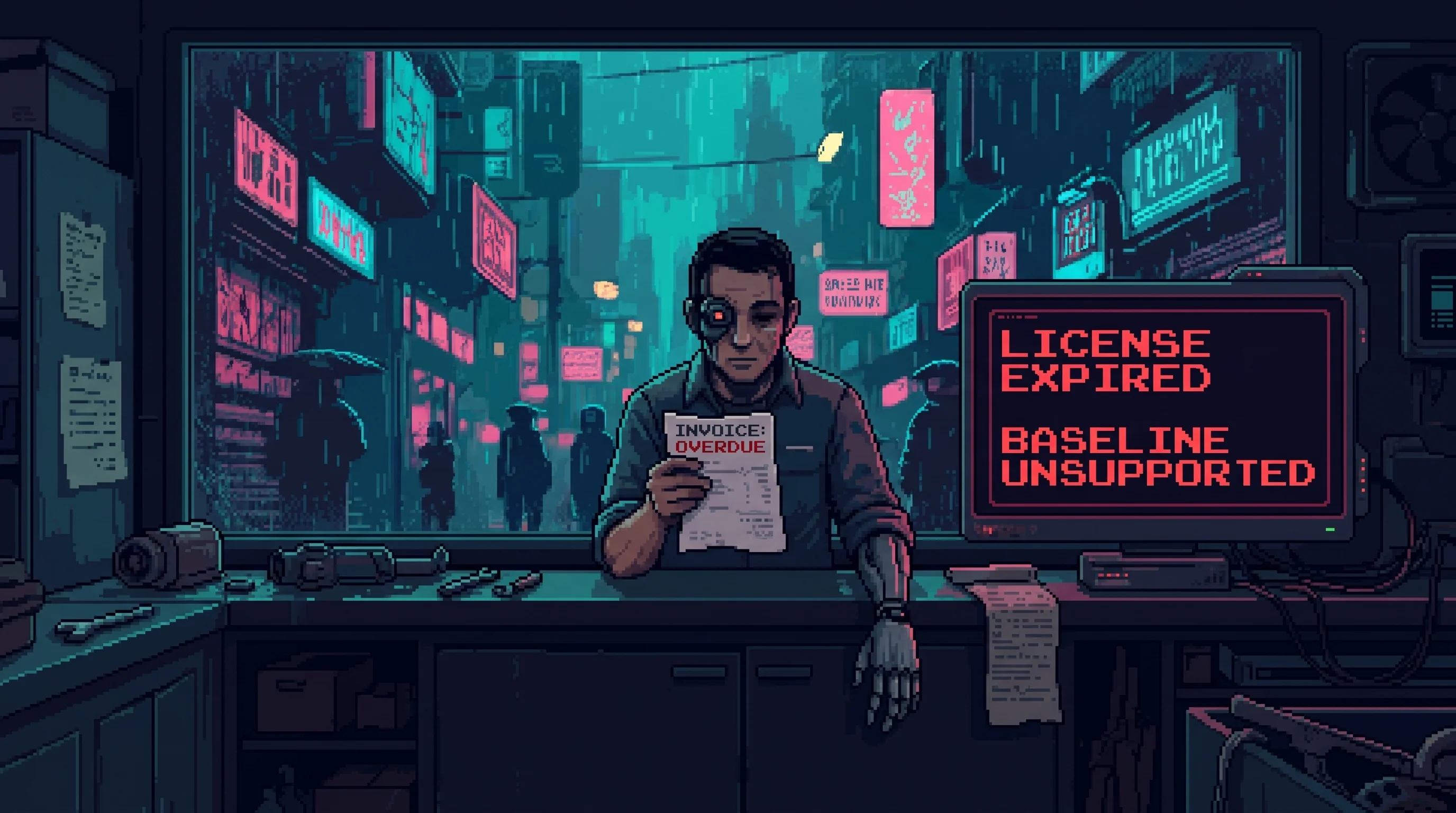
Walking distance is a legacy habit. Three-hundred-eighty-meter average trip, sixty-seven percent under 400 meters, forty-one percent decline in pedestrian activity.
Overview
Relief Go is the autonomous-transportation SKU that has, by every internal metric Relief publishes, become the post-effort transit of record. Cloud-blue rounded autonomous vehicles dispatch to the customer's location on demand. The vehicle arrives without being summoned twice. The dashboard displays walking distance to the destination but defaults the display to a collapsed view, surfaced through Settings > Preferences > Trip History > Distance Display Override. Sixty-seven percent of Relief Go trips cover distances under 400 meters. Pedestrian activity in Relief Go-saturated districts has declined 41% since 2179. The brand strategy document calls this "evolved transit" and treats the figure as the most honest endorsement of the service's design philosophy.
The vehicle's interior is a small Relief Chair recliner with an ambient strip glow at the seam, a Relief Voice disc on the interior wall, and a single arriving-card dashboard. The trip is an extension of the room. Sovereign-tier subscribers integrate Relief Anticipate, after which the vehicle is at the curb before the customer registers wanting to go anywhere — average trips per day at this tier: 7.2, average distance per trip: 380 meters. Cancellation, when it happens, is processed within fourteen steps. The most common reason given for staying past the cancellation prompt is "I would not know how to get there."
Company Routing
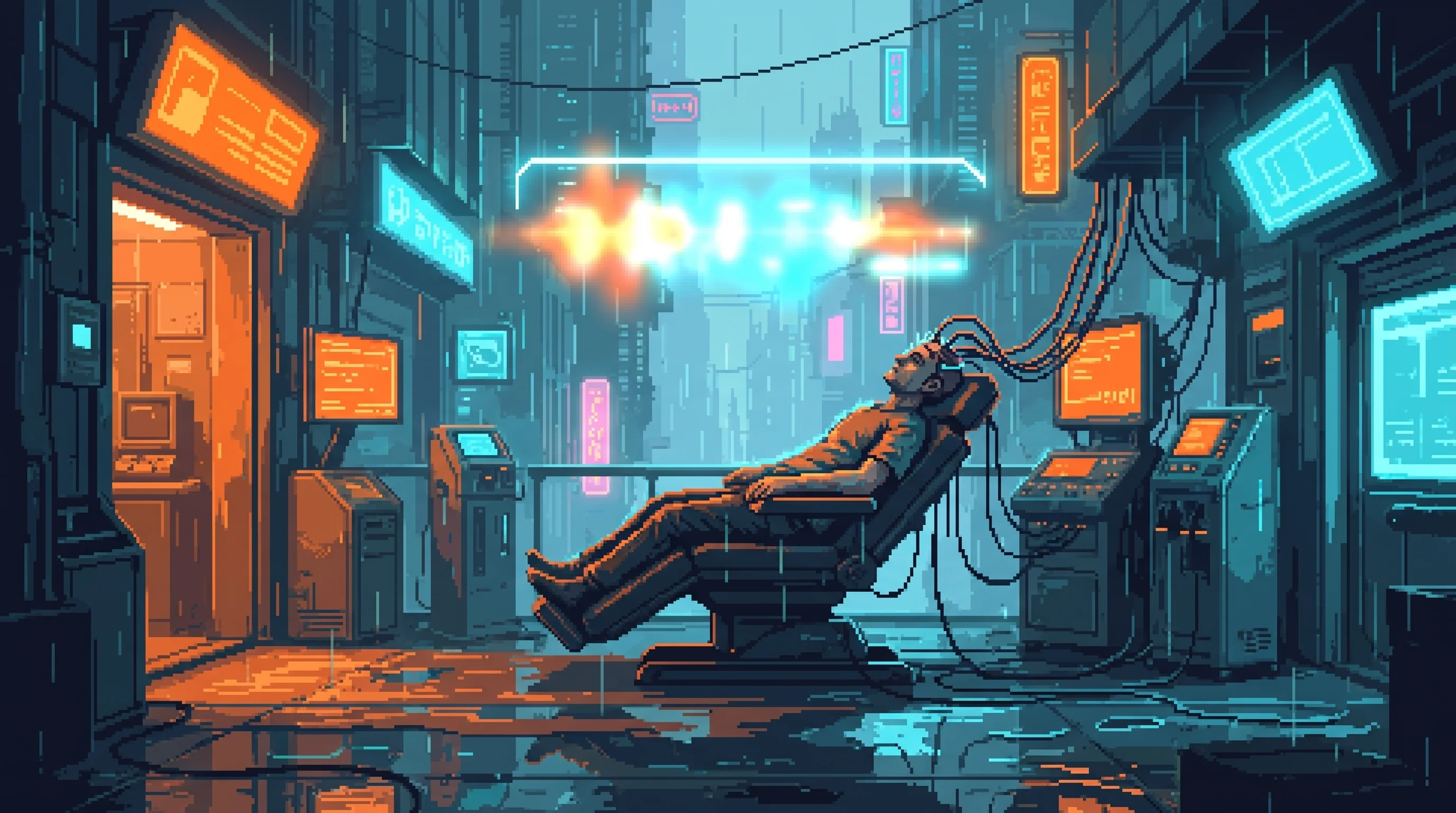
Marit Oduya's pharmacy is two hundred and ninety metres from her door. On Company Routing it is a thirty-four-minute trip. The vehicle collects a man from the next block, turns the two recliners to face each other, and takes the levee road.
Relief launched the add-on when Relief Friend began having to show the district its users' hours with other people. A ride with an unpaid stranger counts. The dispatcher pairs two subscribers whose companions are short for the quarter, then lengthens the route until both are covered. The launch headline was COMPANY IS ALREADY INSIDE. The brand strategy document calls the thirty-four-minute trip evolved transit, as it called the forty-seven-second one.
Marit and the man have made the trip about a hundred and sixty times. They have not spoken. She knows his shoes, his cough, and that he buys the same blue lozenges. In March the vehicle broke down at her curb. He looked up the street, pointed, and said, "That's it." The pharmacy was right there. They walked it together. Both companions logged four minutes.
Ingredients
Subscription tier (Go / Go+ / Go Sovereign). Autonomous-vehicle dispatch (Go and above). Ambient continuous availability (Go+ and above). Pre-arrival autopilot (Go Sovereign — requires Relief Anticipate integration). Walking-distance display defaulted to collapsed view. Memorial Fund contribution included in retail price. Cancellation processed within fourteen steps.
What Nobody Can Explain
Restricted annex — open to read
The walking-distance display is not hidden. It is collapsed by default and requires four menu layers to surface. Relief has not published the rate at which customers change this setting. The 41% pedestrian-decline figure suggests the answer.
Go Sovereign's pre-arrival logic depends on Relief Anticipate, which also drives Relief Chair and Relief Voice. The behavioral telemetry feeding pre-arrival dispatch is the same telemetry Relief uses for its Comfort Index. Relief has not disclosed whether Go Sovereign trip data feeds back into the Comfort Index score or whether the Comfort Index score is used to refine Go Sovereign dispatch timing. The brand strategy document treats the integration as a feature.
"I would not know how to get there" is the most common response on the cancellation exit survey at step fourteen. Relief's public filings describe this as a customer-satisfaction metric. They are not wrong. They are measuring the right thing.
Further connections
Browse all 5 connected records

Company Routing turns a shared ride into the companion's hours.
Relief's AI companion product, rated more satisfying than human relationships by its own users.

Relief's transportation SKU — autonomous vehicles dispatched to your location; 67% of trips cover under 400 meters; pedestrian activity in saturated districts has declined 41% since 2179
The corporation whose algorithms produce 70% of the Sprawl's synthetic content and decide what surfaces from the rest.

Two strangers ride the long way so their companions stay on.
Perfect synthetic partners ended rejection. They also made human intimacy look like a bad product.
