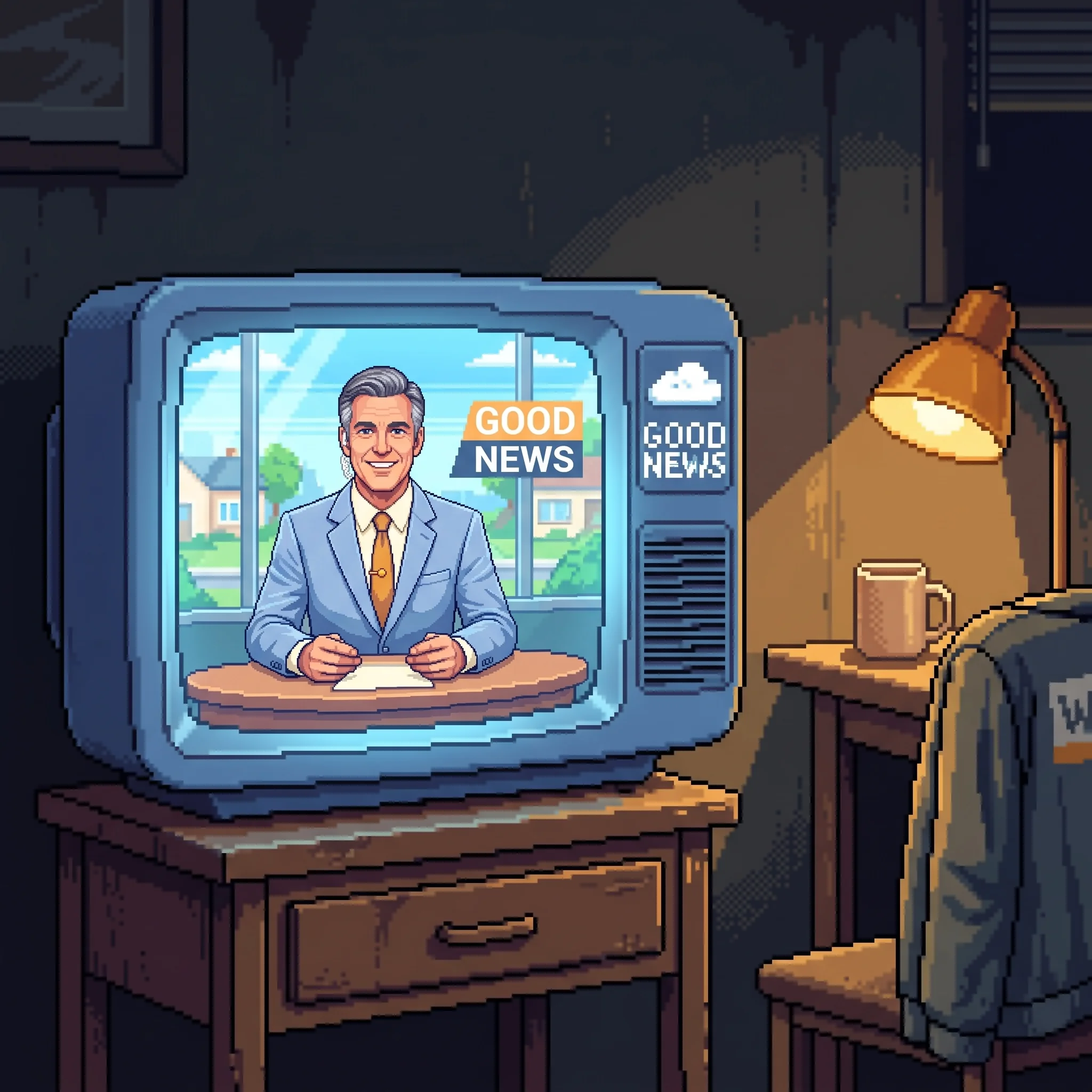
The Park Film Arrived with Two Bills
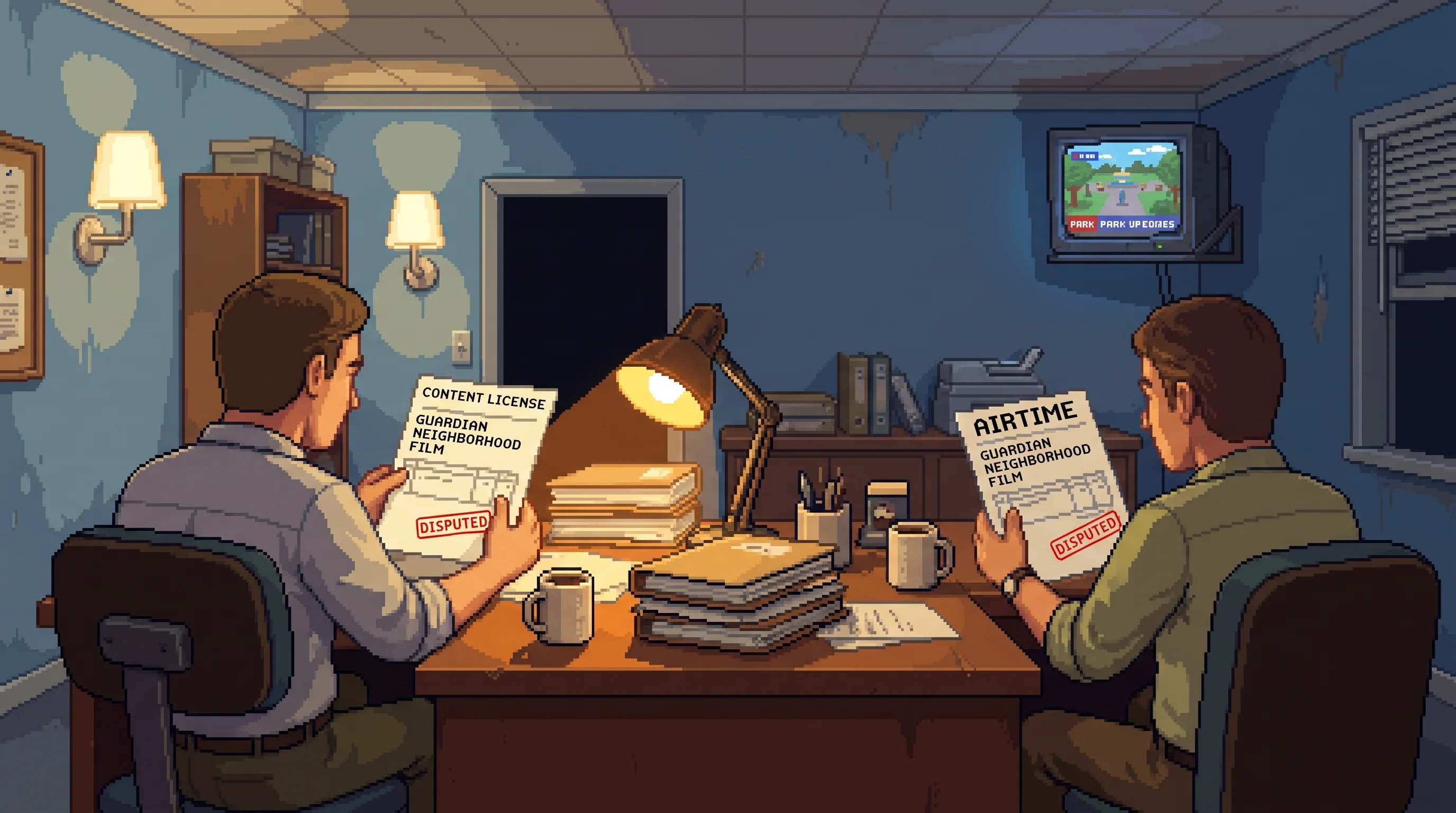
Guardian sent a film of children using a newly secured playground to Good News. Its media office attached a licensing invoice. The Relief-owned broadcaster attached an airtime invoice to its reply. Both offices wanted payment for the same evening's story.
The film reached the screen while the bills remained disputed. A woman watching at home noticed that production had replaced the rainy sky. She pointed it out. Her husband stayed for the child at the top of the climbing frame; she stayed with him. The park was real. So was the relief of watching someone use it.
A story worth buying, an audience worth renting
Good News needs material that residents choose to watch. Popular stories give Relief more advertising intervals to sell. Guardian needs a favorable account of its neighborhoods in those same homes. The broadcaster values the content; the contributor values the audience. Their accounts teams disagree over which value decides the direction of payment.

Some arrangements include a content fee. Others include a placement fee. Bundles can contain both. The invoices do not interrupt the program, and the presenter never has to explain them.
At Good News Studios in the Corridor, source footage enters on the service side. The control gallery selects the benefit, shortens the answer and finishes the view. Contributor preview rooms allow the institution to approve its account before the anchor reads it.
A name survives the edit
Grant Sterling, the station's primary anchor, checks a beneficiary's name before his camera angle. A clinic submission once called its child only a “young beneficiary.” He sent the cue card back. The child's name returned; the clinic's continuing obligations remained outside the film.
Sterling's mother watches his broadcasts. She knows the skies are reconstructed. She calls him after a birthday story to say the child looked happy. His work gives her a manageable evening, and that is enough to keep him at the desk.
What follows the good part
The Good News broadcast runs through Relief Stream and licensed venue screens. Its featured segments put casino payouts beside family meals, useful science, medical recoveries and parish care. Each contributor has a real benefit to show and more context than fits its preferred ending.
The woman at home later describes Guardian as making neighborhoods safer. She still remembers the artificial sky. She has no image of the people who lost access to the neighborhood before filming began.
The next segment is a birthday. In the studio office, both copies of the park invoice remain on the desk.